The 8 Days Lemosho Route on Kilimanjaro typically costs between $2,200 and $4,500 per person for 2026-2027, depending on the operator, inclusions, and group size. This price generally covers park fees, crew wages, meals, accommodation on the mountain, and basic equipment, with higher-end packages offering more comfort and services. The 8-day itinerary provides an excellent balance of acclimatization and scenery, starting from the west and traversing the northern circuit before descending via the Mweka route.

Understanding the 8 Days Lemosho Route: A Premier Kilimanjaro Trek
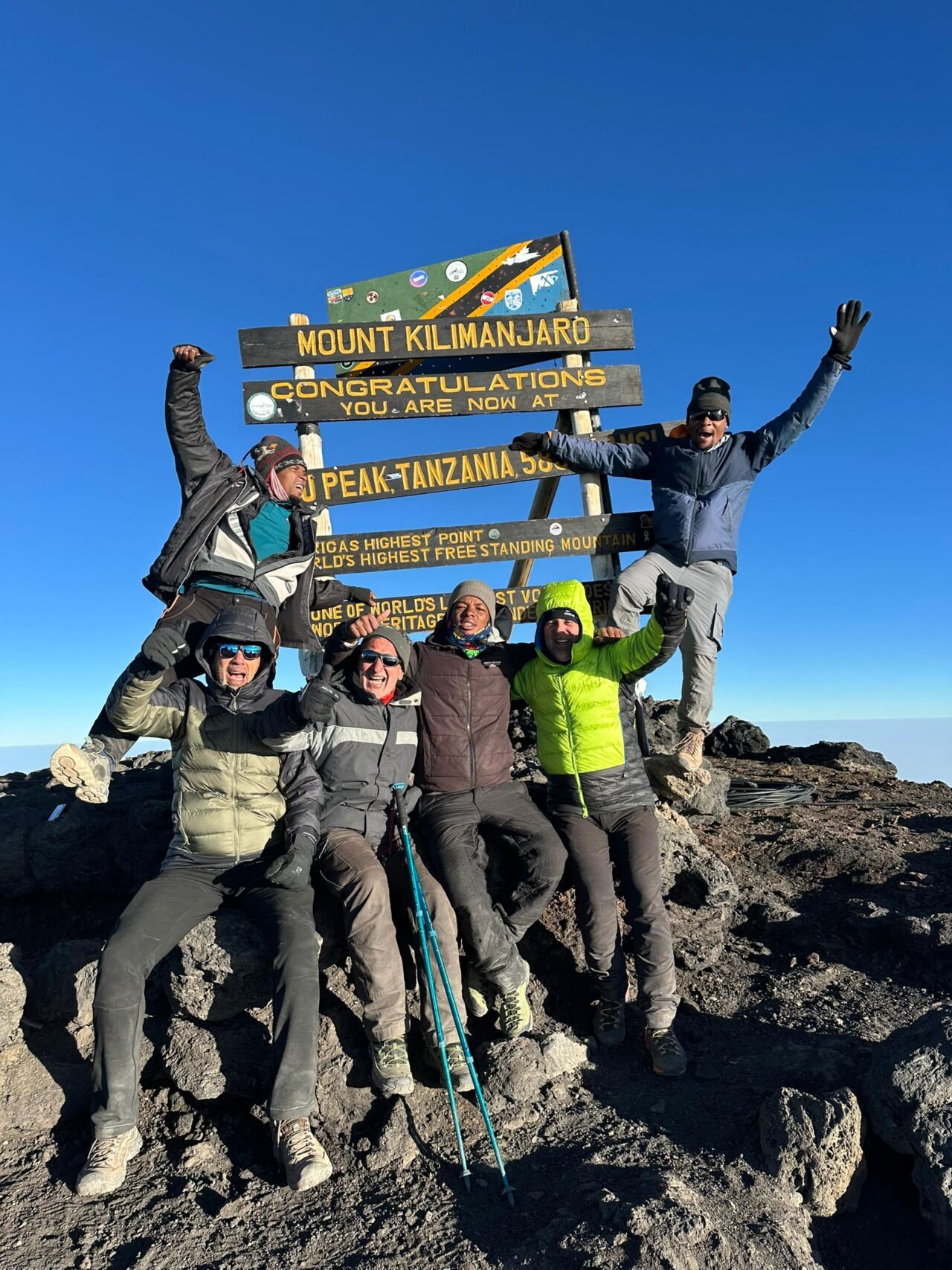
The Lemosho Route is widely regarded as one of the most beautiful and successful ascent paths on Mount Kilimanjaro. Its popularity stems from its gradual acclimatization profile, stunning vistas, and higher summit success rates, especially when trekked over 7 or 8 days. The 8-day version of the Lemosho Route is particularly favored by climbers seeking a more relaxed pace and enhanced acclimatization, which is crucial for reaching Uhuru Peak (5,895m) safely. This route begins in the west of Kilimanjaro, near the Lemosho Gate, and offers a unique experience, starting in lush rainforest before ascending through diverse ecological zones: heath, moorland, alpine desert, and finally, the arctic summit zone.
Climbing Kilimanjaro via the 8-day Lemosho Route in 2026 or 2027 means choosing a path that maximizes your chances of success and enjoyment. It allows ample time for your body to adjust to the increasing altitude, significantly reducing the risk of altitude sickness. As you plan your adventure, understanding the cost, the detailed itinerary, and what’s typically included will be paramount. Climb 4 Africa specializes in Kilimanjaro expeditions, offering expert guidance and support for treks like the 8 Days Lemosho Route, ensuring a memorable and safe climb.
Kilimanjaro 8 Days Lemosho Route Cost & Pricing Breakdown for 2026-2027
Determining the exact cost for an 8 Days Lemosho Route Kilimanjaro climb requires looking at various factors. Tour operators offer different packages, and prices can fluctuate based on the season, the quality of service, group size, and the level of inclusions. For 2026-2027, expect a general price range, but always request a detailed quote.
Typical Cost Range for 8 Days Lemosho Route (per person)
- Budget Operators: $2,200 – $2,800 (Basic services, often larger groups, fewer inclusions)
- Mid-Range Operators (Recommended): $2,800 – $3,800 (Good balance of quality, service, and inclusions; e.g., Climb 4 Africa)
- Premium/Luxury Operators: $3,800 – $4,500+ (Higher quality gear, private rooms in hotels, more experienced guides, smaller groups, expanded meal options)
These figures are estimates. The exact price for your 8 Days Lemosho Route climb in 2026 or 2027 will depend on your chosen operator and specific package. Always clarify what is included and excluded.
Key Factors Influencing the 8 Days Lemosho Route Price
Several elements contribute to the overall cost of your Lemosho Route expedition. Understanding these will help you compare quotes and make an informed decision for your 2026-2027 trek:
- Park Fees: These are set by Kilimanjaro National Park and are a significant portion of the cost. They are non-negotiable and are the same for all operators. For 2026-2027, these fees are subject to change but remain a substantial component.
- Crew Wages & Welfare: Ethical operators pay their guides, porters, and cooks fair wages, provide them with proper gear, food, and insurance. This is a crucial differentiator between budget and responsible tour companies. Climb 4 Africa is committed to fair treatment of its crew.
- Quality of Equipment: High-quality tents (sleeping tents, mess tents, toilet tents), sleeping mats, and cooking equipment contribute to comfort and safety on the mountain.
- Food & Drink: The quality, variety, and quantity of meals provided on the mountain vary. Higher-priced packages often include more diverse menus and better quality ingredients.
- Group Size: While the Lemosho Route can be booked as a private climb, joining a group can reduce the per-person cost. However, private climbs offer more flexibility.
- Guide Experience & Ratio: More experienced guides and a better guide-to-client ratio generally mean higher costs but also increased safety and support.
- Accommodation Before and After the Climb: Some packages include pre- and post-climb hotel stays.
- Logistics: Transportation to and from the mountain gate, airport transfers, and other ground arrangements are factored in.
- Emergency Support: This includes oxygen cylinders, first-aid kits, and emergency evacuation procedures (though evacuation insurance is usually an additional cost).
What’s Typically Included in an 8 Days Lemosho Route Package?
When budgeting for your 2026-2027 8 Days Lemosho Route Kilimanjaro climb, look for packages that generally include:
- All park entry fees (Kilimanjaro National Park, concession fees)
- Rescue fees
- Salaries for your professional guides, cooks, and porters
- All meals on the mountain (breakfast, lunch, dinner)
- Boiled and purified drinking water
- Accommodation in tents on the mountain
- Portable toilet tent and toilet facilities
- Group camping equipment (mess tent, tables, chairs)
- Ground transportation (e.g., from Moshi/Arusha to the trailhead and back)
- Briefing before the climb
- Climbing certificate
What’s Typically Excluded?
Be aware of common exclusions to budget accordingly for your 2026-2027 Lemosho Route trek:
- International flights to/from Kilimanjaro International Airport (JRO)
- Visa fees
- Travel insurance (mandatory, including emergency evacuation)
- Personal climbing gear (e.g., sleeping bag, hiking boots, warm clothing – often available for rent)
- Tips for guides, porters, and cooks (a significant part of the crew’s income)
- Meals and drinks in hotels before and after the climb
- Personal expenses (e.g., souvenirs, laundry, alcoholic beverages)
- Optional activities (e.g., hot showers on the mountain, if offered)
- Summit pole or trekking poles (sometimes)
The 8 Days Lemosho Route Itinerary: A Day-by-Day Guide for 2026-2027
The 8-day Lemosho Route is designed to provide excellent acclimatization, offering stunning scenery and a rewarding climb. Here’s a typical day-by-day breakdown, which you can expect for your 2026-2027 adventure:
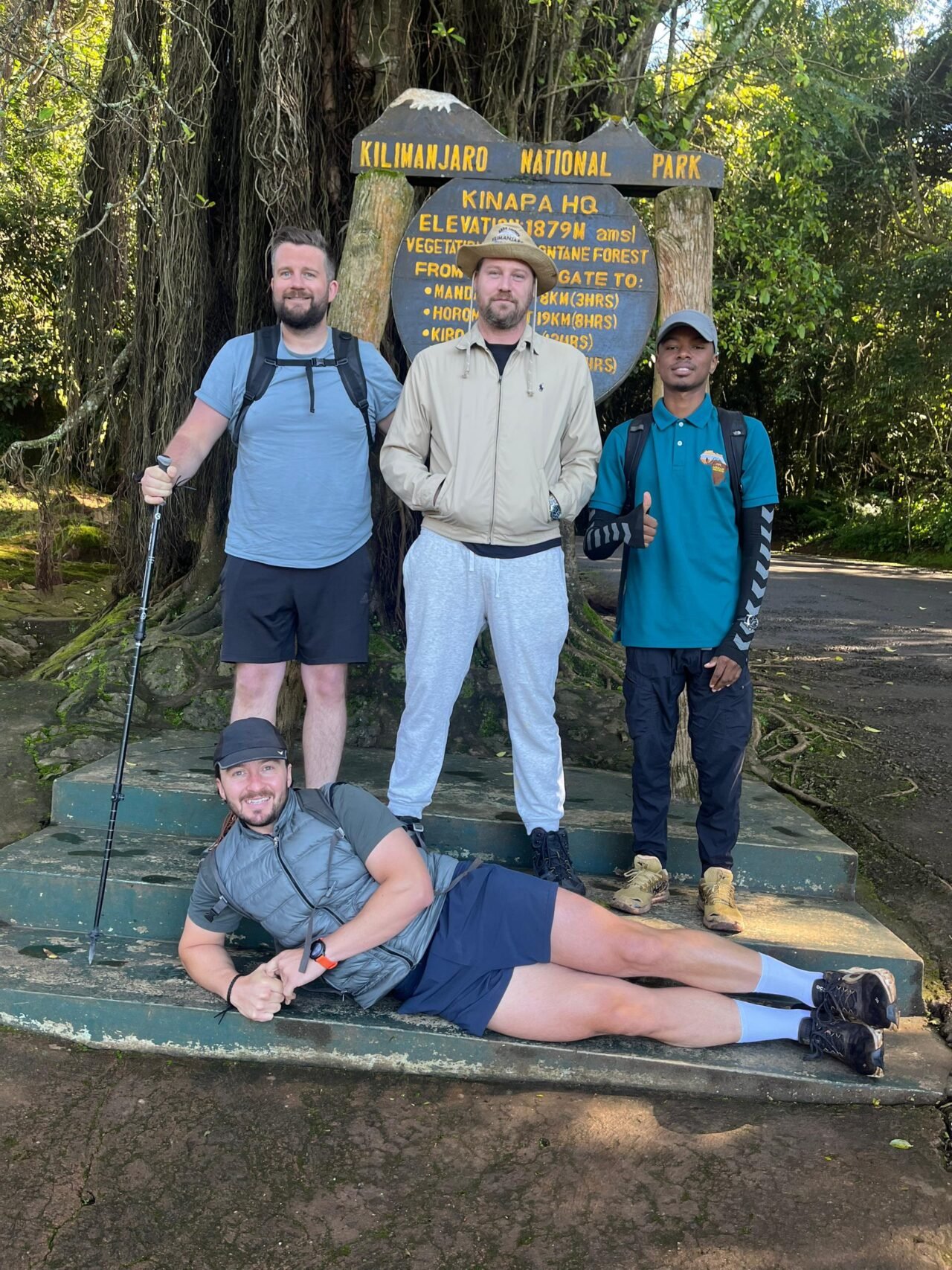
Day 1: Lemosho Trailhead to Mti Mkubwa Camp
- Distance: Approximately 6 km
- Trekking Time: 3-4 hours
- Altitude Gained: 300m (from 2,100m to 2,400m)
- Description: After breakfast and a briefing, you’ll be driven to the Lemosho Glades trailhead. The trek begins through the dense rainforest of Kilimanjaro’s lower slopes. Keep an eye out for colobus monkeys and other wildlife. The path is relatively gentle, leading you to Mti Mkubwa (‘Big Tree’) Camp, your first night’s resting spot.
Day 2: Mti Mkubwa Camp to Shira 1 Camp
- Distance: Approximately 10 km
- Trekking Time: 5-6 hours
- Altitude Gained: 700m (from 2,400m to 3,100m)
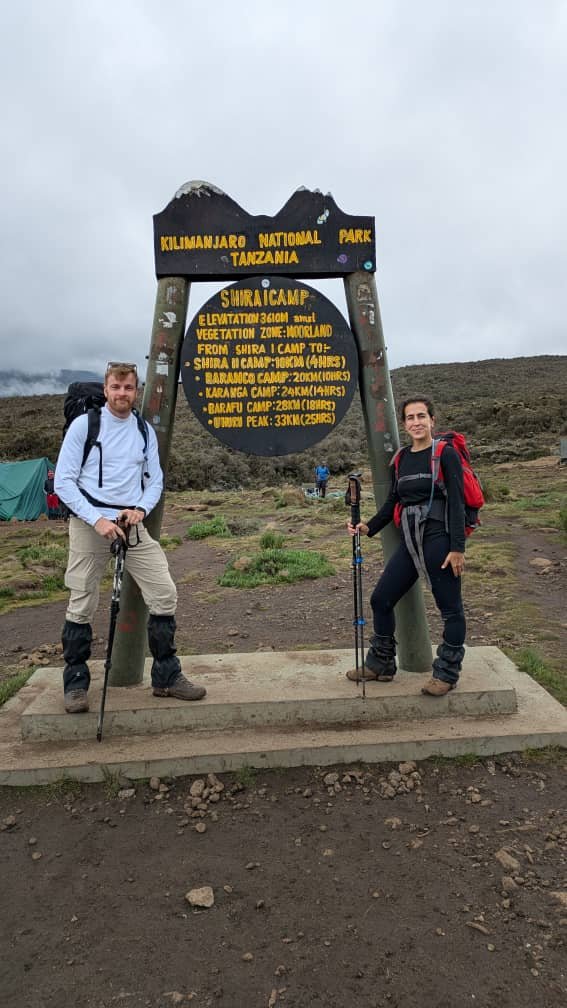
- Description: Today’s trek continues through the rainforest, which gradually gives way to heather and moorland. You’ll ascend steadily, enjoying increasingly panoramic views. The trail can be muddy in places, especially during the rainy seasons. You’ll reach Shira 1 Camp, situated on the expansive Shira Plateau, a UNESCO World Heritage Site.
Day 3: Shira 1 Camp to Shira 2 Camp
- Distance: Approximately 7 km
- Trekking Time: 3-4 hours
- Altitude Gained: 300m (from 3,100m to 3,400m)
- Description: This is a relatively short and easy day, designed to aid acclimatization. You’ll traverse the Shira Plateau, a stunning, windswept moorland environment with dramatic rock formations and views of Kilimanjaro’s three cones. Shira 2 Camp is located on the plateau, offering a good base for the days ahead.
Day 4: Shira 2 Camp to Barranco Camp
- Distance: Approximately 10 km
- Trekking Time: 6-7 hours
- Altitude Gained: 700m (from 3,400m to 3,950m, with a high point at Lava Tower 4,600m)
- Description: Today is a significant day for acclimatization, as you’ll ascend to Lava Tower (4,600m) before descending to Barranco Camp (3,950m). This “climb high, sleep low” strategy is vital. The landscape changes dramatically to alpine desert. The descent to Barranco Camp offers spectacular views of the Western Breach and the Barranco Wall.
Day 5: Barranco Camp to Karanga Camp
- Distance: Approximately 5 km
- Trekking Time: 4-5 hours
- Altitude Gained: 350m (from 3,950m to 4,200m)
- Description: This day involves tackling the famous Barranco Wall, a steep but manageable scramble that requires using your hands. It’s an exhilarating part of the Lemosho Route. After the wall, the trail continues through a rocky landscape towards Karanga Camp, situated in a valley with striking views.
Day 6: Karanga Camp to Barafu Camp
- Distance: Approximately 4 km
- Trekking Time: 4-5 hours
- Altitude Gained: 750m (from 4,200m to 4,950m)
- Description: You’ll trek across a barren, alpine desert landscape with increasingly challenging terrain. The ascent is steady, bringing you closer to the summit. Barafu Camp is located on a rocky ridge and serves as your base for the summit attempt. You’ll have an early dinner and rest before the final push.
Day 7: Summit Day! Barafu Camp to Uhuru Peak and down to Mweka Camp
- Distance: Approximately 15 km (summit push and descent)
- Trekking Time: 10-12 hours (summit day)
- Altitude Gained/Lost: 945m ascent to Uhuru Peak (4,950m to 5,895m), then 2,395m descent to Mweka Camp (5,895m to 3,500m)
- Description: The summit attempt begins around midnight. This is the most demanding part of the climb, ascending scree slopes in the cold, dark night. You’ll reach Stella Point (5,756m) at sunrise, then continue for another hour to Uhuru Peak, the Roof of Africa. After celebrating your achievement, you’ll descend back to Barafu Camp for a short rest before continuing down to Mweka Camp (3,500m).
Day 8: Mweka Camp to Mweka Gate and Departure
- Distance: Approximately 10 km
- Trekking Time: 3-4 hours
- Altitude Lost: 1,400m (from 3,500m to 2,100m)
- Description: After breakfast, you’ll complete the descent through the rainforest to Mweka Gate. Here, you’ll receive your summit certificates. A vehicle will be waiting to transfer you back to your hotel in Moshi or Arusha.
Why Choose the 8 Days Lemosho Route for Your 2026-2027 Kilimanjaro Climb?
The 8-day Lemosho Route offers a compelling combination of factors that make it a top choice for many climbers planning their Kilimanjaro adventure for 2026 or 2027. Its success lies in its thoughtful design:
- Superior Acclimatization: The gradual ascent over eight days allows your body more time to adjust to the thinning air. This significantly reduces the risk of altitude sickness, a common challenge on Kilimanjaro. The itinerary includes critical “climb high, sleep low” days, which are scientifically proven to aid acclimatization.
- Scenic Beauty: The Lemosho Route is often called the most beautiful route. It starts in the lush rainforest, traverses the vast and unique Shira Plateau, and offers impressive views of the Western Breach and the summit from various angles. The diverse landscapes encountered are a feast for the eyes throughout the trek.
- Higher Summit Success Rates: Due to its excellent acclimatization profile and longer duration, the 8-day Lemosho Route generally boasts higher summit success rates compared to shorter routes like Marangu or Machame. This means a greater chance of reaching Uhuru Peak.
- Less Crowded Start: Beginning in the west, the initial days of the Lemosho Route are less populated than some other routes, offering a more serene and wild trekking experience, especially in the early stages.
- Flexibility and Variety: While the standard route is well-defined, operators can sometimes offer minor adjustments. The route also offers variations, but the 8-day itinerary is considered the optimal balance.
For climbers in 2026-2027 who want to maximize their chances of success and enjoy the journey, the 8 Days Lemosho Route is an exceptional choice. It provides a challenging yet manageable trek with incredible rewards.
Comparing 8 Days Lemosho vs. Other Popular Kilimanjaro Routes
When planning your 2026-2027 Kilimanjaro climb, it’s useful to compare the 8 Days Lemosho Route with other popular options to ensure you select the best fit for your needs, fitness, and desired experience.
| Feature | 8 Days Lemosho | 7 Days Machame | 6 Days Marangu | 8 Days Northern Circuit |
|---|---|---|---|---|
| Duration | 8 Days | 7 Days | 6 Days | 8 Days |
| Scenery | Excellent (Rainforest, Shira Plateau, varied zones) | Very Good (Similar to Lemosho but shorter) | Fair (Less varied scenery, can be crowded) | Excellent (Most scenic, circumnavigates the mountain) |
| Acclimatization | Excellent (Gradual ascent, ‘climb high, sleep low’) | Good (‘Climb high, sleep low’) | Poor (Fastest ascent, lowest success rate) | Excellent (Slowest ascent, highest success rate) |
| Summit Success Rate | High | High | Lower | Highest |
| Crowds | Moderate (Less crowded start) | High (Most popular route) | High (Very popular) | Moderate (Less crowded than Machame) |
| Accommodation | Camping | Camping | Huts/Camping | Camping |
| Cost Estimate (Mid-Range) | $$$ ($2,800 – $3,800) | $$ ($2,500 – $3,500) | $$ ($2,200 – $3,000) | $$$$ ($3,000 – $4,200) |
| Best For | Good acclimatization, scenery, higher success rate | Popular, good balance of duration and success | Budget, those with limited time (but lower success) | Best acclimatization, scenery, highest success, more remote feel |
Lemosho vs. Machame: A Common Dilemma
Many prospective climbers compare the 8 Days Lemosho Route with the 7 Days Machame Route. Both are camping routes and share parts of their path after the Shira Plateau. The primary difference lies in the start and the duration. Lemosho begins in the west, offering a more secluded initial experience and an extra day for acclimatization. Machame is more popular and can be busier. For 2026-2027, if your budget and time allow, the extra day on Lemosho can significantly improve your acclimatization and enjoyment.
Lemosho vs. Northern Circuit
The 8 Days Lemosho Route and the 8 Days Northern Circuit are both excellent options, offering superior acclimatization and scenery. The Northern Circuit is technically longer as it circles the entire mountain, offering even more remote trekking and diverse views. It’s often considered the route with the highest success rates due to its slow, steady ascent and 8-day duration. However, it can also be slightly more expensive than the standard 8-day Lemosho. For a truly comprehensive Kilimanjaro experience in 2026-2027, both are superb choices, with the Northern Circuit offering a slightly more extended and varied journey.
Preparing for Your 8 Days Lemosho Route Climb in 2026-2027
Successful preparation is key to enjoying your 8 Days Lemosho Route Kilimanjaro climb. This involves physical training, mental preparation, and gathering the right gear.
Physical Training for Kilimanjaro
Kilimanjaro is a challenging trek, not a technical climb. Focus on endurance and strength:
- Cardiovascular Fitness: Aim for 3-4 sessions per week. Activities like hiking (with a backpack), running, cycling, or swimming are excellent. Focus on long, steady workouts.
- Strength Training: Focus on legs (squats, lunges) and core strength. This will help you with ascents and descents, especially carrying a daypack.
- Hiking Practice: The most important training is hiking. Try to do at least one long hike (4-6 hours) per week, ideally with hills and carrying a weighted backpack. Practice on varied terrain if possible.
- Altitude Simulation: If you live at altitude, this is a significant advantage. If not, focus on general fitness and understand that acclimatization on the mountain is the primary factor.
- Start Early: Begin your training at least 2-3 months before your 2026-2027 climb.
Essential Gear for the 8 Days Lemosho Route
Having the right gear is crucial for comfort and safety. While operators provide tents and cooking equipment, you’ll need personal items. Many operators, including Climb 4 Africa, offer gear rental options for items like sleeping bags and trekking poles.
Clothing Layers:
- Base Layers: Moisture-wicking thermal tops and bottoms (merino wool or synthetic).
- Mid Layers: Fleece jackets or down vests for insulation.
- Outer Layer: Waterproof and windproof jacket and trousers (Gore-Tex or similar).
- Insulation Layer: A warm down jacket for evenings and summit night.
Footwear:
- Hiking Boots: Waterproof, sturdy, well-broken-in hiking boots with good ankle support.
- Camp Shoes: Comfortable shoes or sandals for wearing at camp.
- Socks: Several pairs of warm, moisture-wicking hiking socks (wool or synthetic).
Headwear & Handwear:
- Warm hat (beanie)
- Sun hat with a brim
- Gloves: Warm, waterproof outer gloves and thinner liner gloves.
- Buff or neck gaiter
Other Essentials:
- Backpack: A comfortable daypack (30-40 liters) for carrying essentials during the day.
- Sleeping Bag: A 4-season sleeping bag rated to at least -15°C (0°F).
- Headlamp: With extra batteries.
- Sunglasses: High UV protection.
- Sunscreen: High SPF.
- Lip Balm: With SPF.
- Water Bottles/Hydration Reservoir: At least 2-3 liters capacity.
- Trekking Poles: Highly recommended for stability and reducing knee strain.
- Personal First-Aid Kit: Including blister treatment, pain relievers, and any personal medications.
- Toiletries: Biodegradable soap, toothbrush, toothpaste, wet wipes.
- Camera and Spare Batteries/Power Bank.
- Snacks: Energy bars, nuts, dried fruit.
Travel Insurance and Vaccinations
Mandatory travel insurance covering high-altitude trekking and emergency helicopter evacuation is essential for any Kilimanjaro climb in 2026-2027. Consult your doctor or a travel clinic about recommended vaccinations and malaria prophylaxis for Tanzania.
Understanding Altitude Sickness on Kilimanjaro
Altitude sickness (Acute Mountain Sickness – AMS) is the most significant risk on Kilimanjaro. The 8 Days Lemosho Route is designed to minimize this risk through gradual ascent and proper acclimatization. However, it’s crucial to be aware of the symptoms and how to manage them.
Symptoms of Altitude Sickness:
Symptoms usually appear between 1,500m and 3,000m but can occur at higher altitudes. They often mimic a hangover:
- Headache (most common)
- Nausea and vomiting
- Dizziness or lightheadedness
- Fatigue or weakness
- Loss of appetite
- Difficulty sleeping
More severe forms include High Altitude Cerebral Edema (HACE) and High Altitude Pulmonary Edema (HAPE), which are life-threatening emergencies.
Managing Altitude Sickness:
- Ascend Slowly: The 8-day Lemosho Route excels here.
- “Climb High, Sleep Low”: As seen in the itinerary, ascending to higher altitudes during the day and sleeping at lower elevations aids acclimatization.
- Stay Hydrated: Drink plenty of water (3-4 liters per day).
- Avoid Alcohol and Smoking: These can exacerbate altitude sickness symptoms.
- Eat Well: Consume regular, high-carbohydrate meals.
- Communicate: Inform your guide immediately if you experience any symptoms.
- Medication: Diamox (acetazolamide) can be prescribed by your doctor to help prevent or treat AMS.
- Descent: If symptoms are moderate to severe, descent is the only cure. Your guide will make this decision.
Your guides are trained to monitor climbers for signs of altitude sickness. Trust their judgment and communicate openly about how you are feeling throughout your 8 Days Lemosho Route Kilimanjaro climb.
When is the Best Time to Climb Kilimanjaro via the 8 Days Lemosho Route in 2026-2027?
Kilimanjaro can be climbed year-round, but certain periods offer more favorable weather conditions. For the 8 Days Lemosho Route, the best times generally align with the dry seasons:
- January to March: Generally dry, with good visibility. Can be cold, especially at the summit. This is a popular time.
- June to October: The longest dry season, offering stable weather, clear skies, and moderate temperatures. This is considered the peak season, and the 8 Days Lemosho Route cost might be slightly higher due to demand.
Avoid the main rainy seasons:
- April and May: Long rains, often characterized by heavy rainfall, mist, and cloud cover, making trekking difficult and less scenic.
- November: Short rains, typically less intense than the long rains but can still bring precipitation.
Choosing a departure date in 2026 or 2027 during the dry seasons will significantly enhance your trekking experience on the Lemosho Route.
Booking Your 8 Days Lemosho Route Climb with Climb 4 Africa
When planning your 8 Days Lemosho Route Kilimanjaro climb for 2026-2027, choosing a reputable and experienced tour operator is paramount. Climb 4 Africa is dedicated to providing safe, ethical, and unforgettable Kilimanjaro expeditions. We understand the importance of proper acclimatization, quality equipment, and excellent crew welfare.
Our 8 Days Lemosho Route packages are designed to maximize your chances of success while ensuring a comfortable and enjoyable journey. We pride ourselves on our experienced guides, nutritious meals, and commitment to responsible tourism. We also offer tailor-made itineraries to suit your specific needs.
To get a personalized quote for your 8 Days Lemosho Route cost, discuss your plans, or learn more about our 2026-2027 departures, please reach out to us. We are here to help you plan the Kilimanjaro adventure of a lifetime.
Contact Climb 4 Africa Today!
WhatsApp: +255 747 477 898
Email: climb4africa@gmail.com
Visit our website for more information on Kilimanjaro climbs, safaris, and Zanzibar holidays: Climb 4 Africa.
Next Steps for Your 2026-2027 Kilimanjaro Adventure
1. Request a Detailed Quote: Contact Climb 4 Africa for a specific quote based on your preferred dates in 2026 or 2027 and any special requirements.
2. Review Inclusions/Exclusions: Ensure you fully understand what your package covers.
3. Book Your Climb: Secure your spot, especially if planning for peak seasons in 2026-2027.
4. Begin Training: Start your physical preparation well in advance.
5. Gather Gear: Purchase or arrange rentals for your essential equipment.
6. Arrange Flights and Insurance: Book your international flights and secure comprehensive travel insurance.
The 8 Days Lemosho Route offers an unparalleled Kilimanjaro experience. With careful planning, proper preparation, and the support of an expert operator like Climb 4 Africa, your 2026-2027 climb to Uhuru Peak will be a success.
Check Availability for 8 Days Lemosho Route: Cost, Price & Full Itinerary For Kilimanjaro Climbs
Ready to compare dates, prices, and the best option for your group? Send the package name and travel month so the team can reply with a clear quote, availability, and what is included.
7 Days Lemosho Route: Cost, Price & Full Itinerary 2026-2027
7 Days Lemosho Route: Cost, Price & Full Itinerary is explained with current 2026-2027 planning, price, itinerary and booking information.
View package details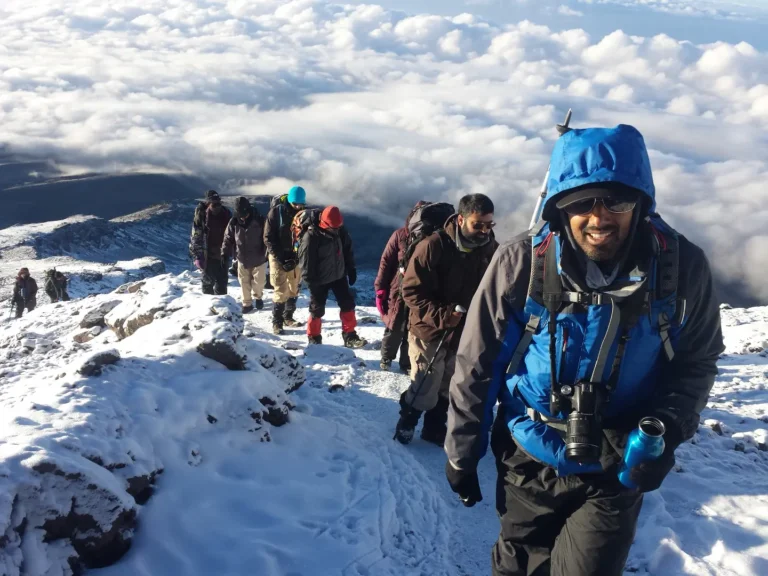
6 Days Machame Route: Cost, Price & Full Itinerary For Climbs 2026-2027
Planning a Kilimanjaro climb via the Machame Route in 6 days? This comprehensive guide breaks down the costs, pricing factors, and provides a day-by-day itinerary, essential for your...
View package details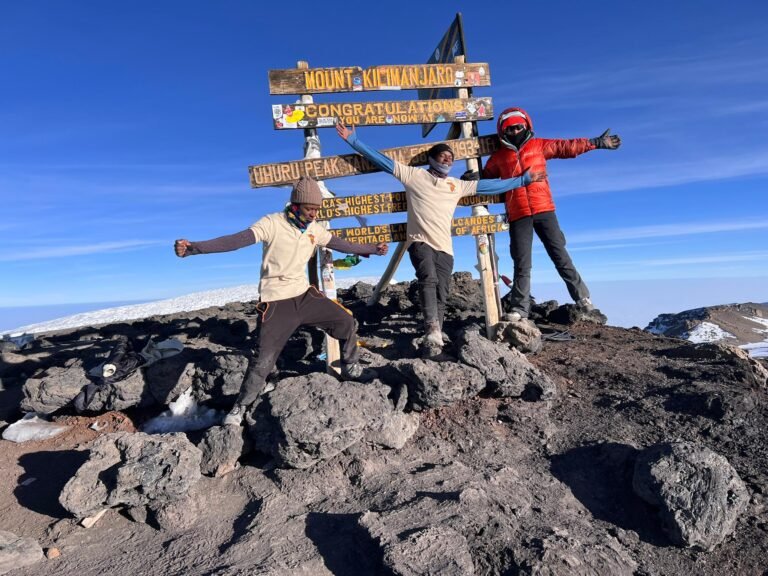
6 Days Lemosho Route Kilimanjaro: Itinerary, Cost & Planning 2026-2027
The 6-day Lemosho Route on Kilimanjaro offers a balance of acclimatization and scenic beauty, though it is one of the shorter options for this route, making it more challenging. This guide...
View package details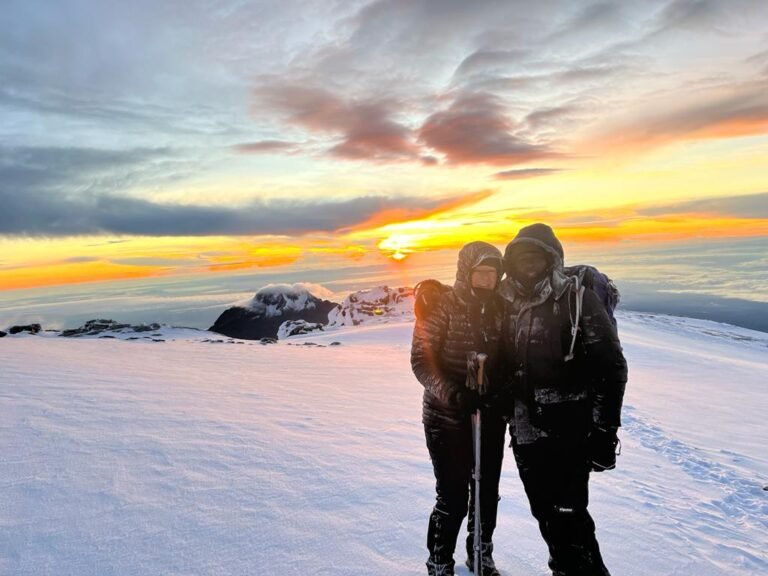
7 Vs 8 Days Lemosho Route: Cost, Success Rate & Which Is Better? 2026-2027
7 vs 8 Days Lemosho Route: Cost, Success Rate & Which Is Better? is explained with current 2026-2027 planning, price, itinerary and booking information.
View package details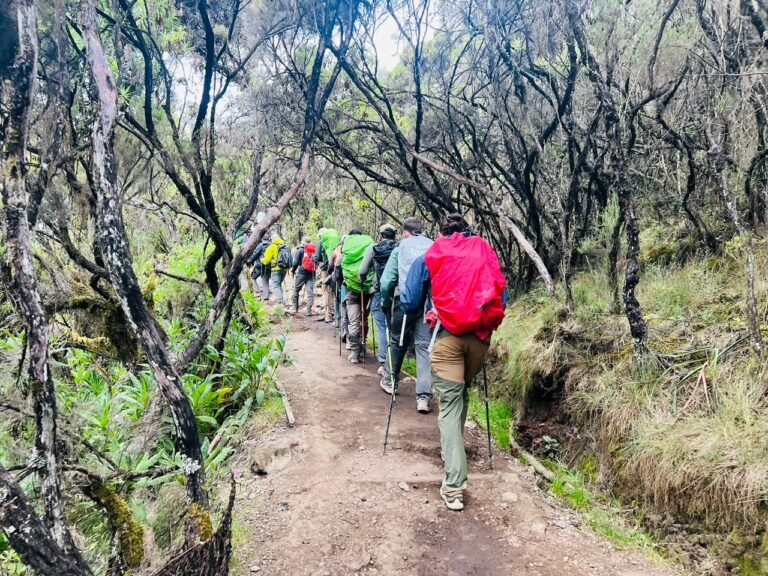
Private Lemosho Route Cost: Price By Group Size 2026-2027
Private Lemosho Route Cost: Price by Group Size is explained with current 2026-2027 planning, price, itinerary and booking information.
View package details
Lemosho Route Cost /: Prices, Fees & Packages For Kilimanjaro Climbs 2026-2027
Planning a Kilimanjaro climb via the Lemosho Route in 2026 or 2027? This comprehensive guide breaks down the Lemosho Route cost, including typical prices, package inclusions, essential...
View package details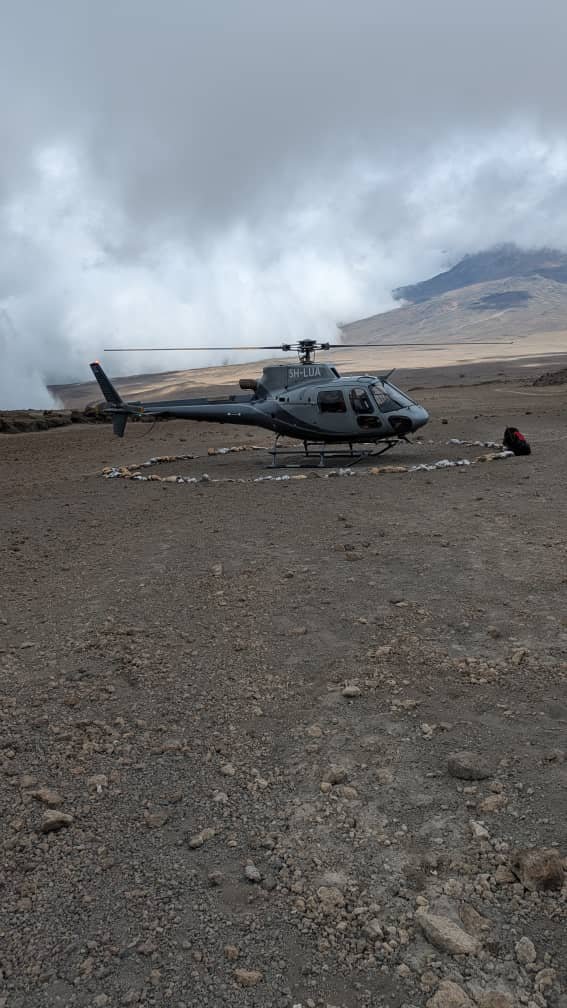
Machame Route Cost /: Prices, Packages & Fees 2026-2027
Machame Route Cost 2026/2027: Prices, Packages & Fees is explained with current 2026-2027 planning, price, itinerary and booking information.
View package details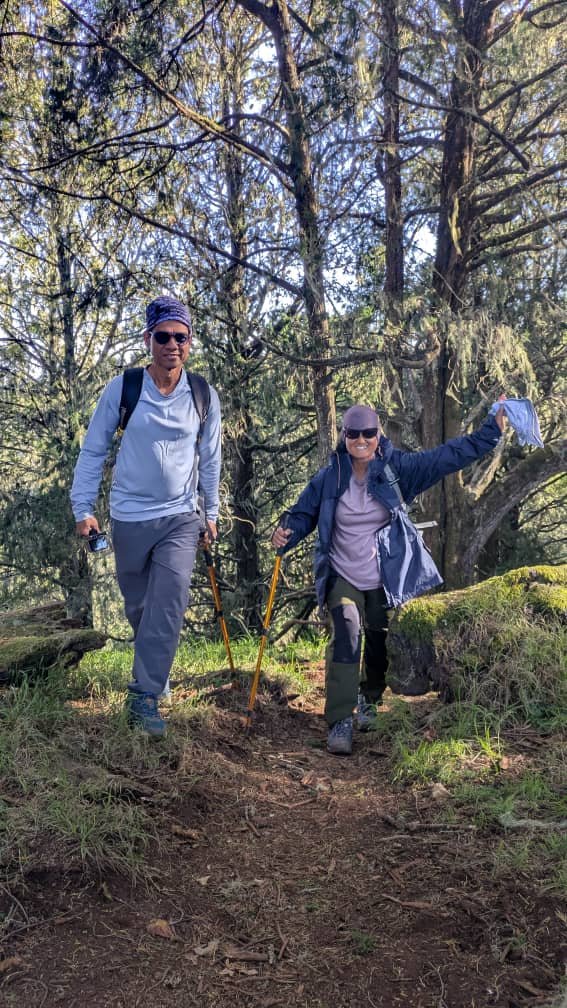
Budget Vs Luxury Lemosho Route Packages: Price Comparison For Kilimanjaro
Choosing between a budget or luxury Lemosho Route package for your Kilimanjaro climb in 2026 or 2027 involves understanding what drives the price. This comparison breaks down cost factors...
View package details
Lemosho Route Park Fees & Total Climbing Cost 2026-2027
Lemosho Route Park Fees & Total Climbing Cost is explained with current 2026-2027 planning, price, itinerary and booking information.
View package detailsLemosho Route Price Per Person: What Is Included In ? 2026-2027
Discover the typical cost of a Lemosho Route Kilimanjaro climb per person for 2026-2027, detailing essential inclusions like park fees, guide services, meals, and accommodation, to help you...
View package details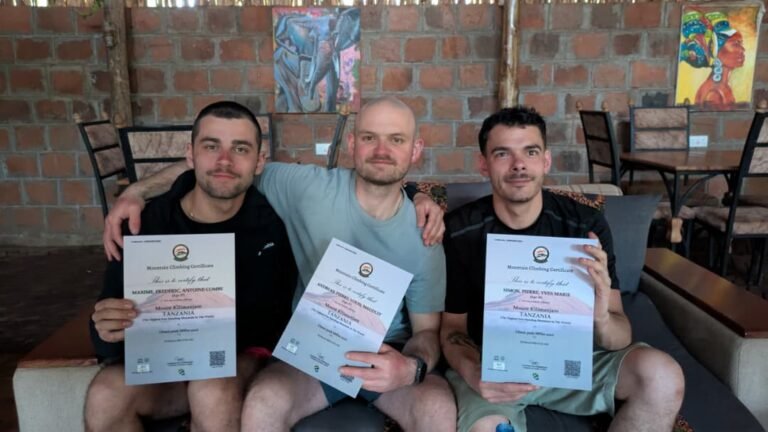
Kilimanjaro Price Per Person: Cost By Route, Days & Group Size In 2026-2027
Planning your Kilimanjaro climb involves understanding the Kilimanjaro price per person, which varies significantly based on the chosen route, the number of days on the mountain, and your...
View package details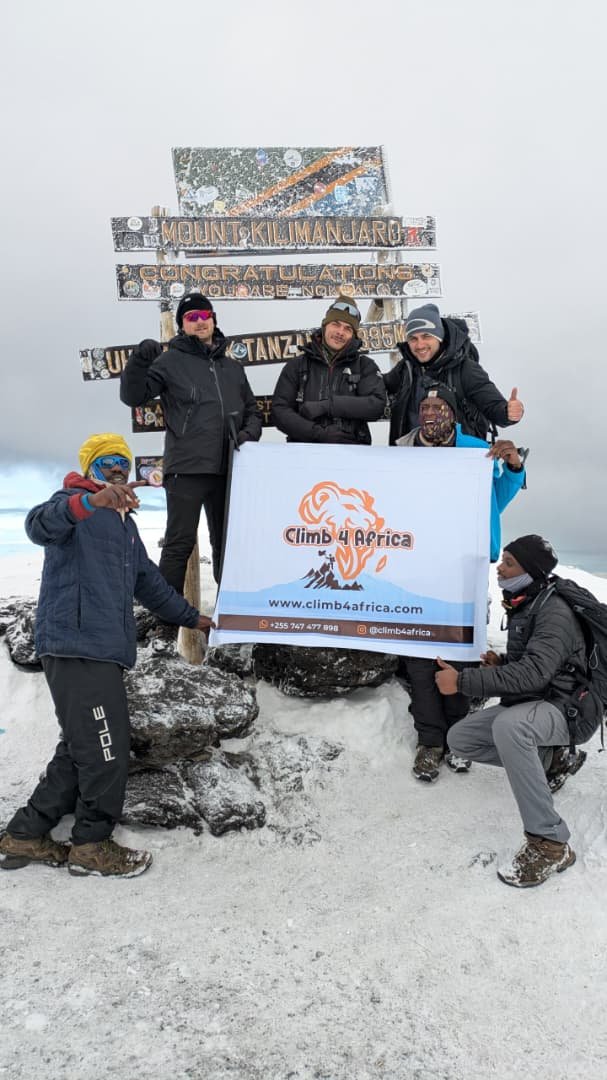
Lemosho Group Joining Prices & Departure Dates / | Climb 4 Africa 2026-2027
Planning a Kilimanjaro climb via the Lemosho route with a group? Discover 2026 and 2027 group joining prices and available departure dates with Climb 4 Africa, your expert guide to...
View package detailsNo related package matches those filters. Clear one or more filters to see the other topic-matched options.



