Kilimanjaro hidden costs and extra expenses to budget before your climb include tips for guides and porters, visa fees, vaccinations, travel insurance, personal gear, pre- and post-climb accommodation, meals not included in the package, emergency evacuation fees, and souvenirs. While tour operators provide comprehensive packages, understanding these additional financial considerations is crucial for a realistic budget for your 2026-2027 expedition.


Understanding the True Cost of a Kilimanjaro Climb: Beyond the Package Price
Climbing Mount Kilimanjaro is a dream for many adventurers, a special experience that offers unparalleled views and a profound sense of accomplishment. As you plan your expedition for 2026 or 2027, it’s easy to focus on the advertised tour price, which typically covers the core elements of the climb itself: park fees, accommodation on the mountain, meals during the trek, and the guiding team. However, savvy travelers know that the initial quote is only part of the financial picture. Numerous Kilimanjaro hidden costs and extra expenses can significantly add to your overall budget. Failing to account for these can lead to unexpected financial strain during your trip.
At Climb 4 Africa, we believe in transparency. Our goal is to help you prepare thoroughly, both physically and financially, for your Kilimanjaro adventure. This in-depth guide will dissect every potential extra expense, from essential gear and medical preparations to the often-variable costs of tips and personal spending, ensuring you can budget accurately for a memorable climb in 2026-2027.
Essential Pre-Climb Preparations: Costs You Can’t Afford to Skip
Before you even set foot in Tanzania, several crucial preparations carry associated costs. These are non-negotiable for a safe and legal journey, making them some of the most important Kilimanjaro hidden costs to address early.
Visa and Entry Requirements
Most nationalities require a visa to enter Tanzania. The cost and process vary depending on your country of citizenship and how you choose to obtain your visa. For many, obtaining a visa on arrival at Kilimanjaro International Airport (JRO) or Julius Nyerere International Airport (DAR) is common. As of recent years, tourist visas typically range from $50 to $100 USD, but it’s essential to check the latest requirements with the Tanzanian embassy or consulate in your home country well in advance of your 2026-2027 climb.
Tip: Always carry the exact amount in cash (usually USD) for visa fees, as they may not accept cards. Researching your specific nationality’s requirements is key to avoiding last-minute surprises.
Vaccinations and Medications
Health is paramount. Several vaccinations are recommended or required for entry into Tanzania. These often include Yellow Fever (a certificate may be required for re-entry into your home country or onward travel), Hepatitis A, Typhoid, and Tetanus. Your doctor or a travel clinic can provide the most up-to-date advice. Costs for vaccinations can vary widely depending on your healthcare provider and insurance coverage, potentially ranging from $100 to $400+ USD per person.
Beyond vaccinations, consider prophylactic medications such as anti-malarials, which are highly recommended for Tanzania. Consult your doctor about prescription medications and ensure you have enough for your entire trip, plus a small buffer. These medical costs are critical Kilimanjaro hidden costs that contribute to your overall safety.
Travel Insurance: A Non-Negotiable Expense
Comprehensive travel insurance is not just recommended; it’s often a mandatory requirement for Kilimanjaro climbs, especially for emergency medical evacuation. The altitude on Kilimanjaro presents inherent risks, and a medical emergency can necessitate a costly evacuation. Ensure your policy specifically covers:
- High-altitude trekking (up to 5,895 meters / 19,341 feet)
- Emergency medical evacuation and repatriation
- Trip cancellation and interruption
- Lost or stolen baggage
- Medical expenses
The cost of travel insurance varies based on your age, coverage level, trip duration, and provider. Expect to budget anywhere from $100 to $500+ USD for a robust policy covering your Kilimanjaro expedition in 2026-2027.
Flights to Tanzania
The cost of international flights to Kilimanjaro International Airport (JRO) is a significant component of your total travel budget. Prices fluctuate dramatically based on your departure city, the time of year you book, and how far in advance you secure your tickets. For planning a 2026-2027 climb, booking flights 6-12 months in advance is generally advisable to secure better fares.
Flight costs can range from $800 to $2,000+ USD round trip per person. Factor in potential layovers and the comfort of your chosen airline. These are often the largest single expense outside of the tour package itself.
Gear Up for the Summit: Essential Equipment Costs
While some tour operators might offer limited gear rentals, most of your essential equipment will need to be purchased or rented separately. Investing in quality gear is crucial for comfort and safety on the mountain. These are significant Kilimanjaro hidden costs that directly impact your experience.
Clothing Layers: The Key to Mountain Comfort
Kilimanjaro’s climate zones vary dramatically, from tropical at the base to arctic at the summit. You’ll need a well-thought-out layering system:
- Base Layers: Moisture-wicking tops and bottoms (merino wool or synthetic). Budget $50 – $150 USD.
- Mid Layers: Fleece jackets or insulated vests for warmth. Budget $70 – $200 USD.
- Outer Layer (Insulation): A warm down or synthetic insulated jacket is essential for cold nights and summit day. Budget $150 – $400 USD.
- Outer Layer (Shell): Waterproof and windproof jacket and trousers are critical. Budget $100 – $300 USD.
It’s better to have too many layers you can remove than not enough. These items are vital for acclimatization and preventing hypothermia.
Footwear: Your Most Important Gear
Your feet are your lifeline on Kilimanjaro. Investing in good quality gear here is non-negotiable:
- Hiking Boots: Sturdy, waterproof, broken-in hiking boots with good ankle support. Expect to spend $150 – $300 USD. Do NOT buy new boots just before your climb without significant break-in time.
- Camp Shoes/Sandals: Lightweight shoes or sandals for use at camp. Budget $30 – $70 USD.
- Socks: Several pairs of thick wool or synthetic hiking socks. Budget $50 – $100 USD for multiple pairs.
Headwear and Handwear
Protecting extremities is vital:
- Warm Hat: A fleece or wool hat that covers your ears. Budget $20 – $40 USD.
- Sun Hat/Cap: For lower altitudes and sunny days. Budget $20 – $40 USD.
- Gloves: Lightweight liner gloves and warm, waterproof outer gloves or mittens. Budget $40 – $100 USD.
Sleeping Gear
While some operators might include sleeping bags, others require you to bring your own or rent them. A high-quality, 4-season sleeping bag rated for at least -10°C (14°F) is essential.
- Sleeping Bag Rental: Typically $50 – $100 USD for the duration of the climb.
- Sleeping Bag Purchase: Can range from $150 – $500+ USD.
- Sleeping Pad: For added insulation and comfort. Often included or rentable for $30 – $60 USD.
Other Essential Gear Items
Don’t forget these crucial items:
- Backpack: A comfortable daypack (30-40 liters) for carrying essentials during the day. Budget $70 – $150 USD.
- Duffel Bag: A large, waterproof duffel bag (80-100 liters) for porters to carry your main gear. Budget $50 – $100 USD.
- Headlamp: With extra batteries. Essential for summit night. Budget $30 – $60 USD.
- Trekking Poles: Highly recommended for saving your knees and improving balance. Budget $30 – $80 USD.
- Water Bottles/Hydration Reservoir: At least 3 liters capacity. Budget $20 – $50 USD.
- Sunglasses: High UV protection. Budget $30 – $100 USD.
- Sunscreen and Lip Balm: High SPF. Budget $20 – $40 USD.
- Personal First-Aid Kit: Including blister treatment, pain relievers, and any personal medications. Budget $30 – $70 USD.
- Camera and Accessories: Extra batteries, memory cards. (Variable cost)
- Power Bank: For charging devices. (Variable cost)
Total Gear Estimate: Purchasing all new gear can easily cost between $800 and $2,500+ USD per person. Renting key items like sleeping bags, poles, and jackets can significantly reduce this cost.
On the Mountain: Inclusions and Potential Extra Costs
Most reputable Kilimanjaro tour operators, including Climb 4 Africa, provide comprehensive packages that cover the majority of your expenses while on the trek itself. However, understanding what’s typically included and where extra costs might arise is vital for managing your expectations and budget for 2026-2027.
What’s Usually Included in a Standard Kilimanjaro Package:
- Park entry fees, camping fees, and rescue fees
- Qualified guides (English-speaking)
- Porters to carry group equipment and your main duffel bag
- Cooks to prepare meals
- All meals on the mountain (breakfast, lunch, dinner)
- Boiled drinking water
- Tents for accommodation on the mountain
- Stretcher and emergency tent for medical emergencies
- Government taxes and permits
Understanding Tips: A Significant Additional Expense
Tipping is a deeply ingrained cultural practice and a significant source of income for the mountain crew. While not always explicitly stated as a ‘hidden cost,’ tips represent a substantial portion of the overall expense for a Kilimanjaro climb. The amount can vary based on the operator, group size, and generosity, but it’s a critical part of your budget.
General Tipping Guidelines (per climber):
- Lead Guide: $20 – $30 USD per day
- Assistant Guide(s): $15 – $25 USD per day (for each assistant guide)
- Cook: $15 – $20 USD per day
- Porters: $10 – $15 USD per day (for each porter)
Example Calculation for a 7-Day Climb:
- 1 Lead Guide x $25/day x 7 days = $175
- 2 Assistant Guides x $20/day x 7 days = $280
- 1 Cook x $18/day x 7 days = $126
- 6 Porters x $12/day x 7 days = $504
- Total Estimated Tips: Approximately $1,085 USD per climber
Important Considerations:
- These are guidelines; adjust based on service quality.
- Tips are usually given in USD in a communal envelope at the end of the trek.
- Some operators provide specific tipping guidelines. Climb 4 Africa offers clear recommendations to help you budget accurately.
- This can easily be one of the largest Kilimanjaro hidden costs, potentially adding $800 – $1,500+ USD to your total trip cost per person.
Meals and Drinks Outside the Mountain
Your tour package typically includes all meals *on the mountain*. However, expenses incurred before and after your climb in Arusha or Moshi are usually your responsibility. This includes:
- Pre- and Post-Climb Accommodation: Hotels or lodges in Arusha/Moshi. Budget $50 – $200+ USD per night, depending on your choice of accommodation.
- Meals: Lunches, dinners, and drinks in towns. Budget $30 – $70 USD per day per person.
- Airport Transfers: If not included in your package. Budget $30 – $50 USD each way.
Personal Porter Services
While porters carry group gear and your main duffel bag (usually with a weight limit of 15kg/33lbs), you might wish to hire a personal porter to carry additional personal items or to assist you directly on the trail, making your hike more comfortable. This service typically costs around $100 – $150 USD for the entire trek.
Emergency Evacuation Fund
While travel insurance should cover emergency evacuation, some operators may require a separate, non-refundable evacuation fee or deposit upfront, which is then claimed back from your insurance. This can range from $200 to $500 USD. Always clarify this with your operator.
Post-Climb Expenses and Personal Spending
Once you’ve descended Kilimanjaro, your expenses don’t necessarily end. There are still opportunities for spending and additional costs to consider.
Souvenirs and Gifts
Many climbers like to purchase souvenirs to remember their journey. This could include local crafts, Maasai jewelry, t-shirts, or coffee. Set aside a budget based on your preferences, perhaps $50 – $200+ USD.
Optional Activities
Before or after your climb, you might want to engage in other activities, such as:
- Safari: A classic Tanzanian safari is a popular add-on. Costs vary significantly based on duration and lodge level.
- Zanzibar Holiday: Extend your trip with a relaxing beach vacation.
- Cultural Tours: Visiting local villages or coffee plantations.
- Hotels in Arusha/Moshi: Additional nights before or after your trip.
These are significant additional costs beyond the Kilimanjaro climb itself, but they enrich your overall African travel experience.
Communication Costs
While Wi-Fi might be available in hotels in Arusha/Moshi, it’s generally non-existent on the mountain. Consider purchasing a local SIM card if you need to stay connected, or budget for international roaming charges if you plan to use your home SIM. Local SIM cards are relatively inexpensive.
Comparing Kilimanjaro Operators: How Costs Vary
The price of a Kilimanjaro climb can differ dramatically between operators. Understanding these differences helps explain variations in the advertised price and what might be considered Kilimanjaro hidden costs.
Budget Operators vs. Premium Operators
Budget operators often have lower prices. This can sometimes mean:
- Lower guide-to-client ratios
- Less experienced guides or crew
- Lower quality food and equipment
- Smaller porters per climber ratio (leading to heavier loads per porter)
- Fewer safety protocols
- Less support staff
Premium operators like Climb 4 Africa typically charge more, but this often translates to:
- Higher guide-to-client ratios (e.g., 1:1 guide for every two climbers on some routes)
- Highly experienced, certified guides
- Excellent quality food and camping equipment
- Generous porter ratios (ensuring lighter loads per porter)
- Advanced safety equipment (e.g., oxygen cylinders, hyperbaric chambers)
- Comprehensive pre-climb briefings and support
- Better accommodation in Arusha/Moshi
When comparing prices for 2026-2027 climbs, always scrutinize what is included. A lower price might mean you’ll face higher Kilimanjaro hidden costs in terms of gear rental, food quality, or tipping expectations.
Route Choice Impacts Cost
Different routes have varying durations and popularity, which can affect their price:
- Shorter routes (e.g., Marangu, Rongai): Can sometimes be cheaper due to fewer days, but often have lower success rates due to poor acclimatization profiles.
- Longer routes (e.g., Lemosho, Machame, Northern Circuit): Tend to be more expensive because they require more days on the mountain, meaning more guide, porter, and food costs. However, they offer significantly higher success rates due to better acclimatization.
For example, a 7-day Lemosho or Machame climb will generally cost more than a 5-day Marangu climb.
Calculating Your Total Kilimanjaro Budget for 2026-2027
Let’s bring it all together to create a realistic budget estimate for your Kilimanjaro climb. This is a guideline, and actual costs will vary based on your choices.
Estimated Budget Breakdown Per Person (Excluding International Flights)
| Expense Category | Estimated Range (USD) | Notes |
|---|---|---|
| Kilimanjaro Tour Package | $1,500 – $4,000+ | Varies by route, duration, and operator quality. |
| Visa Fee | $50 – $100 | Check current rates for your nationality. |
| Vaccinations & Meds | $100 – $400 | Consult your doctor. |
| Travel Insurance | $100 – $500 | Must cover high-altitude trekking & evacuation. |
| Personal Gear (Purchase/Rental) | $500 – $2,500+ | Purchase is expensive; rental is an option. |
| Tips for Crew | $800 – $1,500+ | Crucial for crew morale and income; a major cost. |
| Pre/Post-Climb Accommodation (3 nights) | $150 – $600 | $50-$200 per night, depending on hotel choice. |
| Meals & Drinks (Town) | $90 – $210 | Approx. $30-$70 per day for 3 days. |
| Airport Transfers | $60 – $100 | Round trip if not included. |
| Optional Personal Porter | $100 – $150 | If desired for extra comfort. |
| Souvenirs & Extras | $50 – $200 | Personal spending money. |
| Contingency (10%) | $300 – $1,000+ | For unexpected expenses. |
| TOTAL ESTIMATED (Excl. Flights) | $4,000 – $11,000+ | This range covers budget to premium experiences. |
Remember: International flights can add an additional $800 – $2,000+ USD.
Maximizing Value and Minimizing Kilimanjaro Hidden Costs
While some costs are fixed, there are strategies to manage your budget effectively and get the best value for your money when planning your 2026-2027 Kilimanjaro adventure.
Tips for Smart Budgeting:
- Book in Advance: Especially for flights and popular climbing seasons. Early booking often secures better prices and availability.
- Choose Your Route Wisely: Longer routes offer better acclimatization and higher success rates, but will cost more. Weigh the investment in success against the budget.
- Rent Gear When Possible: Purchasing all new gear can be prohibitive. Renting items like sleeping bags, jackets, and trekking poles can save hundreds of dollars. Ensure rental gear is in good condition.
- Travel in Shoulder Seasons: While peak seasons (Jan-Mar, Jun-Oct) offer the best weather, shoulder seasons can sometimes offer slightly lower prices for flights and accommodation, though mountain access remains regulated.
- Compare Operator Inclusions Carefully: Don’t just look at the price. A slightly more expensive package that includes more (like gear rental or better pre/post-climb accommodation) might offer better overall value and fewer Kilimanjaro hidden costs.
- Pack Smart: Avoid buying items you can borrow or use for other outdoor activities. Focus on essential layers and quality footwear.
- Set a Clear Tipping Budget: Understand the tipping structure and set aside funds specifically for this. It’s a significant expense but vital for the crew.
- Be Realistic About Personal Spending: Factor in drinks, snacks, and potential tips for hotel staff or drivers.
- Consider Group Travel: Traveling with friends can sometimes allow for shared costs on accommodation and potentially better group rates from operators.
The Climb 4 Africa Difference: Transparency and Value
At Climb 4 Africa, we are committed to providing an exceptional Kilimanjaro climbing experience while being transparent about all costs. We understand that planning a major expedition like this requires clarity and trust.
Our packages are designed to offer excellent value, balancing safety, quality, and the incredible experience of climbing Kilimanjaro. We provide detailed itineraries and clear inclusions lists so you know exactly what to expect, minimizing the likelihood of encountering unexpected Kilimanjaro hidden costs.
We offer:
- Highly experienced, certified guides and crew
- High-quality, well-maintained equipment
- Nutritious and plentiful meals on the mountain
- Emphasis on safety with emergency oxygen and medical kits
- Clear guidelines for tipping to help you budget accurately
- Support in arranging pre- and post-climb accommodation and transfers
We are passionate about making your Kilimanjaro dream a reality. Whether you’re planning for 2026 or 2027, we are here to help you navigate the preparations and ensure you have all the information needed to budget effectively for every aspect of your climb.
Ready to Plan Your Kilimanjaro Adventure?
Don’t let the potential Kilimanjaro hidden costs deter you from reaching the Roof of Africa. With careful planning and a clear understanding of all expenses, your climb can be an unforgettable success. Let Climb 4 Africa guide you every step of the way.
For personalized quotes, detailed itineraries, and expert advice on budgeting for your 2026-2027 Kilimanjaro climb, please reach out to us:
WhatsApp: +255 747 477 898
Email: climb4africa@gmail.com
Visit our website for more information on our Kilimanjaro climbs and other Tanzanian adventures: Climb 4 Africa.
Check Availability for Kilimanjaro Hidden Costs: Extra Expenses To Budget Before Your Climb…
Ready to compare dates, prices, and the best option for your group? Send the package name and travel month so the team can reply with a clear quote, availability, and what is included.
Kilimanjaro Climb Cost /: Prices, Fees & Complete Budget Guide 2026-2027
Planning your Kilimanjaro adventure for 2026 or 2027? This comprehensive guide breaks down the Kilimanjaro climb cost, detailing prices, essential fees, and how to budget effectively for...
View package details
Budget Kilimanjaro Climb: Affordable Packages & Prices / 2026-2027
Budget Kilimanjaro Climb: Affordable Packages & Prices 2026/2027 is explained with current 2026-2027 planning, price, itinerary and booking information.
View package details
Kilimanjaro Booking Deposit, Payment Schedule & Cancellation Costs For Climbs
Planning your Kilimanjaro climb involves understanding the financial commitments. This guide details typical booking deposit amounts, payment schedules, and the potential cancellation costs...
View package details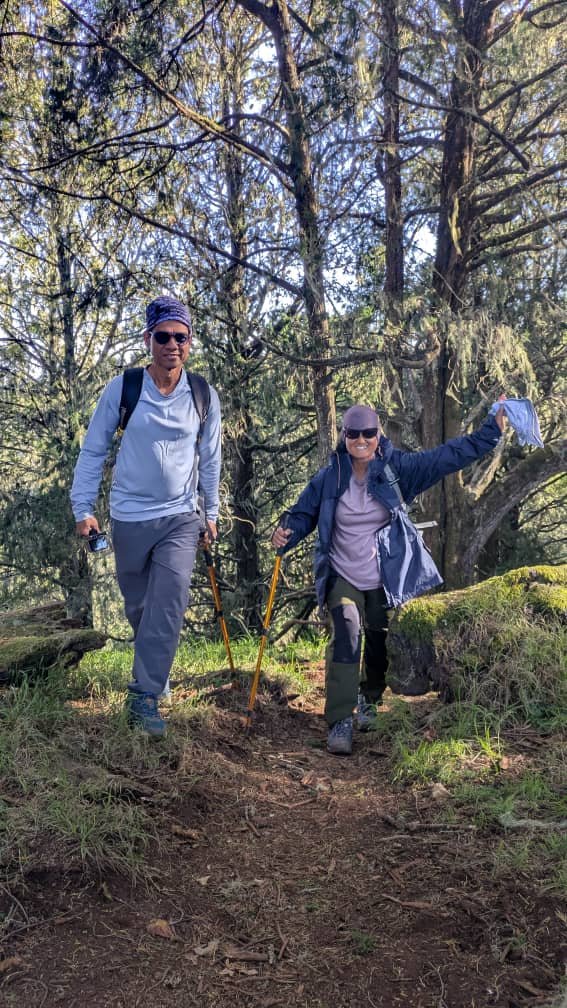
Budget Vs Luxury Lemosho Route Packages: Price Comparison For Kilimanjaro
Choosing between a budget or luxury Lemosho Route package for your Kilimanjaro climb in 2026 or 2027 involves understanding what drives the price. This comparison breaks down cost factors...
View package details
Lemosho Route Cost /: Prices, Fees & Packages For Kilimanjaro Climbs 2026-2027
Planning a Kilimanjaro climb via the Lemosho Route in 2026 or 2027? This comprehensive guide breaks down the Lemosho Route cost, including typical prices, package inclusions, essential...
View package details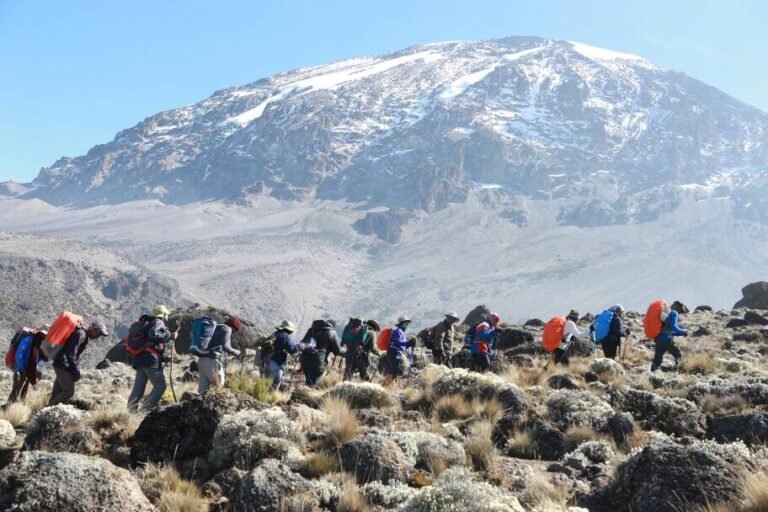
Kilimanjaro Gear Rental Prices: Complete Equipment Cost List For Climbs
Understand the costs associated with renting essential gear for your Kilimanjaro climb. This guide details typical prices for tents, sleeping bags, jackets, and more, helping you budget...
View package detailsCheapest Way To Climb Kilimanjaro Safely In / 2026-2027
Planning a Kilimanjaro climb on a budget for 2026 or 2027? This guide reveals how to find the cheapest options while prioritizing safety, covering route choices, operator selection, and...
View package details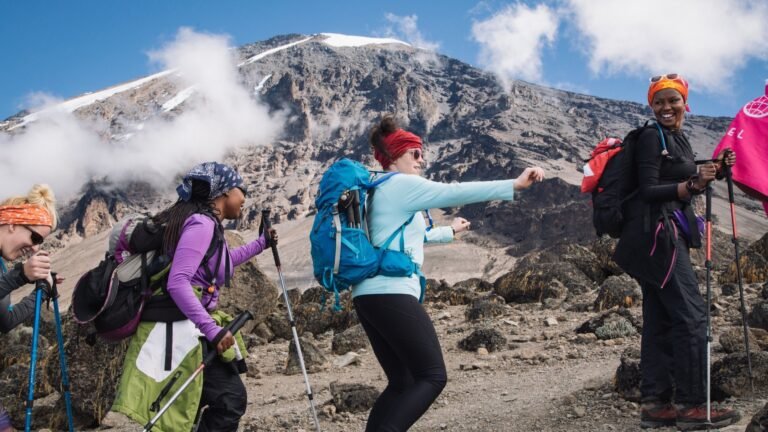
Total Cost Of A Kilimanjaro Trip: Flights, Gear, Hotels & Climb Prices
Planning your Kilimanjaro adventure involves more than just the climb package. This comprehensive guide breaks down the total cost of a Kilimanjaro trip for 2026-2027, detailing expenses...
View package details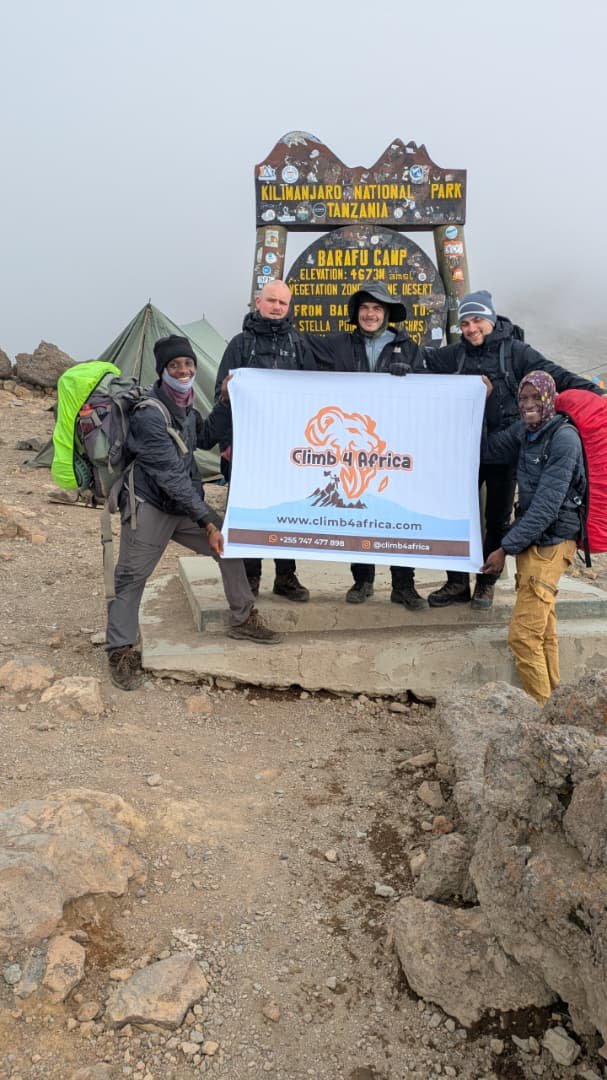
How Much Does It Cost To Climb Kilimanjaro In /? 2026-2027
Planning a Kilimanjaro climb for 2026 or 2027? This comprehensive guide breaks down the costs involved, from operator fees to park permits and essential gear. Learn what to budget for a...
View package details
Kilimanjaro Solo Climber Cost: Group Vs Private Prices 2026-2027
Planning a solo climb up Kilimanjaro? This guide breaks down the cost differences between joining a group trek and opting for a private climb. Discover what influences prices for 2026-2027...
View package details
Private Kilimanjaro Climb Cost /: Your Ultimate Guide 2026-2027
Planning a private Kilimanjaro climb in 2026 or 2027? This comprehensive guide breaks down the costs, helping you understand what influences your budget for an exclusive trek, from route...
View package details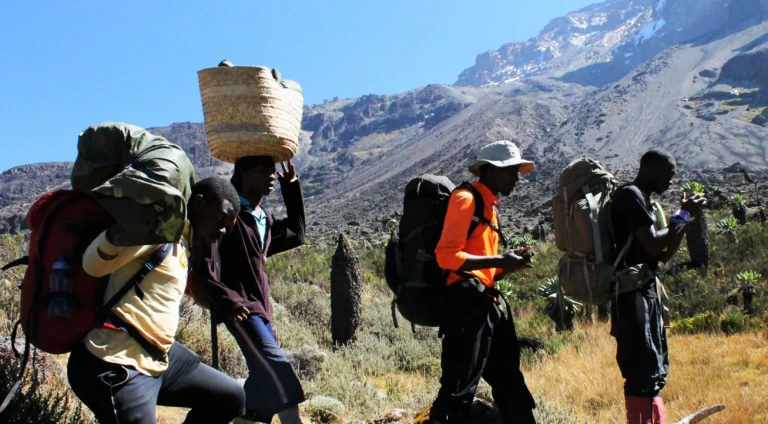
Kilimanjaro Group Vs Private Climb: Cost & Package Comparison For 2026-2027
Choosing between a group and private Kilimanjaro climb in 2026-2027 involves weighing costs, flexibility, and the overall experience. This guide breaks down the differences to help you...
View package detailsNo related package matches those filters. Clear one or more filters to see the other topic-matched options.



