
The cost of climbing Kilimanjaro varies significantly by route, with the Lemosho, Machame, and Northern Circuit routes generally being the most expensive due to their longer durations and higher success rates, typically ranging from $2,000 to $4,500+ per person. The Marangu and Rongai routes are often more budget-friendly, starting from around $1,500 to $3,000 per person, largely due to their shorter itineraries and different camping arrangements. Factors influencing these costs include the number of climbing days, group size, accommodation quality, operator inclusions, and the specific season of your 2026 or 2027 climb.
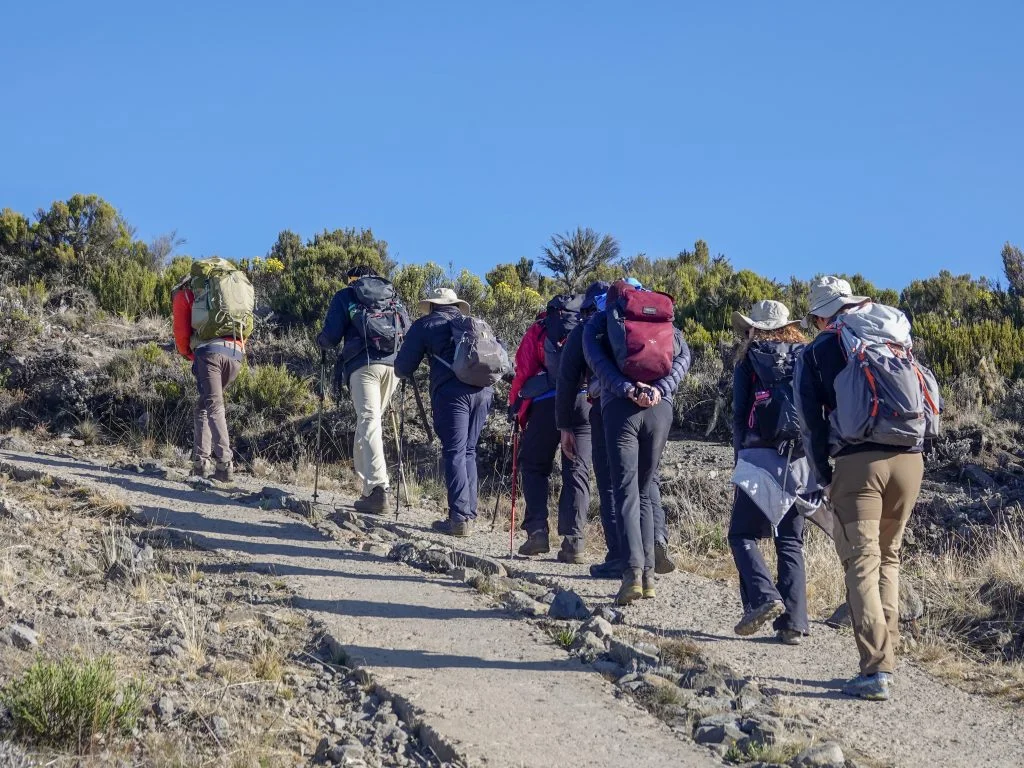


Understanding Kilimanjaro Route Costs: A Comprehensive Comparison for 2026-2027
Planning a Kilimanjaro climb is an exciting endeavor, and one of the most significant considerations is the cost. While the summit of Kilimanjaro remains the same, the path you take to get there profoundly impacts your experience and, crucially, your budget. This in-depth guide provides a detailed Kilimanjaro route cost comparison for the most popular trails: Lemosho, Machame, Marangu, Rongai, and the Northern Circuit. We’ll break down what influences these prices, what you can expect to pay for a 2026-2027 expedition, and how to make an informed decision for your adventure.
Choosing the right route is as important as choosing the right operator. It affects your acclimatization, scenery, crowd levels, and ultimately, your chances of reaching Uhuru Peak. For 2026 and 2027 expeditions, understanding these route-specific costs will help you allocate your travel funds wisely, ensuring you get the best value and the most memorable experience possible.
Key Factors Influencing Kilimanjaro Route Costs
Before diving into individual route comparisons, it’s essential to understand the universal elements that drive the price of any Kilimanjaro climb:
- Route Length and Duration: Longer routes require more days on the mountain, increasing costs for guides, porters, food, and park fees. This is a primary differentiator between routes like Marangu (often 5-6 days) and Northern Circuit (9-10 days).
- Park Entrance Fees: Kilimanjaro National Park charges daily fees for climbers, guides, and porters. These are set by the Tanzanian government and are consistent across all routes, but longer treks accrue higher total fees.
- Operator Inclusions: What’s included in your package? This can range from meals, accommodation before/after the climb, gear rental (tents, sleeping bags), oxygen, rescue fees, and porter salaries. Operators offering more comprehensive packages will naturally cost more.
- Accommodation Quality: The quality of tents, mess tents, sleeping mats, and even the food provided can vary. Higher-end operators often invest more in comfort, which is reflected in the price.
- Group Size: Climbing in a private group versus a joining a scheduled group departure can affect the per-person cost. Larger groups often lead to lower per-person rates.
- Guide and Porter Wages: Ethical operators pay their crew fair wages and ensure they are well-equipped and fed. This commitment to fair treatment adds to the operational cost but is vital for a responsible climb.
- Season of Travel: Peak seasons (January-March and June-October) often have slightly higher prices due to demand, though park fees remain constant.
- Operator’s Reputation and Support: Established operators with a proven track record, strong safety protocols (like carrying oxygen and a portable hyperbaric chamber), and excellent customer service typically command higher prices.
Lemosho Route: The Scenic and Successful Choice
The Lemosho route is widely regarded as one of the most beautiful and ecologically diverse paths up Kilimanjaro. It starts on the western side of the mountain, offering stunning views as it traverses the Shira Plateau. Its popularity has grown significantly due to its high summit success rates, which are attributed to its gradual ascent profile and adequate acclimatization opportunities.
Lemosho Route Cost Breakdown
Given its longer duration (typically 7-8 days) and the logistical requirements of starting on the western side, the Lemosho route is generally positioned in the mid-to-high price range. You can expect the Lemosho route cost to fall between $2,200 and $4,000+ per person for a standard package in 2026-2027.
What Drives Lemosho Route Pricing?
- Duration: The standard 7-day or 8-day itineraries are common. An 8-day Lemosho climb offers better acclimatization and thus higher success rates, but also increases the overall cost compared to a 7-day version.
- Logistics: The transfer to the western side of the mountain involves longer drives from Moshi or Arusha, adding to transportation costs.
- Scenery and Experience: Many operators price Lemosho higher because it offers superior views and a more remote trekking experience for much of the climb.
- Success Rate Focus: Operators promoting Lemosho often emphasize its high success rates, which are achieved through careful itinerary planning and adequate staffing, both of which have associated costs.
Typical Inclusions for Lemosho (2026-2027)
A typical mid-range to high-end Lemosho package would include:
- All park and rescue fees.
- All meals on the mountain.
- Quality tents, mess tents, and camping equipment.
- Experienced, licensed guides and sufficient porters.
- Porters’ salaries, food, and accommodation.
- Boiled water on the mountain.
- Transfer to and from the mountain gate.
- Accommodation in Moshi/Arusha before and after the climb (often 2 nights).
- Emergency oxygen and a comprehensive first-aid kit.
For those planning a 2026 or 2027 climb, booking Lemosho means investing in a route that balances beauty, challenge, and a high probability of success. The higher Kilimanjaro Lemosho route cost is often justified by the quality of the experience and the increased likelihood of reaching the summit.
Machame Route: The Popular ‘Whiskey’ Route
Often referred to as the ‘Whiskey Route’ (in contrast to the Marangu ‘Coca-Cola Route’), the Machame route is the most popular Kilimanjaro trek. It also starts on the western side and is known for its scenic beauty and excellent acclimatization profile, making it a favorite for many climbers. It is typically trekked over 6 to 7 days.
Machame Route Cost Comparison
The Machame route falls into a similar price bracket as Lemosho, often slightly more affordable due to its slightly shorter typical duration. Expect the Machame route cost to range from $2,000 to $3,800+ per person for 2026-2027 expeditions.
Why Machame’s Price Point?
- Popularity: High demand means many operators offer Machame, creating competitive pricing, but also allowing for higher-quality services at a reasonable price.
- Duration: While often 7 days, a 6-day option is common, which reduces overall costs compared to Lemosho’s standard 7-8 days.
- Acclimatization: The route’s ‘climb high, sleep low’ strategy is excellent for acclimatization, leading to higher success rates, which operators price accordingly.
- Scenery: Like Lemosho, Machame offers diverse and stunning landscapes, from rainforest to alpine desert.
Machame Route Inclusions (Typical 2026-2027)
A standard Machame package usually includes:
- Park fees, camping fees, and rescue fees.
- All meals on the mountain (breakfast, lunch, dinner).
- High-quality tents, sleeping mats, and a mess tent.
- Professional guides and porters.
- Porters’ welfare (wages, food, gear).
- Purified drinking water.
- Pre- and post-climb accommodation in Arusha/Moshi.
- Transportation to/from the mountain.
- Emergency oxygen system and first-aid kit.
The Machame route cost offers a great balance of value, scenery, and a strong chance of summiting. For many, it represents the quintessential Kilimanjaro experience, making it a top choice for 2026-2027 trekkers.
Marangu Route: The ‘Coca-Cola’ Route, Budget-Friendly Option
The Marangu route, often called the ‘Coca-Cola Route’, is the oldest and perhaps the most traditional path up Kilimanjaro. It’s known for its unique hut accommodation (dormitory-style cabins instead of camping) and its shorter itineraries, making it a popular choice for budget-conscious travelers or those seeking a more comfortable camping experience.
Marangu Route Cost Comparison
The Marangu route is generally the most affordable option. The Marangu route cost typically ranges from $1,500 to $3,000 per person for a 5 or 6-day climb in 2026-2027. The 5-day itinerary is significantly cheaper but has a lower success rate due to poorer acclimatization.
Factors Affecting Marangu Route Pricing
- Duration: The 5-day Marangu trek is the shortest and cheapest, but it rushes acclimatization. The 6-day option improves chances but increases costs.
- Accommodation: While huts are unique, they are basic. This simplicity can lead to lower operational costs for operators compared to providing full camping setups.
- Route Design: Marangu is the only route that ascends and descends the same path, which can mean more foot traffic and less diverse scenery in parts.
- Lower Success Rates: Due to the shorter, steeper ascent, the 5-day Marangu has lower success rates than longer routes, which can sometimes be reflected in lower pricing from operators focusing on volume.
Marangu Route Inclusions (Standard 2026-2027)
A typical Marangu package includes:
- Park fees, camping/hut fees, and rescue fees.
- All meals on the mountain (served in dining halls).
- Accommodation in park huts (Marangu Hotel huts).
- Experienced guides and porters.
- Porters’ welfare.
- Purified drinking water.
- Transfers to and from the mountain gate.
- Pre- and post-climb accommodation in Arusha/Moshi.
- Emergency oxygen and first-aid kit.
The Marangu route cost makes it accessible for many, but it’s crucial to opt for the 6-day itinerary for a better chance of summiting in 2026 or 2027. If budget is the primary concern and comfort is secondary, Marangu is a viable choice.
Rongai Route: The Northern Approach, Good for Dry Season
The Rongai route approaches Kilimanjaro from the north, near the Kenyan border. It is the only route that starts in a dry corridor, making it an excellent choice during the rainy seasons (April, May, November). Rongai is known for its gradual ascent and offers a more remote experience compared to Machame or Marangu.
Rongai Route Cost Comparison
The Rongai route’s cost is comparable to Marangu, often falling slightly higher due to its unique starting point and logistical needs. Expect the Rongai route cost to be between $1,700 and $3,200+ per person for a 6 or 7-day climb in 2026-2027.
What Influences Rongai Route Pricing?
- Location: The transfer to the northern side of Kilimanjaro requires longer travel times, increasing transport costs for operators.
- Duration: Typically offered in 6 or 7 days. The 7-day itinerary is recommended for better acclimatization and success rates.
- Scenery: While less lush than the southern routes initially, Rongai offers unique views and a less crowded path.
- Off-Season Viability: Its suitability for wetter months can mean consistent demand, allowing operators to maintain pricing, though it’s still generally less expensive than Lemosho or Machame.
Rongai Route Inclusions (Standard 2026-2027)
A typical Rongai package would include:
- Park fees, camping fees, and rescue fees.
- All meals on the mountain.
- High-quality camping equipment (tents, mess tent).
- Professional guides and porters.
- Porters’ welfare.
- Purified drinking water.
- Transfers to and from the mountain gate.
- Pre- and post-climb accommodation.
- Emergency oxygen and first-aid kit.
The Rongai route cost offers a good value, especially for those seeking a less crowded trek or climbing during the shoulder or rainy seasons of 2026-2027. It provides a solid trekking experience with good acclimatization, particularly on the 7-day itinerary.
Northern Circuit: The Longest, Most Scenic, and Highest Success Rate
The Northern Circuit is the longest and arguably the most scenic route on Kilimanjaro. It circles the mountain entirely, offering incredible, constantly changing views and the best acclimatization profile of all routes. This extended duration and comprehensive exploration contribute to its high summit success rates and its position as the most expensive option.
Northern Circuit Cost Comparison
Due to its minimum 9-day duration (often 10 days), the Northern Circuit is the priciest route. The Northern Circuit cost typically ranges from $2,800 to $4,500+ per person for 2026-2027 expeditions.
Why is the Northern Circuit the Most Expensive?
- Duration: The minimum 9-10 days on the mountain means significantly higher costs for guides, porters, food, and park fees compared to shorter routes.
- Logistics: Similar to Lemosho, it starts on the western side, requiring longer transfer times.
- Ultimate Experience: It offers the most comprehensive views and a more gradual, well-paced ascent, maximizing acclimatization and the chances of reaching the summit. Operators charge a premium for this superior experience.
- Remote Sections: It traverses less-trafficked areas, offering a true wilderness feel.
Northern Circuit Inclusions (Standard 2026-2027)
A comprehensive Northern Circuit package usually includes:
- All park, camping, and rescue fees.
- All meals on the mountain, often of higher quality due to the longer duration.
- Top-tier camping equipment.
- Highly experienced guides and a generous porter team.
- Fair wages and welfare for all crew members.
- Purified drinking water and hot beverages.
- All necessary transfers.
- Pre- and post-climb accommodation.
- Emergency oxygen, pulse oximeters, and a comprehensive medical kit.
The Northern Circuit cost reflects its status as the ultimate Kilimanjaro experience. For trekkers prioritizing success, scenery, and a comfortable acclimatization, this route is an exceptional choice for a 2026 or 2027 climb, justifying its higher price tag.
Direct Kilimanjaro Route Cost Comparison Table (2026-2027 Estimates)
Here’s a summary table to help visualize the typical cost ranges for each route. Please note these are estimates and can vary based on the operator, inclusions, and specific dates in 2026-2027.
| Kilimanjaro Route | Typical Duration (Days) | Estimated Cost Per Person (USD) | Key Features & Price Drivers |
|---|---|---|---|
| Marangu | 5-6 | $1,500 – $3,000 | Hut accommodation, shortest, budget-friendly, lower success rate (5-day) |
| Rongai | 6-7 | $1,700 – $3,200 | Northern approach, good for dry season, less crowded, gradual ascent |
| Machame | 6-7 | $2,000 – $3,800 | Most popular, scenic, excellent acclimatization, ‘Whiskey Route’ |
| Lemosho | 7-8 | $2,200 – $4,000 | Most scenic, high success rate, remote start, excellent acclimatization |
| Northern Circuit | 9-10 | $2,800 – $4,500+ | Longest, most scenic, highest success rate, circles the mountain, best acclimatization |
Choosing Your Route: Balancing Cost, Success, and Experience for 2026-2027
The Kilimanjaro route cost comparison highlights that there’s no single “best” route, only the best route for you. Your decision should balance:
1. Budget Considerations
If budget is your primary concern, Marangu (6-day) or Rongai (6-day) are the most economical choices. However, remember that the cheapest options often compromise on acclimatization or comfort. For 2026-2027, consider allocating a slightly larger portion of your budget to ensure a reputable operator and a longer itinerary for better success chances.
2. Summit Success Rates
For the highest probability of reaching Uhuru Peak, the Northern Circuit (9-10 days) and Lemosho (8 days) are your best bets. These longer routes provide superior acclimatization, which is the single most critical factor for summit success. Machame (7 days) also offers good acclimatization and success rates.
3. Scenery and Experience
Lemosho and the Northern Circuit are renowned for their impressive scenery and remote feel. Machame is also very scenic. Marangu offers a unique hut experience but is generally considered less visually spectacular than the western routes. Rongai provides a different perspective from the north.
4. Time of Year for Your 2026-2027 Climb
While most routes can be climbed year-round, Rongai is particularly well-suited for the wetter months (April, May, November) due to its northern, drier location. The dry seasons (January-March, June-October) are ideal for all routes.
Essential Questions to Ask Your Operator Before Booking (2026-2027)
When comparing quotes for your chosen route and dates in 2026 or 2027, ensure you clarify these points:
- What is the exact number of days for the trek? (e.g., 7-day Machame vs. 6-day Machame)
- What is included in the price? (Park fees, rescue fees, meals, accommodation pre/post-climb, gear rental, oxygen, tips for crew?)
- What is the quality of the camping equipment? (Tents, sleeping bags, mess tent?)
- What are the guide-to-client ratios? (Lower ratios often mean better service and safety.)
- What safety protocols are in place? (Emergency oxygen, medical kits, evacuation procedures, satellite phone?)
- How are guides and porters treated? (Are they paid fairly, provided with adequate food and gear?)
- What is the policy on tipping? (Some operators include tips, others leave it to the client.)
- What is the cancellation or rescheduling policy?
Beyond the Base Cost: Additional Expenses to Consider
The figures provided for Kilimanjaro route cost are for the trek itself. However, several other expenses are crucial for your overall travel budget for a 2026-2027 trip:
- Flights: International flights to Kilimanjaro International Airport (JRO) can vary significantly based on origin and booking time.
- Visas: If required for your nationality to enter Tanzania.
- Travel Insurance: Essential for covering medical emergencies, trip cancellations, and lost luggage. Ensure it covers high-altitude trekking.
- Vaccinations and Medications: Consult your doctor for recommended travel health precautions.
- Personal Gear: While some operators provide tents and sleeping bags, you’ll need to purchase or rent specific clothing (layers, waterproofs, boots), a good quality sleeping bag, and trekking poles.
- Tips for Crew: This is a significant part of the overall cost. A common guideline is around $250-$350 per climber for a 7-day trek, distributed among guides, porters, and cooks. Some operators provide specific tipping guidelines.
- Personal Expenses: Souvenirs, drinks at hotels, extra snacks, and any optional activities.
- Gratuities for Hotel Staff: If you stay at hotels before and after the climb.
Factor in an additional $500 to $1,500+ per person for these ancillary costs, depending on your travel style and spending habits for your 2026-2027 adventure.
Making Your 2026-2027 Kilimanjaro Booking with Climb 4 Africa
At Climb 4 Africa, we understand that choosing the right Kilimanjaro route and operator is a critical decision. We are committed to providing safe, ethical, and unforgettable climbing experiences. Our expert team has extensive knowledge of all Kilimanjaro routes and can help you select the one that best fits your budget, fitness level, and desired experience for your 2026 or 2027 climb.
We offer competitive pricing for all popular routes, including Lemosho, Machame, Marangu, Rongai, and the Northern Circuit. Our packages are designed to be comprehensive, ensuring you have the best possible support on the mountain. We pride ourselves on fair treatment of our guides and porters, transparent pricing, and a strong focus on client safety and success.
We invite you to explore our detailed itineraries and current pricing for 2026 and 2027 expeditions. Whether you’re looking for a group departure or a private climb, we can tailor an experience to your needs. Don’t hesitate to reach out to our team for a personalized quote and expert advice.
For a detailed Kilimanjaro route cost comparison tailored to your specific needs, or to discuss your 2026-2027 Kilimanjaro adventure, please contact us:
- WhatsApp: +255 747 477 898
- Email: climb4africa@gmail.com
- Website: Climb 4 Africa
Let us help you plan your dream climb of Kilimanjaro in 2026 or 2027!
“,
“faq_schema”: [
{
“question”: “Which Kilimanjaro route is the cheapest for 2026-2027?”,
“answer”: “The Marangu route is generally the cheapest, especially the 5-day itinerary, with costs typically ranging from $1,500 to $3,000 per person. However, the 5-day option has a lower summit success rate due to inadequate acclimatization. The 6-day Marangu or a 6-day Rongai route are slightly more expensive but offer better acclimatization and success chances.”
},
{
“question”: “Which Kilimanjaro route offers the highest success rate and why?”,
“answer”: “The Northern Circuit (9-10 days) and Lemosho (8 days) routes typically offer the highest summit success rates. This is primarily due to their longer durations, which allow for gradual ascent and superior acclimatization. Machame (7 days) also boasts good success rates. Proper acclimatization is the most crucial factor for reaching Uhuru Peak.”
},
{
“question”: “How much does the Lemosho route cost for a 2026-2027 climb?”,
“answer”: “The Lemosho route, known for its scenic beauty and high success rate, typically costs between $2,200 and $4,000+ per person for a 7 or 8-day climb in 2026-2027. The price reflects its longer duration, logistical requirements, and the quality of the trekking experience.”
},
{
“question”: “Is the Machame route more expensive than Marangu?”,
“answer”: “Yes, the Machame route is generally more expensive than the Marangu route. Machame costs typically range from $2,000 to $3,800+ per person for a 6-7 day trek, while Marangu costs are usually between $1,500 and $3,000 per person for a 5-6 day trek. This difference is due to Machame’s longer duration and camping setup.”
},
{
“question”: “What are the additional costs besides the route price for a Kilimanjaro climb in 2026-2027?”,
“answer”: “Besides the base route cost, expect additional expenses for international flights, Tanzanian visa, travel insurance, personal gear purchase/rental, vaccinations, tips for the climbing crew (a significant portion, often $250-$350+ per climber), and personal expenses. Budget an extra $500 to $1,500+ per person for these items.”
},
{
“question”: “Which route is best for first-time Kilimanjaro climbers in 2026-2027?”,
“answer”: “For first-time climbers prioritizing success and a good experience, the Machame (7-day) or Lemosho (7 or 8-day) routes are highly recommended. They offer excellent acclimatization, beautiful scenery, and a good balance of challenge and comfort. The 7-day Rongai is also a solid option, especially if climbing during the wetter season.”
},
{
“question”: “When is the best time to climb Kilimanjaro in 2026-2027, and how does it affect cost?”,
“answer”: “The best times are the dry seasons: January-March and June-October. These peak seasons may see slightly higher prices due to demand, but park fees remain constant. The Rongai route is a good option for the wetter months (April-May, November) as it remains drier. Shoulder seasons can sometimes offer slightly better value.”
},
{
“question”: “What does ‘all-inclusive’ typically mean for Kilimanjaro tours?”,
“answer”: “For Kilimanjaro tours, ‘all-inclusive’ usually covers park and rescue fees, all meals on the mountain, accommodation before and after the climb, guides and porters, tents, sleeping mats, and transportation. It often excludes international flights, visas, personal gear, travel insurance, and tips for the crew. Always verify specific inclusions with your operator.”
}
]
}
“`
Check Availability for Kilimanjaro Route Cost Comparison: Lemosho, Machame, Marangu, Rongai &
Ready to compare dates, prices, and the best option for your group? Send the package name and travel month so the team can reply with a clear quote, availability, and what is included.
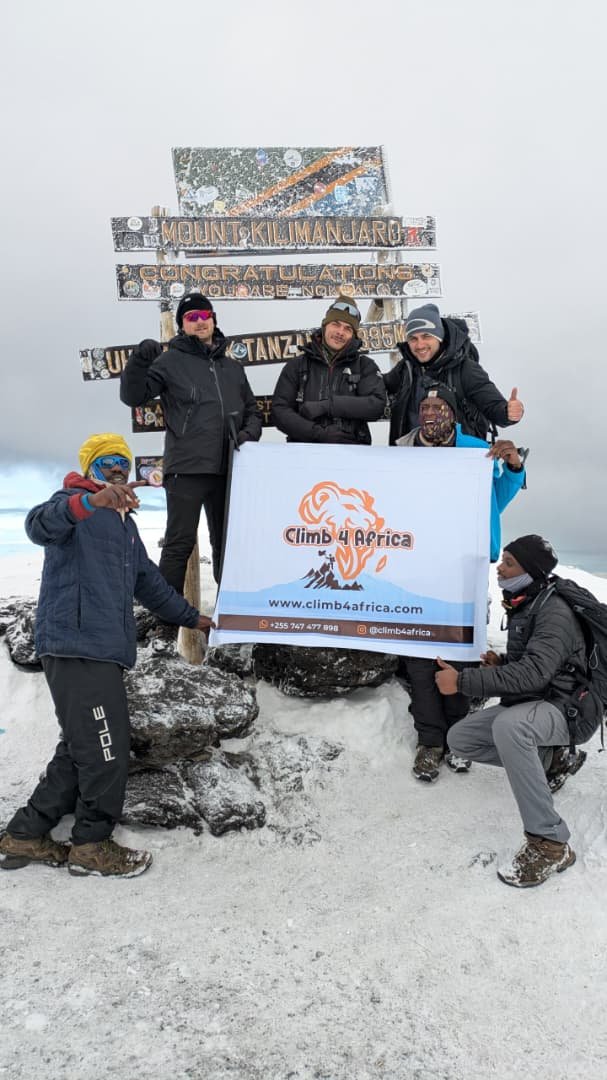
Rongai Vs Machame: Cost & Route Comparison For Kilimanjaro Climbs 2026-2027
Choosing between the Rongai and Machame routes for your Kilimanjaro climb in 2026 or 2027? This comprehensive comparison details route differences, scenery, acclimatization, success rates...
View package details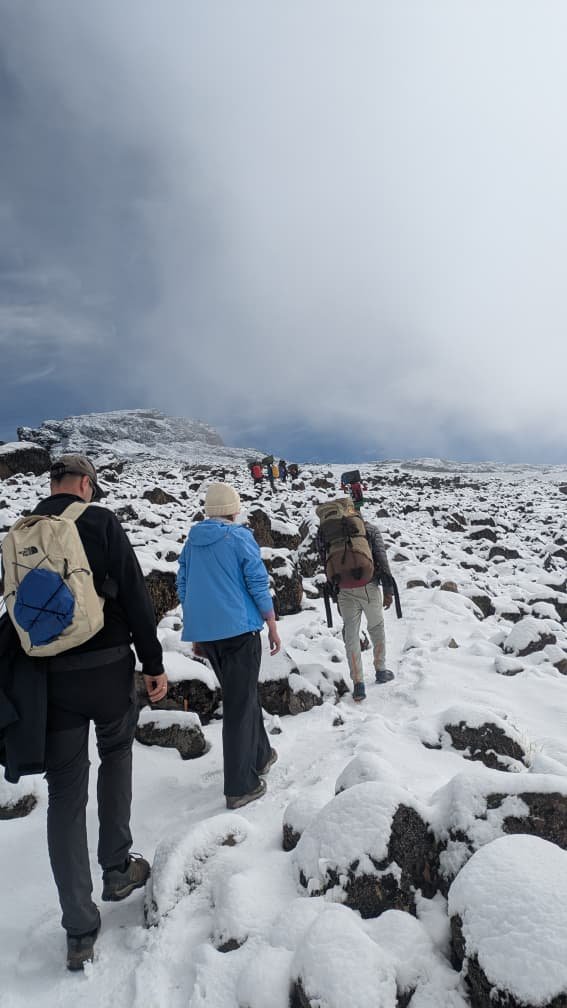
Northern Circuit Vs Lemosho: Cost, Days & Value Comparison For Kilimanjaro
Choosing between the Northern Circuit and Lemosho routes for your Kilimanjaro climb? This comprehensive comparison details cost, days, acclimatization, scenery, and value to help you decide...
View package details
Rongai Vs Lemosho: Price, Crowds & Route Comparison For Kilimanjaro Climbs
Choosing between the Rongai and Lemosho routes for your Kilimanjaro climb? This in-depth comparison covers everything you need to know about price, crowd levels, route profiles, scenery...
View package details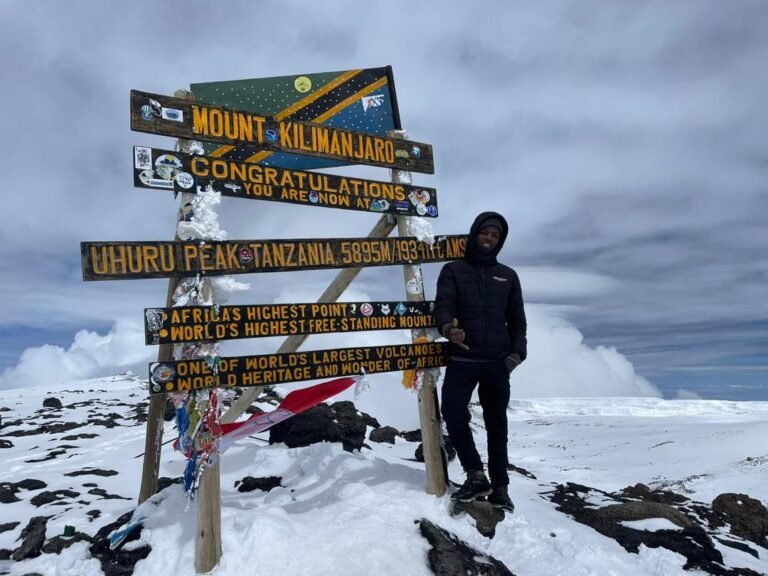
Rongai Vs Marangu Route Cost: Which Offers Better Value For Kilimanjaro
Comparing the Rongai and Marangu routes for Kilimanjaro climbs in 2026-2027 involves evaluating their distinct costs, scenery, acclimatization profiles, and overall value for trekkers...
View package details
Camping Vs Hut Kilimanjaro Routes: Cost Comparison Guide
Choosing between camping and hut routes on Kilimanjaro involves more than just preference; it significantly impacts your budget. This guide breaks down the cost differences for 2026-2027...
View package details
Machame Vs Marangu: Price, Accommodation & Success Comparison For Kilimanjaro
Deciding between the Machame and Marangu routes for your Kilimanjaro climb? This comprehensive guide breaks down the key differences in price, accommodation, and success rates, helping you...
View package details
Kilimanjaro Northern Circuit + 7 Days Safari: Cost, Itinerary & Expert
Combine the challenging Northern Circuit route on Kilimanjaro with an unforgettable 7-day Northern Circuit safari in Tanzania. This comprehensive guide details the costs, sample...
View package details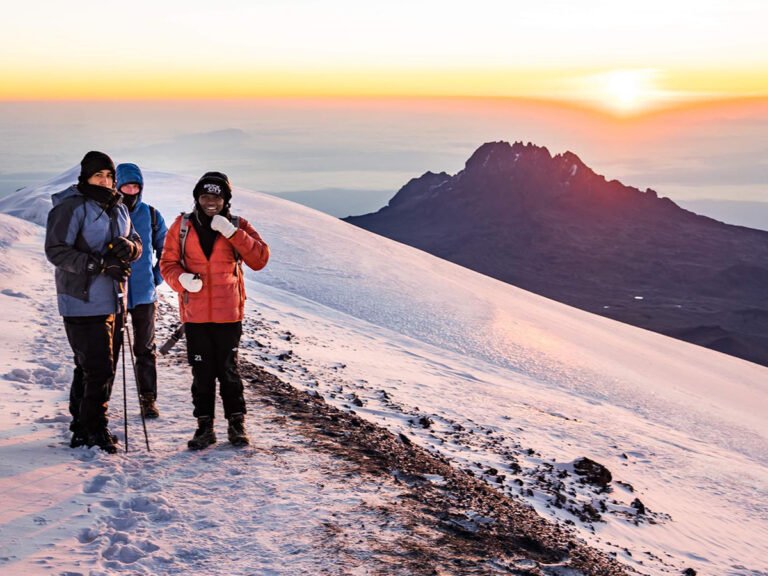
Private Northern Circuit Cost: Price Per Person For Your Kilimanjaro Adventure
Discover the factors influencing the price per person for a private Northern Circuit climb on Kilimanjaro. This guide details costs for 2026-2027, inclusions, and how to get a tailored...
View package details
Northern Circuit Kilimanjaro Cost /: Prices & Packages 2026-2027
Northern Circuit Kilimanjaro Cost 2026/2027: Prices & Packages is explained with current 2026-2027 planning, price, itinerary and booking information.
View package details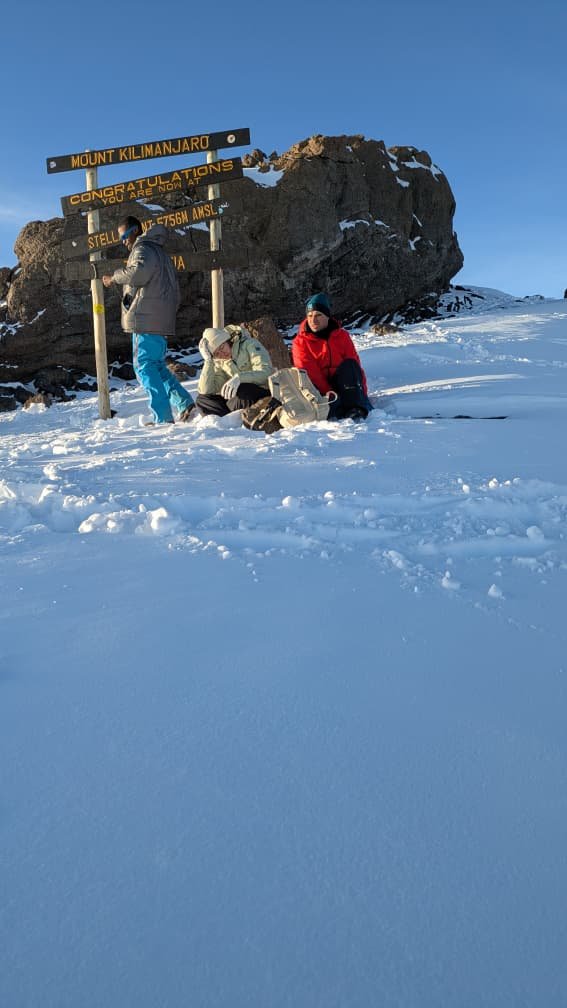
7 Days Rongai Route Kilimanjaro: Cost & Full Itinerary 2026-2027
Discover the best of Kilimanjaro's Rongai Route with a detailed 7-day itinerary, cost breakdown, and expert tips for your 2026-2027 climb. Learn why Rongai is a popular choice for trekkers...
View package details6 Days Rongai Route Kilimanjaro: Cost, Itinerary & Expert Guide For 2026-2027
The 6 Days Rongai Route offers a unique approach to climbing Kilimanjaro from the north. This guide details the itinerary, cost considerations for 2026-2027, and expert tips for a...
View package detailsKilimanjaro Vs Mount Kenya: Trekking Cost & Experience Comparison 2026-2027
Kilimanjaro vs Mount Kenya: Trekking Cost & Experience Comparison is explained with current 2026-2027 planning, price, itinerary and booking information.
View package detailsNo related package matches those filters. Clear one or more filters to see the other topic-matched options.



