
The Northern Circuit Kilimanjaro cost for 2026/2027 typically ranges from $2,800 to $4,500+ per person for a standard package, with variations depending on the operator, climb duration (usually 9-10 days), inclusions, group size, and level of service. This route, being the longest and offering the highest acclimatization rate, often commands a slightly higher price than shorter routes, reflecting the extended support and logistics required. Expect to pay more for private climbs, luxury services, and during peak climbing seasons in 2026 and 2027.


Understanding the Northern Circuit Kilimanjaro Cost for 2026/2027
The Northern Circuit route is renowned for its scenic beauty and high success rates, largely due to its gradual ascent and longer duration. When planning your Kilimanjaro expedition for 2026 or 2027, understanding the factors that contribute to the Northern Circuit Kilimanjaro cost is crucial for budgeting and making informed decisions. Unlike shorter, more direct routes, the Northern Circuit requires more days on the mountain, which directly impacts the overall expense. This extended time allows for better acclimatization, significantly increasing your chances of reaching Uhuru Peak while providing a more enjoyable and less rushed trekking experience.
Climb 4 Africa specializes in creating memorable Kilimanjaro adventures, and we’ve structured our pricing to reflect the quality of service, safety, and the incredible journey our clients undertake. For the 2026/2027 climbing seasons, the Northern Circuit Kilimanjaro cost is determined by several key components, each contributing to the overall value you receive.
Key Cost Components for the Northern Circuit
When you look at the Northern Circuit Kilimanjaro cost for 2026/2027, it’s important to break down what your money is actually paying for. Reputable tour operators invest heavily in ensuring your safety, comfort, and success. Here are the primary elements that make up the price:
- Park Fees: Mount Kilimanjaro National Park fees are a significant portion of the cost. These are set by the Tanzanian government and include daily conservation fees, rescue fees, and camping/hut fees. For the Northern Circuit, these fees are higher due to the extended duration of the climb (9-10 days).
- Conservation Fees: Charged per person per day.
- Camping/Hut Fees: Charged per person per night.
- Crater Fees: Applicable if you plan a special descent or visit within the crater rim.
- Rescue Fees: A mandatory fee for emergency evacuation services.
- Staff Wages: Professional guides, experienced cooks, and a robust team of porters are essential for a safe and successful climb. Fair wages, insurance, and proper gear for the mountain crew are paramount and reflected in your package cost. We ensure our team is well-compensated and cared for, which is vital for morale and performance.
- Food and Water: High-quality, nutritious meals are provided throughout your trek, from breakfast at the gate to hot dinners at the highest camps. This includes all meals, snacks, and purified drinking water. For longer treks like the Northern Circuit, the logistics and quantity of food required are substantial.
- Equipment and Logistics: This covers everything from high-quality tents, sleeping mats, dining tents, and cooking equipment to the transportation of all gear and supplies up the mountain. It also includes the initial setup and breakdown of camps.
- Accommodation: While camping is the primary mode of accommodation on the mountain, your package might include pre- and post-climb accommodation in a hotel or lodge in Moshi or Arusha.
- Support and Safety: This is where Climb 4 Africa excels. It includes comprehensive medical kits, oxygen cylinders (carried by guides), communication devices (satellite phones or radios), and experienced guides trained in wilderness first aid and high-altitude physiology. Our support extends to ensuring proper acclimatization protocols are followed meticulously.
- Transportation: Round-trip transportation from your Moshi/Arusha hotel to the Kilimanjaro National Park gate and back is included.
- Permits and Licenses: Beyond park fees, there are operational permits required for tour operators to conduct climbs.
Factors Influencing the Northern Circuit Kilimanjaro Cost in 2026/2027
The Northern Circuit Kilimanjaro cost can vary significantly based on several factors. Understanding these will help you compare offers and choose the best value for your 2026 or 2027 climb.
1. Tour Operator Choice: Local vs. International
* Local Operators (like Climb 4 Africa): Generally offer more competitive pricing because they have lower overheads, direct access to resources, and a deep understanding of local conditions. They often provide a more authentic experience. The Northern Circuit Kilimanjaro cost from a reputable local operator is typically more affordable while maintaining high standards of safety and service.
* International Operators: Often have higher prices due to their marketing, administrative costs in their home countries, and sometimes different operational models. While they can offer excellent service, ensure you’re not paying a premium for services that can be equally or better provided by a local expert.
2. Duration of the Climb
The Northern Circuit is one of the longest routes, typically taking 9 to 10 days. This extended duration means higher park fees, more food, more porters, and more days of guide support, directly increasing the Northern Circuit Kilimanjaro cost compared to 7-day routes like Machame or Marangu.
3. Group Size and Type
* Group Climbs (Shared): These are the most budget-friendly options. You join a pre-scheduled group, sharing costs for guides, porters, and logistics. This is an excellent way to reduce the Northern Circuit Kilimanjaro cost per person.
* Private Climbs: Offer more flexibility and privacy. You can choose your own dates and climb with your own group of friends or family. The cost per person for a private climb is higher than a group climb, as the operational costs are not shared among as many people. However, for larger private groups, the per-person cost can become competitive.
4. Level of Service and Comfort
* Budget/Standard: Basic but safe camping equipment, good quality food, and competent guides. This offers the lowest Northern Circuit Kilimanjaro cost.
* Mid-Range: Higher quality tents, more comfortable dining areas, potentially slightly more experienced guides, and a greater staff-to-client ratio. This is where Climb 4 Africa often sits, balancing excellent value with superior service.
* Luxury: Top-of-the-line equipment, gourmet meals, private toilet tents, and potentially more senior guides. This will be at the higher end of the Northern Circuit Kilimanjaro cost spectrum.
5. Inclusions and Exclusions
Carefully review what is included in the Northern Circuit Kilimanjaro cost. Common inclusions are park fees, guide/porter salaries, food, tents, camping equipment, and transfers. Exclusions often include tips for the crew, personal gear, travel insurance, flights, and sometimes bottled water or hot drinks. A comprehensive package will minimize unexpected expenses.
6. Climbing Season
Kilimanjaro has peak climbing seasons when weather conditions are most favorable (January-March and June-October). Prices may be slightly higher during these periods due to increased demand. Shoulder seasons (April-May and November-December) might offer slightly lower costs but come with a higher chance of rain or cloud cover.
Typical Inclusions in a Northern Circuit Package (2026/2027)
When budgeting for the Northern Circuit Kilimanjaro cost, it’s vital to know what you’re getting. A reputable operator like Climb 4 Africa typically includes:
- Pre- and Post-Climb Accommodation: Usually one or two nights in a comfortable hotel in Moshi or Arusha before and after your trek.
- Park and Camping/Hut Fees: All mandated government fees for Mount Kilimanjaro National Park.
- Professional Mountain Crew: Certified, experienced guides with wilderness first-aid training, assistant guides, cooks, and porters.
- All Meals on the Mountain: Delicious and nutritious meals prepared by your cook, including breakfast, lunch, and dinner, plus snacks.
- Purified Drinking Water: Unlimited safe drinking water provided daily on the mountain.
- Camping Equipment: High-quality tents (sleeping tents, dining tent, toilet tent), sleeping mats, cooking gear, and mess tins.
- Oxygen Systems: Carried by guides for emergency use.
- Emergency Evacuation: Included in the park fees and managed by the operator.
- Ground Transportation: Return transfers between your hotel and the Kilimanjaro National Park gate.
- Briefings and Debriefings: Pre-climb safety briefings and post-climb celebrations.
Typical Exclusions from the Northern Circuit Kilimanjaro Cost
To avoid surprises, be aware of what’s usually NOT included in the Northern Circuit Kilimanjaro cost:
- International Flights: Your airfare to and from Kilimanjaro International Airport (JRO).
- Visa Fees: If applicable for your nationality.
- Travel Insurance: Comprehensive travel and medical evacuation insurance is mandatory.
- Personal Climbing Gear: Such as sleeping bags, hiking boots, trekking poles, warm clothing, and backpacks.
- Tips for the Mountain Crew: This is a significant part of the crew’s income and is customary.
- Soft Drinks and Bottled Water: Usually, only purified water is provided; other beverages are extra.
- Lunches and Dinners in Town: Meals during your hotel stays before and after the climb.
- Personal Expenses: Souvenirs, laundry, alcoholic beverages, etc.
- Optional Gratuities: For hotel staff or drivers not part of the mountain crew.
Northern Circuit Kilimanjaro Packages: Pricing Tiers for 2026/2027
While exact prices vary, we can outline typical pricing tiers for Northern Circuit Kilimanjaro packages for 2026/2027, based on different service levels and group types. These are estimates to help you plan.
Estimated Northern Circuit Kilimanjaro Cost Breakdown (Per Person)
These figures are approximate for 2026/2027 and can vary based on specific inclusions and operator standards.
| Package Type | Duration | Estimated Cost (USD Per Person) | Key Features |
|---|---|---|---|
| Budget/Standard Group Climb | 9-10 Days | $2,800 – $3,300 | Shared group, essential services, good quality basic gear, standard meals. Focus on value and safety. |
| Mid-Range/Comfort Group Climb | 9-10 Days | $3,300 – $3,900 | Shared group, enhanced services, higher quality tents, better food options, potentially more experienced guides, higher staff-to-client ratio. Climb 4 Africa’s standard offering. |
| Luxury Group Climb | 9-10 Days | $3,900 – $4,500+ | Shared group, premium services, top-tier tents, gourmet meals, private toilet tents, highly experienced guides. |
| Private Climb (Mid-Range Service) | 9-10 Days | $3,500 – $4,200+ (depending on group size) | Dedicated team, flexible dates, same quality as mid-range group but for your private party. Cost per person decreases with larger groups. |
| Private Climb (Luxury Service) | 9-10 Days | $4,200 – $5,000+ (depending on group size) | Premium private experience, highest standards of comfort and service. |
What Does the Northern Circuit Offer for the Cost?
The Northern Circuit is the longest route on Kilimanjaro, typically spanning 9 to 10 days. This longer duration is its primary advantage and a key reason for its slightly higher Northern Circuit Kilimanjaro cost.
- Gradual Ascent & Acclimatization: The route circles the mountain, allowing for a slow, steady climb. This “climb high, sleep low” principle is excellent for acclimatization, significantly boosting success rates.
- Scenic Variety: It offers diverse landscapes, from rainforests to moorlands, alpine deserts, and the arctic zone, passing through all five major ecological zones.
- Fewer Crowds: Being a longer route, it tends to be less crowded than the more popular, shorter routes like Marangu or Machame, especially on the western and northern slopes.
- Higher Success Rates: Due to the excellent acclimatization profile, success rates for reaching the summit are generally higher on the Northern Circuit.
Given these benefits, many climbers find the increased Northern Circuit Kilimanjaro cost to be a worthwhile investment for a safer, more scenic, and more rewarding climb.
Planning Your 2026/2027 Northern Circuit Climb: Budgeting Tips
To manage your Northern Circuit Kilimanjaro cost effectively for a 2026 or 2027 expedition, consider these practical budgeting tips:
Budgeting Checklist for Your Kilimanjaro Climb
- Research Operators Thoroughly: Compare packages from several reputable operators. Look beyond just the price; consider inclusions, safety standards, reviews, and the operator’s commitment to ethical treatment of porters. A slightly higher Northern Circuit Kilimanjaro cost with a trusted operator often translates to better safety and support.
- Factor in Additional Costs: Remember to budget for items not typically included, such as flights, visas, travel insurance, personal gear, and tipping. These can add $1,000 – $2,000+ to your total trip cost.
- Choose the Right Season: While peak seasons offer the best weather, climbing in the shoulder seasons might slightly reduce costs and crowds. Weigh the potential weather risks against savings for your 2026/2027 climb.
- Consider Group vs. Private: If you’re flexible, joining a group climb is the most economical way to reduce the Northern Circuit Kilimanjaro cost. If you prefer privacy, gather a group of friends to share the costs.
- Pack Smart, Not Extravagantly: You need specific gear, but renting some items (like down jackets or sleeping bags) locally can be cheaper than buying them new if you won’t use them again. Ensure any gear you buy is high-quality for the extreme conditions.
- Tip Appropriately: Tipping is expected and a crucial part of the mountain crew’s income. Research standard tipping guidelines to budget accurately. For a 9-10 day Northern Circuit climb, expect to budget around $250-$350 per climber for tips.
- Stay Hydrated and Eat Well: Good nutrition and hydration are key to acclimatization and performance. Don’t skimp on the quality of your operator, as this directly impacts the food and water provided.
- Book in Advance: Especially for 2026/2027, booking your climb well in advance secures your spot, allows for better planning, and potentially locks in current pricing before any operator adjustments.
Comparing Northern Circuit Operators for 2026/2027
When evaluating the Northern Circuit Kilimanjaro cost, it’s essential to compare operators based on more than just the bottom line. Here’s what to look for:
What to Look For in a Kilimanjaro Tour Operator
- Safety Record and Protocols: Do they carry oxygen, have trained guides, and have clear emergency procedures?
- Porter Welfare Policies: Reputable operators treat their porters ethically, ensuring fair wages, adequate food, proper gear, and humane treatment. Look for certifications or clear statements on their website.
- Guide Experience and Training: Guides should be certified, experienced in high-altitude trekking, and trained in first aid.
- Inclusions: Ensure a clear list of what is and isn’t included to avoid hidden costs.
- Reviews and Testimonials: Check independent review sites like TripAdvisor for feedback on other climbers’ experiences.
- Company Origin: Local Tanzanian operators often provide better value and a more authentic experience. Climb 4 Africa is a proud Tanzanian company committed to quality and client satisfaction.
- Communication: How responsive and helpful are they during the planning process?
Climb 4 Africa’s Commitment to Value and Safety
At Climb 4 Africa, we understand that the Northern Circuit Kilimanjaro cost is a significant investment. We are dedicated to providing an exceptional experience that balances value with uncompromising safety and quality. Our packages for 2026/2027 are designed to offer:
- Experienced, Certified Guides: Our guides are among the most experienced on Kilimanjaro, with extensive training in high-altitude medicine and rescue.
- Fair Porter Treatment: We are committed to ethical porter practices, ensuring they are well-equipped, fed, and paid fairly.
- High-Quality Equipment: We use reliable, comfortable camping gear to ensure your well-being on the mountain.
- Comprehensive Safety Measures: Including regular health checks, supplementary oxygen, and reliable communication systems.
- Transparent Pricing: We clearly outline what is included in our Northern Circuit Kilimanjaro cost, so you know exactly what to expect.
Booking Your 2026/2027 Northern Circuit Climb
Planning your Northern Circuit Kilimanjaro cost for 2026 or 2027 should start with selecting a reliable tour operator. Once you have chosen an operator that aligns with your budget and expectations, the booking process typically involves:
- Initial Inquiry: Contacting the operator to discuss your desired dates, group size, and any specific requirements.
- Quotation and Itinerary Review: Receiving a detailed quote for the Northern Circuit Kilimanjaro cost and a day-by-day itinerary.
- Deposit Payment: A deposit is usually required to confirm your booking and secure your dates. This is often 20-30% of the total cost.
- Completing Forms: Filling out necessary booking forms, providing passport details, and health declarations.
- Final Payment: The remaining balance is typically due 30-60 days before your departure date.
- Pre-Trip Information: You’ll receive detailed information regarding packing lists, visa requirements, travel arrangements, and what to expect.
It’s advisable to book your Northern Circuit Kilimanjaro climb for 2026/2027 at least 6-12 months in advance, especially if you are aiming for peak season or require specific dates for a private climb.
Contact Us for Your 2026/2027 Northern Circuit Kilimanjaro Cost Quote
Ready to plan your unforgettable Kilimanjaro adventure via the Northern Circuit in 2026 or 2027? We are here to help you understand the Northern Circuit Kilimanjaro cost and tailor a package that perfectly suits your needs. Get in touch with the Climb 4 Africa team for a personalized quote and expert advice.
- WhatsApp: +255 747 477 898
- Email: climb4africa@gmail.com
Let us help you make your dream of climbing Kilimanjaro a reality with a safe, well-supported, and incredible experience on the Northern Circuit.
“,
“faq_schema”: [
{
“question”: “What is the average Northern Circuit Kilimanjaro cost for 2026/2027?”,
“answer”: “The average Northern Circuit Kilimanjaro cost for 2026/2027 typically ranges from $2,800 to $4,500+ per person for a standard 9-10 day package. This price varies based on the operator, inclusions, group size (private vs. group), and service level. Shorter routes are generally less expensive.”
},
{
“question”: “Why is the Northern Circuit route more expensive than others?”,
“answer”: “The Northern Circuit is usually more expensive because it is the longest route on Kilimanjaro, typically taking 9 to 10 days. This extended duration requires more park fees, more food, more porter support, and longer guide services, all contributing to a higher overall Northern Circuit Kilimanjaro cost compared to 7-day routes.”
},
{
“question”: “What is typically included in the Northern Circuit Kilimanjaro cost?”,
“answer”: “Reputable Northern Circuit Kilimanjaro packages for 2026/2027 usually include park fees, camping fees, rescue fees, salaries for guides, cooks, and porters, all meals and purified water on the mountain, camping equipment (tents, mats), oxygen for emergencies, and transfers to/from the park gate. Pre- and post-climb accommodation in a hotel is also often included.”
},
{
“question”: “What are the common exclusions from the Northern Circuit Kilimanjaro cost?”,
“answer”: “Common exclusions from the Northern Circuit Kilimanjaro cost in 2026/2027 include international flights, visa fees, travel and medical evacuation insurance (mandatory), personal climbing gear, tips for the mountain crew, soft drinks, bottled water, and meals in town before/after the climb.”
},
{
“question”: “How can I save money on the Northern Circuit Kilimanjaro cost for 2026/2027?”,
“answer”: “To reduce the Northern Circuit Kilimanjaro cost, consider climbing in the shoulder seasons (though weather may be less predictable), joining a group climb instead of a private one, choosing a reputable local operator for better value, and carefully comparing package inclusions to avoid hidden fees. Booking well in advance can also sometimes secure better rates.”
},
{
“question”: “Is the Northern Circuit the best route for acclimatization?”,
“answer”: “Yes, the Northern Circuit is considered the best route for acclimatization on Kilimanjaro. Its longer duration (9-10 days) and the ‘climb high, sleep low’ principle allow for a gradual ascent, significantly increasing the chances of success and reducing the risk of altitude sickness. This benefit often justifies the higher Northern Circuit Kilimanjaro cost for many climbers.”
},
{
“question”: “When is the best time to climb Kilimanjaro on the Northern Circuit in 2026/2027?”,
“answer”: “The best times to climb Kilimanjaro on the Northern Circuit in 2026/2027 are during the dry seasons: January to March and June to October. These periods offer the clearest skies and mildest temperatures. While prices might be slightly higher during peak months within these seasons, the improved weather conditions are often worth the investment.”
}
]
}
“`
Check Availability for Northern Circuit Kilimanjaro Cost /: Prices & Packages 2026-2027
Ready to compare dates, prices, and the best option for your group? Send the package name and travel month so the team can reply with a clear quote, availability, and what is included.

Kilimanjaro Northern Circuit + 7 Days Safari: Cost, Itinerary & Expert
Combine the challenging Northern Circuit route on Kilimanjaro with an unforgettable 7-day Northern Circuit safari in Tanzania. This comprehensive guide details the costs, sample...
View package details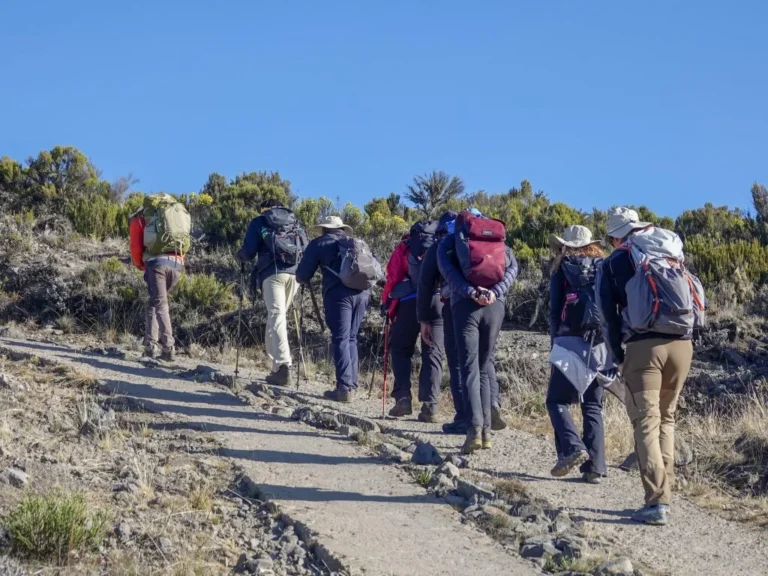
Kilimanjaro Route Cost Comparison: Lemosho, Machame, Marangu, Rongai &
Kilimanjaro Route Cost Comparison: Lemosho, Machame, Marangu, Rongai & Northern Circuit is explained with current 2026-2027 planning, price, itinerary and.
View package details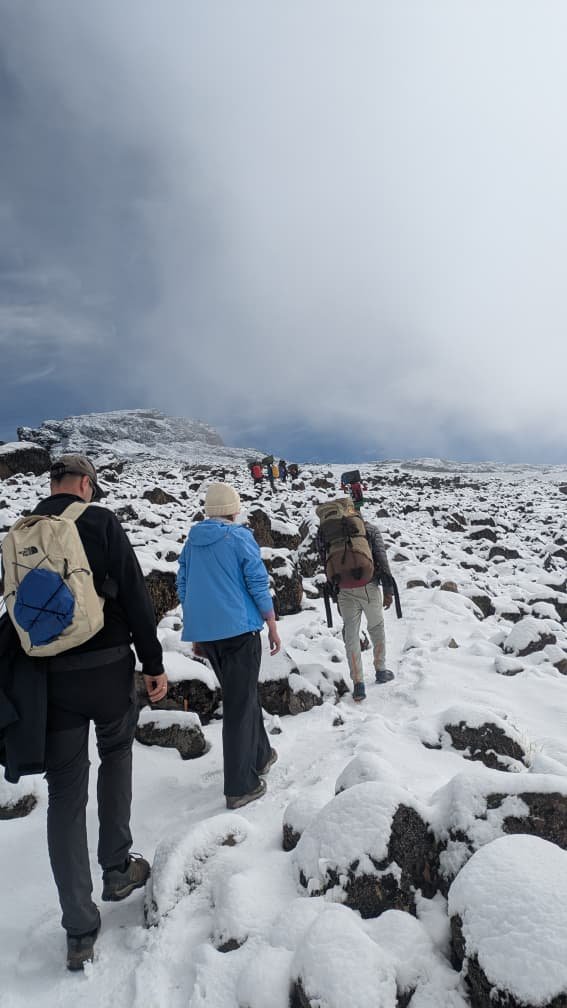
Northern Circuit Vs Lemosho: Cost, Days & Value Comparison For Kilimanjaro
Choosing between the Northern Circuit and Lemosho routes for your Kilimanjaro climb? This comprehensive comparison details cost, days, acclimatization, scenery, and value to help you decide...
View package details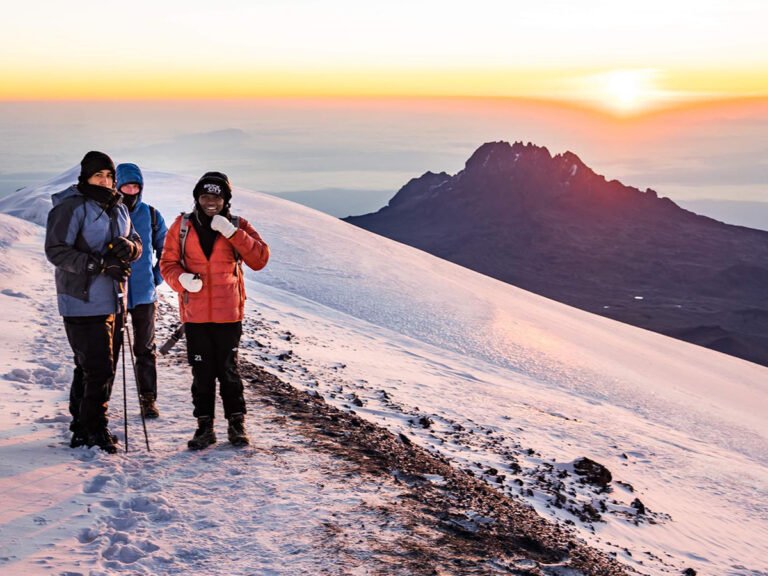
Private Northern Circuit Cost: Price Per Person For Your Kilimanjaro Adventure
Discover the factors influencing the price per person for a private Northern Circuit climb on Kilimanjaro. This guide details costs for 2026-2027, inclusions, and how to get a tailored...
View package details
Kilimanjaro Day Hike Cost /: Prices & Best Routes 2026-2027
Kilimanjaro Day Hike Cost 2026/2027: Prices & Best Routes is explained with current 2026-2027 planning, price, itinerary and booking information.
View package detailsWestern Breach Kilimanjaro Cost: Prices & Expedition Packages 2026-2027
Planning a Kilimanjaro climb via the Western Breach route? This comprehensive guide details the expected costs for 2026-2027 expeditions, covering package inclusions, pricing variables, and...
View package details
Kilimanjaro Crater Camp Cost: Prices, Fees & Itinerary For Climbs 2026-2027
Planning a Kilimanjaro climb to Crater Camp? This guide breaks down the 2026-2027 costs, including all associated fees and essential itinerary details. Learn what influences the price and...
View package details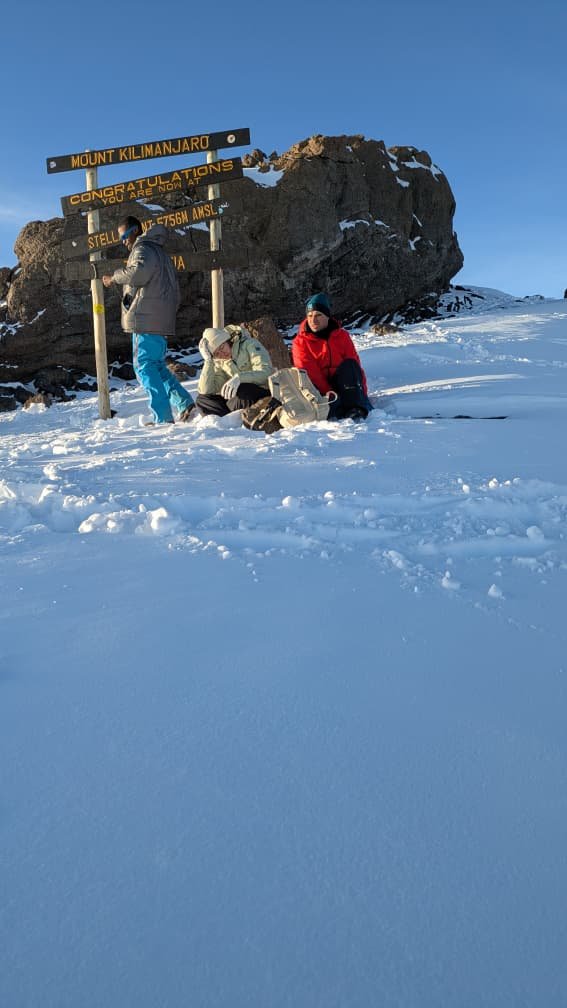
Shira Route Cost /: Prices & Packages For Kilimanjaro Climbs 2026-2027
Understand the estimated costs and package details for climbing Kilimanjaro via the Shira Route in 2026 and 2027. This guide covers pricing, what's included, and how to choose the right...
View package details10 Days Northern Circuit With Crater Camp: Cost & Itinerary For Treks
Discover the ultimate 10-day Northern Circuit trek on Mount Kilimanjaro, including a memorable stay at Crater Camp. This guide covers detailed itineraries, cost considerations for...
View package details
Book Northern Circuit Kilimanjaro Trek | Climb 4 Africa Experts 2026-2027
Planning to book the Northern Circuit Kilimanjaro trek for your 2026 or 2027 adventure? This comprehensive guide from Climb 4 Africa covers everything you need to know, from itinerary...
View package details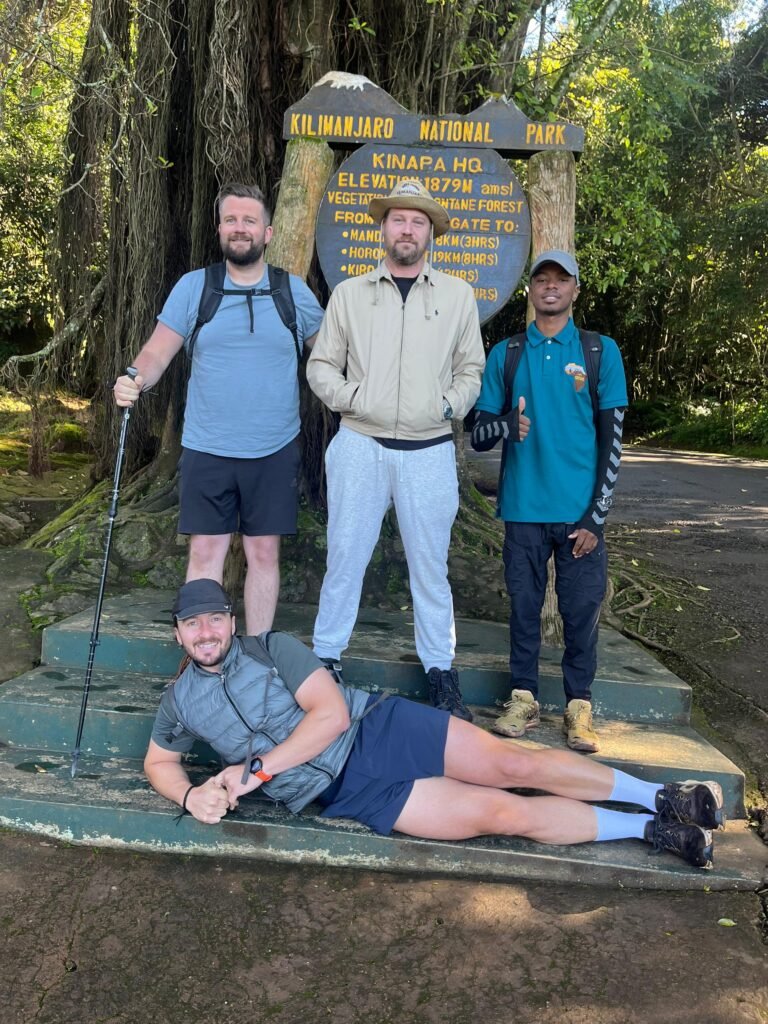
Are Porters Included In Kilimanjaro Package Costs? A Climb 4 Africa Guide
Understand the critical role of porters on Kilimanjaro and whether they are typically included in tour package costs. This guide from Climb 4 Africa provides essential details for planning...
View package details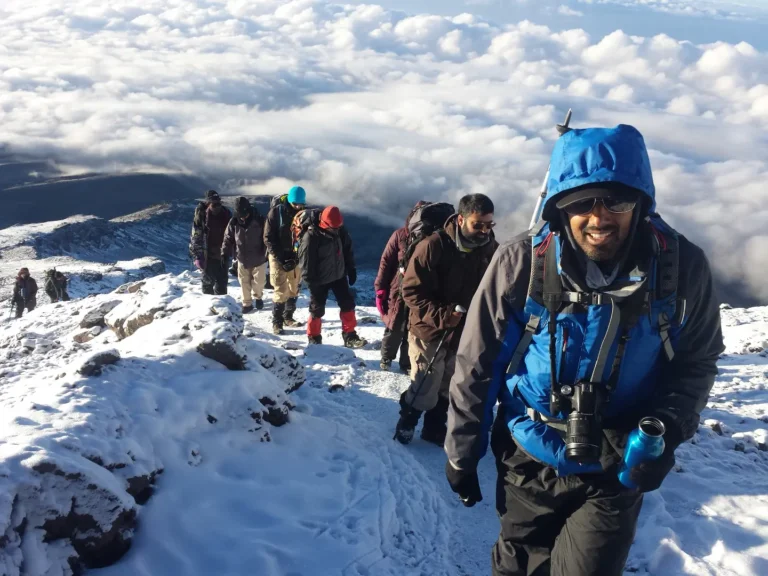
Why Do Kilimanjaro Operators Charge Different Prices? 2026-2027
Why do Kilimanjaro operators charge different prices? is explained with current 2026-2027 planning, price, itinerary and booking information.
View package detailsNo related package matches those filters. Clear one or more filters to see the other topic-matched options.



