
For climbs in 2026-2027, the 7-day Machame Route offers better acclimatization and higher success rates compared to the 6-day version, typically at a moderately higher price. The 6-day option is more budget-friendly and faster, but compromises on acclimatization, increasing the risk of altitude sickness. Your choice depends on your budget, time constraints, and acclimatization readiness.
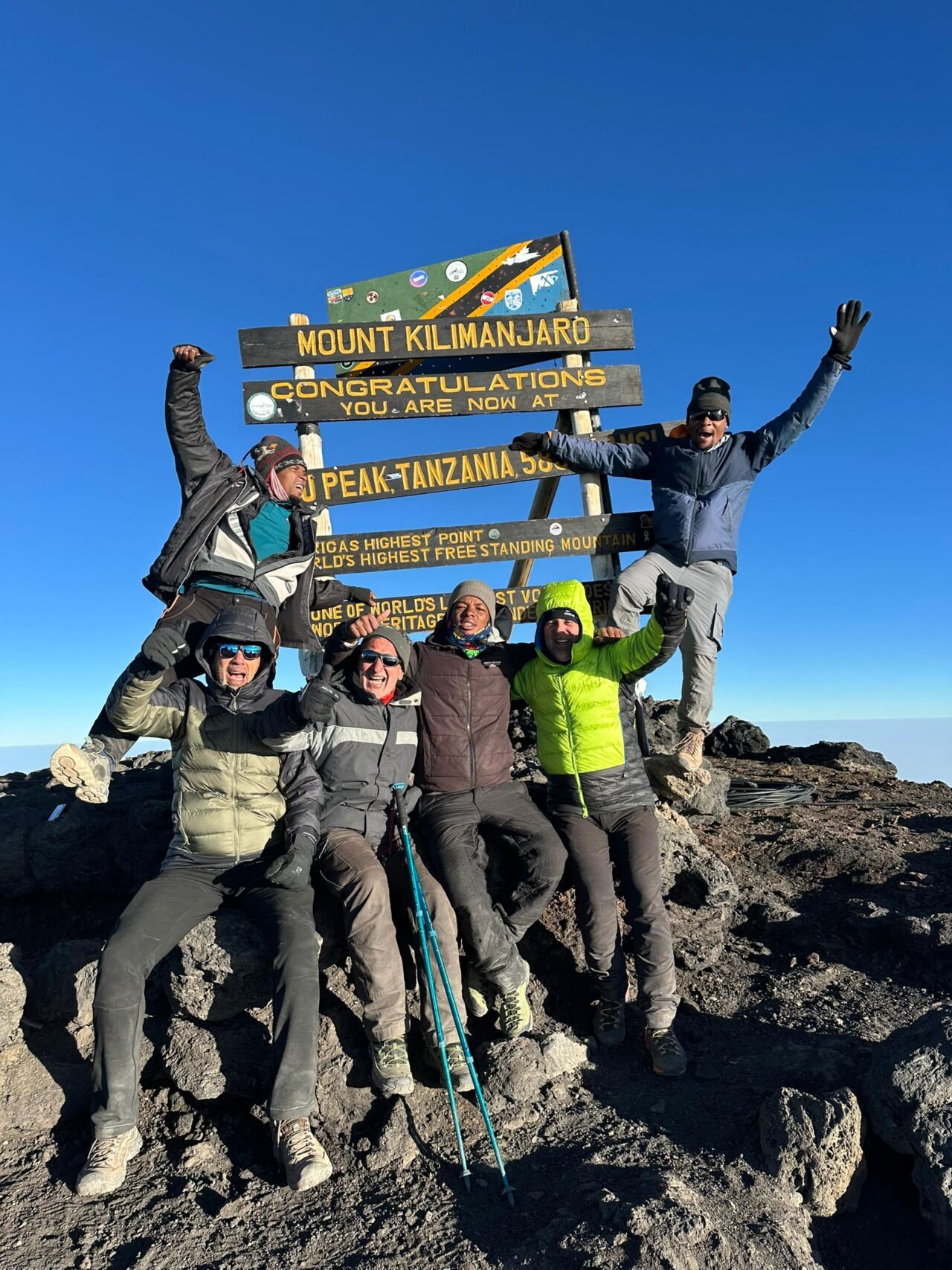

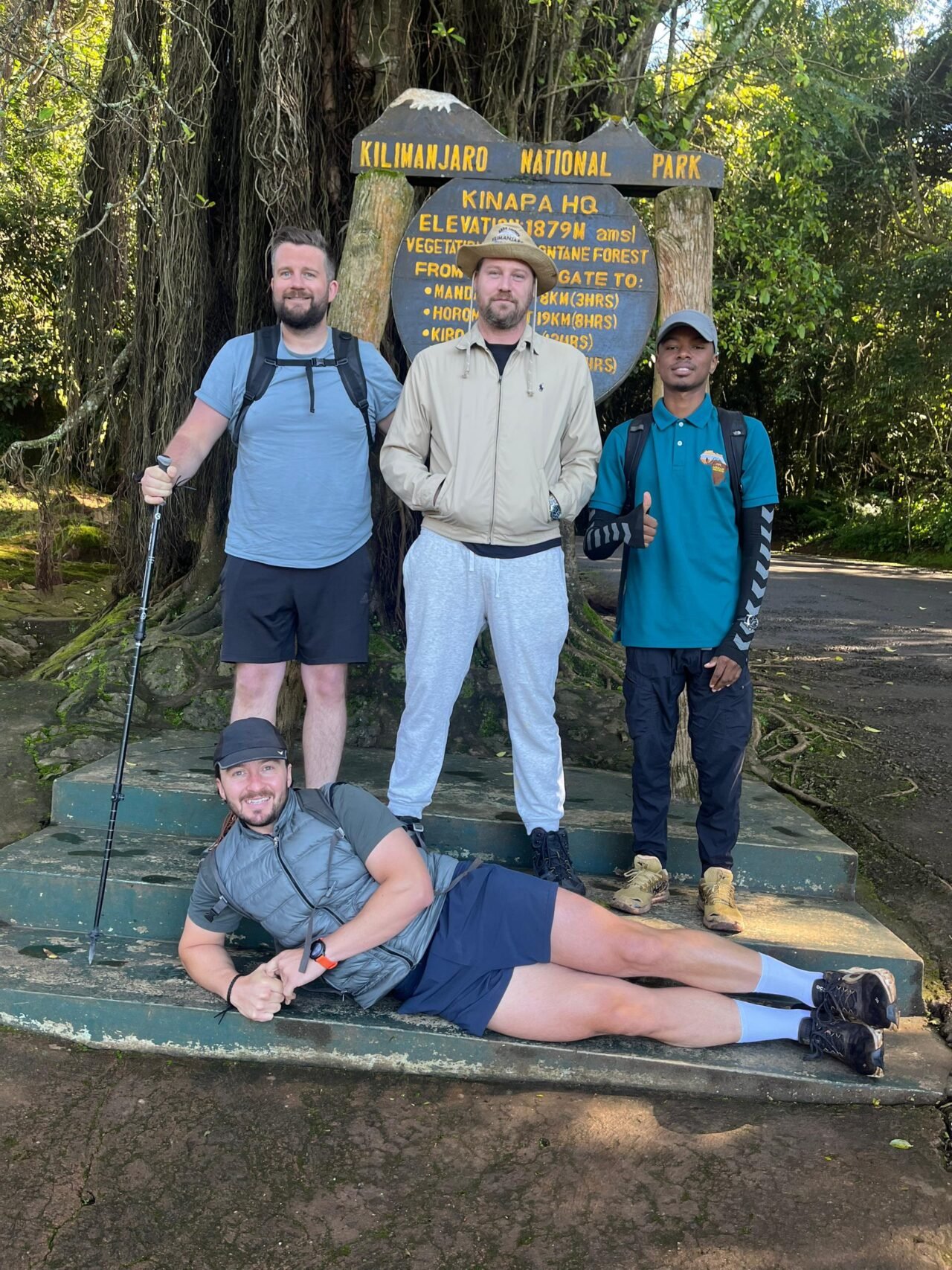
Understanding the Machame Route: A Popular Choice for Kilimanjaro Trekkers
The Machame Route is often lauded as one of the most scenic and rewarding treks on Mount Kilimanjaro. Its popularity stems from a combination of factors: stunning vistas, a well-designed ascent profile that aids acclimatization, and a good success rate. However, within the Machame Route itself, there’s a crucial decision point for trekkers planning their climb for 2026 or 2027: opting for a 6-day itinerary versus a 7-day itinerary. This choice significantly impacts not only the price of your expedition but also your body’s ability to adjust to the extreme altitude (acclimatization) and, ultimately, the overall value you receive from your Kilimanjaro adventure.
As experts in Kilimanjaro climbs and Tanzanian travel, Climb 4 Africa understands that this decision is paramount for a successful and enjoyable summit. We’ve guided thousands of trekkers on Kilimanjaro, and the Machame Route is consistently a favorite. This comprehensive guide will dissect the differences between the 6-day and 7-day Machame Route, providing you with the clarity needed to make an informed choice for your 2026-2027 expedition.
The Core Difference: An Extra Day for Acclimatization
At its heart, the distinction between the 6-day and 7-day Machame Route is precisely that: an additional day. This extra 24 hours is not just about extending your time on the mountain; it’s strategically placed to enhance your body’s adaptation to the decreasing oxygen levels as you ascend. This principle is known as acclimatization, and it is the single most critical factor in achieving a safe and successful summit of Kilimanjaro.
The Machame Route is typically structured with distinct camping stages. The 6-day version condenses these stages, often meaning longer hiking days and less time spent at higher altitudes before the final push. The 7-day version, conversely, inserts an extra day at a mid-altitude camp, allowing for a ‘trek high, sleep low’ strategy which is a cornerstone of effective altitude acclimatization. This extra day is usually spent either on a shorter hike followed by a return to the same camp, or by adding an extra camp altogether, thereby breaking down the ascent into more manageable and physiologically beneficial segments.

Why Acclimatization Matters So Much on Kilimanjaro
Kilimanjaro, standing at 5,895 meters (19,341 feet), presents a significant altitude challenge. The air at the summit contains about half the oxygen available at sea level. Without proper acclimatization, your body struggles to compensate for this oxygen deficit, leading to Altitude Sickness (Acute Mountain Sickness – AMS). Symptoms can range from mild headaches and nausea to severe and life-threatening conditions like High Altitude Pulmonary Edema (HAPE) and High Altitude Cerebral Edema (HACE).
Effective acclimatization involves:
- Gradual Ascent: Increasing altitude slowly over several days.
- Adequate Rest: Allowing the body time to adjust at each altitude level.
- Hydration: Drinking plenty of fluids to aid oxygen transport and prevent dehydration.
- ‘Pole Pole’ Pace: Moving slowly and steadily (‘pole pole’ is Swahili for ‘slowly, slowly’).
- ‘Trek High, Sleep Low’: Ascending to higher altitudes during the day and returning to a lower camp to sleep. This is a highly effective acclimatization technique.
The 7-day Machame Route is specifically designed to incorporate more of these principles than the 6-day version, making it the preferred choice for many trekkers, especially those with limited prior high-altitude experience, when planning for 2026 or 2027 expeditions.
Comparing the 6-Day and 7-Day Machame Route Itineraries
While both itineraries follow the same general path up Kilimanjaro, the pacing and daily objectives differ. Understanding these differences is key to evaluating the value proposition of each option.
The 6-Day Machame Route: Faster Pace, Higher Risk
The 6-day Machame Route is the most common and often the most budget-friendly option. It compresses the trek into a shorter timeframe, which appeals to those with limited vacation time or who are seeking a more economical climb. However, this brevity comes at a cost to acclimatization.
Typical 6-Day Machame Route Itinerary Overview:
- Day 1: Machame Gate (1,800m) to Machame Camp (3,000m) – Approx. 5-7 hours hiking.
- Day 2: Machame Camp (3,000m) to Shira Camp (3,850m) – Approx. 4-6 hours hiking.
- Day 3: Shira Camp (3,850m) to Barranco Camp (3,950m) via Lava Tower (4,600m) – Approx. 6-8 hours hiking. This day involves a significant ascent to Lava Tower and then descent, which is good for acclimatization, but the overall day is long.
- Day 4: Barranco Camp (3,950m) to Karanga Camp (4,000m) – Approx. 3-5 hours hiking. This day features the famous Barranco Wall climb.
- Day 5: Karanga Camp (4,000m) to Barafu Camp (4,650m) – Approx. 4-6 hours hiking.
- Day 6: Barafu Camp (4,650m) to Summit (Uhuru Peak, 5,895m) and descend to Mweka Camp (3,100m) – Approx. 7-10 hours to summit, then 4-6 hours descent.
- Day 7: Mweka Camp (3,100m) to Mweka Gate (1,600m) – Approx. 3-5 hours hiking.
Key Considerations for the 6-Day Machame Route:
- Higher Success Rate Concern: While possible, the success rate on the 6-day Machame Route is generally lower than the 7-day option. The rapid ascent and shorter time at higher camps can make acclimatization difficult for some.
- Faster Pace: Hiking days can be longer, and there’s less downtime.
- Budget-Friendly: Generally less expensive due to fewer operational days and resource requirements.
- Demanding: Requires a good level of fitness and a strong ability to acclimatize quickly.
The 7-Day Machame Route: Enhanced Acclimatization, Higher Success
The 7-day Machame Route adds a crucial acclimatization day, typically between Shira Camp and Barranco Camp, or by extending the trek from Karanga Camp to Barafu Camp with an intermediate stop. This strategic pause significantly improves the chances of a successful summit bid and provides a more comfortable trekking experience.
Typical 7-Day Machame Route Itinerary Overview:
- Day 1: Machame Gate (1,800m) to Machame Camp (3,000m) – Approx. 5-7 hours hiking.
- Day 2: Machame Camp (3,000m) to Shira Camp (3,850m) – Approx. 4-6 hours hiking.
- Day 3: Shira Camp (3,850m) to Barranco Camp (3,950m) via Lava Tower (4,600m) – Approx. 6-8 hours hiking. (Same as 6-day)
- Day 4: Barranco Camp (3,950m) to Karanga Camp (4,000m) – Approx. 3-5 hours hiking. (Same as 6-day)
- Day 5 (Added Acclimatization Day): Karanga Camp (4,000m) to Barafu Camp (4,650m) – Approx. 4-6 hours hiking. (In the 7-day, this day might be extended or an extra camp added before Barafu, or a shorter day at Karanga Camp followed by a longer hike to Barafu the next day). A common variation is to spend an extra night at Karanga Camp and have a shorter hike to Barafu the next day. Another variation involves an extra camp between Karanga and Barafu. The core idea is to spend more time at altitude.
- Day 6: Barafu Camp (4,650m) to Summit (Uhuru Peak, 5,895m) and descend to Mweka Camp (3,100m) – Approx. 7-10 hours to summit, then 4-6 hours descent.
- Day 7: Mweka Camp (3,100m) to Mweka Gate (1,600m) – Approx. 3-5 hours hiking.
Key Considerations for the 7-Day Machame Route:
- Higher Success Rate: The additional day significantly boosts acclimatization, leading to higher summit success rates, often cited as 85-90% or more for well-prepared trekkers.
- More Comfortable Pace: Hiking days are generally shorter, allowing for more rest and enjoyment of the scenery.
- Better Acclimatization: The ‘trek high, sleep low’ principle is more effectively applied.
- Slightly Higher Price: The cost is higher due to the extra day of guiding, porterage, and logistics.
- Recommended for Most: This is the recommended itinerary for most climbers, especially for 2026-2027 expeditions, as it prioritizes safety and success.
Climb 4 Africa’s Recommendation for 2026-2027 Climbs
For the vast majority of our clients planning a Kilimanjaro climb for 2026 or 2027, we strongly recommend the 7-day Machame Route. While the 6-day option is viable for very fit individuals with proven high-altitude experience, the added day on the 7-day itinerary is a critical investment in your safety, comfort, and summit success. The marginal increase in cost is well worth the enhanced acclimatization and reduced risk of altitude sickness.
Price Comparison: 6-Day vs. 7-Day Machame Route
The price is often a significant factor in choosing between the 6-day and 7-day Machame Route. While exact prices vary based on the tour operator, group size, and inclusions, the 7-day option will invariably be more expensive than the 6-day option. This difference is directly attributable to the additional day of service provided by guides, porters, cooks, and the logistical support required.
Factors influencing the price difference:
- Additional Guide and Porter Days: More staff are needed for an extra day.
- Extra Day of Food and Supplies: Food and water provisions increase.
- Extended Camp Logistics: Setting up and breaking down camp for an additional night.
- Park Fees: While Kilimanjaro National Park fees are typically structured per day, some operators may factor in slightly longer park access duration, though this is usually a minor component of the overall price difference. The primary driver is operational costs.
General Price Expectations (per person, based on 2026-2027 estimates):
It’s important to note that prices can fluctuate. Always get a detailed quote. However, as a rough guide:
| Itinerary Duration | Estimated Price Range (USD) | Typical Inclusions |
| 6-Day Machame Route | $1,500 – $2,500 | Park fees, guide/porter salaries, food, camping equipment, transfers, emergency oxygen, basic accommodation before/after climb. |
| 7-Day Machame Route | $1,700 – $2,800 | Same as 6-day, but with an additional day of services. |
Note: These are indicative prices. Luxury operators or those offering more comprehensive packages (e.g., private rooms in hotels, higher quality gear, more experienced guides) will be at the higher end of these ranges. Climb 4 Africa strives to offer competitive pricing with excellent value, focusing on safety and quality service for your 2026-2027 climb.
Get Your Custom Quote for 2026-2027
For precise pricing and to discuss your specific needs for a 6-day or 7-day Machame Route climb in 2026 or 2027, please contact Climb 4 Africa. We provide transparent quotes with no hidden fees.
WhatsApp: +255 747 477 898
Email: climb4africa@gmail.com
Acclimatization Strategies: The Crucial Factor
The most significant difference, and arguably the most important consideration when deciding between the 6-day and 7-day Machame Route, is acclimatization. This isn’t just about feeling a bit tired; it’s about your body’s ability to cope with extreme altitude, which directly correlates to your safety and success.
How the 7-Day Machame Route Enhances Acclimatization
The extra day on the 7-day Machame Route is strategically placed to allow for better physiological adaptation. Common strategies employed include:
- Extra Rest Day at Mid-Altitude: Sometimes, an extra day is spent at a camp like Karanga Camp (around 4,000m). This allows trekkers to rest, rehydrate, and explore the immediate surroundings on a short acclimatization hike, effectively spending more time at a higher altitude before ascending further.
- ‘Trek High, Sleep Low’ Optimization: The extra day allows for a more gradual ascent to Barafu Camp. For instance, instead of hiking directly from Karanga to Barafu (a significant altitude gain), the itinerary might include an intermediate camp or a shorter hike to Barafu after a more relaxed day at Karanga. This means ascending to a higher point (like Lava Tower on Day 3) and then descending to sleep lower, a key principle. The 7-day route maximizes this.
- Reduced Daily Ascent: By spreading the journey over seven days, the daily altitude gain is less pronounced, giving the body more time to adjust.
The Acclimatization Challenges of the 6-Day Machame Route
The 6-day itinerary, while popular, can be challenging for acclimatization. The daily hikes are often longer, and the ascent to Barafu Camp is typically more rapid. This means:
- Less Time to Adjust: The body has less time to produce the necessary red blood cells to carry more oxygen.
- Higher Risk of AMS: Trekkers are more likely to experience symptoms of Acute Mountain Sickness.
- Potential for Premature Descent: If AMS symptoms become severe, a trekker might need to descend, cutting their climb short.
While guides are trained to manage altitude sickness, the best approach is always prevention through proper acclimatization. The 7-day Machame Route offers a significantly better preventative strategy for your 2026-2027 climb.
Key Acclimatization Tips for ANY Kilimanjaro Climb (2026-2027)
- Choose the 7-Day Machame Route: For the best acclimatization profile.
- Listen to Your Body: Report any symptoms of altitude sickness to your guide immediately.
- Hydrate: Drink at least 3-4 liters of water per day.
- Ascend Slowly: ‘Pole Pole’ is not just a saying; it’s essential for acclimatization.
- Eat Well: Maintain energy levels with regular meals, even if your appetite decreases.
- Avoid Alcohol and Smoking: These impair acclimatization.
- Consider Diamox (Acetazolamide): Consult your doctor about this prescription medication, which can aid acclimatization.
- Pre-Acclimatize: If possible, spend a few days at moderate altitude (e.g., 2,000-3,000m) before starting your climb.
Value Proposition: What You Get for Your Money
When comparing the price and acclimatization benefits, the concept of value emerges. Value isn’t just about the cheapest option; it’s about what you receive in return for your investment. For a Kilimanjaro climb, the ultimate value is a safe, successful summit experience.
The Value of the 7-Day Machame Route
The 7-day Machame Route offers superior value for most trekkers planning for 2026-2027 because:
- Higher Success Rate = Better Value: Paying a bit more for a significantly higher chance of reaching Uhuru Peak is excellent value. A failed summit attempt is a poor return on investment.
- Enhanced Safety: The better acclimatization profile reduces the risk of serious altitude sickness, making the trip safer. Your safety is paramount and the highest form of value.
- More Enjoyable Experience: A slower pace and better acclimatization generally lead to a more pleasant and less grueling trek, allowing you to appreciate the incredible landscapes.
- Experienced Guides: Reputable operators like Climb 4 Africa use experienced guides who are trained in altitude management, and the 7-day itinerary gives them more time to effectively implement these strategies.
The Value of the 6-Day Machame Route
The 6-day Machame Route can offer value in specific circumstances:
- Budget Constraints: If budget is the primary limiting factor, the 6-day route is more accessible.
- Time Limitations: For those with very limited vacation time, it’s a viable option.
- Proven Acclimatization Ability: For individuals who have successfully climbed to high altitudes before and know they acclimatize very well, the 6-day route might be sufficient.
However, it’s crucial to understand that the ‘value’ derived from a cheaper, faster trek can be diminished if it results in a failed summit or a severely uncomfortable experience due to altitude sickness.
Who Should Choose Which Itinerary for 2026-2027?
Making the right choice between the 6-day and 7-day Machame Route depends on individual circumstances, priorities, and physical condition. Here’s a breakdown to guide your decision for your 2026-2027 Kilimanjaro adventure:
Choose the 7-Day Machame Route if:
- Your priority is summit success and safety.
- You have no prior high-altitude trekking experience or are unsure of your acclimatization ability.
- You want a more comfortable and enjoyable trekking experience.
- Your budget allows for the slightly higher cost.
- You have at least 8 days available in Tanzania (including travel to/from Kilimanjaro).
Choose the 6-Day Machame Route if:
- You are on a strict budget and the cost difference is significant for you.
- You have very limited time and can only spare 7 days in Tanzania.
- You have extensive experience with high-altitude trekking and know you acclimatize exceptionally well.
- You are extremely fit and prepared for a faster pace.
Climb 4 Africa strongly advises most clients targeting a 2026 or 2027 climb to opt for the 7-day Machame Route. The added day is an investment that pays dividends in terms of success, safety, and overall satisfaction. It allows our expert guides more time to monitor your condition and ensure you are acclimatizing properly.
Beyond the Itinerary: Other Factors Influencing Your Climb
While the 6 vs 7 days decision on the Machame Route is critical, several other factors contribute to the overall success and value of your Kilimanjaro climb, especially when planning for 2026-2027. These include the quality of your tour operator, your physical preparation, and the time of year you choose to climb.
Choosing a Reputable Tour Operator
The operator you choose has a profound impact on your experience. For the Machame Route, particularly when considering the nuances of price, acclimatization, and value, selecting a company like Climb 4 Africa ensures:
- Experienced and Certified Guides: Our guides are highly trained in wilderness first aid, altitude sickness management, and Kilimanjaro’s specific routes.
- Quality Equipment: We provide sturdy tents, sleeping bags, and essential gear.
- Nutritious Food: Our cooks prepare varied and energy-rich meals to fuel your trek.
- Adequate Porter Support: Ensuring your luggage is carried efficiently and porters are treated ethically.
- Safety Protocols: Including emergency oxygen and communication systems.
- Transparent Pricing: We offer clear breakdowns of what’s included, ensuring you understand the true cost and value.
When comparing operators for your 2026-2027 climb, look beyond just the price. Consider their safety record, reviews (like those found on TripAdvisor), and the comprehensive nature of their support. A slightly higher price for a reputable operator often translates to significantly better value and a safer climb.
Physical Preparation: Your Role in Success
Regardless of whether you choose the 6-day or 7-day Machame Route, your physical fitness is crucial. Kilimanjaro is a strenuous trek, and while it doesn’t require mountaineering skills, a good level of cardiovascular fitness is essential.
- Cardiovascular Training: Engage in activities like hiking (with a backpack), running, cycling, or swimming for at least 3-4 times a week for several months leading up to your climb.
- Strength Training: Focus on leg strength (squats, lunges) and core strength.
- Hiking Practice: Ideally, do long hikes (6-8 hours) with elevation gain while carrying a daypack. This simulates trek conditions and helps you test your gear.
Your preparation directly impacts your ability to cope with the physical demands and aids your acclimatization. A fitter body can better utilize oxygen and recover more quickly at altitude.
Best Time to Climb Kilimanjaro in 2026-2027
The time of year you choose for your climb can also affect your experience, including the conditions you encounter and potentially the availability of certain itineraries or group departures. For the Machame Route, the best climbing seasons are:
- January to March: Generally dry and clear, though can be cold.
- June to October: The longest dry season, offering stable weather and clear skies. This is peak season.
The shorter rainy seasons (April-May and November-early December) are generally best avoided, as they can bring heavy rain, mud, and reduced visibility, making the trek more challenging and potentially impacting acclimatization.
For 2026 and 2027, booking during the dry seasons will provide the most favorable conditions for both the 6-day and 7-day Machame Route treks. Peak season (June-October) often sees more groups, while the shoulder months within the dry seasons can offer a good balance of weather and fewer crowds.
Making Your Final Decision: 6-Day vs. 7-Day Machame Route
The decision between the 6-day and 7-day Machame Route for your 2026-2027 Kilimanjaro adventure hinges on a careful assessment of price, acclimatization potential, and the overall value you seek from this incredible journey.
As experienced operators, Climb 4 Africa consistently guides clients towards the 7-day Machame Route for its superior acclimatization profile and higher success rates. The extra day is a strategic investment that significantly enhances the safety and enjoyment of the climb. While the 6-day option is more budget-friendly and quicker, it inherently carries a higher risk of altitude sickness and a potentially lower summit success rate.
Consider your personal circumstances:
- For most climbers, especially first-time high-altitude trekkers, the 7-day Machame Route is the clear winner. It offers the best balance of challenge, acclimatization, and reward.
- If time and budget are extremely restrictive, and you have excellent high-altitude experience, the 6-day Machame Route might be considered. However, proceed with caution and ensure you are fully aware of the increased risks.
Regardless of your choice, proper preparation, a reliable tour operator, and a focus on acclimatization are paramount. By understanding the differences between the 6-day and 7-day itineraries, you are well-equipped to make an informed decision that aligns with your goals for climbing Kilimanjaro in 2026 or 2027.
Ready to plan your Kilimanjaro adventure? Let the experts at Climb 4 Africa guide you. We offer tailored itineraries, expert advice, and a commitment to safety and client satisfaction. Whether you’re leaning towards the 6-day or 7-day Machame Route, or exploring other options like our Machame Route group departures, we are here to help.
Contact us today to discuss your dream climb:
WhatsApp: +255 747 477 898
Email: climb4africa@gmail.com
We also offer fantastic Tanzania safari tours and Zanzibar holidays, perfect for combining with your Kilimanjaro climb. Explore our blog for more travel inspiration.
Check Availability for 6 Vs 7 Days Machame Route: Price, Acclimatization & Value For Kilimanjaro
Ready to compare dates, prices, and the best option for your group? Send the package name and travel month so the team can reply with a clear quote, availability, and what is included.
7 Days Rongai Route Kilimanjaro: Cost & Full Itinerary 2026-2027
Discover the best of Kilimanjaro's Rongai Route with a detailed 7-day itinerary, cost breakdown, and expert tips for your 2026-2027 climb. Learn why Rongai is a popular choice for trekkers...
View package details
Which Kilimanjaro Route Offers The Best Value For Money? 2026-2027
Which Kilimanjaro route offers the best value for money? is explained with current 2026-2027 planning, price, itinerary and booking information.
View package details
Northern Circuit Vs Machame: Price, Duration & Experience 2026-2027
Northern Circuit vs Machame: Price, Duration & Experience is explained with current 2026-2027 planning, price, itinerary and booking information.
View package details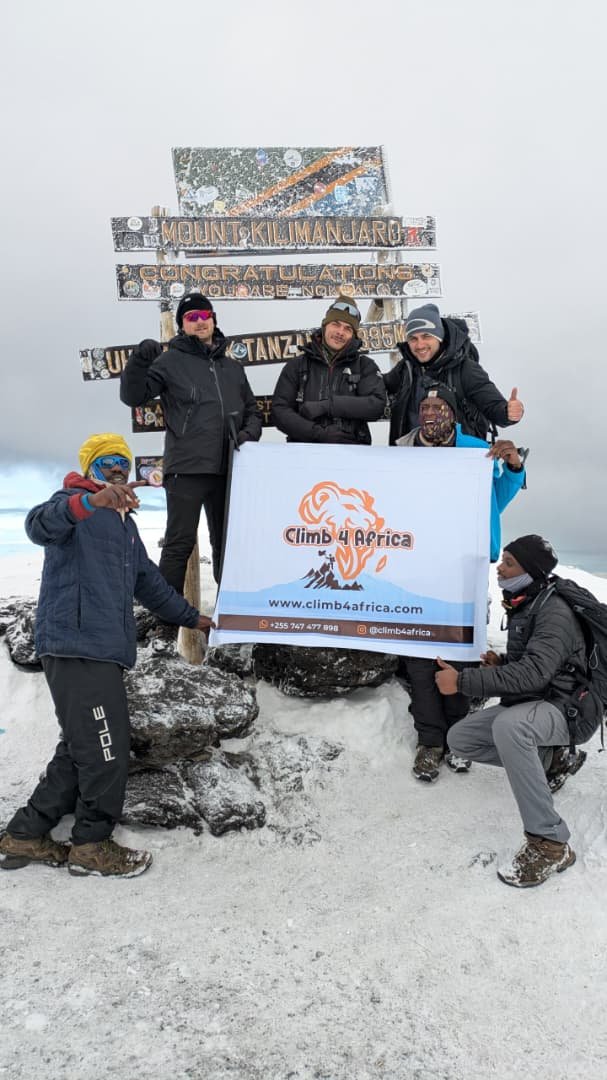
Rongai Vs Machame: Cost & Route Comparison For Kilimanjaro Climbs 2026-2027
Choosing between the Rongai and Machame routes for your Kilimanjaro climb in 2026 or 2027? This comprehensive comparison details route differences, scenery, acclimatization, success rates...
View package details
Rongai Vs Lemosho: Price, Crowds & Route Comparison For Kilimanjaro Climbs
Choosing between the Rongai and Lemosho routes for your Kilimanjaro climb? This in-depth comparison covers everything you need to know about price, crowd levels, route profiles, scenery...
View package details
Machame Vs Marangu: Price, Accommodation & Success Comparison For Kilimanjaro
Deciding between the Machame and Marangu routes for your Kilimanjaro climb? This comprehensive guide breaks down the key differences in price, accommodation, and success rates, helping you...
View package details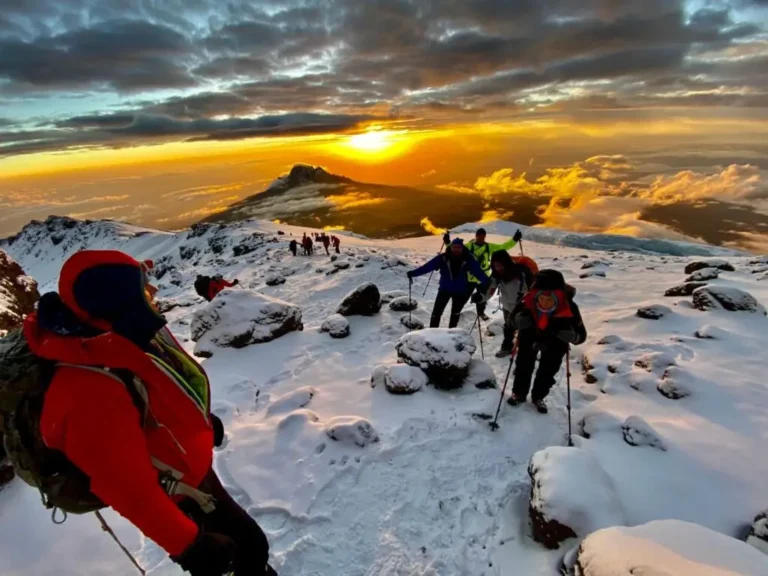
Lemosho Vs Machame: Cost, Itinerary & Which Route Is Better? 2026-2027
Lemosho vs Machame: Cost, Itinerary & Which Route Is Better? is explained with current 2026-2027 planning, price, itinerary and booking information.
View package details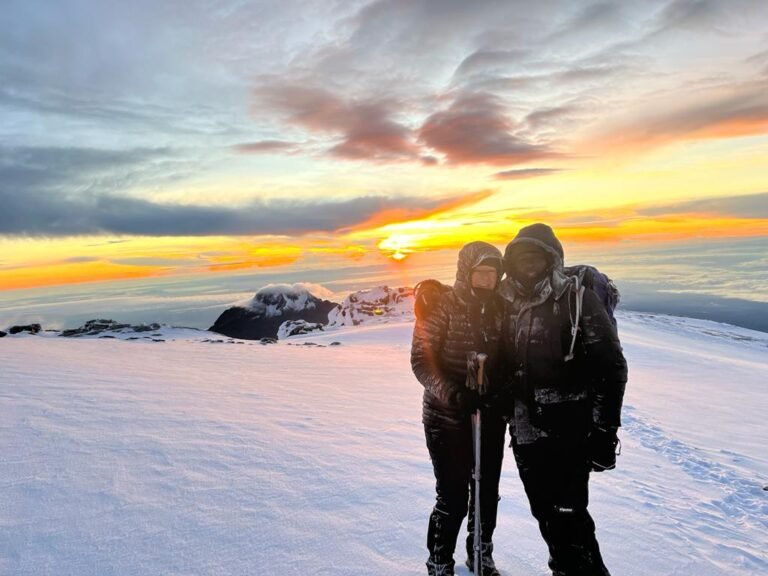
Kilimanjaro Group Departures : Dates, Routes & Prices 2026-2027
Kilimanjaro Group Departures 2026: Dates, Routes & Prices is explained with current 2026-2027 planning, price, itinerary and booking information.
View package details
Kilimanjaro Day Hike Cost /: Prices & Best Routes 2026-2027
Kilimanjaro Day Hike Cost 2026/2027: Prices & Best Routes is explained with current 2026-2027 planning, price, itinerary and booking information.
View package details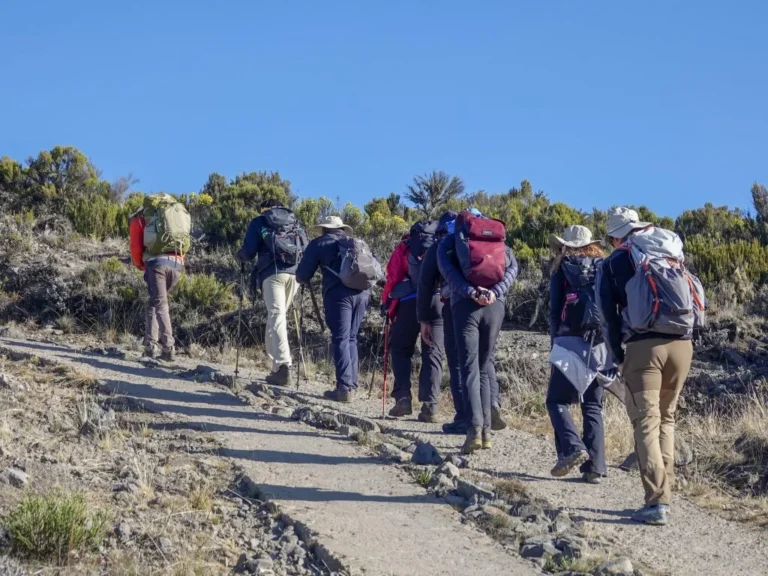
Kilimanjaro Route Cost Comparison: Lemosho, Machame, Marangu, Rongai &
Kilimanjaro Route Cost Comparison: Lemosho, Machame, Marangu, Rongai & Northern Circuit is explained with current 2026-2027 planning, price, itinerary and.
View package detailsShira Route Cost /: Prices & Packages For Kilimanjaro Climbs 2026-2027
Understand the estimated costs and package details for climbing Kilimanjaro via the Shira Route in 2026 and 2027. This guide covers pricing, what's included, and how to choose the right...
View package details
6 Days Umbwe Route: Cost, Price & Full Itinerary For Climbs 2026-2027
Planning a Kilimanjaro climb via the challenging Umbwe Route in 6 days? This guide breaks down the costs, essential inclusions, and a comprehensive day-by-day itinerary to help you prepare...
View package detailsNo related package matches those filters. Clear one or more filters to see the other topic-matched options.



