
Securing your Kilimanjaro climb for 2026 or 2027 typically requires an initial booking deposit, usually between 10-30% of the total trek cost, with the balance due closer to your departure date, often 60-90 days prior. Cancellation costs vary significantly based on how far in advance you cancel, with deposits often being non-refundable and later payments subject to penalties that can recover operator expenses.
Understanding Kilimanjaro Booking Deposits and Payment Structures
Embarking on a journey to the Roof of Africa is an aspiration for many, and the practicalities of booking such an expedition are crucial for a smooth experience. For treks planned in the 2026 and 2027 seasons, understanding the financial commitment from the outset is key. This includes the initial Kilimanjaro booking deposit, the subsequent payment schedule, and what happens if circumstances force you to cancel.
At Climb 4 Africa, we believe in transparency. Our goal is to provide you with all the necessary information so you can plan your adventure with confidence. This guide will break down the typical financial aspects of booking a Kilimanjaro climb, from the moment you decide to book to potential cancellation scenarios.
What is a Kilimanjaro Booking Deposit and Why is it Required?
The initial Kilimanjaro booking deposit serves as a commitment from you to the tour operator and allows the operator to secure your spot, begin logistical arrangements, and cover immediate pre-trek expenses. These deposits are standard practice in the adventure travel industry for several reasons:
- Securing Your Trek Date: A deposit confirms your chosen departure date, allowing the operator to allocate guides, porters, cooks, and necessary permits.
- Operational Planning: It enables the operator to initiate bookings for park entry fees, accommodation before and after the climb, and transportation.
- Financial Commitment: It signifies your serious intent to undertake the climb, helping operators manage their resources effectively for future bookings in 2026 and 2027.
- Risk Mitigation: For operators, it helps mitigate the risk of last-minute cancellations that could lead to significant financial losses due to pre-paid services.
The amount of the deposit can vary between operators. For Climb 4 Africa, we typically require a deposit that is a reasonable percentage of the total trek cost, ensuring it covers initial operational outlays while remaining manageable for our clients planning their 2026 Kilimanjaro climb or 2027 Kilimanjaro climb.
Typical Kilimanjaro Booking Deposit Percentages (2026-2027)
While specific figures can differ, a common range for a Kilimanjaro booking deposit is:
- 10% to 20% of the total trek price for shared group departures.
- 20% to 30% of the total trek price for private climbs, especially for smaller groups or specialized itineraries.
This initial payment is critical for confirming your booking and starting the countdown to your adventure. It’s a vital step in reserving your place on a specific climb date in 2026 or 2027.
Kilimanjaro Payment Schedule: When is the Balance Due?
Once the deposit is paid and your trek is confirmed, the remaining balance needs to be settled according to a predetermined Kilimanjaro payment schedule. This schedule is designed to allow clients ample time to budget while enabling operators to manage cash flow and make necessary payments for services closer to the trek date.
A common payment structure involves:
- Initial Deposit: Paid upon booking to secure your spot.
- Final Balance Payment: Typically due between 60 to 90 days before your scheduled departure date. For example, if your 2027 Kilimanjaro climb is scheduled for October 2027, the final payment might be due around July or August 2027.
Some operators might offer alternative payment plans, especially for clients who book far in advance for 2026 or 2027. It’s always best to confirm the exact payment dates with your chosen tour operator.
Factors Influencing Payment Schedules
Several factors can influence the precise timing of the final payment:
- Operator’s Financial Obligations: Tour operators often need to pay park fees, accommodation providers, and transportation companies well in advance. A timely final payment ensures they can meet these obligations.
- Group Size and Type: Private climbs might have slightly different payment terms compared to fixed group departures.
- Booking Lead Time: Climbs booked many months or even years in advance for 2026 or 2027 might allow for more flexible payment arrangements or staggered payments.
Climb 4 Africa works with clients to ensure the payment schedule is clear and manageable. We understand that planning a major trip like climbing Kilimanjaro requires careful financial management, and we aim to facilitate this process.
Kilimanjaro Cancellation Costs: What to Expect
Life is unpredictable, and sometimes cancellations are unavoidable. Understanding the potential Kilimanjaro cancellation costs is a critical part of your booking decision. These costs are designed to cover the expenses the tour operator has already incurred or cannot recover due to your cancellation.
Cancellation policies and associated costs vary significantly from one operator to another. They are heavily influenced by:
- Timing of Cancellation: The closer you are to your departure date, the higher the cancellation fees will typically be.
- Operator’s Expenses: Costs incurred for permits, transport, staff arrangements, and pre-booked accommodations are often non-refundable beyond a certain point.
- Deposit Policy: Many deposits are non-refundable from the outset, as they are used for immediate operational costs and securing resources.
Typical Kilimanjaro Cancellation Cost Tiers
Here’s a general breakdown of how Kilimanjaro cancellation costs are often structured:
Important Note on Deposits: Most Kilimanjaro booking deposits are non-refundable. This means that if you cancel shortly after paying the deposit, you will likely forfeit that amount.
Cancellation More Than 90 Days Before Departure:
- You will typically forfeit your non-refundable booking deposit.
- Any other payments made might be partially or fully refundable, depending on the operator’s specific terms and how much they have already spent on your booking. Some operators might charge a small administrative fee.
Cancellation Between 60 to 90 Days Before Departure:
- You will likely forfeit your booking deposit.
- You may be liable for a larger portion of the total cost, potentially covering non-refundable park fees, permits, and pre-booked services. This could amount to 25-50% of the total trek cost.
Cancellation Between 30 to 60 Days Before Departure:
- Cancellation costs can escalate significantly, potentially reaching 50-75% of the total trek cost. This often covers expenses like guide and porter salaries, transport, and lodge bookings that cannot be easily re-sold or cancelled without penalty.
Cancellation Less Than 30 Days Before Departure (or No-Show):
- In most cases, you will forfeit the full trek cost. This is because the operator has committed resources, staff, and logistics that are difficult or impossible to reallocate at such short notice.
These figures are illustrative. It is absolutely essential to read and understand the specific Kilimanjaro cancellation policy of the tour operator you choose for your 2026 or 2027 climb.
Climb 4 Africa’s Approach to Deposits, Payments, and Cancellations
At Climb 4 Africa, we aim to be flexible and supportive while ensuring the operational viability of our climbs. Our policies for Kilimanjaro booking deposits, payment schedules, and cancellation costs are designed with fairness and clarity in mind for our 2026-2027 clients.
Our Deposit Policy
For most Kilimanjaro climbs booked with Climb 4 Africa, we require a booking deposit of 20% of the total trek cost. This deposit is essential for securing your spot, booking your preferred dates, and initiating the procurement of permits and initial logistical arrangements. As is standard in the industry, this deposit is generally non-refundable, reflecting the immediate costs incurred by us upon booking.
Our Payment Schedule
Our standard payment schedule requires the final balance payment to be made 60 days prior to your trek departure date. For example, if your climb is set for November 15, 2026, the full balance would be due by September 15, 2026. We will send you a reminder notification well in advance to help you manage this payment.
We understand that international payments can sometimes present challenges. If you anticipate difficulties meeting this schedule, please contact us as early as possible. We are often able to discuss alternative arrangements, especially for bookings made far in advance for 2026 or 2027.
Our Cancellation Policy
We recognize that plans can change. Our Kilimanjaro cancellation costs are structured as follows:
- Cancellations made more than 60 days before departure: The non-refundable booking deposit (20%) will be forfeited. Any subsequent payments made will be refunded in full.
- Cancellations made between 30 and 60 days before departure: 50% of the total trek cost will be forfeited. This typically covers non-refundable permits, staff arrangements, and other pre-paid services.
- Cancellations made less than 30 days before departure: 100% of the total trek cost will be forfeited. This reflects the significant operational costs and commitments made by that stage.
We strongly recommend that all our clients purchase comprehensive travel insurance that includes trip cancellation and interruption coverage. This is the most effective way to protect yourself financially against unforeseen events that may force you to cancel your 2026 or 2027 Kilimanjaro climb.
Why our policy is structured this way: The Kilimanjaro climbing season requires extensive advance planning. Permits, guides, porters, cooks, vehicles, and accommodation are booked months ahead, often with non-refundable deposits. Our cancellation policy aims to cover these unavoidable operational expenses, ensuring we can continue to offer high-quality, safe, and reliable climbs for all our adventurers in 2026 and 2027.
Factors Affecting Kilimanjaro Climb Costs Beyond Deposits
While the booking deposit and final payment are key financial milestones, it’s important to consider the full cost of a Kilimanjaro climb. Understanding these elements helps in budgeting accurately for your 2026-2027 expedition.
Included in Your Climb Package
Most reputable operators, including Climb 4 Africa, will include the following in their quoted prices:
- Park and Camping/Hut Fees: These are significant costs mandated by the Kilimanjaro National Park Authority (KINAPA).
- Guide, Porter, and Cook Salaries: Fair wages and proper treatment for our mountain crew are paramount.
- All Meals on the Mountain: Nutritious and energizing meals prepared by your cook.
- Camping Equipment: Tents, sleeping mats, mess tents, and toilet tents.
- Rescue Fees: Basic rescue services are usually included.
- Water and Cooking Supplies: Fuel, water purification, etc.
- Ground Transportation: Transfers from Moshi/Arusha to the park gate and back.
- Accommodation: Usually 1-2 nights in a hotel in Moshi/Arusha before and after the climb.
Commonly Excluded Costs
To budget effectively, be aware of what is typically *not* included:
- International Flights: Your travel to and from Kilimanjaro International Airport (JRO).
- Visa Fees: If applicable for Tanzania.
- Travel Insurance: Highly recommended, covering medical, evacuation, and trip cancellation.
- Vaccinations and Medications: Personal health expenses.
- Personal Climbing Gear: Sleeping bags, trekking poles, warm clothing, etc.
- Tips for Crew: A significant cultural expectation and a vital part of porters’ and guides’ income.
- Lunches, Dinners, and Drinks in Hotels: Meals before and after the climb, unless specified.
- Optional Gratuities: For hotel staff, drivers, etc.
- Personal Expenses: Souvenirs, laundry, etc.
Route Choice and Duration Impact on Cost
The route you choose and the duration of your climb significantly impact the overall cost and, consequently, the booking deposit and final payment amounts.
- Longer Routes (e.g., Lemosho, Machame, Northern Circuit): These offer higher success rates due to better acclimatization profiles but are more expensive due to more days on the mountain, requiring more food, supplies, and staff days. The Kilimanjaro booking deposit and final payment will reflect this higher total cost.
- Shorter Routes (e.g., Marangu, Rongai): While potentially less expensive, they often have lower acclimatization profiles and success rates.
For instance, a 7-day Machame route climb will have a higher total cost and thus a larger booking deposit than a 5-day Marangu route climb for 2026 or 2027.
Private vs. Group Climbs
Private climbs offer more flexibility in dates and pace but come at a higher per-person cost. This is because the operational costs (guide, porter, cook salaries, park fees) are spread over a smaller group. Therefore, the Kilimanjaro booking deposit and final payment for a private climb will be higher than for a fixed group departure.
Group departures allow you to join other like-minded trekkers, making the climb more affordable. The costs are shared among more participants, leading to a lower per-person price and a correspondingly lower booking deposit. Climb 4 Africa offers excellent opportunities for joining group climbs in 2026 and 2027, providing a cost-effective way to experience Kilimanjaro.
Tips for Managing Your Kilimanjaro Booking Payments
Planning your finances for a Kilimanjaro expedition requires diligence. Here are some tips to help you manage your booking deposit, subsequent payments, and potential cancellation costs for your 2026-2027 trek:
- Book Early: Especially for specific dates in peak seasons (January-March, June-October) for 2026 or 2027. Early booking secures your preferred dates and allows more time to save for payments.
- Create a Savings Plan: Once you know the total cost and payment schedule, set up a dedicated savings account or a recurring transfer to build up the funds.
- Understand the Contract: Thoroughly read the tour operator’s terms and conditions, paying close attention to the Kilimanjaro booking deposit amount, payment schedule, and cancellation policy. Don’t hesitate to ask for clarification.
- Factor in All Costs: Budget for the included items, excluded items, and a contingency fund for unexpected expenses.
- Purchase Travel Insurance Promptly: Buy comprehensive travel insurance as soon as you pay your booking deposit. Ensure it covers trip cancellation, interruption, medical emergencies, and emergency evacuation. This is your primary financial protection against unforeseen circumstances.
- Use Secure Payment Methods: Opt for secure payment methods like bank transfers or credit cards (if offered), which may provide some buyer protection.
- Keep Records: Maintain copies of all payment confirmations, booking forms, and correspondence with your tour operator.
When to Book Your 2026-2027 Kilimanjaro Climb
The best time to book your Kilimanjaro climb for 2026 or 2027 depends on your preferences and the operator’s availability.
- Peak Seasons: For the best weather conditions (dry, clear skies), aim for January-March and June-October. These are popular times, so booking 6-12 months in advance is advisable to secure your preferred dates and potentially better rates before prices adjust. This also gives you ample time to arrange your Kilimanjaro booking deposit and subsequent payments.
- Shoulder Seasons: April-May and November-December offer fewer crowds and potentially lower prices, but weather can be more unpredictable (rainy seasons). Booking 4-6 months in advance is usually sufficient.
Regardless of when you book, paying your Kilimanjaro booking deposit early is key to confirming your adventure.
The Role of Travel Insurance in Protecting Your Investment
As mentioned, travel insurance is not just a recommendation; it’s a necessity when planning an expedition like climbing Kilimanjaro. For your 2026-2027 climb, ensure your policy specifically covers:
- Trip Cancellation: Reimburses you for non-refundable booking deposits and payments if you have to cancel your trip for a covered reason (e.g., illness, injury, family emergency).
- Trip Interruption: Covers costs if you have to cut your trip short for a covered reason.
- Emergency Medical Expenses: Crucial for any unexpected health issues.
- Emergency Evacuation: This is paramount for Kilimanjaro. If you require medical evacuation from the mountain, the costs can be astronomical. Ensure your policy covers this, ideally up to a high limit (e.g., $250,000 or more).
- Lost or Damaged Luggage: Less critical for the climb itself but useful for overall travel.
When purchasing insurance, be transparent about your travel plans. Disclose that you are climbing Mount Kilimanjaro, as some policies may have exclusions for high-risk activities. Always read the policy details carefully regarding Kilimanjaro cancellation costs and coverage limits.
Frequently Asked Questions About Kilimanjaro Payments and Cancellations
We understand that financial details can be complex. Here are answers to common questions regarding Kilimanjaro booking deposits, payment schedules, and cancellation costs for 2026-2027 treks.
Q1: Is my Kilimanjaro booking deposit refundable?
Answer: Typically, no. The Kilimanjaro booking deposit is usually non-refundable because it is used by the tour operator to cover immediate costs such as securing permits, booking internal logistics, and confirming staff assignments. This reflects the standard practice in the adventure travel industry for treks planned in 2026 and 2027.
Q2: What happens if I need to cancel my Kilimanjaro climb close to the departure date?
Answer: If you cancel less than 30 days before your departure, you will most likely forfeit the full cost of the climb. This is because the tour operator will have already incurred substantial non-recoverable expenses, including guide and porter salaries, park fees, and pre-booked transport and accommodation. Always refer to your specific operator’s cancellation policy.
Q3: Can I postpone my Kilimanjaro climb instead of cancelling?
Answer: Some operators may offer the option to postpone your climb to a later date, especially if you provide sufficient notice. This might involve transferring your booking deposit and payments to a new booking. However, this is subject to the operator’s policy and may incur rescheduling fees or require you to meet new pricing if the new dates fall under different rate structures for 2026 or 2027. It’s best to discuss this directly with your tour operator.
Q4: How far in advance should I pay my final balance for a 2026/2027 climb?
Answer: Most tour operators require the final balance payment for your Kilimanjaro climb to be made between 60 to 90 days before your scheduled departure date. This allows them sufficient time to finalize all operational arrangements and payments for your trek.
Q5: Are there any ways to avoid Kilimanjaro cancellation costs?
Answer: The most effective way to protect yourself from significant Kilimanjaro cancellation costs is to purchase comprehensive travel insurance that includes trip cancellation and interruption coverage. Ensure the policy covers the full cost of your trek and is valid for reasons beyond your control. Booking early also gives you more options if plans change, and discussing potential postponements with your operator might be an alternative to outright cancellation.
Planning Your 2026-2027 Kilimanjaro Expedition with Financial Clarity
Choosing to climb Kilimanjaro is a significant decision, and understanding the financial commitments is a vital part of the planning process. From the initial Kilimanjaro booking deposit to the final payment and potential cancellation costs, being well-informed ensures a stress-free experience.
At Climb 4 Africa, we are dedicated to making your dream of reaching the summit a reality. We offer transparent pricing, clear payment schedules, and a supportive approach to our cancellation policies. We encourage you to review our detailed itineraries and pricing for 2026 and 2027 climbs.
Remember, a well-planned trip starts with clear financial expectations. Don’t hesitate to reach out to us with any questions regarding your Kilimanjaro booking deposit, payment plans, or any other aspect of your upcoming adventure. We are here to help you every step of the way, from your initial inquiry to your triumphant return from the summit.
For personalized assistance with your Kilimanjaro booking deposit, payment schedule inquiries, or to discuss options for your 2026 or 2027 climb, please contact Climb 4 Africa:
- WhatsApp: +255 747 477 898
- Email: climb4africa@gmail.com
- Website: Climb4Africa.com
We look forward to helping you plan an unforgettable Kilimanjaro experience!
Check Availability for Kilimanjaro Booking Deposit, Payment Schedule & Cancellation Costs For…
Ready to compare dates, prices, and the best option for your group? Send the package name and travel month so the team can reply with a clear quote, availability, and what is included.

Kilimanjaro Hidden Costs: Extra Expenses To Budget Before Your Climb 2026-2027
Planning a Kilimanjaro climb involves more than just the advertised tour price. This comprehensive guide details the often-overlooked Kilimanjaro hidden costs and extra expenses you need to...
View package details
Budget Vs Luxury Lemosho Route Packages: Price Comparison For Kilimanjaro
Choosing between a budget or luxury Lemosho Route package for your Kilimanjaro climb in 2026 or 2027 involves understanding what drives the price. This comparison breaks down cost factors...
View package details
6 Days Lemosho Route Kilimanjaro: Itinerary, Cost & Planning 2026-2027
The 6-day Lemosho Route on Kilimanjaro offers a balance of acclimatization and scenic beauty, though it is one of the shorter options for this route, making it more challenging. This guide...
View package details
8 Days Lemosho Route: Cost, Price & Full Itinerary For Kilimanjaro Climbs
Your comprehensive guide to the 8-day Lemosho Route on Mount Kilimanjaro. Get detailed insights into costs, pricing factors, a day-by-day itinerary, and essential planning advice for your...
View package details
Lemosho Route Cost /: Prices, Fees & Packages For Kilimanjaro Climbs 2026-2027
Planning a Kilimanjaro climb via the Lemosho Route in 2026 or 2027? This comprehensive guide breaks down the Lemosho Route cost, including typical prices, package inclusions, essential...
View package detailsKilimanjaro Climb Cost /: Prices, Fees & Complete Budget Guide 2026-2027
Planning your Kilimanjaro adventure for 2026 or 2027? This comprehensive guide breaks down the Kilimanjaro climb cost, detailing prices, essential fees, and how to budget effectively for...
View package details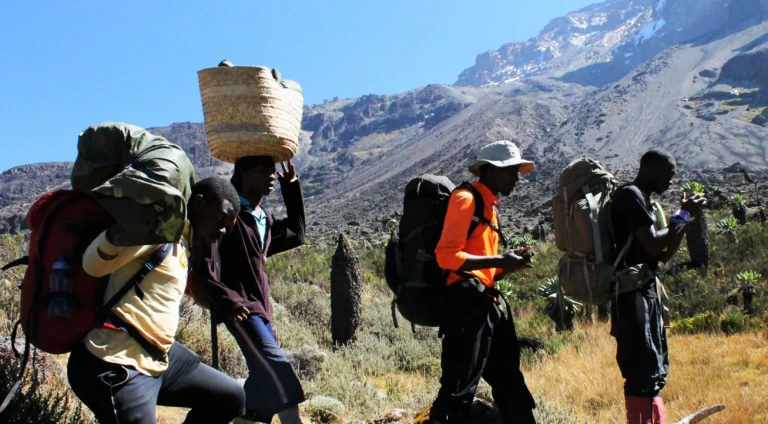
Kilimanjaro Group Vs Private Climb: Cost & Package Comparison For 2026-2027
Choosing between a group and private Kilimanjaro climb in 2026-2027 involves weighing costs, flexibility, and the overall experience. This guide breaks down the differences to help you...
View package details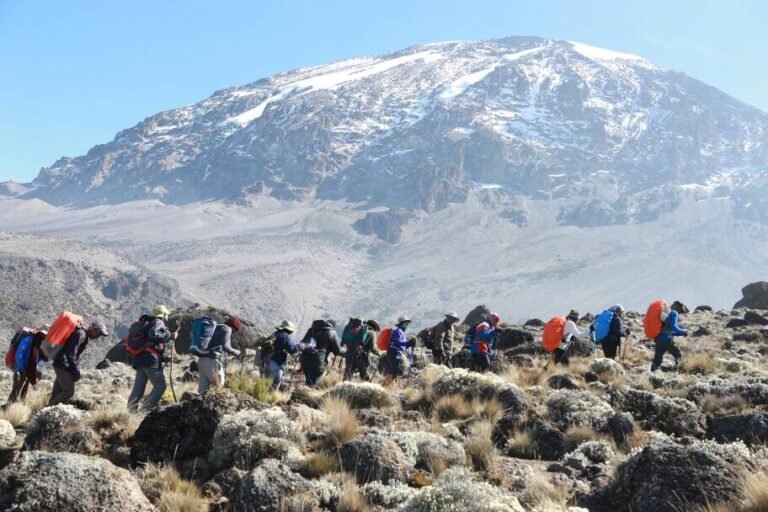
Kilimanjaro Gear Rental Prices: Complete Equipment Cost List For Climbs
Understand the costs associated with renting essential gear for your Kilimanjaro climb. This guide details typical prices for tents, sleeping bags, jackets, and more, helping you budget...
View package detailsKilimanjaro Tipping Guide /: How Much To Tip Guides & Porters 2026-2027
Planning your Kilimanjaro climb for 2026 or 2027? This comprehensive guide breaks down exactly how much to tip your guides, porters, and cooks, ensuring you show appreciation for their...
View package details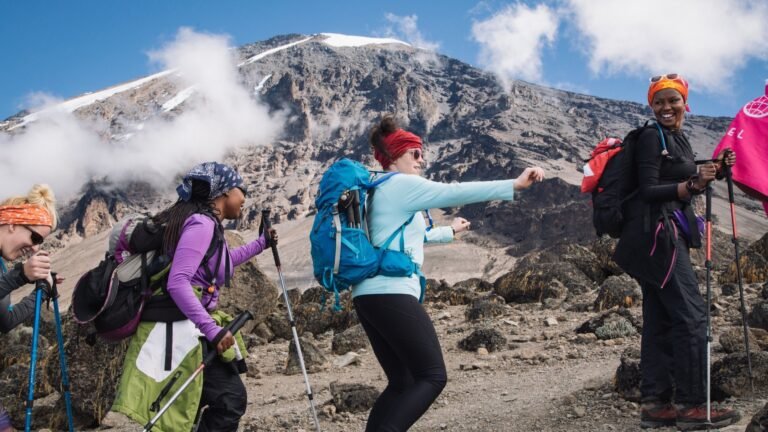
Kilimanjaro Park Fees /: Your Complete Guide To Permits, Camping, Huts &
Planning your Kilimanjaro climb for 2026 or 2027? This comprehensive guide details all the essential park fees, including entry permits, camping and hut charges, and crucial rescue fees...
View package details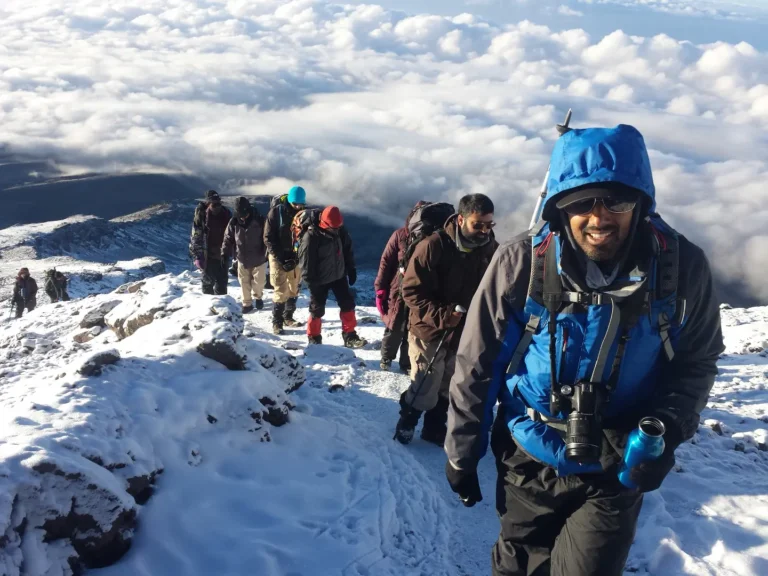
Kilimanjaro Route Prices Compared: Which Offers The Best Value For Climbs?
Choosing the right Kilimanjaro route is crucial for both your experience and your budget. This guide compares Kilimanjaro route prices, detailing what influences costs and which routes...
View package detailsCheapest Way To Climb Kilimanjaro Safely In / 2026-2027
Planning a Kilimanjaro climb on a budget for 2026 or 2027? This guide reveals how to find the cheapest options while prioritizing safety, covering route choices, operator selection, and...
View package detailsNo related package matches those filters. Clear one or more filters to see the other topic-matched options.



