Kilimanjaro gear rental prices in 2026-2027 typically range from $15 to $50 per item per trek, with essential items like sleeping bags, tents, and warm jackets being the most commonly rented. Comprehensive gear packages can often be arranged through your tour operator, offering a convenient and cost-effective solution compared to purchasing new equipment. Expect to pay approximately $150-$300 for a full set of essential rental gear, depending on the quality and specific items included. It is crucial to confirm the exact pricing and what is included with your chosen operator well in advance of your 2026 or 2027 climb.
Understanding Kilimanjaro Gear Rental Costs for Your 2026-2027 Expedition
Planning a Kilimanjaro climb is an exciting endeavor, and ensuring you have the right equipment is paramount to your comfort and safety on the mountain. While many trekkers consider purchasing all their gear, renting essential items is a practical and budget-friendly option, especially for those new to high-altitude trekking or undertaking their first major mountain expedition. Climb 4 Africa recognizes the importance of accessible, quality gear for every climber aiming for the summit in 2026 or 2027, and we provide clear information on rental costs to aid your planning.
The cost of renting gear for Kilimanjaro can vary significantly based on several factors: the quality of the equipment (e.g., expedition-grade vs. standard trekking gear), whether you rent from your tour operator or a local shop, the specific items you need, and the duration of your trek (though most rentals are priced per climb, not per day). For clarity and convenience, most reputable tour operators, including Climb 4 Africa, offer pre-arranged gear rental packages. This simplifies logistics, ensures the gear is suitable for Kilimanjaro’s conditions, and often comes with expert advice on what you truly need.
This comprehensive guide aims to provide a detailed breakdown of typical Kilimanjaro gear rental prices for the 2026-2027 trekking seasons. We will explore the cost of individual items, discuss the benefits of rental packages, and offer advice on how to make the most cost-effective decisions for your climb.
Why Rent Kilimanjaro Gear? The Practical Advantages
Before diving into specific prices, it’s essential to understand why renting Kilimanjaro gear is a popular and often sensible choice for many climbers, especially those planning their adventure for 2026 or 2027.
- Cost-Effectiveness: High-quality mountaineering gear can be extremely expensive. Investing in a full set of expedition-grade clothing and equipment for a single trek is often not financially justifiable. Rental allows you to access top-tier gear without the significant upfront investment.
- Quality Assurance: Reputable operators like Climb 4 Africa ensure their rental gear is well-maintained, clean, and suitable for Kilimanjaro’s demanding environment. This means you’re less likely to face equipment failure due to poor condition.
- Reduced Luggage Burden: Especially if you are combining your Kilimanjaro climb with other travel in Tanzania or Africa in 2026-2027, renting gear locally significantly reduces the amount of luggage you need to transport.
- Trying Before Buying: If you are considering taking up high-altitude trekking more seriously, renting allows you to experience using specific types of gear before committing to a purchase.
- Convenience: Arranging rentals through your tour operator means the gear is often ready for you upon arrival or at the start of your trek, saving you time and hassle searching for rental shops in Moshi or Arusha.
Kilimanjaro Gear Rental Prices: A Detailed Breakdown (2026-2027 Estimates)
The following table provides estimated Kilimanjaro gear rental prices per item for the 2026-2027 trekking seasons. Please note that these are approximate figures, and actual costs may vary slightly between operators and based on the specific quality of the equipment offered. Climb 4 Africa aims to provide competitive pricing for our clients.
| Equipment Item | Estimated Rental Price (USD) | Notes |
|---|---|---|
| 4-Season Tent (for climber use) | $30 – $60 | High-quality, waterproof, windproof. Often included in package deals. |
| Sleeping Bag (rated to -15°C / 5°F) | $20 – $40 | Essential for cold nights. Down or synthetic fill. |
| Sleeping Bag Liner | $5 – $10 | Adds warmth and keeps sleeping bag cleaner. |
| Waterproof & Windproof Jacket (e.g., Gore-Tex) | $25 – $50 | Crucial outer layer for summit night and adverse weather. |
| Waterproof & Windproof Trousers | $20 – $40 | Full-length side zips are useful. |
| Insulated Jacket (Down or Synthetic Puffer) | $25 – $50 | Mid-layer warmth for camp and colder sections. |
| Fleece Jacket / Mid-Layer | $15 – $30 | Versatile warmth layer. |
| Thermal Base Layers (Top & Bottom Set) | $10 – $20 per set | Moisture-wicking material is key. |
| Trekking Trousers (quick-dry, comfortable) | $10 – $20 | Avoid cotton. |
| Trekking Shirts (moisture-wicking) | $5 – $10 each | Good to have 2-3. |
| Warm Hat / Beanie | $5 – $10 | Covers ears. |
| Gloves (warm, waterproof outer, liner gloves) | $10 – $25 for a set | Layering is important. |
| Balaclava / Neck Gaiter | $5 – $15 | Protection from wind and sun. |
| Hiking Boots (broken-in, waterproof) | $20 – $40 | Crucial for comfort and preventing blisters. Fit is paramount. |
| Camp Shoes / Sandals | $5 – $10 | For relaxing at camp. |
| Trekking Poles (pair) | $10 – $20 | Reduces strain on knees, aids balance. |
| Headlamp (with extra batteries) | $5 – $15 | Essential for early morning starts and camp. |
| Duffel Bag (waterproof, large, 80-100L) | $10 – $20 | For porters to carry your main gear. |
| Water Bottles / Bladder (2-3L capacity) | $5 – $15 | Hydration is key. |
| Gaiters | $5 – $10 | Keep scree and mud out of boots. |
The Value of a Full Gear Package
For climbers planning their 2026 or 2027 Kilimanjaro ascent, a full gear rental package from a tour operator often presents the best value. These packages are designed to equip you with all the necessary outer and mid-layers, sleeping system, and key accessories. While individual item prices can add up, a package deal typically ranges from $150 to $300 for the entire climb. This is significantly less than purchasing comparable quality new gear, which could easily cost upwards of $800-$1500.
A typical comprehensive rental package from a reputable operator like Climb 4 Africa might include:
- Expedition-grade sleeping bag
- Waterproof and windproof jacket
- Insulated (puffer) jacket
- Waterproof and windproof trousers
- Fleece jacket
- Thermal base layers (top and bottom)
- Waterproof duffel bag for porters
- Trekking poles
- Warm hat and gloves
It’s always advisable to confirm exactly which items are included in any package you consider for your 2026-2027 trek. Some operators might exclude items like hiking boots or personal items, which you will need to provide yourself.
Factors Influencing Kilimanjaro Gear Rental Prices in 2026-2027
Several elements contribute to the pricing structure of Kilimanjaro gear rentals. Understanding these can help you make informed decisions when comparing options for your 2026 or 2027 climb.
1. Quality and Brand of Equipment
Just like any other product, gear quality varies. A rental sleeping bag from a well-known brand like The North Face or Marmot, rated for sub-zero temperatures, will naturally command a higher rental price than a generic, less insulated model. Similarly, waterproof-breathable jackets made from materials like Gore-Tex will be more expensive to rent than those made from standard waterproof fabrics. For a challenging climb like Kilimanjaro, investing in higher-quality, expedition-tested gear, even through rental, is strongly recommended for comfort and safety on the mountain, especially during the colder 2026-2027 seasons.
2. Rental Source: Tour Operator vs. Independent Shops
Renting directly from your tour operator, such as Climb 4 Africa, often offers the most streamlined experience. The gear is typically sourced to meet the specific demands of Kilimanjaro climbs, is well-maintained, and can be delivered to you at your hotel or the starting point. Prices might be slightly higher than some independent rental shops in Moshi, but the added convenience, reliability, and quality assurance are often worth the difference for your 2026-2027 expedition.
Independent rental shops in towns like Moshi can sometimes offer lower prices per item. However, you need to be more diligent in checking the condition, quality, and suitability of the gear. You’ll also need to factor in the time and effort required to visit these shops, try on items, and arrange transport for them.
3. Inclusions and Exclusions in Packages
When evaluating Kilimanjaro gear rental prices, always scrutinize what is included. Some operators offer basic packages, while others provide more comprehensive options. For instance, a package might include a tent, sleeping bag, and jacket, but exclude essentials like waterproof trousers, thermal base layers, or trekking poles. If you need to rent these separately, the initial perceived savings on a basic package can quickly diminish. Climb 4 Africa provides clear details on what is included in our packages to avoid surprises for your 2026-2027 climb.
4. Seasonality and Demand
While Kilimanjaro is climbable year-round, peak seasons (typically January-March and June-October) may see higher demand for rental gear. Although significant price fluctuations due to seasonality are less common for gear rentals compared to flights or accommodation, operators might have limited availability during peak times. Booking your rentals well in advance for the 2026-2027 peak seasons is always wise.
Essential Gear You’ll Likely Need to Rent
When planning your Kilimanjaro gear rental list for 2026-2027, focus on the items that are bulky, expensive, and specifically designed for cold, high-altitude conditions. These are the items most frequently rented:
Top Rental Items for Kilimanjaro Treks:
- Sleeping Bag: A 4-season bag rated to at least -15°C (5°F) is non-negotiable. Nights on Kilimanjaro can drop well below freezing.
- Waterproof & Windproof Outerwear: Both a jacket and trousers are essential for protection against rain, snow, and wind, especially on summit night.
- Insulated Jacket: A warm down or synthetic puffer jacket is crucial for warmth during evenings at camp and for breaks during the day.
- Duffel Bag: A large (80-100L), waterproof duffel bag is needed for your main luggage, which will be carried by porters.
- Trekking Poles: Highly recommended for stability and reducing impact on joints, particularly on descents.
- Tent: While your operator provides tents, sometimes individual climbers may opt to rent a personal 1-person tent if available and desired. However, most operators provide high-quality 2-3 person tents for clients.
What You Should Own (Not Typically Rented)
While renting is practical for many items, certain personal gear is best purchased or brought from home for hygiene, fit, and comfort reasons. These items are generally not included in rental packages and are the climber’s responsibility:
Personal Gear to Bring or Buy:
- Hiking Boots: These are the most critical items. They must be well broken-in, waterproof, and fit perfectly. Renting boots is generally not recommended due to the risk of blisters and discomfort.
- Socks: Several pairs of wool or synthetic hiking socks.
- Base Layers: While sometimes rented, many prefer to have their own clean, moisture-wicking thermal tops and bottoms.
- Mid-layers: Fleece or similar layers.
- Hiking Trousers: Comfortable, quick-drying trekking pants.
- Trekking Shirts: Moisture-wicking short and long-sleeved shirts.
- Underwear.
- Sun Protection: Sunscreen, sunglasses, sun hat.
- Headwear: Warm hat (beanie) and a sun hat.
- Gloves: Liner gloves and waterproof outer gloves/mittens.
- Personal Items: Headlamp, water bottles/bladder, toiletries, personal medications, camera, power bank.
- Sleeping Bag Liner: Adds warmth and hygiene.
- Gaiters: Keep debris out of boots.
Comparing Kilimanjaro Gear Rental Options for 2026-2027
When comparing Kilimanjaro gear rental prices and packages for your 2026 or 2027 climb, consider the following:
- Operator Inclusions: Check what gear your tour operator includes as standard. Climb 4 Africa aims to be transparent about this.
- Quality vs. Price: Is the cheapest option really the best? Lower prices might indicate lower quality gear, which could compromise your comfort or safety.
- Package Deals: Look for comprehensive packages that cover most of your essential rental needs at a bundled price.
- Rental Shop Reputation: If considering independent shops, read reviews and ask for recommendations.
- Condition of Gear: Always inspect rental gear before accepting it. Check for rips, tears, broken zippers, and ensure it is clean.
For your 2026-2027 Kilimanjaro adventure, Climb 4 Africa offers high-quality rental gear to ensure you are well-equipped for the challenge. We can help you select the right items and provide a detailed cost breakdown based on your specific needs.
Tips for Renting Kilimanjaro Gear Successfully
To make the most of your Kilimanjaro gear rental experience in 2026-2027, follow these practical tips:
- Book in Advance: Especially if you are climbing during the peak seasons of 2026 or 2027, reserve your rental gear early to guarantee availability.
- Know Your Sizes: Have an idea of your clothing and shoe sizes before you arrive or when booking remotely.
- Try Before You Commit: If possible, try on key items like jackets and trousers when you pick them up to ensure a good fit.
- Inspect Thoroughly: Before heading to the mountain, check the condition of all rented items. Report any damage immediately.
- Understand the Return Policy: Be aware of when and how the gear needs to be returned.
- Pack Smart: Use your rented duffel bag effectively, ensuring all necessary items are packed for the porters.
Beyond the Rental Price: Hidden Costs and Considerations
While the Kilimanjaro gear rental prices are a significant part of your pre-trek budget, remember to account for other related expenses:
- Batteries: Extra batteries for your headlamp.
- Water Purification: Tablets or filters if you prefer not to rely solely on boiled water.
- Snacks: High-energy snacks for the trail.
- Tips: Gratuities for guides, porters, and cooks are a significant part of the overall cost and are customary.
- Accommodation: Pre- and post-climb hotel nights.
- Transportation: Airport transfers and transport to the mountain start point.
- Park Fees: These are usually included in your tour package but are a substantial cost component.
When budgeting for your 2026-2027 Kilimanjaro climb, ensure you have a holistic view of all potential expenses, not just the Kilimanjaro gear rental prices.
Kilimanjaro Gear Rental vs. Purchasing: Making the Right Choice for 2026-2027
The decision between renting and purchasing gear depends on your personal circumstances, future trekking plans, and budget for 2026-2027.
When Renting is Best:
- This is your first major high-altitude trek.
- You don’t plan on frequent similar expeditions.
- You want to save on upfront costs.
- You want to reduce travel luggage.
- You are unsure about the specific gear you need.
When Purchasing Might Be Better:
- You are an avid trekker planning multiple expeditions in the coming years.
- You prioritize owning gear that fits perfectly and you know intimately.
- You find high-quality gear on sale that makes the cost justifiable.
- You want specific brands or features not available for rent.
For most first-time Kilimanjaro climbers planning for 2026 or 2027, renting the majority of the technical gear is the most sensible financial decision. Focus your purchase on well-fitting boots, quality socks, and comfortable base layers.
Climb 4 Africa: Your Partner for Kilimanjaro Gear and Expeditions in 2026-2027
At Climb 4 Africa, we are committed to making your Kilimanjaro dream a reality. We understand that having the right gear is fundamental to a successful and enjoyable climb. We offer high-quality, well-maintained rental equipment to ensure you are properly outfitted for the mountain conditions you’ll face on your 2026 or 2027 expedition.
Our team can provide expert advice on the essential gear you’ll need, assist with sizing, and offer convenient gear rental packages that simplify your preparations. We strive to provide competitive Kilimanjaro gear rental prices without compromising on quality or safety. Whether you need a full set of equipment or just a few specific items, we are here to help.
Beyond gear, Climb 4 Africa specializes in organizing unforgettable Kilimanjaro climbs, wildlife safaris, and Zanzibar holidays. We pride ourselves on offering practical local support, experienced guides, and well-planned itineraries tailored to your preferences. Planning your 2026-2027 adventure with us means you can focus on the excitement of the climb, knowing your equipment and logistics are in expert hands.
For personalized assistance with your Kilimanjaro gear rental needs, specific pricing for your chosen trek in 2026 or 2027, or to discuss your overall travel plans in Tanzania, please do not hesitate to contact us. We are passionate about sharing the magic of Kilimanjaro and ensuring every climber has a safe and rewarding experience.
Reach out to Climb 4 Africa today:
- WhatsApp: +255 747 477 898
- Email: climb4africa@gmail.com
- Website: Climb4Africa.com
Let us help you prepare for an incredible Kilimanjaro journey in 2026 or 2027!
Check Availability for Kilimanjaro Gear Rental Prices: Complete Equipment Cost List For Climbs
Ready to compare dates, prices, and the best option for your group? Send the package name and travel month so the team can reply with a clear quote, availability, and what is included.
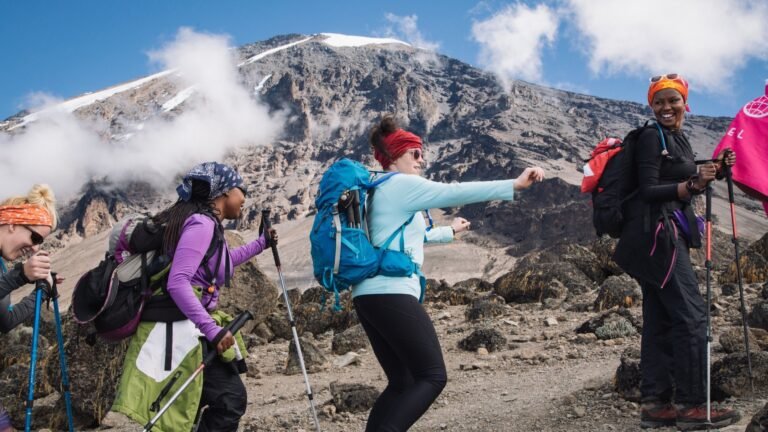
Total Cost Of A Kilimanjaro Trip: Flights, Gear, Hotels & Climb Prices
Planning your Kilimanjaro adventure involves more than just the climb package. This comprehensive guide breaks down the total cost of a Kilimanjaro trip for 2026-2027, detailing expenses...
View package details
Lemosho Route Cost /: Prices, Fees & Packages For Kilimanjaro Climbs 2026-2027
Planning a Kilimanjaro climb via the Lemosho Route in 2026 or 2027? This comprehensive guide breaks down the Lemosho Route cost, including typical prices, package inclusions, essential...
View package details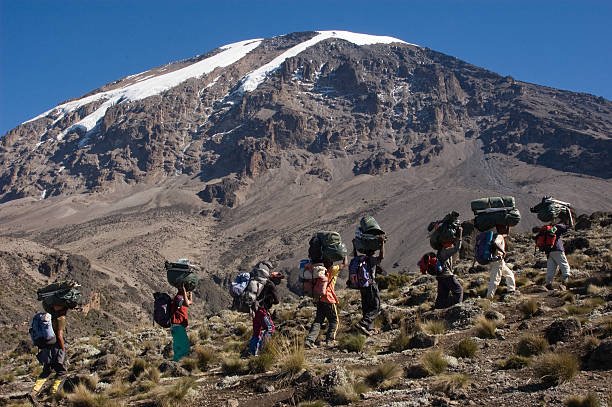
Kilimanjaro Climb Cost /: Prices, Fees & Complete Budget Guide 2026-2027
Planning your Kilimanjaro adventure for 2026 or 2027? This comprehensive guide breaks down the Kilimanjaro climb cost, detailing prices, essential fees, and how to budget effectively for...
View package details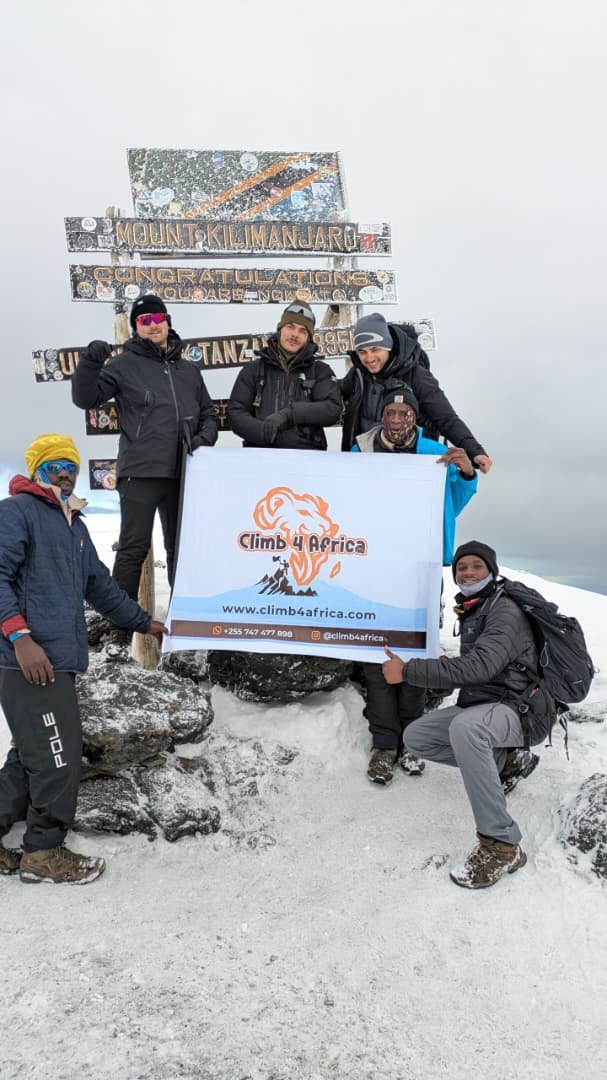
Kilimanjaro Solo Climber Cost: Group Vs Private Prices 2026-2027
Planning a solo climb up Kilimanjaro? This guide breaks down the cost differences between joining a group trek and opting for a private climb. Discover what influences prices for 2026-2027...
View package details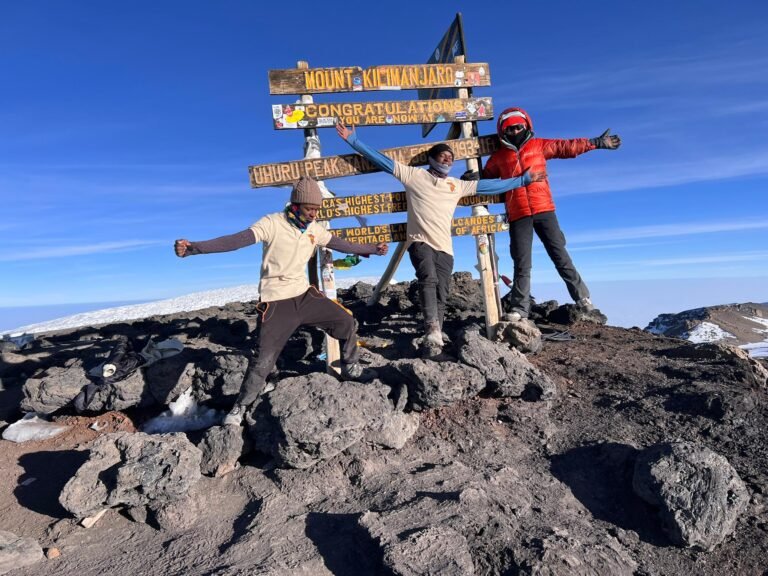
6 Days Lemosho Route Kilimanjaro: Itinerary, Cost & Planning 2026-2027
The 6-day Lemosho Route on Kilimanjaro offers a balance of acclimatization and scenic beauty, though it is one of the shorter options for this route, making it more challenging. This guide...
View package details
8 Days Lemosho Route: Cost, Price & Full Itinerary For Kilimanjaro Climbs
Your comprehensive guide to the 8-day Lemosho Route on Mount Kilimanjaro. Get detailed insights into costs, pricing factors, a day-by-day itinerary, and essential planning advice for your...
View package details
Kilimanjaro Booking Deposit, Payment Schedule & Cancellation Costs For Climbs
Planning your Kilimanjaro climb involves understanding the financial commitments. This guide details typical booking deposit amounts, payment schedules, and the potential cancellation costs...
View package details
Kilimanjaro Hidden Costs: Extra Expenses To Budget Before Your Climb 2026-2027
Planning a Kilimanjaro climb involves more than just the advertised tour price. This comprehensive guide details the often-overlooked Kilimanjaro hidden costs and extra expenses you need to...
View package details
Kilimanjaro Group Vs Private Climb: Cost & Package Comparison For 2026-2027
Choosing between a group and private Kilimanjaro climb in 2026-2027 involves weighing costs, flexibility, and the overall experience. This guide breaks down the differences to help you...
View package details
Kilimanjaro Route Prices Compared: Which Offers The Best Value For Climbs?
Choosing the right Kilimanjaro route is crucial for both your experience and your budget. This guide compares Kilimanjaro route prices, detailing what influences costs and which routes...
View package details
Kilimanjaro Cost Breakdown: Where Your Money Goes For Climbs 2026-2027
Planning your Kilimanjaro climb in 2026 or 2027? This comprehensive breakdown reveals exactly where your expedition costs go, ensuring you understand the value behind your investment in a...
View package details
How Much Does It Cost To Climb Kilimanjaro In /? 2026-2027
Planning a Kilimanjaro climb for 2026 or 2027? This comprehensive guide breaks down the costs involved, from operator fees to park permits and essential gear. Learn what to budget for a...
View package detailsNo related package matches those filters. Clear one or more filters to see the other topic-matched options.



