
The cost of climbing Kilimanjaro in 2026-2027 typically ranges from $1,800 to $4,500+ per person, with the bulk of your expenditure covering park fees, crew wages, food, equipment, logistical support, and overheads for your tour operator. A higher price generally reflects better quality services, more experienced guides, superior equipment, and higher crew welfare standards, which are crucial for safety and success on the mountain.
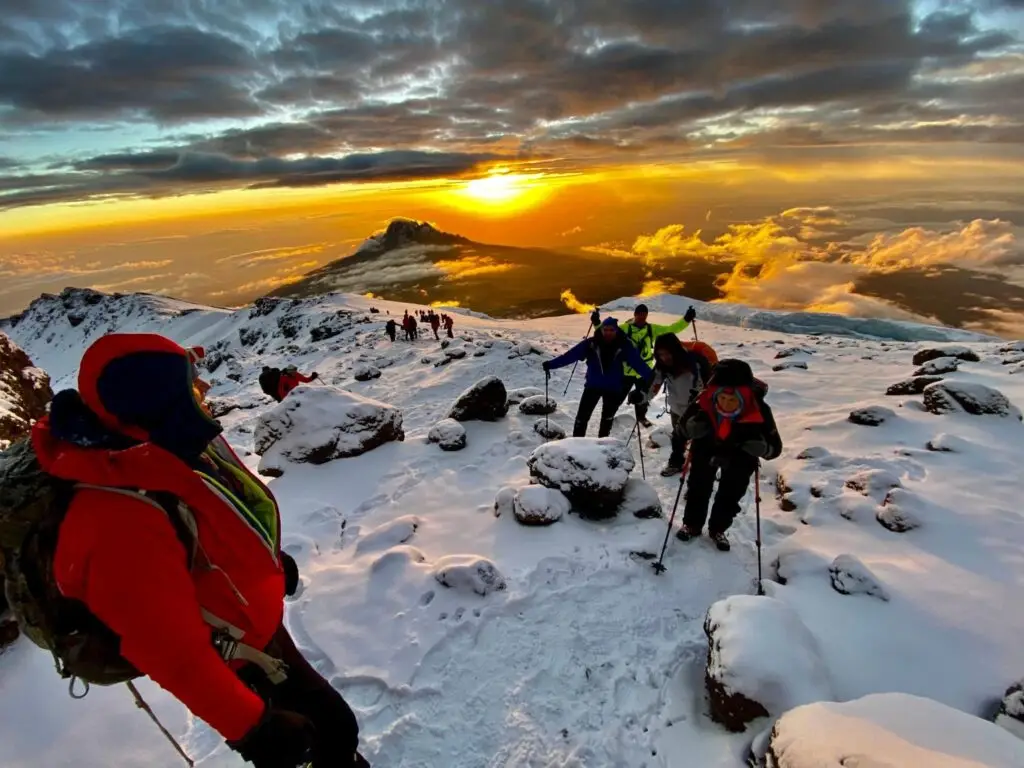
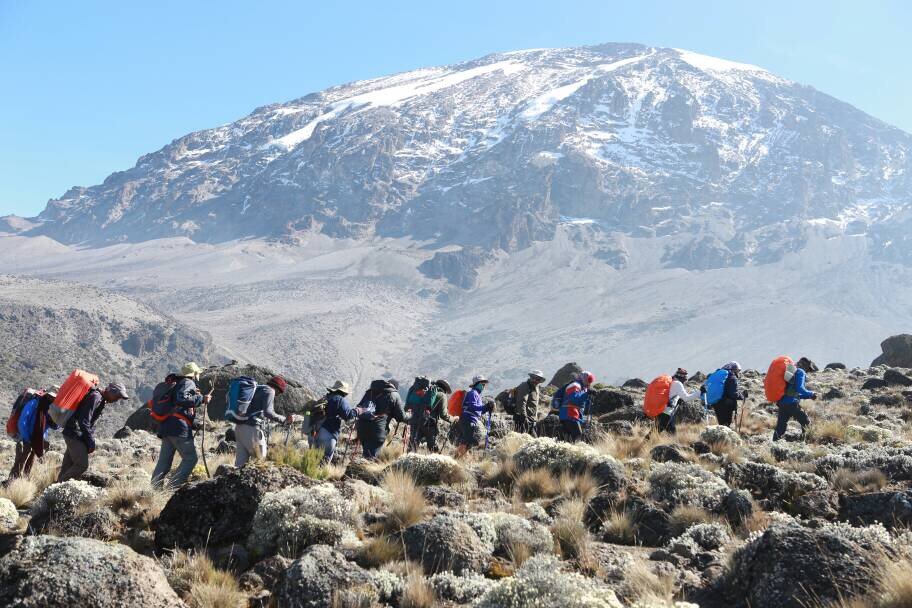
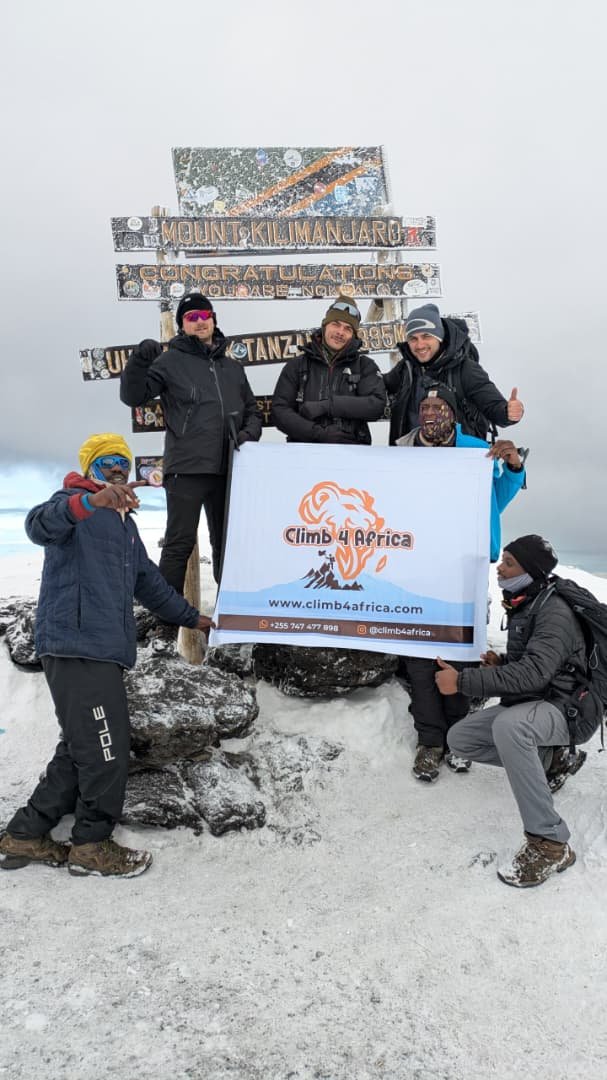
Deconstructing the Kilimanjaro Cost: A Comprehensive Expedition Budget
Embarking on a Kilimanjaro climb is a significant undertaking, both physically and financially. For many, the dream of standing on the Roof of Africa is a lifelong ambition, and understanding the Kilimanjaro cost breakdown is a critical step in making that dream a reality. As you plan your expedition for 2026 or 2027, it’s essential to know precisely where your hard-earned money is allocated. This isn’t just about the sticker price; it’s about understanding the value, the quality of service, and the safety measures that contribute to a successful and memorable ascent.
At Climb 4 Africa, we believe in transparency. We want you to feel confident that your investment is supporting a responsible, ethical, and professional climbing operation. This detailed breakdown will guide you through every facet of your Kilimanjaro expedition cost, from the mandatory government fees to the intricate logistical elements that ensure your comfort and safety at extreme altitudes.
Core Components of Your Kilimanjaro Expedition Cost
When you book a Kilimanjaro climb, the price you pay is not arbitrary. It’s a carefully calculated sum designed to cover a multitude of essential services and operational costs. Let’s break down the major areas where your funds are directed, providing clarity on why certain price points exist and what you can expect from different tiers of service for your 2026-2027 adventure.
1. National Park Fees: The Foundation of Your Climb
These are non-negotiable government fees set by the Tanzania National Parks Authority (TANAPA) and Kilimanjaro National Park (KINAPA). They form a substantial portion of the overall cost and are paid per climber, per day, for each zone of the mountain you traverse. These fees are crucial for conservation efforts, infrastructure maintenance within the park, and the general upkeep of Kilimanjaro as a protected natural resource. For 2026-2027, these fees remain a significant fixed cost.
- Conservation Fees: A daily fee for every day spent within the park boundaries. This is the largest single component of the park fees.
- Camping Fees/Hut Fees: Depending on the route and accommodation choice (camping vs. huts), there are daily fees for each night spent on the mountain. Huts are generally more expensive than campsites.
- Rescue Fees: A mandatory fee contributing to the mountain rescue services, ensuring that if an emergency occurs, trained personnel and necessary equipment are available.
- Crater Rim Fees: Some routes, particularly those that go to the Crater, may incur additional fees for accessing specific high-altitude areas.
These park fees are subject to change by the Tanzanian government, though significant hikes are usually announced well in advance. For your 2026-2027 planning, it’s wise to assume these fees represent approximately 30-40% of the total expedition cost for standard packages. The exact amount varies slightly by route duration and the specific park areas accessed.
2. Crew Wages and Welfare: The Backbone of Your Expedition
The Kilimanjaro climbing crew is comprised of highly skilled and experienced individuals who work tirelessly to ensure your safety, comfort, and success. Fair wages and excellent welfare standards are paramount for ethical operations and for retaining top talent. This is an area where budget operators often cut corners, which can have serious implications for your climb. A responsible operator like Climb 4 Africa prioritizes its crew.
- Guides: Your lead guides are certified professionals with extensive knowledge of high-altitude trekking, safety protocols, and the mountain’s environment. Assistant guides provide additional support.
- Porters: These essential team members carry the bulk of the equipment, including tents, food, cooking gear, and your personal duffel bags (within weight limits).
- Cooks: Responsible for preparing nutritious and delicious meals at high altitudes, ensuring you have the energy needed for the trek.
Beyond basic wages, a reputable company invests in:
- Fair Wages: Paying above the minimum wage set by the Kilimanjaro Porters Assistance Project (KPAP) or similar ethical standards.
- Tips: While tips are often considered separate from the base cost, responsible operators facilitate this process and ensure tips are distributed fairly among the crew. Some operators include a guideline for tipping in their package, while others leave it to the client’s discretion.
- Gear: Providing adequate and quality gear for the crew, including warm clothing, waterproofs, sturdy boots, and tents.
- Food and Water: Ensuring the crew receives sufficient and nutritious meals and safe drinking water throughout the climb.
- Accommodation: Providing appropriate shelter for the crew during the trek and in base camps.
- Insurance: Covering the crew with accident insurance.
Investing in a company that values its crew means you are supporting an ethical operation and increasing your chances of having a highly motivated and professional team looking after you. This component can represent 20-30% of your total climb cost.
3. Food and Catering: Fueling Your Ascent
The quality and quantity of food provided on Kilimanjaro are critical for maintaining energy levels and acclimatization. High-altitude trekking requires calorie-dense, nutritious meals. Your cost covers:
- Nutritious Meals: Three main meals a day (breakfast, lunch, dinner) plus snacks. Menus are carefully designed to be high in carbohydrates and energy.
- Variety: Offering a range of options to cater to different tastes and dietary needs (vegetarian, vegan, allergies – usually with advance notice).
- Quality Ingredients: Sourcing fresh produce and ingredients from local markets.
- Cooking Equipment: Including stoves, fuel, pots, pans, and utensils for preparing meals in challenging conditions.
- Drinking Water: Providing boiled or purified water at regular intervals.
The cost of food can be surprisingly high due to the logistics involved in transporting it up the mountain. Expect this to be around 10-15% of your total package price.
4. Logistics and Equipment: The Operational Backbone
This category encompasses a wide range of essential services and gear that ensure the expedition runs smoothly and safely. It’s often the unseen costs that significantly impact the overall Kilimanjaro cost breakdown.
- Camping Equipment: High-quality, four-season tents (for clients and crew), sleeping mats, mess tents, toilet tents, and cooking tents.
- Climbing Equipment: Oxygen cylinders (for emergencies), first-aid kits, communication devices (satellite phones or radios), and specialized gear if required for certain routes.
- Transportation: Transport of clients and crew from Moshi/Arusha to the mountain gate and back, as well as transport of all equipment and supplies.
- Camp Management: Setting up and breaking down camps, ensuring hygiene standards, and managing waste disposal responsibly.
- Permits and Licenses: Beyond park fees, there might be other operational permits required.
The quality and maintenance of equipment are vital for safety. High-altitude tents, robust cooking gear, and reliable communication systems are significant investments. This segment can account for 10-20% of your total cost.
5. Operator’s Overhead and Profit: Ensuring Sustainability and Quality
Like any business, tour operators have overhead costs and aim to make a profit to sustain their operations, invest in improvements, and provide reliable services. This includes:
- Office Staff and Administration: Salaries for booking agents, customer service representatives, accountants, and management.
- Marketing and Sales: Costs associated with reaching potential clients and managing bookings.
- Training and Development: Investing in training for guides and staff to maintain high standards.
- Equipment Maintenance and Replacement: Regularly servicing and replacing tents, sleeping bags, cooking gear, and safety equipment.
- Insurance: Business liability insurance and other operational insurances.
- Profit Margin: A reasonable profit allows the company to remain in business, reinvest in its services, and offer competitive packages.
This component typically represents 15-25% of the total price. Companies that offer significantly lower prices may be cutting into this margin to a dangerous degree, potentially compromising on safety, crew welfare, or equipment quality.
Factors Influencing Your Kilimanjaro Cost in 2026-2027
The general price range for a Kilimanjaro climb can vary considerably. Several key factors determine where your climb falls on the spectrum from budget to premium. Understanding these will help you make an informed decision for your 2026-2027 expedition.
1. Route Choice: Duration and Complexity
The route you choose significantly impacts the total cost, primarily due to the number of days spent on the mountain and the associated park and camping fees.
- Shorter Routes (e.g., Marangu, Rongai 5-day): These are generally the least expensive due to fewer days on the mountain and fewer park fees. However, they have lower success rates due to inadequate acclimatization.
- Mid-Duration Routes (e.g., Machame, Lemosho 6-7 days): These offer better acclimatization profiles and higher success rates. They are more expensive due to more days on the mountain. The Machame route Kilimanjaro group departures dates are popular and offer a good balance of cost and success.
- Longer Routes (e.g., Lemosho 8 days, Northern Circuit): These are the most expensive as they involve the most days on the mountain, maximizing acclimatization and offering the highest success rates. The Northern Circuit is renowned for its stunning scenery and excellent acclimatization, making it a top choice for those prioritizing success and experience.
Example: A 6-day Machame climb will cost less than an 8-day Lemosho climb, purely because of the additional 2 days of park fees and associated crew/food costs.
2. Operator Type: Budget vs. Mid-Range vs. Premium
This is perhaps the most significant differentiator in Kilimanjaro cost breakdown:
- Budget Operators: Often based overseas with local ground handlers, these companies compete on price. They may cut costs by using less experienced guides, providing lower-quality food and equipment, paying lower crew wages, and having minimal safety protocols. Success rates can be lower, and safety can be compromised.
- Mid-Range Operators (e.g., Climb 4 Africa): These operators strike a balance between quality and affordability. They invest in experienced guides, good quality equipment, fair crew wages and welfare, nutritious food, and robust safety measures. They offer excellent value for money, prioritizing client safety and success.
- Premium/Luxury Operators: These command the highest prices. They often offer more comfortable accommodations (e.g., private rooms in hotels before/after the climb), higher guide-to-client ratios, gourmet meals, top-tier equipment, and extensive safety nets (e.g., regular oxygen checks, dedicated rescue teams).
When comparing prices, always scrutinize what is included. A cheap quote might exclude essential items like park fees or essential gear, making the final cost much higher than advertised.
3. Group Size: Private vs. Shared Climbs
Climbing with a group offers a cost advantage over a private climb. Operators can spread fixed costs like guide salaries and logistics across more people.
- Shared/Group Climbs: Joining a scheduled group departure is the most economical option. Prices are typically lower as costs are divided among participants. If you’re looking for cost-effectiveness for your 2026-2027 climb, joining a group is ideal.
- Private Climbs: These offer flexibility in dates and a more personalized experience but come at a higher per-person cost. The price is fixed for the group, so a smaller group will pay more per individual than a larger group on the same private climb.
4. Inclusions and Exclusions: What’s Really Covered?
The total cost can fluctuate wildly based on what is included in the package. Always compare apples to apples.
Common Inclusions:
- Park fees (conservation, camping/hut, rescue)
- Crew wages and food
- All meals on the mountain
- Tents, cooking equipment, mess tent
- Drinking water
- Porters for carrying group gear and your duffel bag (usually up to 15kg)
- Experienced, certified guides
- First-aid kit and emergency oxygen
- Transportation to/from the mountain gate
- Accommodation in Moshi/Arusha before and after the climb (sometimes basic)
- Briefing and debriefing sessions
Common Exclusions:
- International flights
- Visa fees
- Travel insurance (mandatory)
- Personal climbing gear (boots, clothing, sleeping bag, etc.)
- Tips for guides, porters, and cooks
- Lunches, dinners, and drinks in hotels before/after the climb
- Optional gear rental (e.g., down jacket, trekking poles)
- Personal expenses (souvenirs, laundry)
- Gratuities for hotel staff
- Helicopter rescue fees (if not covered by insurance)
A suspiciously low quote might exclude critical items like park fees or crew wages, which are non-negotiable. Always ask for a detailed list of inclusions and exclusions.
5. Time of Year: High Season vs. Low Season
Kilimanjaro has distinct climbing seasons. While the mountain is generally climbable year-round, certain periods offer better weather, leading to higher demand and potentially slightly higher prices, although park fees and crew wages remain constant.
- High Seasons (Dry Seasons): January-March and June-October. These periods offer the clearest skies and driest conditions, making them the most popular times to climb. Prices might be slightly firmer during these peak months.
- Shoulder Seasons: April-May and November-December. These can be wetter and colder, with potentially less predictable weather. However, they offer fewer crowds and potentially slightly more flexible pricing from some operators, though ethical operators maintain consistent pricing to ensure crew welfare.
For 2026-2027, planning your climb during a shoulder season might offer a slight advantage in terms of crowd levels, but safety and operational quality should remain the priority, regardless of the season.
A Sample Kilimanjaro Cost Breakdown for 2026-2027
To provide a concrete understanding, let’s look at a hypothetical 7-day Lemosho route climb for 2026-2027, assuming a mid-range operator like Climb 4 Africa, focusing on quality and ethical practices. The total package price might fall within the $2,200 – $3,000 USD per person range for a group climb.
| Cost Component | Estimated Percentage | Approximate USD Range (per person) | Notes |
|---|---|---|---|
| Park Fees (7 days) | 35% | $770 – $1,050 | Includes conservation, camping, rescue fees. Varies slightly by exact duration and route. |
| Crew Wages & Welfare | 25% | $550 – $750 | Fair wages, insurance, food, gear for guides, porters, cooks. Crucial for ethical climbs. |
| Food & Catering | 12% | $264 – $360 | Nutritious meals, snacks, purified water, cooking fuel. |
| Logistics & Equipment | 15% | $330 – $450 | Tent rental, sleeping mats, mess tent, transport, safety equipment, water purification. |
| Operator Overhead & Profit | 13% | $286 – $390 | Office costs, marketing, training, equipment maintenance, business profit. |
| Total Package Price | 100% | $2,200 – $3,000 | Estimated range for a mid-range operator, group climb. |
Important Considerations for 2026-2027:
- Exclusions: This table does NOT include international flights, visa, travel insurance, personal gear, or tips. These can add $1,000 – $2,000+ to your total trip cost.
- Tipping: A typical tip for a 7-day climb can range from $250-$350 per climber, distributed among the crew.
- Gear Rental: Budget an additional $100-$200 for renting items like down jackets, sleeping bags, or trekking poles if you don’t own them.
Understanding Value: Why Cheaper Isn’t Always Better
The allure of a lower price tag is understandable, especially when planning a significant trip. However, when it comes to Kilimanjaro, a cheap climb often comes with hidden compromises that can affect your safety, comfort, and overall experience. A thorough Kilimanjaro cost breakdown reveals that significantly lower prices usually mean corners are being cut.
Red Flags for Budget Kilimanjaro Operators:
- Unusually Low Prices: Prices significantly below the average ($1,800-$2,000 for a reputable operator) are a major warning sign.
- Vague Inclusions: Lack of clarity on what is included, especially park fees and crew welfare.
- Poor Reviews: Scrutinize reviews on platforms like TripAdvisor. Look for consistent complaints about food, gear, guide competence, or crew treatment.
- No Mention of Crew Welfare: Ethical operators are transparent about their commitment to fair wages and porter treatment.
- Limited Safety Equipment: Minimal first-aid supplies, no emergency oxygen, or unreliable communication devices.
- Lack of Experience: Companies that haven’t been operating for long or have a small team may lack the robust systems needed for high-altitude expeditions.
At Climb 4 Africa, we believe that investing a little more in a reputable operator for your 2026-2027 climb is an investment in your safety, your success, and the well-being of the local community. Our pricing reflects our commitment to providing high-quality service, experienced guides, excellent food, reliable equipment, and fair treatment for our entire crew.
Additional Costs to Factor into Your 2026-2027 Kilimanjaro Budget
Beyond the core climbing package, several other expenses need to be budgeted for. These are often overlooked but can add up significantly. Planning these in advance will prevent surprises during your trip.
1. Flights
International flights to Kilimanjaro International Airport (JRO) are a major expense. Prices vary greatly depending on your departure location, time of booking, and season. Booking flights well in advance, especially for peak seasons in 2026-2027, is recommended.
2. Visas and Vaccinations
You will need a visa for Tanzania. This can often be obtained upon arrival or applied for online in advance. Check the latest requirements for your nationality. Consult your doctor or a travel clinic about recommended vaccinations and malaria precautions well before your departure.
3. Travel Insurance
Mandatory for all climbers. Comprehensive travel insurance covering high-altitude trekking (up to 6,000 meters) and emergency medical evacuation is essential. Ensure your policy covers the full cost of a potential helicopter rescue, which can be substantial.
4. Personal Gear
You’ll need specialized clothing and equipment for cold, high-altitude conditions. While some items can be rented in Moshi, it’s often better to invest in your own key pieces like sturdy hiking boots, thermal layers, and a warm hat. Budget approximately $500 – $1,000 for purchasing essential gear if you don’t own it.
5. Tips for the Crew
Tipping is customary and highly appreciated. It forms a significant part of the crew’s income. While included in the Kilimanjaro cost breakdown in terms of operator costs, the actual tips are paid by the client at the end of the climb. A common guideline for a 7-day climb is:
- Lead Guide: $20-25 per day
- Assistant Guide: $15-20 per day
- Cook: $12-15 per day
- Porters: $8-10 per day (per porter)
For a group of, say, 6 climbers on a 7-day trek with a crew of 1 guide, 1 cook, and 15 porters, the total tips could range from $2,000 to $3,000, divided among the climbers. This means each climber might contribute around $300 – $500 USD.
6. Pre and Post-Climb Accommodation and Meals
Most operators include 1-2 nights of accommodation in Moshi or Arusha. If you wish to extend your stay or require higher-standard accommodation, you’ll need to budget for additional nights. Meals outside of the mountain days (in hotels) are also typically excluded.
7. Miscellaneous Expenses
This includes souvenirs, drinks at the hotel, laundry services, and any personal items you might need. It’s wise to have a small buffer for unexpected expenses.
Making the Right Choice for Your 2026-2027 Kilimanjaro Climb
Choosing the right tour operator is the most critical decision you’ll make when planning your Kilimanjaro climb. The Kilimanjaro cost breakdown is a crucial tool, but it should be used in conjunction with an assessment of the operator’s reputation, safety record, and commitment to ethical practices.
At Climb 4 Africa, we are committed to providing an exceptional Kilimanjaro experience that balances adventure with safety, comfort, and responsible tourism. We understand the significant investment you are making, and we ensure that every aspect of your climb reflects this commitment.
- Experienced Guides: Our guides are among the most experienced on the mountain, certified in wilderness first aid and highly skilled in acclimatization management.
- Ethical Crew Treatment: We adhere to strict ethical guidelines for porter welfare, ensuring fair wages, adequate food, and proper gear for our entire mountain crew.
- Quality Equipment: We use high-quality, four-season tents, comfortable sleeping mats, and reliable cooking and safety equipment.
- Nutritious Food: Our chefs prepare delicious, energy-boosting meals designed for high-altitude conditions.
- Safety First: We carry comprehensive first-aid kits, emergency oxygen, and maintain communication protocols to ensure your safety at all times.
- Transparent Pricing: Our Kilimanjaro cost breakdown is clear, with no hidden fees. We aim to provide the best value for a high-quality, safe, and ethical climb.
When planning your 2026 or 2027 Kilimanjaro expedition, consider the total value rather than just the initial price. A slightly higher investment with a reputable operator like Climb 4 Africa can make the difference between a successful, life-changing experience and a costly, potentially dangerous ordeal.
Ready to take the next step? We’re here to help you plan your dream climb. Contact us for a personalized quote and to discuss your specific needs for a 2026-2027 Kilimanjaro adventure. You can reach us via WhatsApp at +255 747 477 898 or by emailing climb4africa@gmail.com. Let’s make your Kilimanjaro dream a reality.
Check Availability for Kilimanjaro Cost Breakdown: Where Your Money Goes For Climbs 2026-2027
Ready to compare dates, prices, and the best option for your group? Send the package name and travel month so the team can reply with a clear quote, availability, and what is included.
6 Days Lemosho Route Kilimanjaro: Itinerary, Cost & Planning 2026-2027
The 6-day Lemosho Route on Kilimanjaro offers a balance of acclimatization and scenic beauty, though it is one of the shorter options for this route, making it more challenging. This guide...
View package details
8 Days Lemosho Route: Cost, Price & Full Itinerary For Kilimanjaro Climbs
Your comprehensive guide to the 8-day Lemosho Route on Mount Kilimanjaro. Get detailed insights into costs, pricing factors, a day-by-day itinerary, and essential planning advice for your...
View package details
Lemosho Route Cost /: Prices, Fees & Packages For Kilimanjaro Climbs 2026-2027
Planning a Kilimanjaro climb via the Lemosho Route in 2026 or 2027? This comprehensive guide breaks down the Lemosho Route cost, including typical prices, package inclusions, essential...
View package details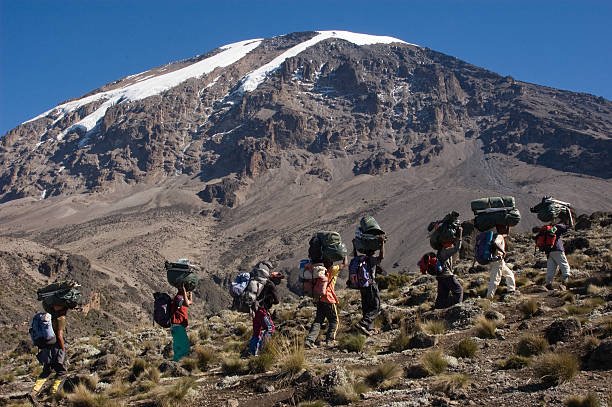
Kilimanjaro Climb Cost /: Prices, Fees & Complete Budget Guide 2026-2027
Planning your Kilimanjaro adventure for 2026 or 2027? This comprehensive guide breaks down the Kilimanjaro climb cost, detailing prices, essential fees, and how to budget effectively for...
View package details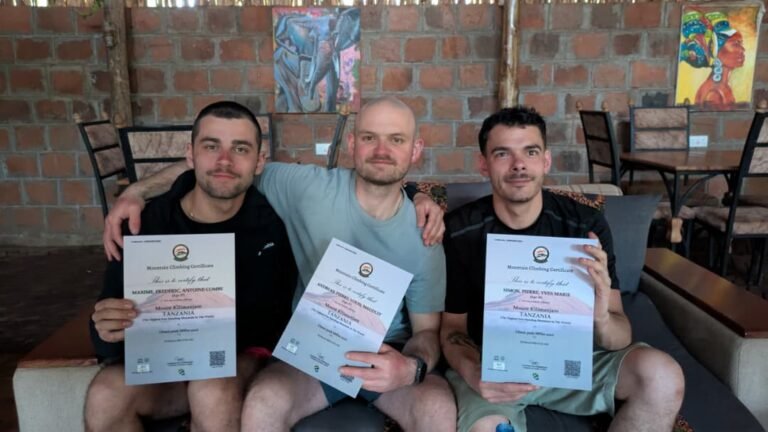
Kilimanjaro Booking Deposit, Payment Schedule & Cancellation Costs For Climbs
Planning your Kilimanjaro climb involves understanding the financial commitments. This guide details typical booking deposit amounts, payment schedules, and the potential cancellation costs...
View package details
Kilimanjaro Hidden Costs: Extra Expenses To Budget Before Your Climb 2026-2027
Planning a Kilimanjaro climb involves more than just the advertised tour price. This comprehensive guide details the often-overlooked Kilimanjaro hidden costs and extra expenses you need to...
View package details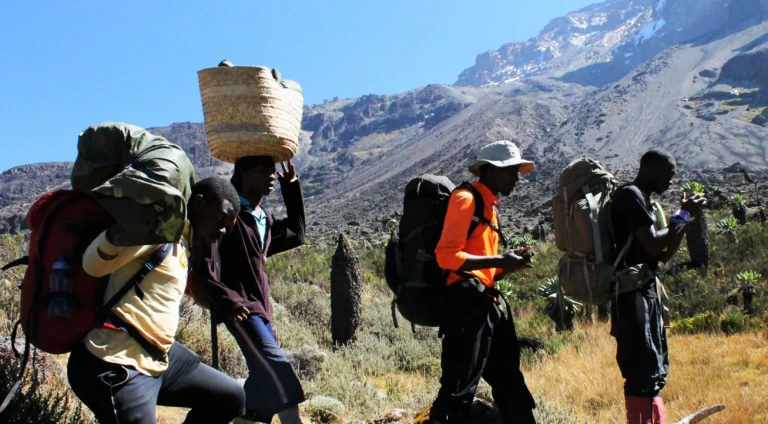
Kilimanjaro Group Vs Private Climb: Cost & Package Comparison For 2026-2027
Choosing between a group and private Kilimanjaro climb in 2026-2027 involves weighing costs, flexibility, and the overall experience. This guide breaks down the differences to help you...
View package details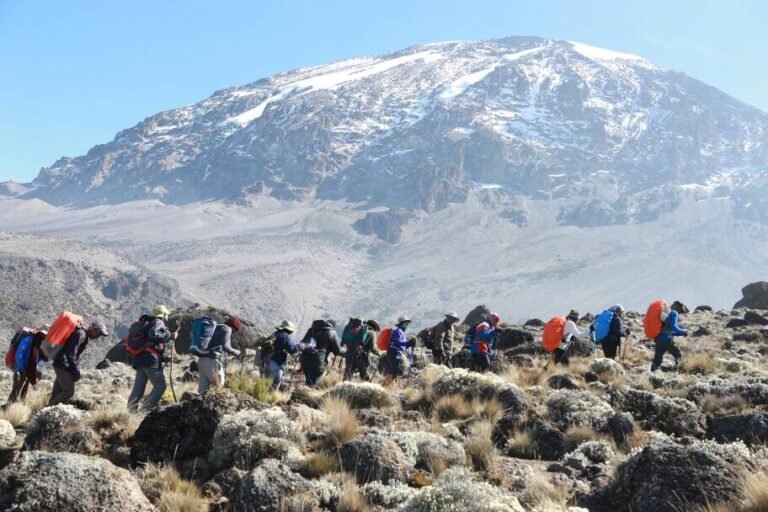
Kilimanjaro Gear Rental Prices: Complete Equipment Cost List For Climbs
Understand the costs associated with renting essential gear for your Kilimanjaro climb. This guide details typical prices for tents, sleeping bags, jackets, and more, helping you budget...
View package details
Total Cost Of A Kilimanjaro Trip: Flights, Gear, Hotels & Climb Prices
Planning your Kilimanjaro adventure involves more than just the climb package. This comprehensive guide breaks down the total cost of a Kilimanjaro trip for 2026-2027, detailing expenses...
View package details
How Much Does It Cost To Climb Kilimanjaro In /? 2026-2027
Planning a Kilimanjaro climb for 2026 or 2027? This comprehensive guide breaks down the costs involved, from operator fees to park permits and essential gear. Learn what to budget for a...
View package detailsKilimanjaro Price Per Person: Cost By Route, Days & Group Size In 2026-2027
Planning your Kilimanjaro climb involves understanding the Kilimanjaro price per person, which varies significantly based on the chosen route, the number of days on the mountain, and your...
View package detailsAll-Inclusive Kilimanjaro Packages: Total Cost & Whats Included In 2026-2027
Planning an all-inclusive Kilimanjaro climb involves understanding the total cost and precisely what's included. This comprehensive guide breaks down package pricing for 2026-2027...
View package detailsNo related package matches those filters. Clear one or more filters to see the other topic-matched options.



