
Yes, it is absolutely possible to climb Kilimanjaro on a budget, especially when planning for 2026 or 2027. The key to an affordable climb lies in strategic choices regarding the trekking route, the type of tour operator, group size, timing of your travel, and what’s included in your package. Opting for longer, less crowded routes or joining a group trek can significantly reduce costs, while careful consideration of inclusions and exclusions helps avoid unexpected expenses.

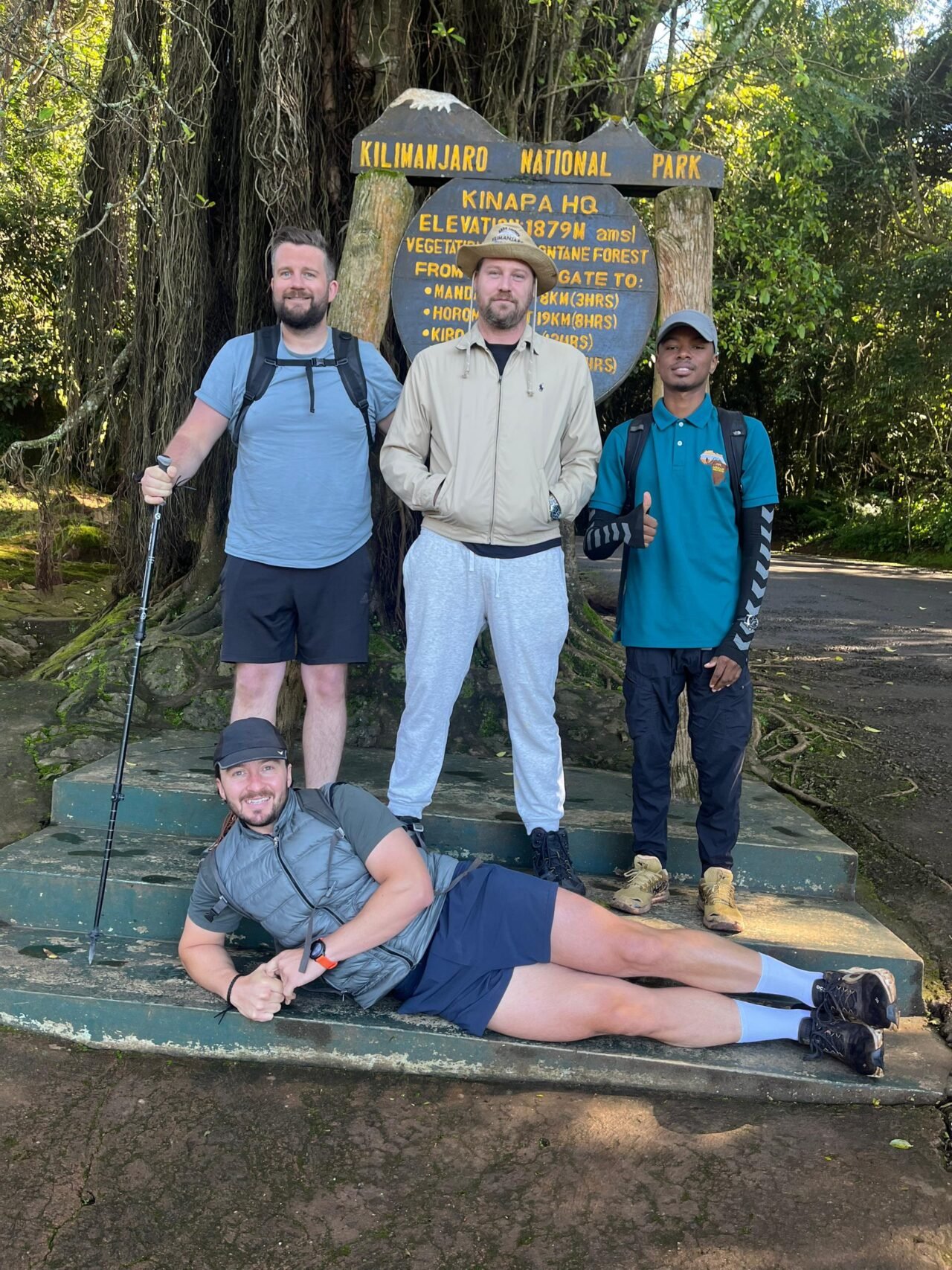

Understanding Kilimanjaro Climb Costs: What Drives the Price?
The dream of standing on the Roof of Africa, Mount Kilimanjaro, is a powerful one. For many, the primary consideration is not just whether they can physically make the ascent, but also can I climb Kilimanjaro on a budget? The answer is a resounding yes, but it requires a clear understanding of what contributes to the overall cost. Kilimanjaro climbs are not simple package holidays; they involve significant logistical support, highly trained personnel, and adherence to strict park regulations. When you’re looking at prices for 2026 or 2027, you’ll notice a wide range, and understanding the factors behind these figures is crucial for making an informed decision.
The core components of any Kilimanjaro climb cost include:
- Park Fees: These are non-negotiable and constitute a substantial portion of the total price. They include daily entry fees, camping fees, and conservation fees. These are set by the Tanzanian government and are the same for all operators.
- Crew Salaries: A dedicated team of guides, porters, and cooks is essential for your safety and comfort. Their wages, while often lower than in Western countries, are a significant operational cost. Ethical operators pay fair wages, which is a factor in budget considerations.
- Food and Water: High-quality, nutritious meals are provided throughout your trek. This includes all meals from lunch on Day 1 to breakfast on your final day, plus safe drinking water.
- Equipment: This covers the provision of tents (sleeping tents, mess tents, toilet tents), cooking equipment, and often sleeping mats. High-quality, waterproof gear is vital.
- Logistics and Transport: This includes transport from the airport to your hotel, from your hotel to the mountain gate, and back from the gate to your hotel. It also covers the transportation of equipment and supplies to the mountain.
- Oxygen and Medical Support: Reputable operators carry supplementary oxygen and comprehensive first-aid kits. Some may also provide pulse oximeters for monitoring.
- Overhead Costs: This includes office expenses, marketing, permits, and the general running of the tour company.
When considering can I climb Kilimanjaro on a budget, remember that the cheapest options might cut corners on crew welfare, food quality, or safety equipment. Climb 4 Africa prioritizes ethical practices and safety, ensuring that even our budget-friendly options provide a responsible and enjoyable experience.
Budget Kilimanjaro Routes: Which Paths Cost Less?
The route you choose significantly impacts the cost of your Kilimanjaro climb. Some routes are inherently more expensive due to their longer duration, higher success rates (which often require more logistical support), or the need for specific equipment. For those asking can I climb Kilimanjaro on a budget, focusing on routes that offer a good balance of affordability and acclimatization is key.
Here’s a breakdown of popular routes and their budget implications:
The Marangu Route: The Classic Budget Choice
Often referred to as the ‘Coca-Cola’ route, Marangu is one of the oldest and most popular routes. Its primary advantage for budget travelers is its shorter duration (typically 5 days) and the unique accommodation in dormitory-style huts rather than tents. This reduces the need for extensive camping equipment and associated porterage, making it one of the most economical options.
- Duration: 5-6 days.
- Pros for Budget: Shorter trek, hut accommodation reduces gear and porter needs, generally lower overall cost.
- Cons for Budget/Climbers: Lower acclimatization profile due to shorter duration and a steeper ascent, leading to a lower success rate compared to longer routes. The scenery, while beautiful, is often considered less diverse as you ascend and descend the same path.
While the 5-day Marangu trek is the cheapest, opting for the 6-day version significantly improves acclimatization and success rates without a drastic increase in cost, making it a better budget-conscious choice for many planning for 2026-2027.
The Machame Route: Balancing Cost and Success
The Machame route, often called the ‘Whiskey’ route, is a favorite for its scenic beauty and excellent acclimatization profile. While it’s a camping route and thus generally more expensive than Marangu due to longer duration and porter requirements, it offers a higher success rate. For budget-conscious trekkers looking for a better experience, Machame over 6 or 7 days can be a strong contender.
- Duration: 6-7 days.
- Pros for Budget: Excellent acclimatization leads to higher success rates, diverse scenery, camping experience. A 6-day Machame trek is a popular mid-range budget option for 2026-2027.
- Cons for Budget: Longer trek means more park fees and higher crew costs compared to Marangu.
Choosing a 6-day Machame climb is often a sweet spot for those asking can I climb Kilimanjaro on a budget but who also want a good chance of reaching the summit. The extra day allows for better acclimatization, reducing the risk of altitude sickness and increasing your odds of success.
The Lemosho Route: Scenic Value vs. Budget
Lemosho is renowned for its stunning scenery and high success rates, often attributed to its gradual ascent and longer duration. It typically takes 7-8 days. While this makes it one of the pricier options, its excellent acclimatization can sometimes lead to a more enjoyable and successful trek, potentially saving money in the long run by avoiding a failed summit bid.
- Duration: 7-8 days.
- Pros for Budget (indirectly): Highest success rates due to excellent acclimatization, exceptional scenery. A successful climb is the ultimate goal, saving you the cost of a future attempt.
- Cons for Budget: Longest duration among common routes means highest park fees and crew costs.
If your budget allows for a 7-day Lemosho trek, it’s a fantastic choice for 2026-2027, offering a truly memorable experience. However, it’s less likely to be the first choice for someone strictly focused on the absolute lowest cost.
Other Routes (Shira, Rongai, Northern Circuit)
Shira: Similar to Lemosho but starts at a higher altitude, offering good scenery but potentially faster acclimatization challenges. Cost is comparable to Lemosho.
Rongai: Approaches from the north, drier side. It’s a good option in the rainy season and typically takes 6-7 days. Its cost is often mid-range, similar to Machame.
Northern Circuit: The longest route (9-10 days), offering the best acclimatization and highest success rates, along with unparalleled scenery. Due to its length, it is also one of the most expensive options, making it less suitable for a strict budget climb.
For budget-focused climbers in 2026-2027, the Marangu (5-day) is the most budget-friendly route, followed closely by a 6-day Machame or Rongai trek.
Group Tours vs. Private Climbs: The Budget Impact
One of the most significant ways to reduce the cost of your Kilimanjaro climb is by opting for a group tour rather than a private climb. This is a fundamental aspect of answering can I climb Kilimanjaro on a budget.
Group Tours: Sharing the Costs
Group tours, especially those with fixed departure dates, are designed to spread the fixed costs of a climb (like park fees for the crew, vehicle hire, and guide salaries) across multiple participants. This means the per-person cost is considerably lower than a private climb.
- Cost Savings: The primary benefit. Fixed costs are divided among more people.
- Social Aspect: You’ll trek with like-minded individuals, which can be motivating and enjoyable.
- Availability: Group departures are often readily available, particularly for popular routes like Marangu and Machame.
- Potential Downsides: Less flexibility in itinerary or pace, you might have to share tents with strangers (though usually same-sex).
Climb 4 Africa offers several group departure dates for 2026 and 2027, making it easier to join an affordable trek. These dates are specifically chosen to maximize group sizes and offer the best value.
Private Climbs: Flexibility at a Premium
A private climb offers maximum flexibility. You can choose your dates, pace, and have the entire crew dedicated solely to you and your party. However, this exclusivity comes at a higher price. You are responsible for covering all the costs, regardless of the number of people in your group.
- Flexibility: Full control over dates, pace, and itinerary.
- Personalized Service: Your crew is exclusively yours.
- Higher Cost: Significantly more expensive per person, especially for solo travelers or small groups (2-3 people).
While a private climb is ideal for families, friends, or those with very specific needs, it’s generally not the way to go if your main question is can I climb Kilimanjaro on a budget.
Recommendation for Budget Climbers: Aim for group tours with fixed departure dates. For 2026-2027, check operator websites like Climb 4 Africa for their published group schedules. The larger the group, the more cost-effective it tends to be.
Timing Your Climb: Seasonality and Budget Travel
The time of year you choose to climb Kilimanjaro can influence the cost, although park fees remain constant. The primary impact is on demand, which can affect pricing indirectly through operator availability and potentially group sizes.
Peak Seasons (Generally More Expensive)
The dry seasons are the most popular times to climb Kilimanjaro, offering the best weather conditions. These periods typically see higher demand, and while operators may not drastically increase their prices for Kilimanjaro climbs themselves, availability for budget group tours might be tighter, and prices could be at the higher end of the spectrum.
- January to March: Dry season, good visibility, colder.
- June to October: Dry season, good visibility, cooler temperatures.
If you’re planning for 2026-2027 and aiming for a peak season climb on a budget, booking well in advance is crucial. Early booking often secures spots on group departures before they fill up or potentially increase in price.
Shoulder Seasons (Potential for Savings)
These are periods just before or after the main dry seasons. The weather is generally still good, but with a slightly higher chance of rain. Demand is lower, which can sometimes translate to slightly better deals or more availability on budget tours.
- April and May: Long rains season. Generally considered the worst time to climb due to heavy rain and cloud cover. This is the cheapest time to climb, but success rates can be lower, and the experience less enjoyable.
- November and December: Short rains season. Weather can be mixed, with rain showers, but often sunny periods too. This can be a good time for budget travelers looking to avoid peak season crowds and costs.
For budget-conscious climbers in 2026-2027, consider the shoulder months of November, December, or potentially early March. While you might encounter some rain, the savings and fewer crowds can be worthwhile. Always check the specific weather patterns for the year you plan to travel.
Choosing Your Tour Operator: Budget vs. Value
The tour operator you select is perhaps the single most important factor when trying to climb Kilimanjaro on a budget. The market is flooded with operators, ranging from ultra-budget to luxury. It’s vital to find a balance between cost and quality/safety.
The Ultra-Budget Operators
These operators offer the lowest prices. While tempting for those asking can I climb Kilimanjaro on a budget, they often cut corners in critical areas:
- Low Crew Wages: This can lead to demotivated staff, reduced service, and ethical concerns.
- Inferior Equipment: Cheaper tents, sleeping bags, and cooking gear.
- Substandard Food: Less variety and quantity, potentially impacting energy levels.
- Limited Safety Measures: May skimp on medical kits, oxygen, or even the number of guides.
- Larger Groups: To maximize profit, groups can be very large, reducing personalized attention.
While tempting, these operators often lead to a less safe, less enjoyable, and potentially unsuccessful climb. The risk of altitude sickness can increase if acclimatization is rushed due to an understaffed or poorly managed crew.
Mid-Range Operators (The Sweet Spot for Budget Value)
This category represents the best value for money. These operators charge a fair price that allows them to:
- Pay Fair Wages: Ensures a motivated, experienced, and loyal crew.
- Provide Quality Equipment: Reliable tents, good quality sleeping mats, and robust cooking gear.
- Offer Nutritious Food: Well-planned menus to keep climbers energized.
- Prioritize Safety: Comprehensive medical kits, supplementary oxygen, and experienced guides trained in altitude medicine.
- Maintain Reasonable Group Sizes: Ensuring good service and attention to each climber.
Climb 4 Africa falls into this category. We believe that climbing Kilimanjaro should be accessible without compromising safety, quality, or ethical treatment of our staff. Our pricing reflects the true cost of a responsible climb, offering excellent value for your investment in 2026 or 2027.
Luxury Operators
These offer premium services, higher-end accommodations (if applicable, like private rooms in lodges before/after), gourmet food, smaller group sizes, and often more experienced guides. They are the most expensive option and not typically considered for a budget climb.
Key Takeaway for Budget Planning: Avoid the absolute cheapest operators. Look for reputable mid-range companies that clearly outline their inclusions, safety protocols, and crew welfare policies. For 2026-2027, compare what’s included in the price – a slightly higher upfront cost might cover items that would be extra with a cheaper operator.
What’s Included? Decoding Kilimanjaro Package Prices
When comparing prices for Kilimanjaro climbs, especially for 2026-2027, it’s crucial to understand exactly what is included in the package. A low advertised price might be misleading if essential items are excluded, forcing you to pay extra later.
Common Inclusions for a Budget-Conscious Climb:
- Park Fees: These are always included by reputable operators, but confirm.
- Crew Wages and Welfare: Essential for ethical trekking.
- Food: All meals on the mountain (breakfast, lunch, dinner), plus snacks.
- Water: Boiled or purified water provided daily.
- Accommodation: Camping equipment (tents, mess tent, toilet tent) or huts (Marangu).
- Guides: Licensed, experienced guides trained in first aid and altitude sickness.
- Porters: To carry group gear and personal luggage (usually up to 15kg per climber).
- Cook: To prepare meals on the mountain.
- Transport: Airport transfers and transfers to/from the mountain gate.
- Basic Safety Equipment: First-aid kit, pulse oximeter.
Potential Exclusions to Watch For (and budget for):
- Summit/Climbing Poles: Sometimes rented separately.
- Gratuities for Crew: This is a significant expected cost, often amounting to several hundred dollars per climber.
- Personal Gear: Sleeping bag, warm clothing, rain gear, boots. These can be rented, but purchasing them is an upfront cost.
- Travel Insurance: Mandatory for most operators and essential.
- Visas and Flights: International flights to Kilimanjaro International Airport (JRO) and Tanzanian visas are not included.
- Hotels: Pre- and post-climb accommodation in Arusha or Moshi is often extra unless specified.
- Lunches/Dinners in Arusha/Moshi: Meals outside the mountain days.
- Bottled Water/Soft Drinks: Usually, only purified water is provided.
- Emergency Evacuation: While some operators include this, others require separate insurance or have a specific provider.
When comparing quotes for 2026-2027, create a checklist of inclusions and exclusions. A slightly higher quote that includes items like gratuities or gear rental might actually be cheaper overall than a lower quote with many exclusions. This is a crucial step in planning can I climb Kilimanjaro on a budget effectively.
Budgeting for Extra Costs: Gratuities, Gear, and More
Beyond the tour package price, there are several other essential costs to factor into your budget when planning a Kilimanjaro climb for 2026-2027. Ignoring these can turn an affordable trip into an unexpectedly expensive one.
Crew Gratuities: A Significant Budget Item
Tipping the climbing crew is a customary and expected part of the experience. The amount can add up significantly, often constituting the largest additional expense. Operators usually provide recommended tipping guidelines, which are often based on the number of days and crew size.
General Guideline (per climber):
- Lead Guide: $20-25 per day
- Assistant Guide(s): $15-20 per day per assistant guide
- Cook: $12-15 per day
- Porters: $8-10 per day per porter
For a 7-day climb, this can easily amount to $400-$700+ per person. Some operators offer packages where gratuities are included, which can simplify budgeting. Always clarify this when booking.
Personal Gear Rental and Purchase
You’ll need specific gear for Kilimanjaro, including a warm down jacket, waterproofs, sturdy boots, sleeping bag, and layers. While buying everything new can be expensive, renting is a budget-friendly option.
Rental Costs (approximate, can vary):
- Sleeping Bag: $50-70
- Down Jacket: $40-60
- Trekking Poles: $20-30
- Waterproof Trousers: $20-30
- Boots: Not usually rented, purchase is recommended for fit and comfort.
Tip for Budget: Purchase essential items second-hand or borrow from friends. Renting less frequently used items like down jackets and sleeping bags is a smart way to save money for your 2026-2027 climb.
Travel Insurance
This is non-negotiable. Ensure your policy covers high-altitude trekking up to 6,000 meters and includes emergency medical evacuation. Factor in around $100-$200 for a comprehensive policy.
Flights and Visas
International flights to Tanzania can vary widely. Booking in advance, especially for 2026-2027, can secure better prices. A Tanzanian visa typically costs around $50-$100, depending on your nationality.
Pre- and Post-Climb Accommodation
Most operators include one night of accommodation before and after the climb in Arusha or Moshi. If you plan to spend extra days exploring Tanzania, budget for additional hotel nights.
For a realistic budget, add approximately 15-25% to the tour operator’s price to cover these additional expenses.
Saving Money on Kilimanjaro: Practical Tips for 2026-2027
Beyond the major factors like route and operator choice, several smaller strategies can help you save money on your Kilimanjaro adventure.
- Book in Advance: Especially for 2026-2027 group departures. Early booking often secures better rates and guarantees your spot.
- Travel in the Shoulder Season: As mentioned, November, December, and early March can offer savings due to lower demand.
- Join a Larger Group: The more people on a group climb, the lower the per-person cost tends to be.
- Look for Inclusive Packages: Operators that include gratuities or gear rental in their main price might offer better overall value, even if the upfront cost seems higher.
- Pack Smart, Rent Wisely: Invest in essential, high-quality items like boots, but rent specialized gear like down jackets and sleeping bags.
- Consider a 6-Day Machame or Rongai: These routes offer a good balance of success rate and cost for budget-conscious climbers.
- Be Wary of “Too Good to Be True” Prices: Extremely low prices often indicate compromises on safety, crew welfare, or quality.
- Travel with Friends: Sharing costs for private transfers or even a private climb (if the group is large enough) can be more economical.
By combining these tips, you can significantly reduce the overall cost of your Kilimanjaro climb, making the dream achievable even on a tighter budget for your 2026-2027 expedition.
Climb 4 Africa: Your Partner for Affordable, Ethical Kilimanjaro Climbs
At Climb 4 Africa, we understand that the desire to climb Kilimanjaro should be accessible to as many people as possible. We are committed to offering budget-friendly Kilimanjaro climbs that do not compromise on safety, quality, or the well-being of our guides and porters. We believe in transparency and ethical tourism.
Why choose Climb 4 Africa for your budget climb?
- Fair Pricing: Our prices reflect the true cost of a safe, ethical, and enjoyable climb. We avoid the race to the bottom that compromises essential services.
- Experienced & Ethical Crew: We pay our guides and porters fair wages, ensuring they are motivated, well-equipped, and dedicated to your success and safety. We are proud members of the Kilimanjaro Porters Assistance Project (KPAP) or adhere to similar ethical standards.
- Safety First: We carry supplementary oxygen, comprehensive medical kits, and our guides are extensively trained in altitude medicine and first aid.
- Quality Equipment: We provide reliable, high-quality tents, sleeping mats, and cooking gear.
- Group Departures: We schedule regular group climbs for 2026 and 2027 on popular routes like Machame and Marangu, offering significant cost savings.
- Personalized Support: Even on group climbs, we maintain manageable group sizes to ensure personalized attention.
If you’re asking can I climb Kilimanjaro on a budget and want a reputable operator that prioritizes your experience and the welfare of its team, look no further. We can help you plan your 2026 or 2027 adventure with confidence.
Making Your Kilimanjaro Dream a Reality in 2026-2027
Climbing Kilimanjaro is a significant undertaking, both physically and financially. However, with careful planning and informed choices, it is entirely possible to achieve this incredible feat on a budget. By understanding the cost components, selecting the right route, opting for group tours, timing your trip strategically, and choosing a responsible operator, you can make your Kilimanjaro dream a reality for 2026 or 2027.
Remember, the cheapest option is rarely the best. Focus on value – a climb that is safe, provides a good chance of success, and treats its crew ethically. The memories you create on Kilimanjaro will last a lifetime, and ensuring the journey is a positive one from start to finish is paramount.
Ready to plan your affordable Kilimanjaro adventure for 2026-2027? Contact Climb 4 Africa today. We’re here to answer all your questions and help you find the perfect budget-friendly climb. Reach us via WhatsApp at +255 747 477 898 or email us at climb4africa@gmail.com. Let’s make your Roof of Africa dream come true!
“,
“faq_schema”: [
{
“question”: “What is the cheapest route to climb Kilimanjaro?”,
“answer”: “The Marangu route is generally the cheapest option, primarily because it utilizes dormitory-style huts instead of tents, reducing the need for extensive camping equipment and porterage. Its shorter duration (5-6 days) also contributes to lower overall costs compared to longer, tent-based routes.”
},
{
“question”: “How much does a budget Kilimanjaro climb cost in 2026-2027?”,
“answer”: “A budget Kilimanjaro climb for 2026-2027 typically ranges from $1,500 to $2,500 per person for a group tour. This price usually covers park fees, crew wages, food, basic equipment, and transfers. However, it’s crucial to add extra for tips, personal gear rental, flights, visas, and pre/post-climb accommodation.”
},
{
“question”: “Can I climb Kilimanjaro alone on a budget?”,
“answer”: “Climbing Kilimanjaro alone on a budget is more challenging as solo travelers often face higher costs due to single supplements or bearing the full cost of a private climb. The best strategy is to join a scheduled group departure, which spreads fixed costs among more participants, making it more affordable even for solo travelers.”
},
{
“question”: “What are the hidden costs of climbing Kilimanjaro?”,
“answer”: “Key hidden costs to budget for include crew gratuities (tips), which can total $400-$700+ per person, personal gear rental or purchase (sleeping bags, down jackets, boots), travel insurance with high-altitude coverage, international flights, Tanzanian visa fees, and pre/post-climb accommodation if not included.”
},
{
“question”: “Is it better to join a group or do a private Kilimanjaro climb for budget reasons?”,
“answer”: “For budget reasons, joining a group climb is significantly more cost-effective than a private climb. Group tours spread the operational costs (park fees, crew salaries) among more people, lowering the per-person price. Private climbs offer flexibility but come at a much higher cost.”
},
{
“question”: “When is the cheapest time to climb Kilimanjaro?”,
“answer”: “The cheapest time to climb Kilimanjaro is generally during the rainy seasons (April-May and November-December). However, the long rains in April-May can make the climb difficult and less enjoyable. The short rains in November-December can offer a good balance of lower prices and manageable weather, with fewer crowds.”
}
]
}
“`
Check Availability for Can I Climb Kilimanjaro On A Budget? 2026-2027
Ready to compare dates, prices, and the best option for your group? Send the package name and travel month so the team can reply with a clear quote, availability, and what is included.

How Much Does An 8-Day Kilimanjaro Climb Cost? A Guide 2026-2027
Planning an 8-day Kilimanjaro climb in 2026 or 2027? This comprehensive guide breaks down the expected costs, explaining what influences the price and what you get for your money. Learn...
View package details
How Much Does A Private Kilimanjaro Climb Cost In ? 2026-2027
Planning a private ascent of Mount Kilimanjaro? Understand the factors that influence the cost of a private climb, typical price ranges for 2026-2027, and what's usually included to help...
View package details
How Much Should You Budget For Food, Drinks & Extras Before Kilimanjaro?
Planning your Kilimanjaro adventure involves understanding all associated costs, including those for food, drinks, and personal extras before and after your trek. This guide breaks down the...
View package details
Budget Kilimanjaro & Safari Packages /: Your Affordable African Adventure
Discover how to plan an incredible, budget-friendly Kilimanjaro climb and safari adventure for 2026/2027. This comprehensive guide covers cost-saving tips, package options, and essential...
View package detailsCan I Change My Kilimanjaro Climbing Date After Paying A Deposit? | Climb 4
Planning a Kilimanjaro climb is a significant undertaking, and sometimes life circumstances require adjusting your booked dates. If you've paid a deposit for your Kilimanjaro trek and need...
View package details
Are Porters Included In Kilimanjaro Package Costs? A Climb 4 Africa Guide
Understand the critical role of porters on Kilimanjaro and whether they are typically included in tour package costs. This guide from Climb 4 Africa provides essential details for planning...
View package details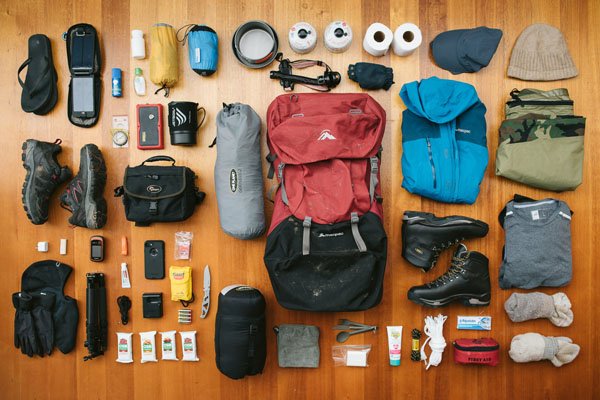
Is Emergency Oxygen Included In Kilimanjaro Climbing Price? Climb 4 Africa
Climb 4 Africa clarifies whether emergency oxygen is part of the standard Kilimanjaro climbing package price, detailing what's typically included and why it's crucial for safety on the...
View package details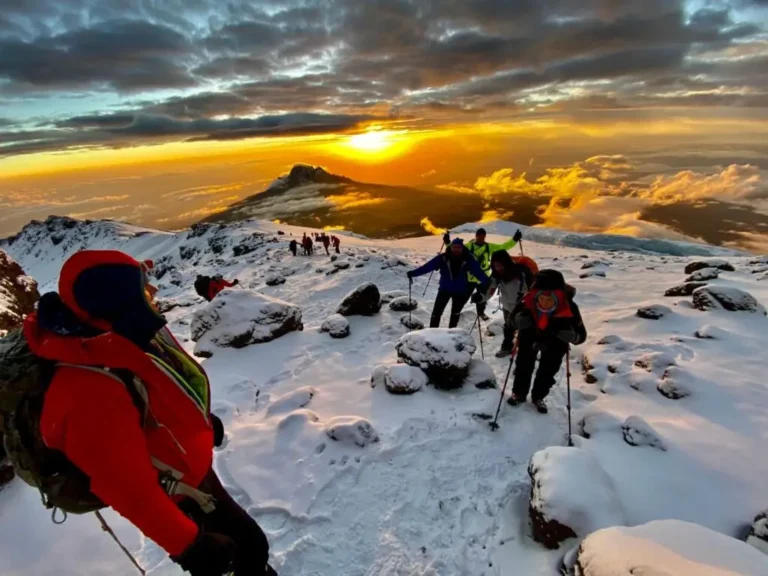
Can I Pay My Remaining Kilimanjaro Balance In Cash? Climb 4 Africa Guide
Understand your options for paying the remaining balance on your Kilimanjaro climb in cash. This guide covers currency, locations, and best practices for trekkers planning their 2026-2027...
View package details
Can I Pay For My Kilimanjaro Climb By Credit Card? Your Guide 2026-2027
Planning your Kilimanjaro climb for 2026 or 2027? Discover how to pay for your trek using a credit card, understanding the process, common options, and what Climb 4 Africa offers for secure...
View package details
Does The Kilimanjaro Price Include Climbing Equipment? Your Guide 2026-2027
Your Kilimanjaro climb price may or may not include all essential climbing equipment. Understanding what's provided versus what you need to source yourself is crucial for a successful and...
View package details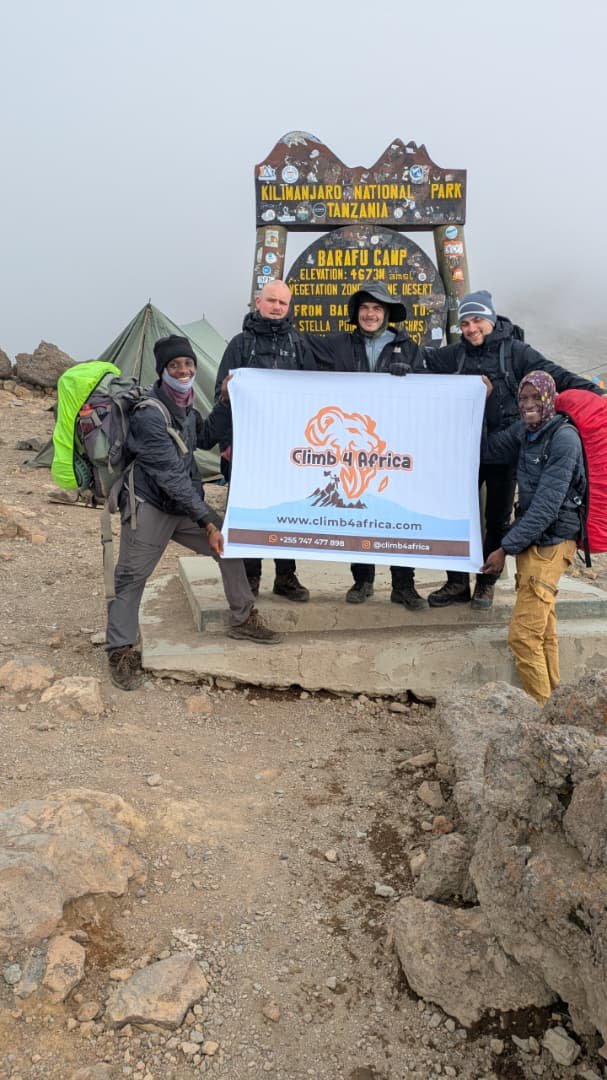
Does The Kilimanjaro Price Include Meals? A Comprehensive Guide For Climbers
Climbers often ask if the price of a Kilimanjaro trek covers meals. This guide details what to expect, focusing on inclusions and exclusions to help you plan your 2026-2027 expedition.
View package details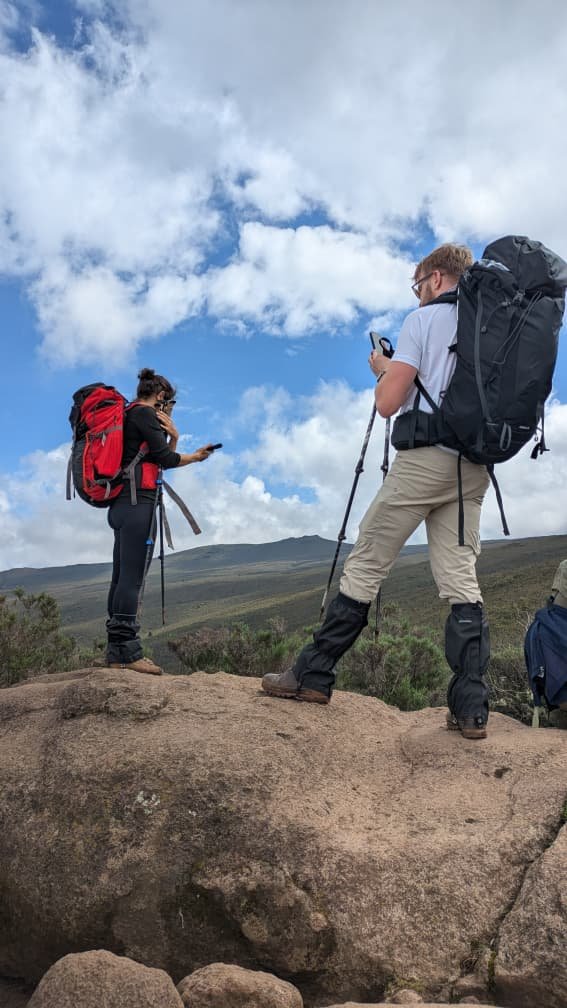
How Much Are Kilimanjaro Park Fees For A 7-Day Climb In ? 2026-2027
Planning a 7-day Kilimanjaro climb in 2026 or 2027? This guide breaks down the essential park fees, understanding how they contribute to conservation and your trekking experience, and what...
View package detailsNo related package matches those filters. Clear one or more filters to see the other topic-matched options.



