
Budget Kilimanjaro & Safari Packages for 2026/2027 offer a fantastic opportunity to experience Tanzania’s iconic mountain and wildlife parks affordably. These packages typically combine essential services like climbing permits, experienced guides, porters, park fees for Kilimanjaro, accommodation, meals on the mountain, and a guided safari tour with game drives, park entry fees, and lodging, all structured to minimize costs while maximizing value for the 2026 and 2027 travel seasons. Expect options that prioritize group travel, slightly longer durations for better value, and careful route selection to manage expenses effectively.

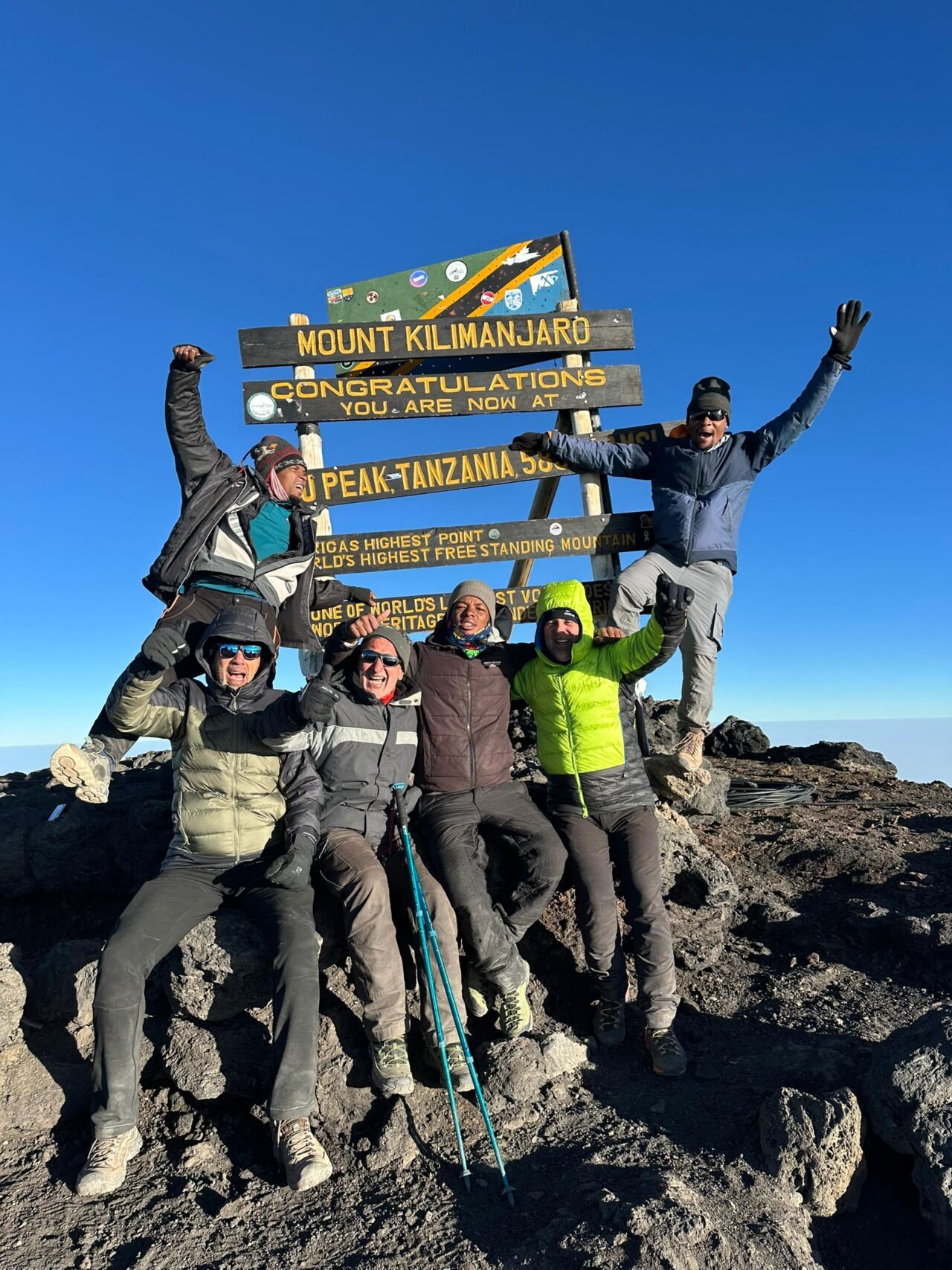

Planning Your Budget Kilimanjaro & Safari Adventure for 2026/2027
The allure of standing atop Mount Kilimanjaro and witnessing the Great Migration on safari is a dream for many. For travelers mindful of their expenses, the prospect of combining these epic experiences might seem daunting. However, with strategic planning and the right tour operator, budget Kilimanjaro & safari packages for 2026/2027 are not only possible but can provide an exceptionally rewarding African adventure. Climb 4 Africa specializes in crafting these cost-effective yet high-quality experiences, ensuring you get the most value from your investment.
This guide is designed to demystify the process of booking a budget-friendly Kilimanjaro and safari trip. We’ll explore the key factors influencing costs, how to choose the most economical routes and safari options, the timing of your travel for 2026/2027, and what to expect from a package designed with budget in mind. Our aim is to equip you with the knowledge to make informed decisions, leading to an unforgettable and affordable journey.
Understanding the Cost Components of Kilimanjaro & Safari Packages
To effectively plan a budget trip, it’s crucial to understand what drives the cost of Kilimanjaro and safari packages. While specific prices vary based on inclusions, duration, and season, several core elements consistently make up the majority of the expense:
- Kilimanjaro Park Fees: These are mandated by the Tanzanian government and are a significant fixed cost for any climb. They include daily conservation fees, camping/hut fees, and rescue fees.
- Tanzania National Park (TANAPA) Fees: For safaris, daily park entry fees for each national park visited are a substantial component.
- Guide and Porter Wages: Fair wages for your climbing crew and safari guides are essential for safety and ethical tourism. Reputable operators pay competitive rates.
- Accommodation: This includes lodging on safari (lodges or tented camps) and potential pre/post-climb hotels. On Kilimanjaro, it’s the camping or hut accommodation.
- Food: Meals provided during the climb and on safari are a key inclusion.
- Transportation: This covers transfers to/from Kilimanjaro National Park and the airport, as well as safari vehicle hire (4×4 jeeps) and fuel.
- Equipment Rental: While some operators include basic gear like tents and sleeping bags for camping routes, others may charge extra.
- Logistics and Operations: The costs associated with managing the trip, including permits, communication, equipment maintenance, and staff welfare.
- Profit Margin: The tour operator’s business expenses and profit.
Budget packages often achieve savings by optimizing these components, such as using shared transport, selecting more economical lodging options, and focusing on routes that offer the best balance of success rate and cost.
Choosing the Right Kilimanjaro Route for Budget Travelers (2026/2027)
When looking for budget Kilimanjaro & safari packages for 2026/2027, the choice of climbing route is paramount. Some routes are inherently more expensive due to their duration, infrastructure, or popularity. For budget-conscious trekkers, focusing on routes that offer excellent value for money is key.
Marangu Route (Coca-Cola Route)
Often cited as the most budget-friendly, the Marangu route is the oldest and most established. It’s the only route where you sleep in dormitory-style huts rather than camping.
- Duration: Typically 5 or 6 days. The 5-day option is the shortest and cheapest but has a lower success rate due to rapid ascent.
- Cost Factor: Generally lower because hut accommodation is less resource-intensive than camping for the operator, and it’s a shorter duration.
- Scenery: While scenic, it ascends and descends the same path, offering less variety than other routes.
- Budget Tip: Opting for the 6-day Marangu offers a slightly better acclimatization profile and a marginally higher success rate without a significant cost increase over the 5-day version.
Machame Route
While not always the absolute cheapest, the Machame route is incredibly popular for its scenic beauty and relatively high success rates, especially when climbed over 7 days. It offers a good balance between cost and experience, making it a strong contender for budget-conscious travelers seeking value.
- Duration: Typically 6 or 7 days. The 7-day Machame is highly recommended for acclimatization and success.
- Cost Factor: Moderate. It’s a camping route, requiring more logistics, but its popularity means operators can often offer competitive pricing for 2026/2027 departures.
- Scenery: Considered one of the most beautiful routes, offering diverse landscapes and panoramic views.
- Budget Tip: Joining a group departure for the Machame route is one of the best ways to reduce the per-person cost. Check Machame route group departures for available dates in 2026/2027.
Other Routes and Budget Considerations
Routes like Lemosho and Northern Circuit are generally more expensive due to their longer durations and more remote nature, which requires greater logistical support. For a budget trip, focusing on Marangu or a well-priced Machame group departure is usually the most effective strategy.
Key takeaway for budget Kilimanjaro climbs: Shorter routes (like the 5-day Marangu) are cheaper but riskier for success. Longer routes (like the 7-day Machame) are more expensive but offer better acclimatization and success rates. For budget travelers, a 6-day Machame or a 6-day Marangu often represents the sweet spot.
Optimizing Your Tanzania Safari for Budget Travel (2026/2027)
Tanzania is renowned for its incredible wildlife spectacles, particularly in the Serengeti National Park and Ngorongoro Crater. Safari costs can add up quickly, but smart choices can lead to significant savings on your budget Kilimanjaro & safari packages for 2026/2027.
Choosing the Right Safari Parks
Not all parks are created equal in terms of cost and wildlife viewing. For budget safaris, consider:
- Tarangire National Park: Famous for its large elephant herds and baobab trees. It offers excellent game viewing at a lower daily park fee than the Serengeti.
- Lake Manyara National Park: Known for its tree-climbing lions, diverse birdlife, and scenic lake setting. It’s a compact park, ideal for shorter game drives.
- Ngorongoro Conservation Area: While the crater floor fee is substantial, the concentration of wildlife is unparalleled, offering incredible value for a shorter visit.
While the Serengeti is a must-see for many, including it can increase costs due to its vastness and higher park fees. If budget is a primary concern, focusing on a Northern Circuit safari that includes Tarangire, Lake Manyara, and the Ngorongoro Crater can provide a diverse and thrilling wildlife experience without the premium price tag of extended Serengeti stays.
Safari Duration and Itinerary
Shorter safaris are naturally less expensive. A 3-day/2-night safari is a popular option for those combining it with a Kilimanjaro climb and looking to keep costs down. This typically covers Lake Manyara and the Ngorongoro Crater, offering a concentrated wildlife experience.
For those with a bit more time and budget, a 4-day/3-night or 5-day/4-night safari can extend the experience to include Tarangire, offering a more comprehensive overview of the Northern Circuit’s ecosystems.
Safari Vehicle and Guide
Budget Kilimanjaro & safari packages typically use 4×4 Land Cruisers, which are standard for Tanzania. The key to value here is not necessarily the cheapest vehicle but a well-maintained one with a pop-up roof for optimal game viewing, driven by an experienced and knowledgeable guide. A good guide can significantly enhance your safari experience by knowing where to find animals and understanding their behavior.
Accommodation on Safari
Safari accommodation ranges from basic tented camps to luxury lodges. Budget-friendly options often include:
- Budget Tented Camps: These offer a more rustic experience with canvas tents, often with shared or en-suite bathrooms. They provide an authentic safari feel at a lower cost.
- Mid-Range Lodges: Comfortable lodges offering private rooms with en-suite facilities. These strike a good balance between comfort and price.
Look for packages that clearly state the type of accommodation included. Climb 4 Africa aims to provide comfortable and well-located mid-range lodges and tented camps that offer great value for budget safari tours in 2026/2027.
Group Safaris vs. Private Safaris
Joining a group safari is one of the most effective ways to reduce costs. Park fees, vehicle costs, and guide expenses are shared among participants, making it significantly cheaper per person than a private safari. If you’re traveling solo or as a couple and are open to meeting other travelers, a group safari is an excellent choice for budget Kilimanjaro & safari packages.
Climb 4 Africa offers shared group safari departures which are ideal for budget-conscious travelers looking for 2026/2027 adventures.
When to Travel for Budget Kilimanjaro & Safari in 2026/2027
Timing your trip can significantly impact the cost of your Kilimanjaro climb and safari. Tanzania has distinct seasons, and traveling during the shoulder or low seasons can lead to substantial savings.
Kilimanjaro Climbing Seasons
- Peak Seasons (Dry & Warm): January-March and June-October. These months offer the best weather conditions, but also the highest prices and crowds.
- Shoulder Seasons: April-May and November-December. These months can have unpredictable weather (especially April/May with potential rain), but prices are often lower, and there are fewer trekkers.
- Budget Strategy: For budget Kilimanjaro & safari packages in 2026/2027, consider traveling in the shoulder seasons, particularly November or the early part of December. You might encounter some rain, but you’ll benefit from lower costs and a more serene mountain experience.
Safari Seasons
Safari costs are less dictated by specific months and more by accommodation availability and demand. However, the Great Migration’s movement in the Serengeti also influences visitor numbers and prices.
- High Demand (and prices): June-October (dry season, coincides with peak migration in the western/northern Serengeti) and December-February (calving season in the southern Serengeti).
- Lower Demand (and prices): March-May (long rains) and November (short rains).
- Budget Strategy: Traveling during the long or short rainy seasons can offer significant savings on safari accommodation and sometimes even on park fees. While you might encounter rain, wildlife is often easier to spot as they congregate around water sources, and the landscapes are lush and green. The shoulder months of November and early December can be a good compromise for both Kilimanjaro and safari, offering reasonable weather and potentially lower prices for 2026/2027 travel.
What to Expect in a Budget Kilimanjaro & Safari Package
A budget Kilimanjaro & safari package is designed to provide the essentials for a successful and enjoyable trip without the frills of luxury tours. Here’s a breakdown of what you can typically expect:
Kilimanjaro Inclusions
- Park and Rescue Fees: These are mandatory and will be included.
- Guides and Porters: A qualified lead guide, assistant guides, and sufficient porters to carry your gear.
- Camping Equipment: For camping routes, this includes tents, sleeping mats, mess tents, and cooking equipment.
- Food: All meals prepared by a dedicated cook during the climb.
- Accommodation: Huts on Marangu or tents on other routes.
- Water: Boiled or purified water provided.
- Transfers: Round-trip transportation from Moshi/Arusha to the mountain gate and back.
Safari Inclusions
- Safari Vehicle: A 4×4 safari vehicle with a pop-up roof.
- Experienced Driver-Guide: Knowledgeable about local wildlife and ecosystems.
- Park Entrance Fees: For the parks included in your itinerary.
- Accommodation: Based on the specified level (e.g., budget tented camp, mid-range lodge).
- Meals: Usually full board (breakfast, lunch, dinner) during the safari.
- Bottled Water: Provided in the vehicle during game drives.
- Transfers: Pick-up from your accommodation and drop-off.
Potential Exclusions (and how to budget for them)
- Tipping: Tipping your guides, porters, and driver-guide is customary and expected. Budget around $200-$300 per trekker for Kilimanjaro and $100-$150 per vehicle for safari.
- Visas: Required for entry into Tanzania.
- Flights: International flights to Kilimanjaro International Airport (JRO).
- Travel Insurance: Essential, covering trip cancellation, medical emergencies, and evacuation.
- Personal Gear: Sleeping bag, warm clothing, hiking boots, etc.
- Lunches, Drinks, and Snacks: While meals are provided, personal snacks and extra drinks might be an additional cost.
- Pre/Post-Climb Accommodation: Hotels in Moshi or Arusha before and after your trek/safari.
When comparing budget Kilimanjaro & safari packages for 2026/2027, carefully review the inclusions list. Operators like Climb 4 Africa are transparent about what is and isn’t included, helping you budget accurately.
Maximizing Value: Tips for Budget Travelers
Beyond choosing the right route and season, several other strategies can help you maximize the value of your budget Kilimanjaro & safari package.
1. Travel in a Group
As mentioned, group travel significantly reduces per-person costs. If you can’t assemble a group of friends, consider joining one of Climb 4 Africa’s scheduled group departures for 2026/2027. This is often the single most effective way to lower the price while still enjoying a high-quality experience.
2. Be Flexible with Dates
If your travel dates are flexible, you can take advantage of off-peak or shoulder seasons, which often come with lower prices for flights and accommodation. Traveling mid-week can also sometimes yield better flight deals.
3. Pack Smartly
While you can rent some gear, investing in essential personal items like good hiking boots, warm layers, and a waterproof jacket can save you money in the long run and ensure comfort. Avoid buying expensive gear specifically for the trip unless you plan to use it frequently.
4. Book in Advance
Booking your budget Kilimanjaro & safari package well in advance, especially for 2026/2027, can sometimes secure better rates and ensure availability on your preferred dates and routes. It also gives you more time to save and prepare.
5. Compare Operators Carefully
Don’t just compare prices; compare inclusions, safety standards, guide qualifications, and ethical employment practices. The cheapest option might cut corners on safety or guide pay, which is never worth the risk. Look for operators with strong reviews and a commitment to responsible tourism, like Climb 4 Africa.
6. Consider a Combined Package
Booking your Kilimanjaro climb and safari as a single package often results in better overall pricing than booking them separately. Operators can leverage their logistics and supplier relationships to offer a more integrated and cost-effective deal.
7. Hydration and Snacks
While water is provided on the mountain, carrying your own purification tablets or a filter can be a backup. For safaris, bringing a few of your favorite snacks from home can save money on impulse purchases at lodges or during game drives.
Safety and Ethical Considerations for Budget Travel
When focusing on budget Kilimanjaro & safari packages, it’s vital not to compromise on safety and ethical practices. Reputable operators prioritize:
- Qualified Guides: Certified guides with extensive experience and first-aid training.
- Proper Equipment: Well-maintained tents, cooking gear, and reliable safari vehicles.
- Fair Wages and Conditions: Ensuring porters and guides are paid fairly and treated ethically. This is a cornerstone of Climb 4 Africa’s philosophy.
- Emergency Procedures: Clear protocols for handling medical emergencies, including access to oxygen and evacuation plans.
- Environmental Responsibility: Adhering to Leave No Trace principles on Kilimanjaro and minimizing environmental impact on safaris.
Be wary of suspiciously low prices that might indicate a company cutting corners on guide wages, equipment quality, or safety measures. A truly budget-friendly package offers excellent value while upholding high standards.
Sample Budget Itinerary Combination (Kilimanjaro & Safari)
Here’s a sample itinerary that balances cost-effectiveness with a comprehensive experience for budget Kilimanjaro & safari packages in 2026/2027. This assumes a 7-day Machame climb and a 3-day Northern Circuit safari.
Days 1-7: Kilimanjaro Climb (Machame Route – 7 Days)
- Day 1: Machame Gate to Machame Camp
- Day 2: Machame Camp to Shira Camp
- Day 3: Shira Camp to Barranco Camp
- Day 4: Barranco Camp to Karanga Camp
- Day 5: Karanga Camp to Barafu Camp
- Day 6: Summit Attempt (Barafu Camp to Uhuru Peak) & Descent to Mweka Camp
- Day 7: Mweka Camp to Mweka Gate & Transfer to Moshi
Days 8-10: Budget Northern Circuit Safari
- Day 8: Moshi to Tarangire National Park
- Morning drive to Tarangire, game drive. Overnight in a budget tented camp or lodge near Tarangire.
- Day 9: Tarangire to Ngorongoro Conservation Area
- Morning game drive in Tarangire, then drive to Ngorongoro. Descend into the crater for a 4-5 hour game drive. Overnight in a lodge or camp on the crater rim or nearby.
- Day 10: Ngorongoro to Arusha/Moshi
- Optional morning game drive in Lake Manyara (if time permits and budget allows) or drive directly back to Arusha/Moshi for departure or onward travel.
This 10-day combination provides a solid introduction to both Kilimanjaro and Tanzania’s wildlife. Adjustments can be made to duration and parks visited to fit specific budget constraints for 2026/2027.
Preparing for Your Budget Kilimanjaro & Safari Adventure
Regardless of budget, preparation is key to a successful and enjoyable trip. Here’s what you need to focus on:
Physical Fitness
Kilimanjaro is a strenuous trek. While you don’t need to be an elite athlete, good cardiovascular fitness is essential. Regular hiking, running, or cycling in the months leading up to your climb will make a significant difference. For the safari, fitness is less critical, but being able to get in and out of the vehicle and walk short distances is necessary.
Health and Vaccinations
Consult your doctor or a travel clinic 4-6 weeks before your trip regarding recommended vaccinations and malaria precautions. Tanzania is a malaria risk area.
Visa Requirements
Most nationalities require a visa for Tanzania. This can often be obtained online in advance or upon arrival at the airport. Check the latest requirements for your nationality.
Travel Insurance
Crucial for any Kilimanjaro & safari package. Ensure your policy covers high-altitude trekking, emergency medical evacuation, trip cancellation, and lost luggage. Many standard policies do not cover Kilimanjaro climbs, so look for specialized adventure travel insurance.
Packing List
A detailed packing list will be provided by your tour operator. Key items for Kilimanjaro include:
- Layered clothing (base, mid, and outer layers)
- Waterproof and windproof outer shell
- Warm hat and gloves
- Good quality hiking boots (broken in)
- Sun protection (hat, sunglasses, sunscreen)
- Headlamp
- Water bottles or hydration pack
For safari, pack lighter clothing, insect repellent, a camera, binoculars, and comfortable shoes.
Why Choose Climb 4 Africa for Your Budget Kilimanjaro & Safari Packages 2026/2027?
At Climb 4 Africa, we understand that adventure should be accessible. We are dedicated to providing budget Kilimanjaro & safari packages for 2026/2027 that do not compromise on safety, quality, or the overall experience. Our local expertise and commitment to ethical tourism ensure that your trip is not only affordable but also responsible and memorable.
We offer:
- Transparent Pricing: Clear breakdowns of what’s included, so you know exactly what you’re paying for.
- Experienced Local Guides: Passionate and knowledgeable guides who are essential for your success and enjoyment.
- Safety First Approach: Prioritizing your well-being with proper equipment and emergency protocols.
- Flexible Itineraries: Tailoring trips to fit your budget and preferences.
- Group Departures: Excellent value options for solo travelers and couples looking to join others.
We believe that experiencing the majesty of Kilimanjaro and the wonders of a Tanzanian safari should be within reach for more travelers. Let us help you plan your perfect budget Kilimanjaro & safari adventure for 2026 or 2027.
Ready to start planning? Contact us today for a personalized quote or to discuss your dream trip. Reach us via WhatsApp at +255 747 477 898 or email us at climb4africa@gmail.com. Explore more about our safari options here.
Check Availability for Budget Kilimanjaro & Safari Packages /: Your Affordable African Adventure
Ready to compare dates, prices, and the best option for your group? Send the package name and travel month so the team can reply with a clear quote, availability, and what is included.
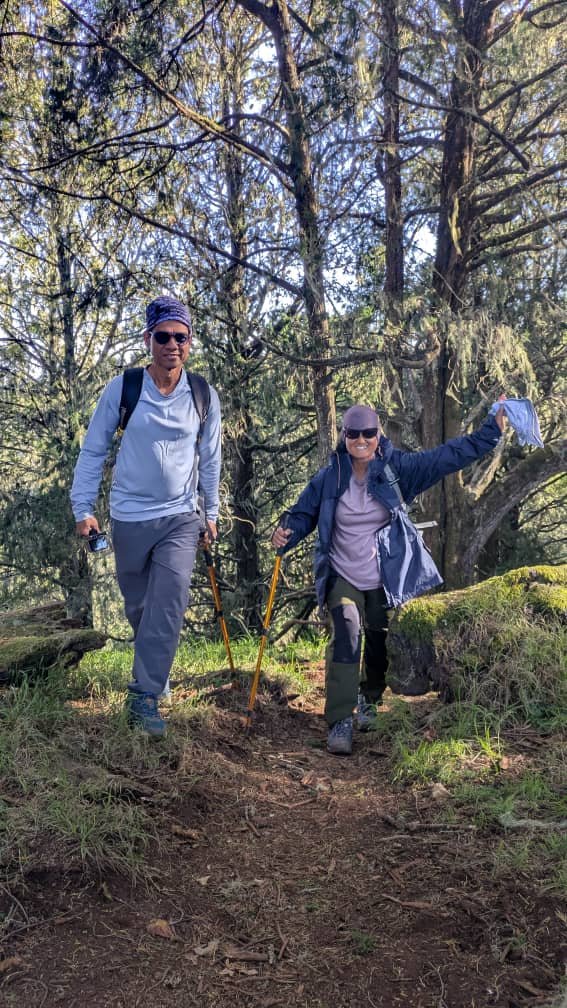
Budget Kilimanjaro, Safari & Zanzibar Package Deals For 2026-2027
Plan your dream Tanzanian adventure with our guide to budget-friendly Kilimanjaro climbs, safaris, and Zanzibar getaways. We cover cost factors, itinerary options, and booking tips for...
View package details
18 Days Kilimanjaro, Safari & Zanzibar Package: Cost & Itinerary 2026-2027
Discover the ultimate 18-day adventure combining Mount Kilimanjaro's summit, thrilling Tanzanian safaris, and the tropical paradise of Zanzibar. This comprehensive guide details sample...
View package details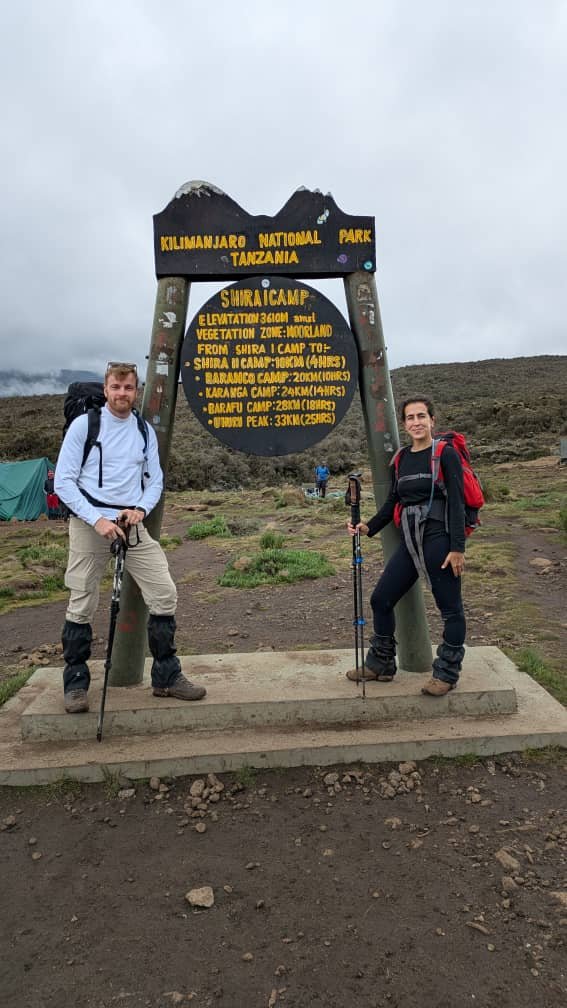
16 Days Kilimanjaro, Safari & Zanzibar Package: Cost & Itinerary Guide
Plan your ultimate 16-day adventure combining Mount Kilimanjaro's summit, a thrilling Tanzania safari, and the tropical paradise of Zanzibar. Discover detailed itineraries, cost breakdowns...
View package details
15 Days Kilimanjaro, Safari & Zanzibar Package: Cost & Itinerary 2026-2027
Discover the ultimate 15-day adventure combining Mount Kilimanjaro's summit, thrilling Tanzanian safaris, and the exotic beaches of Zanzibar. This comprehensive guide details the itinerary...
View package details
14 Days Kilimanjaro, Safari & Zanzibar Package: Cost & Itinerary 2026-2027
14 Days Kilimanjaro, Safari & Zanzibar Package: Cost & Itinerary is explained with current 2026-2027 planning, price, itinerary and booking information.
View package details
Luxury Kilimanjaro, Safari & Zanzibar Package: Your Ultimate Adventure
Discover the pinnacle of Tanzanian travel with a luxury Kilimanjaro, Safari & Zanzibar package. This comprehensive guide details how to combine an iconic climb with thrilling wildlife...
View package details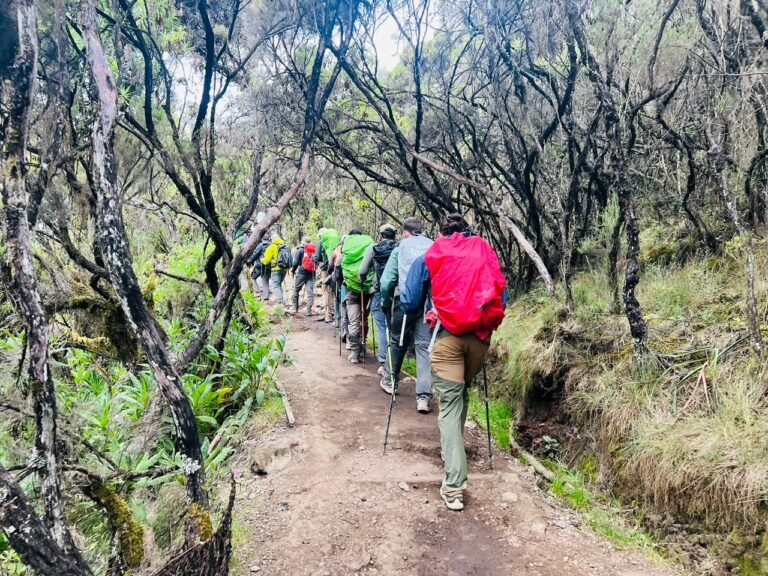
Kilimanjaro, Safari & Zanzibar Packages /: Prices & Itineraries 2026-2027
Plan your dream Tanzanian adventure with comprehensive details on Kilimanjaro, Safari, and Zanzibar packages for 2026 and 2027. Discover itineraries, understand pricing factors, and learn...
View package details
K. Kilimanjaro + Safari + Zanzibar Guide
Discover the unparalleled thrill of conquering Mount Kilimanjaro, witnessing the Great Migration on a Tanzanian safari, and relaxing on the spice-scented beaches of Zanzibar. This...
View package details
Private Kilimanjaro & Serengeti Safari Cost Per Person | Climb 4 Africa
Planning a private Kilimanjaro and Serengeti safari is a significant investment. This guide details the estimated cost per person for 2026-2027, breaking down the factors that influence...
View package details
Luxury Kilimanjaro & Safari Packages For | Climb 4 Africa 2026-2027
Plan your ultimate African adventure with Climb 4 Africa's luxury Kilimanjaro and safari packages for 2026-2027. Experience the pinnacle of comfort, service, and adventure on Mount...
View package details
Kilimanjaro Northern Circuit + 7 Days Safari: Cost, Itinerary & Expert
Combine the challenging Northern Circuit route on Kilimanjaro with an unforgettable 7-day Northern Circuit safari in Tanzania. This comprehensive guide details the costs, sample...
View package detailsKilimanjaro + 6 Days Tanzania Safari Package & Price 2026-2027
Kilimanjaro + 6 Days Tanzania Safari Package & Price is explained with current 2026-2027 planning, price, itinerary and booking information.
View package detailsNo related package matches those filters. Clear one or more filters to see the other topic-matched options.



