The cost for a family to climb Mount Kilimanjaro in 2026-2027 typically ranges from $2,000 to $6,000 per person, depending heavily on the chosen route, duration, operator, and the level of service desired. For a family of four, this could mean a total budget between $8,000 and $24,000 or more. This figure covers essential elements like park fees, crew wages, food, camping equipment, and safety measures, but excludes international flights, visas, travel insurance, and personal gear.

Understanding the Total Cost of a Family Kilimanjaro Climb
Mount Kilimanjaro represents more than just a mountain; it’s a dream destination for many families seeking an extraordinary shared experience. Planning such an adventure requires careful budgeting, especially when considering the diverse cost factors involved. When asking, “How much does Kilimanjaro cost for a family?” it’s crucial to look beyond a single price tag and understand the components that contribute to the overall expense. For expeditions in 2026 and 2027, expect a comprehensive pricing structure that reflects the quality of service, safety protocols, and the unique challenges of ascending Africa’s highest peak.
The total cost is not a fixed number but rather a spectrum influenced by several key decisions. These include the choice of climbing route (which dictates duration and difficulty), the type of operator (local vs. international, budget vs. premium), the number of days spent on the mountain, and the specific inclusions offered by the tour company. For families, especially those with younger members or varying fitness levels, selecting the right route and operator is paramount, often leading to choices that prioritize comfort, acclimatization, and success rates, which can influence the price.
Climb 4 Africa, as an expert local operator, focuses on providing exceptional value by combining competitive pricing with unparalleled safety and support. Our understanding of the local landscape, logistics, and regulations allows us to offer transparent pricing for your family’s Kilimanjaro adventure in 2026 or 2027. We believe that a well-informed family is a well-prepared family, ready to embrace the journey with confidence.
Key Cost Components for a Family Kilimanjaro Expedition
To accurately budget for your family’s Kilimanjaro climb, it’s essential to break down the various costs involved. These are the fundamental elements that every reputable operator must account for, and understanding them helps in comparing quotes and ensuring you’re not overlooking critical expenses.
1. National Park Fees
These are non-negotiable government fees required for every climber. They represent a significant portion of the total cost and are set by the Tanzania National Parks Authority (TANAPA). For 2026-2027, these fees typically include:
- Conservation Fees: Charged per person, per day. This fee supports park maintenance, conservation efforts, and anti-poaching initiatives.
- Camping Fees: Charged per person, per night, for those camping on the mountain (all routes except Marangu, which uses huts).
- Rescue Fees: A mandatory fee to cover the costs of potential rescue operations.
- Crater Fees: Applicable only to specific routes or optional visits to the crater rim.
These fees are standardized across all operators, though the exact amounts can be subject to change by TANAPA. Reputable operators will always include these fees in their quoted price to avoid surprises. For a family, these daily fees can add up considerably over the duration of the trek.
2. Crew Wages and Tips
The mountain crew is the backbone of any successful Kilimanjaro climb. This includes licensed guides, assistant guides, cooks, and porters. Their wages are regulated by Kilimanjaro National Park regulations to ensure fair treatment and prevent exploitation.
- Wages: Operators pay a set daily wage for each crew member, which is often a substantial cost, especially for longer treks with larger support teams.
- Tips: While not always included in the initial quote, tipping the crew is a customary and expected practice. Families should budget an additional amount for tips, which are usually pooled and distributed among the crew at the end of the climb. Tipping guidelines are typically provided by the operator, and a common range is $200-$300 per climber for the entire trek, though this can vary.
For a family, the total tipping amount can be significant, so it’s vital to factor this into your overall budget for 2026-2027 trips. Climb 4 Africa ensures all our crew members are paid fair wages and provides clear guidelines on tipping for a transparent experience.
3. Food and Provisions
All meals on the mountain – from breakfast to dinner, including snacks and hot drinks – are provided by the tour operator. The cost of food includes purchasing fresh ingredients, transporting them to the mountain, and preparing nutritious, high-energy meals by the cook.
- Quality and Quantity: The quality and variety of food can vary between operators. Higher-end operators may offer more diverse menus, while budget operators might stick to simpler, staple meals.
- Duration: Longer treks naturally require more food, increasing this cost component.
Families often have specific dietary needs or preferences, and good operators will cater to these. Ensuring sufficient, high-quality food is crucial for energy levels and morale, particularly for younger family members.
4. Equipment Rental and Maintenance
Reputable operators provide essential camping equipment, including tents (for sleeping, dining, and toilets), sleeping mats, and cooking gear. Some may also offer sleeping bag or trekking pole rentals, though these are often additional costs.
- Quality: The condition and quality of tents and other gear can significantly impact comfort and safety. High-quality, waterproof tents are essential for Kilimanjaro’s unpredictable weather.
- Maintenance: Regular maintenance and replacement of gear represent an ongoing cost for operators.
Families should clarify what equipment is included and if there are any rental fees for items like sleeping bags or poles. Ensure that the tents provided are spacious enough for comfort, especially if sharing tents is an option for family members.
5. Logistics and Transportation
This covers the costs associated with getting the group and crew to the mountain’s entrance gate and back to Moshi or Arusha after the climb. It includes:
- Vehicle Hire: Transport from your hotel to the gate and back.
- Fuel and Driver Costs: For the journey.
- Logistical Support: Coordination and management of the entire operation.
This might seem minor, but it’s a critical operational cost for the tour company.
6. Operator’s Profit Margin and Overheads
Like any business, tour operators need to cover their operational costs (office, staff, marketing, insurance) and make a profit. This margin ensures the company’s sustainability and ability to invest in better equipment, training, and safety measures for future climbs.
- Value Proposition: A higher price often reflects a greater investment in safety, crew welfare, food quality, and equipment.
- Local vs. International: Local operators like Climb 4 Africa often have lower overheads than international agents who resell packages, potentially offering better value.
It’s important to find a balance between cost and the quality of service, especially for a family trip where safety and success are paramount.
Factors Influencing Kilimanjaro Costs for Families in 2026-2027
Beyond the fundamental cost components, several specific factors can significantly alter the price you pay for a family Kilimanjaro climb. Understanding these will help you tailor your trip to your budget and preferences.
1. Choice of Climbing Route
The route you choose is perhaps the biggest determinant of cost, primarily due to its duration and difficulty. Longer routes generally mean more days of park fees, food, and crew wages.
- Marangu Route (5-6 days): Often perceived as the cheapest due to its hut accommodation, but lower success rates and lack of acclimatization make it less ideal for families. Cost: $1,500 – $3,000 per person.
- Machame Route (6-7 days): Very popular, scenic, and offers good acclimatization. A good balance of cost and success rate. Cost: $1,800 – $3,500 per person.
- Lemosho Route (7-8 days): Longer, more scenic, and excellent for acclimatization, leading to higher success rates. Generally more expensive. Cost: $2,000 – $4,000 per person.
- Shira Route (7-8 days): Similar to Lemosho but starts at a higher altitude, which can be challenging. Cost: $2,000 – $4,000 per person.
- Rongai Route (6-7 days): Approaches from the north, drier side, good for rainy seasons. Cost: $1,800 – $3,500 per person.
- Northern Circuit (9-10 days): The longest and most scenic route, offering the best acclimatization and highest success rates. It is also the most expensive. Cost: $2,500 – $5,000+ per person.
- Umbwe Route (6-7 days): Steepest and most challenging, generally not recommended for families unless experienced. Cost: $1,700 – $3,200 per person.
For families, routes like Machame, Lemosho, or the Northern Circuit are often recommended for their higher success rates and better acclimatization profiles, despite being at the higher end of the price spectrum. A 7-day Machame or Lemosho climb for a family of four could range from $7,200 to $14,000 before additional expenses.
2. Duration of the Climb
As mentioned, longer climbs cost more because you pay daily park fees, higher crew wages, and more food. While it might seem tempting to opt for a shorter, cheaper climb, this significantly increases the risk of altitude sickness and failure to summit, especially for families.
- Recommended Minimum: For most routes, 7 days is considered the minimum for adequate acclimatization.
- Ideal for Families: 8 days or more are often recommended for families to allow for a slower pace, rest days, and better chances of reaching Uhuru Peak.
A 7-day climb will be less expensive than an 8-day climb, which in turn is less expensive than a 9 or 10-day climb. For a family of four, extending a climb by just one day could add $800 to $2,000+ to the total cost, depending on the operator and route.
3. Type of Operator and Service Level
The choice between a budget operator, a mid-range operator, and a luxury operator significantly impacts the price and the overall experience.
- Budget Operators: Often cut costs on food, equipment, crew wages (sometimes unfairly), and safety measures. While cheaper, they pose higher risks, especially for families. Expect prices around $1,500 – $2,200 per person.
- Mid-Range Operators: Offer a good balance of quality, safety, and price. They provide better food, reliable equipment, fair crew treatment, and solid safety protocols. This is where most reputable local operators, like Climb 4 Africa, position themselves. Prices typically range from $2,000 – $3,500 per person.
- Luxury/Premium Operators: Focus on comfort, gourmet food, private toilet tents, oxygen systems, and higher guide-to-client ratios. They offer the highest level of service but come with a premium price tag, potentially $3,500 – $6,000+ per person.
For families, a mid-range operator often provides the best value, ensuring safety and comfort without an exorbitant cost. A family of four on a mid-range package could expect costs between $8,000 and $14,000 for the climb itself.
4. Private vs. Group Climb
Climbing as a private family group is generally more expensive per person than joining a shared group departure. However, it offers significant advantages for families:
- Flexibility: You can set your own pace and schedule.
- Comfort: Your family has dedicated guides and porters, not sharing with strangers.
- Tailored Experience: The trek can be adjusted to suit the family’s specific needs and fitness levels.
While a shared group climb might cost $1,800 per person, a private climb with the same operator could be $2,200 per person. For a family of four, this difference is substantial – potentially an extra $1,600 for the entire trip. However, for many families, the privacy and flexibility are well worth the additional investment for their 2026-2027 adventure.
5. Season of Travel
Kilimanjaro has distinct seasons, and climbing during peak season can sometimes influence prices, though park fees remain constant. Peak seasons generally offer the clearest skies and best weather conditions.
- Peak Seasons: January-March and June-October. These months typically have the highest demand, and some operators might adjust pricing slightly, though this is less common for Kilimanjaro than for safaris.
- Shoulder Seasons: April-May (long rains) and November-December (short rains). These periods are less popular and may offer slightly lower prices or deals, but the weather is more unpredictable.
For families, climbing during the peak seasons (like June-October 2026 or 2027) is often recommended for better weather, increasing the likelihood of a successful and enjoyable summit bid, even if it means slightly higher demand.
Additional Costs Beyond the Climb Package
The quoted price for a Kilimanjaro climb typically covers most on-mountain expenses. However, families must budget for several crucial elements that fall outside this package.
1. International Flights
Flights to Kilimanjaro International Airport (JRO) are not included in climb packages. Costs vary significantly based on your departure location, time of booking, and airline.
- Booking in Advance: For 2026-2027 travel, booking flights 6-9 months ahead is advisable to secure better fares.
- Estimated Cost: Expect anywhere from $800 to $2,000+ per person for round-trip economy tickets from North America or Europe. For a family of four, this could be an additional $3,200 to $8,000.
2. Visas and Entry Requirements
Most nationalities require a visa to enter Tanzania. This can often be obtained on arrival or applied for online in advance.
- Tanzania Visa Fee: Typically around $50-$100 per person, depending on nationality and application method.
- Passport Validity: Ensure passports are valid for at least six months beyond your intended stay.
Factor in approximately $200-$400 for a family of four for visas.
3. Travel Insurance
Comprehensive travel insurance is non-negotiable for a Kilimanjaro climb. It must cover:
- High-Altitude Trekking: Ensure it specifically covers trekking up to 6,000 meters.
- Medical Evacuation: Crucial for remote rescues.
- Trip Cancellation/Interruption: Protects your investment if plans change unexpectedly.
- Lost or Delayed Baggage: For personal gear.
The cost can range from $150 to $400 per person, depending on coverage levels and age. For a family, this could be an additional $600 to $1,600.
4. Personal Gear and Equipment
While operators provide tents and communal gear, climbers must supply their own personal equipment. This is a significant expense for first-time trekkers.
- Essential Items: High-quality sleeping bag (rated to -10°C or -20°C), waterproof and windproof jacket and trousers, warm layers (fleece, down jacket), thermal base layers, sturdy hiking boots, hat, gloves, sunglasses, headlamp, water bottles/bladder, sunscreen, and a duffel bag for porters.
- Rental Options: Some items like sleeping bags and trekking poles can be rented from the operator, but buying ensures a proper fit and quality.
- Estimated Cost: Outfitting a family member with all necessary gear can cost anywhere from $500 to $1,500+, depending on quality and whether items are purchased new or secondhand.
For a family of four, this could add $2,000 to $6,000+ to the total trip cost. Investing in good quality gear is crucial for comfort and safety.
5. Vaccinations and Medications
Consult your doctor or a travel clinic well in advance of your 2026-2027 trip regarding recommended vaccinations and malaria prophylaxis.
- Costs: These can vary widely depending on your health insurance coverage and location. Budget anywhere from $100 to $300 per person.
6. Pre- and Post-Climb Accommodation and Activities
Most families spend a few nights in Moshi or Arusha before and after their climb. This allows for rest, acclimatization, and potential exploration.
- Hotels: Mid-range hotels can cost $50-$150 per night.
- Safaris/Zanzibar: If combining the climb with a safari or a Zanzibar holiday, these costs are separate and substantial. A 3-day safari can range from $800 to $2,000+ per person.
For a family of four spending 2-3 nights in hotels, budget an extra $200-$900. If adding other activities, this cost increases significantly.
7. Miscellaneous Expenses
Include a buffer for unexpected costs, souvenirs, snacks, and tips for hotel staff or drivers.
- Contingency: A general recommendation is to budget an extra 10-15% of the total trip cost for unforeseen expenses.
Example Cost Breakdown for a Family of Four (2026-2027)
To provide a clearer picture, let’s outline a hypothetical budget for a family of four undertaking a 7-day Machame Route climb with a reputable mid-range operator like Climb 4 Africa during the 2026-2027 season.
Estimated Cost Per Person:
- Climb Package (7-Day Machame, Mid-Range Operator): $2,200
- Crew Tips (estimated): $250
- Personal Gear (average): $800
- Travel Insurance: $250
- Visa: $75
- Vaccinations: $150
- Pre/Post Climb Hotel (2 nights): $150
- Miscellaneous/Contingency: $200
Total Estimated Cost Per Person: $4,075
Estimated Total Cost for a Family of Four:
$4,075 per person x 4 people = $16,300
This figure excludes international flights.
This example demonstrates that while the climb package itself might seem manageable, the additional costs can significantly increase the overall budget. Families should carefully consider each of these elements when planning their 2026-2027 Kilimanjaro adventure.
Choosing the Right Operator: A Critical Decision for Families
Selecting the right tour operator is paramount when planning a family climb. The operator you choose directly impacts safety, success rates, crew welfare, and overall experience. For families, safety and comfort are often prioritized over finding the absolute cheapest option.
Why Local Operators Matter for Family Climbs
Local operators like Climb 4 Africa have an intimate understanding of Kilimanjaro and Tanzania. This translates into several benefits:
- Expertise: Deep knowledge of the mountain, routes, weather patterns, and altitude acclimatization.
- Logistics: Efficient handling of permits, park entries, and on-the-ground logistics.
- Crew Relations: Established relationships with experienced guides and porters, ensuring fair wages and treatment, which motivates the crew.
- Cost-Effectiveness: Lower overheads compared to international agents often mean better value for money without compromising quality.
- Support: Direct communication and support before, during, and after the climb.
What to Look for in a Family-Friendly Operator
When evaluating operators for your 2026-2027 family expedition, consider these points:
- Safety Record: Do they have emergency oxygen, first-aid kits, and trained guides? What is their evacuation plan?
- Crew Welfare: Do they adhere to KPAP (Kilimanjaro Porters Assistance Project) standards for fair wages and porter treatment? Happy crew = better service.
- Itinerary Design: Do they recommend longer, acclimatization-focused itineraries (7+ days)?
- Food Quality: What is the menu like? Can they cater to dietary needs?
- Equipment: Is their camping gear modern, well-maintained, and suitable for the conditions?
- Reviews and Reputation: Look for independent reviews on platforms like TripAdvisor.
- Communication: Are they responsive and transparent in their communication?
Climb 4 Africa is committed to providing safe, ethical, and memorable Kilimanjaro climbs for families. We prioritize crew welfare, use high-quality equipment, and design itineraries focused on success and enjoyment. Feel free to reach out to us at WhatsApp +255 747 477 898 or Email climb4africa@gmail.com to discuss your family’s specific needs for a 2026 or 2027 climb.
Tips for Budgeting and Saving on Your Family Kilimanjaro Trip
While Kilimanjaro is a significant investment, there are ways families can manage costs without compromising safety or the quality of the experience.
- Book in Advance: Especially for flights and accommodation. Booking your climb package well in advance for 2026-2027 can sometimes secure better rates or ensure availability on preferred dates.
- Travel in Shoulder Season: While weather is less predictable, you might find slightly better deals. However, for families, prioritizing good weather during peak seasons is often wiser.
- Consider Group Departures: Joining a scheduled group climb can reduce the per-person cost compared to a private climb. Check options like Machame Route Group Departures.
- Rent Gear Strategically: Renting items like sleeping bags, trekking poles, and down jackets can save on upfront costs if you don’t plan to use them again.
- Pack Smart: Avoid last-minute expensive gear purchases at the airport. Plan and buy items over time.
- Compare Operators Carefully: Look beyond the headline price. Understand what’s included and prioritize safety and ethical practices. A slightly higher price for a reputable operator often saves money in the long run by preventing issues.
- Combine with Other Activities Wisely: If adding a safari or Zanzibar, look for package deals or book directly with local providers like Climb 4 Africa for better value. Explore Tanzania Safari Group Departures.
Preparing Your Family for the Financial Investment
A Kilimanjaro climb is a significant financial commitment, but it’s also an investment in lifelong memories and personal achievement for your family. Open communication about the costs and the reasons behind them is key.
- Set Clear Goals: Discuss what the climb means to each family member. This shared vision can motivate saving efforts.
- Start Saving Early: For a 2026 or 2027 trip, starting your savings plan now is ideal.
- Explore Funding Options: Consider family contributions, gifts for special occasions, or even setting up a dedicated savings account.
- Prioritize Value over Cheapness: Remember that the cheapest option is rarely the best, especially when safety and success are concerned for your family.
Understanding “How much does Kilimanjaro cost for a family?” is the first step. The next is planning and preparing to make that dream a reality. With careful budgeting and the right partner, your family can achieve the extraordinary feat of summiting Kilimanjaro.
Planning Your 2026-2027 Family Kilimanjaro Climb with Climb 4 Africa
Embarking on a Kilimanjaro adventure as a family is a profound experience that strengthens bonds and creates indelible memories. At Climb 4 Africa, we specialize in crafting these unforgettable journeys. We understand the unique considerations for family expeditions, from ensuring appropriate routes and pacing to prioritizing safety and comfort at every step.
Our team is dedicated to providing transparent pricing and comprehensive support throughout your planning process for 2026 or 2027. We believe in ethical tourism, fair treatment of our mountain crew, and delivering exceptional value. Whether you’re considering the scenic Lemosho route or the popular Machame trail, we can help tailor an itinerary that suits your family’s aspirations and capabilities.
To get a personalized quote or discuss your family’s specific requirements for a Kilimanjaro climb in 2026-2027, please do not hesitate to contact us:
- WhatsApp: +255 747 477 898
- Email: climb4africa@gmail.com
Let Climb 4 Africa be your trusted partner in making your family’s dream of climbing Kilimanjaro a safe, successful, and cherished reality.
“,
“faq_schema”: [
{
“question”: “What is the average cost for a family of four to climb Kilimanjaro in 2026-2027?”,
“answer”: “The average cost for a family of four to climb Kilimanjaro in 2026-2027 typically ranges from $8,000 to $24,000 or more. This estimate is based on a per-person cost of $2,000 to $6,000, depending on the chosen route, operator, duration, and service level. This figure generally covers the climb package itself but excludes international flights, visas, insurance, and personal gear.”
},
{
“question”: “Are there specific routes recommended for families climbing Kilimanjaro?”,
“answer”: “Yes, routes that offer better acclimatization and higher success rates are generally recommended for families. These include the Machame (7 days), Lemosho (7-8 days), and Northern Circuit (9-10 days) routes. Longer durations, even if slightly more expensive, significantly increase the chances of a successful and safe summit bid for family members.”
},
{
“question”: “What additional costs should a family budget for besides the climb package?”,
“answer”: “Beyond the climb package, families must budget for international flights (approx. $800-$2,000+ pp), visas ($50-$100 pp), comprehensive travel insurance ($150-$400 pp), personal gear ($500-$1,500+ pp), vaccinations, pre/post-climb accommodation ($50-$150 per night), and miscellaneous expenses. For a family of four, these additional costs can easily add $5,000 to $15,000+ to the total trip budget.”
},
{
“question”: “How does choosing a private climb versus a group climb affect the cost for a family?”,
“answer”: “A private climb for a family is generally more expensive per person than joining a scheduled group departure. While a group climb might cost around $1,800 per person, a private climb with the same operator could be $2,200 per person. For a family of four, this difference could be an additional $1,600 for the climb itself, but it offers valuable flexibility and privacy.”
},
{
“question”: “When is the best time to book a family Kilimanjaro climb for 2026-2027 to manage costs?”,
“answer”: “Booking your Kilimanjaro climb package and international flights well in advance, ideally 6-9 months before your desired travel dates in 2026 or 2027, is recommended. This allows for better availability, potentially better flight prices, and ample time to prepare and purchase necessary gear without last-minute markups.”
}
]
}
“`
Check Availability for How Much Does Kilimanjaro Cost For A Family? 2026-2027
Ready to compare dates, prices, and the best option for your group? Send the package name and travel month so the team can reply with a clear quote, availability, and what is included.

How Much Does An 8-Day Kilimanjaro Climb Cost? A Guide 2026-2027
Planning an 8-day Kilimanjaro climb in 2026 or 2027? This comprehensive guide breaks down the expected costs, explaining what influences the price and what you get for your money. Learn...
View package details
How Much Does Kilimanjaro Cost For Two People? A Guide 2026-2027
Planning a Kilimanjaro climb for two? This guide breaks down the costs for 2026-2027, covering route variations, essential inclusions, and factors that influence the final price for a...
View package details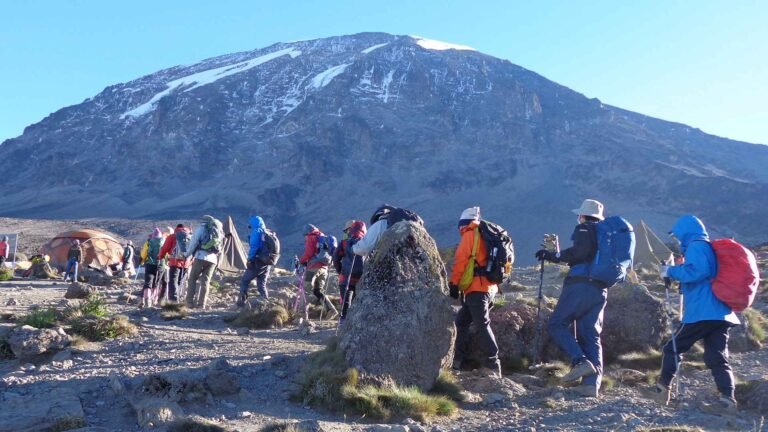
How Much Does A Private Kilimanjaro Climb Cost In ? 2026-2027
Planning a private ascent of Mount Kilimanjaro? Understand the factors that influence the cost of a private climb, typical price ranges for 2026-2027, and what's usually included to help...
View package details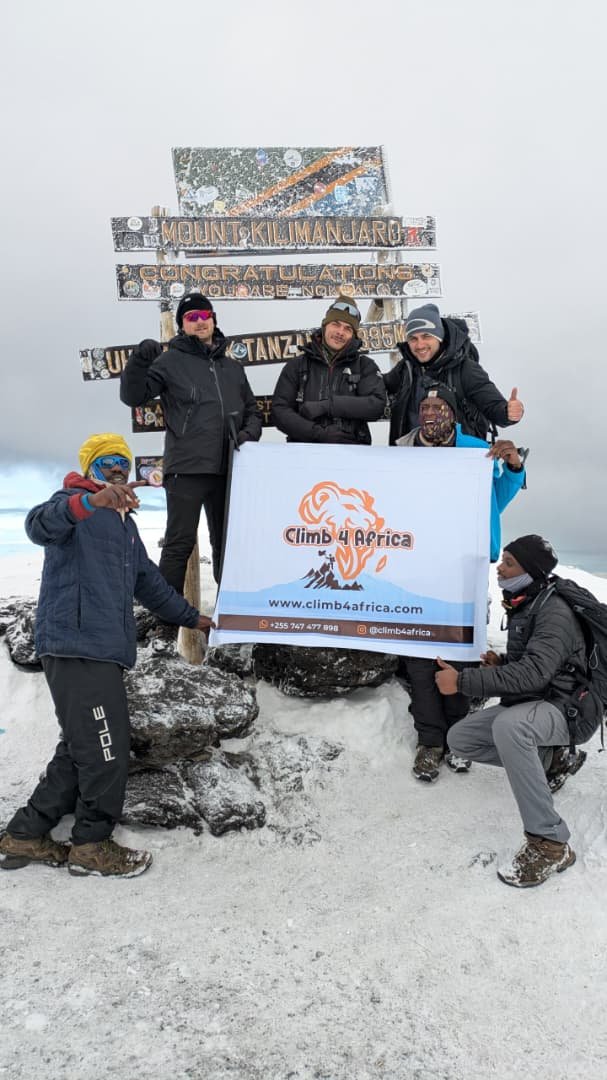
How Much Does It Cost To Rent Kilimanjaro Gear In ? 2026-2027
Renting Kilimanjaro gear for your 2026-2027 expedition typically costs between $150 to $350 USD per person for a full set of essentials. This guide breaks down individual item costs, rental...
View package details
How Much Does It Cost To Climb Kilimanjaro Per Person? 2026-2027
How much does it cost to climb Kilimanjaro per person? is explained with current 2026-2027 planning, price, itinerary and booking information.
View package detailsDoes Kilimanjaro Cost More During Peak Season? Understanding Pricing 2026-2027
Climbing Mount Kilimanjaro involves varying costs, with peak season dates significantly impacting the overall price. This guide details why and when costs rise, helping you plan your...
View package details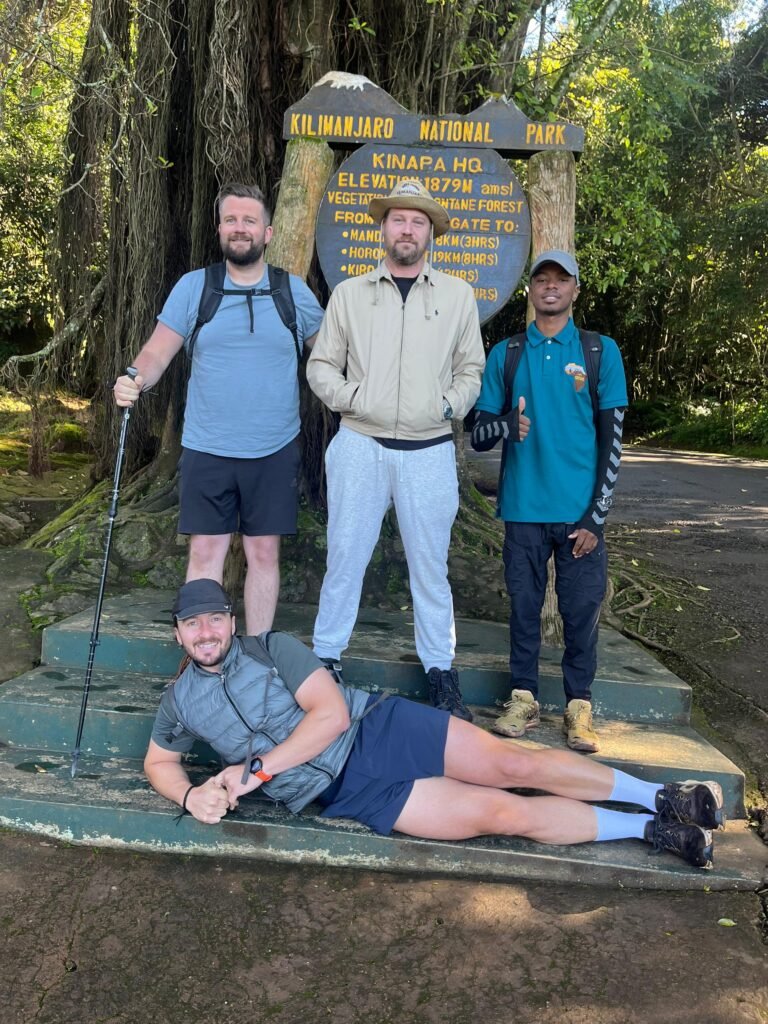
Are Porters Included In Kilimanjaro Package Costs? A Climb 4 Africa Guide
Understand the critical role of porters on Kilimanjaro and whether they are typically included in tour package costs. This guide from Climb 4 Africa provides essential details for planning...
View package details
How Much Deposit Is Required To Book Kilimanjaro? 2026-2027
Planning your Kilimanjaro climb? This guide details the deposit required to book your trek, covering typical percentages, payment schedules, and what factors influence the deposit amount...
View package details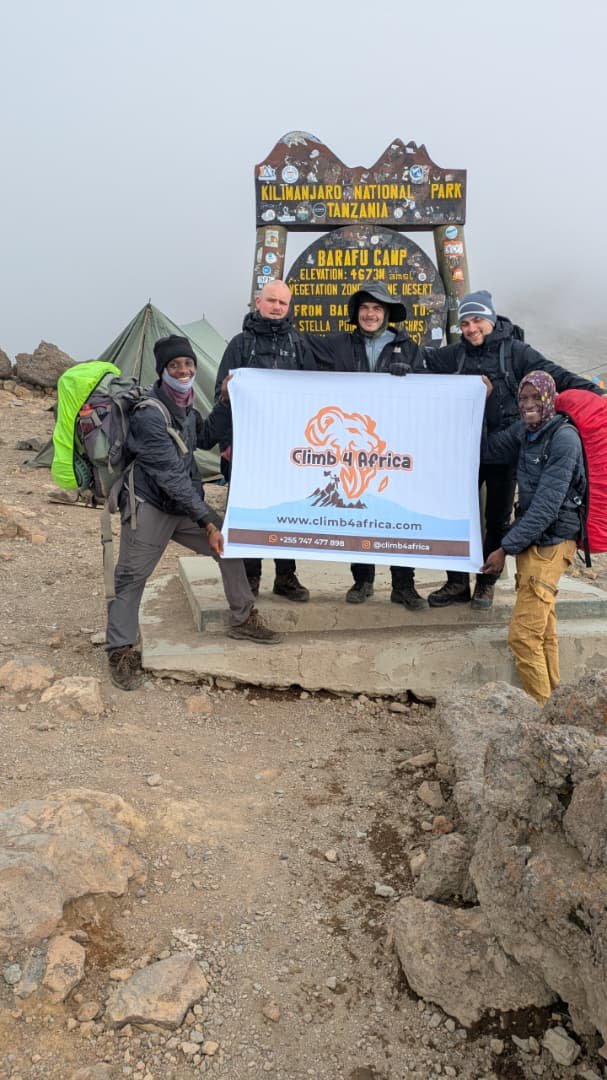
How Much Should I Tip My Kilimanjaro Crew In ? 2026-2027
Understand the essential tipping guidelines for your Kilimanjaro expedition. This guide provides clear recommendations for tipping your dedicated crew, ensuring fair compensation and...
View package details
Does The Kilimanjaro Price Include Tips? Understanding Porter & Guide
Climbing Mount Kilimanjaro is a dream for many, but understanding the full cost, including essential tips for your support crew, is crucial for proper budgeting. This guide clarifies...
View package details
Does The Kilimanjaro Price Include Climbing Equipment? Your Guide 2026-2027
Your Kilimanjaro climb price may or may not include all essential climbing equipment. Understanding what's provided versus what you need to source yourself is crucial for a successful and...
View package detailsDoes The Kilimanjaro Price Include Meals? A Comprehensive Guide For Climbers
Climbers often ask if the price of a Kilimanjaro trek covers meals. This guide details what to expect, focusing on inclusions and exclusions to help you plan your 2026-2027 expedition.
View package detailsNo related package matches those filters. Clear one or more filters to see the other topic-matched options.



