
The cost of a private Kilimanjaro climb typically ranges from $2,500 to $5,000+ per person for a standard 7-day trek, depending heavily on the route chosen, the operator’s service level, group size, and the specific inclusions for 2026-2027. A private climb offers more flexibility and personalized service compared to a group climb, which is reflected in the price.
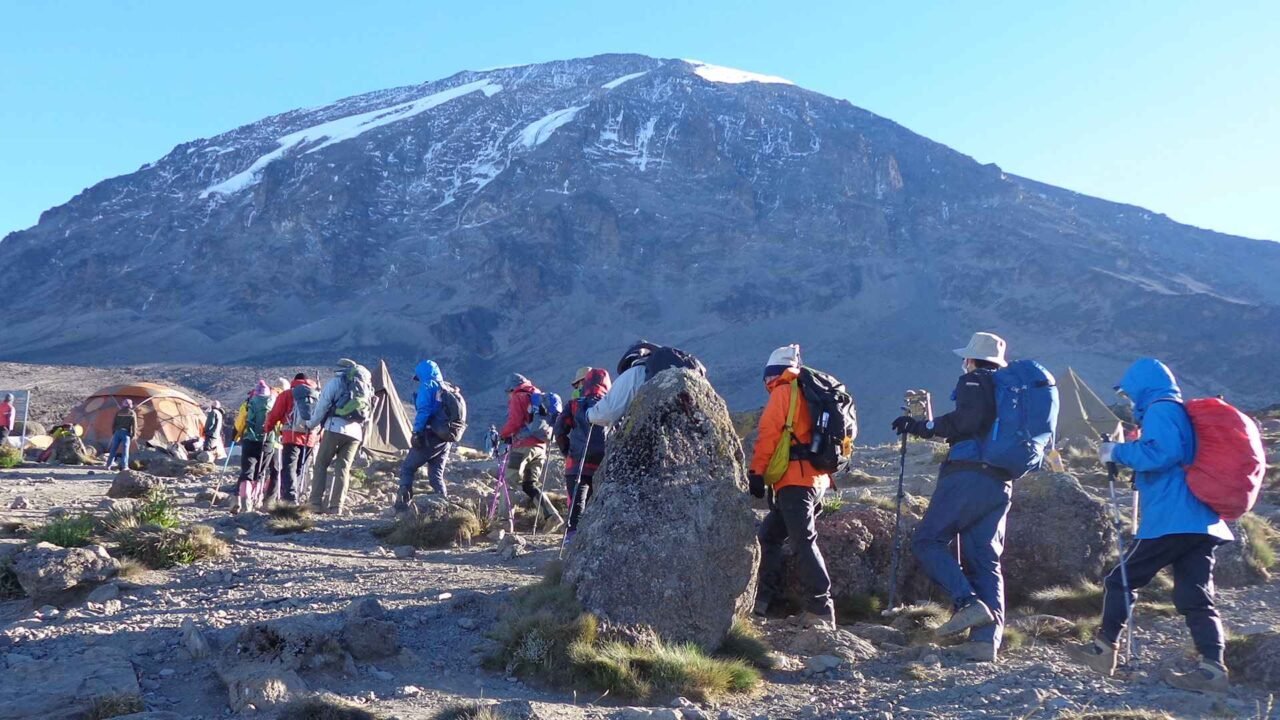
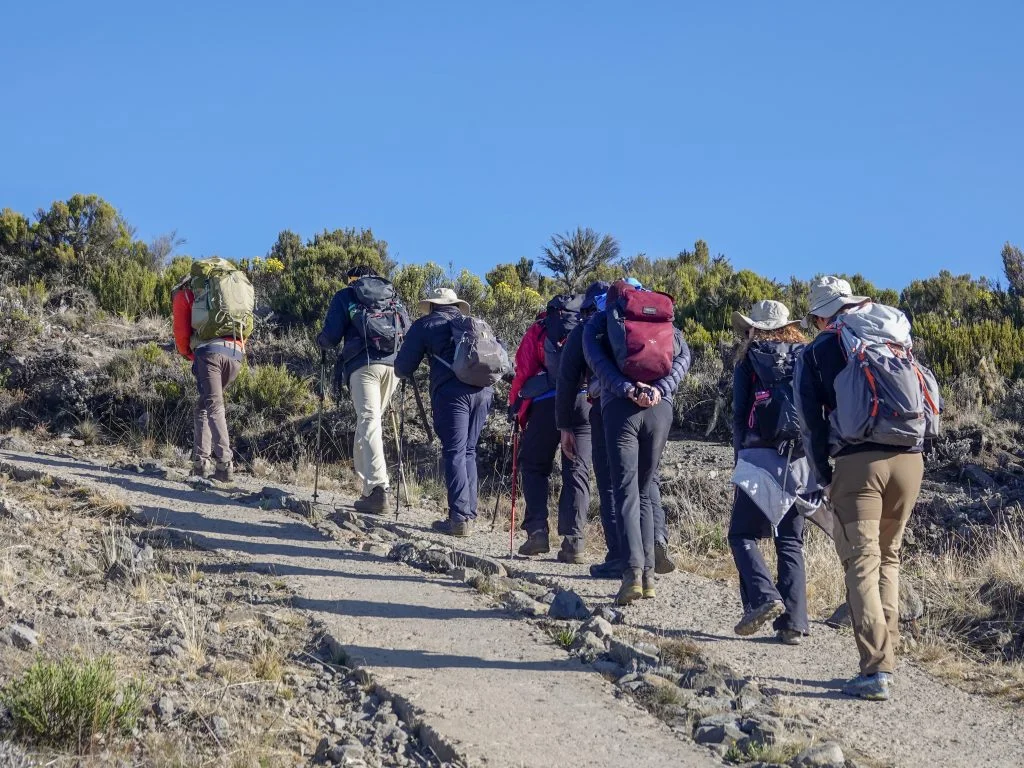

Understanding the Investment: What Drives the Price of a Private Kilimanjaro Climb?
The decision to undertake a private climb of Mount Kilimanjaro is often driven by a desire for a more exclusive, flexible, and personalized experience. This usually translates into a higher price point compared to joining a pre-scheduled group trek. When asking “How much does a private Kilimanjaro climb cost?”, it’s crucial to understand that this figure is not static. Numerous variables contribute to the final price, and savvy trekkers in 2026 and 2027 will want to dissect these components to ensure they are getting value for their investment.
At Climb 4 Africa, we believe in transparent pricing. While exact quotes are best provided for specific itineraries, understanding the cost breakdown is key to planning your adventure. The price you pay for a private Kilimanjaro climb is a reflection of the comprehensive support, safety measures, and quality of experience provided by a reputable operator.
Route Selection: The Foundation of Your Cost
Kilimanjaro offers several distinct routes, each with its own characteristics, scenic beauty, and, importantly, cost implications. The route you choose significantly impacts the overall price of your private climb.
- Marangu Route (Coca-Cola Route): Often the most budget-friendly, primarily due to its shorter duration (5-6 days) and the availability of basic dormitory-style accommodation in huts. However, its rapid ascent profile means lower acclimatization rates, making it less recommended for first-time climbers. A private Marangu climb might start around $2,000-$2,800 per person for 5 days.
- Machame Route (Whiskey Route): Arguably the most popular route, known for its scenic beauty and excellent acclimatization profile. It typically takes 6-7 days. As a private climb, expect costs in the range of $2,500-$3,500 per person for a 7-day trek.
- Lemosho Route: This route is highly regarded for its stunning scenery and superior acclimatization, often taking 7-8 days. It’s generally more expensive due to its longer duration and remote starting point, with private climbs often falling between $2,800-$4,000 per person for 8 days.
- Shira Route: Similar to Lemosho in acclimatization and scenery, but starts at a higher altitude. It’s also a longer route, typically 7-8 days, and costs are comparable to Lemosho, perhaps slightly higher due to the challenging start. Expect $2,900-$4,200 per person for an 8-day private trek.
- Rongai Route: This route approaches from the north, offering a different perspective and often drier conditions. It’s a good option for acclimatization and usually takes 6-7 days. Private climbs can range from $2,600-$3,800 per person for 7 days.
- Northern Circuit: The longest and most comprehensive route, offering the best acclimatization and highest success rates. It typically takes 9-10 days. Due to its duration and extensive support required, it is often the most expensive private option, ranging from $3,500-$5,000+ per person for 9 days.
- Umbwe Route: The shortest, steepest, and most challenging route. While not commonly chosen for private climbs due to its difficulty, if undertaken privately, the cost would be comparable to other shorter routes, but with a higher emphasis on experienced guides and robust support, potentially pushing it towards the higher end of the 6-day cost range.
These figures are indicative for 2026-2027 and represent a mid-range to high-quality private service. Shorter treks will naturally be less expensive than longer ones, not just due to fewer days on the mountain but also fewer park fees and less crew required.
Duration of the Trek: More Days, More Dollars
As seen above, the length of your chosen route directly correlates with the cost. Longer treks, such as the Northern Circuit (9-10 days) or Lemosho/Shira (7-8 days), require more days of park entry fees, more food, more fuel, and more staff (guides, porters, cooks) for a longer period. This extended operational requirement is a significant factor in the overall price of a private Kilimanjaro climb.
For example, a 7-day Machame climb will generally cost more than a 5-day Marangu climb, even if they are with the same operator and offer similar service levels. Planning for 2026 or 2027, consider that booking a longer, more gradual ascent like the 8-day Lemosho or 9-day Northern Circuit significantly increases your acclimatization and, therefore, your chances of reaching the summit, justifying the higher cost for many trekkers.
Operator Service Level and Inclusions: The Core Value
This is perhaps the most significant differentiator in private Kilimanjaro climb costs. Operators range from basic providers who cut costs to the bone, to premium companies offering unparalleled support and comfort. When comparing prices for a private Kilimanjaro climb, scrutinize what is included.
Key Inclusions that Affect Price:
- Quality of Guides: Experienced, certified guides with excellent safety records and knowledge of altitude sickness are non-negotiable. Higher-paid, more experienced guides contribute to a higher cost.
- Porter Support: The number of porters assigned per trekker. Ethical operators ensure porters are well-equipped and not overloaded, which might mean more porters for the group, increasing costs.
- Accommodation: While on the mountain, this refers to the quality of tents, sleeping mats, and dining tents. Higher quality, more spacious tents and well-equipped mess tents add to the price.
- Food: The quality, variety, and quantity of meals prepared by your cook. Gourmet meals prepared with fresh ingredients cost more than basic fare.
- Equipment: High-quality, waterproof tents, sturdy mess tents, tables, chairs, and cooking equipment are essential.
- Safety Equipment: Oxygen cylinders, comprehensive first-aid kits, and communication devices (satellite phones or radios) are vital and add to operational costs.
- Park Fees: These are standard for all operators and are usually included in the package price. However, the duration of your trek dictates the total park fees.
- Crew Welfare: Fair wages, adequate food, and proper gear for guides and porters are ethical standards that reputable companies adhere to. This commitment to fair treatment increases operational costs but ensures a better experience for everyone.
- Accommodation Before/After Trek: Some packages include pre- or post-trek accommodation in a hotel in Moshi or Arusha, adding to the overall value and cost.
- Transfers: Airport transfers and transfers to/from the mountain gate are often included.
Operators who offer a more luxurious experience might include items like portable flushing toilets, hot showers (on lower camps), or even more comfortable sleeping arrangements, all of which command a higher price for your private Kilimanjaro climb.
Group Size: The “Private” Premium
The very nature of a “private” climb means you are not sharing costs with other trekkers. While the operational costs (guide salaries, park fees per day, etc.) might be somewhat fixed, the price per person is higher because you are not splitting these costs. For a group of 2-4 people, the cost per person for a private climb might be slightly lower than for a solo trekker, but it will always be higher than the per-person cost of joining a larger group trek.
For instance, a private 7-day Machame climb for two people might cost $2,800 per person, while a solo private climb for the same itinerary could be $3,500 per person. This premium covers the exclusivity and flexibility that a private climb offers.
Time of Year: Peak vs. Shoulder Seasons
Kilimanjaro has distinct seasons, and climbing during peak season generally does not significantly alter the price of a private climb with reputable operators, as park fees and crew costs remain constant. However, some operators might have slight adjustments, or availability might be tighter during peak times (January-March, June-October).
Shoulder seasons (April-May, November-December) might see slightly lower demand, but the core costs for a private Kilimanjaro climb remain largely the same. The critical factor is ensuring your chosen operator has availability for your desired dates in 2026 or 2027.
Typical Cost Breakdown for a Private Kilimanjaro Climb (2026-2027)
To give you a clearer picture of how much a private Kilimanjaro climb costs, let’s break down the components that make up the total price. These are approximate figures for a mid-range to high-quality operator for a 7-day trek like Machame or Lemosho.
Estimated Cost Components (Per Person for 7-Day Trek)
- Park Fees (Kilimanjaro National Park): Approximately $70-$100 per day. For a 7-day trek, this is around $490-$700. These fees are standard and mandatory.
- Crew Wages (Guides, Porters, Cook): This is a significant portion. For a private climb, ensuring fair wages for a dedicated team can range from $500-$1000+ per person for the duration of the trek. Ethical operators pay above minimums.
- Food and Supplies: High-quality meals, snacks, and purified water cost around $30-$50 per day per person, totaling $210-$350 for 7 days.
- Equipment and Logistics: Tents, cooking gear, fuel, transport to/from the gate, and emergency equipment. This is harder to itemize per person but can be estimated at $300-$600 for the trek.
- Operator’s Margin and Overhead: This covers office costs, marketing, insurance, training, and profit. Typically 20-30% of the total cost.
- Pre/Post Trek Accommodation & Transfers: If included, this adds another $100-$300.
Total Estimated Range (Mid-Range to High-Quality Private Climb): $2,500 – $4,000 per person
Note: Budget operators might offer lower prices but often compromise on safety, crew welfare, or quality. Luxury operators could charge $5,000+ per person for enhanced services and amenities.
What is Typically Included in a Private Kilimanjaro Climb Package?
Reputable operators like Climb 4 Africa aim to provide a comprehensive package for your private Kilimanjaro climb. Always verify the specifics with your chosen operator, but a standard high-quality private package usually covers:
- All park fees (entry, rescue, crater service if applicable, camping/hut fees)
- Professional, experienced, and licensed guides (typically a lead guide and assistant guides depending on group size)
- Sufficient porters to carry all group gear (tents, food, cooking equipment)
- All necessary camping equipment (tents, mess tent, tables, chairs, cooking gear)
- Nutritious and high-quality meals and purified drinking water throughout the trek
- Campsite/hut accommodation on the mountain
- Portable oxygen cylinders for emergency use
- Comprehensive first-aid kit
- Temporary accommodations in Moshi/Arusha before and after the climb (often 1-2 nights)
- All transfers to and from Kilimanjaro National Park gates and airport
- Wages, food, and proper gear for guides and porters
What is Typically Excluded?
Understanding exclusions is just as vital as knowing inclusions when calculating the total cost of your private Kilimanjaro climb.
- International Flights: Flights to and from Kilimanjaro International Airport (JRO).
- Visa Fees: If required for entry into Tanzania.
- Travel Insurance: Comprehensive travel and medical evacuation insurance is mandatory.
- Personal Gear: Sleeping bag, trekking poles, warm clothing, waterproofs, headlamp, etc.
- Tips for Guides and Porters: This is a customary and significant part of the crew’s income. Budget around $250-$400 per trekker for a 7-day climb.
- Lunches, Dinners, and Drinks in Hotels: Unless specified, meals in hotels before/after the climb are usually not included.
- Personal Expenses: Souvenirs, laundry, alcoholic beverages, etc.
- Optional Crater Rim Supplement: For certain routes like Barafu Camp on Machame, accessing the crater rim requires an additional fee.
- Gratuity for Hotel Staff: If applicable.
Factors That Can Increase the Cost of Your Private Climb
While the baseline cost is influenced by the factors above, certain choices or circumstances can push the price of your private Kilimanjaro climb higher:
- Solo Trekker: As mentioned, a solo private climb carries a significant premium compared to a two-person or larger private group.
- Luxury Services: Opting for a high-end operator that provides superior accommodation (e.g., larger tents, better amenities), gourmet dining, or even on-mountain showers will increase costs.
- Shorter or Longer Durations than Standard: While standard routes have typical durations, custom itineraries or very short (not recommended) or unusually long treks will alter costs.
- Specific Route Add-ons: Some operators might charge extra for specific routes like the Northern Circuit due to their extended nature and higher logistical demands.
- Crater Tour: While often included in longer routes or as an add-on, the fee for accessing the crater rim itself is an additional cost for some routes.
- Higher Quality of Food: Requesting specific dietary needs or a higher standard of cuisine can sometimes incur extra charges.
- Additional Porter Support: If you opt for more porters than standard for comfort (e.g., carrying more personal items), this will increase the cost.
- Emergency Oxygen: While standard on quality climbs, some operators might offer more advanced oxygen systems or more units, potentially at an added cost.
How to Get the Best Value for Your Private Kilimanjaro Climb in 2026-2027
Maximizing value doesn’t always mean finding the cheapest option. It means finding the best quality, safety, and support for your budget. Here’s how to approach it for your 2026 or 2027 climb:
- Prioritize Safety and Experience: Never compromise on safety for cost. Look for operators with a strong safety record, experienced guides trained in altitude sickness management, and proper emergency protocols. This is paramount for any private Kilimanjaro climb.
- Research Operators Thoroughly: Read reviews on independent platforms like TripAdvisor. Look for companies that are transparent about their pricing, inclusions, and crew welfare policies. Climb 4 Africa is proud of our transparent approach and positive client feedback.
- Ask Detailed Questions: Don’t hesitate to ask potential operators about their guide-to-client ratios, porter policies, emergency procedures, and the quality of their equipment. A good operator will be happy to provide this information.
- Compare Inclusions Carefully: A lower price might seem attractive, but if key items like park fees, meals, or adequate crew support are excluded, the final cost could be higher than a more inclusive quote.
- Consider the Route and Duration: Choose a route that balances your desire for scenery, acclimatization, and budget. Longer routes generally offer higher success rates and a more rewarding experience, justifying a higher cost for your private Kilimanjaro climb.
- Book in Advance: Especially for 2026 and 2027, booking well in advance is advisable, particularly if you have specific dates or a preferred route. This ensures availability and allows for better planning.
- Understand the “Private” Premium: Recognize that a private climb is an investment in exclusivity and flexibility. The cost per person will be higher than group treks, but the benefits can be substantial.
Comparing Private vs. Group Climbs: Is Private Worth the Extra Cost?
The question of “How much does a private Kilimanjaro climb cost?” is often followed by “Is it worth the difference?” Here’s a comparison to help you decide:
Private Kilimanjaro Climb Advantages:
- Flexibility: Set your own pace, decide on breaks, and have more control over the daily schedule.
- Personalized Attention: Your guides and crew are dedicated solely to your group, offering more individual care.
- Exclusivity: Enjoy the mountain with your own party, without the dynamics of a larger group.
- Ideal for Specific Groups: Perfect for families, friends celebrating an occasion, or those with specific fitness levels or time constraints.
Group Kilimanjaro Climb Advantages:
- Cost Savings: The primary benefit is sharing operational costs among more people, making it more affordable.
- Social Aspect: Opportunity to meet and trek with like-minded individuals from around the world.
- Established Itineraries: Group departures often follow well-tested itineraries with fixed dates.
For many, the enhanced experience, control, and personalized service of a private Kilimanjaro climb justify the additional investment, especially for significant milestones or when traveling with a specific group dynamic in mind. For 2026-2027, securing a private climb means locking in your preferred dates and team.
Booking Your Private Kilimanjaro Climb for 2026-2027
When you’re ready to plan your private Kilimanjaro climb, choosing the right partner is essential. Climb 4 Africa specializes in creating unforgettable Kilimanjaro experiences with a strong emphasis on safety, sustainability, and client satisfaction. We understand the nuances of Kilimanjaro trekking and are dedicated to providing exceptional value for your investment.
To get a precise quote for your private Kilimanjaro climb in 2026 or 2027, we recommend contacting us directly. We can discuss your preferred dates, route, group size, and any special requirements you might have. Our team will then tailor a proposal that outlines all inclusions, exclusions, and the total cost, ensuring you have a clear understanding of your investment.
Consider these steps when booking:
- Define Your Ideal Trek: Choose your preferred route, duration, and travel dates for 2026 or 2027.
- Contact Climb 4 Africa: Reach out via email at climb4africa@gmail.com or WhatsApp at +255 747 477 898.
- Receive a Custom Quote: We’ll provide a detailed itinerary and pricing based on your specifications.
- Review and Confirm: Carefully review the inclusions and terms.
- Book Your Adventure: Secure your spot with a deposit.
Investing in a private Kilimanjaro climb is an investment in a truly personal and memorable journey to the Roof of Africa. By understanding the cost factors and choosing a reputable operator, you can ensure an incredible adventure in 2026-2027 that meets your expectations and budget.
Frequently Asked Questions About Private Kilimanjaro Climb Costs
Is a private Kilimanjaro climb significantly more expensive than a group climb?
Yes, a private Kilimanjaro climb is generally more expensive per person than joining a scheduled group departure. This is because the operational costs (park fees, guide salaries, crew support, logistics) are spread across fewer individuals. The premium covers the exclusivity, flexibility, and personalized service that a private climb offers.
What is the cheapest way to climb Kilimanjaro privately?
The cheapest private Kilimanjaro climb will typically involve choosing the shortest route (like Marangu over 5 days), selecting a budget-conscious operator (with caution regarding safety and ethical standards), and having a larger private group (e.g., 4-6 people) to help distribute costs. However, “cheap” should not be the primary driver; value, safety, and quality of experience are more important for a successful climb.
Are park fees included in the cost of a private Kilimanjaro climb?
Reputable operators, including Climb 4 Africa, almost always include all mandatory Kilimanjaro National Park fees in their quoted price for a private climb. These fees are substantial and cover entry, camping/hut, rescue, and government taxes. Always confirm this inclusion in your quote.
How much should I budget for tips on a private Kilimanjaro climb?
Tipping is a significant part of the income for guides and porters. For a private Kilimanjaro climb, a good guideline is to budget between $250 to $400 per trekker for a 7-day climb, distributed among the lead guide, assistant guides, cook, and porters. Your tour operator will usually provide recommended tipping guidelines.
Can I negotiate the price of a private Kilimanjaro climb?
While some flexibility might exist, especially for larger private groups or during off-peak seasons, significant negotiation is uncommon with reputable, ethically-run operators. Their pricing reflects the true cost of providing a safe, high-quality, and sustainable climbing experience. Focus on value and what’s included rather than solely on price reduction.
What are the key differences in cost between 2026 and 2027 private climbs?
Generally, there isn’t a significant difference in base cost between climbing in 2026 versus 2027, assuming similar economic conditions and park fee structures. However, booking earlier for either year is recommended to secure preferred dates and potentially avoid any unforeseen price adjustments that might occur closer to the season. Availability for private climbs can also be more limited the closer you get to your desired travel dates.
Does the number of guides for a private climb affect the cost?
Yes, the number of guides is factored into the cost. For a private climb, operators ensure adequate guide-to-client ratios for safety and support. As the group size increases (even for a private group), more assistant guides may be required, which will be reflected in the per-person cost. However, a larger private group generally results in a lower per-person cost compared to a solo private climb.
What additional costs should I consider beyond the quoted price for a private Kilimanjaro climb?
Beyond the quoted price, you must budget for international flights, visa fees, travel insurance (mandatory), personal trekking gear, tips for the crew, personal expenses (souvenirs, drinks), and potentially pre/post-climb accommodation or meals if not explicitly included in your package. Always clarify what is and isn’t covered.
How does Climb 4 Africa ensure value for private Kilimanjaro climbs in 2026-2027?
Climb 4 Africa focuses on providing exceptional value by ensuring safety, employing experienced local guides and porters with fair wages, using high-quality equipment, offering nutritious meals, and providing comprehensive support throughout your journey. We believe that a well-supported and ethically operated climb is the best value, leading to higher success rates and a more positive experience for our clients planning their 2026-2027 adventures.
Are there any hidden fees associated with private Kilimanjaro climbs?
Reputable operators strive for transparency and aim to avoid hidden fees. However, it’s crucial to scrutinize your quote. Potential additional costs could arise from optional extras (like a crater tour if not included), unexpected medical needs, or changes to your itinerary mid-climb. Always confirm what is covered and what might incur extra charges with your operator.
Planning a private climb of Mount Kilimanjaro is a significant undertaking, and understanding the costs involved is a crucial step. For 2026 and 2027, clarity on pricing, inclusions, and operator standards is key. Climb 4 Africa is committed to offering transparent, competitive pricing for private Kilimanjaro climbs that prioritize your safety, comfort, and success. For a personalized quote and to discuss your dream climb, please reach out to us via email or WhatsApp at +255 747 477 898.
Check Availability for How Much Does A Private Kilimanjaro Climb Cost In ? 2026-2027
Ready to compare dates, prices, and the best option for your group? Send the package name and travel month so the team can reply with a clear quote, availability, and what is included.

Private Kilimanjaro & Serengeti Safari Cost Per Person | Climb 4 Africa
Planning a private Kilimanjaro and Serengeti safari is a significant investment. This guide details the estimated cost per person for 2026-2027, breaking down the factors that influence...
View package details
How Much Does An 8-Day Kilimanjaro Climb Cost? A Guide 2026-2027
Planning an 8-day Kilimanjaro climb in 2026 or 2027? This comprehensive guide breaks down the expected costs, explaining what influences the price and what you get for your money. Learn...
View package details
How Much Does It Cost To Climb Kilimanjaro Per Person? 2026-2027
How much does it cost to climb Kilimanjaro per person? is explained with current 2026-2027 planning, price, itinerary and booking information.
View package detailsKilimanjaro Group Climb Vs Solo Private Trek: Which Is Cheaper? 2026-2027
Kilimanjaro Group Climb vs Solo Private Trek: Which Is Cheaper? is explained with current 2026-2027 planning, price, itinerary and booking information.
View package details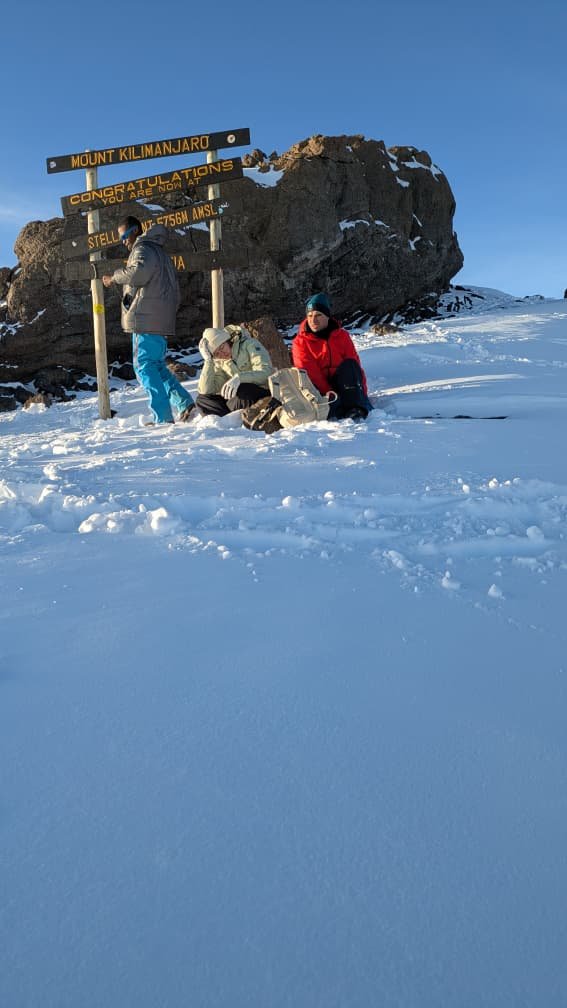
Private Kilimanjaro Day Hike Cost Per Person : What To Expect 2026-2027
Planning a private Kilimanjaro day hike? Understand the cost per person for 2026-2027, factoring in route, duration, inclusions, and operator differences. Get a clear picture of your...
View package details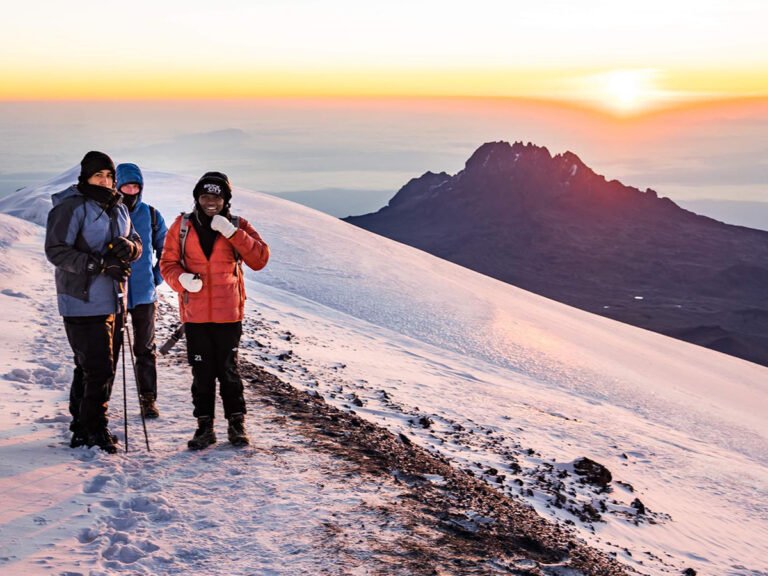
Private Northern Circuit Cost: Price Per Person For Your Kilimanjaro Adventure
Discover the factors influencing the price per person for a private Northern Circuit climb on Kilimanjaro. This guide details costs for 2026-2027, inclusions, and how to get a tailored...
View package details
Private Rongai Route Cost & Price Per Person For Climbs 2026-2027
Planning a private climb up Kilimanjaro via the Rongai Route in 2026 or 2027? This guide breaks down the private Rongai Route cost per person, detailing what influences the price, what's...
View package details
How Much Does Kilimanjaro Cost For Two People? A Guide 2026-2027
Planning a Kilimanjaro climb for two? This guide breaks down the costs for 2026-2027, covering route variations, essential inclusions, and factors that influence the final price for a...
View package details
How Much Does It Cost To Rent Kilimanjaro Gear In ? 2026-2027
Renting Kilimanjaro gear for your 2026-2027 expedition typically costs between $150 to $350 USD per person for a full set of essentials. This guide breaks down individual item costs, rental...
View package details
Is A Private Toilet Included In The Kilimanjaro Price? 2026-2027
Discover whether a private toilet is a standard inclusion in Kilimanjaro climbing package prices, the variations across routes and operators, and how Climb 4 Africa prioritizes your comfort...
View package details
Are Porters Included In Kilimanjaro Package Costs? A Climb 4 Africa Guide
Understand the critical role of porters on Kilimanjaro and whether they are typically included in tour package costs. This guide from Climb 4 Africa provides essential details for planning...
View package details
Does The Kilimanjaro Price Include Climbing Equipment? Your Guide 2026-2027
Your Kilimanjaro climb price may or may not include all essential climbing equipment. Understanding what's provided versus what you need to source yourself is crucial for a successful and...
View package detailsNo related package matches those filters. Clear one or more filters to see the other topic-matched options.



