
For a Kilimanjaro climb in 2026 or 2027, a general guideline for tipping your crew is approximately $250-$350 USD per climber for a 7-day trek, distributed among the guide, assistant guide, chef, and porters. This amount can vary based on the trek duration, the number of crew members, and the quality of service received. It’s crucial to tip each member of the crew individually based on their role and effort, rather than giving a lump sum to one person.
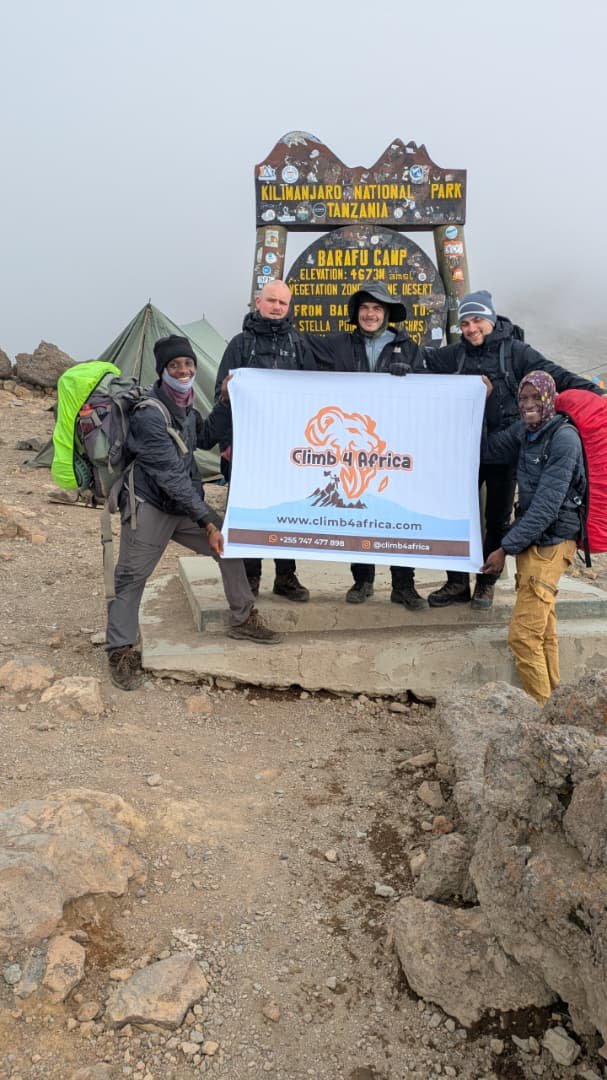

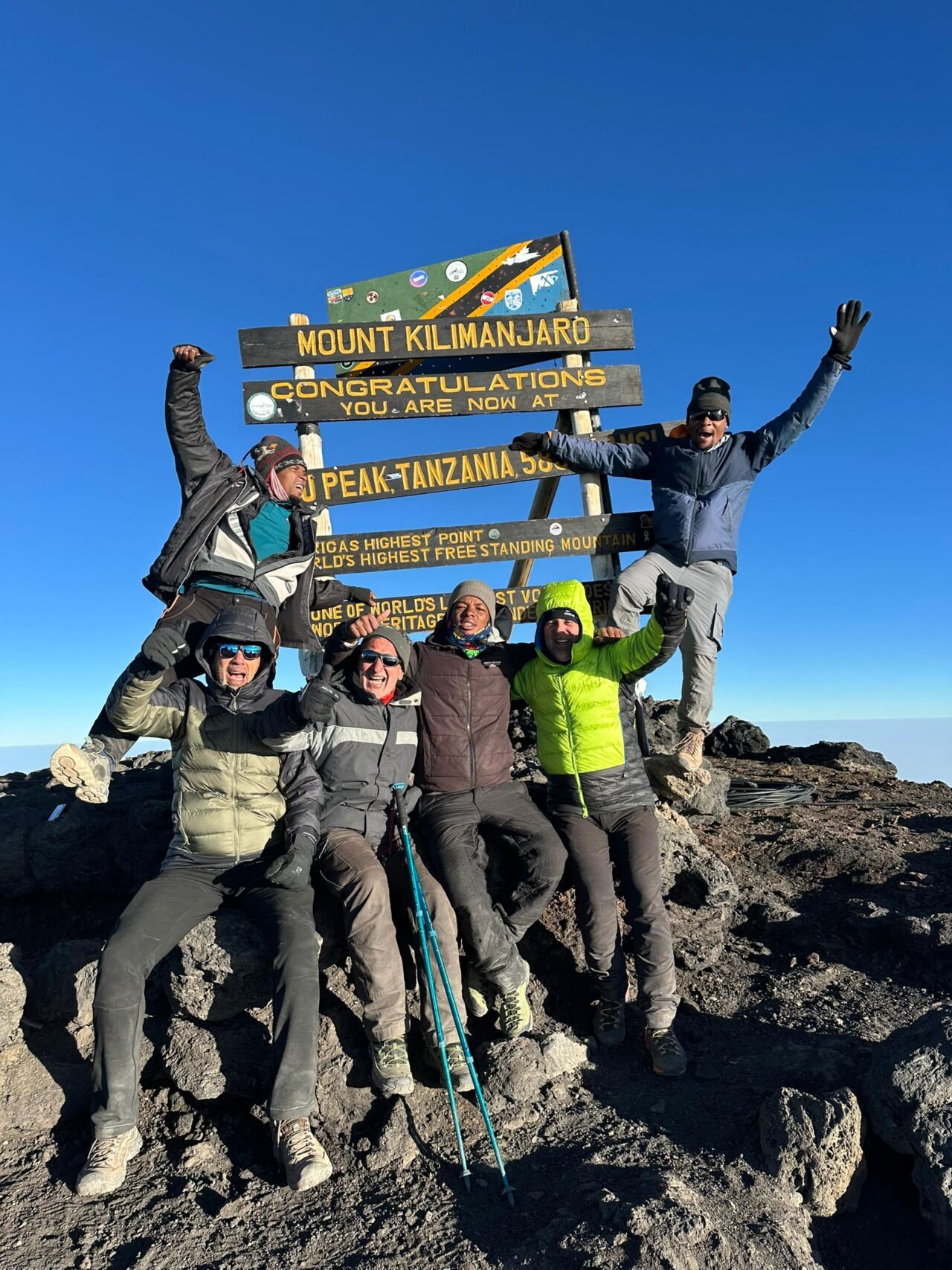
Understanding Kilimanjaro Crew Tipping: Why It Matters
Climbing Mount Kilimanjaro is an extraordinary adventure, and the success of your expedition hinges significantly on the dedication and expertise of your mountain crew. These individuals – guides, assistant guides, chefs, and porters – work tirelessly to ensure your safety, comfort, and enjoyment on Africa’s highest peak. In Tanzania, tipping is a customary and vital part of their income, reflecting appreciation for their demanding work. Understanding how much to tip your Kilimanjaro crew is not just about fulfilling an obligation; it’s about recognizing their contribution to your unforgettable experience and supporting the local economy.
As you plan your Kilimanjaro climb for 2026 or 2027, getting the tipping etiquette right is essential. This guide aims to demystify the process, offering clear, actionable advice based on industry standards and local practices. We’ll cover recommended amounts, how to distribute tips, and factors that might influence your decisions, ensuring you can express your gratitude appropriately and confidently.
Who Makes Up Your Kilimanjaro Crew?
Before discussing tips, it’s helpful to know who is part of your support team on the mountain. Each role is critical, and understanding their responsibilities helps in appreciating their efforts when deciding on gratuities.
- Lead Guide: The most experienced member, responsible for overall expedition management, route planning, safety, and decision-making. They ensure you adhere to safety protocols and manage the crew.
- Assistant Guide(s): Support the lead guide, often assigned to smaller groups of climbers to monitor their progress, health, and well-being closely. They are instrumental in maintaining a steady pace and providing encouragement.
- Chef: Prepares all meals on the mountain, often under challenging conditions. They are responsible for nutrition, hygiene, and providing delicious, energy-boosting food to keep you fueled.
- Porters: The backbone of the expedition. They carry all essential equipment, including tents, food, cooking gear, sleeping bags, and personal luggage (within weight limits). Their strength and endurance are paramount.
- Porter-Guide: In some cases, experienced porters might also act as assistant guides, offering additional support.
The number of crew members generally scales with the size of your group and the chosen route. For instance, a longer route like the Machame or Lemosho will typically require more porters than a shorter one, and a larger climbing group will necessitate more guides.
Recommended Tipping Amounts: General Guidelines for 2026-2027
Tipping on Kilimanjaro is usually done in USD, as it’s a widely accepted currency and often easier for the crew to manage. While tour operators often provide guidelines, these are considered minimums, and additional tips are welcome for exceptional service. The following figures are based on current industry standards and are projected to remain relevant for 2026 and 2027 climbs, though slight adjustments may occur. Always check with your operator for their most up-to-date recommendations.
Per Climber Per Day Recommendations:
Many operators suggest tipping amounts on a per-climber, per-day basis. This method helps to fairly distribute the tip based on the length of your trek. Here’s a common breakdown:
- Lead Guide: $20 – $25 USD per day
- Assistant Guide: $15 – $20 USD per day
- Chef: $15 – $20 USD per day
- Porters: $10 – $15 USD per day
To calculate a total tip for a specific trek duration, multiply these daily rates by the number of days on the mountain.
Total Trip Recommendation (for a 7-Day Trek):
For a standard 7-day Kilimanjaro climb, a good total tip per climber would typically fall within the range of $250 to $350 USD. This is a consolidated figure, and the breakdown per crew member is as follows:
Estimated Total Tips Per Climber for a 7-Day Trek (2026-2027)
| Crew Member | Recommended Total for 7 Days (USD) |
|---|---|
| Lead Guide | $140 – $175 |
| Assistant Guide | $105 – $140 |
| Chef | $105 – $140 |
| Porters (approx. 3-4 per climber) | $210 – $420 (for all porters, distributed amongst them) |
| Total Range Per Climber | $560 – $875+ |
Note: The above table shows individual roles. Many operators provide a consolidated guideline per climber, often suggesting a total pool of tips to be distributed. For a 7-day climb, this consolidated pool is frequently around $250-$350 USD per climber, which is then divided among the crew members as per the operator’s or the crew’s internal system.
It’s important to note that the porter tip calculation is often based on a collective pool. For example, if there are 3 porters for 2 climbers, the total tip for the porters is calculated, and then divided among them. The total range per climber can seem high, but it reflects the collective effort and the number of people involved in carrying gear and supporting the climb.
Factors Influencing Tipping Decisions
While general guidelines exist, several factors can influence the amount you choose to tip. Your decision should reflect your personal experience and budget.
- Quality of Service: Did your guides go above and beyond? Were they knowledgeable, safety-conscious, and encouraging? Did the chef prepare excellent meals? Were the porters efficient and cheerful? Exceptional service warrants higher tips.
- Trek Duration and Difficulty: Longer treks, such as the 8-day Lemosho or 9-day Northern Circuit, naturally require more tips due to the extended time on the mountain. More challenging routes might also warrant higher appreciation for the crew’s efforts.
- Group Size: While the per-climber rates are standard, if you are part of a larger group, the total tip pool will be substantial. Ensure fair distribution.
- Number of Crew Members: The number of porters can vary significantly. A common ratio is 1 porter for every 2 climbers, but this can be higher or lower depending on the operator and route. The total tip pool for porters is usually calculated based on the number of porters and the duration of the trek.
- Your Budget: While it’s important to tip fairly, your personal financial situation is also a consideration. Do your best to meet the recommended guidelines, but adjust within your means.
- Operator’s Recommendations: Always refer to the specific tipping guidelines provided by your tour operator (like Climb 4 Africa). They have on-the-ground knowledge and can offer the most accurate, up-to-date figures for 2026-2027.
How to Distribute Tips: The Process on Kilimanjaro
The tipping process typically occurs on the last day of the trek, at the base hotel or lodge after descending from the mountain. It’s generally done as a group, with the lead guide often facilitating the distribution, though some prefer to tip individuals directly. Here’s a recommended approach:
- Gather Your Tips: Prepare your tips in USD cash. It’s advisable to have smaller denominations available, especially for individual tips.
- Consult Your Operator: Before the climb, or at the briefing, ask your tour operator for their specific tipping recommendations and the expected crew structure (number of guides, chefs, porters).
- The Tipping Ceremony: On the final evening, the crew will often gather. This is when tips are traditionally presented. Your lead guide might announce the recommended tip amounts or facilitate the collection of a collective tip pool.
- Individual vs. Group Tipping:
- Group Pool: Many operators recommend pooling the tips for the porters and sometimes the guides and chefs. This pool is then divided amongst the crew according to their roles and the number of people in each category. This is often the simplest method.
- Individual Tipping: Some climbers prefer to tip each crew member directly. This allows for more personal acknowledgment of excellent service. If you choose this, ensure you have enough cash and are aware of who did what.
- Express Gratitude: Regardless of how you distribute the tips, take a moment to thank each crew member personally. A handshake and sincere words of appreciation go a long way.
- Receipts/Documentation: While not common, if you are tipping a large sum, you might want a simple acknowledgment, though this is rarely necessary for standard tips.
Crucial Tip: It is best to tip all crew members. Do not withhold tips from porters unless there was a serious issue with their service, as they are the lowest paid and rely heavily on gratuities. The guides and chefs are also integral to your success.
Tipping Specific Crew Roles: A Closer Look
To ensure fair compensation, it’s helpful to understand the recommended distribution for each role:
Tipping Your Kilimanjaro Guides (Lead and Assistant)
Guides are your primary point of contact for safety, navigation, and overall well-being. They make critical decisions regarding pace, acclimatization, and health. Therefore, they typically receive a larger portion of the tips.
- Lead Guide: Receives the highest tip due to their ultimate responsibility.
- Assistant Guide(s): Receive a slightly lower amount but still significant, as they are directly responsible for your group’s immediate needs.
For a 7-day trek, a Lead Guide might receive approximately $140-$175 USD in total, and an Assistant Guide around $105-$140 USD.
Tipping Your Kilimanjaro Chef
The chef’s role is vital for maintaining your energy levels. They work in challenging conditions to provide nourishing meals. Their tips are comparable to those of assistant guides.
- Chef: Ensures you are well-fed and hydrated throughout the trek.
For a 7-day trek, a Chef might receive approximately $105-$140 USD in total.
Tipping Your Kilimanjaro Porters
Porters carry the bulk of the gear, often in addition to their own personal equipment. Their physical strength and dedication are indispensable. Tipping porters is usually done as a collective sum, which is then divided among them.
- Porters: Essential for carrying tents, food, sleeping bags, and personal luggage.
The tipping amount for porters is usually calculated based on the number of porters and the duration of the climb. For a 7-day trek, the total tip pool for porters can range significantly, potentially from $210 to $420+ USD distributed among them. A common guideline is around $10-$15 USD per porter per day.
Example Calculation for Porters (7-Day Trek): If there are 15 porters on your climb, and the recommendation is $12 per porter per day, the total tip pool for porters would be 15 porters * $12/day * 7 days = $1260 USD. This amount is then divided equally among the 15 porters ($1260 / 15 = $84 per porter). This highlights why a large collective tip pool is necessary.
Important Consideration: Some operators may have a fixed ratio of porters per climber (e.g., 1:2 or 1:3). This ratio directly impacts the total number of porters and thus the total tip amount allocated for them. Always clarify this with your operator.
Tipping Etiquette and Best Practices
Beyond the monetary amounts, adhering to proper etiquette ensures your appreciation is conveyed effectively and respectfully.
- Cash is King: Always tip in USD cash. Ensure you have enough for the entire crew. ATMs are not available on the mountain, and credit cards are not accepted for tips.
- Sealed Envelopes: If you prefer individual tipping, consider writing a small note and placing the cash in a sealed envelope for each crew member. This adds a personal touch.
- Be Specific: If you’re tipping a group pool, ensure you understand how it will be divided. Some climbers prefer to give a portion individually to the lead guide and chef, and then contribute to a porter pool.
- Timing: Tipping usually happens on the final day at the base hotel. Do not attempt to tip on the mountain itself.
- No Pressure: While tipping is expected, you should never feel pressured into giving more than you are comfortable with. However, remember the significance of these tips to the crew’s livelihood.
- Communicate with Your Operator: If you have any doubts or questions about tipping, reach out to your tour operator well in advance of your climb.
A Note on Porter Welfare and the KPAP
Organizations like the Kilimanjaro Porters Assistance Project (KPAP) work to ensure fair wages and ethical treatment for porters. Reputable tour operators often partner with KPAP or follow similar ethical guidelines. Tipping according to the recommended rates helps support this fair treatment. When booking with a responsible operator for your 2026-2027 climb, inquire about their commitment to porter welfare.
What If Service Was Subpar?
While most Kilimanjaro crews are professional and dedicated, there might be rare instances where service doesn’t meet expectations. If you encounter issues:
- Address it Immediately: Speak to your lead guide or tour operator representative on the mountain about any concerns as they arise.
- Document Issues: Keep notes of specific incidents.
- Adjust Tips Accordingly: If there were significant service failures, you have the discretion to adjust your tip amount. However, it’s generally recommended to tip the porters regardless, as they are often not directly responsible for issues related to guiding or logistics.
- Provide Feedback: Discuss any dissatisfaction with your tour operator after the climb. This feedback is crucial for them to maintain service standards.
It is generally advised not to withhold tips entirely unless the situation was extremely serious and directly involved the crew’s conduct. The crew relies heavily on these gratuities, and withholding them should be a last resort after thorough consideration and consultation with your operator.
Tipping Beyond Kilimanjaro: Safari and Zanzibar
If your African adventure extends beyond Kilimanjaro to include a safari or a Zanzibar holiday, tipping practices will differ.
Safari Tipping
For safaris in Tanzania, tipping is also customary:
- Safari Driver-Guide: $20 – $30 USD per day, per group.
- Camp Staff (Cooks, Waiters): $10 – $15 USD per day, per group.
These amounts are typically given at the end of the safari.
Zanzibar Tipping
In Zanzibar, tipping is common in hotels, restaurants, and for tour guides:
- Hotel Staff: Small tips ($5-$10 USD) for good service (e.g., bellhops, housekeeping).
- Restaurant Staff: Around 10% of the bill for good service.
- Excursion Guides: $10-$20 USD per day for local guides on tours.
When planning your comprehensive Tanzanian travel experience with Climb 4 Africa, remember to budget for tips across all aspects of your trip, from the mountain to the plains and the islands.
Budgeting for Your Kilimanjaro Climb: Including Tips
When budgeting for your Kilimanjaro expedition in 2026 or 2027, it’s essential to factor in the cost of tips. They represent a significant portion of the overall expense, often adding 10-20% to the quoted tour price.
Budgeting Checklist for Kilimanjaro Tips (Per Person)
- Climb Duration: Determine the exact number of days on the mountain.
- Operator Guidelines: Obtain specific tipping recommendations from your operator (e.g., Climb 4 Africa).
- Crew Size: Understand the typical crew composition for your chosen route and group size.
- Per-Day Rates: Use the recommended daily rates for guides, chefs, and porters.
- Total Calculation: Multiply daily rates by the number of days and crew members (or use the operator’s consolidated per-person estimate).
- Contingency: Add a small buffer for exceptional service or unexpected needs.
- Cash Preparation: Plan to withdraw sufficient USD cash before arriving in Tanzania.
For a typical 7-day climb, budgeting around $300-$400 USD per person for tips is a safe estimate. For longer treks, this figure will increase proportionally. Always confirm the latest figures for 2026-2027 with your chosen tour operator.
The Importance of Fair Compensation for Kilimanjaro Crew
The guides, chefs, and porters who facilitate your Kilimanjaro climb are local Tanzanians who rely heavily on the tourism industry. Their work is physically demanding, often involving long hours, harsh weather conditions, and carrying heavy loads up steep terrain. The tips they receive form a substantial part of their annual income, enabling them to support their families and communities.
By providing fair and generous tips, you are not only showing gratitude for their service but also contributing directly to the well-being of these individuals and the local economy. Responsible tour operators like Climb 4 Africa are committed to fair wages and ethical treatment of their crews, and your tips are a vital complement to this commitment. Ensuring you understand how much to tip your Kilimanjaro crew is part of being a responsible and ethical trekker.
Frequently Asked Questions About Kilimanjaro Tipping
Here are some common questions climbers have about tipping their Kilimanjaro crew:
Should I tip in USD or Tanzanian Shillings?
It is standard practice and highly recommended to tip in US Dollars (USD). This is the currency most commonly used and preferred by the crew for tipping.
When is the best time to give the tips?
Tips are typically presented on the last day of the trek, usually at the base hotel or lodge after you have descended from the mountain and are celebrating your achievement.
Can I tip individual porters, or should it be a group tip?
Most operators recommend a collective tip pool for the porters, which is then distributed amongst them. Some climbers may choose to give a small personal token to a specific porter they felt went above and beyond, but the bulk should go into the shared pool.
What if my group is very small (e.g., only 2 people)?
Even with a small group, the number of crew members (especially porters) can be substantial. The per-person tipping guidelines still apply, ensuring that each crew member receives fair compensation relative to their effort and the duration of the climb.
Do I need to tip the park rangers?
No, you do not need to tip the park rangers. Their salaries are covered by park fees, and tipping is not part of their service structure.
What if I forget to bring enough cash for tips?
This is a common concern. It’s best to prepare your cash well in advance. If you find yourself short, contact your tour operator immediately. They may be able to assist, but it’s not guaranteed. Planning is key.
Are tips included in the tour price?
Generally, tips are not included in the initial tour price quoted by most operators. They are considered an additional expense that the climber is responsible for. Always clarify this with your operator.
How do I ensure my tips reach the right people?
The most reliable way is to follow your operator’s recommended tipping procedure. If they suggest a collective pool managed by the lead guide, trust that process. If you are tipping individuals, do so directly and respectfully.
Can I tip using my credit card?
No, credit cards are not accepted for tips on Kilimanjaro. All tips must be paid in cash (USD).
What if I want to tip extra for outstanding service?
Absolutely! If you feel a particular crew member, or the entire team, provided exceptional service, you are welcome to give an additional tip. This is a personal gesture of gratitude.
Planning Your 2026-2027 Kilimanjaro Climb with Climb 4 Africa
Choosing the right tour operator is the first step to a successful Kilimanjaro climb. At Climb 4 Africa, we pride ourselves on offering expertly guided expeditions with a strong focus on safety, client satisfaction, and ethical treatment of our mountain crew. We understand the importance of clear communication, especially regarding costs and expectations like tipping.
When you book your Kilimanjaro climb with us for 2026 or 2027, you’ll receive detailed pre-climb information, including specific tipping guidelines tailored to your itinerary and crew size. We work with highly trained guides, skilled chefs, and strong, experienced porters, ensuring you have the best possible support team.
We are committed to fair wages and conditions for our crew, and our tipping recommendations reflect this commitment. We aim to make your journey as smooth and rewarding as possible, from the moment you start planning until you stand on the Roof of Africa.
For personalized advice on planning your 2026-2027 Kilimanjaro adventure, including detailed discussions on costs and tipping, please do not hesitate to contact us. You can reach us via WhatsApp at +255 747 477 898 or by email at climb4africa@gmail.com. Let Climb 4 Africa help you achieve your dream of climbing Kilimanjaro!
Check Availability for How Much Should I Tip My Kilimanjaro Crew In ? 2026-2027
Ready to compare dates, prices, and the best option for your group? Send the package name and travel month so the team can reply with a clear quote, availability, and what is included.
How Much Should You Budget For Food, Drinks & Extras Before Kilimanjaro?
Planning your Kilimanjaro adventure involves understanding all associated costs, including those for food, drinks, and personal extras before and after your trek. This guide breaks down the...
View package details
How Much Cash Should You Bring For Kilimanjaro In ? 2026-2027
Determining the right amount of cash for your Kilimanjaro climb is crucial for a smooth experience. This guide breaks down what you'll need for tips, personal expenses, and emergencies...
View package details
How Early Should I Book Kilimanjaro For The Best Price? Planning 2026-2027
Planning a Kilimanjaro climb for 2026 or 2027? Learn the optimal booking window to secure the best prices and availability. This guide covers everything from early bird specials to...
View package details
How Much Does An 8-Day Kilimanjaro Climb Cost? A Guide 2026-2027
Planning an 8-day Kilimanjaro climb in 2026 or 2027? This comprehensive guide breaks down the expected costs, explaining what influences the price and what you get for your money. Learn...
View package details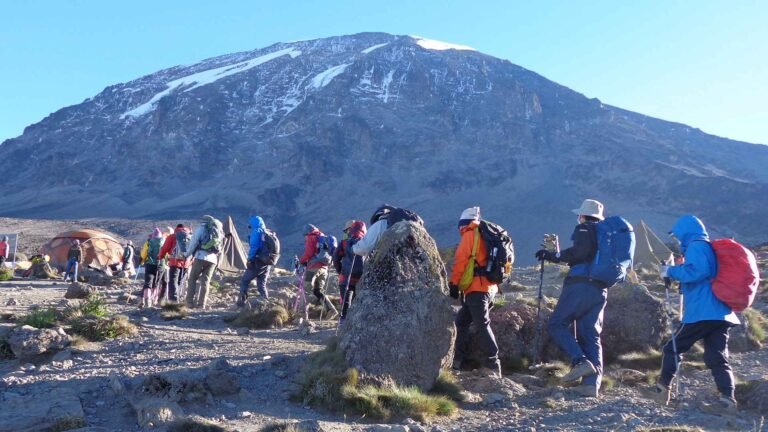
How Much Does Kilimanjaro Cost For A Family? 2026-2027
How much does Kilimanjaro cost for a family? is explained with current 2026-2027 planning, price, itinerary and booking information.
View package detailsHow Much Does Kilimanjaro Cost For Two People? A Guide 2026-2027
Planning a Kilimanjaro climb for two? This guide breaks down the costs for 2026-2027, covering route variations, essential inclusions, and factors that influence the final price for a...
View package detailsHow Much Does A Private Kilimanjaro Climb Cost In ? 2026-2027
Planning a private ascent of Mount Kilimanjaro? Understand the factors that influence the cost of a private climb, typical price ranges for 2026-2027, and what's usually included to help...
View package details
When Should I Pay The Kilimanjaro Balance? Your Payment Guide 2026-2027
Crucial information on when to pay your Kilimanjaro climb balance, covering deposit schedules, final payment deadlines, and factors influencing timing for your 2026-2027 adventure.
View package details
How Much Deposit Is Required To Book Kilimanjaro? 2026-2027
Planning your Kilimanjaro climb? This guide details the deposit required to book your trek, covering typical percentages, payment schedules, and what factors influence the deposit amount...
View package details
How Much Does It Cost To Rent Kilimanjaro Gear In ? 2026-2027
Renting Kilimanjaro gear for your 2026-2027 expedition typically costs between $150 to $350 USD per person for a full set of essentials. This guide breaks down individual item costs, rental...
View package detailsHow Much Are Kilimanjaro Park Fees For A 7-Day Climb In ? 2026-2027
Planning a 7-day Kilimanjaro climb in 2026 or 2027? This guide breaks down the essential park fees, understanding how they contribute to conservation and your trekking experience, and what...
View package details
How Much Does It Cost To Climb Kilimanjaro Per Person? 2026-2027
How much does it cost to climb Kilimanjaro per person? is explained with current 2026-2027 planning, price, itinerary and booking information.
View package detailsNo related package matches those filters. Clear one or more filters to see the other topic-matched options.



