
Typically, the standard price for a Kilimanjaro climb with reputable operators like Climb 4 Africa does not include personal climbing equipment such as boots, sleeping bags, or specialized clothing. While some operators might provide larger communal items like tents and cooking gear, essential personal gear is almost always the responsibility of the climber. Always confirm exact inclusions with your tour operator before booking your 2026 or 2027 expedition.


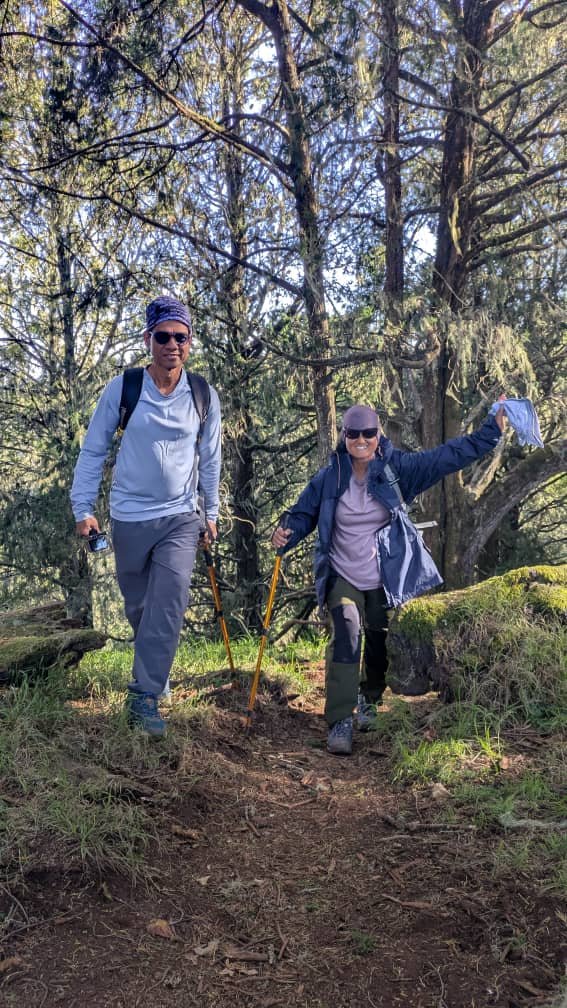
Understanding What Your Kilimanjaro Climb Price Covers: Equipment Essentials
When planning your adventure to the Roof of Africa, one of the most frequent questions that arises is about the Kilimanjaro price and what it encompasses, particularly concerning climbing equipment. It’s a vital detail that can significantly impact your budget and preparation for the trek. Most Kilimanjaro tour operators, including Climb 4 Africa, structure their pricing around services and logistical support, rather than supplying a comprehensive set of personal climbing gear. This approach allows for flexibility and ensures that trekkers use equipment that fits them perfectly and meets their personal comfort standards.
The Kilimanjaro price you pay generally covers the core elements of your expedition: park fees, conservation fees, rescue fees, experienced guides, porters, cooks, all meals during the trek, accommodation before and after the climb (often in Moshi or Arusha), transfers to and from the mountain, and a detailed briefing. However, the specialized clothing and gear needed to safely and comfortably ascend Kilimanjaro are usually considered personal items. This means that items like waterproof jackets, insulated trousers, thermal base layers, sturdy hiking boots, a warm sleeping bag, trekking poles, and a headlamp are typically not part of the standard package.
For trekkers planning their ascent in 2026 or 2027, it’s crucial to differentiate between shared expedition equipment and personal climbing gear. Shared equipment refers to items used by the entire group or provided by the guiding company for operational purposes. Personal equipment is what each individual climber must bring or rent.
Key Takeaway for 2026-2027 Trekkers:
The Kilimanjaro price is primarily for the service of climbing the mountain, not for the rental or provision of personal technical gear. Assume you will need to arrange your own boots, sleeping bag, and clothing unless explicitly stated otherwise by your operator.
Shared Expedition Equipment Provided by Operators
While personal gear is your responsibility, reputable operators provide essential communal and safety equipment that is integral to the success and safety of the expedition. These items are part of the Kilimanjaro price because they are necessary for the logistics and support structure of the climb. Understanding what is provided can help you avoid unnecessary purchases or rentals.
Tents
Climb 4 Africa and similar operators supply high-quality, four-season tents designed to withstand the challenging conditions on Kilimanjaro. This includes:
- Sleeping Tents: Two-person tents are standard, offering ample space for you and your gear. These are designed for durability and protection against wind and rain.
- Mess Tents: A separate dining tent is usually provided for meals, especially on longer routes or during inclement weather. This offers a comfortable space to eat and socialize.
- Toilet Tents: For added comfort, especially on less crowded routes or for private group climbs, a portable toilet tent might be provided, offering privacy for a chemical toilet.
Cooking and Dining Gear
The culinary experience on Kilimanjaro is supported by a dedicated team of cooks, and the necessary equipment is always included in the Kilimanjaro price:
- Stoves and Fuel: Professional mountaineering stoves and sufficient fuel are carried to prepare hot meals at high altitudes.
- Cookware: Pots, pans, and utensils for preparing meals are provided.
- Dining Utensils: While some prefer to use their own, operators typically provide plates, bowls, cups, and cutlery for communal use.
Safety and Navigation Equipment
Your safety is paramount. The guiding team carries essential safety and navigation tools:
- First-Aid Kits: Comprehensive medical kits are carried by lead guides, equipped to handle common altitude-related ailments and injuries.
- Oxygen Cylinders: For emergency use, particularly on higher routes or for clients who may experience severe altitude sickness, supplemental oxygen may be carried. This is a critical safety provision included in the Kilimanjaro price.
- Communication Devices: Guides are equipped with radios or satellite phones for communication with base operations and emergency services.
- Navigation Tools: While routes are well-trodden, guides use maps, compasses, and GPS devices for navigation and safety.
Personal Climbing Equipment: What You Need to Provide
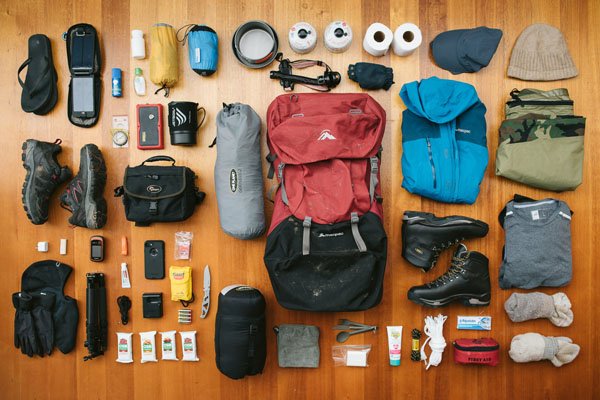
This is where the bulk of your preparation and potential expenditure lies. The Kilimanjaro price does not cover these items, and they are essential for your comfort, safety, and ability to complete the trek. Equipping yourself properly is a significant part of planning a 2026 or 2027 climb.
Footwear
Your feet are your most critical assets on Kilimanjaro. Invest in quality items:
- Hiking Boots: These are arguably the most important item. They must be waterproof, well-broken-in, and offer good ankle support. Mid-weight to heavy-weight hiking boots are recommended. Avoid brand-new boots on the trek itself.
- Camp Shoes/Sandals: Lightweight shoes or sandals to wear at the campsite after taking off your boots.
- Socks: Several pairs of wool or synthetic hiking socks. Avoid cotton. Liner socks can also help prevent blisters.
Clothing: Layering is Key
The temperature on Kilimanjaro can fluctuate dramatically, from warm at the base to freezing at the summit. A layering system is essential:
- Base Layers: Moisture-wicking thermal tops and bottoms (merino wool or synthetic). Bring at least two sets.
- Mid Layers: Insulating layers such as fleece jackets or down vests. A medium-weight fleece is standard.
- Outer Layer (Shell): Waterproof and windproof jacket and trousers. These should be breathable. A Gore-Tex or similar material is ideal.
- Insulation Layer: A heavy down jacket or parka is crucial for summit night and cold evenings at camp. This is often the warmest piece of clothing you’ll own.
- Trekking Trousers: Comfortable, quick-drying trousers, preferably water-resistant. Avoid jeans.
- Shirts: A mix of long-sleeved and short-sleeved moisture-wicking shirts for warmer sections.
Headwear and Handwear
Protection from the elements for your extremities is vital:
- Warm Hat: A fleece or wool hat that covers your ears.
- Sun Hat: A wide-brimmed hat for sun protection during the day.
- Balaclava or Buff: For protecting your face and neck from wind and cold, especially on summit night.
- Gloves: A pair of warm, waterproof outer gloves or mittens, and a pair of thinner liner gloves.
Sleeping Gear
Comfort during rest is critical for recovery and performance:
- Sleeping Bag: A four-season sleeping bag rated to at least -15°C (0°F) or -20°C (-4°F) is highly recommended. Down-filled bags are lighter and more compressible, but synthetic bags perform better if they get damp.
- Sleeping Bag Liner: Adds warmth and keeps your sleeping bag clean. Silk or fleece liners are good options.
Trekking Accessories
These items enhance safety, comfort, and functionality:
- Backpack: A comfortable daypack (25-35 liters) for carrying essentials during the day’s hike (water, snacks, extra layers, camera).
- Duffel Bag: A large, waterproof duffel bag (80-100 liters) for porters to carry your main gear. Ensure it’s durable and water-resistant.
- Trekking Poles: Highly recommended for reducing strain on knees, improving balance, and aiding ascents and descents.
- Headlamp: Essential for navigating in the dark, especially during early morning starts and summit night. Bring spare batteries.
- Water Bottles/Hydration Reservoir: Carry at least 2-3 liters of water capacity. Insulated reservoirs prevent freezing.
- Sunglasses: High-UV protection sunglasses are necessary due to intense sun at altitude.
- Sunscreen and Lip Balm: High SPF sunscreen and SPF lip balm to protect against strong UV rays.
- Personal First-Aid Kit: While guides carry extensive kits, a small personal kit with blister treatment, pain relievers, and any personal medications is wise.
- Toiletries: Biodegradable soap, toothbrush, toothpaste, wet wipes, hand sanitizer.
- Camera and Power Bank: To capture memories and keep devices charged.
- Snacks: Energy bars, trail mix, and other personal high-energy snacks.
Rental Options for Kilimanjaro Equipment
Recognizing that purchasing all this specialized gear can be expensive, many trekkers opt to rent certain items. This is a practical solution, especially for those who don’t anticipate using the equipment frequently. Most operators in Moshi, the gateway town to Kilimanjaro, offer rental services for key items. This is an important consideration when budgeting for your 2026-2027 climb, as rental fees are typically additional to the Kilimanjaro price.
Commonly Rented Items:
- Sleeping Bags: Often the most rented item due to bulk and cost.
- Waterproof Jackets and Trousers: Essential but expensive items.
- Hiking Boots: Renting boots can be risky if not properly fitted, but some prefer it over buying.
- Trekking Poles: A popular rental item.
- Duffel Bags: Useful if you don’t own a suitable one.
- Warm Down Jackets: Crucial for summit night.
Tips for Renting Equipment:
- Book in Advance: Especially during peak seasons (June-October, December-March), popular rental items can run out. Arrange rentals with your operator before arriving in Tanzania.
- Try Before You Rent: If possible, try on items like boots and jackets to ensure a good fit. Many operators in Moshi allow this.
- Check Quality: Ensure the rented gear is in good condition, clean, and functional.
- Factor in Cost: Rental fees vary. A rough estimate for renting a full set of gear might range from $100 to $250 USD, depending on the items and operator. This cost is separate from your main Kilimanjaro price.
Estimated Rental Costs (Additional to Kilimanjaro Price):
- Sleeping Bag: $30 – $60 USD
- Waterproof Jacket: $20 – $40 USD
- Down Jacket: $25 – $45 USD
- Trekking Poles (pair): $15 – $30 USD
- Duffel Bag: $10 – $20 USD
Note: Prices are approximate and can vary. Always confirm with your operator.
Why Operators Don’t Include All Gear in the Kilimanjaro Price
The decision by operators to exclude personal gear from the Kilimanjaro price is rooted in several practical and logistical considerations:
- Hygiene and Fit: Personal items like boots and sleeping bags are highly individual. Providing them would raise hygiene concerns, and ensuring a proper fit for every client would be logistically impossible and potentially lead to discomfort or injury.
- Quality and Preference: Climbers have varying preferences and budgets for gear. Allowing individuals to select their own equipment ensures they are comfortable and confident with what they are using.
- Cost Management: Including high-quality personal gear for every climber would significantly increase the overall Kilimanjaro price, making it less competitive and potentially prohibitive for some.
- Weight Limitations: Porters have weight limits for the gear they carry. If the operator supplied all gear, it would add substantial weight that would need to be managed across the entire team.
- Focus on Service: Operators focus their pricing on the comprehensive service provided: experienced guides, logistical support, food, safety, and permits. These are the core components that ensure a successful and safe climb.
Comparing Kilimanjaro Operators: Equipment Inclusion Policies
When researching and comparing Kilimanjaro operators for your 2026 or 2027 trek, pay close attention to their policies regarding equipment. While the vast majority operate similarly, some might offer slightly different packages or rental deals.
What to Look For:
- Explicit Inclusions: Does the operator clearly state what gear is included? Look for specifics on tents, cooking gear, and safety equipment.
- Rental Packages: Do they offer bundled rental packages for personal gear? Sometimes these can be more cost-effective than renting items individually.
- Quality of Rented Gear: Inquire about the brands and condition of the gear available for rent.
- Pre-Trip Support: A good operator will provide a detailed packing list and advice on what gear to buy or rent. Climb 4 Africa offers extensive pre-trip support to ensure you are well-prepared.
Be Wary Of: Operators that claim to include all gear without clear details, or those with unusually low Kilimanjaro prices that seem too good to be true. These might cut corners on safety, guide quality, or the condition of communal equipment.
The Climb 4 Africa Approach to Equipment
At Climb 4 Africa, we believe in providing a transparent and comprehensive service. Our Kilimanjaro price is designed to cover all the essential support services that ensure a safe and enjoyable climb. This includes:
- Expert Guides and Support Crew: Highly trained guides, cooks, and porters.
- All Meals: Delicious and nutritious meals prepared fresh daily.
- Accommodation: Comfortable lodging in Moshi before and after your climb.
- Park and Rescue Fees: All necessary permits and fees.
- Transport: Airport transfers and transfers to/from the mountain.
- Tents and Cooking Equipment: High-quality tents (sleeping, mess, toilet) and all necessary cooking gear.
- Safety Equipment: First-aid kits, oxygen, and communication devices.
We do not include personal climbing equipment in our standard Kilimanjaro price. However, we understand the challenges of acquiring specialized gear. Therefore, we offer a convenient rental service for essential personal items through our trusted partners in Moshi. We provide detailed packing lists and personalized advice to help you prepare for your 2026 or 2027 adventure, ensuring you have the right gear for a successful summit bid.
We can assist you in arranging rentals for items such as:
- Four-season sleeping bags
- Waterproof and breathable jackets and trousers
- Warm insulated jackets (down or synthetic)
- Trekking poles
- Duffel bags
Our team will guide you on the best options and ensure the gear is ready for you upon arrival.
Budgeting for Your Kilimanjaro Climb: Beyond the Kilimanjaro Price
When budgeting for your 2026-2027 Kilimanjaro climb, it’s essential to look beyond the base Kilimanjaro price quoted by operators. The cost of personal equipment, whether purchased or rented, can add a significant amount to your overall expenditure.
Costs to Consider (in addition to the Kilimanjaro price):
- Personal Climbing Gear: Estimated $300 – $1000+ USD (depending on whether you buy new, used, or rent).
- Flights: International airfare to Kilimanjaro International Airport (JRO).
- Visas: Tanzania visa fees.
- Travel Insurance: Comprehensive travel and medical insurance, including high-altitude trekking and emergency evacuation.
- Vaccinations and Medications: Costs associated with necessary health precautions.
- Tips for Crew: A customary and important part of the climbing experience.
- Personal Expenses: Souvenirs, extra snacks, drinks, and tips.
- Pre/Post-Climb Accommodation: If you extend your stay in Tanzania.
By factoring in these additional costs, you can create a more realistic budget for your Kilimanjaro expedition. Understanding that the Kilimanjaro price typically excludes personal gear is the first step in this budgeting process.
Preparing for Your 2026-2027 Kilimanjaro Expedition: A Checklist
To ensure you are fully prepared, here’s a checklist that combines what the operator covers and what you need to arrange:
Operator-Provided (Covered by Kilimanjaro Price):
- Park, Conservation, and Rescue Fees
- Experienced Guides, Cooks, and Porters
- All Meals on the Mountain
- Tents (Sleeping, Mess, Toilet)
- Cooking Equipment and Fuel
- Safety Equipment (First Aid, Oxygen, Comms)
- Pre-Climb Briefing
- Accommodation in Moshi (pre/post climb)
- Transfers to/from Mountain
Climber-Provided (Not Included in Kilimanjaro Price):
- Footwear: Broken-in waterproof hiking boots, camp shoes.
- Clothing: Layering system (base, mid, outer shells), warm hat, gloves, sun hat.
- Sleeping Gear: 4-season sleeping bag, liner.
- Backpack: Daypack (25-35L), large duffel bag (80-100L) for porters.
- Trekking Accessories: Poles, headlamp, water bottles/reservoir, sunglasses, sunscreen, lip balm, personal first-aid kit, toiletries, camera, power bank, snacks.
- Travel Documents: Passport, visa, flight tickets, insurance details.
- Money: For tips, personal expenses, and potential rentals.
Optional Rentals (Arrange Separately):
- Sleeping bag
- Waterproofs
- Down jacket
- Trekking poles
- Duffel bag
Making the Right Gear Choices for Kilimanjaro
The choice between buying new, buying used, or renting gear involves balancing cost, quality, and convenience. For a 2026 or 2027 Kilimanjaro climb:
- Buying New: Offers the best quality, latest technology, and a perfect fit. It’s a good option if you are an avid hiker or plan to use the gear frequently. However, it is the most expensive route.
- Buying Used: Can save money, but requires careful inspection to ensure gear is in good condition and functional.
- Renting: The most economical option for items you won’t use often. It’s convenient, especially when arranged through your operator, and ensures you have necessary equipment without a large upfront investment.
Recommendation: Prioritize investing in good quality, well-broken-in hiking boots and a reliable sleeping bag. These two items are critical for your comfort and safety. For other items like waterproofs or down jackets, renting can be a very sensible choice.
Final Considerations for Your Kilimanjaro Price and Gear
The Kilimanjaro price is a significant investment, and understanding its components, especially regarding equipment, is key to a successful trip. While operators like Climb 4 Africa provide robust support and essential expedition gear, the responsibility for personal equipment rests with the climber. This ensures you are equipped with gear that fits well, meets your specific needs, and contributes to your overall comfort and safety on the mountain.
Planning your gear acquisition well in advance of your 2026 or 2027 trek is crucial. Start by reviewing your operator’s detailed packing list and then decide whether to purchase, rent, or a combination of both. Don’t hesitate to reach out to your tour operator for advice; experienced companies are always happy to guide you through the process.
By thoroughly understanding what is included in the Kilimanjaro price and what you need to provide yourself, you can approach your climb with confidence, knowing you are well-prepared for the challenges and rewards of reaching Kilimanjaro’s summit. For personalized assistance with planning your 2026-2027 Kilimanjaro climb, including advice on gear and rentals, please contact Climb 4 Africa.
You can reach us via WhatsApp at +255 747 477 898 or by email at climb4africa@gmail.com. Let us help you make your Kilimanjaro dream a reality.
Check Availability for Does The Kilimanjaro Price Include Climbing Equipment? Your Guide 2026-2027
Ready to compare dates, prices, and the best option for your group? Send the package name and travel month so the team can reply with a clear quote, availability, and what is included.
Is Emergency Oxygen Included In Kilimanjaro Climbing Price? Climb 4 Africa
Climb 4 Africa clarifies whether emergency oxygen is part of the standard Kilimanjaro climbing package price, detailing what's typically included and why it's crucial for safety on the...
View package details
Does The Kilimanjaro Price Include Tips? Understanding Porter & Guide
Climbing Mount Kilimanjaro is a dream for many, but understanding the full cost, including essential tips for your support crew, is crucial for proper budgeting. This guide clarifies...
View package details
Does The Kilimanjaro Price Include Meals? A Comprehensive Guide For Climbers
Climbers often ask if the price of a Kilimanjaro trek covers meals. This guide details what to expect, focusing on inclusions and exclusions to help you plan your 2026-2027 expedition.
View package details
Does The Kilimanjaro Price Include Hotel Accommodation? Your Guide 2026-2027
Clarifying whether your Kilimanjaro trek package price covers hotel stays is crucial for accurate budgeting and planning your adventure for 2026-2027. Most reputable operators include...
View package details
Does The Kilimanjaro Price Include Airport Transfers? Your Guide 2026-2027
Understand whether your Kilimanjaro climb price typically includes airport transfers. This guide breaks down common inclusions and what to expect from operators like Climb 4 Africa for your...
View package details
What Is Not Included In Most Kilimanjaro Climbing Prices? Guide 2026-2027
Many Kilimanjaro climbing packages seem all-inclusive, but several crucial items are often left out of the advertised price. This guide details what you should expect to pay extra for...
View package details
Is A Private Toilet Included In The Kilimanjaro Price? 2026-2027
Discover whether a private toilet is a standard inclusion in Kilimanjaro climbing package prices, the variations across routes and operators, and how Climb 4 Africa prioritizes your comfort...
View package details
Are Kilimanjaro Park Fees Included In The Package Price? Your Guide 2026-2027
Understand whether Kilimanjaro park fees are part of your climb package price. This guide provides essential details for trekkers planning their 2026-2027 adventure, covering what's...
View package details
What Is Included In A Kilimanjaro Climbing Package? Guide
A detailed 2026-2027 guide to What Is Included in a Kilimanjaro Climbing Package?, with clear planning and booking information for travelers.
View package detailsClimbing Kilimanjaro In December : Prices, Weather & Group Dates 2026-2027
Discover everything you need to know about climbing Kilimanjaro in December, including pricing, weather patterns for 2026-2027, and curated group departure dates. Climb 4 Africa provides...
View package details
Climbing Kilimanjaro In October: Prices, Weather & Group Dates For 2026-2027
October offers a unique window for climbing Kilimanjaro, bridging the end of the dry season with the start of cooler temperatures. This guide details everything you need to know about...
View package details
Climbing Kilimanjaro In September : Prices, Weather & Group Dates 2026-2027
September offers a fantastic window for climbing Mount Kilimanjaro, blending dry weather with moderate temperatures. This guide covers everything you need to know about climbing Kilimanjaro...
View package detailsNo related package matches those filters. Clear one or more filters to see the other topic-matched options.



