When comparing local vs international Kilimanjaro operator prices for climbs planned for 2026 or 2027, expect local Tanzanian companies to typically offer significantly lower costs than their international counterparts. This price difference stems from varied operational overheads, marketing reach, and direct vs. indirect service provision. While local operators can provide excellent value and authentic experiences at a more accessible price point, international operators may charge more for perceived brand reliability, extensive pre-trip support, or packaged travel arrangements. The critical factor for climbers is to dissect what each price includes, focusing on safety, guide quality, equipment, accommodation, and overall support, rather than solely on the initial quote.
Understanding the Core Differences: Local vs. International Kilimanjaro Operators
The decision of which type of operator to choose for your Kilimanjaro expedition is one of the most impactful you’ll make, directly influencing your budget, your experience, and often, your safety on the mountain. For travelers planning their adventure in 2026 or 2027, understanding the nuances between local Tanzanian operators and international companies selling Kilimanjaro treks is crucial for making an informed choice. This isn’t just about a few hundred dollars difference; it’s about understanding the business models, the on-the-ground reality, and the value delivered.
Local Kilimanjaro operators are based in Tanzania, usually in towns like Moshi or Arusha, which are the gateway cities to Mount Kilimanjaro. They own and operate their own equipment, employ guides and porters directly, and manage all logistics from their local offices. This direct control often translates into more competitive pricing because they bypass the markups associated with overseas agents or intermediaries.
International Kilimanjaro operators, on the other hand, are typically based in North America, Europe, Australia, or other regions outside of Africa. They often act as sales and marketing agents, partnering with local Tanzanian companies to deliver the actual climb. While some larger international operators may have their own dedicated teams and equipment in Tanzania, many rely on a network of local partners. The higher prices they charge can sometimes cover their global marketing efforts, customer service infrastructure in their home country, and the profit margin of both the international company and their local Tanzanian partner.
For the 2026-2027 climbing season, the fundamental distinction remains: local operators offer a more direct, often more economical, path to the summit, while international operators may offer a different kind of service package, sometimes at a premium.
Factors Driving Price Discrepancies: Local vs. International Operators
The varied pricing structures between local and international Kilimanjaro operators are not arbitrary; they are driven by several tangible factors that affect the overall cost of running a trekking business and delivering a safe, enjoyable mountain experience. When you’re looking at quotes for 2026 or 2027, consider these elements:
- Operational Overheads: International companies have higher overheads related to global marketing, office spaces in expensive Western cities, international staff salaries, and often, extensive insurance policies that may not be directly tied to the Tanzanian operational costs. Local operators, based in Tanzania, have significantly lower administrative and operational costs.
- Direct Employment vs. Partnerships: Local operators directly employ their guides, porters, and cooks, ensuring fair wages and direct oversight. International operators may work through multiple layers of agents or partners, each adding a margin. Even when an international company partners with a local outfit, there’s an added layer of cost.
- Marketing and Sales Channels: International operators invest heavily in global online advertising, trade shows, and affiliate marketing. These costs are factored into their pricing. Local operators tend to rely more on word-of-mouth, direct bookings, and local tourism networks, which are far less expensive.
- Inclusions and Service Standards: While not always the case, some international operators might include elements that local operators don’t, such as pre- or post-climb accommodation in higher-end hotels, private airport transfers, or higher levels of customer service support from their home country. Conversely, some local operators might offer more comprehensive inclusions on the mountain itself for a lower price.
- Currency Exchange and Banking Fees: International transactions often involve currency conversion fees and potentially higher credit card processing charges, which can subtly increase the final cost.
- Profit Margins: Both types of operators need to make a profit. However, the overall structure of international operations, with multiple entities potentially involved, can lead to higher aggregate profit margins being built into the final price.
For a 2026 Kilimanjaro climb, a local operator like Climb 4 Africa, with its direct operational model in Tanzania, can often provide a more cost-effective package because these external costs are largely eliminated.
What Does Your Kilimanjaro Price Actually Cover? A Deep Dive
The sticker price for a Kilimanjaro climb can vary dramatically, and the difference between local and international operator prices often comes down to what’s included. It’s imperative to look beyond the headline figure and scrutinize the details, especially when planning for 2026 or 2027. A cheaper price doesn’t always mean better value, and a higher price doesn’t guarantee a superior experience. Here’s a breakdown of what you should expect to be covered, and how operator types might differ:
Essential Mountain Inclusions (Typically Covered by Both, but Quality Varies)
- Park Fees: These are fixed government fees for entering Kilimanjaro National Park. They are a significant portion of any trek cost and are generally the same regardless of the operator. Ensure they are clearly itemized in your quote.
- Guide and Porter Salaries & Equipment: This is a critical area. Local operators often employ guides and porters directly, ensuring fair wages and proper gear. International operators should also cover this, but the quality and fairness of treatment for the support crew can vary. Always ask about porter welfare policies; reputable operators, whether local or international, prioritize this.
- Food on the Mountain: All meals during the trek are typically included. The quality and variety of food can differ. Local operators, sourcing ingredients fresh, can sometimes offer more authentic and varied meals.
- Camping Equipment: Tents (for clients and crew), sleeping mats, mess tents, and cooking equipment are standard inclusions. The quality of tents (e.g., 4-season vs. 3-season) can impact comfort and price.
- Water: Safe drinking water is provided, usually by boiling or purifying.
- Oxygen Systems: While not standard on all treks, many operators provide supplementary oxygen, especially for higher routes or longer treks. This is a significant safety feature and should be clearly stated.
Potential Differences in Inclusions: Local vs. International
This is where the local vs international Kilimanjaro operator prices comparison gets interesting. Differences often lie in the pre- and post-climb arrangements, and the level of service:
Pre- and Post-Climb Accommodation
- Local Operators: Often include 1-2 nights of accommodation in Moshi or Arusha before and after the climb. This might be in a comfortable, mid-range hotel.
- International Operators: May include more nights, or higher-tier hotel accommodation, sometimes as part of a larger package that includes airport transfers and city tours. This can add considerably to their overall price.
Transfers
- Local Operators: Typically include airport transfers to/from Kilimanjaro International Airport (JRO) and transfers to the park gate.
- International Operators: Often include more comprehensive transfers, potentially including multiple airport pickups or transfers to other locations if part of a larger safari package.
Group Size and Private Treks
- Local Operators: Offer both group departures and private climbs, often at a more accessible price for private treks compared to international operators.
- International Operators: May have fixed group departures with higher per-person costs, or private treks that can be very expensive.
Customer Service and Support
- Local Operators: Offer direct, on-the-ground support. For issues during the climb, their local team is immediately available. Pre-trip support is usually through email or phone, managed by their Tanzanian office.
- International Operators: Provide customer service in your home time zone, which can be a significant advantage for communication. They may also offer more detailed pre-trip information packs and support. This service comes at a cost.
Equipment Quality and Extras
- Some international operators might offer higher-spec gear (e.g., premium sleeping bags, oxygenated tents) or include items like trekking poles or waterproof duffel bags. Local operators might offer these as rentals, which can be a cost-effective option if you don’t own them.
When evaluating local vs international Kilimanjaro operator prices for 2026-2027, always request a detailed itinerary and a clear list of inclusions and exclusions. A price that seems too good to be true from an international operator might mean fewer inclusions, while a higher price from a local operator might mean superior quality gear or more personalized support.
Cost Comparison: Local Operators (e.g., Climb 4 Africa) vs. International Operators for 2026-2027
To give you a clearer picture of the local vs international Kilimanjaro operator prices, let’s look at typical price ranges for a standard 7-day trek (like Machame or Lemosho) for 2026-2027. These are estimates, and actual prices will vary based on the operator, route, inclusions, and time of year.
Typical Price Ranges (Estimated per person for a 7-Day Kilimanjaro Trek, 2026-2027)
| Operator Type | Estimated Price Range (USD) | Key Considerations |
|---|---|---|
| Local Tanzanian Operator (e.g., Climb 4 Africa) |
$1,500 – $2,500 | Direct operations, often better value for money, strong local knowledge, fair porter treatment, comprehensive mountain inclusions. May require more self-directed pre-trip planning. |
| Mid-Range International Operator | $2,500 – $3,800 | Established brand, may include more pre/post-climb accommodation, robust international customer support, partnerships with local outfitters. Higher overheads. |
| Premium International Operator | $3,800 – $5,500+ | Often includes higher-end hotels, more extensive pre-trip services, premium equipment, potentially smaller group sizes, strong focus on luxury or unique elements. Significant global marketing costs. |
Note: These are indicative ranges for 2026-2027 and can fluctuate. Prices often decrease slightly for longer treks (more park fees) or increase for shorter treks (higher daily cost). Group departures are usually cheaper per person than private treks.
Why the Significant Difference? Reiteration of Key Drivers
The local vs international Kilimanjaro operator prices gap is largely explained by:
- Direct vs. Indirect Costs: Local operators cut out the middleman. Climb 4 Africa, for instance, manages its own logistics and staff in Tanzania. International operators often pay commissions, import services, and have higher marketing budgets.
- Service Level and Support: International operators often invest heavily in customer support accessible from your home country, which is a significant operational cost. Local operators provide excellent on-the-ground support, which is essential, but their pre-trip communication might be managed by a smaller team.
- Brand Value and Perception: International brands often carry a premium based on global recognition and perceived reliability, even if the actual mountain operation is subcontracted to a local Tanzanian company.
For budget-conscious travelers planning for 2026 or 2027, a reputable local operator can provide an exceptional climb at a much more accessible price point. However, it’s vital to do thorough research to ensure the local operator meets high standards for safety, guide experience, and crew welfare.
Choosing the Right Operator: Key Questions to Ask for 2026-2027 Treks
When you’re comparing quotes for your 2026 Kilimanjaro climb, regardless of whether the operator is local or international, asking the right questions is paramount. This diligence will help you understand the true value behind the price and ensure you’re partnering with a company that prioritizes your safety and the well-being of its staff.
Safety and Emergency Preparedness
- What is your emergency evacuation plan? Do you have a dedicated rescue team or partner?
- How many guides will be on our trek, and what is their training (e.g., Wilderness First Responder)?
- Do you carry supplementary oxygen and first-aid kits? How many?
- Do your guides have experience recognizing and treating altitude sickness?
- What is the typical ratio of guides to clients? (A ratio of 1:6 or better is recommended).
Guide and Porter Welfare
- How are your guides and porters compensated? Are wages fair and paid on time?
- What are the weight limits for porters? Are they respected?
- Do you provide adequate food, shelter, and clothing for your support crew?
- Are your porters considered employees or casual laborers? (Employees typically have better benefits and protections).
- Do you have a policy against porter mistreatment?
- The Kilimanjaro Porters Assistance Project (KPAP) is a great resource. Do you work with KPAP or adhere to similar ethical standards?
Itinerary and Logistics
- What is the exact route and duration? What is the daily itinerary?
- What is the group size for the scheduled departure, or is it a private trek?
- What type of tents and equipment do you use? (e.g., 4-season tents, quality sleeping mats).
- What is the menu like on the mountain? Can you accommodate dietary restrictions?
- What is included in the price, and what is excluded (e.g., tips, personal gear, sleeping bags)?
- What is your policy on tipping the crew?
Company Credentials and Experience
- How long have you been operating climbs on Kilimanjaro?
- Can you provide references or testimonials from recent clients (especially for 2026-2027 planning)?
- Are you a locally-owned company? (If applicable).
- What is your cancellation and refund policy?
- What is your policy on climbing in 2026 or 2027 should there be unforeseen circumstances (e.g., travel restrictions)?
Asking these questions will help you assess the true value and reliability behind the local vs international Kilimanjaro operator prices. A local operator like Climb 4 Africa, which is transparent about its operations and committed to ethical practices, can offer a fantastic and safe climb.
The Value Proposition: When Higher Prices Might Be Justified
While local operators often present a compelling case for value, there are scenarios where the higher price point of an international operator might be justified for your 2026-2027 Kilimanjaro adventure.
- Unparalleled Pre-Trip Support: If you are a first-time international traveler and require extensive hand-holding, detailed information packs, and easily accessible customer service in your home country, an international operator might offer peace of mind. This might include help with visa applications, travel insurance advice, and detailed packing lists.
- All-Inclusive Packages: Some international operators bundle the Kilimanjaro climb with safaris, beach holidays in Zanzibar, or other Tanzanian experiences. If you’re looking for a single point of contact for your entire trip, this convenience can be worth the premium.
- Specific Safety Guarantees: While all reputable operators prioritize safety, some international companies may offer enhanced guarantees, such as guaranteed private rescue services or the highest possible standard of medical equipment and personnel on every climb.
- Luxury or Specialized Treks: If your priority is a higher level of comfort (e.g., private toilet tents, gourmet meals, premium camping gear) or specialized treks (e.g., technical climbs on neighboring peaks), these higher-end services naturally come with a higher price tag, often offered by specialized international operators.
- Corporate or Group Bookings: For large corporate groups or organizations, an international operator might have the infrastructure to handle complex booking, invoicing, and reporting requirements more easily.
However, it’s crucial to verify that these enhanced services are genuinely superior and not just marketing fluff. Many local operators, including Climb 4 Africa, are increasingly sophisticated in their service offerings, providing excellent pre-trip support and high-quality mountain experiences without the international markups. The key remains in thorough research and direct communication.
Ethical Considerations: Porter Welfare and Pricing
The discussion around local vs international Kilimanjaro operator prices must include a critical look at ethical practices, particularly regarding porter welfare. The treatment of porters is a significant ethical issue in Kilimanjaro trekking, and it can sometimes be reflected in the price.
- Low Prices and Exploitation: Extremely low prices, often advertised by some operators (both local and international), can be a red flag for porter exploitation. If a company is charging significantly less than the average market rate, it’s highly probable that they are cutting costs by underpaying their porters, providing inadequate food, or forcing them to carry excessive loads.
- Fair Wages and Conditions: Reputable operators, like Climb 4 Africa, are committed to paying their guides and porters fair wages, providing them with adequate food and equipment, and respecting weight limits. These ethical practices increase operational costs but ensure a more humane and sustainable trekking experience.
- KPAP Affiliation: The Kilimanjaro Porters Assistance Project (KPAP) is a non-profit organization that works to ensure fair treatment for porters. Partnering with KPAP-certified companies (or companies that follow their guidelines) is a strong indicator of ethical operations. While KPAP certification might add a small cost, it guarantees a higher standard of care.
- International Operator Responsibility: International operators have a moral and often legal responsibility to ensure their local partners adhere to ethical standards. A responsible international operator will vet their local ground handlers rigorously and will not partner with companies known for exploitative practices. If an international operator claims ethical practices, ask for proof of how they monitor their Tanzanian partners.
When comparing local vs international Kilimanjaro operator prices for 2026-2027, consider that a slightly higher price from a reputable local operator or an ethically-minded international operator might be an investment in ensuring the well-being of the mountain crew who make your trek possible. It’s about choosing a company that contributes positively to the local community and environment.
Route Choice and its Impact on Local vs. International Operator Prices
The route you choose for your Kilimanjaro climb in 2026 or 2027 also plays a role in how local vs international Kilimanjaro operator prices are presented and what they include. Different routes have varying durations, difficulty levels, and associated park fees, which influence the overall cost.
- Shorter Routes (e.g., Marangu, Rongai 5-day): These routes have lower park fees due to their shorter duration. Operators might offer these at a lower price point. However, shorter routes are generally less recommended due to lower acclimatization profiles, increasing the risk of altitude sickness.
- Standard Routes (e.g., Machame, Lemosho, Marangu 6-day): These are the most popular routes, offering a good balance of acclimatization and scenery. Prices for these routes are typically within the mid-range of what operators offer.
- Longer Routes (e.g., Lemosho 7/8-day, Northern Circuit): These routes offer the best acclimatization profiles and highest success rates. The extended duration means higher park fees and more supplies, leading to a higher overall cost. Operators often highlight these longer routes as offering better value in terms of safety and experience, even if the initial price is higher.
- More Remote/Challenging Routes (e.g., Umbwe): While less common, these routes might be offered by specialized operators. Pricing can vary greatly depending on the operator’s expertise and the logistical challenges.
How Operators Adapt Pricing:
- Local Operators: Will often have transparent pricing per route, clearly stating the number of days and what’s included. They can often customize itineraries, offering flexibility. For example, Climb 4 Africa offers various routes and durations, with clear pricing structures.
- International Operators: Might package specific routes into set departures or offer longer itineraries that bundle the climb with other Tanzanian experiences. The higher price might reflect not just the route but the added services around it.
When comparing local vs international Kilimanjaro operator prices, ensure the quotes are for the same route, duration, and number of days. A longer route will naturally cost more, but the increased acclimatization often makes it a safer and more enjoyable experience for 2026-2027 climbs.
Timing Your Climb: Seasonality and its Effect on 2026-2027 Prices
The time of year you choose to climb Kilimanjaro in 2026 or 2027 can also influence the pricing offered by both local and international operators. Kilimanjaro has distinct seasons, and climbing during peak seasons often comes with a slightly higher price tag.
- Peak Seasons (Dry & Warm): Generally, the driest and warmest months are January-March and June-October. These periods attract the most climbers, leading to higher demand. Operators may slightly increase prices or have less flexibility on group departures during these times.
- Shoulder Seasons: The periods just before and after the peak seasons (e.g., late October, early November, late March, April) can offer a good balance. The weather is usually still favorable, crowds are smaller, and operators might offer more competitive pricing.
- Low Season (Wet): The months of April, May, and November are typically the wettest. While the rain can be heavy, it doesn’t usually rain all day, and the mountain can be less crowded. Some operators might offer discounts during the low season to maintain consistent operations and staff employment. However, a significantly lower price during the wet season might indicate compromised service or equipment.
Impact on Local vs. International Pricing:
- Local Operators: May offer slightly different pricing for peak vs. low seasons, or they might maintain consistent pricing and focus on managing bookings to fill capacity. Their direct operational model means they are less susceptible to external seasonal pricing fluctuations than large international tour operators.
- International Operators: Often have more structured seasonal pricing, reflecting global demand and the operational costs of running tours year-round. They might also offer specific “off-season” deals.
When comparing local vs international Kilimanjaro operator prices for 2026-2027, always check if the quoted price is for a specific season. If you are flexible with your dates, climbing during a shoulder or low season can sometimes lead to savings, but always prioritize safety and reliable operator standards over a marginal discount.
The Role of Group Size and Private Treks in Pricing
The size of your trekking group is a fundamental factor that differentiates the local vs international Kilimanjaro operator prices, especially when comparing private treks versus joining a scheduled group departure.
- Scheduled Group Departures: These are trips organized by operators with fixed dates. Multiple individuals or small groups book onto the same trek, sharing the costs of guides, porters, food, and park fees among a larger number of people. This is almost always the most economical way to climb Kilimanjaro.
- Private Treks: If you prefer to climb with your own exclusive group of friends, family, or colleagues, you will book a private trek. In this case, you bear the full cost of the support crew and logistics for your group, regardless of its size (up to a certain limit).
How This Affects Local vs. International Pricing:
- Local Operators: Often provide very competitive pricing for private treks. Because their overheads are lower, they can offer a private climb at a price that might be comparable to or only slightly higher than a group departure with an international operator. For example, Climb 4 Africa can arrange private climbs tailored to your dates and preferences, offering excellent value.
- International Operators: Private treks with international operators can become significantly more expensive. Their higher base costs, combined with the exclusive nature of a private trek, can result in a premium price that may be out of reach for many. Scheduled group departures are their primary method for making Kilimanjaro climbs accessible at a lower price point, but the per-person cost is still often higher than a comparable local operator’s group trek.
Key Considerations for 2026-2027 Planning:
- Cost per Person: For group departures, compare the per-person cost carefully.
- Minimum Group Size: Some operators (especially international ones) might have a minimum number of participants required for a trek to run, or their pricing might be based on achieving a certain group size.
- Private Trek Value: If you’re looking for a private experience, research local operators thoroughly. You might find that a private climb with a trusted local company offers superior flexibility and personalized service at a better price than a group trek with an international operator.
When analyzing local vs international Kilimanjaro operator prices, always specify whether you are looking for a group departure or a private trek. This will ensure you are comparing like-for-like costs and understanding the value proposition accurately for your 2026-2027 adventure.
The Importance of Reviews and Reputation in Your Choice
In the digital age, reviews and reputation are invaluable tools for discerning travelers planning their Kilimanjaro expeditions for 2026 or 2027. They provide insights into the real-world experiences of past clients and can help you gauge the quality and reliability behind the local vs international Kilimanjaro operator prices.
- Authenticity of Reviews: Look for reviews on independent platforms such as TripAdvisor, Google Reviews, and reputable travel forums. Be wary of testimonials exclusively featured on an operator’s own website, as these may be curated.
- What to Look For in Reviews: Pay attention to comments regarding:
- Safety and Guide Competence: Did clients feel safe? Were guides knowledgeable and attentive?
- Crew Welfare: Are there mentions of porters being well-treated, well-fed, and properly equipped?
- Equipment Quality: Were tents, sleeping mats, and other gear in good condition?
- Food Quality: Was the food on the mountain varied and nourishing?
- Customer Service: Was pre-trip communication clear and responsive? Was support provided during the trek?
- Value for Money: Did clients feel the price they paid reflected the quality of the experience?
- Local vs. International Reputation:
- Local Operators: A strong reputation among local and international climbers is a significant indicator of quality and ethical practice. Companies like Climb 4 Africa, with positive reviews on platforms like TripAdvisor, demonstrate a commitment to client satisfaction and responsible tourism.
- International Operators: While international operators may have a broader reach and more reviews, it’s important to investigate if they use reliable local partners. Some international operators have faced criticism for subcontracting to operators with poor safety records or questionable crew welfare practices.
- Consistency: Look for consistent feedback across multiple reviews. A few negative reviews are inevitable for any business, but a pattern of complaints about specific issues (e.g., safety, crew treatment) should be a major red flag.
When evaluating local vs international Kilimanjaro operator prices, consider that a slightly higher price from an operator with consistently excellent reviews and a strong reputation for safety and ethical practices is often a wise investment for your 2026-2027 trek.
Making Your Final Decision for 2026-2027: Balancing Price, Quality, and Ethics
Deciding between a local vs international Kilimanjaro operator prices for your 2026 or 2027 climb is a significant decision that requires balancing several factors. There’s no single “right” answer, as the best choice depends on your individual priorities, budget, and travel style.
Prioritize Value, Not Just Price
The cheapest option is rarely the best. Focus on the overall value: what is the quality of the guides, the safety protocols, the equipment, and the treatment of the support crew? A slightly higher price from a reputable local operator can offer superior value and peace of mind compared to a rock-bottom price from an unknown entity.
Consider Your Support Needs
If you’re an experienced traveler who is comfortable managing logistics and communication independently, a local operator might be ideal. If you need extensive pre-trip support and a single point of contact for your entire international trip, an international operator’s package might be more suitable, provided their local partners are vetted.
Demand Transparency
A trustworthy operator, whether local or international, will be transparent about their pricing, inclusions, safety measures, and crew welfare policies. Don’t hesitate to ask detailed questions and expect clear, honest answers.
Trust Your Gut (and Research!)
After gathering information, reading reviews, and communicating with potential operators, trust your intuition. Choose an operator that makes you feel confident and secure about your upcoming Kilimanjaro adventure.
For many travelers planning for 2026-2027, a reputable local Tanzanian operator like Climb 4 Africa offers the best combination of authentic experience, high safety standards, ethical practices, and competitive pricing. They provide direct support and deep knowledge of Kilimanjaro, ensuring a memorable and successful climb. However, understanding the landscape of international operators helps you make a fully informed decision, ensuring you choose the operator that best aligns with your personal goals for this incredible journey.
Ready to plan your unforgettable Kilimanjaro climb for 2026 or 2027? Get in touch with our local experts at Climb 4 Africa. We pride ourselves on offering safe, ethical, and professionally managed climbs at competitive prices. Reach out via WhatsApp +255 747 477 898 or email us at climb4africa@gmail.com to discuss your dream adventure and receive a personalized quote.
“,
“faq_schema”: [
{
“question”: “What is the typical price difference between local and international Kilimanjaro operators for 2026-2027?”,
“answer”: “Local Tanzanian operators typically offer significantly lower prices for Kilimanjaro climbs than international operators. For a 7-day trek, local operators might range from $1,500-$2,500 USD per person, while international operators can range from $2,500-$5,500+ USD. This difference is due to lower overheads, direct operations, and less marketing spend for local companies.”
},
{
“question”: “Why are international Kilimanjaro operators usually more expensive?”,
“answer”: “International operators often have higher overheads including global marketing, offices in Western countries, and potentially more extensive customer service infrastructure. They may also work through partnerships, adding layers of cost. Some may include more pre/post-climb accommodation or higher-end services, contributing to the higher price.”
},
{
“question”: “Can a local Kilimanjaro operator provide the same quality and safety as an international one?”,
“answer”: “Yes, many reputable local Tanzanian operators, such as Climb 4 Africa, offer very high standards of safety, experienced guides, quality equipment, and ethical porter treatment, often at a better price than international operators. Thorough research and asking detailed questions about safety protocols and crew welfare are crucial regardless of the operator type.”
},
{
“question”: “What should I look for when comparing prices for a 2026 or 2027 Kilimanjaro climb?”,
“answer”: “Beyond the price, scrutinize the inclusions (park fees, meals, accommodation, equipment, transfers), safety measures (oxygen, evacuation plans, guide training), porter welfare policies, group size, and the operator’s reputation. Ensure you are comparing quotes for the same route and duration.”
},
{
“question”: “Are prices for Kilimanjaro climbs different in peak vs. low seasons for 2026-2027?”,
“answer”: “Yes, prices can vary. Peak seasons (June-October, January-March) generally see higher demand and potentially slightly higher prices. Low seasons (April, May, November) might offer discounts, but it’s important to ensure the operator’s standards and equipment are not compromised by cost-cutting during these periods.”
},
{
“question”: “Does the chosen route affect local vs. international Kilimanjaro operator prices?”,
“answer”: “Yes, longer routes with higher park fees (like Lemosho or Northern Circuit) will naturally cost more than shorter routes (like Machame 5-day). Local operators often provide clear pricing per route, while international operators might bundle routes into packages that influence their overall price structure.”
},
{
“question”: “Is it better to book a group trek or a private trek for Kilimanjaro in 2026-2027?”,
“answer”: “Group treks are generally more economical as costs are shared. Private treks offer exclusivity and flexibility but are more expensive. Local operators often provide more affordable private trek options compared to international operators, making them a good choice for groups seeking personalized experiences.”
}
]
}
“`
Check Availability for Local Vs International Kilimanjaro Operator Prices 2026-2027
Ready to compare dates, prices, and the best option for your group? Send the package name and travel month so the team can reply with a clear quote, availability, and what is included.
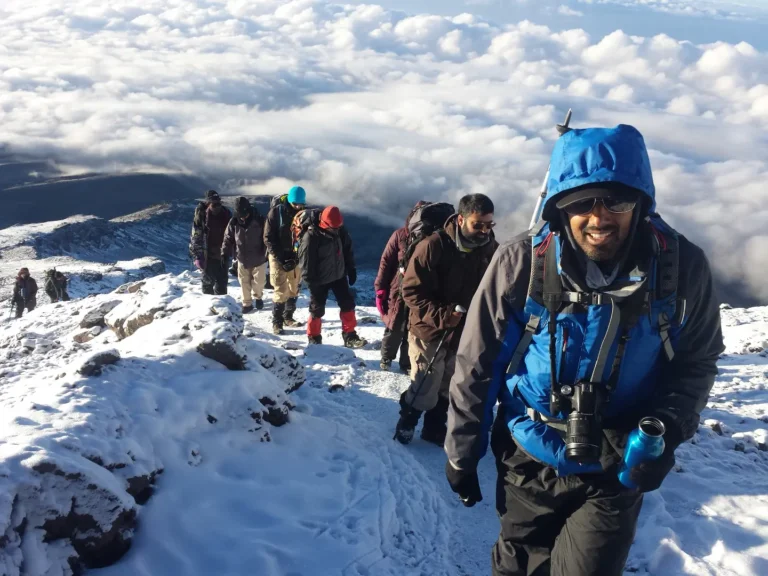
Why Do Kilimanjaro Operators Charge Different Prices? 2026-2027
Why do Kilimanjaro operators charge different prices? is explained with current 2026-2027 planning, price, itinerary and booking information.
View package details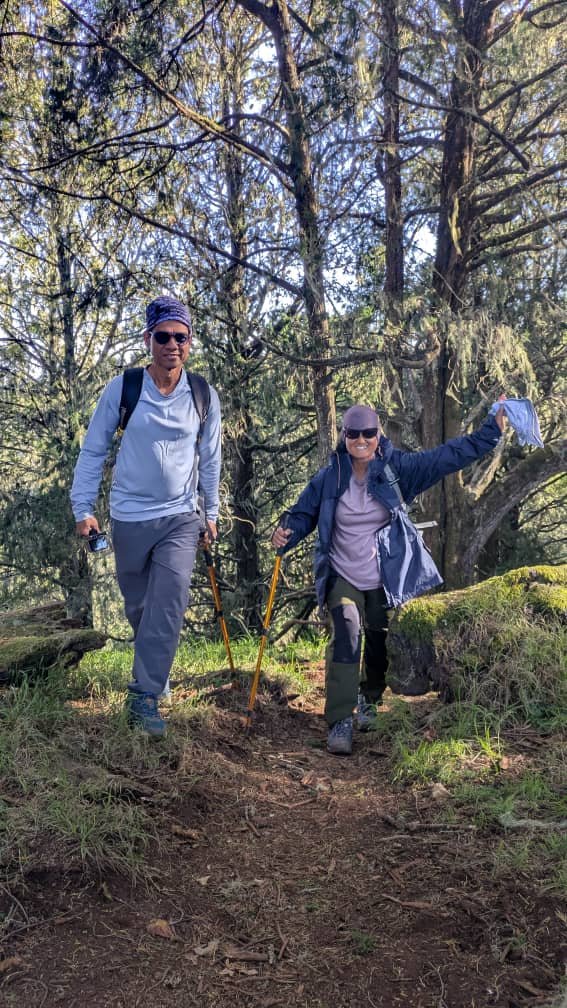
Cheap Vs Expensive Kilimanjaro Operators: What Is The Difference? ( Guide)
Choosing a Kilimanjaro tour operator significantly impacts your climb. This guide breaks down the crucial differences between cheap and expensive operators, covering safety, equipment...
View package details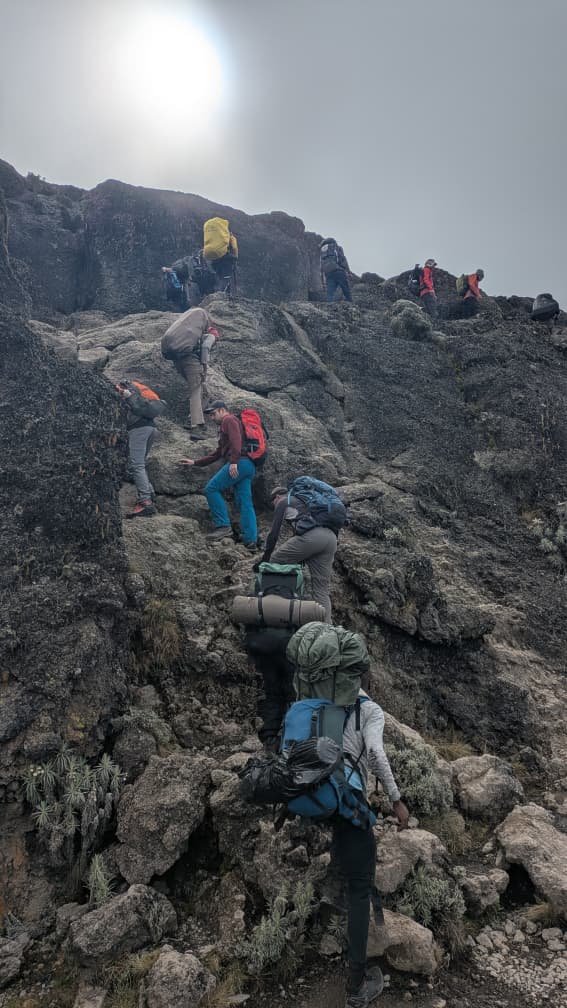
What Is Not Included In Most Kilimanjaro Climbing Prices? Guide 2026-2027
Many Kilimanjaro climbing packages seem all-inclusive, but several crucial items are often left out of the advertised price. This guide details what you should expect to pay extra for...
View package details
Climbing Kilimanjaro In December : Prices, Weather & Group Dates 2026-2027
Discover everything you need to know about climbing Kilimanjaro in December, including pricing, weather patterns for 2026-2027, and curated group departure dates. Climb 4 Africa provides...
View package details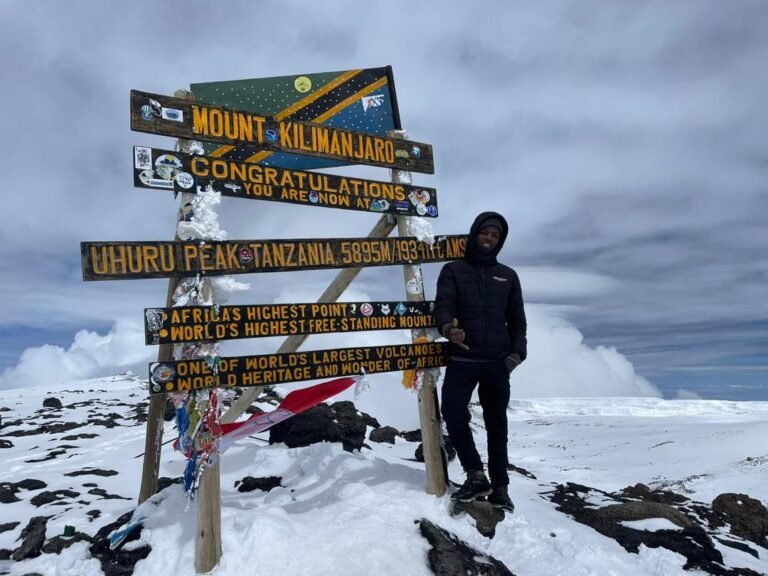
Climbing Kilimanjaro In October: Prices, Weather & Group Dates For 2026-2027
October offers a unique window for climbing Kilimanjaro, bridging the end of the dry season with the start of cooler temperatures. This guide details everything you need to know about...
View package details
Climbing Kilimanjaro In September : Prices, Weather & Group Dates 2026-2027
September offers a fantastic window for climbing Mount Kilimanjaro, blending dry weather with moderate temperatures. This guide covers everything you need to know about climbing Kilimanjaro...
View package details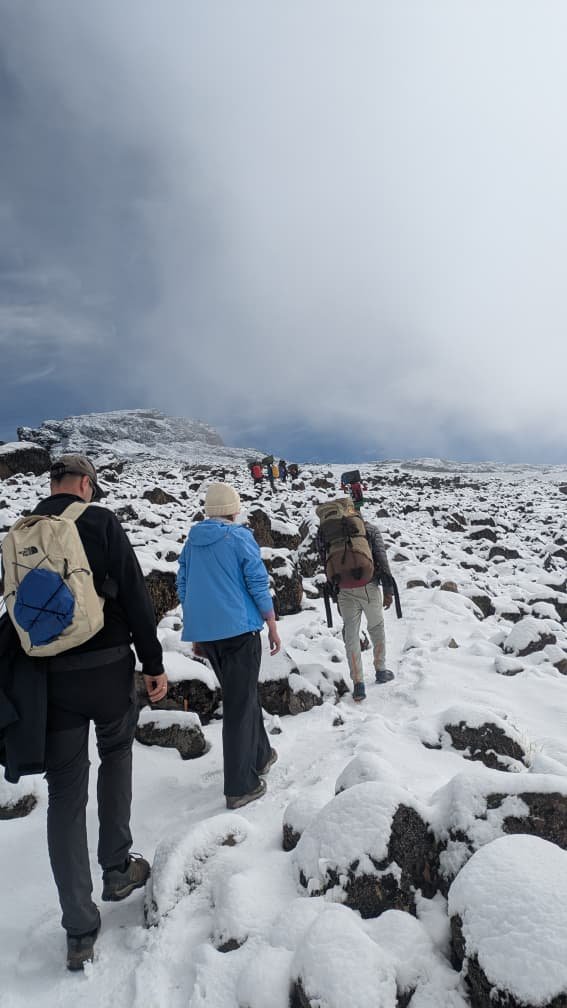
Climbing Kilimanjaro In August: Prices, Weather & Group Dates 2026-2027
Climbing Kilimanjaro in August: Prices, Weather & Group Dates is explained with current 2026-2027 planning, price, itinerary and booking information.
View package details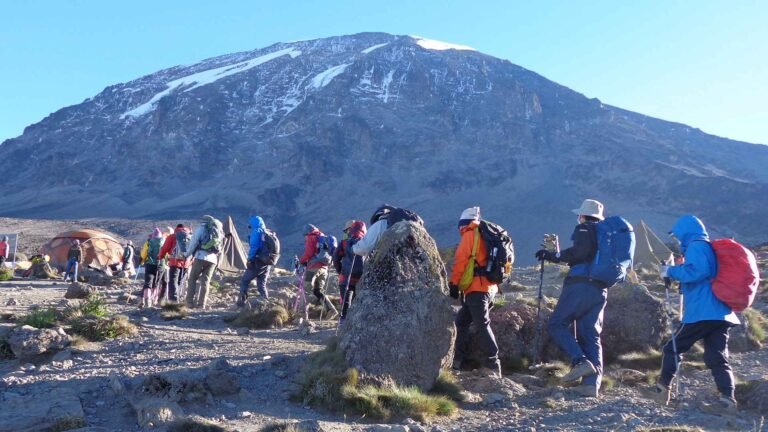
Climbing Kilimanjaro In July: Prices, Weather & Group Dates 2026-2027
Climbing Kilimanjaro in July: Prices, Weather & Group Dates is explained with current 2026-2027 planning, price, itinerary and booking information.
View package detailsClimbing Kilimanjaro In June: Prices, Weather & Group Dates 2026-2027
June offers a prime window for climbing Mount Kilimanjaro, balancing good weather with fewer crowds than the peak dry season. This guide details June's specific weather patterns, typical...
View package details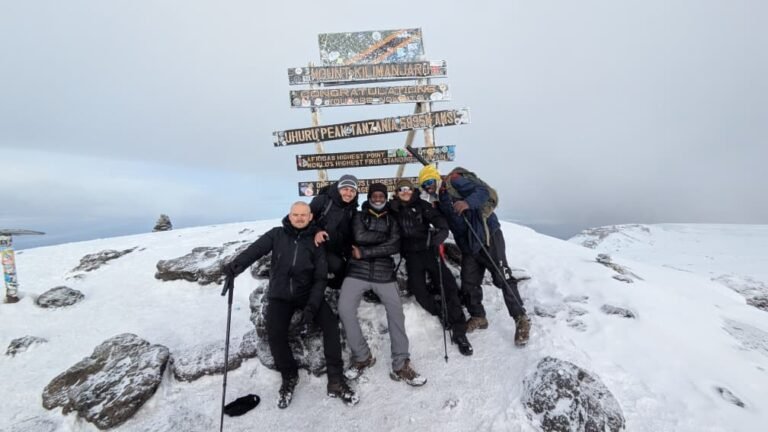
Climbing Kilimanjaro In February: Prices, Weather & Group Dates For 2026-2027
Discover everything you need to know about climbing Kilimanjaro in February, including expected weather patterns, typical costs for 2026-2027, and how to find suitable group departure...
View package detailsClimbing Kilimanjaro In January: Prices, Weather & Group Dates 2026-2027
Climbing Kilimanjaro in January: Prices, Weather & Group Dates is explained with current 2026-2027 planning, price, itinerary and booking information.
View package details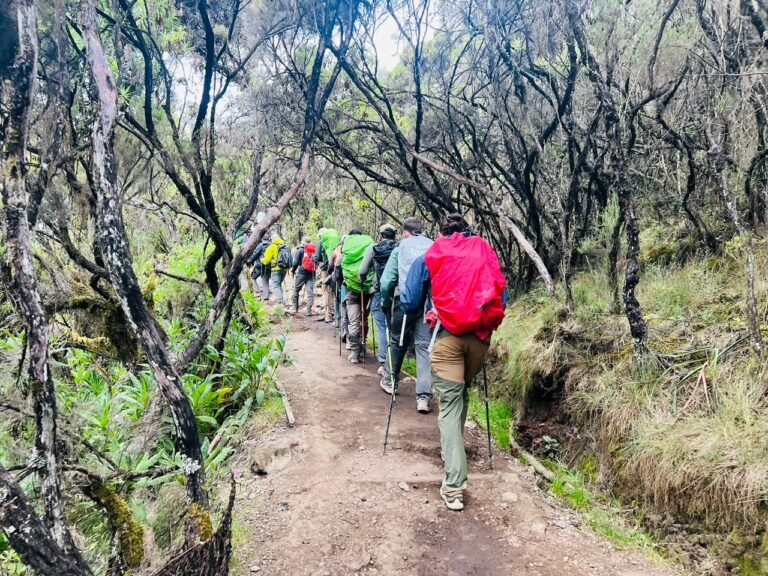
Last-Minute Kilimanjaro Group Joining: Available Dates & Prices For 2026-2027
Discover available last-minute Kilimanjaro group joining dates and pricing for 2026-2027. Climb 4 Africa offers shared expeditions on various routes, providing an economical and social way...
View package detailsNo related package matches those filters. Clear one or more filters to see the other topic-matched options.



