The total climbing cost for the Lemosho Route on Kilimanjaro typically ranges from $2,500 to $5,000+ per person for a standard 7-8 day trek in 2026-2027, heavily influenced by operator choice, inclusions, and specific park fee components. The mandatory park fees alone account for a significant portion, estimated at around $800-$1,000 per climber, covering entrance fees, camping/hut fees, rescue fees, and conservation fees. Additional costs involve crew wages, equipment, food, transport, and potential pre/post-climb expenses.
Understanding Lemosho Route Park Fees and Total Climbing Costs for 2026-2027
Embarking on a journey to the Roof of Africa via the Lemosho Route is a dream for many trekkers. As you plan your expedition for 2026 or 2027, understanding the financial landscape is paramount. The Lemosho Route park fees are a substantial part of your overall Kilimanjaro climbing cost, but they are just one piece of the puzzle. This in-depth guide breaks down every component, from official park charges to operator expenses and personal gear, to help you budget accurately for your unforgettable adventure.
Climb 4 Africa, as an expert Kilimanjaro operator, understands the importance of transparency in pricing. We aim to provide clarity on where your money goes, ensuring you receive excellent value and a safe, well-supported climb. The Lemosho Route is celebrated for its scenic beauty and higher success rates, thanks to its gradual ascent profile, but this often translates to slightly higher costs than shorter routes due to the extended duration.
The Core Components of Kilimanjaro Park Fees
Tanzania National Parks Authority (TANAPA) sets the official fees for climbing Kilimanjaro. These fees are non-negotiable and are a fundamental part of any operator’s pricing structure. For the Lemosho Route, which typically takes 7 to 8 days, these fees are calculated based on the duration of your trek and the specific areas you traverse. While exact figures can fluctuate slightly year-on-year, the general structure for 2026-2027 remains consistent.
The primary park fees you’ll encounter include:
- Park Entrance Fees: A daily fee charged for every day spent within the Kilimanjaro National Park boundaries.
- Camping Fees / Hut Fees: Depending on the specific accommodation on your chosen itinerary (Lemosho primarily uses campsites), you’ll pay a fee per person per night for these facilities.
- Crater Fees: Applicable if your itinerary includes reaching the crater rim and exploring it, which is common on longer Lemosho treks.
- Rescue Fees: A mandatory fee to ensure emergency rescue services are available should you require them.
- Conservation Fees: A vital contribution to the upkeep and preservation of the Kilimanjaro ecosystem and surrounding wildlife.
For a standard 7-day Lemosho Route climb, these fees often sum up to approximately $800 to $1,000 per person. An 8-day trek will naturally incur an additional day’s worth of entrance and camping/hut fees, slightly increasing this figure.
Key Takeaway on Park Fees
Park fees are a significant, fixed cost component for any Lemosho Route climb. They are essential for park maintenance, conservation efforts, and climber safety. Reputable operators include these in their quoted prices, but always verify what is explicitly covered.
Breakdown of Lemosho Route Park Fees (Estimated for 2026-2027)
While TANAPA’s official fee schedule is subject to change, we can provide a strong estimate based on current structures and anticipated minor adjustments for 2026-2027. These are per person, per day or per entry, as applicable.
1. Park Entrance Fees
This is a daily fee for each day you are within the park. For non-Tanzanian residents, this has historically been around $70-$80 per person per day. For a 7-day Lemosho climb, this component alone would be approximately $490-$560.
2. Camping Fees
The Lemosho Route primarily utilizes campsites. The fees for camping on Kilimanjaro are substantial, often around $50-$60 per person per night. On a 7-day trek, this adds another $300-$360 to your costs.
3. Crater Fees
Most Lemosho itineraries include reaching the crater rim. The fee for this is a one-time charge per climber, typically in the region of $100-$150. This fee is crucial if your goal is to see the inner crater and its geological features.
4. Rescue Fees
This is a mandatory fee, usually around $10-$20 per person, ensuring that if an emergency arises, rescue teams can be dispatched efficiently. This is a critical safety net.
5. Conservation Fees
These fees are often bundled or presented separately and contribute directly to the park’s conservation initiatives. They can range from $10-$20 per person per day, adding approximately $70-$140 for a 7-day trek.
Estimated Total Park Fees for a 7-Day Lemosho Climb (2026-2027):
Adding these estimates together:
- Entrance Fees (7 days): $490 – $560
- Camping Fees (6 nights): $300 – $360
- Crater Fee: $100 – $150
- Rescue Fee: $10 – $20
- Conservation Fees (7 days): $70 – $140
- Approximate Total: $970 – $1,230 per person
An 8-day Lemosho climb would add approximately $120-$140 for an extra day’s entrance and camping fee, pushing the total closer to $1,100 – $1,400 per person for park fees alone.
Lemosho Route Park Fee Summary (Estimate 2026-2027)
7-Day Lemosho: $970 – $1,230 per person
8-Day Lemosho: $1,100 – $1,400 per person
Note: These are estimates. Actual fees are set by TANAPA and may be subject to change. Reputable operators will provide a precise breakdown.
Beyond Park Fees: The Total Kilimanjaro Climbing Cost
While park fees are a significant outlay, they are only one part of the total expense for climbing Kilimanjaro via the Lemosho Route. The total climbing cost is determined by a multitude of factors, primarily influenced by the tour operator you choose. Operators must cover salaries for their guides, porters, and cooks, provide high-quality food and equipment, manage logistics, and ensure climber safety and comfort. This is where the variability in pricing between operators becomes most apparent.
Here’s a breakdown of what else contributes to the overall Lemosho Route cost:
1. Operator’s Service Level and Inclusions
This is the most significant driver of price variation. Operators range from budget to luxury, and what they include in their package differs greatly.
- Budget Operators: Often cut costs by using less experienced crew, basic equipment, simpler meals, and potentially fewer guides per group. They might exclude items like bottled water, oxygen on standby, or certain meals.
- Mid-Range Operators (like Climb 4 Africa): Offer a balance of quality and value. They typically include comprehensive services: experienced guides, sufficient porters, high-quality tents and equipment, nutritious meals, boiled drinking water, oxygen, first-aid kits, and often airport transfers. They ensure fair wages and good working conditions for their staff.
- Luxury Operators: Provide premium services, including smaller group sizes, private rooms at the gate, gourmet meals, higher guide-to-client ratios, and more comfortable amenities.
2. Crew Wages and Welfare
A responsible operator, such as Climb 4 Africa, pays fair wages and provides proper gear, food, and accommodation for the mountain crew (guides, cooks, porters). This ethical treatment is crucial for morale and safety, and it contributes to the operational cost. Some budget operators may underpay their staff, which is a practice we strongly advise against.
3. Equipment and Supplies
This includes high-quality tents (individual tents for guides/cooks, spacious tents for clients), sleeping mats, cooking equipment, mess tents, portable toilets, and safety gear like oxygen cylinders and pulse oximeters. The quality and quantity of equipment directly impact comfort and safety on the mountain.
4. Food and Drink
Nutritious and varied meals are essential for energy on the climb. Operators provide three main meals a day, plus snacks. The cost of sourcing, transporting, and preparing this food is considerable. Providing boiled drinking water is standard, but some operators might charge extra for bottled water.
5. Transportation
This typically includes transport from Kilimanjaro International Airport (JRO) to your hotel in Moshi or Arusha, and transfers to and from the Lemosho Route starting point (and back). Longer routes require more fuel and vehicle wear.
6. Guide-to-Climber Ratio
Safety regulations and best practices dictate a certain ratio of guides to climbers. For Kilimanjaro, this is often around 1:6 for lead guides and assistant guides, ensuring that no climber is left behind and that medical attention can be provided promptly. A higher ratio means more staff to pay.
7. Duration of the Climb
The Lemosho Route is typically climbed over 7 or 8 days to ensure acclimatization and a higher success rate. Longer treks naturally incur more daily fees (park, camping) and require more food, fuel, and crew time, thus increasing the overall cost compared to shorter routes.
Estimated Total Climbing Cost for Lemosho Route (2026-2027)
Considering all these factors, the total climbing cost for the Lemosho Route on Kilimanjaro for 2026-2027 generally falls into these brackets for non-Tanzanian residents:
Lemosho Route Total Climbing Cost Estimates (per person)
Budget Operators: $2,000 – $2,700
Mid-Range Operators (e.g., Climb 4 Africa): $2,500 – $3,800
Premium/Luxury Operators: $3,800 – $5,000+
These ranges are indicative and depend heavily on the specific inclusions and operator reputation. Always request a detailed quote.
It’s crucial to understand that the lowest-priced options often come with compromises on safety, crew welfare, or equipment quality. For a climb as demanding as Kilimanjaro, especially on a longer route like Lemosho, prioritizing a reputable operator that includes all essential services and adheres to ethical practices is highly recommended for a safe and successful ascent.
Factors Influencing Lemosho Route Costs in 2026-2027
Several external and internal factors can influence the final price you pay for your Lemosho Route climb in the upcoming years. Being aware of these can help you make informed decisions when booking.
1. Seasonality
Kilimanjaro has peak and shoulder seasons. The busiest (and often most expensive) periods are the dry seasons: January-March and June-October. During these times, demand is high, and operators may adjust prices slightly, or availability might be more limited. Shoulder seasons (April-May, November-December) can sometimes offer slightly lower prices, though weather can be more unpredictable.
2. Group Size
Climbing in a private group can sometimes be more expensive per person than joining a scheduled group departure. However, private climbs offer flexibility in scheduling and pace. Operators like Climb 4 Africa often have group departures for the Lemosho Route which can offer cost savings for solo travelers or smaller parties looking to join others.
3. Operator’s Profit Margin and Business Model
Like any business, tour operators need to make a profit. However, the percentage varies. Some may operate on thinner margins with higher volume, while others focus on premium service with a higher margin per client. Understanding an operator’s business model can shed light on their pricing.
4. Local vs. International Operators
Local Tanzanian operators, such as Climb 4 Africa, often have lower overheads than international companies that might resell treks operated by local partners. This can sometimes translate to more competitive pricing while still offering excellent service and ensuring that more of your money benefits the local economy.
5. Inclusions vs. Exclusions
Be meticulous when comparing quotes. A cheaper quote might exclude essential items like:
- Airport transfers
- Hotel accommodation before and after the climb
- Gratuities for the crew (often a significant additional cost)
- Personal climbing gear rental
- Travel insurance
- Visa fees
- Tips for guides and porters
Always ask for a detailed list of what is and isn’t included in the Lemosho Route park fees and total climbing cost.
What’s Typically Included in a Mid-Range Lemosho Route Package (e.g., Climb 4 Africa)?
To provide a clearer picture, here’s a detailed look at what you can expect from a reputable mid-range operator for a 7 or 8-day Lemosho Route climb in 2026-2027:
Standard Inclusions for Lemosho Route Treks
- Park Fees: All Kilimanjaro National Park entrance, camping, crater, rescue, and conservation fees.
- Crew: Professional English-speaking guides (minimum 1:6 ratio for lead guides, plus assistant guides), experienced cooks, and sufficient porters.
- Accommodation: Camping equipment (tents, mats), mess tent for dining, portable toilet.
- Food: All meals on the mountain (breakfast, lunch, dinner), including snacks and hot drinks.
- Water: Boiled drinking water provided daily.
- Safety Equipment: First-aid kit, pulse oximeter, emergency oxygen cylinders.
- Transportation: Return transfers from Kilimanjaro International Airport (JRO) to your hotel in Moshi/Arusha, and transport to/from the Lemosho gate and the park exit.
- Staff Welfare: Fair wages, adequate food, and appropriate gear for the mountain crew.
- Briefing: Pre-climb briefing and gear check.
Estimated Additional Costs (Not Always Included)
These are costs you should budget for separately, as they are often not included in the base climbing package:
- International Flights: To Kilimanjaro International Airport (JRO).
- Pre & Post Climb Accommodation: Hotel stays in Moshi or Arusha (typically 2-3 nights).
- Visa Fees: For Tanzania.
- Travel Insurance: Comprehensive insurance covering high-altitude trekking and emergency evacuation is essential.
- Personal Gear: Sleeping bag, waterproofs, hiking boots, warm clothing, etc. (rental options are usually available).
- Gratuities (Tips): This is a significant and customary expense. For a 7-8 day Lemosho climb, budget around $250-$400 per climber for the entire crew (guides, cook, porters). Reputable operators provide guidelines for tipping.
- Personal Expenses: Souvenirs, drinks at hotels, laundry, etc.
- Vaccinations and Medications: Consult your doctor.
Budgeting for Tips
Crew gratuities are a substantial part of the overall cost. It’s vital to budget for this as it forms a significant portion of the mountain crew’s income. Always ask your operator for their recommended tipping structure.
Why Choose the Lemosho Route for 2026-2027?
The Lemosho Route is consistently one of the most popular choices for climbing Kilimanjaro, and for good reason. Its appeal lies in its scenic beauty, diverse landscapes, and excellent acclimatization profile, leading to higher success rates.
- Scenery: Lemosho offers some of the most stunning views on Kilimanjaro, starting in the lush rainforests of the western side and progressing through moorland, alpine desert, and arctic zones.
- Acclimatization: Typically offered over 7 or 8 days, the Lemosho Route follows the ‘climb high, sleep low’ principle effectively, allowing your body to adjust to the altitude gradually. This significantly increases your chances of reaching Uhuru Peak.
- Lower Crowds (Initially): The trail is less crowded in the initial days compared to routes like Marangu or Machame, offering a more tranquil trekking experience.
- High Success Rate: Due to its length and acclimatization profile, the Lemosho Route boasts one of the highest success rates among all Kilimanjaro routes.
While the Lemosho Route park fees and overall cost are higher than shorter routes, the investment is often considered worthwhile for the enhanced experience and increased probability of success.
Comparing Lemosho Route Costs with Other Kilimanjaro Routes
Understanding the Lemosho Route park fees and total climbing cost also benefits from a comparison with other popular Kilimanjaro routes. This helps put the Lemosho expenses into perspective.
- Marangu Route (Coca-Cola Route): Typically the shortest and cheapest option (5-6 days). It’s also the only route with hut accommodation. Lower success rates due to rapid ascent. Park fees are lower due to shorter duration.
- Machame Route (Whiskey Route): Similar in popularity and scenery to Lemosho, but often shorter (6-7 days). It can be slightly less expensive than Lemosho due to fewer days. Park fees are lower for shorter durations.
- Shira Route: Starts at a higher altitude than Lemosho, often similar in duration (7-8 days). Can be more expensive due to initial higher starting point logistics.
- Rongai Route: Approaches from the north, a good option in the rainy season. Typically 6-7 days. Generally more affordable than Lemosho. Park fees comparable to other routes of similar duration.
- Northern Circuit: The longest route (9-10 days), offering the best acclimatization and highest success rates. It is also the most expensive due to the extended duration and associated fees. Significantly higher park fees and operational costs.
The Lemosho Route strikes a balance: it offers superior acclimatization and scenery compared to shorter, cheaper routes, but is generally less expensive than the very long Northern Circuit. The Lemosho Route park fees are a major component, but the extended duration is the primary reason for its higher overall cost compared to 6-day treks.
Making Your Booking for 2026-2027: Choosing the Right Operator
Selecting the right tour operator is the most critical decision you’ll make when planning your Lemosho Route climb. The total climbing cost is one factor, but value, safety, and crew welfare should be paramount.
Tips for Choosing an Operator for your 2026-2027 Climb:
- Look for Transparency: A reputable operator will provide a clear, detailed breakdown of all costs, including Lemosho Route park fees and what’s included.
- Check Inclusions: Ensure essential items like park fees, all meals, crew wages, safety equipment, and transfers are covered.
- Verify Crew Welfare: Ask about their policies on fair wages, working conditions, and porter treatment.
- Read Reviews: Look for independent reviews on platforms like TripAdvisor.
- Assess Experience: Choose operators with a proven track record of successful and safe climbs on Kilimanjaro.
- Communication: A good operator will be responsive and helpful in answering all your questions.
At Climb 4 Africa, we pride ourselves on offering transparent pricing for our Lemosho Route climbs. We believe in ethical tourism, ensuring our clients have an incredible experience while supporting our local crew fairly. Our packages are designed to provide excellent value, combining high-quality service with competitive pricing for the 2026-2027 climbing season.
Frequently Asked Questions about Lemosho Route Costs
Here are some common questions regarding the Lemosho Route park fees and total climbing cost:
Q1: Are Kilimanjaro park fees included in the quoted price?
A: For reputable operators like Climb 4 Africa, yes, all mandatory Kilimanjaro park fees are included in the quoted price. Always confirm this explicitly when comparing quotes.
Q2: How much should I budget for crew tips for the Lemosho Route?
A: A general guideline for a 7-8 day Lemosho climb is $250-$400 per climber. This is typically divided among the guides, cook, and porters. Your operator should provide a recommended tipping structure.
Q3: What are the main factors that make the Lemosho Route more expensive than others?
A: The Lemosho Route is typically longer (7-8 days), leading to higher daily park fees and operational costs (food, crew wages). Its scenic beauty and higher success rate also contribute to its popularity and pricing.
Q4: Can I reduce the total climbing cost by choosing a shorter Lemosho itinerary?
A: While technically possible to do Lemosho in 6 days, it is strongly discouraged due to poor acclimatization and a very low success rate. The 7 or 8-day options are standard for a reason and are essential for managing the Lemosho Route climbing cost effectively in terms of safety and success.
Q5: Are there any hidden costs I should be aware of for 2026-2027?
A: The most common “hidden” costs are crew gratuities and potentially personal gear rental. Ensure your quote clearly lists all inclusions and exclusions. Be wary of quotes that seem too good to be true; they often hide additional charges.
Q6: What is the typical cost of hotel accommodation before and after the climb?
A: Hotel accommodation in Moshi or Arusha typically costs between $50-$150 per night, depending on the hotel’s standard. You’ll usually need 2-3 nights.
Planning Your 2026-2027 Lemosho Route Expedition
Booking your Lemosho Route climb for 2026 or 2027 requires careful planning. Start by researching reputable operators and understanding the full scope of the Lemosho Route park fees and total climbing cost. Aim to book at least 6-12 months in advance, especially if you are targeting peak climbing seasons.
Consider your budget, but never compromise on safety and crew welfare. A mid-range operator like Climb 4 Africa provides a comprehensive package that balances quality, safety, and value, ensuring your adventure on Kilimanjaro is both memorable and successful. We are committed to providing you with an exceptional trekking experience, complete with experienced guides, dedicated support crew, and all necessary logistics managed professionally.
To get a personalized quote or discuss your Lemosho Route climb for 2026-2027, please do not hesitate to contact Climb 4 Africa. You can reach us via WhatsApp at +255 747 477 898 or email us at climb4africa@gmail.com. We are here to help you plan the adventure of a lifetime, ensuring every detail is covered, from understanding the Lemosho Route park fees to the final summit push.
“,
“faq_schema”: [
{
“question”: “Are Kilimanjaro park fees included in the quoted price for the Lemosho Route?”,
“answer”: “For reputable operators like Climb 4 Africa, yes, all mandatory Kilimanjaro park fees are included in the quoted price. Always confirm this explicitly when comparing quotes for your 2026-2027 climb.”
},
{
“question”: “How much should I budget for crew tips for the Lemosho Route climb?”,
“answer”: “A general guideline for a 7-8 day Lemosho climb is $250-$400 per climber. This is typically divided among the guides, cook, and porters. Your operator should provide a recommended tipping structure.”
},
{
“question”: “What are the main factors that make the Lemosho Route more expensive than other Kilimanjaro routes?”,
“answer”: “The Lemosho Route is typically longer (7-8 days), leading to higher daily park fees and operational costs (food, crew wages). Its scenic beauty and higher success rate also contribute to its popularity and pricing for the 2026-2027 season.”
},
{
“question”: “Can I reduce the total climbing cost by choosing a shorter Lemosho itinerary?”,
“answer”: “While technically possible to do Lemosho in 6 days, it is strongly discouraged due to poor acclimatization and a very low success rate. The 7 or 8-day options are standard for a reason and are essential for managing the Lemosho Route climbing cost effectively in terms of safety and success.”
},
{
“question”: “Are there any hidden costs I should be aware of for Lemosho Route climbs in 2026-2027?”,
“answer”: “The most common “hidden” costs are crew gratuities and potentially personal gear rental. Ensure your quote clearly lists all inclusions and exclusions. Be wary of quotes that seem too good to be true; they often hide additional charges.”
},
{
“question”: “What is the typical cost of hotel accommodation before and after the climb for Kilimanjaro treks?”,
“answer”: “Hotel accommodation in Moshi or Arusha typically costs between $50-$150 per night, depending on the hotel’s standard. You’ll usually need 2-3 nights before and after your Lemosho Route climb.”
}
]
}
“`
Check Availability for Lemosho Route Park Fees & Total Climbing Cost 2026-2027
Ready to compare dates, prices, and the best option for your group? Send the package name and travel month so the team can reply with a clear quote, availability, and what is included.

Lemosho Route Cost /: Prices, Fees & Packages For Kilimanjaro Climbs 2026-2027
Planning a Kilimanjaro climb via the Lemosho Route in 2026 or 2027? This comprehensive guide breaks down the Lemosho Route cost, including typical prices, package inclusions, essential...
View package details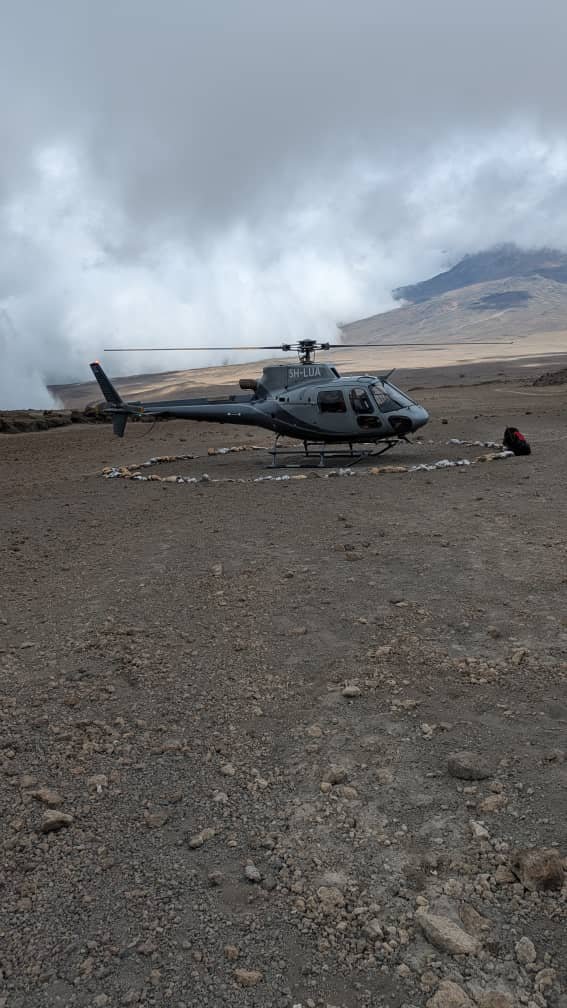
Machame Route Cost /: Prices, Packages & Fees 2026-2027
Machame Route Cost 2026/2027: Prices, Packages & Fees is explained with current 2026-2027 planning, price, itinerary and booking information.
View package details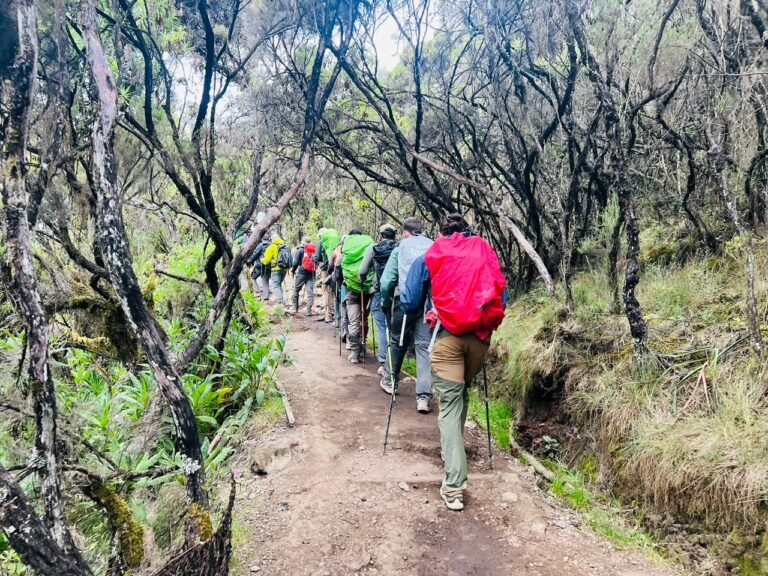
Private Lemosho Route Cost: Price By Group Size 2026-2027
Private Lemosho Route Cost: Price by Group Size is explained with current 2026-2027 planning, price, itinerary and booking information.
View package details
7 Vs 8 Days Lemosho Route: Cost, Success Rate & Which Is Better? 2026-2027
7 vs 8 Days Lemosho Route: Cost, Success Rate & Which Is Better? is explained with current 2026-2027 planning, price, itinerary and booking information.
View package details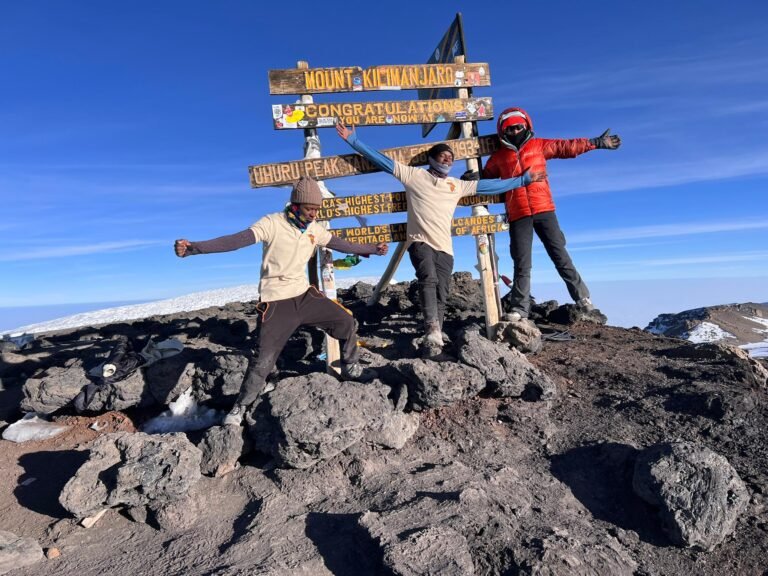
6 Days Lemosho Route Kilimanjaro: Itinerary, Cost & Planning 2026-2027
The 6-day Lemosho Route on Kilimanjaro offers a balance of acclimatization and scenic beauty, though it is one of the shorter options for this route, making it more challenging. This guide...
View package details
8 Days Lemosho Route: Cost, Price & Full Itinerary For Kilimanjaro Climbs
Your comprehensive guide to the 8-day Lemosho Route on Mount Kilimanjaro. Get detailed insights into costs, pricing factors, a day-by-day itinerary, and essential planning advice for your...
View package details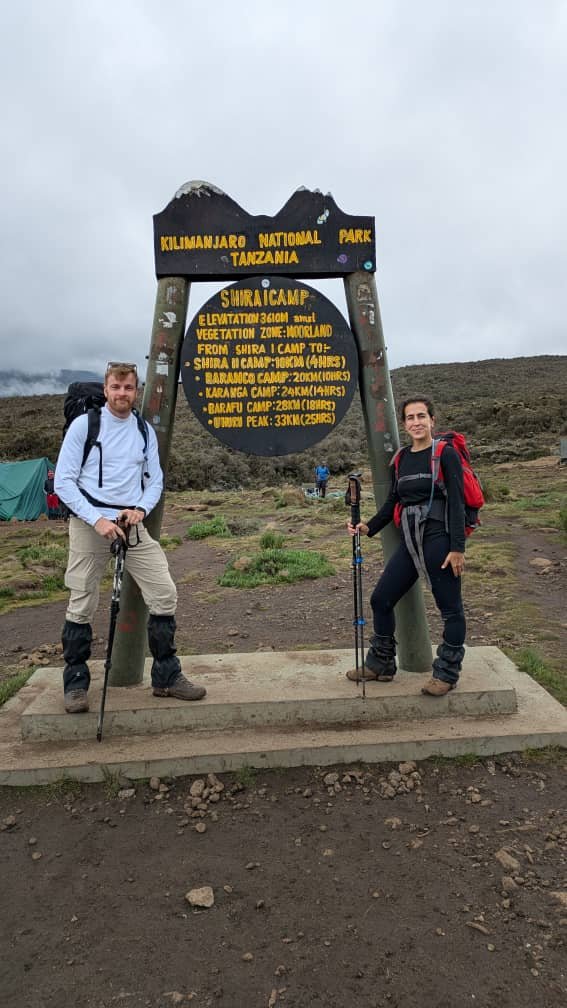
7 Days Lemosho Route: Cost, Price & Full Itinerary 2026-2027
7 Days Lemosho Route: Cost, Price & Full Itinerary is explained with current 2026-2027 planning, price, itinerary and booking information.
View package details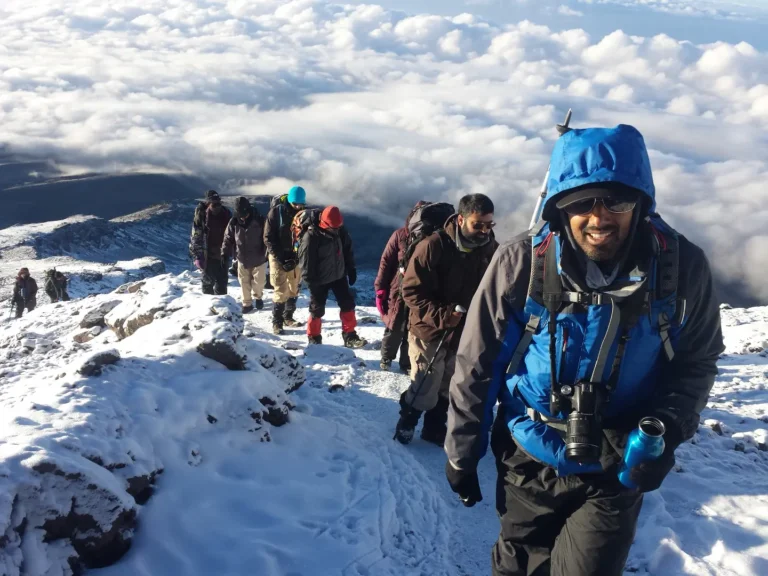
6 Days Machame Route: Cost, Price & Full Itinerary For Climbs 2026-2027
Planning a Kilimanjaro climb via the Machame Route in 6 days? This comprehensive guide breaks down the costs, pricing factors, and provides a day-by-day itinerary, essential for your...
View package details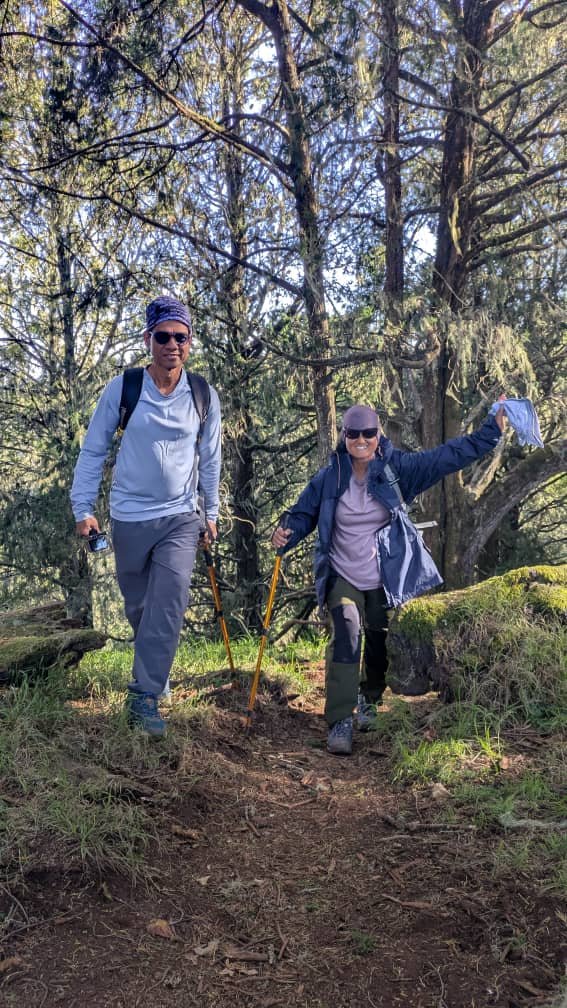
Budget Vs Luxury Lemosho Route Packages: Price Comparison For Kilimanjaro
Choosing between a budget or luxury Lemosho Route package for your Kilimanjaro climb in 2026 or 2027 involves understanding what drives the price. This comparison breaks down cost factors...
View package details
Lemosho Route Price Per Person: What Is Included In ? 2026-2027
Discover the typical cost of a Lemosho Route Kilimanjaro climb per person for 2026-2027, detailing essential inclusions like park fees, guide services, meals, and accommodation, to help you...
View package details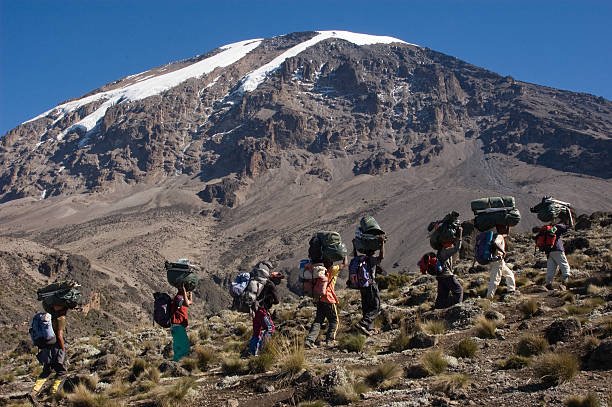
Kilimanjaro Climb Cost /: Prices, Fees & Complete Budget Guide 2026-2027
Planning your Kilimanjaro adventure for 2026 or 2027? This comprehensive guide breaks down the Kilimanjaro climb cost, detailing prices, essential fees, and how to budget effectively for...
View package details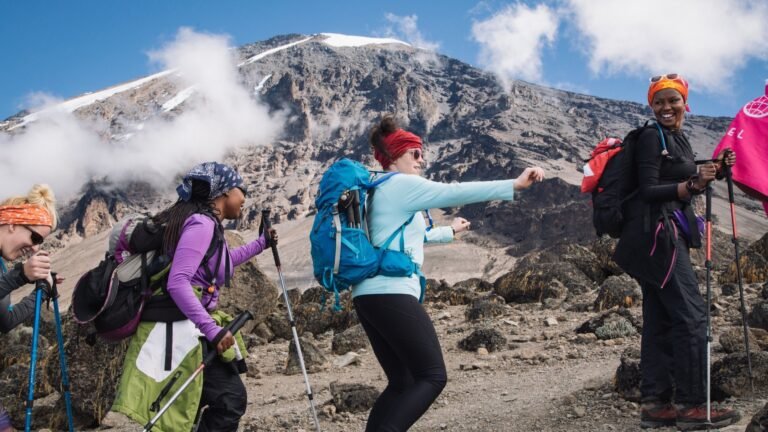
Kilimanjaro Park Fees /: Your Complete Guide To Permits, Camping, Huts &
Planning your Kilimanjaro climb for 2026 or 2027? This comprehensive guide details all the essential park fees, including entry permits, camping and hut charges, and crucial rescue fees...
View package detailsNo related package matches those filters. Clear one or more filters to see the other topic-matched options.



