
A combined Kilimanjaro climb and Serengeti safari package in 2026-2027 typically ranges from $3,500 to $7,000+ per person, depending on the climb duration (e.g., 7-8 days for Kilimanjaro), safari length (e.g., 3-5 days in Serengeti and other parks), accommodation style, group size, and specific inclusions. These packages often combine a 7-day Machame or Lemosho route climb with a 3-day Serengeti and Ngorongoro Crater safari, including park fees, guides, porters, meals on the mountain, internal flights or ground transport, game drives, and accommodations. Climb 4 Africa offers tailored options, and exact pricing for 2026-2027 will depend on your chosen itinerary and specific service levels.


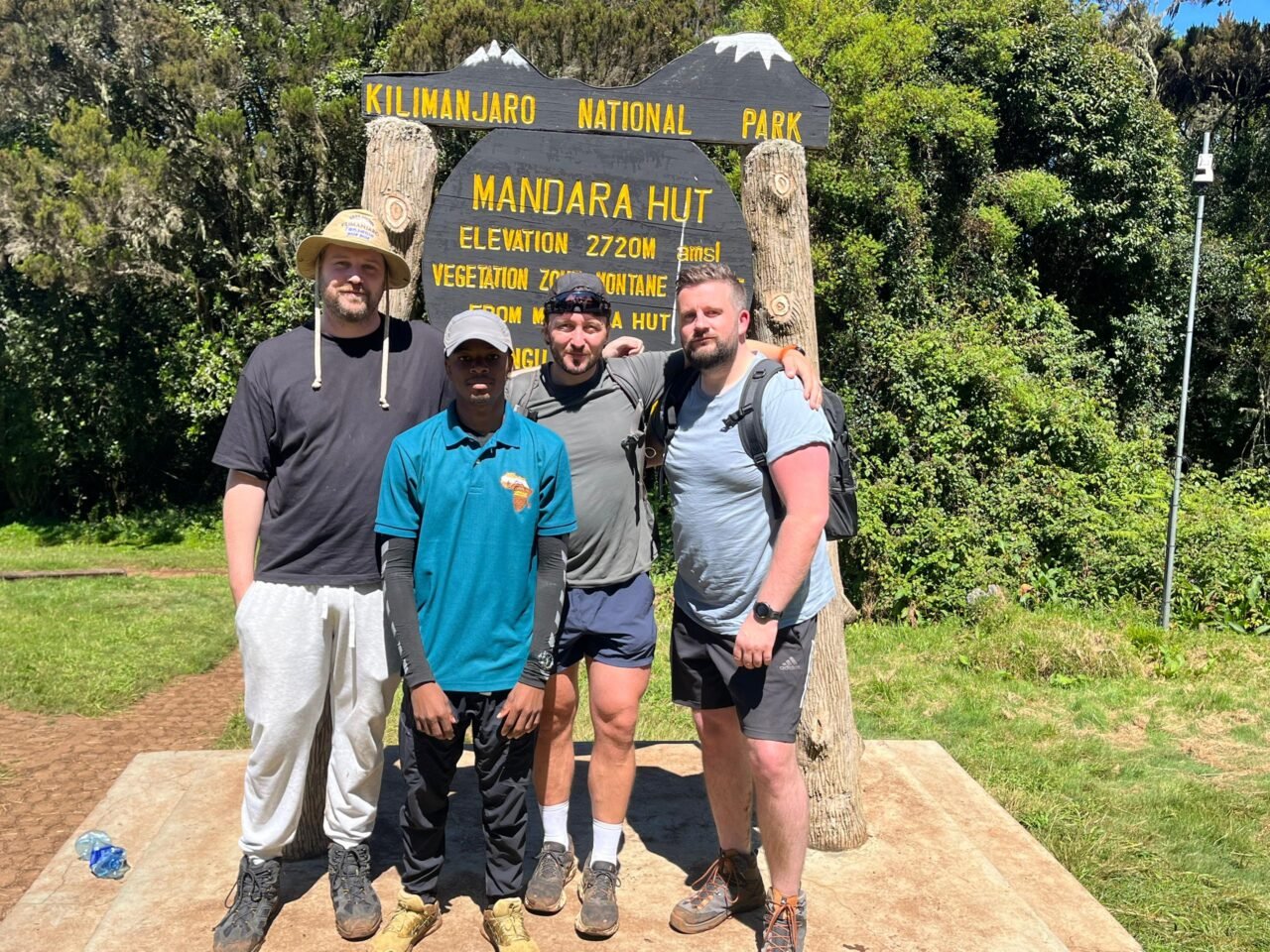
Combining Kilimanjaro and Serengeti: The Ultimate Tanzania Adventure
The allure of standing atop Africa’s highest peak, Mount Kilimanjaro, followed by an unparalleled wildlife encounter in the vast plains of the Serengeti, is a potent combination that defines the quintessential Tanzanian adventure. For many travelers, these two experiences are not just separate bucket-list items but are ideally woven together into a single, unforgettable journey. A Kilimanjaro climb plus Serengeti safari package is designed to deliver precisely that – a smooth blend of challenging trekking and exhilarating wildlife viewing, offering a comprehensive taste of Tanzania’s natural wonders and cultural richness.
This comprehensive guide focuses on providing you with all the essential information needed to plan your Kilimanjaro climb and Serengeti safari package, with a specific look towards travel in 2026 and 2027. We will explore the typical costs involved, outline sample itineraries that showcase the best of both experiences, discuss the critical factors influencing pricing, and offer practical advice to help you make informed decisions for your adventure. Whether you’re a seasoned trekker or a first-time safari-goer, understanding the nuances of these combined packages is key to a successful and rewarding trip.
Understanding Kilimanjaro Climb + Serengeti Safari Package Costs for 2026-2027
The cost of a combined Kilimanjaro climb and Serengeti safari package is a primary concern for most prospective travelers. It’s important to understand that prices can vary significantly based on several factors. However, to provide a clear initial picture for your 2026-2027 planning, here’s a general breakdown:
Typical Price Ranges
For a well-organized, reputable package that includes a 7-day Kilimanjaro climb (a common duration for a good balance of acclimatization and success rate) and a 3-day Serengeti and Ngorongoro Crater safari, you can expect to budget:
- Budget-Friendly (Mid-Range Operators): $3,500 – $4,800 per person. These packages often use comfortable but not luxurious accommodations, standard equipment, and may have slightly larger group sizes. They represent excellent value.
- Standard/Comfort (Most Reputable Operators): $4,800 – $6,500 per person. This is the most common range, offering a balance of quality services, excellent guides and support crew, good food, and comfortable lodging. This is where operators like Climb 4 Africa typically position their core offerings for 2026-2027.
- Luxury/Premium: $6,500 – $8,000+ per person. These packages feature higher-end accommodations, private vehicles for safaris, potentially more experienced or specialized guides, and a higher staff-to-client ratio.
Important Considerations for 2026-2027 Pricing:
- Seasonality: Peak seasons (like June-October and December-February) may see slightly higher prices due to increased demand. The shoulder seasons (March-May, often the rainy season, and November) can offer more competitive rates.
- Climb Route: Longer routes like Lemosho or Northern Circuit generally cost more than shorter ones like Marangu or Machame due to more days of support.
- Safari Duration & Parks: A 3-day safari covering Serengeti and Ngorongoro is standard. Extending to Lake Manyara, Tarangire, or adding more days in the Serengeti will increase costs.
- Accommodation Style: Camping on Kilimanjaro is standard. For safaris, tented camps offer a more in-depth experience than lodges, with varying price points.
- Group Size: Private tours are more expensive per person than joining a scheduled group departure.
- Inclusions: Always check what is included. Park fees, meals, guides, porters, equipment rental (sleeping bags, etc.), transfers, and internal flights are common inclusions. Exclusions often include international flights, visas, travel insurance, tips, and personal expenses.
2026-2027 Kilimanjaro Climb + Serengeti Safari Package – Key Cost Drivers
What’s Typically Included:
- Kilimanjaro Climb: Park fees, rescue fees, guide and porter salaries, tents, mess tent, mattresses, food, purified water, camping equipment, and transfers to/from the mountain.
- Serengeti Safari: Park entry fees (Serengeti, Ngorongoro Crater), vehicle and driver-guide, 4×4 safari vehicle, fuel, meals (B/L/D), and accommodation (lodge or tented camp).
- Transfers: Airport transfers and transfers between Kilimanjaro and safari locations.
What’s Typically Excluded:
- International flights
- Tanzanian visa
- Travel and medical insurance (mandatory for Kilimanjaro)
- Tips for guides, porters, and safari crew
- Personal gear (clothing, boots, sleeping bag – though some operators include these)
- Lunches and dinners in towns (Arusha/Moshi)
- Alcoholic beverages and personal expenses
Sample Itineraries: Crafting Your Kilimanjaro Climb & Serengeti Safari
Combining these two iconic experiences requires careful planning to maximize your time and enjoyment. Here are two sample itineraries, showcasing different durations and popular choices for 2026-2027 adventures.
Itinerary A: Classic 10-Day Kilimanjaro Climb (Machame) + 3-Day Safari
This is a highly popular combination, offering a solid Kilimanjaro climb with a focused, impactful safari experience.
Day 1: Arrival in Tanzania & Transfer to Moshi/Arusha
Arrive at Kilimanjaro International Airport (JRO). You’ll be met and transferred to your hotel in Moshi or Arusha, the gateway towns for Kilimanjaro climbs. Briefing with your lead guide and an opportunity to check your climbing gear. (D)
Day 2: Kilimanjaro – Machame Gate to Machame Camp
After breakfast, drive to Machame Gate (approx. 1,800m). Register and meet your porters. Begin the trek through lush montane forest to Machame Camp (approx. 3,000m). The hike takes about 5-7 hours. (B, L, D)
Day 3: Machame Camp to Shira Camp
Trek across a ridge and through a savanna-like landscape to Shira Camp (approx. 3,800m). This day involves a steady ascent, taking around 4-6 hours. Enjoy stunning views of the Shira Plateau. (B, L, D)
Day 4: Shira Camp to Barranco Camp
A shorter day in terms of distance but significant in altitude gain, traversing the base of the Kibo massif towards Barranco Camp (approx. 3,950m). This day is crucial for acclimatization. The hike takes about 3-5 hours. (B, L, D)
Day 5: Barranco Camp to Karanga Camp
Ascend the famous Barranco Wall (a scramble, not technical climbing) and continue to Karanga Camp (approx. 4,000m). This is another important acclimatization day. Hike takes about 3-5 hours. (B, L, D)
Day 6: Karanga Camp to Barafu Camp
Trek across alpine desert terrain to Barafu Camp (approx. 4,600m), the base for your summit attempt. You’ll rest here for the afternoon in preparation for the night’s climb. Hike takes about 3-5 hours. (B, L, D)
Day 7: Summit Day – Barafu Camp to Uhuru Peak & Descent to Mweka Camp
Start your summit push around midnight. Ascend towards Stella Point (5,756m) and then continue to Uhuru Peak (5,895m), the highest point in Africa, for sunrise. After celebrating, descend steeply down to Barafu Camp for a short rest, then continue down to Mweka Camp (approx. 3,100m). This is a very long and demanding day (10-16 hours). (B, L, D)
Day 8: Mweka Camp to Moshi/Arusha
Descend through the remaining forest to Mweka Gate (approx. 1,650m). You’ll be met by your driver and transferred back to your hotel in Moshi/Arusha. Celebrate your achievement! (B, L)
Day 9: Transfer to Safari Starting Point / Arusha National Park Option
Depending on your safari start time, you might have a relaxed morning or potentially visit Arusha National Park for a short game drive if time and logistics permit. Alternatively, this day can be used for a buffer or rest before your safari. (B)
Day 10: Safari – Tarangire National Park (Optional) & Drive to Serengeti
Depart from Arusha after breakfast for a full day game drive in Tarangire National Park, famous for its large elephant herds and baobab trees. In the late afternoon, drive towards the Serengeti National Park, checking into your lodge/camp near the central Serengeti. (B, L, D)
Day 11: Serengeti National Park Game Drives
Full day of game drives in the Serengeti, exploring its vast plains and seeking out the Big Five. The specific areas you explore will depend on the season and wildlife movements. (B, L, D)
Day 12: Serengeti to Ngorongoro Crater & Departure Preparation
Morning game drive in the Serengeti as you head towards the Ngorongoro Conservation Area. Descend into the Ngorongoro Crater for an afternoon game drive, a UNESCO World Heritage Site teeming with wildlife. In the late afternoon, ascend and drive to your lodge near the crater rim or back towards Arusha. (B, L, D)
Day 13: Departure from Kilimanjaro International Airport (JRO)
After breakfast, transfer to JRO for your international flight home, filled with incredible memories. (B)
Itinerary B: Extended 12-Day Kilimanjaro (Lemosho) + 4-Day Safari
This option offers a longer, more gradual Kilimanjaro ascent for better acclimatization and a more in-depth safari experience.
Day 1: Arrival in Tanzania & Transfer to Moshi/Arusha
Arrive at Kilimanjaro International Airport (JRO), transfer to your hotel, and receive your pre-climb briefing. (D)
Day 2: Kilimanjaro – Lemosho Gate to Mti Mkubwa Camp
Drive to the Lemosho Gate (approx. 2,100m), then trek through the rainforest to Mti Mkubwa Camp (approx. 2,800m). Approx. 3-4 hours of hiking. (B, L, D)
Day 3: Mti Mkubwa Camp to Shira 1 Camp
Ascend through moorland to Shira 1 Camp (approx. 3,500m). This day offers increasingly dramatic views. Approx. 5-7 hours of hiking. (B, L, D)
Day 4: Shira 1 Camp to Shira 2 Camp
Trek across the Shira Plateau to Shira 2 Camp (approx. 3,850m). This is a relatively moderate day focused on acclimatization. Approx. 4-5 hours of hiking. (B, L, D)
Day 5: Shira 2 Camp to Barranco Camp
Cross the Lava Tower (4,600m) and descend to Barranco Camp (approx. 3,950m). This is a key acclimatization day, involving significant altitude change. Approx. 7-8 hours of hiking. (B, L, D)
Day 6: Barranco Camp to Karanga Camp
Scramble up the Barranco Wall and trek to Karanga Camp (approx. 4,000m). Approx. 3-5 hours of hiking. (B, L, D)
Day 7: Karanga Camp to Barafu Camp
Trek to Barafu Camp (approx. 4,600m), the base for the summit attempt. Rest and prepare for the night’s climb. Approx. 3-5 hours of hiking. (B, L, D)
Day 8: Summit Day – Uhuru Peak & Descent to Millennium Camp
Begin the summit push around midnight, aiming for Uhuru Peak (5,895m) via Stella Point. Descend to Barafu Camp for a rest, then continue to Millennium Camp (approx. 3,500m). Approx. 10-16 hours of hiking. (B, L, D)
Day 9: Millennium Camp to Mweka Gate & Transfer to Arusha
Descend through the forest to Mweka Gate (approx. 1,650m) and transfer back to your hotel in Arusha. (B, L)
Day 10: Safari – Lake Manyara & Ngorongoro Conservation Area
Drive to Lake Manyara National Park, known for its tree-climbing lions and birdlife. After a game drive, proceed to your lodge on the rim of the Ngorongoro Crater or within the conservation area. (B, L, D)
Day 11: Ngorongoro Crater & Serengeti Drive
Descend into the Ngorongoro Crater for a morning game drive. In the afternoon, drive towards the vast Serengeti National Park, arriving at your lodge/camp for the night. (B, L, D)
Day 12: Serengeti National Park Game Drives
Full day dedicated to exploring the Serengeti, renowned for its abundant wildlife and the Great Migration (seasonal). (B, L, D)
Day 13: Serengeti to Arusha & Optional Activity
Enjoy a final morning game drive in the Serengeti before driving back to Arusha. You might have time for souvenir shopping or a cultural visit. (B, L)
Day 14: Departure from Kilimanjaro International Airport (JRO)
Transfer to JRO for your departure flight. (B)
Choosing the Right Kilimanjaro Route for Your Package
The route you choose for your Kilimanjaro climb significantly impacts the overall experience, including acclimatization, scenery, and cost. For a combined package, especially for 2026-2027, these are the most popular choices:
- Machame Route: Often called the “Whiskey Route,” it’s the most popular and offers excellent acclimatization due to its “climb high, sleep low” profile. It’s scenic and demanding, typically taking 6 or 7 days. A 7-day Machame is ideal for a combined package.
- Lemosho Route: Considered one of the most beautiful routes, Lemosho offers superb acclimatization and a high success rate, especially when climbed over 7 or 8 days. It starts in the west and joins the Machame route. Its longer duration naturally increases the package cost.
- Marangu Route: The “Coca-Cola Route” is the oldest and shortest, known for its hut accommodations instead of camping. However, its rapid ascent profile leads to lower success rates, making it less ideal for a combined adventure where summit success is paramount. It’s generally cheaper.
- Northern Circuit: The longest and arguably the best for acclimatization, offering a full 360-degree circuit of the mountain. It has the highest success rates but is also the most expensive due to its 9-10 day duration.
For a Kilimanjaro climb + Serengeti safari package, the Machame (7-day) or Lemosho (7 or 8-day) routes are generally recommended for a balance of acclimatization, scenery, and overall trip duration. Operators like Climb 4 Africa can advise on the best route for your fitness and budget in 2026-2027.
Optimizing Your Serengeti Safari Experience within a Package
The Serengeti is the crown jewel of Tanzanian safaris, and its inclusion in a package elevates the adventure considerably. When booking a Kilimanjaro climb + Serengeti safari package, consider these aspects of the safari portion:
Duration and Parks
- Minimum 3 Days: Essential for Serengeti and Ngorongoro Crater. This allows for decent game viewing in both iconic locations.
- 4-5 Days: Recommended for a richer experience. This often includes Tarangire National Park (known for elephants and baobabs) and Lake Manyara (tree-climbing lions, diverse birdlife) in addition to Serengeti and Ngorongoro.
Accommodation Styles
- Lodges: Permanent structures offering comfortable amenities, often with swimming pools and restaurants. Can feel less ‘wild’.
- Tented Camps: Offer a more authentic safari feel. These range from basic canvas tents with shared facilities to luxury canvas ‘tents’ with en-suite bathrooms and verandas. For a combined package, a mid-range to comfortable tented camp provides an excellent balance.
Vehicle and Guide
- 4×4 Safari Vehicle: Ensure your package includes a custom-built 4×4 Land Cruiser or Land Rover with a pop-up roof for optimal game viewing and photography.
- Experienced Driver-Guide: A knowledgeable guide is crucial for spotting wildlife, understanding animal behavior, and navigating the vast parks.
The Great Migration
If witnessing the Great Migration is a priority for your 2026-2027 trip, timing is everything. The wildebeest and zebra herds move in a predictable, albeit complex, annual cycle across the Serengeti. Your safari operator will advise on the best locations based on the expected migration patterns for your travel dates.
Timing the Great Migration for your 2026-2027 Safari
- December – March: Southern Serengeti (calving season).
- April – May: Central/Western Serengeti (wildebeest start moving north).
- June – July: Western Corridor (river crossings begin).
- August – October: Northern Serengeti (peak river crossings).
- November: Return to the south.
A Kilimanjaro climb + Serengeti safari package booked for these times will offer the best chance to see this incredible phenomenon.
Factors Influencing 2026-2027 Package Pricing
When comparing quotes for your Kilimanjaro climb and Serengeti safari package for 2026-2027, understanding the cost breakdown is essential. Reputable operators will be transparent about what influences their pricing.
1. Operator’s Operating Model
- Local vs. International Operators: Local operators based in Tanzania, like Climb 4 Africa, often offer better value as they have lower overheads and direct control over operations, ensuring fair wages for staff. International operators may add a markup.
- Size and Reputation: Larger, established operators might have economies of scale, but smaller, specialized companies often provide more personalized service.
2. Quality of Service and Staff
- Guide Experience: Highly experienced, certified guides (especially for Kilimanjaro) command higher salaries.
- Porter Support: The number of porters, their training, and ethical treatment (fair wages, adequate gear) are critical. Reputable companies invest in their crew.
- Chef and Cook Quality: Good food is vital on the mountain and during the safari.
3. Inclusions and Exclusions
As detailed earlier, the number of days, park fees, meals, accommodation type, and included activities directly impact the price. Always compare like-for-like inclusions.
4. Accommodation Choices
- Kilimanjaro: While camping is standard, the quality of tents, mattresses, and dining facilities can vary.
- Safari: Mid-range tented camps are more expensive than budget lodges, and luxury lodges/camps are significantly pricier.
5. Private vs. Group Tours
Joining a scheduled group departure for both the climb and safari is the most cost-effective option. Private tours offer flexibility and exclusivity but come at a higher per-person cost.
6. Seasonality and Demand
Booking during peak seasons (e.g., July-September, December-February) will generally be more expensive than during the low or shoulder seasons.
Preparing for Your 2026-2027 Kilimanjaro Climb & Serengeti Safari
A successful combined adventure requires thorough preparation. Here are key areas to focus on:
Physical Fitness
Kilimanjaro: This is a strenuous trek. Focus on cardiovascular fitness (hiking, running, cycling) and strength training, especially for your legs and core. Practice hiking with a weighted backpack on varied terrain. The longer you can hike with elevation gain in training, the better.
Safari: While less physically demanding, you’ll be spending time in a vehicle and potentially walking short distances. Good general fitness is beneficial.
Gear and Equipment
Kilimanjaro: Proper gear is non-negotiable for safety and comfort. Essential items include:
- Layered clothing (base, mid, outer layers)
- Waterproof and windproof outer shell
- Warm sleeping bag (-10°C to -20°C comfort rating)
- Insulated jacket (down or synthetic)
- Hiking boots (broken in!)
- Sun hat, warm hat, gloves
- Headlamp with extra batteries
- Sunscreen, sunglasses, lip balm
- Water bottles or hydration reservoir
Many operators, including Climb 4 Africa, can provide a detailed packing list and may offer rental options for some items like sleeping bags and trekking poles.
Safari: Casual, comfortable clothing is key. Neutral colors are best to avoid startling wildlife. Binoculars, a good camera, and a wide-brimmed hat are highly recommended.
Health and Vaccinations
Consult your doctor or a travel clinic well in advance of your 2026-2027 trip regarding recommended vaccinations (e.g., Yellow Fever, Hepatitis A, Typhoid) and malaria prophylaxis. Altitude sickness is a risk on Kilimanjaro; proper acclimatization and hydration are your best defenses. Your operator will provide guidance on managing altitude.
Travel Insurance
Mandatory for Kilimanjaro climbs. Ensure your policy covers high-altitude trekking (up to 6,000m) and emergency medical evacuation. For the safari portion, it should cover trip cancellation, interruption, and medical emergencies.
Visas and Flights
Check visa requirements for Tanzania for your nationality. Book international flights to Kilimanjaro International Airport (JRO). Plan to arrive at least one day before your climb starts for the briefing and gear check.
Booking Your 2026-2027 Kilimanjaro Climb + Serengeti Safari Package
Choosing the right tour operator is paramount for a safe, enjoyable, and memorable experience. When looking for a Kilimanjaro climb + Serengeti safari package for 2026-2027, consider:
- Reputation and Reviews: Look for operators with a strong track record, positive reviews on platforms like TripAdvisor, and clear safety protocols.
- Experience and Expertise: Choose a company that specializes in Kilimanjaro climbs and Tanzanian safaris, with local knowledge and operational control.
- Safety Standards: Ensure they have emergency procedures, carry oxygen and first-aid kits, and have trained guides.
- Ethical Treatment of Staff: Look for companies that are transparent about fair wages and working conditions for their guides and porters.
- Communication: A responsive and helpful operator who answers your questions clearly is a good sign.
Climb 4 Africa is a local Tanzanian company with extensive experience in organizing both Kilimanjaro climbs and Serengeti safaris. We pride ourselves on safety, ethical operations, and providing exceptional value. We can help you customize a Kilimanjaro climb + Serengeti safari package to perfectly suit your needs for 2026 or 2027.
For inquiries, custom quotes, or to discuss your adventure plans, please reach out:
- WhatsApp: +255 747 477 898
- Email: climb4africa@gmail.com
We look forward to helping you plan an extraordinary journey to the roof of Africa and the heart of the wild!
Frequently Asked Questions about Kilimanjaro Climb + Serengeti Safari Packages
What is the best time of year for a Kilimanjaro climb and Serengeti safari package in 2026-2027?
The dry seasons are generally considered best for both activities. For Kilimanjaro, this is typically January-March and June-October. For the Serengeti safari, the dry season (June-October) is excellent for wildlife viewing and coincides with the Great Migration river crossings in the north. The shoulder months (e.g., November, March) can also be good with fewer crowds and potentially lower prices, though weather can be less predictable.
How difficult is a Kilimanjaro climb, and is it suitable for beginners?
Kilimanjaro is a high-altitude trek, not a technical climb, making it accessible to reasonably fit individuals without prior mountaineering experience. However, the altitude is the main challenge. Success depends heavily on proper acclimatization, choosing a longer route (7+ days), and maintaining a slow, steady pace. It is challenging but achievable for determined beginners with good preparation.
What is the difference in cost between a private and a group Kilimanjaro climb + Serengeti safari package?
Private packages offer flexibility in dates and itinerary but are more expensive per person. Group packages, especially scheduled departures, significantly reduce costs due to shared resources (guides, vehicles, porters). For a Kilimanjaro climb + Serengeti safari package, expect a private option to be roughly 20-40% more expensive per person than a comparable group tour.
Are park fees included in the Kilimanjaro climb and Serengeti safari package cost?
Yes, reputable operators always include all necessary park fees for both Kilimanjaro and the Serengeti/Ngorongoro Conservation Area in their package prices. These fees are substantial and a significant component of the overall cost.
What kind of wildlife can I expect to see on a Serengeti safari?
The Serengeti is world-renowned for its incredible density and diversity of wildlife. You can expect to see large herds of wildebeest and zebras (especially during the migration), lions, leopards, cheetahs, elephants, giraffes, buffalo, rhinos (though rare), hippos, crocodiles, hyenas, and a vast array of antelope species and birdlife. The Ngorongoro Crater offers a unique concentration of animals in a small area, often referred to as a ‘natural zoo’.
What is the recommended duration for a combined Kilimanjaro climb and Serengeti safari?
For a comfortable experience that balances acclimatization on the mountain with adequate safari time, a minimum of 10-12 days is recommended. This typically includes 7 days for the Kilimanjaro climb and 3-4 days for the safari. Longer climbs (8+ days) or safaris (5+ days) will naturally extend the trip duration.
Do I need to tip the guides, porters, and safari crew?
Yes, tipping is customary and a significant part of the income for mountain crew and safari guides in Tanzania. Reputable operators will provide recommended tipping guidelines based on the number of days and crew size. These costs are usually not included in the initial package price.
Check Availability for Kilimanjaro Climb + Serengeti Safari Package: Cost, Itinerary & Best Options
Ready to compare dates, prices, and the best option for your group? Send the package name and travel month so the team can reply with a clear quote, availability, and what is included.

Private Kilimanjaro & Serengeti Safari Cost Per Person | Climb 4 Africa
Planning a private Kilimanjaro and Serengeti safari is a significant investment. This guide details the estimated cost per person for 2026-2027, breaking down the factors that influence...
View package details
Kilimanjaro, Serengeti & Zanzibar: Complete Tanzania Trip Cost 2026-2027
Understand the full cost of a Tanzania adventure combining Mount Kilimanjaro, the Serengeti plains, and the exotic beaches of Zanzibar. This guide breaks down expenses for 2026-2027 trips...
View package details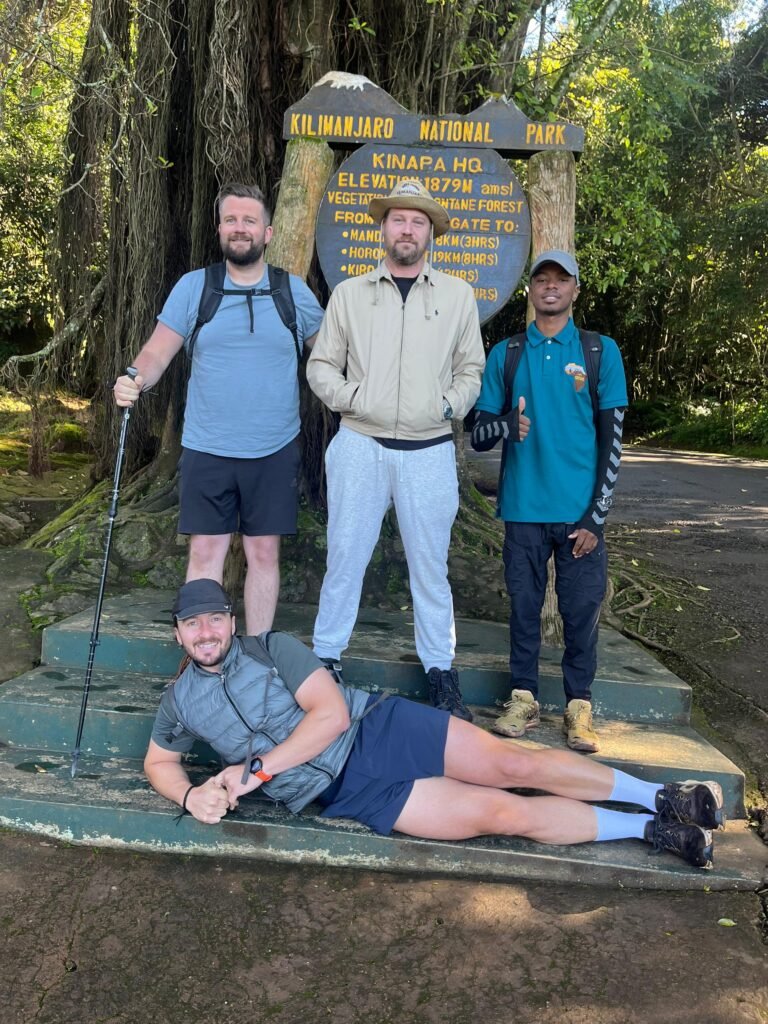
Kilimanjaro + Tarangire Safari Package: Cost & Itinerary For 2026-2027
Discover comprehensive details on Kilimanjaro and Tarangire safari packages, including cost breakdowns and sample itineraries for your 2026-2027 adventure. Climb 4 Africa provides expert...
View package details
Luxury Kilimanjaro & Safari Packages For | Climb 4 Africa 2026-2027
Plan your ultimate African adventure with Climb 4 Africa's luxury Kilimanjaro and safari packages for 2026-2027. Experience the pinnacle of comfort, service, and adventure on Mount...
View package details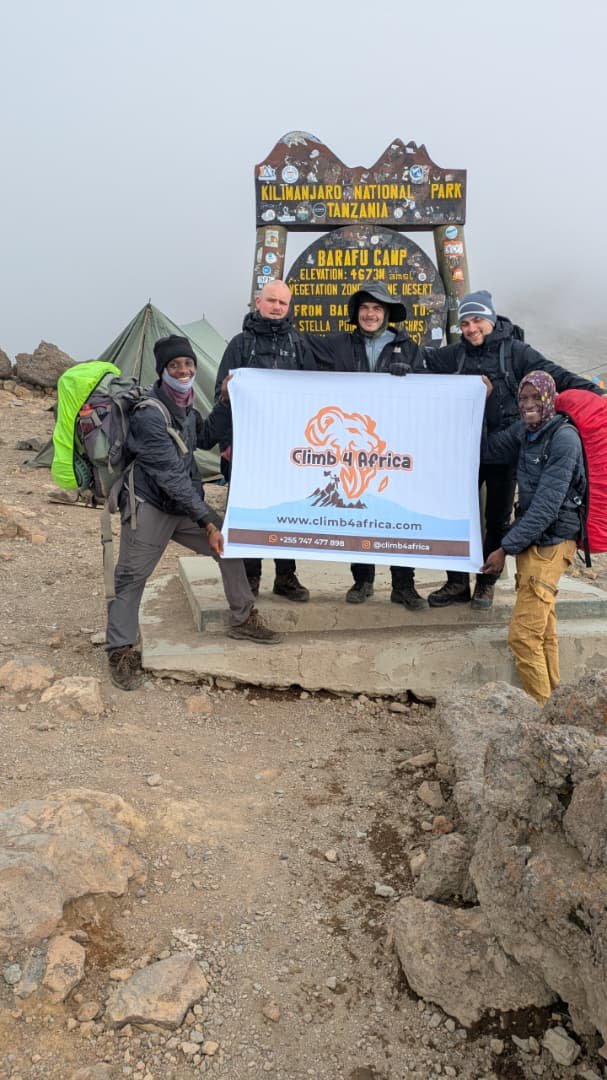
Kilimanjaro + 4 Days Tanzania Safari Package & Price | Climb 4 Africa
Discover the ultimate adventure: combining a Kilimanjaro climb with a thrilling 4-day Tanzania safari. This comprehensive guide details package options, pricing considerations for...
View package details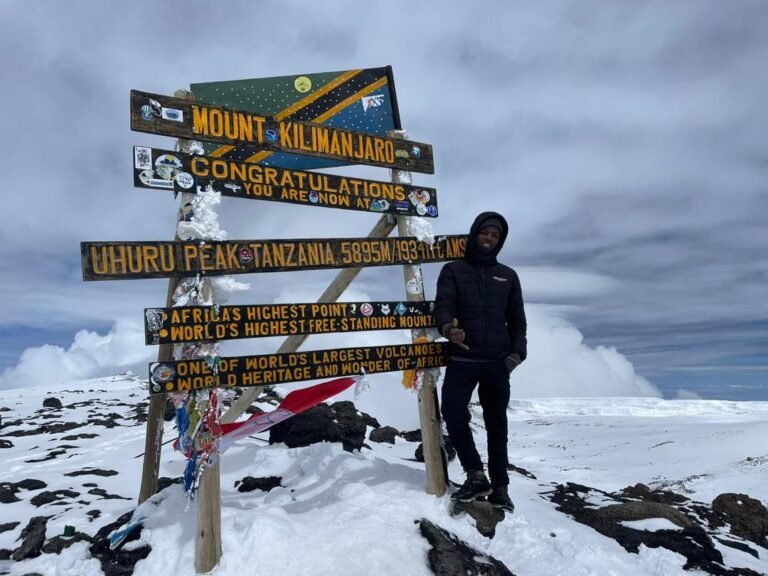
Kilimanjaro + Ngorongoro Safari Package: Prices, Itinerary & Guide 2026-2027
Combine the iconic Kilimanjaro climb with an unforgettable Ngorongoro Crater safari. This guide details package prices, sample itineraries for 2026-2027, what's included, and how to choose...
View package details
Luxury Kilimanjaro, Safari & Zanzibar Package: Your Ultimate Adventure
Discover the pinnacle of Tanzanian travel with a luxury Kilimanjaro, Safari & Zanzibar package. This comprehensive guide details how to combine an iconic climb with thrilling wildlife...
View package details
Budget Kilimanjaro & Safari Packages /: Your Affordable African Adventure
Discover how to plan an incredible, budget-friendly Kilimanjaro climb and safari adventure for 2026/2027. This comprehensive guide covers cost-saving tips, package options, and essential...
View package details
Kilimanjaro + 3 Days Tanzania Safari Package & Price For 2026-2027
Planning a trip to Tanzania? Discover comprehensive details on combining a Kilimanjaro climb with a 3-day safari, including package options, pricing considerations for 2026-2027, and what...
View package details
18 Days Kilimanjaro, Safari & Zanzibar Package: Cost & Itinerary 2026-2027
Discover the ultimate 18-day adventure combining Mount Kilimanjaro's summit, thrilling Tanzanian safaris, and the tropical paradise of Zanzibar. This comprehensive guide details sample...
View package details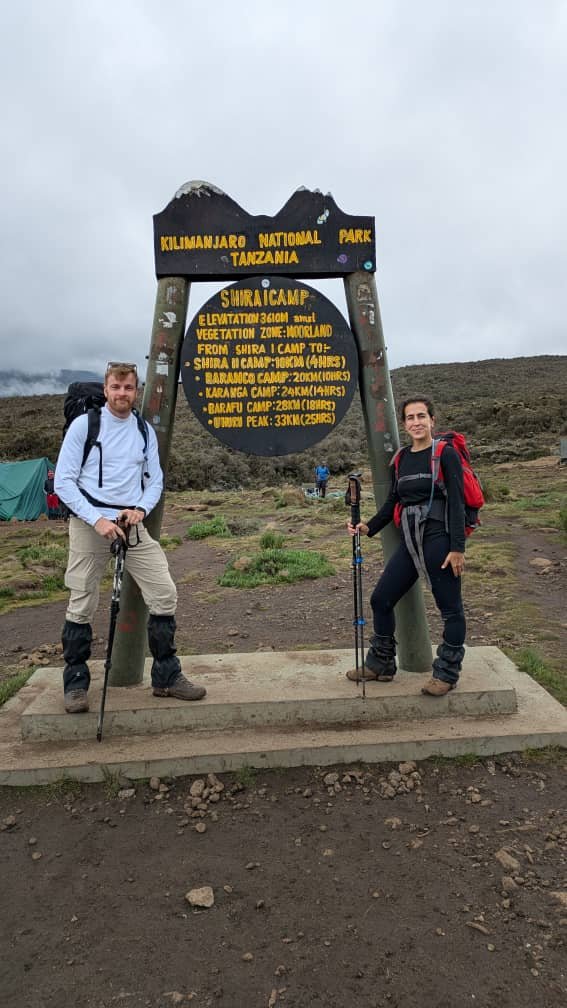
16 Days Kilimanjaro, Safari & Zanzibar Package: Cost & Itinerary Guide
Plan your ultimate 16-day adventure combining Mount Kilimanjaro's summit, a thrilling Tanzania safari, and the tropical paradise of Zanzibar. Discover detailed itineraries, cost breakdowns...
View package details15 Days Kilimanjaro, Safari & Zanzibar Package: Cost & Itinerary 2026-2027
Discover the ultimate 15-day adventure combining Mount Kilimanjaro's summit, thrilling Tanzanian safaris, and the exotic beaches of Zanzibar. This comprehensive guide details the itinerary...
View package detailsNo related package matches those filters. Clear one or more filters to see the other topic-matched options.



