
Traveling from Zambia to Zimbabwe is a common and relatively straightforward journey, primarily involving crossing the Zambezi River at either the Victoria Falls border post or the Chirundu border post. The most popular and convenient method is by road, either using a private vehicle, a shared taxi (minibus), or a pre-booked shuttle service. Flights are also an option, though less direct and typically more expensive for this specific route. Planning your journey in advance, understanding visa requirements, and knowing the best transport options will ensure a smooth transition between these two neighboring Southern African countries for your 2026-2027 travels.
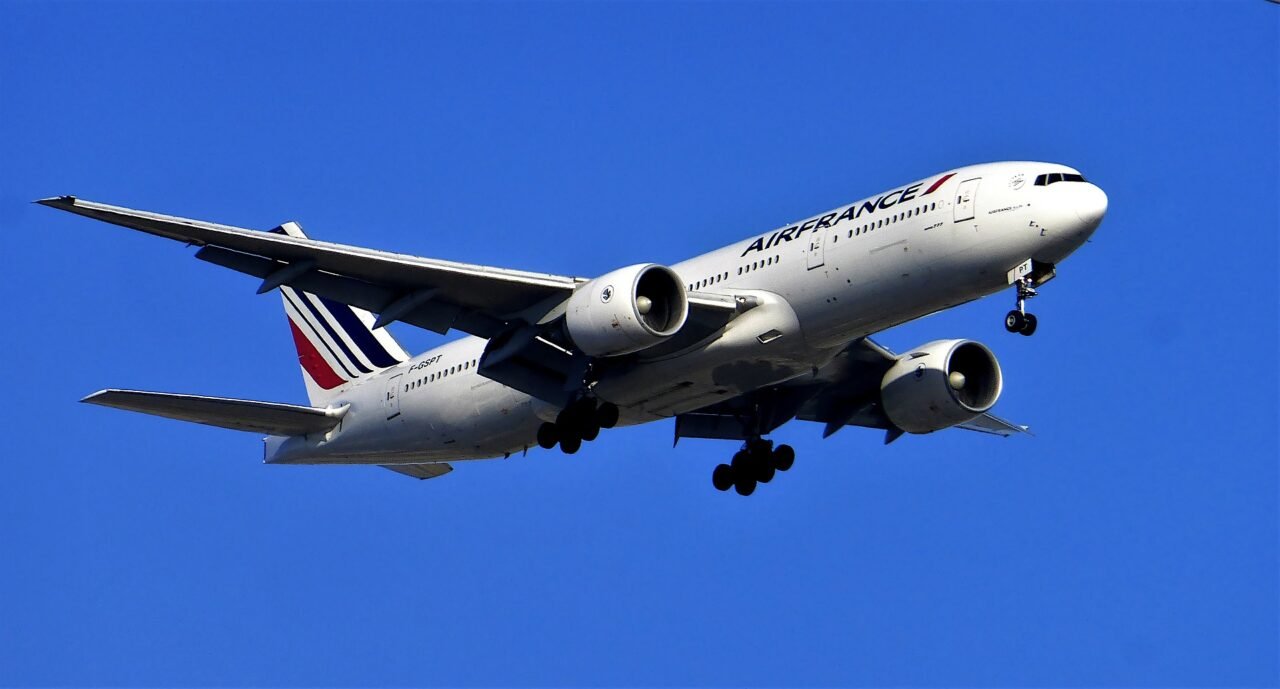
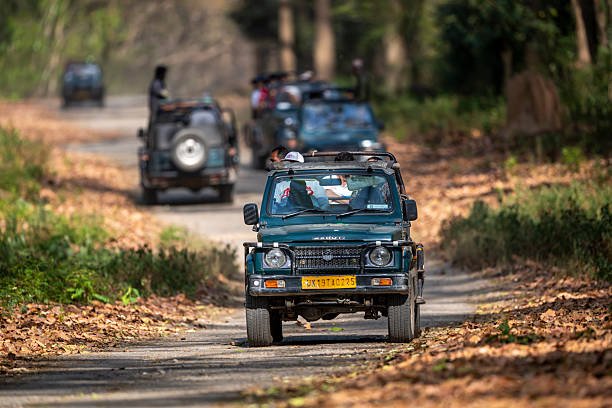
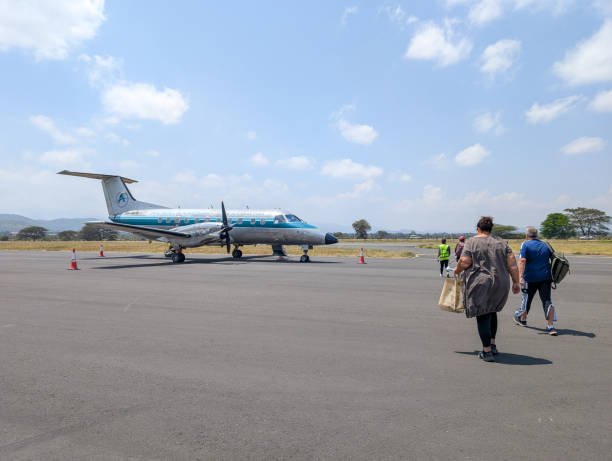
Understanding the Zambia-Zimbabwe Connection
Zambia and Zimbabwe share a significant border, largely defined by the mighty Zambezi River. This natural boundary means that travel between the two nations is intrinsically linked to crossing this vital waterway. The most common and iconic crossing point is at Victoria Falls, where the towns of Livingstone (Zambia) and Victoria Falls (Zimbabwe) face each other across the river, just downstream from the spectacular falls themselves. Another significant crossing is at Chirundu, a more functional border post primarily used by long-distance truck traffic and those traveling between Lusaka (Zambia) and Harare (Zimbabwe) via the main road network.
For many travelers, the desire to visit both Zambia and Zimbabwe stems from the shared wonder of Victoria Falls, one of the Seven Natural Wonders of the World. However, the connection extends beyond this singular attraction. Both countries offer rich wildlife viewing opportunities, diverse cultures, and adventure activities. Understanding how to travel from Zambia to Zimbabwe is therefore a crucial step for anyone planning an itinerary that spans both nations, whether for a short visit to see the falls or a more extensive exploration of Southern Africa in 2026 or 2027.
Primary Border Crossing Points: Victoria Falls and Chirundu
When planning your trip from Zambia to Zimbabwe, you’ll encounter two main gateways. Each has its advantages and is suited to different travel styles and onward destinations.
The Victoria Falls Crossing (Livingstone to Victoria Falls Town)
This is by far the most frequented and tourist-oriented border crossing. Located adjacent to the world-famous Victoria Falls, it offers immediate access to the attractions on both the Zambian and Zimbabwean sides of the falls. The journey here is often part of a larger safari or adventure travel circuit in Southern Africa.
- Location: On the Zambian side, it’s near Livingstone. On the Zimbabwean side, it’s the town of Victoria Falls.
- Scenery: The immediate surroundings are lush and green, with the Zambezi River and the spray from the falls often visible.
- Ease of Access: Very easy. Livingstone has an international airport (Harry Mwanga Nkumbula International Airport – LVI), making it simple to fly into Zambia. From the Zimbabwean side, Victoria Falls has its own international airport (Victoria Falls Airport – VFA).
- Infrastructure: Well-developed for tourism. Numerous hotels, lodges, tour operators, and activity providers are situated on both sides.
- Process: The border crossing itself involves exiting Zambia and entering Zimbabwe. You will typically need to present your passport, visa (if required), and potentially proof of onward travel or yellow fever vaccination certificates. Immigration and customs procedures are generally efficient, though queues can form during peak tourist seasons in 2026-2027.
- Transport Options: This crossing is well-served by taxis, pre-booked transfers, and shuttle buses connecting Livingstone and Victoria Falls town.
The Chirundu Crossing (Chirundu, Zambia to Chirundu, Zimbabwe)
Chirundu is a more functional, less tourist-centric border post. It lies on the main road connecting Lusaka, Zambia’s capital, to Harare, Zimbabwe’s capital. This crossing is often preferred by those undertaking overland expeditions, driving their own vehicles, or using long-distance bus services between the two capitals.
- Location: Situated on the Zambezi River, connecting the Zambian town of Chirundu with its Zimbabwean counterpart.
- Scenery: The landscape is dominated by the Zambezi River and the impressive Chirundu Bridge, an iconic piece of engineering that spans the river.
- Ease of Access: Accessible by road from Lusaka (approx. 2-3 hours) and Harare (approx. 4-5 hours).
- Infrastructure: More basic than at Victoria Falls. While there are customs and immigration facilities, the surrounding area is less developed for tourism, with fewer hotels and amenities.
- Process: Similar immigration and customs procedures apply. If you are driving a vehicle, you will need to arrange temporary import permits (TIPs) for your vehicle, which can add time to the process. This is a crucial step for anyone planning how to travel from Zambia to Zimbabwe with their own car in 2026 or 2027.
- Transport Options: Primarily used by long-distance buses, private vehicles, and commercial trucks. Taxis and shared minibuses are available but may be less frequent than at Victoria Falls.
Methods of Travel: Choosing Your Route
The method you choose to travel from Zambia to Zimbabwe will depend on your budget, time constraints, desired comfort level, and onward travel plans. The journey across the Zambezi River is the critical part, and how you reach that point, and what you do immediately after, are key considerations.
1. Road Travel: The Most Common Choice
Road travel is the predominant way people move between Zambia and Zimbabwe, especially for those already in the region or on overland tours. It offers flexibility and the chance to see the landscape.
a) Shared Taxis (Minibuses)
Minibuses are a ubiquitous form of public transport across much of Africa, and the routes connecting Livingstone and Victoria Falls town are no exception. They are the most budget-friendly option.
- Route: Primarily between Livingstone and Victoria Falls town.
- Cost: Very affordable, typically costing only a few US dollars.
- Experience: Can be cramped, especially if carrying luggage. They operate on a ‘fill-up-and-go’ basis, so departure times are not fixed. It’s an authentic local experience.
- Process: You’ll likely need to take a taxi from your accommodation to the border, walk across the border, and then find another minibus or taxi on the other side. Some minibuses may go directly to the border, but you’ll still need to disembark, clear immigration, and then find onward transport.
- Considerations for 2026-2027: While cost-effective, this option requires more effort and flexibility. It’s best for solo travelers or those on a very tight budget who are comfortable with navigating local transport.
b) Pre-booked Shuttle Services / Private Transfers
For a more comfortable and convenient experience, pre-booked shuttle services or private transfers are highly recommended, especially when crossing at Victoria Falls.
- Route: Connect Livingstone (Zambia) and Victoria Falls town (Zimbabwe), often including airport pickups and drop-offs. They can also be arranged for the Chirundu crossing.
- Cost: More expensive than minibuses, but significantly cheaper than private taxis or flights. Prices can range from $50-$150 per person for a shared shuttle, depending on the operator and service, and higher for private transfers.
- Experience: Comfortable vehicles, fixed departure times, and door-to-door service. The driver will often assist with border formalities, making the process much smoother. This is often the preferred method for travelers seeking efficiency and comfort when figuring out how to travel from Zambia to Zimbabwe.
- Process: Book in advance through your lodge, tour operator, or a reputable transfer company. The driver will meet you at your specified location, take you to the border, and assist with the crossing before continuing to your destination.
- Booking for 2026-2027: It’s advisable to book these services at least a few days in advance, especially during peak seasons, to secure your spot.
c) Self-Driving / Rental Vehicles
If you are on an extended overland trip or prefer the freedom of your own vehicle, self-driving is an option, particularly for the Chirundu crossing or if you are coming from further afield into Zambia with the intention of crossing into Zimbabwe.
- Route: Primarily the Chirundu crossing for onward travel to Harare, or potentially the Victoria Falls crossing if your rental agreement permits cross-border travel.
- Requirements: You will need your passport, a valid driver’s license, vehicle registration documents, and a Cross-Border/Temporary Import Permit (TIP). For Zimbabwe, a police clearance certificate might also be required. Insurance valid for Zimbabwe is essential.
- Cost: Involves fuel costs, potential road tolls, TIP fees, and cross-border insurance. TIPs can vary in price but are typically around $50-$100 and are valid for a set period.
- Experience: Offers the ultimate flexibility but comes with responsibilities. You must be comfortable driving on African roads, which can vary in condition, and be prepared for potential bureaucratic hurdles at the border.
- Considerations for 2026-2027: Ensure your rental company allows cross-border travel. Many do not, or charge significant extra fees. Always check this upfront. Driving in Zimbabwe requires adherence to local traffic laws and speed limits.
2. Air Travel
Flying between Zambia and Zimbabwe is possible, but it’s typically not the most direct or cost-effective way to travel between the two countries for most tourists, especially if your primary goal is to see Victoria Falls.
- Route: Usually involves flying from Livingstone (LVI) to Harare (HRE) or vice-versa, often with a layover in Lusaka (LUN). Direct flights between Livingstone and Victoria Falls (VFA) are rare and seasonal, if available at all.
- Airlines: Ethiopian Airlines, Kenya Airways, and sometimes South African Airways (depending on routes and schedules) are common carriers operating in the region.
- Cost: Significantly more expensive than road travel. Expect prices to range from $300-$700+ per person for a return ticket, depending on the route, airline, and booking time.
- Time Efficiency: While the flight time itself might be short, factoring in travel to/from airports, check-in, and potential layovers, it might not always save significant time compared to a well-organized shuttle transfer, especially for the Livingstone-Victoria Falls route.
- When it makes sense: Air travel is most practical if you are connecting from a distant international flight into one country’s airport and need to quickly reach a specific city in the other, or if your itinerary involves extensive travel within both countries and you wish to skip the border crossing logistics entirely. For example, flying directly from Livingstone to Harare to start a tour in Zimbabwe.
3. Overland Tours
Many organized overland tours operate through Southern Africa, and these naturally include travel between Zambia and Zimbabwe. If you’re looking for a guided experience, this is an excellent way to manage the logistics.
- Inclusions: These tours typically handle all transport, accommodation, and often some activities and meals. The tour guides manage border crossings and ensure all paperwork is in order.
- Routes: Commonly link Livingstone (for Victoria Falls) with Victoria Falls town (Zimbabwe), and often continue onwards to destinations like Hwange National Park, Bulawayo, or Harare. Some tours might also use the Chirundu crossing if their route focuses on connecting Lusaka directly with Harare.
- Cost: Varies widely depending on the tour operator, duration, accommodation standard (budget camping to mid-range lodges), and inclusions. Expect prices from $100-$300+ per day per person.
- Benefits: Ideal for travelers who want a hassle-free experience, are traveling solo and want company, or wish to see multiple destinations with expert guidance. They are a very popular way to manage how to travel from Zambia to Zimbabwe for many international visitors.
- Planning for 2026-2027: Overland tours often book up well in advance, especially popular routes and dates. Research operators like G Adventures, Intrepid Travel, or specialist African overland companies and book early for 2026-2027 departures.
Navigating the Border Crossing: What to Expect
Crossing an international border can sometimes feel daunting, but with preparation, the Zambia-Zimbabwe border is generally a smooth experience, particularly at Victoria Falls. The Chirundu crossing is more functional and might take longer, especially if dealing with vehicle paperwork.
Visa Requirements
Visa requirements depend entirely on your nationality. It is crucial to check the latest visa regulations for both Zambia and Zimbabwe well in advance of your travel dates in 2026-2027.
- Zambia: Many nationalities can obtain a visa on arrival at Livingstone airport or border posts. However, some nationalities may require pre-arranged visas. The KAZA Univisa (for Zambia and Zimbabwe) is often available at Victoria Falls and Chirundu, which allows multiple entries into both countries for a set period (usually 30 days) for a single fee. Check if this is still operational and cost-effective for your itinerary.
- Zimbabwe: Similar to Zambia, many nationalities can get a visa on arrival. However, it is highly recommended to check the official immigration websites or consult your embassy for the most current information. The KAZA Univisa, if available and suitable, can simplify this process significantly.
- Cost: Visa fees vary by nationality and can range from $30-$100+. The KAZA Univisa is typically priced higher than single-entry visas.
Immigration and Customs Procedures
At the border post:
- Exit Zambia: Proceed to the Zambian immigration office to have your passport stamped with an exit visa.
- Enter Zimbabwe: Present your passport to the Zimbabwean immigration officials. This is where you’ll apply for your visa (if not pre-arranged or using the KAZA Univisa) and have your entry stamp processed.
- Customs: You may be asked to declare goods. For typical tourist belongings, this is usually straightforward.
- Vehicle Procedures (if self-driving): If you are driving, you will need to complete paperwork for your vehicle at both the exit and entry points, including obtaining the TIP. This can sometimes involve separate windows or offices.
Tip: Have all your documents organized and readily accessible. Be polite and patient. If you booked a shuttle or private transfer, the driver will guide you through the process and often assist with the paperwork.
Currency and Payments
- Zambia: The currency is the Zambian Kwacha (ZMW). However, US Dollars are widely accepted, especially in tourist areas like Livingstone and around Victoria Falls. Carry smaller USD denominations for convenience.
- Zimbabwe: The currency situation has been complex. Currently, the US Dollar is the primary currency used for tourism and many transactions. Other foreign currencies may be accepted, but USD is the most reliable.
- Border Post: You can exchange currency at the border, but rates may not be the most favorable. It’s advisable to have sufficient USD in small denominations for immediate needs like border fees, taxis, or initial purchases. ATMs are available in Livingstone and Victoria Falls town but can sometimes be unreliable or out of cash.
Practical Tips for Your Zambia to Zimbabwe Journey
To ensure your trip from Zambia to Zimbabwe goes as smoothly as possible, consider these practical tips for your 2026-2027 travel plans.
What to Pack
Pack light, breathable clothing suitable for a warm climate. Essentials include:
- Lightweight shirts and trousers/shorts
- A waterproof jacket or poncho (especially if visiting the falls during the wet season, when the spray is intense)
- Comfortable walking shoes
- Sunscreen, hat, and sunglasses
- Insect repellent
- A reusable water bottle
- A universal travel adapter
- Any personal medications
Health and Safety
- Malaria: Both Zambia and Zimbabwe are malaria-risk areas. Consult your doctor about malaria prophylaxis well before your trip. Use insect repellent, especially during dawn and dusk.
- Yellow Fever: A Yellow Fever vaccination certificate may be required for entry, especially if arriving from a country with a risk of yellow fever transmission. Check current requirements.
- Water: Drink bottled or purified water only.
- Sun Protection: The African sun is strong. Protect your skin and stay hydrated.
- General Safety: Exercise standard travel precautions. Be aware of your surroundings, especially in busy areas or at night. Avoid displaying large amounts of cash.
Connectivity
Purchasing local SIM cards in both Zambia (Zamtel, MTN, Airtel) and Zimbabwe (Econet, NetOne, Telecel) is relatively inexpensive and provides affordable data and call rates. This is useful for navigation, communication, and staying connected. Wi-Fi is available in most hotels and lodges, though speeds can vary.
Best Time to Travel
The best time to travel from Zambia to Zimbabwe largely depends on what you want to experience:
- Dry Season (May to October): This is peak tourist season. Skies are clear, and wildlife is easier to spot as animals congregate around water sources. Victoria Falls will have a strong flow, though the spray might obscure views at the peak of the season (April-May). Temperatures are pleasant during the day but can be cool in the evenings. This is a popular time for how to travel from Zambia to Zimbabwe for international visitors in 2026-2027.
- Wet Season (November to April): This is the low season. Victoria Falls will be at its most powerful, with immense volumes of water, but the spray can be so heavy that views of the falls themselves are limited. Expect higher temperatures and potential rain showers. Prices may be lower, and there are fewer crowds. This period also offers lush landscapes and newborn wildlife.
Comparing Travel Options for 2026-2027
When deciding how to travel from Zambia to Zimbabwe, it’s helpful to compare the main options based on key factors:
| Factor | Shared Taxi (Minibus) | Shuttle/Private Transfer | Self-Drive | Flights | Overland Tour |
| Cost | Very Low | Medium | Medium-High (fuel, permits) | Very High | High (all-inclusive package) |
| Comfort | Low | High | Medium-High (depends on vehicle/roads) | High | Medium-High (depends on tour style) |
| Convenience | Low (requires navigation) | Very High (door-to-door) | Medium (requires planning/driving) | Medium (airport transfers needed) | Very High (logistics managed) |
| Flexibility | Medium (can change plans easily) | Low (fixed routes/times) | Very High | Low (fixed schedules) | Low (set itinerary) |
| Border Process Ease | Challenging (DIY) | Easy (driver assistance) | Complex (vehicle paperwork) | N/A (handled by airline) | Very Easy (guides manage) |
| Best For | Budget backpackers | Families, couples, first-time visitors | Independent adventurers, long-term travelers | Time-pressed travelers, connecting long-haul flights | Solo travelers, group experience seekers, hassle-free travel |
When planning for 2026-2027, consider your priorities. If budget is key and you’re an experienced traveler, minibuses might work. For most tourists seeking a balance of comfort and efficiency for how to travel from Zambia to Zimbabwe, a pre-booked shuttle or an organized overland tour are excellent choices. Self-driving offers ultimate freedom but requires significant preparation.
Beyond Victoria Falls: Connecting to Other Destinations
While Victoria Falls is the primary draw for many crossing between Zambia and Zimbabwe, these countries offer much more. Understanding how your border crossing fits into a larger itinerary is key.
From Zambia to Zimbabwe (via Victoria Falls)
After crossing from Livingstone to Victoria Falls town:
- Victoria Falls National Park (Zimbabwe): Explore the Zimbabwean side of the falls, which offers different viewpoints and the famous rainforest walk.
- Hwange National Park: A short drive south of Victoria Falls, Hwange is Zimbabwe’s largest park and renowned for its large elephant herds and diverse wildlife. Many tours and transfers can take you directly from the border to Hwange.
- Matobo National Park: Further south, known for its unique rock formations and rhino tracking.
- Bulawayo: Zimbabwe’s second-largest city, offering cultural experiences and access to Matobo.
- Harare: The capital city, accessible via road (approx. 5-6 hours from Victoria Falls) or flights.
From Zambia to Zimbabwe (via Chirundu)
This route is more direct for reaching Zimbabwe’s interior, particularly Harare:
- Harare: The capital city, serving as a hub for onward travel within Zimbabwe, including destinations like Nyanga National Park, Great Zimbabwe Ruins, and Mana Pools National Park (though Mana Pools is often accessed from Chirundu directly or via specialist operators).
- Kariba: A large man-made lake, popular for houseboating and fishing, accessible from Harare or potentially via routes from Chirundu.
Connecting to Other Zambian Destinations
If you’re coming from Zimbabwe into Zambia:
- Livingstone: The gateway town to Victoria Falls on the Zambian side, offering activities like bungee jumping, white-water rafting, and sunset cruises.
- Lower Zambezi National Park: Accessible from Lusaka, this park offers incredible game viewing, particularly along the Zambezi River, with activities like canoeing safaris.
- South Luangwa National Park: Considered one of Africa’s premier walking safari destinations, renowned for its leopard sightings. It’s a longer journey from Lusaka.
Understanding these onward connections is vital for planning your overall itinerary for 2026-2027. Whether you’re focusing on wildlife, adventure, or cultural experiences, the Zambia-Zimbabwe link is a key transit point.
Planning Your 2026-2027 Trip: Key Considerations
As you finalize your plans for traveling between Zambia and Zimbabwe in 2026 or 2027, keep these planning aspects in mind:
- Book in Advance: Especially for peak season (dry season), book flights, popular accommodation, and reliable transfer services well ahead of time. Overland tours often require booking 6-12 months in advance.
- Itinerary Flexibility: While planning is essential, allow for some flexibility. Road conditions, border delays, or unexpected closures can occur.
- Budgeting: Factor in costs for visas, transport, accommodation, park fees, activities, and meals. The US Dollar is widely used, so ensure you have adequate funds.
- Travel Insurance: Comprehensive travel insurance is non-negotiable. Ensure it covers medical emergencies, trip cancellations, and activities like white-water rafting if you plan to do them.
- Communication: Inform your bank about your travel plans to avoid issues with card usage. Consider getting local SIM cards upon arrival.
Knowing how to travel from Zambia to Zimbabwe is just the first step. Thorough planning ensures you can maximize your experience in these incredible Southern African nations.
Why Choose Climb 4 Africa for Your Southern Africa Adventures?
While Climb 4 Africa is renowned for its Kilimanjaro climbs and Tanzania safaris, our expertise extends to crafting comprehensive Southern African travel experiences. If your journey involves navigating complex cross-border logistics, such as traveling from Zambia to Zimbabwe, we can help integrate these movements into a smooth and memorable adventure. Our practical local support ensures you have peace of mind, whether you’re exploring the wonders of Victoria Falls or embarking on a wider safari circuit.
We understand the nuances of travel in this region, from visa requirements and border procedures to the best transport options and accommodation. For your 2026-2027 travel plans, let us help you design an itinerary that includes the stunning landscapes and wildlife of both Zambia and Zimbabwe. We can assist with coordinating transfers, suggesting reliable tour operators, and providing expert advice to make your journey from Zambia to Zimbabwe as smooth as possible.
Ready to plan your African adventure? Connect with our travel experts to discuss your dream itinerary. You can reach us via WhatsApp at +255 747 477 898 or email us at climb4africa@gmail.com. Let’s make your 2026-2027 Southern Africa trip unforgettable.
For inspiration on other African adventures, explore our Tanzania Safari Tours or learn more about our tailor-made African travel experiences.
Check Availability for How To Travel From Zambia To Zimbabwe: Your Complete Guide For 2026-2027
Ready to compare dates, prices, and the best option for your group? Send the package name and travel month so the team can reply with a clear quote, availability, and what is included.



