
Traveling from South Africa to Botswana can be accomplished through several methods, with flying being the quickest and most convenient, often involving a direct flight from Johannesburg to Gaborone or Maun. Alternatively, overland travel is popular, primarily via road through one of the official border posts, most commonly the Tlokweng Border Post near Gaborone or the Ramatlabama Border Post. For those seeking a unique experience, train travel is also an option, though it requires multiple connections and significantly more time. Each method offers a different perspective on the journey and requires specific planning regarding visas, vehicle permits if self-driving, and accommodation, especially when considering travel for 2026 or 2027.

Understanding Your Travel Options from South Africa to Botswana
The desire to explore Botswana’s unparalleled wildlife and vast landscapes, such as the Okavango Delta and Chobe National Park, often begins with a journey from its well-connected neighbor, South Africa. Deciding how to travel from South Africa to Botswana is the first critical step in planning your adventure. Factors like budget, time constraints, desired experience, and comfort level will heavily influence your choice. Whether you are looking for the speed and efficiency of air travel, the adventure of an overland road trip, or the more leisurely pace of train journeys, understanding each option is key to a successful trip in 2026-2027.
This comprehensive guide will break down each mode of transport, providing practical advice, cost considerations, and itinerary suggestions to help you navigate the journey from South Africa to Botswana. We will cover everything from the most popular border crossings to the nuances of vehicle permits and the best times to travel, ensuring your transition is as smooth as possible.
Flying: The Fastest Route from South Africa to Botswana
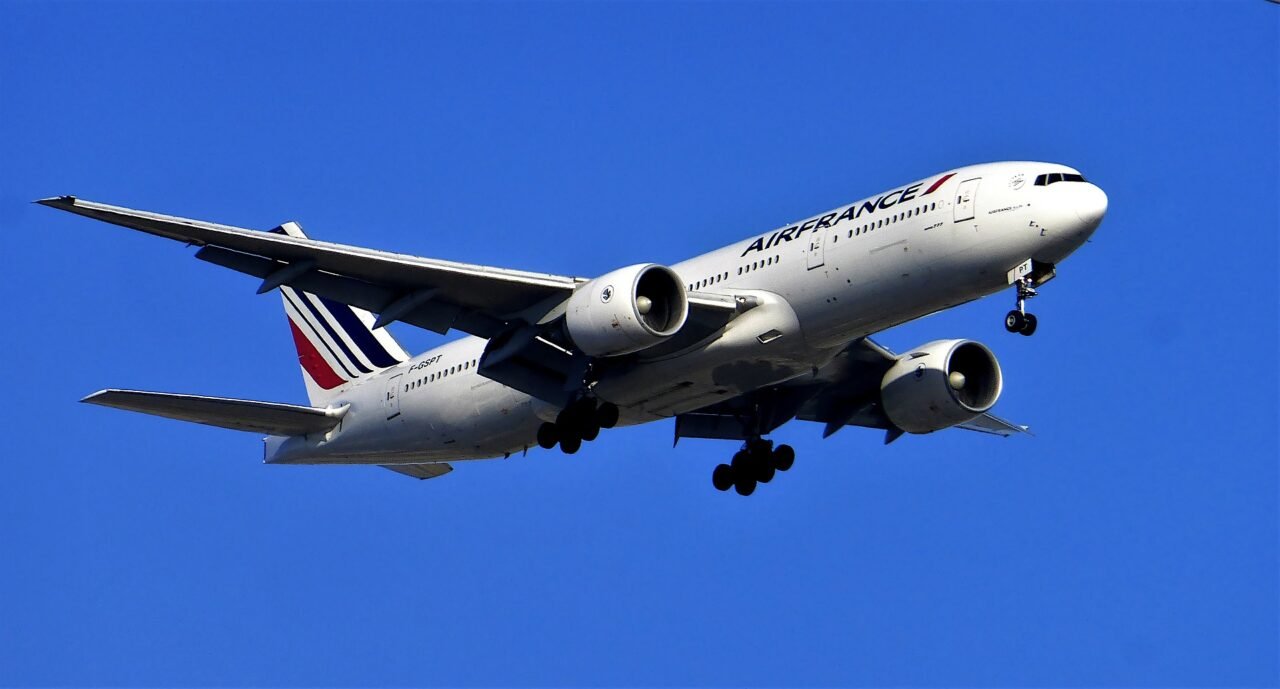
For many travelers, especially those with limited time or a preference for comfort, flying is the most straightforward way to travel from South Africa to Botswana. South Africa boasts major international airports in Johannesburg (O.R. Tambo International Airport – JNB), Cape Town (CPT), and Durban (DUR), offering regular connections to Botswana’s key destinations.
Direct Flights and Key Destinations
The most common direct flight route is from Johannesburg (JNB) to Gaborone (GAB), Botswana’s capital. Several airlines operate this route, making it a convenient entry point. From Gaborone, you can then take domestic flights or arrange ground transport to other parts of Botswana.
Another highly sought-after flight destination is Maun (MUB), the gateway to the Okavango Delta. While direct flights from Johannesburg to Maun are less frequent than to Gaborone, they do exist, particularly with carriers like Air Botswana. If a direct flight isn’t available or suits your schedule, a common alternative is flying via Gaborone or even Windhoek (Namibia) and then connecting to Maun.
Flights from Cape Town or Durban to Botswana typically involve a layover in Johannesburg. This makes Johannesburg the primary hub for most international and regional travel into Botswana.
Airlines and Booking Considerations for 2026-2027
Key airlines operating flights between South Africa and Botswana include:
- Air Botswana: The national flag carrier, offering routes between Johannesburg, Gaborone, and Maun.
- Airlink: A regional feeder airline that often provides reliable services connecting major South African cities to Botswana.
- South African Airways (SAA): While their route network has evolved, SAA can sometimes offer connecting flights or codeshares.
When planning your travel for 2026 or 2027, it’s advisable to book flights well in advance, especially for peak safari seasons (typically May to October). Early booking can secure better fares and ensure availability, particularly for flights into Maun, which are essential for accessing the Okavango Delta’s luxury lodges.
Estimated Flight Costs and Duration
Flight durations are short, typically:
- Johannesburg to Gaborone: Approximately 1 hour.
- Johannesburg to Maun: Approximately 2-3 hours (including potential layovers).
Estimated flight costs can vary significantly based on the season, how far in advance you book, and the airline. For a round trip from Johannesburg to Gaborone, expect prices to range from $200 to $500 USD. Flights to Maun are generally more expensive, often ranging from $400 to $800 USD or more for a round trip, due to their specialized nature and demand.
Tip for 2026-2027: Keep an eye on airline promotions and consider using flight comparison websites, but always cross-reference with the airline’s direct booking portal for the most accurate pricing and terms.
Overland Travel: The Adventurous Road Journey
For travelers seeking more flexibility, adventure, and the opportunity to see the landscapes transition, driving or taking a bus from South Africa to Botswana is a popular and often more economical choice. This route allows for spontaneous stops and a more in-depth experience of Southern Africa.
Popular Border Crossings
The most commonly used border posts for road travel are:
- Tlokweng Border Post: Located just east of Gaborone, this is the busiest and most direct crossing if you are heading towards Botswana’s capital. It connects from the N4 highway in South Africa (near Rustenburg and Pretoria).
- Ramatlabama Border Post: Situated south of Lobatse, this crossing is also a significant entry point. It connects from the A2 highway in South Africa (near Mafikeng).
- Martin’s Drift Border Post: Located further north, this crossing is relevant if you are approaching Botswana from the Limpopo province of South Africa, heading towards areas like Palapye or Serowe.
Each border post operates during specific hours, typically from early morning to late evening. It is crucial to confirm these hours before your travel date, especially for planning your arrival in 2026 or 2027, as holiday periods can sometimes affect operating times.
Driving Yourself: Requirements and Considerations
If you plan to drive your own vehicle or a rental car from South Africa into Botswana, several requirements must be met:
- Vehicle Registration Documents: You will need the original vehicle registration papers.
- Temporary Import Permit (TIP): Required for foreign-registered vehicles entering Botswana. This is usually obtained at the border post.
- Cross-Border Charge: A fee is levied on foreign vehicles entering Botswana.
- Vehicle Insurance: Ensure your South African insurance covers you for driving in Botswana, or be prepared to purchase third-party insurance at the border.
- Letter of Authority: If driving a financed vehicle or a company vehicle, you’ll need a letter of authority from the bank or company. For rental vehicles, you must obtain explicit permission from the rental company to take the vehicle across the border. This often incurs an additional fee and requires specific documentation.
- Valid Driver’s License: An international driving permit may be recommended, though a valid South African license is often accepted.
- Roadworthiness: Ensure your vehicle is in excellent condition.
Important Note for 2026-2027: Rental car companies often have strict policies regarding cross-border travel. Always confirm with the rental agency well in advance and be aware of any additional costs or insurance requirements.
Bus Travel: A Budget-Friendly Option
Several bus companies operate services between major South African cities (like Johannesburg, Pretoria) and Botswana’s main towns (Gaborone, Francistown). Companies like Intercape and APM (African Postmaster) are popular choices.
- Route: Buses typically travel via the Tlokweng Border Post to Gaborone.
- Duration: The journey from Johannesburg to Gaborone can take anywhere from 6 to 10 hours, depending on border crossing times and road conditions.
- Cost: Bus tickets are generally more affordable than flights, often ranging from $30 to $70 USD one way, making it an excellent option for budget travelers planning for 2026-2027.
- Booking: Tickets can usually be booked online through the bus company websites or at their respective stations.
Advantage: This option eliminates the complexities of self-driving permits and insurance, making it a hassle-free choice for many.
Self-Drive Itinerary Example (Johannesburg to Maun)
A popular self-drive route for those heading towards the Okavango Delta or Chobe National Park involves driving from Johannesburg to Maun:
- Day 1: Johannesburg to Gaborone (approx. 4-5 hours driving + border crossing). Depart Johannesburg early, cross the Tlokweng Border Post, and proceed to Gaborone. Spend the night in Gaborone to rest and complete any necessary paperwork if you haven’t arranged everything in advance.
- Day 2: Gaborone to Maun (approx. 7-8 hours driving). Continue north on the A1 highway towards Maun. This is a long but scenic drive. You might consider breaking this journey in Palapye or Francistown for an overnight stay, especially if you want a more relaxed pace.
- Day 3 onwards: Explore Maun and surrounds. Arrive in Maun, the gateway to the Okavango Delta. From here, you can arrange delta excursions, fly-in safaris, or continue your overland journey towards Moremi Game Reserve, Chobe, or the Central Kalahari.
Note: If driving into national parks or reserves in Botswana, you will need to pay park entrance fees and potentially obtain special permits, especially for remote areas. A 4×4 vehicle is highly recommended for many areas, particularly during the rainy season (November to April).
Train Travel: A Nostalgic, Slow Journey
While not the most practical for time-sensitive travelers, train travel offers a unique and nostalgic way to experience the journey from South Africa to Botswana. This option is best suited for those who have ample time and wish to travel at a more relaxed pace, enjoying the changing scenery.
Routes and Connections
There isn’t a direct train service from South Africa to Botswana. The journey typically involves:
- Taking a train from major South African cities like Johannesburg to the border town of Musina.
- Crossing the border into Zimbabwe at Beitbridge.
- Catching a train from Beitbridge to Bulawayo, Zimbabwe.
- From Bulawayo, taking another train to Plumtree, the Zimbabwean border town with Botswana.
- Crossing the border into Botswana at Ramokgwebana and then taking local transport to Francistown.
This route is complex, time-consuming, and often subject to delays. It requires significant planning and flexibility.
Practicalities and Time Commitment
- Duration: This multi-stage train journey can take several days (potentially 3-5 days or more) to complete, factoring in connections, border crossings, and potential delays.
- Comfort: Train services can vary in comfort. First-class or sleeper compartments are recommended for longer journeys, but availability might be limited.
- Cost: While individual train tickets might seem affordable, the cumulative cost, along with accommodation and food during transit, can add up. It is not always the cheapest option when all factors are considered.
- Visas: You will need to ensure you have the necessary visas for Zimbabwe if transiting through it.
Recommendation for 2026-2027: Given the complexities and time involved, train travel is generally recommended only for the most adventurous travelers with a deep appreciation for slow travel and a flexible schedule. For most visitors, flying or driving offers a more efficient and predictable experience.
Border Crossings: Navigating the Entry Points
Successfully crossing the South Africa-Botswana border is a crucial part of your journey. Whether you are flying in or driving, understanding the procedures and requirements at the border posts is essential.
Documentation Checklist
Regardless of your mode of transport, ensure you have the following readily available:
- Passport: Valid for at least six months beyond your intended stay and with sufficient blank pages.
- Visa: Check Botswana’s visa requirements for your nationality. Many nationalities receive visa-free entry for short stays, but it’s vital to verify this. South African passport holders generally do not require a visa for Botswana.
- Yellow Fever Certificate: Required if you are arriving from or have transited through a country with a risk of yellow fever.
- Proof of onward travel: Sometimes requested by immigration officials.
- Vehicle documents (if driving): As detailed in the overland section (TIP, registration, insurance, etc.).
Immigration and Customs Procedures
At the border post:
- Immigration: Proceed to the immigration counters for passport control. You will have your passport stamped upon entry into Botswana.
- Customs: Declare any goods that may be subject to customs duty. There are restrictions on alcohol, tobacco, and certain food items.
- Vehicle Clearance (if driving): If driving, you will need to complete the vehicle import procedures, pay relevant fees, and obtain your temporary import permit.
Tip: Be patient. Border crossings can sometimes be slow, especially during peak travel times or holidays. Having all your documents organized will significantly speed up the process.
Visa Requirements for Botswana
Botswana is known for its relatively straightforward visa policy for many nationalities. However, it is crucial to confirm the latest requirements for your specific country of citizenship well before your planned travel in 2026 or 2027.
Visa-Exempt Nationalities
Citizens of many countries, including the European Union, United Kingdom, United States, Canada, Australia, and New Zealand, can enter Botswana visa-free for tourism purposes for stays typically up to 30 days (this can often be extended). South African citizens also enjoy visa-free entry.
Visa Application Process
If your nationality requires a visa:
- Application: Visas can usually be applied for at a Botswana Embassy or Consulate in your country of residence or a neighboring country.
- Required Documents: Typically include a completed application form, passport photos, a valid passport, proof of accommodation, and sometimes proof of sufficient funds.
- Processing Time: Allow ample time for processing, as it can vary.
Recommendation for 2026-2027: Always check the official website of the Botswana Department of Immigration or the nearest Botswana Embassy for the most up-to-date visa information and application procedures.
Planning Your Botswana Itinerary from South Africa
Once you’ve decided on your mode of transport from South Africa, the next step is to plan your itinerary within Botswana. The country offers diverse experiences, from world-class wildlife viewing to unique desert landscapes.
Key Destinations and Activities
- Okavango Delta: A UNESCO World Heritage Site, famous for its intricate network of waterways, diverse wildlife, and luxury safari lodges. Activities include mokoro (traditional dugout canoe) excursions, game drives, and walking safaris.
- Chobe National Park: Renowned for its massive elephant herds and spectacular elephant-back safaris along the Chobe River. Boat safaris here are a must-do.
- Moremi Game Reserve: Considered one of Africa’s finest wildlife reserves, offering incredible game viewing opportunities, especially for predators.
- Central Kalahari Game Reserve: A vast, remote wilderness offering a true desert safari experience, ideal for those seeking solitude and unique desert-adapted wildlife.
- Makgadikgadi Pans: The world’s largest salt pans, offering starkly beautiful landscapes, quad biking, and a chance to see meerkats.
Sample Itinerary: 10-Day Botswana Explorer (from South Africa)
This sample itinerary assumes arrival via flight into Maun or a self-drive to Maun, focusing on the prime wildlife areas. This is a popular choice for travelers in 2026-2027.
Day 1-3: Okavango Delta Experience
Arrive in Maun, transfer to your lodge in the Okavango Delta (fly-in is common for lodges deep in the delta). Enjoy mokoro trips, game drives, and guided walks. Focus on the unique water-based wildlife viewing.
Day 4-6: Moremi Game Reserve
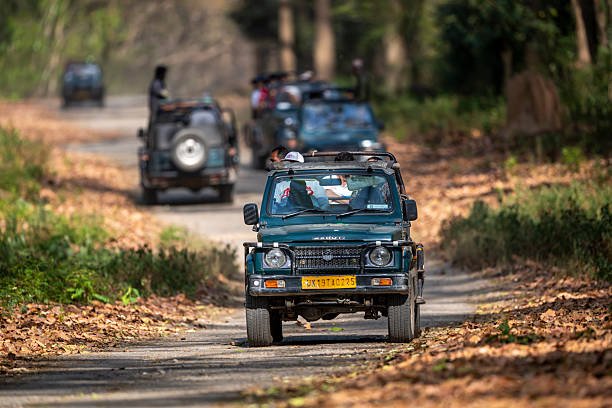
Transfer to Moremi Game Reserve, known for its diverse ecosystems and high predator density. Engage in thrilling game drives in open 4×4 vehicles, seeking out lions, leopards, wild dogs, and more.
Day 7-9: Chobe National Park
Travel to the Chobe Riverfront area. Experience iconic boat safaris on the Chobe River, offering unparalleled views of elephants and other wildlife coming to drink. Enjoy game drives in the park.
Day 10: Departure
Transfer back to Kasane Airport (BBK) for your flight out, or drive back towards South Africa.
Customization: This is a flexible framework. You can extend stays, add destinations like the Kalahari, or adjust based on your interests and budget for your 2026-2027 trip.
Choosing the Right Time to Travel
Botswana’s climate and wildlife viewing opportunities vary significantly throughout the year, influencing the best time to plan your trip from South Africa.
- Dry Season (May to October): This is the peak safari season. Wildlife congregates around permanent water sources, making them easier to spot. Temperatures are cooler, especially at night. Vegetation is less dense. This is the most popular time for travel in 2026 and 2027, meaning higher prices and the need to book well in advance.
- Wet Season (November to April): This is the low season. Landscapes are lush and green, birdlife is abundant (migratory birds return), and it’s calving season for many animals. Game viewing can be more challenging due to thicker vegetation and scattered water. Prices are generally lower, and crowds are smaller. This period can be ideal for photographers and those seeking a more tranquil experience. The summer months (December-February) can be very hot.
Shoulder Seasons (April/May and October/November): These months offer a good balance of decent wildlife viewing, pleasant weather, and potentially lower prices than the peak dry season.
Accommodation Options in Botswana
Botswana offers a wide range of accommodation to suit different budgets and travel styles, from rustic campsites to ultra-luxury lodges.
- Luxury Safari Lodges: Found predominantly in private concessions bordering national parks and in the Okavango Delta. These offer all-inclusive packages with gourmet meals, guided activities, and exceptional service.
- Tented Camps: Range from permanent, well-appointed canvas lodges to more mobile, adventurous camps. They offer a closer-to-nature experience.
- Hotels and Guesthouses: Available in major towns like Gaborone, Maun, Kasane, and Francistown, offering comfortable stays for transit or self-drive tours.
- National Park Campsites: Basic, self-catering campsites within parks like Chobe and Moremi. These require self-sufficiency and are ideal for budget-conscious overland travelers. Booking is essential, often months in advance for popular spots.
For 2026-2027 bookings: Popular lodges and campsites, especially in prime locations and during peak season, are booked up to a year or more in advance. Secure your preferred accommodation early.
Budgeting for Your Trip from South Africa to Botswana
The cost of traveling from South Africa to Botswana can vary dramatically based on your chosen transport, accommodation style, and activities. Here’s a breakdown of potential costs:
Transportation Costs
- Flights: $200 – $800+ USD round trip (Johannesburg to Gaborone/Maun).
- Self-Drive: Fuel costs, cross-border fees, permits, insurance, potential vehicle hire ($50-$150+ per day for a 4×4 rental).
- Bus: $30 – $70 USD one way (Johannesburg to Gaborone).
Accommodation Costs (per person per night, approximate)
- Budget Camping: $15 – $50 USD (Botswana National Parks).
- Mid-Range Guesthouse/Hotel: $80 – $200 USD.
- Luxury Safari Lodge (all-inclusive): $500 – $1500+ USD.
Activity Costs
- Okavango Delta Mokoro/Boat Trip: $50 – $150 USD per person for a half-day excursion.
- Chobe River Boat Cruise: $40 – $80 USD per person.
- Game Drives: $60 – $150+ USD per person per drive (often included in lodge rates).
- Park Entrance Fees: $10 – $30 USD per person per day, plus vehicle fees.
Estimated Total Trip Cost (excluding flights from your home country to South Africa)
- Budget Backpacker (using buses, camping): $100 – $150 USD per day.
- Mid-Range Traveler (driving, mix of hotels/camps): $250 – $400 USD per day.
- Luxury Traveler (flying, high-end lodges): $700 – $1500+ USD per day.
Planning for 2026-2027: Currency exchange rates can fluctuate. It’s wise to budget slightly higher than estimates. Botswana Pula (BWP) is the local currency. South African Rand (ZAR) is often accepted in border towns and some tourist areas, but Pula is preferred.
Health and Safety Considerations
When traveling from South Africa to Botswana, prioritizing health and safety is paramount.
Malaria Prevention
Botswana, particularly the northern regions like the Okavango Delta and Chobe, is a malaria-endemic area. Consult your doctor or a travel clinic about malaria prophylaxis well before your trip. Employ mosquito repellent, wear long sleeves and trousers during dawn and dusk, and sleep under mosquito nets.
Vaccinations
Ensure your routine vaccinations are up to date. Yellow fever vaccination is required if arriving from a country with a risk of transmission. Other recommended vaccinations may include Hepatitis A and Typhoid. Again, consult a travel health professional.
General Safety
- Wildlife: Maintain a safe distance from all wild animals. Never feed them. Follow your guide’s instructions at all times.
- Driving: If self-driving, be aware of wildlife on roads, especially at night. Adhere to speed limits and drive cautiously. Roads can be unpredictable, particularly outside main routes.
- Personal Safety: As in any country, be aware of your surroundings, secure your valuables, and avoid walking alone in unfamiliar areas at night, especially in towns.
Packing Essentials for Botswana
Packing appropriately will significantly enhance your comfort and enjoyment.
- Clothing: Lightweight, neutral-colored clothing (khaki, beige, olive green) is best for safaris. Include long-sleeved shirts and trousers for sun and insect protection. A warm fleece or jacket is essential for cool evenings and early mornings, especially during the dry season.
- Footwear: Comfortable walking shoes or hiking boots, plus sandals or flip-flops.
- Sun Protection: High SPF sunscreen, a wide-brimmed hat, and sunglasses.
- Insect Repellent: Containing DEET or Picaridin.
- Camera and Binoculars: Essential for wildlife viewing and photography. Extra batteries and memory cards.
- First-Aid Kit: Including personal medications, antiseptic wipes, bandages, pain relievers, and any specific items recommended by your doctor.
- Reusable Water Bottle: To stay hydrated and reduce plastic waste.
- Adapter: Botswana uses Type D and Type G electrical sockets (230V).
Connecting with Local Expertise for Your 2026-2027 Trip
Planning a trip from South Africa to Botswana, especially for a safari or a complex overland journey, can be greatly enhanced by local expertise. Companies specializing in Southern African travel can offer invaluable insights, handle logistics, and provide peace of mind.
For tailored African travel experiences, including smooth transitions from South Africa to Botswana, consider reaching out to experts who understand the intricacies of regional travel, visa requirements, vehicle permits, and the best safari lodges and reserves. They can help craft an itinerary that perfectly matches your interests and budget for 2026 or 2027.
Whether you are interested in a Kilimanjaro climb before or after your Botswana adventure, or simply focusing on a Botswana safari, expert advice is key. For assistance with planning your Botswana trip, including detailed itineraries, flight bookings, or overland arrangements from South Africa, you can connect with experienced tour operators. For practical local support and tailor-made African travel experiences, feel free to reach out via WhatsApp +255 747 477 898 or Email climb4africa@gmail.com.
Planning your travel from South Africa to Botswana in 2026-2027 requires careful consideration of transport, accommodation, and activities. By understanding the options available and preparing adequately, you can ensure a memorable and successful journey into one of Africa’s most incredible wildlife destinations.
Check Availability for How To Travel From South Africa To Botswana: Your Ultimate Guide 2026-2027
Ready to compare dates, prices, and the best option for your group? Send the package name and travel month so the team can reply with a clear quote, availability, and what is included.



