Traveling from Botswana to Zambia typically involves overland journeys via road, utilizing border posts like Kazungula, or taking flights, though direct flight options are limited. The most common and scenic overland route connects Kasane in Botswana to Livingstone in Zambia, crossing the Zambezi River via the Kazungula Bridge. Planning for 2026-2027 requires understanding visa requirements, the best time to travel, and transportation options to ensure a smooth transition between these two incredible Southern African destinations.

Understanding Your Journey: Botswana to Zambia in 2026-2027
The prospect of moving between Botswana and Zambia is an exciting one for many travelers. Both nations offer distinct yet complementary African experiences. Botswana is renowned for its pristine wilderness, exclusive safaris, and the vast Okavango Delta. Zambia, on the other hand, is famous for its raw, untamed wildlife parks, particularly South Luangwa and Lower Zambezi, and the awe-inspiring Victoria Falls on its side of the border. Connecting these two countries is a journey many adventurers undertake, whether they are extending a safari or exploring more of Southern Africa’s diverse landscapes.
For travelers planning their trips in 2026 and 2027, understanding the nuances of inter-country travel is crucial. This guide will break down the primary methods of travel from Botswana to Zambia, focusing on practical advice, logistical considerations, and what to expect at each step. We’ll cover the popular overland routes, the feasibility of flying, and essential tips to make your transition as smooth as possible. Whether you’re a seasoned overland explorer or seeking a comfortable transfer, this comprehensive overview aims to equip you with all the necessary information to travel from Botswana to Zambia effectively.
The Primary Overland Route: Kazungula Border Crossing
The most direct and frequently used land route connecting Botswana and Zambia centers around the Kazungula Border Post. This crossing point is strategically located near the quadripoint where Botswana, Zambia, Namibia, and Zimbabwe meet, although the direct border is between Botswana and Zambia. The recent opening of the Kazungula Bridge has significantly modernized and streamlined this crossing, replacing the older ferry system that once caused considerable delays.
Getting to Kazungula from Botswana
Most travelers entering Zambia via Kazungula will likely be coming from Kasane, Botswana. Kasane is a popular tourist hub, serving as a gateway to Chobe National Park, which is famed for its large elephant herds.
- From Kasane: The distance from Kasane to the Kazungula Border Post is short, approximately 10-15 kilometers. You can easily arrange a taxi or a lodge transfer to take you to the border. The drive itself is quick, offering glimpses of the Zambezi River and local life.
- From Maun/Okavango Delta: If you are coming from further afield, such as Maun or the Okavango Delta, you will need to travel to Kasane first. This typically involves a road transfer or a short flight to Kasane. The drive from Maun to Kasane is a substantial journey, often taking 5-7 hours, and is best done with a pre-booked safari vehicle or a shuttle service. It’s advisable to break this journey if time permits, or at least ensure your vehicle is comfortable for long distances.
The Kazungula Bridge Experience
The Kazungula Bridge is a monumental piece of infrastructure, spanning the Zambezi River. It’s not just a bridge but a one-stop border post facility, designed to expedite customs and immigration procedures for both countries. This means you can often complete exit formalities for Botswana and entry formalities for Zambia at the same complex, greatly reducing transit times compared to the old ferry system.
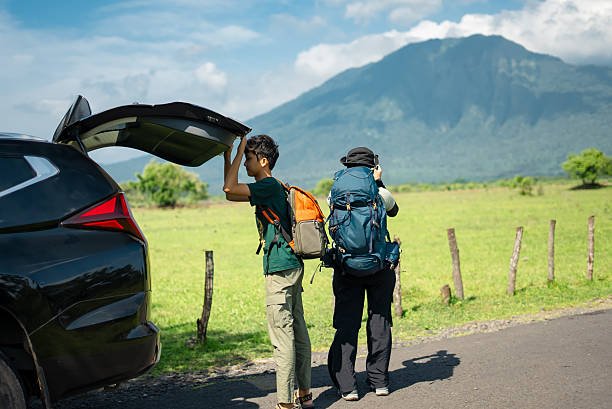
When you arrive at the Botswana side of the border, you will first go through immigration to get your exit stamp. After this, you will proceed across the bridge. On the Zambian side, you will complete your entry procedures. The bridge itself offers impressive views of the Zambezi and the surrounding landscape. For those traveling with their own vehicles, there are specific procedures for vehicle clearance, including temporary import permits (TIPs) and road taxes for Zambia.
Crossing into Zambia (Livingstone)
Once you have cleared immigration and customs on the Zambian side, you will find yourself in the vicinity of Livingstone. Livingstone is the main town and tourist hub on the Zambian side of Victoria Falls, often referred to as ‘Mosi-oa-Tunya’ (The Smoke That Thunders).
- Transport from the Border: Taxis and shared minibuses (known locally as ‘combis’) are readily available just outside the border complex. These can take you directly into Livingstone town, to your accommodation, or to the Victoria Falls National Park entrance. Negotiate your fare before starting the journey.
- Distance to Livingstone: The border post is approximately 10-15 kilometers from Livingstone town center. The journey is short and easy to arrange.
Factors to Consider for 2026-2027 Travel via Kazungula
When planning your travel from Botswana to Zambia via Kazungula for 2026 or 2027, keep these points in mind:
- Timing: The border post operates 24 hours a day, but it’s generally advisable to cross during daylight hours for safety and ease of navigation. The peak tourist seasons (dry season, roughly June to October) can see higher traffic, potentially leading to slight delays, though the new bridge significantly mitigates this.
- Vehicle Crossings: If you are driving your own vehicle, ensure you have all necessary documentation: vehicle registration, proof of ownership, insurance (Green Card if applicable), and be prepared for road taxes and permit fees in Zambia. These can add to the cost and time.
- Currency: Have some Botswana Pula (BWP) for your exit and some Zambian Kwacha (ZMW) readily available for immediate expenses upon arrival, such as taxis. Major currencies like USD are often accepted, but local currency is best for smaller transactions.
- Visa Requirements: Check the latest visa requirements for Zambia for your nationality well in advance. Many nationalities can obtain a visa on arrival, but regulations can change. The KAZA Uni-Visa, which covers both Zambia and Zimbabwe, might be an option depending on your travel plans, but verify its current status and applicability.
Alternative Overland Routes and Considerations
While Kazungula is the most direct land route, other overland options exist, though they are less common for direct Botswana-to-Zambia transit and often involve more complex logistics or travel through neighboring countries.
Via Zimbabwe (Victoria Falls/Livingstone)
It is possible to travel from Botswana into Zimbabwe and then cross into Zambia at the Victoria Falls border post (Zim side: Victoria Falls, Zambian side: Livingstone). This route is less direct if your primary goal is simply Botswana to Zambia, but it can be part of a larger itinerary that includes both sides of Victoria Falls and potentially Hwange National Park in Zimbabwe.
- Route: Typically, you would travel from Kasane, Botswana, to Victoria Falls town in Zimbabwe. This involves crossing the Pandamatenga border post or the Kazungula border post (Botswana side) and then proceeding to the Zimbabwe border crossing. From Victoria Falls town, you can walk or take a short taxi ride to the border crossing into Zambia, which leads directly to Livingstone.
- Pros: Allows for exploration of Victoria Falls from the Zimbabwe side, which offers different viewpoints.
- Cons: Adds complexity with multiple border crossings and potentially different visa requirements for Zimbabwe. This route is generally longer and more expensive than the direct Kazungula crossing.
Longer Overland Routes (Less Common)
For those on extensive overland expeditions, routes might involve traveling further north in Botswana and then entering Zambia via more remote border posts. However, these are not typical for standard tourist travel and require significant planning, self-sufficiency, and often specialized vehicles.
Such routes are usually undertaken by individuals with their own 4×4 vehicles and extensive experience in remote African travel. They are not recommended for general travelers seeking to move between the two countries efficiently.
Flying from Botswana to Zambia
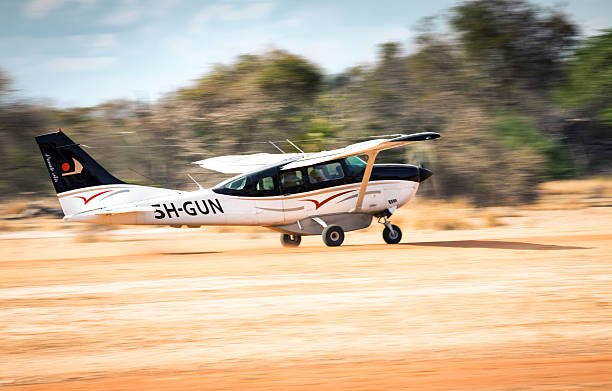
Direct commercial flights between Botswana and Zambia are scarce, making overland travel the more practical option for most. However, depending on your starting point in Botswana and your final destination in Zambia, flying might be a component of your journey, particularly if you are connecting through a major hub.
Key Airports and Potential Routes
- Botswana Airports: The main international airport in Botswana is Sir Seretse Khama International Airport (GBE) near Gaborone. Kasane International Airport (BBK) serves the Chobe region and is the most convenient for overland travelers heading towards Zambia. Maun Airport (MUB) is the gateway to the Okavango Delta.
- Zambia Airports: Livingstone’s Harry Mwanga Nkumbula International Airport (LVI) is the primary airport for tourists visiting Victoria Falls and the surrounding areas. Lusaka Kenneth Kaunda International Airport (LUN) is the main international gateway to Zambia, serving a wide range of destinations.
Connecting Flights (Likely Scenario)
If you opt for flying, your journey will likely involve at least one connection. The most common scenario would be:
- From Kasane (BBK) to Johannesburg (JNB), South Africa: There are occasional flights from Kasane to Johannesburg.
- From Johannesburg (JNB) to Livingstone (LVI) or Lusaka (LUN): Johannesburg is a major hub with frequent flights to both Livingstone and Lusaka.
Alternatively, if you are starting from Gaborone (GBE) or Maun (MUB), you would likely fly to Johannesburg first before connecting to Zambia. Ethiopian Airlines, Kenya Airways, and South African Airways often operate routes that could facilitate such connections, though direct flights between Botswana and Zambia are rare.
Pros and Cons of Flying
- Pros: Speed and comfort. Flying significantly reduces travel time, especially if you are starting from Gaborone or Maun and want to reach Zambia quickly. It bypasses border crossing formalities on the ground.
- Cons: Cost. Flights, especially those involving connections, are generally much more expensive than overland travel. Limited direct routes mean potential for longer overall travel times due to layovers. Luggage restrictions can be an issue for safari gear.
Booking Flights for 2026-2027
For travel in 2026-2027, it’s advisable to book flights well in advance, particularly if traveling during peak seasons. Use flight comparison websites and airline portals to find the best routes and prices. Be sure to factor in the time needed for layovers and transit between airports.
Essential Planning for Botswana to Zambia Travel in 2026-2027
Regardless of whether you choose to travel overland or by air, thorough planning is key to a successful journey from Botswana to Zambia. Here are crucial aspects to consider:
Visa Requirements
Visa regulations can change, so always verify the latest requirements for your nationality before your trip.
- Zambia: Many nationalities can obtain a visa on arrival at border posts and airports. However, it is highly recommended to check the official website of the Zambian Department of Immigration or contact the Zambian embassy in your country for the most up-to-date information for 2026-2027. Costs and validity periods vary.
- KAZA Uni-Visa: This visa allows tourists to travel freely between Zambia and Zimbabwe for up to 30 days with a single visa. It is available at Kazungula border post and Victoria Falls border post. However, its availability and applicability can sometimes be inconsistent. Confirm its status if you plan to use it. It is generally not applicable if entering Zambia from Botswana at Kazungula and immediately returning to Botswana without proceeding to Zimbabwe.
- Botswana: Most nationalities do not require a visa for short stays in Botswana, but it’s always best to confirm with the Botswana Department of Immigration or your local embassy.
Health and Vaccinations
Consult your doctor or a travel clinic at least 4-6 weeks before your departure regarding necessary vaccinations and malaria precautions.
- Malaria: Both Botswana (especially the north, including Kasane and the Okavango Delta) and Zambia are considered malaria-risk areas. Malaria prophylaxis is usually recommended. Use insect repellent and wear long sleeves and trousers, especially during dawn and dusk.
- Yellow Fever: A Yellow Fever vaccination certificate may be required, particularly if you are arriving from or have recently visited a country with a risk of Yellow Fever transmission.
- Other Vaccinations: Routine vaccinations should be up-to-date. Consider vaccinations for Hepatitis A, Typhoid, and Tetanus.
Currency and Payments
Understanding local currencies and payment methods is essential.
- Botswana: The currency is the Botswana Pula (BWP). ATMs are available in major towns like Kasane and Maun. Credit cards are accepted in larger lodges and hotels, but cash is useful for smaller purchases and local transport.
- Zambia: The currency is the Zambian Kwacha (ZMW). ATMs are available in Livingstone and Lusaka. USD is widely accepted for tourist services, especially around Victoria Falls, but often at less favorable exchange rates than using Kwacha. Carrying a mix of USD (for larger expenses) and ZMW (for smaller local transactions) is recommended.
Best Time to Travel
The timing of your trip can significantly impact your experience.
- Dry Season (June – October): This is the peak tourist season in both countries. Weather is generally cooler and drier, with excellent wildlife viewing as animals congregate around water sources. However, it’s also the busiest and most expensive time. Overland travel is easier due to drier roads.
- Wet Season (November – May): This is the low season. Landscapes are lush and green, offering beautiful photographic opportunities. Wildlife viewing can be more challenging as animals disperse. It’s a quieter and more affordable time to travel. However, heavy rains can sometimes make certain roads impassable, particularly in remote areas, and may affect flight schedules. For 2026-2027, consider the shoulder months (May, October, November) for a balance of good weather and fewer crowds.
Safety and Security
Both Botswana and Zambia are generally safe for tourists, but standard precautions should always be taken.
- General Safety: Be aware of your surroundings, especially in urban areas and at border crossings. Avoid displaying large amounts of cash. Secure your belongings.
- Driving: If driving yourself, be aware of road conditions, especially after dark when wildlife can pose a hazard. Stick to main roads where possible. Ensure your vehicle is in good condition and you have spare tires and basic tools.
- Wildlife: Maintain a safe distance from all wildlife. Never feed animals. Follow the guidance of park rangers and guides.
Detailed Itinerary Ideas: Botswana to Zambia
Here are a few sample itinerary ideas that incorporate travel from Botswana to Zambia, suitable for different interests and timeframes for 2026-2027.
Itinerary 1: Classic Victoria Falls & Chobe Explorer (7-10 Days)
This popular route focuses on the highlights of Chobe National Park and Victoria Falls.
- Day 1-3: Kasane, Botswana. Arrive in Kasane. Enjoy game drives and boat safaris in Chobe National Park, famous for its elephant populations. Stay in lodges near Kasane or within the park.
- Day 4: Travel to Livingstone, Zambia. After a morning activity in Chobe, transfer to the Kazungula Border Post. Complete exit/entry formalities and cross the Kazungula Bridge. Transfer to your accommodation in Livingstone.
- Day 5-6: Livingstone, Zambia. Explore Victoria Falls from the Zambian side (Mosi-oa-Tunya National Park). Consider activities like sunset cruises on the Zambezi, helicopter flights over the falls, or visiting Livingstone Island (weather permitting).
- Day 7: Departure. Depart from Livingstone Airport (LVI) or transfer back to Kasane (BBK) if continuing onward travel from Botswana.
Itinerary 2: Extended Safari Adventure (14-21 Days)
This itinerary combines the diverse wildlife experiences of Botswana with the renowned parks of Zambia.
- Day 1-5: Okavango Delta, Botswana. Fly into Maun and transfer to your lodge in the Okavango Delta. Experience mokoro excursions, walking safaris, and game drives.
- Day 6-8: Chobe National Park, Botswana. Transfer or fly from the Delta to Kasane. Focus on game drives and boat safaris in Chobe.
- Day 9: Travel to Zambia. Transfer from Kasane to Kazungula Border Post. Cross into Zambia and proceed to Livingstone. Settle into your accommodation.
- Day 10-11: Victoria Falls, Zambia. Explore Victoria Falls and enjoy activities in Livingstone.
- Day 12: Fly to Lusaka. Take a short flight from Livingstone (LVI) to Lusaka (LUN).
- Day 13-17: South Luangwa National Park, Zambia. Transfer from Lusaka to South Luangwa, a premier walking safari destination. Spend several days on game drives and walking safaris, looking for leopards, lions, and wild dogs.
- Day 18: Return to Lusaka. Fly back to Lusaka for your onward international flight.
Itinerary 3: Overland Expedition (3+ Weeks)
For the adventurous traveler with their own vehicle or on a guided overland tour.
- Start: Begin in Botswana, perhaps exploring areas like the Makgadikgadi Pans or Central Kalahari Game Reserve.
- Northward Bound: Travel towards Kasane and Chobe National Park.
- Border Crossing: Utilize the Kazungula Bridge to enter Zambia.
- Zambian Exploration: Drive towards Livingstone, explore Victoria Falls. Continue east towards Lusaka, then head north to South Luangwa National Park, perhaps continuing to North Luangwa or the Lower Zambezi National Park.
- Logistics: This requires meticulous planning for fuel, supplies, vehicle maintenance, permits, and camping/accommodation stops. Ensure your vehicle is well-equipped for potentially rough roads. Confirm road conditions for 2026-2027, especially during and after the rainy season.
Important Note for 2026-2027 Travelers
Travel regulations, visa requirements, and border crossing procedures can change. Always verify the latest information from official sources before your trip. For specific travel arrangements, especially for complex overland expeditions or tailored safaris combining Botswana and Zambia, working with experienced tour operators is highly recommended. They can provide up-to-date advice on routes, safety, and logistics for your 2026-2027 adventure.
Comparing Travel Styles: Overland vs. Flying
Choosing between overland travel and flying depends heavily on your budget, time constraints, and travel preferences. Both methods offer distinct experiences when traveling from Botswana to Zambia.
Overland Travel
Pros:
- Cost-Effective: Generally significantly cheaper than flying, especially for longer distances or groups.
- Scenic Experience: Allows you to witness the changing landscapes, local life, and the gradual transition between countries.
- Flexibility: Ideal for those who want to stop and explore points of interest along the way. Essential for self-drive adventurers.
- Kazungula Bridge: The new bridge has made this route much more efficient and accessible.
Cons:
- Time-Consuming: Can take many hours or even days, depending on your starting point and mode of transport (e.g., public transport vs. private transfer).
- Comfort: Public transport can be crowded and less comfortable. Road conditions can vary, especially outside main routes.
- Border Formalities: While streamlined at Kazungula, border crossings can still involve queues and paperwork, especially if traveling with a private vehicle.
Flying
Pros:
- Speed: The fastest way to cover long distances, saving valuable travel time.
- Comfort: Generally more comfortable than long road journeys.
- Convenience: Avoids the complexities of border crossings and road travel logistics.
Cons:
- Expensive: Significantly higher cost compared to overland travel.
- Limited Direct Routes: Requires connections, often through Johannesburg, increasing overall travel time and potential for missed connections.
- Less in-depth: You miss out on the in-between landscapes and local interactions of overland travel.
Practical Tips for a Smooth Botswana to Zambia Journey
To ensure your travel from Botswana to Zambia is as smooth as possible for your 2026-2027 trip, consider these practical tips:
- Pre-Book Transfers: If you are not driving yourself, pre-booking transfers from your lodge in Botswana to the border, and from the border to your accommodation in Livingstone, can save time and hassle. Many lodges can arrange this.
- Pack Light (if flying): If your journey involves flights, adhere to luggage weight restrictions. If traveling overland with public transport, a backpack or manageable suitcase is best.
- Stay Hydrated: Especially during overland travel, carry plenty of water.
- Snacks: Pack some snacks, particularly for longer journeys or if using public transport, as food options may be limited.
- Connectivity: Purchase local SIM cards upon arrival in each country if you need reliable mobile data or local calls. Zambia has better mobile coverage in tourist areas than some remote parts of Botswana.
- Language: English is widely spoken in tourist areas and as an official language in both countries, but learning a few basic phrases in Setswana (Botswana) or local Zambian languages can be appreciated.
- Border Crossing Etiquette: Be patient and polite at border crossings. Have all your documents organized and ready.
- Emergency Contacts: Keep a list of important contact numbers, including your embassy, lodge, and emergency services in both countries.
Organizing Your Botswana to Zambia Adventure with Climb 4 Africa
For travelers seeking a well-organized and expertly guided experience when traveling between Botswana and Zambia, or exploring either country individually, Climb 4 Africa offers comprehensive safari and travel planning services. We specialize in creating tailor-made African travel experiences, ensuring that your journey is memorable, safe, and aligns with your interests.
Whether you are planning an extended safari that includes both Botswana’s pristine wilderness and Zambia’s wild parks, or simply need a smooth transfer between Kasane and Livingstone, our team can assist. We understand the logistics of Southern African travel, including the best routes, accommodation options, and activities suitable for 2026-2027 travel. Our expertise covers everything from wildlife safaris and adventure activities to cultural experiences.
We can help arrange:
- Custom Itineraries: Designing unique trips that combine Botswana and Zambia, or focus on one country’s highlights.
- Transfers and Logistics: Arranging private road transfers, including cross-border arrangements via Kazungula.
- Accommodation Bookings: Securing stays in lodges and camps that match your budget and preferences.
- Activity Bookings: Organizing game drives, boat safaris, walking safaris, and Victoria Falls activities.
- Expert Advice: Providing up-to-date information on visa requirements, health recommendations, and the best times to visit for 2026-2027.
Planning a trip to Africa can be complex, but with the right support, it can be an incredibly rewarding experience. Let us help you navigate the journey from Botswana to Zambia and beyond.
For inquiries about planning your Botswana to Zambia trip or any other African adventure, please feel free to contact us:
WhatsApp: +255 747 477 898
Email: climb4africa@gmail.com
We look forward to helping you create an unforgettable journey through Southern Africa.
Check Availability for How To Travel From Botswana To Zambia: Your Comprehensive Guide For…
Ready to compare dates, prices, and the best option for your group? Send the package name and travel month so the team can reply with a clear quote, availability, and what is included.



