
Climbing Kilimanjaro in October typically involves prices ranging from $2,200 to $4,500+ per person for standard packages, depending on the route, duration, and operator, with 2026-2027 bookings reflecting these trends. October generally offers excellent climbing conditions, marked by decreasing rainfall from the preceding rainy season and the onset of cooler, drier weather, especially at higher elevations. Group departure dates for October 2026 and 2027 are available, often concentrated on popular routes like Machame and Lemosho, providing opportunities for shared experiences and cost savings.

Understanding Kilimanjaro in October: A Season of Transition
October on Kilimanjaro presents a compelling blend of conditions, sitting at the cusp of two distinct weather patterns. It marks the tail end of the short rainy season and the beginning of the drier, cooler period that characterizes the summer months in the Southern Hemisphere. For trekkers, this transition often translates into fewer crowds compared to the peak dry seasons of January-February and June-August, while still offering a generally favorable climate for the ascent. Understanding these nuances is crucial for anyone planning their Kilimanjaro climb in October, whether looking at 2026, 2027, or beyond.
The mountain’s microclimates mean that weather can vary dramatically with altitude. While the lower slopes might still experience lingering showers, the upper reaches often become clearer and crisper. This duality is a key factor in packing and preparation. The overall trend, however, is towards improving conditions as the month progresses, making late October a particularly attractive time for many climbers.
Kilimanjaro Weather in October: What to Expect by Zone
Kilimanjaro’s weather is notoriously diverse, changing significantly as you ascend through its distinct ecological zones. For October climbs, this means preparing for a spectrum of conditions:
The Rainforest Belt (Approx. 1,800m – 2,800m)
During October, the rainforest zone can still be quite damp. Expect frequent, though often brief, rain showers. These are typically warm and can be heavy, contributing to lush vegetation. Temperatures are mild, ranging from 15°C to 25°C (59°F to 77°F). While the rain might make the initial trek muddy, it rarely poses a significant obstacle to progress. Visibility can be reduced by mist, but this also adds to the atmospheric beauty of the lower slopes.
The Heath and Moorland Zone (Approx. 2,800m – 4,000m)
As you move higher, the landscape transforms, and the weather becomes cooler and more variable. October here sees a decrease in rainfall compared to the rainforest. Temperatures can drop to between 5°C and 15°C (41°F to 59°F). You might encounter misty conditions, occasional light rain, or even early snowfall, particularly towards the upper end of this zone. The air is noticeably thinner, and winds can pick up, making layered clothing essential.
The Alpine Desert Zone (Approx. 4,000m – 5,000m)
This is a stark, rocky environment where precipitation is minimal. October offers generally dry conditions here, but temperatures plummet significantly. Daytime highs might hover around 5°C (41°F), while nighttime temperatures can easily fall below freezing, reaching -5°C to -10°C (14°F to 23°F) or even lower, especially at higher camps like Kibo Hut. Clear skies are common, offering spectacular stargazing, but the cold is a major factor.
The Arctic Zone (Above 5,000m)
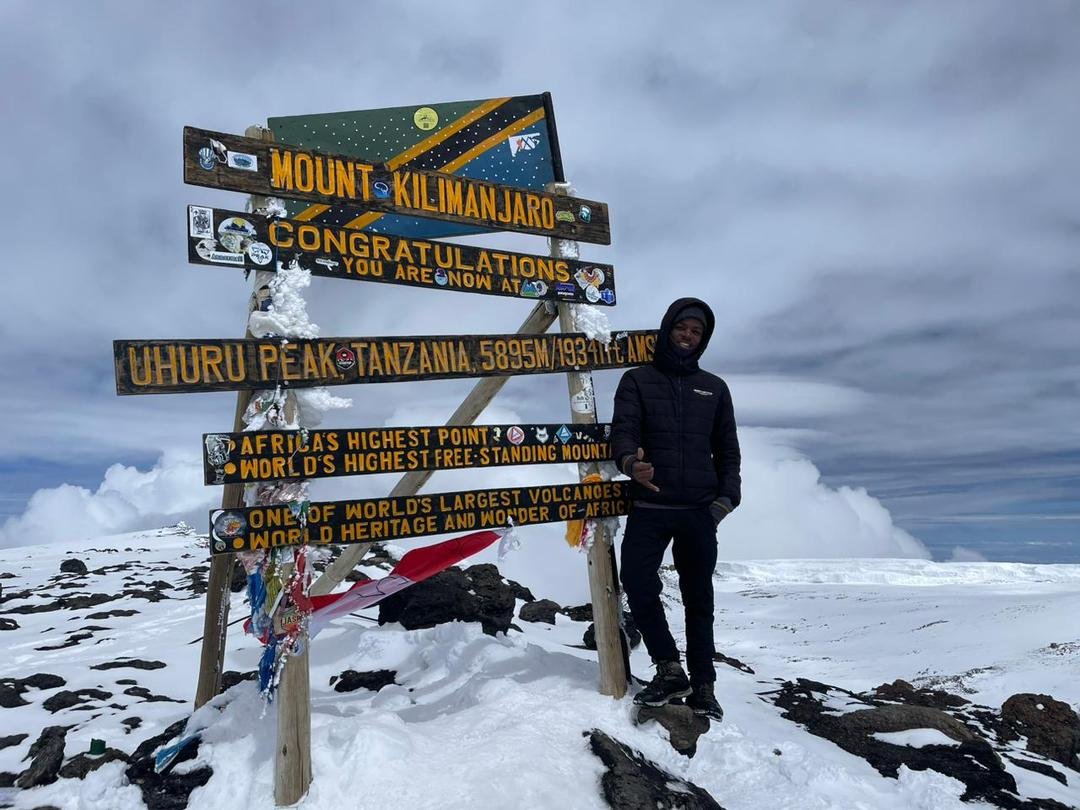
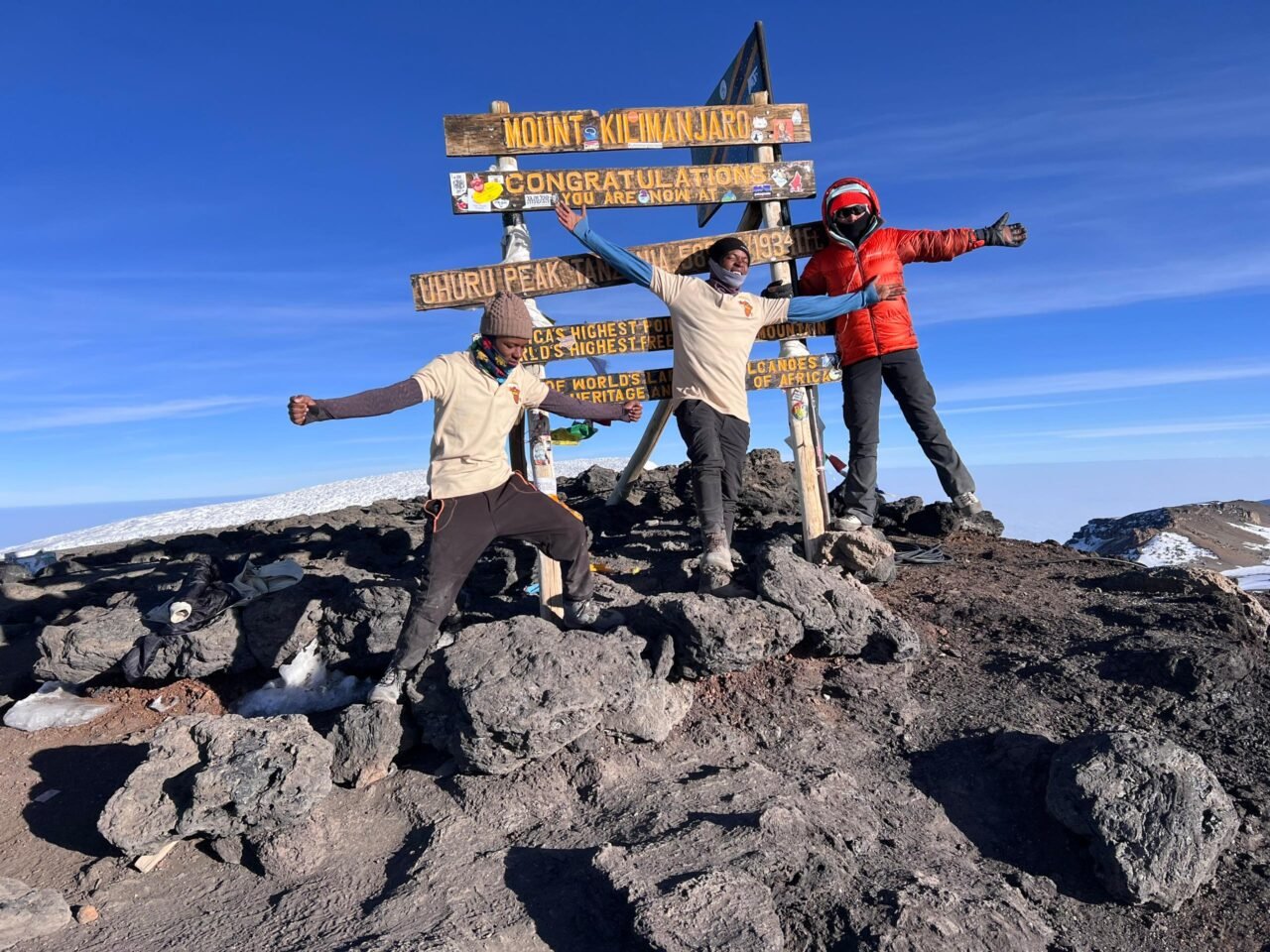
The summit zone, including Uhuru Peak, is an arctic environment. In October, expect extremely cold temperatures, often well below -10°C (14°F), potentially reaching -20°C (-4°F) with wind chill on summit night. While precipitation is rare, strong winds are a constant threat and can make the final ascent brutal. Visibility can be excellent on clear mornings, offering unparalleled views, but the extreme cold and altitude are the primary challenges.
Key Takeaway for October Weather: While October is generally favorable, especially in the latter half, be prepared for changeable conditions. Layering is paramount. The lower altitudes might be wet, while the higher altitudes will be cold and potentially windy. Always check updated forecasts closer to your departure date for Climbing Kilimanjaro in October 2026 or 2027.
October Kilimanjaro Prices: Factors and Typical Costs for 2026-2027
The cost of climbing Kilimanjaro can vary widely, and understanding the components that make up the price is essential for budgeting your 2026 or 2027 trek. While October is not typically considered peak season, prices remain relatively stable year-round due to fixed operational costs like park fees, staff wages, and equipment.
As a general guideline for Climbing Kilimanjaro in October, you can expect the following price ranges:
Typical Kilimanjaro Climb Prices (per person, based on 7-8 day treks)
| Tour Operator Tier | Estimated Price Range (USD) | Key Inclusions |
|---|---|---|
| Budget Operators | $2,200 – $2,800 | Basic gear, standard meals, park fees, porter wages, group tent camping. Often minimal support staff. |
| Mid-Range Operators (e.g., Climb 4 Africa) | $2,800 – $3,800 | Quality gear, varied meal options, park fees, professional guides & porters, higher staff-to-client ratio, group tent camping, emergency support. |
| Premium/Luxury Operators | $3,800 – $4,500+ | High-quality gear, gourmet meals, private toilet tents, park fees, extensive support crew, comfortable camping, private transfers, sometimes added amenities. |
Note: These are estimates for 2026-2027 and can fluctuate based on specific inclusions, group size, and route.
Key Cost Components for Your October Climb:
- Park Fees: These are fixed by the Tanzanian government and constitute a significant portion of the total cost. They cover entry, camping/hut fees, and rescue services.
- Operator’s Margin: This covers operational overheads, logistics, equipment maintenance, and profit. Higher-tier operators invest more in guide training, safety equipment, and staff welfare, reflected in their pricing.
- Route Choice: Longer routes like the 8-day Lemosho or 9-day Northern Circuit generally cost more due to the increased number of days, food, staff, and porterage.
- Number of Days: A 7-day trek is typically less expensive than an 8-day or longer trek on the same route.
- Group Size: While October might see fewer large groups, joining a pre-scheduled group departure is often more economical than arranging a private climb.
- Inclusions: Carefully check what is included. Common inclusions are park fees, accommodation before/after the climb (sometimes), meals on the mountain, guides, porters, and basic equipment. Exclusions often include flights, visas, travel insurance, tips, personal gear, and optional activities.
When comparing prices for Climbing Kilimanjaro in October 2026, always look beyond the headline figure. A cheaper quote might mean fewer guides, insufficient porters, or lower quality equipment, which can compromise safety and enjoyment.
Choosing Your Route for an October Kilimanjaro Ascent
While most routes are viable in October, some offer distinct advantages due to weather patterns or crowd levels. The choice of route significantly impacts your acclimatization, scenery, and overall experience.
Popular Routes for October Climbs:
Machame Route (7-8 days)
Often called the “Whiskey Route,” Machame is the most popular route. It offers a good acclimatization profile with its “climb high, sleep low” strategy. In October, it provides stunning views as the rains recede. Its popularity means you’ll likely encounter other trekkers, even in October, especially on group departures.
- Pros: Excellent acclimatization, scenic variety, high success rates, good for group departures.
- Cons: Can be crowded, steeper sections, camping only.
Lemosho Route (7-8 days)
Lemosho is highly recommended for its beauty and superior acclimatization, especially when extended to 8 days. It starts in the west and crosses the Shira Plateau, offering impressive vistas. October conditions on Lemosho are typically favourable, with fewer people than Machame, particularly in the early days. It merges with the Machame route later on.
- Pros: Excellent acclimatization, stunning scenery, higher success rates, less crowded initially.
- Cons: Longer approach, slightly higher cost than Machame.
Marangu Route (5-6 days)
Known as the “Coca-Cola Route,” Marangu is the oldest and only route with dormitory-style hut accommodation. While shorter and often perceived as easier, its rapid ascent profile leads to lower success rates. October can still see rain on Marangu, and its popularity means it remains busy. It’s generally not recommended for optimal acclimatization.
- Pros: Hut accommodation, potentially cheaper due to shorter duration.
- Cons: Poor acclimatization, lower success rates, less scenic than western routes.
Northern Circuit (9-10 days)
This is the longest route, offering the best acclimatization profile and circumnavigating the mountain. It provides unparalleled views and a quieter experience. For an October climb, the extended duration allows for superb acclimatization, significantly boosting success rates. It’s a more expensive option but offers the most rewarding experience for those with time.
- Pros: Best acclimatization, highest success rates, most scenic, least crowded.
- Cons: Longest duration, highest cost.
For Climbing Kilimanjaro in October 2026 or 2027, routes like Lemosho (8 days) and the Northern Circuit (9-10 days) are often favored for their superior acclimatization, which is always beneficial, regardless of the month. However, the popular Machame route remains a solid choice, especially if you are joining a group.
October Group Departure Dates for 2026 & 2027
Joining a group departure is an excellent way to manage costs and share the experience of Climbing Kilimanjaro in October. Tour operators like Climb 4 Africa schedule fixed departure dates throughout the year, including October. These dates are strategically chosen to align with generally favourable weather windows and to maximize the chances of forming viable groups.
While specific dates for 2026 and 2027 are finalized closer to the time and can be subject to change, typical patterns emerge. Operators often schedule group climbs on popular routes like Machame and Lemosho.
Finding October Group Dates for 2026-2027:
- Check Operator Websites: Reputable tour operators will list their scheduled group departures well in advance. Look for dedicated pages for Kilimanjaro group dates.
- Contact Operators Directly: If you don’t see dates that suit you, or if you’re planning for 2027 and dates aren’t yet published, reach out. Operators can often confirm tentative plans or advise on the best time to book.
- Flexibility is Key: If your dates are flexible within October, you’ll have a wider choice of group departures. Early October might have fewer groups than mid-to-late October as conditions improve.
- Consider Route Popularity: Group departures are most common on the Machame and Lemosho routes. If you prefer a less common route like the Northern Circuit, you might need to form a private group or join a less frequent departure.
For example, a typical operator might offer 2-3 group departures per week on popular routes during the shoulder season, which includes October. For Climbing Kilimanjaro in October 2026, you could anticipate dates appearing on schedules from early 2025 onwards. Similarly, for 2027, expect availability to be released throughout 2026.
Climb 4 Africa, for instance, offers a range of group departures throughout the year. To find the most up-to-date information for October 2026 and 2027 group dates, it is best to visit their website or contact them directly. They specialize in creating well-supported climbs with experienced guides and porters, ensuring a safe and memorable experience.
Preparing for Your October Kilimanjaro Trek
Successful acclimatization and a comfortable trek depend heavily on preparation. October’s transitional weather requires specific attention to packing and physical conditioning.
Physical Training for Kilimanjaro
Kilimanjaro is a demanding trek, not a technical climb. The primary challenge is the altitude. Focus your training on cardiovascular fitness and leg strength. Hiking with a weighted backpack on varied terrain is ideal. Aim for at least 3-4 months of consistent training leading up to your climb.
Essential Packing List for October
Layering is the golden rule for Kilimanjaro. You’ll need gear for warmth, rain protection, and sun exposure.
Key Gear for October Climbs:
- Base Layers: Moisture-wicking thermal tops and bottoms (merino wool or synthetic).
- Mid Layers: Fleece jackets or insulated vests for warmth.
- Outer Layer (Insulation): A warm down or synthetic insulated jacket is crucial for cold evenings and summit night.
- Waterproof Shell: A high-quality, breathable waterproof jacket and trousers are essential for potential rain, especially in the lower zones.
- Trekking Trousers: Comfortable, quick-drying trousers (avoid jeans).
- Headwear: Warm beanie/woolen hat, sun hat with a brim, balaclava or neck gaiter for cold/wind.
- Gloves: Warm waterproof gloves or mittens, plus thinner liner gloves.
- Footwear: Broken-in waterproof hiking boots with good ankle support. Camp shoes or comfortable trainers for evenings.
- Socks: Several pairs of warm woolen or synthetic hiking socks.
- Backpack: A comfortable daypack (30-40L) for essentials, plus a larger duffel bag (80-100L) for porters.
- Sleeping Bag: A 4-season sleeping bag rated to at least -15°C (0°F) is recommended for October.
- Headlamp: With extra batteries. Essential for summit night and camp.
- Sun Protection: High SPF sunscreen, sunglasses, lip balm.
- Hydration: Water bottles or hydration reservoir (at least 3 liters capacity). Water purification tablets or filter.
- Personal Items: Toiletries, basic first-aid kit, any personal medications, camera, power bank.
Given the possibility of rain in the lower forests and cold at altitude, ensure your waterproofs are top-notch and your insulating layers are sufficient. The transition nature of October’s weather means you can’t afford to underestimate either the wet or the cold.
Acclimatization Strategies
Proper acclimatization is the most critical factor for success. Regardless of the month, follow these principles:
- Go Slow: “Pole pole” (slowly, slowly) is the mantra. Ascend gradually.
- Hydrate: Drink plenty of water (3-4 liters per day).
- Eat Well: Maintain energy levels with regular meals.
- Avoid Alcohol and Smoking: These hinder acclimatization.
- Ascend High, Sleep Low: Follow routes that incorporate this principle.
- Listen to Your Body: Report any symptoms of altitude sickness (headache, nausea, dizziness) to your guide immediately.
Choosing a longer route (7-10 days) significantly aids acclimatization, making routes like Lemosho or Northern Circuit particularly suitable for an October climb where conditions can still be slightly unpredictable in the early days.
Health and Safety on Kilimanjaro in October
Safety is paramount on any Kilimanjaro climb. Understanding the risks and how to mitigate them is crucial, especially during a transitional month like October.
Altitude Sickness (Acute Mountain Sickness – AMS)
AMS is the most common risk. Symptoms can range from mild (headache, fatigue) to severe (High Altitude Cerebral Edema – HACE, High Altitude Pulmonary Edema – HAPE). The best prevention is slow ascent and good acclimatization. Your guides are trained to recognize symptoms and manage cases. If symptoms worsen, descent is the only cure.
October-Specific Health Considerations
While October doesn’t bring unique diseases, the weather conditions require attention:
- Hypothermia: The risk is present, especially on summit night, due to cold temperatures and potential wind. Proper layering and a warm sleeping bag are vital.
- Dehydration: Cold air can be dry, and the effort of climbing increases fluid loss. Continue to drink ample water.
- Sunburn: Even in cooler weather, the sun at high altitude is intense. Protect exposed skin.
Choosing a Reputable Operator
Selecting a tour operator with a strong safety record is non-negotiable. Look for companies that:
- Employ certified, experienced guides: Guides trained in wilderness first aid and altitude management.
- Carry comprehensive medical kits: Including oxygen cylinders and Gamow bags (portable hyperbaric chambers) for severe AMS.
- Have clear emergency protocols: Including communication systems and evacuation plans.
- Adhere to fair porter treatment: Ethical treatment ensures porters are well-equipped and cared for, contributing to overall safety.
Companies like Climb 4 Africa prioritize safety, employing experienced local guides and ensuring adequate equipment and support for all their climbers. Their commitment extends to responsible tourism practices, which indirectly contributes to a safer trekking environment.
Comparing October with Other Months
Understanding how October stacks up against other months helps in making an informed decision for your Climbing Kilimanjaro trip.
- Dry Seasons (Jan-Feb, Jun-Aug): These are the peak months. Expect the clearest skies, driest conditions, and coldest temperatures, especially in Jan-Feb at altitude. They are also the most crowded and tend to be the most expensive.
- Rainy Seasons (Mar-May, Nov): These months see significantly more rainfall, particularly the long rains (Mar-May). Trails can be muddy, visibility poor, and success rates lower. November is a shorter, less intense rainy season. These months are generally cheaper and less crowded.
- Shoulder Seasons (Oct, early Dec): October sits between the short rainy season and the dry season. It offers a balance: fewer crowds than peak season, generally improving weather as the month progresses, and moderate temperatures. Early December often mirrors October’s transitional conditions before the peak dry season fully sets in.
Why Choose October?
- Fewer Crowds: Compared to the peak dry seasons, October is noticeably quieter.
- Improving Weather: The latter half of October typically offers good trekking conditions with less rain and clearer skies, especially at altitude.
- Moderate Temperatures: While higher altitudes are cold, the lower and middle zones are often milder than in the deep dry season.
- Value: While not the cheapest month, it can offer better value than peak season, with potentially more flexible pricing on some packages for 2026-2027.
The main drawback is the lingering possibility of rain in the early part of the month, especially on the lower slopes. However, with proper gear and a good operator, this is manageable.
The Role of Guides and Porters in October
The success and safety of your Kilimanjaro climb, regardless of the month, hinge on the expertise and dedication of your local guides and porters. In October, their role is amplified due to the transitional weather.
Guides:
- Altitude Management: They are trained to monitor climbers for altitude sickness, advise on pacing, and make critical decisions regarding descent if necessary.
- Route Navigation: Ensuring you stay on the correct path, especially if mist reduces visibility.
- Safety: Identifying potential hazards on the trail.
- Logistics: Coordinating with the porter team for camp setup and meal preparation.
- Morale: Providing encouragement and support, crucial during challenging moments.
Porters:
- Carrying Gear: They transport tents, food, cooking equipment, and your personal duffel bag, allowing you to focus on walking.
- Camp Setup: Pitching tents and preparing the campsite before climbers arrive.
- Logistical Support: Ensuring smooth operations on the mountain.
Choosing an operator that invests in well-trained, well-equipped, and fairly compensated guides and porters is essential. Climb 4 Africa emphasizes the importance of their local teams, ensuring they are professional, experienced, and well-supported, which directly translates to a safer and more enjoyable climb for you. Tipping your guides and porters is customary and a significant part of their income, so budget accordingly for your October 2026 Kilimanjaro climb.
Booking Your October Kilimanjaro Climb: 2026-2027 Considerations
Planning ahead is crucial, especially if you aim to climb Kilimanjaro in October 2026 or 2027. Booking windows and considerations differ based on your desired departure style.
Booking a Group Departure:
For group dates, especially on popular routes like Machame or Lemosho, it’s advisable to book 6-12 months in advance. This secures your spot on your preferred date and route, and allows operators time to finalize logistics. For 2026 dates, booking in 2025 is ideal. For 2027, aim for late 2026 or early 2027.
Booking a Private Climb:
If you prefer a private climb, you have more flexibility. However, booking 3-6 months in advance is still recommended to ensure availability of guides and logistics, particularly if you have specific date requirements within October.
Price Fluctuations for 2026-2027:
While park fees are set by the government, operator prices can see minor adjustments annually due to inflation, fuel costs, and operational expenses. Booking earlier often means securing current pricing, though operators will clearly state any price changes for future years. For Climbing Kilimanjaro in October 2027, expect prices to be in a similar range to 2026, potentially with slight increases.
Visa and Flights:
Factor in time for obtaining your Tanzanian visa (often available on arrival but can be obtained in advance) and booking international flights to Kilimanjaro International Airport (JRO). Flight prices can fluctuate significantly, so booking these early is also wise.
Travel Insurance:
Comprehensive travel insurance that covers high-altitude trekking and emergency medical evacuation is mandatory. Ensure your policy is valid for the duration of your climb and covers altitudes up to 5,895 meters.
For those ready to plan their ascent, contacting an experienced operator like Climb 4 Africa is the best next step. They can provide detailed itineraries, current pricing for October 2026 and 2027, and assist with securing your ideal group departure or private climb. You can reach them via WhatsApp +255 747 477 898 or Email climb4africa@gmail.com.
Frequently Asked Questions about Climbing Kilimanjaro in October
Is October a good month to climb Kilimanjaro?
Yes, October is generally considered a good month. It falls between the short rainy season and the main dry season, offering a balance of fewer crowds and improving weather, especially in the latter half of the month. While some rain is possible, particularly on lower slopes, higher altitudes often experience clearer, drier conditions.
What is the weather like on Kilimanjaro in October?
Weather varies by altitude. Lower rainforest zones may experience rain showers. Mid-altitudes (Moorland/Heath) can be misty with occasional rain or light snow. Higher zones (Alpine Desert and Arctic) are typically dry but very cold, with temperatures dropping significantly below freezing, especially at night and on summit night.
How much does it cost to climb Kilimanjaro in October?
Prices for Climbing Kilimanjaro in October typically range from $2,200 to $4,500+ per person for standard packages in 2026-2027. This depends on the route length, operator tier, and inclusions. Longer routes and premium operators will be at the higher end.
What are the best routes for an October climb?
Routes offering better acclimatization are recommended. The 8-day Lemosho route or the 9-10 day Northern Circuit are excellent choices for their gradual ascent profiles. The popular 7-day Machame route is also a viable and scenic option, particularly for group departures.
Can I join a group climb in October 2026 or 2027?
Yes, group departures are common in October. It is advisable to book 6-12 months in advance for specific dates in 2026 or 2027. Check tour operator websites or contact them directly for the latest schedules.
What should I pack for Kilimanjaro in October?
Pack for variable weather: waterproof outer layers for potential rain, warm insulating layers (down jacket, fleece), thermal base layers, warm hat and gloves, and sturdy, broken-in hiking boots. Layering is essential. A 4-season sleeping bag is recommended.
Final Thoughts on Your October Kilimanjaro Adventure
Climbing Kilimanjaro in October offers a unique opportunity to experience the Roof of Africa during a transitional period. You benefit from potentially fewer crowds than the peak dry seasons while still enjoying generally favorable trekking conditions, especially as the month progresses. The key to a successful October climb lies in thorough preparation: understanding the weather patterns across different altitudes, selecting an appropriate route that prioritizes acclimatization, packing the right gear for variable conditions, and choosing a reputable tour operator committed to safety and quality.
Whether you are targeting October 2026 or planning further ahead for October 2027, starting your planning early will ensure you secure your preferred dates and routes. Group departures offer a cost-effective and social way to achieve your goal, while private climbs provide flexibility. Remember that the investment in a quality operator means investing in your safety, comfort, and ultimately, your success on the mountain.
For expert advice, tailored itineraries, and reliable support for your Kilimanjaro climb in October, the team at Climb 4 Africa is ready to assist. They combine local expertise with international standards to deliver unforgettable African adventures. Get in touch to discuss your plans:
WhatsApp: +255 747 477 898
Email: climb4africa@gmail.com
Website: Climb 4 Africa
Prepare well, embrace the challenge, and look forward to an incredible journey to the summit of Kilimanjaro!
Check Availability for Climbing Kilimanjaro In October: Prices, Weather & Group Dates For 2026-2027
Ready to compare dates, prices, and the best option for your group? Send the package name and travel month so the team can reply with a clear quote, availability, and what is included.

Climbing Kilimanjaro In September : Prices, Weather & Group Dates 2026-2027
September offers a fantastic window for climbing Mount Kilimanjaro, blending dry weather with moderate temperatures. This guide covers everything you need to know about climbing Kilimanjaro...
View package details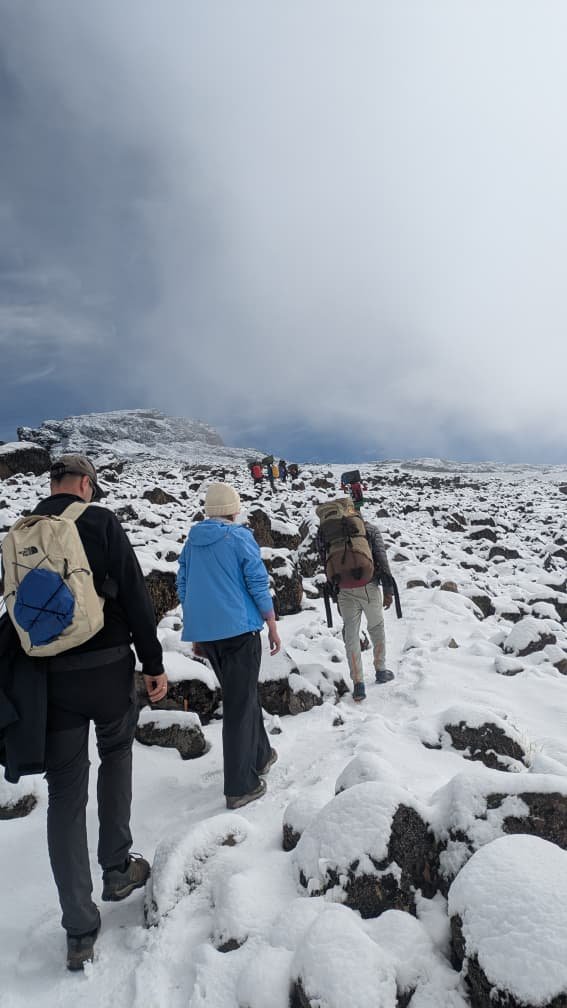
Climbing Kilimanjaro In August: Prices, Weather & Group Dates 2026-2027
Climbing Kilimanjaro in August: Prices, Weather & Group Dates is explained with current 2026-2027 planning, price, itinerary and booking information.
View package details
Climbing Kilimanjaro In July: Prices, Weather & Group Dates 2026-2027
Climbing Kilimanjaro in July: Prices, Weather & Group Dates is explained with current 2026-2027 planning, price, itinerary and booking information.
View package detailsClimbing Kilimanjaro In June: Prices, Weather & Group Dates 2026-2027
June offers a prime window for climbing Mount Kilimanjaro, balancing good weather with fewer crowds than the peak dry season. This guide details June's specific weather patterns, typical...
View package details
Climbing Kilimanjaro In December : Prices, Weather & Group Dates 2026-2027
Discover everything you need to know about climbing Kilimanjaro in December, including pricing, weather patterns for 2026-2027, and curated group departure dates. Climb 4 Africa provides...
View package details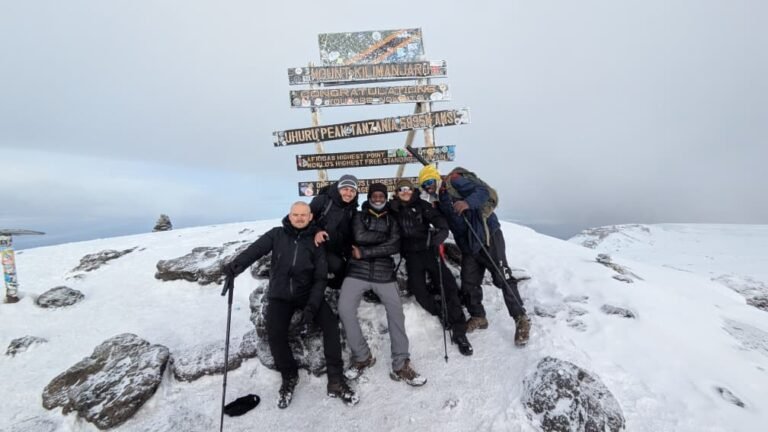
Climbing Kilimanjaro In February: Prices, Weather & Group Dates For 2026-2027
Discover everything you need to know about climbing Kilimanjaro in February, including expected weather patterns, typical costs for 2026-2027, and how to find suitable group departure...
View package details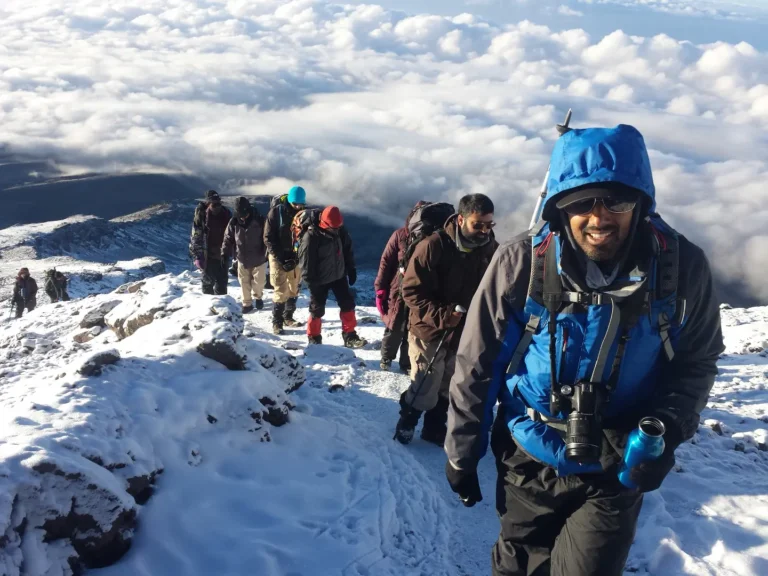
Climbing Kilimanjaro In January: Prices, Weather & Group Dates 2026-2027
Climbing Kilimanjaro in January: Prices, Weather & Group Dates is explained with current 2026-2027 planning, price, itinerary and booking information.
View package details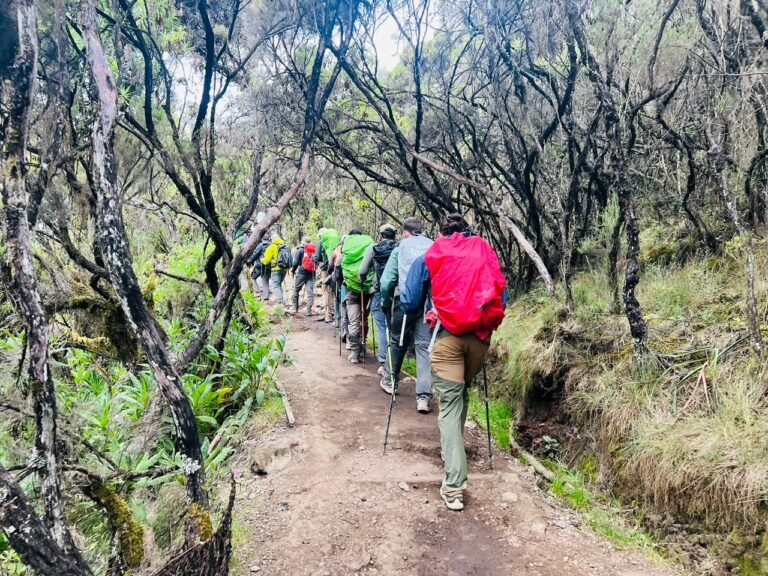
Last-Minute Kilimanjaro Group Joining: Available Dates & Prices For 2026-2027
Discover available last-minute Kilimanjaro group joining dates and pricing for 2026-2027. Climb 4 Africa offers shared expeditions on various routes, providing an economical and social way...
View package details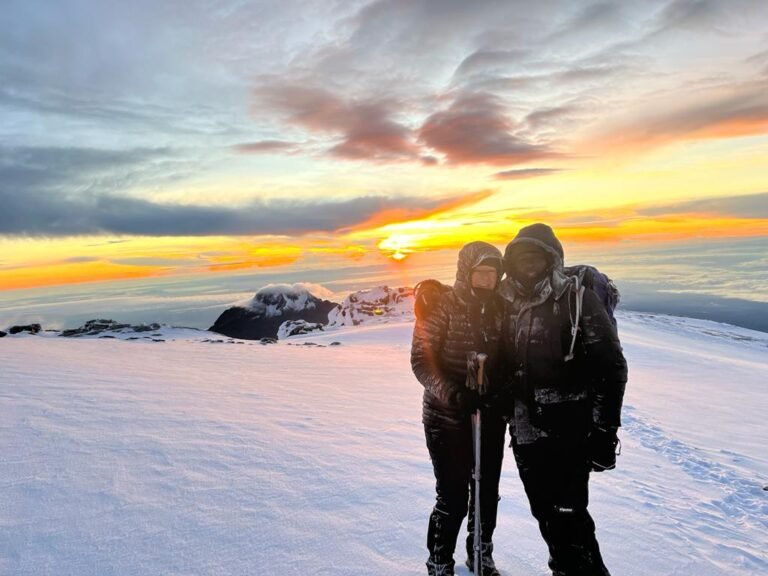
Kilimanjaro Group Departures : Dates, Routes & Prices 2026-2027
Kilimanjaro Group Departures 2026: Dates, Routes & Prices is explained with current 2026-2027 planning, price, itinerary and booking information.
View package details
Rongai Route Kilimanjaro Group Joining Prices & Departure Dates 2026-2027
Discover the best prices and confirmed departure dates for group joining climbs on Kilimanjaro's Rongai Route for 2026 and 2027. This guide details costs, what's included, and how to book...
View package details
Kilimanjaro Group Tours For Solo Travelers: Dates & Costs 2026-2027
Kilimanjaro Group Tours for Solo Travelers: Dates & Costs is explained with current 2026-2027 planning, price, itinerary and booking information.
View package details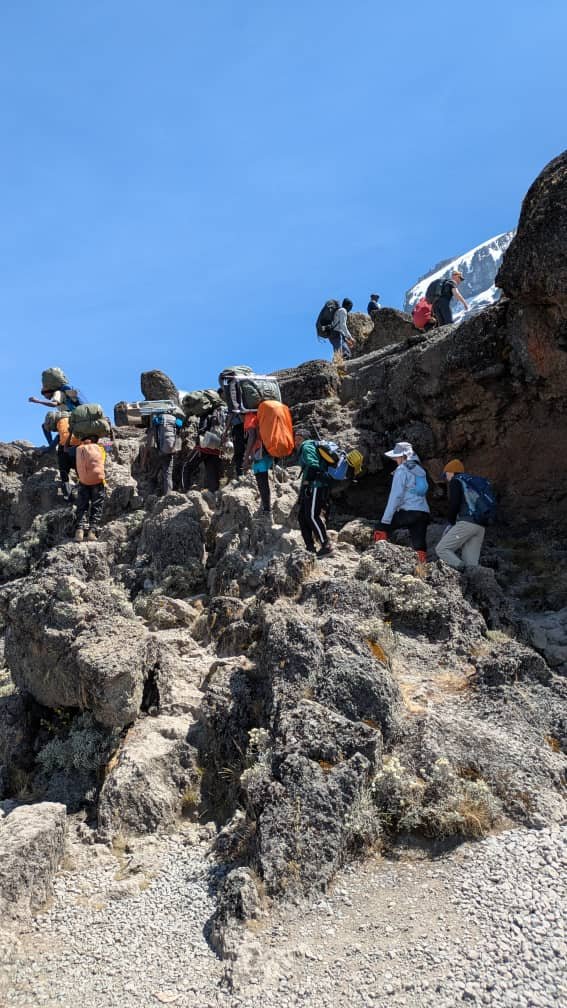
Are Kilimanjaro Group Climbs Cheaper Than Private Climbs? 2026-2027
Are Kilimanjaro group climbs cheaper than private climbs? is explained with current 2026-2027 planning, price, itinerary and booking information.
View package detailsNo related package matches those filters. Clear one or more filters to see the other topic-matched options.



