Climbing Kilimanjaro in September 2026-2027 presents an excellent opportunity with generally dry weather and clear skies, making it one of the peak seasons. Expect daytime temperatures to range from 15-25°C (59-77°F) at lower altitudes, dropping to -10°C (14°F) or below at the summit, with minimal rainfall. Prices for a September Kilimanjaro climb typically range from $2,000 to $4,500+ per person, depending on the route, duration, operator, and inclusions, with group departure dates often filling up quickly for this popular month. Climb 4 Africa offers various group dates for September 2026 and 2027, focusing on quality support and safety to ensure a successful summit bid.


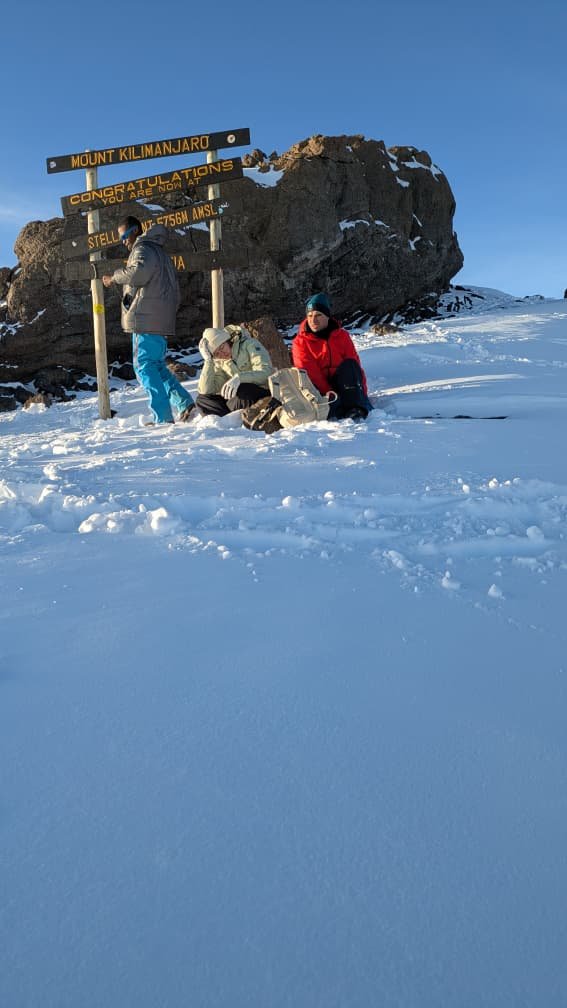
Why September is a Top Month for Climbing Kilimanjaro
When planning an expedition to the Roof of Africa, the timing of your climb is crucial. September consistently ranks as one of the most desirable months for climbing Kilimanjaro, and this trend is expected to continue through 2026 and 2027. The primary draw for September is its favorable weather conditions. Following the short rainy season (Vuli), which typically concludes in late August or early September, the mountain enters its second dry season (Kusi). This period is characterized by:
- Low Precipitation: Rainfall is significantly reduced, meaning clearer skies and drier trails, which enhances the trekking experience and reduces the risk of slippery conditions.
- Moderate Temperatures: While the summit remains frigid, the lower and mid-altitudes offer pleasant temperatures, making the ascent more comfortable.
- Excellent Visibility: The dry air often leads to clearer views of Mount Kilimanjaro’s dramatic landscapes and surrounding plains, providing spectacular photographic opportunities.
- Reduced Humidity: This makes the air feel crisper and the trekking more enjoyable, especially on the lower, forested slopes.
For trekkers aiming for Kilimanjaro in September 2026 or September 2027, understanding these benefits is key to choosing the right time for their adventure. The combination of good weather and accessibility makes it a prime choice for both experienced climbers and first-time high-altitude trekkers.
September Kilimanjaro Weather: What to Expect in 2026-2027
The weather on Mount Kilimanjaro is notoriously variable, changing dramatically with altitude and microclimates. However, September generally offers the most predictable and pleasant conditions. Here’s a detailed breakdown of what climbers can expect:
Temperature Variations by Altitude
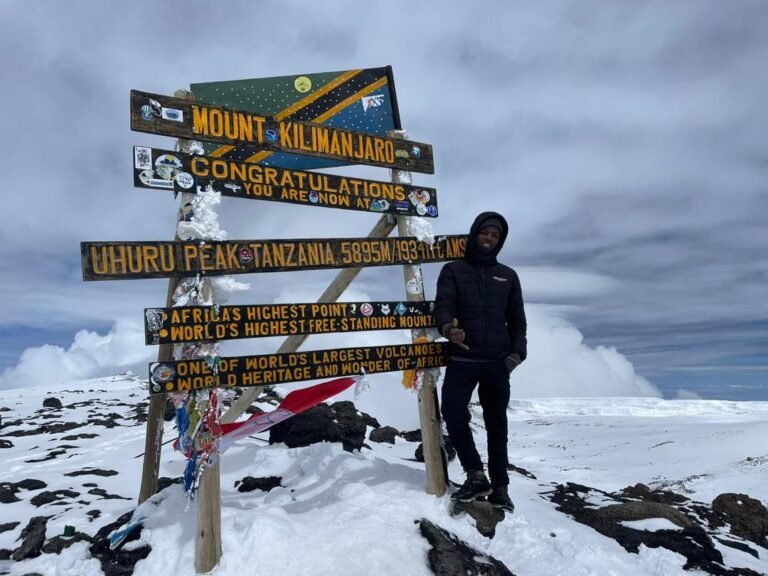
Kilimanjaro’s summit, Uhuru Peak (5,895m / 19,341ft), is permanently covered in snow and ice, so expect sub-zero temperatures. The temperature fluctuates significantly throughout the day and night, and across different zones of the mountain:
- Summit (Uhuru Peak): Nighttime temperatures can plummet to -10°C to -20°C (14°F to -4°F), especially during the summit push which often begins around midnight. Daytime highs might reach closer to freezing.
- Arctic Zone (Above 4,000m / 13,123ft): Daytime temperatures typically range from -5°C to 5°C (23°F to 41°F). Nights are considerably colder, often well below freezing.
- Moorland/Heath Zone (3,000m – 4,000m / 9,843ft – 13,123ft): Expect daytime temperatures between 5°C and 15°C (41°F and 59°F). Evenings and mornings can be cool to cold.
- Rainforest Zone (Below 3,000m / 9,843ft): Daytime temperatures are generally pleasant, ranging from 15°C to 25°C (59°F to 77°F). Nights are cooler but rarely cold.
Precipitation and Cloud Cover
September is part of the dry season. This means:
- Minimal Rainfall: You are unlikely to encounter prolonged periods of rain. Any precipitation is more likely to be light showers or drizzle, especially on the lower slopes.
- Clear Skies: Mornings and evenings are often exceptionally clear, offering stunning views. Clouds can build up during the day, particularly in the afternoon, but they tend to dissipate overnight.
- Frost: While not technically precipitation, frost is common on the mountain overnight, especially at higher camps.
Wind Conditions
Wind can be a significant factor, especially at higher altitudes and on the summit ridge. While September generally sees less violent winds than the rainy seasons, strong gusts can still occur. The wind chill factor can make the already cold summit temperatures feel even more extreme. Proper windproof gear is essential.
Humidity Levels
Humidity is generally low in September, contributing to the comfortable trekking conditions. This is a welcome change from the more humid conditions of the rainy seasons, making breathing easier at altitude.
For those planning their Kilimanjaro climb in September 2026 or 2027, packing layers is paramount. You’ll need gear for warm, sunny days, cool evenings, and the extreme cold of the summit night. Referencing detailed packing lists is highly recommended.
Key Weather Takeaway for September Climbs
September offers arguably the best balance of dry conditions, moderate temperatures (outside the summit zone), and clear skies for climbing Kilimanjaro. While cold at the summit, the overall trekking experience is highly favorable. Always prepare for rapid weather changes.
Kilimanjaro Routes in September: Which is Best?
With favorable weather, most Kilimanjaro routes are fully operational and offer excellent conditions in September. The choice of route often depends on desired scenery, acclimatization profile, and comfort levels. For a September climb, routes that offer good acclimatization are particularly beneficial.
Popular Routes for September 2026-2027 Climbs
Here’s a look at the most recommended routes for a September expedition:
- Machame Route: Often called the “Whiskey Route,” it’s known for its scenic beauty and high success rates due to its excellent “climb high, sleep low” acclimatization profile. It’s a popular choice for group departures in September. The 7-day itinerary is highly recommended for acclimatization.
- Lemosho Route: Similar to Machame in its acclimatization profile, Lemosho is longer (typically 7 or 8 days) and offers more remote and stunning scenery, especially in the initial days through the rainforest. It’s a premium option for those seeking a more in-depth experience.
- Northern Circuit: This is the longest route, taking 9 days or more. It circles the mountain, offering the best acclimatization and highest success rates. It’s ideal for September if you have the time and budget, providing unparalleled views and a less crowded experience.
- Marangu Route: The “Coca-Cola Route” is the only route with hut accommodation. It’s shorter (5-6 days) and less expensive, but its direct ascent profile leads to lower success rates. While possible in September, it’s generally not recommended for first-time climbers due to acclimatization challenges.
- Rongai Route: This route approaches from the north, offering a different perspective and generally drier conditions, which can be a plus even in September. It’s a good option if you’re concerned about any residual rain from the short wet season. It typically takes 6 or 7 days.
For climbing Kilimanjaro in September, the 7-day Machame or Lemosho routes, or the 9-day Northern Circuit, are often considered the gold standard for balancing scenery, acclimatization, and success rates. These routes allow for a gradual ascent, giving your body more time to adapt to the altitude, which is crucial for reaching Uhuru Peak safely.
Route Recommendation for September
For the best chance of success and an enjoyable experience during a September 2026 or 2027 Kilimanjaro climb, opt for a route with a minimum of 7 days, such as the Machame or Lemosho routes. These offer superior acclimatization profiles.
September 2026-2027 Kilimanjaro Group Departure Dates & Pricing
Choosing a group departure date for your Kilimanjaro climb in September is a smart way to potentially reduce costs and share the adventure with like-minded individuals. However, September is a popular month, so booking in advance is highly recommended, especially for 2026 and 2027.
Understanding Kilimanjaro Pricing Factors
The cost of climbing Kilimanjaro can vary significantly. Key factors influencing the price for a September climb include:
- Route Choice: Longer routes (like Northern Circuit) and those with better acclimatization profiles (like Lemosho) are generally more expensive than shorter, more direct routes (like Marangu).
- Duration: Longer treks (7-9 days) cost more than shorter ones (5-6 days) due to additional days of guiding, porterage, park fees, and logistics.
- Operator Quality: Reputable operators like Climb 4 Africa invest in experienced guides, quality equipment, proper nutrition, fair wages for staff, and robust safety protocols, which are reflected in the price. Cheaper operators may cut corners, compromising safety and the overall experience.
- Inclusions: What’s included in the package? Look for items like park fees, rescue fees, meals, accommodation before/after the climb, airport transfers, equipment rental, and bottled water. Some packages might exclude items that add up.
- Group Size: While you might join a group, the overall group size on the mountain can vary. Private climbs are always more expensive.
- Time of Year: September is a peak season, so prices might be slightly higher than in the shoulder or low seasons, but the weather benefits often outweigh this.
Typical Price Range for September Climbs (2026-2027)
For a reputable operator offering a quality experience, expect the following price ranges for a Kilimanjaro climb in September:
- Budget Operators: Might start from around $1,800 – $2,200 per person for a 7-day climb. Be cautious and thoroughly research their safety standards and staff welfare.
- Mid-Range Operators (e.g., Climb 4 Africa): Typically range from $2,300 – $3,500 per person for a 7-day climb. These operators offer a good balance of quality, safety, and value, with excellent support.
- High-End/Luxury Operators: Can range from $3,500 to $5,000+ per person. These often include more amenities, private facilities, or specialized services.
Note: These prices are estimates for the climb itself and usually exclude international flights, visas, travel insurance, personal gear, tips for the crew, and pre/post-climb accommodation if not specified.
Example Pricing Considerations for Climb 4 Africa (September 2026-2027)
Climb 4 Africa focuses on providing exceptional value with a strong emphasis on safety, ethical treatment of staff, and a high success rate. Our Kilimanjaro climbing packages for September 2026 and 2027 are designed to offer a comprehensive experience. A typical 7-day Machame or Lemosho route climb with us would likely fall within the $2,400 – $3,200 per person range, depending on the specific inclusions and any tailor-made adjustments. We encourage you to contact us directly for a personalized quote based on your preferred route and dates.
Contact us for a tailored quote:
Email: climb4africa@gmail.com
WhatsApp: +255 747 477 898
September 2026 & 2027 Group Departure Dates
As September is a popular month, group departures are scheduled throughout the month. Here are typical windows for group departures. Specific dates can often be customized, especially for private groups.
September 2026:
- Early September (approx. Sept 1-10)
- Mid-September (approx. Sept 11-20)
- Late September (approx. Sept 21-30)
September 2027:
- Early September (approx. Sept 1-10)
- Mid-September (approx. Sept 11-20)
- Late September (approx. Sept 21-30)
Booking Recommendation: Given the popularity of September, especially for 2026 and 2027 climbs, we advise booking at least 6-12 months in advance. This secures your spot on preferred dates and routes, and allows ample time for preparation.
View available group dates and book your Kilimanjaro adventure: Visit Climb 4 Africa
Preparing for Your September Kilimanjaro Climb
A successful Kilimanjaro climb requires more than just booking a trip; thorough preparation is key. For a September climb, your preparation should focus on physical fitness, mental readiness, and appropriate gear.
Physical Training
Kilimanjaro is a challenging trek, not a technical climb, but it demands significant cardiovascular endurance and leg strength. Your training should include:
- Cardiovascular Exercise: Aim for 3-5 sessions per week, including hiking (with a weighted backpack), running, cycling, or swimming. Focus on endurance.
- Strength Training: Concentrate on leg muscles (squats, lunges) and core strength.
- Hiking Practice: Undertake long hikes (4-6 hours) on consecutive days, ideally with hills or stairs, carrying a backpack similar to what you’ll use on the mountain. This simulates the demands of the trek and helps break in your boots.
- Altitude Simulation: If possible, spend time at higher altitudes before your climb.
Acclimatization Strategy
While September’s weather is good, proper acclimatization is paramount. This is achieved through:
- Choosing the Right Route: As discussed, longer routes (7+ days) with good acclimatization profiles are best.
- Ascending Slowly: “Pole pole” (slowly, slowly) is the mantra on Kilimanjaro. Your guides will ensure you maintain a sustainable pace.
- Hydration: Drink plenty of water (3-4 liters per day) to help your body adapt.
- Avoiding Alcohol and Smoking: These hinder acclimatization.
- Medication: Discuss Diamox (acetazolamide) with your doctor. It can aid acclimatization for some individuals.
Essential Gear for September Climbs
Packing the right gear is critical for comfort and safety, especially given the temperature variations. Layering is the key principle.
Key Gear Items for Kilimanjaro in September:
- Layering System:
- Base Layers: Moisture-wicking thermal tops and bottoms (merino wool or synthetic).
- Mid Layers: Fleece jacket or insulated jacket for warmth.
- Outer Layer: Waterproof and windproof jacket (Gore-Tex or similar) and pants.
- Insulated Jacket: A warm down or synthetic puffy jacket for evenings and summit night.
- Trekking Boots: Waterproof, sturdy, broken-in hiking boots with good ankle support.
- Camp Shoes/Sandals: For relaxing at camp.
- Socks: Several pairs of warm wool or synthetic hiking socks.
- Headwear: Warm woolen hat, sun hat with a brim, balaclava or neck gaiter for summit night.
- Gloves: Warm waterproof outer gloves and thinner liner gloves.
- Headlamp: With extra batteries. Essential for summit night.
- Sunglasses: High UV protection.
- Sunscreen & Lip Balm: High SPF.
- Backpack: 40-60 liter capacity for day use, plus a larger duffel bag (usually provided by operator or for rent) for porters.
- Water Bottles/Hydration Reservoir: At least 3 liters capacity. Insulated sleeves are recommended to prevent freezing.
- Trekking Poles: Highly recommended for reducing strain on knees.
- Sleeping Bag: Rated to at least -10°C to -20°C (0°F to -4°F).
- Personal First-Aid Kit: Including blister treatment, pain relievers, and any personal medications.
- Toiletries: Biodegradable soap, toothbrush, toothpaste, wet wipes.
Climb 4 Africa provides a detailed packing list upon booking to ensure you are fully prepared for your Kilimanjaro climb in September 2026 or 2027.
Safety and Support on Kilimanjaro in September
Safety is the absolute priority when climbing Kilimanjaro. Reputable operators like Climb 4 Africa employ stringent safety measures.
Guide and Porter Teams
Your crew is your lifeline. For a September climb:
- Experienced Guides: Kilimanjaro guides are trained in first aid, high-altitude physiology, and rescue techniques. They monitor trekkers constantly for signs of altitude sickness.
- Adequate Porter Support: Porters carry the bulk of the gear, allowing you to focus on trekking. Ethical treatment of porters, including fair wages and adequate supplies, is a hallmark of responsible operators.
- Emergency Procedures: Operators have established emergency protocols, including communication systems and evacuation plans. Mount Kilimanjaro National Park also has a rescue system in place.
Altitude Sickness (AMS) Management
Acute Mountain Sickness (AMS) is the primary risk. Symptoms include headache, nausea, dizziness, and fatigue. The only cure for severe AMS is descent. Your guides are trained to recognize and manage AMS.
- Prevention: Slow ascent, hydration, and medication (if prescribed) are key.
- Monitoring: Guides will check your oxygen saturation and ask about symptoms daily.
- Descent: If symptoms worsen, immediate descent is necessary, even if it means turning back. This is non-negotiable for safety.
Health and Vaccinations
Consult your doctor or a travel clinic 6-8 weeks before your trip regarding recommended vaccinations and malaria precautions (though malaria risk is low above 2,500m, it’s present at lower altitudes and in Moshi/Arusha).
For your September 2026 or 2027 Kilimanjaro climb, ensure you have comprehensive travel insurance that covers high-altitude trekking and emergency medical evacuation.
Beyond the Climb: Tanzania Safaris and Zanzibar
Many trekkers combine their Kilimanjaro climb in September with other Tanzanian experiences. September is also an excellent month for:
- Wildlife Safaris: The dry season continues, making it ideal for wildlife viewing, especially in the Serengeti and Ngorongoro Crater. The Great Migration is often in the northern Serengeti during September, offering spectacular predator-prey action. Explore options for Tanzania safari group departures.
- Zanzibar Holidays: After your trek, relax on the pristine beaches of Zanzibar. The weather in September is typically sunny and warm with low humidity, perfect for beach relaxation, snorkeling, and exploring Stone Town.
Climb 4 Africa specializes in creating smooth itineraries that combine Kilimanjaro treks with unforgettable safaris and Zanzibar getaways. Let us help you plan your complete Tanzanian adventure for 2026 or 2027.
Frequently Asked Questions about Climbing Kilimanjaro in September
Is September a good month to climb Kilimanjaro?
Yes, September is considered one of the best months to climb Kilimanjaro. It falls within the main dry season, offering clear skies, good visibility, and minimal rainfall, making it ideal for trekking.
What is the weather like on Kilimanjaro in September?
September generally features dry conditions with moderate temperatures at lower and mid-altitudes (15-25°C / 59-77°F). However, summit temperatures are very cold, often dropping below -10°C (14°F), especially at night. Expect clear mornings and evenings, with potential for cloud build-up in the afternoons.
How much does it cost to climb Kilimanjaro in September?
Prices for a September Kilimanjaro climb with a reputable operator typically range from $2,000 to $4,500+ per person. This cost depends on the route, duration, operator’s inclusions, and service level. Shorter routes and budget operators are cheaper, while longer routes and premium operators cost more.
Are there specific group departure dates for September 2026/2027?
Yes, reputable operators like Climb 4 Africa schedule multiple group departure dates throughout September 2026 and 2027 to accommodate demand. It is advisable to book well in advance, ideally 6-12 months prior, as September is a peak season.
What is the best route for climbing Kilimanjaro in September?
For September, routes offering good acclimatization are recommended. The Machame Route (7 days), Lemosho Route (7-8 days), and the Northern Circuit (9+ days) are excellent choices due to their higher success rates, driven by their superior acclimatization profiles.
What should I pack for a September Kilimanjaro climb?
Packing involves a layering system for varying temperatures. Key items include waterproof/windproof outer shells, warm insulated jackets, thermal base layers, sturdy broken-in hiking boots, warm gloves and hats, a good headlamp, and high SPF sunscreen. Detailed packing lists are essential.
Is September crowded on Kilimanjaro?
September is a popular month due to favorable weather, so trails and camps can be busy, especially on well-trafficked routes like Machame. However, it is generally less crowded than the peak dry season months of January and February. Booking early helps secure your preferred dates and routes.
Conclusion: Your September Kilimanjaro Adventure Awaits
Climbing Kilimanjaro in September 2026 or 2027 offers a prime opportunity to experience the majesty of Africa’s highest peak under generally favorable conditions. The dry weather, clear skies, and moderate temperatures (outside the summit zone) make it a highly sought-after month for trekkers worldwide. While you must prepare for the extreme cold at the summit, the journey through Kilimanjaro’s diverse ecosystems is exceptionally rewarding during this period.
Choosing the right route, like the Machame or Lemosho, and opting for a reputable operator committed to safety and quality, such as Climb 4 Africa, are critical steps towards a successful and memorable expedition. Remember to book your preferred group departure dates well in advance, particularly for 2026 and 2027, to secure your spot.
Whether you’re drawn by the challenge, the views, or the achievement, a September Kilimanjaro climb promises an unforgettable adventure. Let Climb 4 Africa guide you every step of the way, from initial planning to summiting Uhuru Peak and beyond, perhaps with an incredible Tanzanian safari or a relaxing Zanzibar holiday. We are here to make your dream of climbing Kilimanjaro in September a reality.
Ready to plan your 2026 or 2027 September Kilimanjaro climb?
Contact Climb 4 Africa today for personalized advice, tailored itineraries, and to secure your place on one of our expertly guided group expeditions.
WhatsApp: +255 747 477 898
Email: climb4africa@gmail.com
Website: Climb 4 Africa
Check Availability for Climbing Kilimanjaro In September : Prices, Weather & Group Dates 2026-2027
Ready to compare dates, prices, and the best option for your group? Send the package name and travel month so the team can reply with a clear quote, availability, and what is included.
Climbing Kilimanjaro In October: Prices, Weather & Group Dates For 2026-2027
October offers a unique window for climbing Kilimanjaro, bridging the end of the dry season with the start of cooler temperatures. This guide details everything you need to know about...
View package details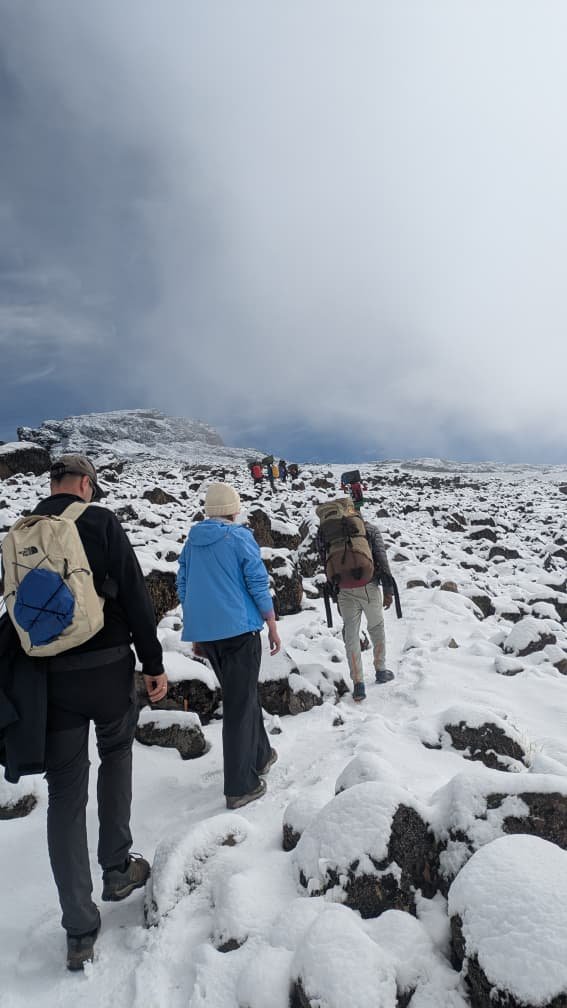
Climbing Kilimanjaro In August: Prices, Weather & Group Dates 2026-2027
Climbing Kilimanjaro in August: Prices, Weather & Group Dates is explained with current 2026-2027 planning, price, itinerary and booking information.
View package details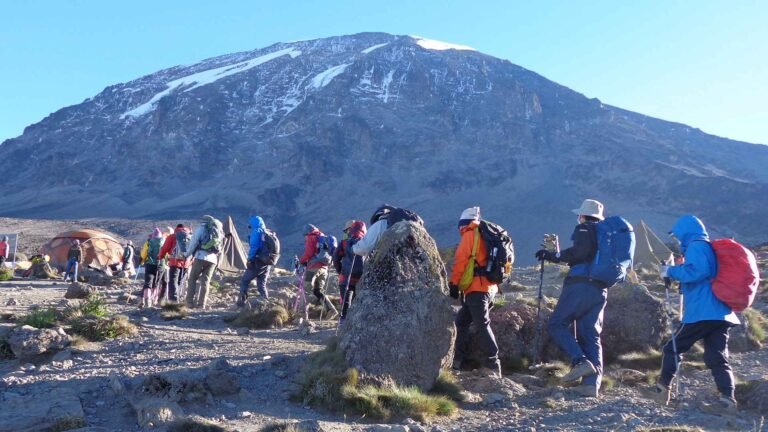
Climbing Kilimanjaro In July: Prices, Weather & Group Dates 2026-2027
Climbing Kilimanjaro in July: Prices, Weather & Group Dates is explained with current 2026-2027 planning, price, itinerary and booking information.
View package detailsClimbing Kilimanjaro In June: Prices, Weather & Group Dates 2026-2027
June offers a prime window for climbing Mount Kilimanjaro, balancing good weather with fewer crowds than the peak dry season. This guide details June's specific weather patterns, typical...
View package details
Climbing Kilimanjaro In December : Prices, Weather & Group Dates 2026-2027
Discover everything you need to know about climbing Kilimanjaro in December, including pricing, weather patterns for 2026-2027, and curated group departure dates. Climb 4 Africa provides...
View package details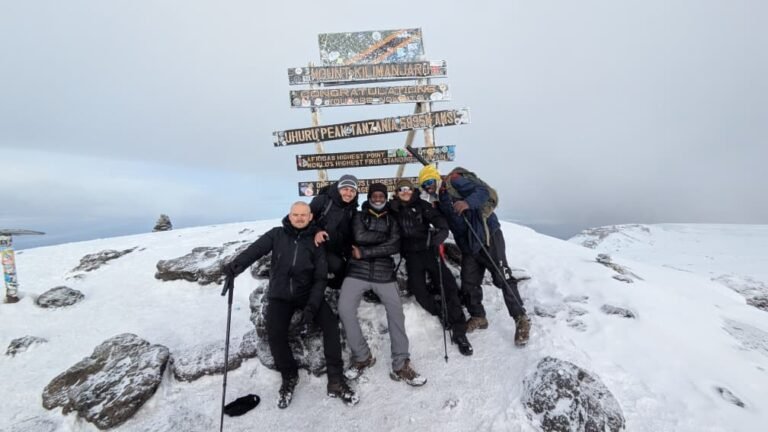
Climbing Kilimanjaro In February: Prices, Weather & Group Dates For 2026-2027
Discover everything you need to know about climbing Kilimanjaro in February, including expected weather patterns, typical costs for 2026-2027, and how to find suitable group departure...
View package details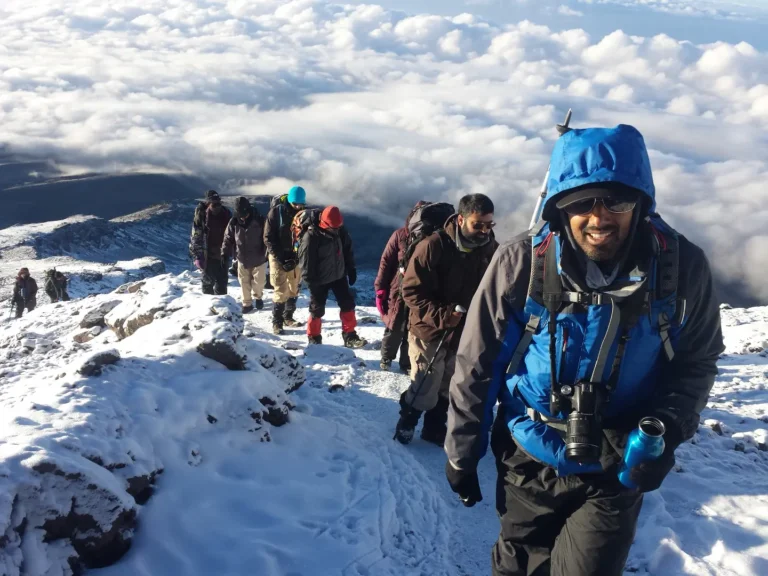
Climbing Kilimanjaro In January: Prices, Weather & Group Dates 2026-2027
Climbing Kilimanjaro in January: Prices, Weather & Group Dates is explained with current 2026-2027 planning, price, itinerary and booking information.
View package details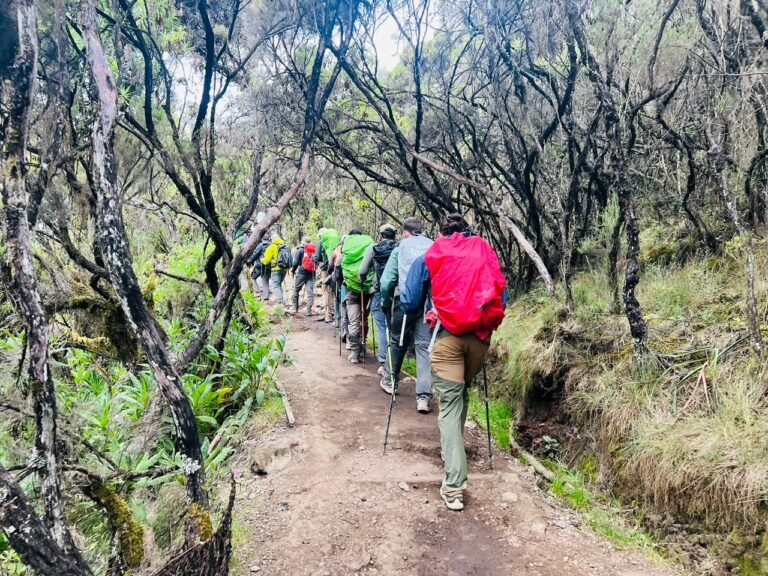
Last-Minute Kilimanjaro Group Joining: Available Dates & Prices For 2026-2027
Discover available last-minute Kilimanjaro group joining dates and pricing for 2026-2027. Climb 4 Africa offers shared expeditions on various routes, providing an economical and social way...
View package details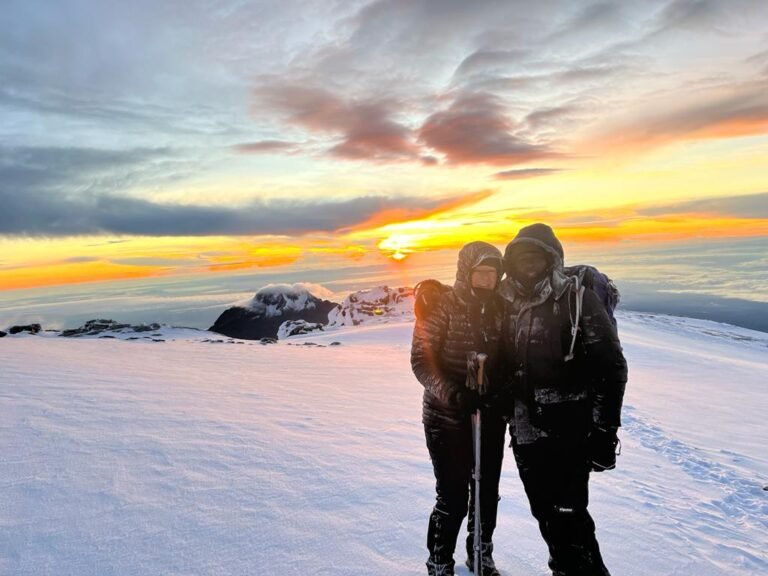
Kilimanjaro Group Departures : Dates, Routes & Prices 2026-2027
Kilimanjaro Group Departures 2026: Dates, Routes & Prices is explained with current 2026-2027 planning, price, itinerary and booking information.
View package details
Rongai Route Kilimanjaro Group Joining Prices & Departure Dates 2026-2027
Discover the best prices and confirmed departure dates for group joining climbs on Kilimanjaro's Rongai Route for 2026 and 2027. This guide details costs, what's included, and how to book...
View package details
Kilimanjaro Group Tours For Solo Travelers: Dates & Costs 2026-2027
Kilimanjaro Group Tours for Solo Travelers: Dates & Costs is explained with current 2026-2027 planning, price, itinerary and booking information.
View package details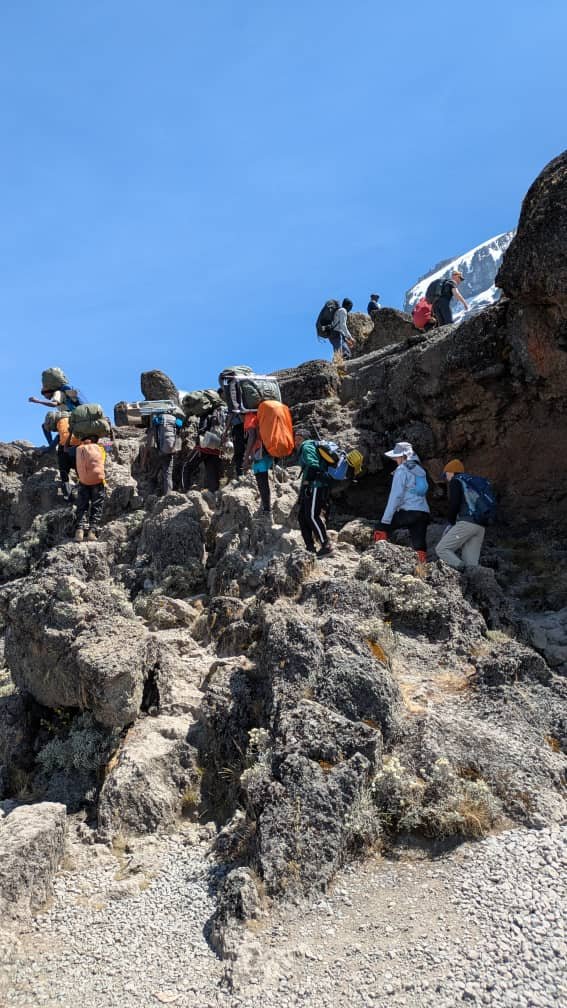
Are Kilimanjaro Group Climbs Cheaper Than Private Climbs? 2026-2027
Are Kilimanjaro group climbs cheaper than private climbs? is explained with current 2026-2027 planning, price, itinerary and booking information.
View package detailsNo related package matches those filters. Clear one or more filters to see the other topic-matched options.



