Climbing Kilimanjaro in August presents an excellent opportunity due to its dry weather and cooler temperatures, making it one of the most popular months for ascents. Expect daytime temperatures around 15-20°C (59-68°F) at lower altitudes, dropping significantly to -10°C (14°F) or below near the summit. Prices for an August climb in 2026-2027 typically range from $2,000 to $4,500 per person for standard packages, depending on the route, duration, and operator. Group departure dates are numerous throughout August, often aligning with popular routes like Machame and Lemosho, offering flexibility for trekkers looking to join a shared expedition.
Why August is a Top Month for Kilimanjaro Climbs
Mount Kilimanjaro, Africa’s highest peak, draws adventurers from around the globe year-round. However, certain months offer significantly more favorable conditions for a successful and enjoyable ascent. August consistently ranks among the best months to climb Kilimanjaro, primarily due to the prevailing weather patterns. This period falls within Kilimanjaro’s dry season, a crucial factor for any high-altitude trek. Unlike the rainy seasons, August typically provides clear skies, minimal rainfall, and good visibility, which enhances both the safety and the scenic experience of the climb. The cooler temperatures, while demanding, can also be advantageous, reducing the risk of heat exhaustion and making the physical exertion more manageable for many climbers.
For those planning their expedition for the upcoming years, understanding the nuances of climbing Kilimanjaro in August is key. Whether you are considering a 2026 or 2027 trek, the fundamental advantages of this month remain consistent. This guide will explore the specific weather expectations, provide realistic pricing insights for August climbs in 2026-2027, and outline the typical group departure schedules, helping you make an informed decision for your Kilimanjaro adventure.
August Weather on Kilimanjaro: What to Expect
Kilimanjaro’s weather is highly variable, dictated by its unique ecosystem and altitude zones. August is situated within the second dry season of the year, which generally runs from June to October. This period is characterized by significantly less precipitation compared to the wetter months of March-May and November. For trekkers, this translates to a higher probability of clear days and nights, which is essential for both progress on the mountain and for enjoying the spectacular views that Kilimanjaro offers.
Temperature Ranges by Altitude in August
Understanding the temperature fluctuations across Kilimanjaro’s different ecological zones is vital for packing and acclimatization. August, while generally cool, sees significant temperature drops as you ascend.
- Lower Slopes (1,800m – 2,800m): During the day, expect temperatures to be pleasant, ranging from 15°C to 20°C (59°F to 68°F). Evenings and nights will be cooler, possibly dropping to 5°C to 10°C (41°F to 50°F).
- Mid-Altitude Zones (2,800m – 4,000m): As you climb higher, temperatures decrease noticeably. Daytime highs might hover around 10°C to 15°C (50°F to 59°F), while nights can easily fall below freezing point, reaching -5°C to 0°C (23°F to 32°F).
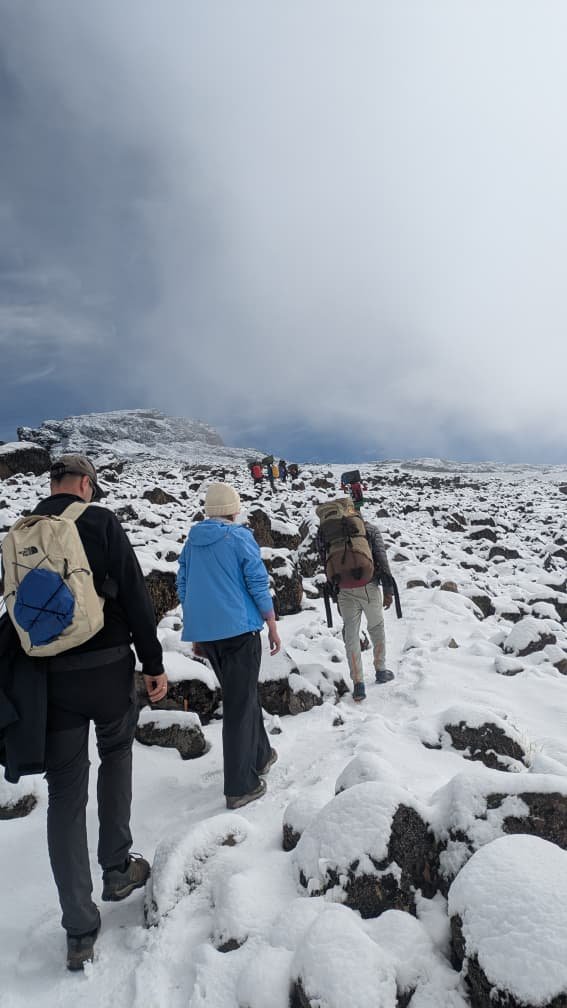
- High Altitude / Summit Zone (4,000m+): Above 4,000 meters, the environment becomes harsh. Daytime temperatures rarely get above 5°C (41°F), and night temperatures, especially on summit night, can plummet to -10°C to -20°C (14°F to -4°F), with wind chill making it feel even colder.
Precipitation and Sky Conditions in August
August is a dry month on Kilimanjaro. While isolated showers are not impossible, they are infrequent and usually short-lived. The primary benefit is the reduced risk of heavy rain or snow at lower and mid-altitudes, which can turn trails into muddy rivers and obscure paths. The skies are generally clear, offering excellent opportunities for stargazing at night and panoramic views during the day. This clarity is particularly beneficial for appreciating the vastness of the African plains from the higher reaches of the mountain and for clear views of Kibo’s glaciers and the crater rim.
Wind and Other Factors
Wind can be a significant factor, especially at higher altitudes and on summit night. While August is not typically characterized by extreme winds, gusts can increase the perceived cold dramatically. Proper windproof gear is therefore essential. Humidity levels are generally low during August, which can be a double-edged sword: it reduces the feeling of oppressive heat but can also contribute to dehydration if not managed carefully. The air is thin and dry, requiring consistent hydration for all climbers.
Kilimanjaro Climb Prices in August: 2026-2027 Estimates
The cost of climbing Kilimanjaro can vary considerably based on several factors, including the tour operator, the chosen route, the duration of the trek, the quality of service, and inclusions. For August climbs in 2026 and 2027, trekkers can expect a general price range. It’s important to note that August is a peak season month due to the favorable weather, which can sometimes influence pricing, though not as dramatically as, for example, the Christmas holiday period.
Factors Influencing August Climb Costs
Several elements contribute to the overall price of a Kilimanjaro expedition in August:
- Operator Type: Local operators often offer more competitive pricing than international companies, but it’s crucial to vet their safety standards and experience. High-end international operators will command higher prices due to superior logistics, guide-to-client ratios, and added comforts.
- Route Choice: Longer routes like the 8-day Lemosho or 9-day Northern Circuit generally cost more than shorter ones like the 6-day Marangu or 7-day Machame, due to more days of support, food, and park fees.
- Duration: As mentioned, longer treks mean more days of park fees, guide and porter wages, and food, thus increasing the overall cost.
- Inclusions: Packages can range from basic “climb only” services to all-inclusive options that cover flights, accommodation before and after the climb, gear rental, and transfers. Always check what is included.
- Group Size: While this article focuses on group dates, the price per person can sometimes decrease slightly for larger private groups, but typically, August group departures are priced per individual.
- Park Fees: These are set by the Tanzanian government and are a significant component of the total cost, regardless of the operator. They are not negotiable.
Estimated Price Range for August 2026-2027
Based on current market trends and anticipated cost increases for park fees and operational expenses, here are estimated price ranges for climbing Kilimanjaro in August 2026 and 2027:
Budget-Friendly Operators: Expect prices from $2,000 to $2,800 per person. These packages typically cover the essentials: park fees, guide/porter salaries, basic food, and camping equipment. Accommodation before/after and transfers might be extra.
Mid-Range Operators: The most common range is from $2,800 to $3,800 per person. These operators offer a good balance of safety, quality, and comfort. They usually include more comprehensive services, better quality equipment, higher guide-to-client ratios, and sometimes pre/post-climb accommodation.
Premium/Luxury Operators: Prices can range from $3,800 to $4,500+ per person. These packages often include flights, higher-end accommodations, private toilet tents, more experienced guides, better food, and a greater emphasis on client comfort and safety protocols.
Important Note on August Pricing: While August is a popular month, it is not usually subject to the same extreme peak season surcharges as Christmas/New Year. However, due to high demand, booking well in advance for 2026 and 2027 is highly recommended to secure your preferred dates and operators.
August Group Departure Dates for Kilimanjaro Climbs (2026-2027)
Joining a group departure is a popular and often more economical way to climb Kilimanjaro. It also provides a social experience, sharing the challenge with like-minded individuals. August is a prime month for group departures, with operators offering numerous dates throughout the month to cater to the high demand. These dates are usually tied to specific routes, allowing trekkers to choose based on their preferences for scenery, difficulty, and acclimatization profiles.
Popular Routes for August Group Climbs
Several routes are particularly well-suited for August ascents and are commonly offered as group departures:
- Machame Route: Often called the “Whiskey Route,” this is the most popular route due to its scenic beauty and excellent acclimatization profile. It’s typically a 6 or 7-day trek. Numerous August group dates are available.
- Lemosho Route: Known for its stunning scenery and high success rates, Lemosho is a longer route, usually 7, 8, or 9 days. Its gradual ascent aids acclimatization, making it ideal for August. Many 2026 and 2027 August departures utilize this route.
- Marangu Route: The “Coca-Cola Route” is the only route that offers dormitory-style accommodation in huts. It’s typically a 5 or 6-day trek. While shorter and potentially faster, its acclimatization is less ideal, but August departures are still offered.
- Northern Circuit: The longest route (9-10 days), offering the best acclimatization and most scenic views as it circles the mountain. It is highly recommended for success rates and enjoyment, with August dates becoming increasingly available for 2026-2027.
Sample August Group Departure Schedule (Illustrative for 2026-2027)
While exact dates are subject to operator schedules and can be booked up to a year or more in advance, here is a typical pattern for August group departures:
Week 1: August 1st – August 7th, 2026/2027
- August 1st: Machame Route (7-day), Lemosho Route (8-day)
- August 3rd: Marangu Route (6-day)
- August 5th: Machame Route (6-day), Northern Circuit (9-day)
- August 7th: Lemosho Route (7-day)
Week 2: August 8th – August 14th, 2026/2027
- August 8th: Machame Route (7-day)
- August 10th: Lemosho Route (8-day)
- August 12th: Marangu Route (5-day)
- August 14th: Machame Route (6-day)
Week 3: August 15th – August 21st, 2026/2027
- August 15th: Lemosho Route (7-day)
- August 17th: Machame Route (7-day), Northern Circuit (10-day)
- August 19th: Marangu Route (6-day)
- August 21st: Lemosho Route (8-day)
Week 4: August 22nd – August 31st, 2026/2027
- August 22nd: Machame Route (6-day)
- August 24th: Lemosho Route (7-day)
- August 26th: Marangu Route (5-day)
- August 28th: Machame Route (7-day)
- August 30th: Lemosho Route (8-day)
Booking Tip: To secure your spot on a desired group departure for August 2026 or 2027, it is advisable to book at least 6-12 months in advance, especially for popular routes and operators. Early booking is crucial for August climbs.
Choosing the Right Route for Your August Climb
While August weather is favorable across all routes, some routes offer better acclimatization profiles, higher success rates, and more scenic experiences. When planning your Kilimanjaro climb in August 2026 or 2027, consider these aspects:
Acclimatization and Success Rates
Acclimatization is the most critical factor for summit success. Longer routes that allow for a slower ascent and a “climb high, sleep low” strategy are generally more successful. In August, with clear skies often providing good visibility, the benefits of a well-acclimatized trek are amplified by the stunning vistas.
- Recommended for Best Acclimatization: Northern Circuit (9-10 days), Lemosho (8-9 days), Machame (7 days). These routes offer the best balance of duration and ascent profile.
- Moderate Acclimatization: Machame (6 days), Marangu (6 days). These are still viable options, but success rates might be slightly lower, especially if climbers push too hard.
- Faster Routes: Marangu (5 days). This route is the shortest and fastest, which significantly compromises acclimatization and lowers success rates. It is generally not recommended for August climbs unless you have prior high-altitude experience.
Scenery and Experience
Each route offers a unique perspective of Kilimanjaro’s diverse landscape. August’s clear weather means you can fully appreciate these differences.
- Machame: Starts in lush rainforest, gradually transitions through moorland and alpine desert, offering dramatic views of the Western Breach and Barranco Wall.
- Lemosho: Known for its remote starting point and pristine wilderness. It converges with the Machame route, offering the initial days in a more secluded environment before joining the busier trails.
- Northern Circuit: Circles the entire mountain, providing 360-degree views and passing through diverse landscapes from rainforest to arctic zones, with excellent opportunities to view the northern slopes and Shira Plateau.
- Marangu: A more direct route, ascending through rainforest and moorland. Its main advantage is the hut accommodation, which offers comfort but less acclimatization.
Comparing August Routes
When choosing a route for your August 2026 or 2027 Kilimanjaro climb, consider this comparison:
August Route Considerations:
For an August climb, prioritizing routes that offer 7 days or more will significantly increase your chances of reaching the summit comfortably and safely. The Machame and Lemosho routes are excellent choices, offering a good balance of scenic beauty, manageable acclimatization, and numerous group departure dates. The Northern Circuit is the ultimate for acclimatization and views if time and budget allow. Avoid the 5-day Marangu route if summit success is your primary goal in August.
Preparing for Your August Kilimanjaro Climb
Successful preparation is paramount for any Kilimanjaro expedition, and an August climb is no exception. While the weather is favorable, the altitude and the physical demands require thorough planning.
Physical Training
Kilimanjaro is a challenging trek, not a technical climb, but it requires a good level of cardiovascular fitness. Focus on endurance training:
- Cardiovascular Exercise: Aim for at least 3-4 sessions per week. Activities like hiking (with a backpack), running, cycling, and swimming are beneficial.
- Strength Training: Focus on legs and core. Squats, lunges, and core exercises will help you manage the steep ascents and descents.
- Hiking Practice: The best training is hiking on steep terrain with a weighted backpack (around 5-10 kg). Simulate longer hikes over weekends to build stamina.
- Altitude Simulation: If possible, practice hiking at higher altitudes before your trip.
Gear and Packing for August Conditions
Packing appropriately is crucial for comfort and safety. August is cool to cold, with potential for wind and occasional light rain. Layering is key.
Essential Gear for August Kilimanjaro Climb:
- Base Layers: Moisture-wicking thermal tops and bottoms (merino wool or synthetic).
- Mid Layers: Fleece jackets or down vests for insulation.
- Outer Layer: Waterproof and windproof jacket (Gore-Tex or similar) and trousers.
- Insulated Jacket: A warm down or synthetic jacket for evenings and summit night.
- Footwear: Broken-in, waterproof hiking boots.
- Socks: Several pairs of wool or synthetic hiking socks.
- Headwear: Warm beanie, sun hat, and a balaclava or neck gaiter for summit night.
- Gloves: Warm, waterproof gloves or mittens, plus liner gloves.
- Sleeping Bag: A 4-season sleeping bag rated to at least -15°C (0°F).
- Backpack: A comfortable daypack (30-40 liters) and a larger duffel bag for porters.
- Trekking Poles: Highly recommended for stability and reducing knee strain.
- Headlamp: With extra batteries.
- Sun Protection: Sunglasses, high SPF sunscreen, lip balm.
- Hydration: Water bottles or hydration reservoir (at least 3 liters capacity). Insulated covers are useful to prevent freezing.
- Personal Items: First-aid kit, toiletries, camera, power bank.
Acclimatization Strategies
Even with favorable August weather, altitude sickness (Acute Mountain Sickness – AMS) is a risk. Follow these strategies:
- Go Slow: “Pole pole” (slowly, slowly) is the mantra on Kilimanjaro.
- Hydrate: Drink at least 3-4 liters of water per day.
- Eat Well: Maintain energy intake, even if your appetite decreases.
- Avoid Alcohol and Smoking: These hinder acclimatization.
- Communicate: Inform your guide immediately if you feel unwell.
- Choose Longer Routes: As discussed, 7+ day routes offer better acclimatization.
Climbing Kilimanjaro in August vs. Other Months
Comparing August to other times of the year helps highlight its advantages and potential drawbacks.
August vs. Peak Season (January-February)
January and February are also part of the dry season and offer excellent weather, often with warmer temperatures than August. However, they are considered the absolute peak season, meaning more crowds on the trails and potentially higher prices. August, while also popular and considered peak season, can sometimes feel slightly less crowded than Jan/Feb, and the cooler temperatures can be preferred by some.
August vs. Shoulder Season (June, October)
June and October are shoulder months, bridging the dry and wet seasons. They can offer good weather with fewer crowds and potentially lower prices than August. However, there’s a slightly higher chance of encountering rain, especially towards the end of June or beginning of October. August provides a more reliable guarantee of dry conditions.
August vs. Wet Season (March-May, November)
The wet season sees significantly more rainfall, making trails muddy and slippery, increasing the risk of landslides, and reducing visibility. While climbing is still possible, it is generally less enjoyable and carries higher risks. Prices might be lower, but the experience is compromised. August is vastly superior to these months for a comfortable and successful climb.
August’s Advantage:
While January and February offer warmer conditions, August provides a near-perfect blend of dry weather, good visibility, and manageable crowds for climbing Kilimanjaro. The cooler temperatures can be a welcome factor for many trekkers during strenuous ascents, and the reliable dry conditions significantly boost summit success chances for 2026-2027 expeditions.
August Group Dates: Booking Considerations for 2026-2027
Securing your spot on a Kilimanjaro group climb in August 2026 or 2027 requires timely planning. Given August’s popularity, popular departure dates can fill up quickly.
When to Book Your August Climb
It is highly recommended to book your August Kilimanjaro climb at least 9-12 months in advance. For specific dates in August 2026 or August 2027, booking by mid-2025 or early 2026 respectively, will give you the best selection of routes and operators. Last-minute bookings are possible but may limit your options considerably.
Finding Reputable Operators with August Departures
Choosing a reputable tour operator is critical for a safe and successful climb. Look for operators who:
- Have extensive experience operating on Kilimanjaro.
- Employ highly trained and certified guides.
- Prioritize safety with comprehensive emergency protocols and equipment.
- Offer fair wages and good conditions for their porters.
- Provide detailed itineraries and clear inclusions/exclusions.
- Have positive reviews and transparent pricing.
Companies like Climb 4 Africa specialize in Kilimanjaro climbs and offer numerous group departures throughout the year, including extensive options for August. They can provide tailored advice for your 2026 or 2027 expedition.
Customizing Your August Climb
While group departures are convenient, some operators, including Climb 4 Africa, also offer customized private climbs. If you have a specific date in August 2026 or 2027 in mind or prefer a private group experience, this can often be arranged. Private climbs allow for more flexibility in itinerary and pace, though they typically come at a higher per-person cost.
Frequently Asked Questions about Climbing Kilimanjaro in August
Here are answers to common questions regarding August Kilimanjaro climbs:
What is the average success rate for climbing Kilimanjaro in August?
Success rates vary significantly by route, duration, and operator. However, August’s favorable weather conditions generally contribute to higher success rates compared to the wet seasons. For longer routes (7+ days) with reputable operators, success rates can range from 75% to over 90%. Shorter routes or those with poor acclimatization profiles will have lower rates.
Is August a crowded month on Kilimanjaro?
Yes, August is considered a peak season month due to the excellent weather. You will encounter other trekkers on the popular routes like Machame and Lemosho. However, it is generally less crowded than the absolute peak of January-February. Choosing a longer route or the Northern Circuit can offer a more secluded experience.
What is the best route for August if I want the best views?
For the best views in August, the Northern Circuit route is unparalleled, offering 360-degree vistas as it circles the mountain. The Lemosho route also provides exceptional scenery, particularly in its early stages through pristine wilderness, and its convergence with Machame offers dramatic sights like the Western Breach.
Can I climb Kilimanjaro in August with little experience?
Yes, you can, provided you choose an appropriate route and prepare adequately. Kilimanjaro is a trekking challenge, not a technical climb. Focus on choosing a longer route (7+ days) for better acclimatization, such as Machame or Lemosho, and commit to a rigorous physical training program beforehand. Joining a group with experienced guides is also essential.
What are the essential items to pack for an August climb?
Key items include warm, layered clothing (base, mid, and outer layers), waterproof and windproof gear, a warm down jacket, a 4-season sleeping bag, broken-in hiking boots, trekking poles, a headlamp, sun protection, and sufficient water carrying capacity. Refer to the detailed packing list above for a comprehensive guide.
How much should I tip my guides and porters in August?
Tipping is customary and greatly appreciated. For a 7-day climb, a general guideline is around $250-$300 per climber for the lead guide, assistant guides, cook, and porters. This is usually distributed by the lead guide. It’s best to confirm specific tipping guidelines with your tour operator, as they often provide recommended amounts.
What is the cost of park fees for Kilimanjaro in August 2026-2027?
Park fees are set by the Tanzanian government and are subject to change. For 2026-2027, expect daily conservation fees, camping/hut fees, and rescue fees. These typically total around $70-$100 per person per day, forming a significant portion of the overall climb cost. Operators include these in their package prices, but it’s good to be aware of them.
Making Your Kilimanjaro Dream a Reality in August 2026-2027
Climbing Kilimanjaro in August offers a fantastic combination of favorable weather, stunning scenery, and a high chance of success. The dry conditions and cooler temperatures make it an ideal time for trekkers to tackle Africa’s highest peak. By understanding the weather patterns, realistic pricing for 2026-2027, and the availability of group departure dates, you can confidently plan your expedition.
Whether you opt for the popular Machame route, the scenic Lemosho, or the comprehensive Northern Circuit, thorough preparation, including physical training and proper gear selection, will be your best allies. Remember that choosing a reputable operator is paramount for safety and a memorable experience. Companies like Climb 4 Africa are dedicated to providing expert guidance and support for your Kilimanjaro adventure.
Don’t let this incredible journey remain a dream. August provides an excellent window to achieve your mountaineering goals. To discuss specific group dates for August 2026 or 2027, custom climb options, or to get a personalized quote, please reach out to our expert team. You can contact us via WhatsApp at +255 747 477 898 or by email at climb4africa@gmail.com. Let us help you plan an unforgettable climb up Kilimanjaro.
“,
“faq_schema”: [
{
“question”: “What is the average success rate for climbing Kilimanjaro in August?”,
“answer”: “Success rates vary significantly by route, duration, and operator. However, August’s favorable weather conditions generally contribute to higher success rates compared to the wet seasons. For longer routes (7+ days) with reputable operators, success rates can range from 75% to over 90%. Shorter routes or those with poor acclimatization profiles will have lower rates.”
},
{
“question”: “Is August a crowded month on Kilimanjaro?”,
“answer”: “Yes, August is considered a peak season month due to the excellent weather. You will encounter other trekkers on the popular routes like Machame and Lemosho. However, it is generally less crowded than the absolute peak of January-February. Choosing a longer route or the Northern Circuit can offer a more secluded experience.”
},
{
“question”: “What is the best route for August if I want the best views?”,
“answer”: “For the best views in August, the Northern Circuit route is unparalleled, offering 360-degree vistas as it circles the mountain. The Lemosho route also provides exceptional scenery, particularly in its early stages through pristine wilderness, and its convergence with Machame offers dramatic sights like the Western Breach.”
},
{
“question”: “Can I climb Kilimanjaro in August with little experience?”,
“answer”: “Yes, you can, provided you choose an appropriate route and prepare adequately. Kilimanjaro is a trekking challenge, not a technical climb. Focus on choosing a longer route (7+ days) for better acclimatization, such as Machame or Lemosho, and commit to a rigorous physical training program beforehand. Joining a group with experienced guides is also essential.”
},
{
“question”: “What are the essential items to pack for an August climb?”,
“answer”: “Key items include warm, layered clothing (base, mid, and outer layers), waterproof and windproof gear, a warm down jacket, a 4-season sleeping bag, broken-in hiking boots, trekking poles, a headlamp, sun protection, and sufficient water carrying capacity. Refer to the detailed packing list above for a comprehensive guide.”
},
{
“question”: “How much should I tip my guides and porters in August?”,
“answer”: “Tipping is customary and greatly appreciated. For a 7-day climb, a general guideline is around $250-$300 per climber for the lead guide, assistant guides, cook, and porters. This is usually distributed by the lead guide. It’s best to confirm specific tipping guidelines with your tour operator, as they often provide recommended amounts.”
},
{
“question”: “What is the cost of park fees for Kilimanjaro in August 2026-2027?”,
“answer”: “Park fees are set by the Tanzanian government and are subject to change. For 2026-2027, expect daily conservation fees, camping/hut fees, and rescue fees. These typically total around $70-$100 per person per day, forming a significant portion of the overall climb cost. Operators include these in their package prices, but it’s good to be aware of them.”
}
]
}
“`
Check Availability for Climbing Kilimanjaro In August: Prices, Weather & Group Dates 2026-2027
Ready to compare dates, prices, and the best option for your group? Send the package name and travel month so the team can reply with a clear quote, availability, and what is included.
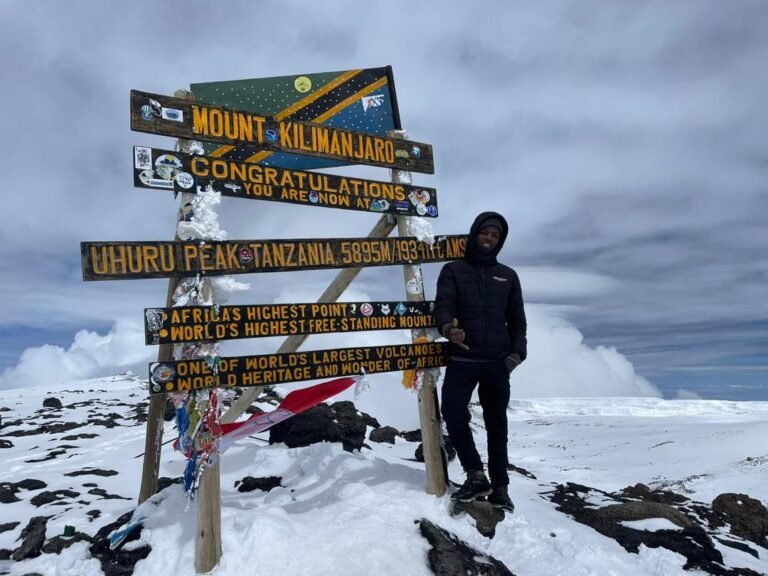
Climbing Kilimanjaro In October: Prices, Weather & Group Dates For 2026-2027
October offers a unique window for climbing Kilimanjaro, bridging the end of the dry season with the start of cooler temperatures. This guide details everything you need to know about...
View package details
Climbing Kilimanjaro In September : Prices, Weather & Group Dates 2026-2027
September offers a fantastic window for climbing Mount Kilimanjaro, blending dry weather with moderate temperatures. This guide covers everything you need to know about climbing Kilimanjaro...
View package details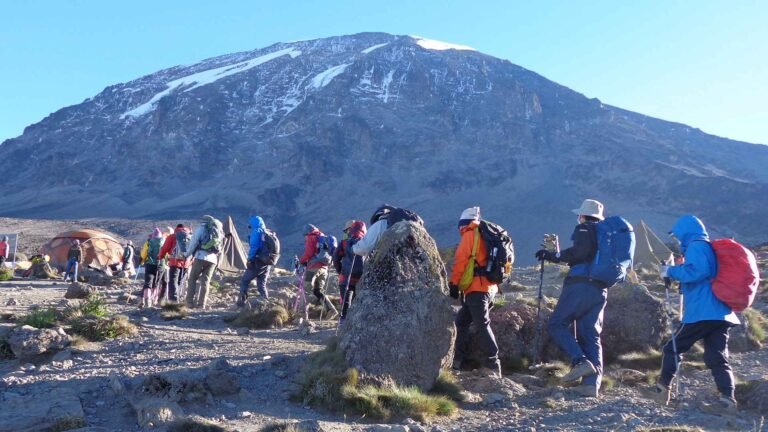
Climbing Kilimanjaro In July: Prices, Weather & Group Dates 2026-2027
Climbing Kilimanjaro in July: Prices, Weather & Group Dates is explained with current 2026-2027 planning, price, itinerary and booking information.
View package detailsClimbing Kilimanjaro In June: Prices, Weather & Group Dates 2026-2027
June offers a prime window for climbing Mount Kilimanjaro, balancing good weather with fewer crowds than the peak dry season. This guide details June's specific weather patterns, typical...
View package details
Climbing Kilimanjaro In December : Prices, Weather & Group Dates 2026-2027
Discover everything you need to know about climbing Kilimanjaro in December, including pricing, weather patterns for 2026-2027, and curated group departure dates. Climb 4 Africa provides...
View package details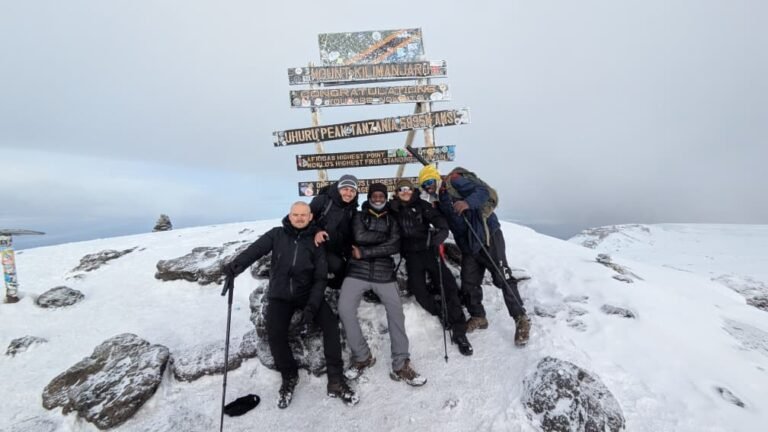
Climbing Kilimanjaro In February: Prices, Weather & Group Dates For 2026-2027
Discover everything you need to know about climbing Kilimanjaro in February, including expected weather patterns, typical costs for 2026-2027, and how to find suitable group departure...
View package details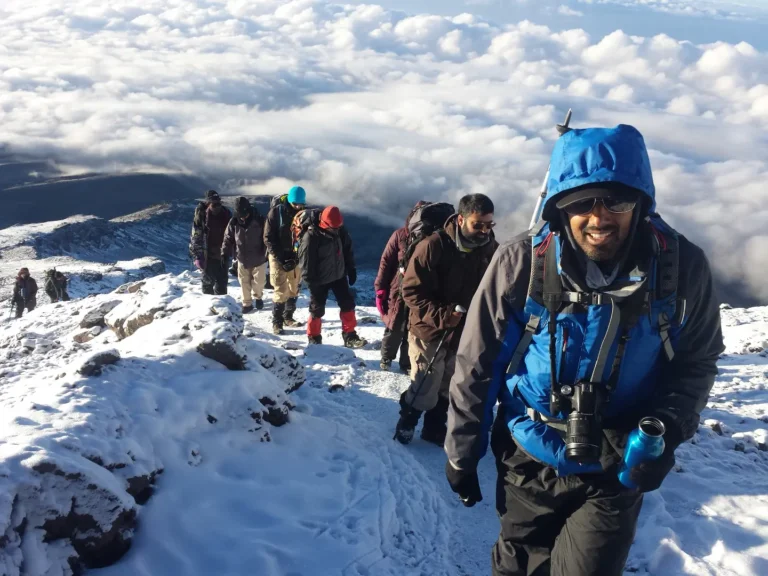
Climbing Kilimanjaro In January: Prices, Weather & Group Dates 2026-2027
Climbing Kilimanjaro in January: Prices, Weather & Group Dates is explained with current 2026-2027 planning, price, itinerary and booking information.
View package details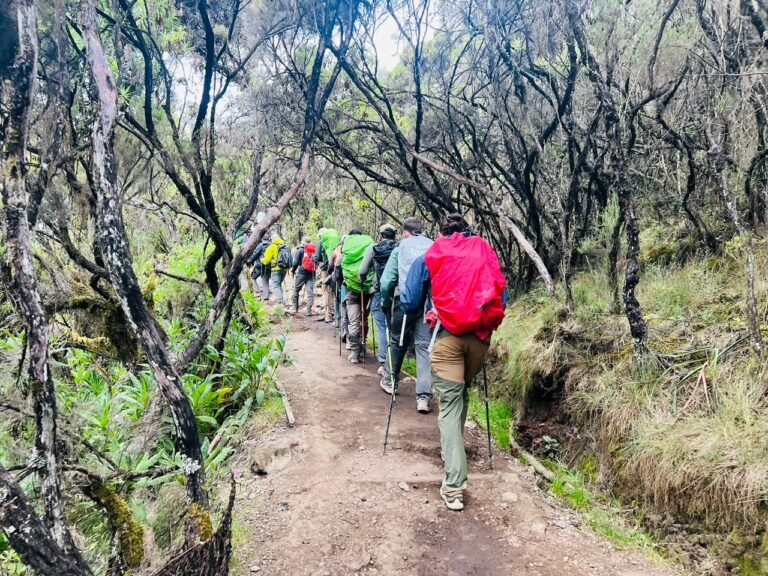
Last-Minute Kilimanjaro Group Joining: Available Dates & Prices For 2026-2027
Discover available last-minute Kilimanjaro group joining dates and pricing for 2026-2027. Climb 4 Africa offers shared expeditions on various routes, providing an economical and social way...
View package details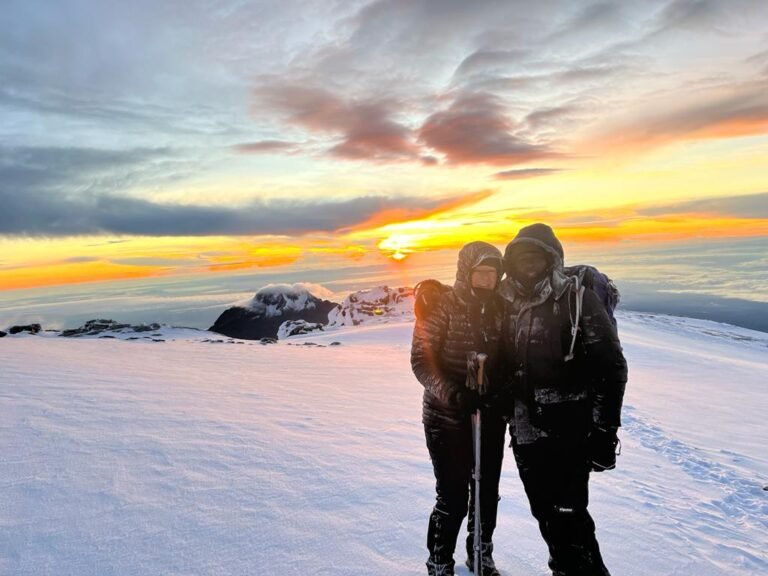
Kilimanjaro Group Departures : Dates, Routes & Prices 2026-2027
Kilimanjaro Group Departures 2026: Dates, Routes & Prices is explained with current 2026-2027 planning, price, itinerary and booking information.
View package details
Rongai Route Kilimanjaro Group Joining Prices & Departure Dates 2026-2027
Discover the best prices and confirmed departure dates for group joining climbs on Kilimanjaro's Rongai Route for 2026 and 2027. This guide details costs, what's included, and how to book...
View package details
Kilimanjaro Group Tours For Solo Travelers: Dates & Costs 2026-2027
Kilimanjaro Group Tours for Solo Travelers: Dates & Costs is explained with current 2026-2027 planning, price, itinerary and booking information.
View package details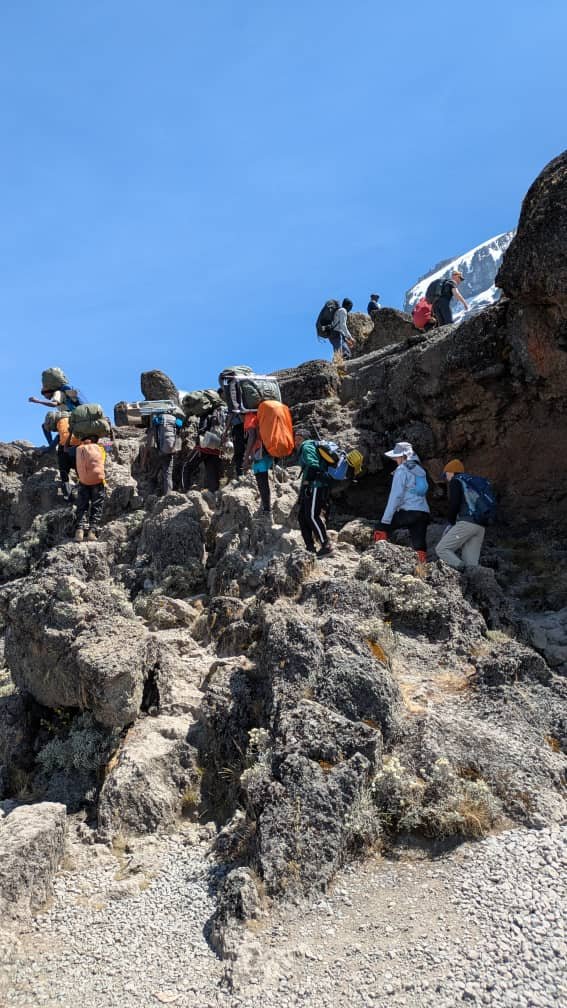
Are Kilimanjaro Group Climbs Cheaper Than Private Climbs? 2026-2027
Are Kilimanjaro group climbs cheaper than private climbs? is explained with current 2026-2027 planning, price, itinerary and booking information.
View package detailsNo related package matches those filters. Clear one or more filters to see the other topic-matched options.



