
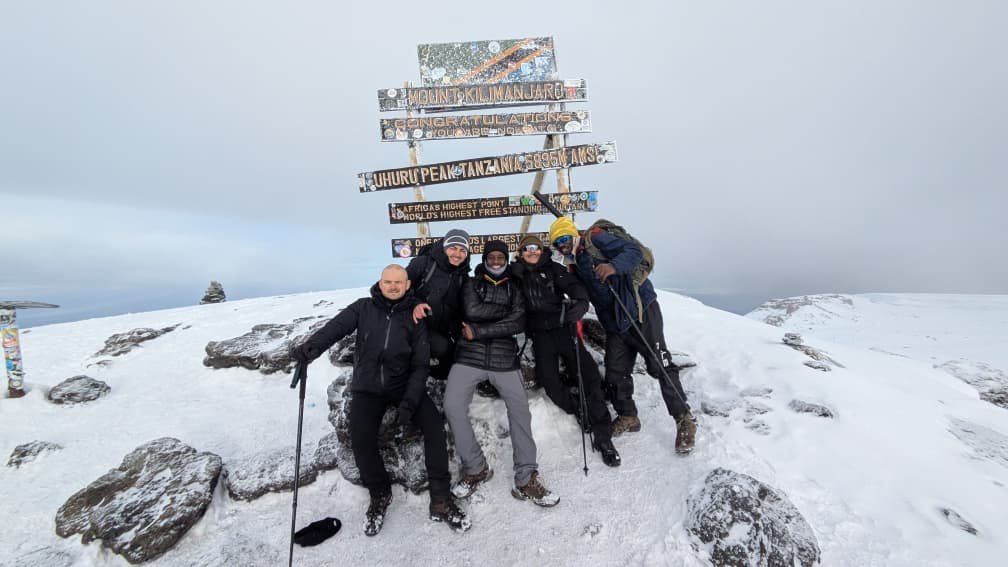
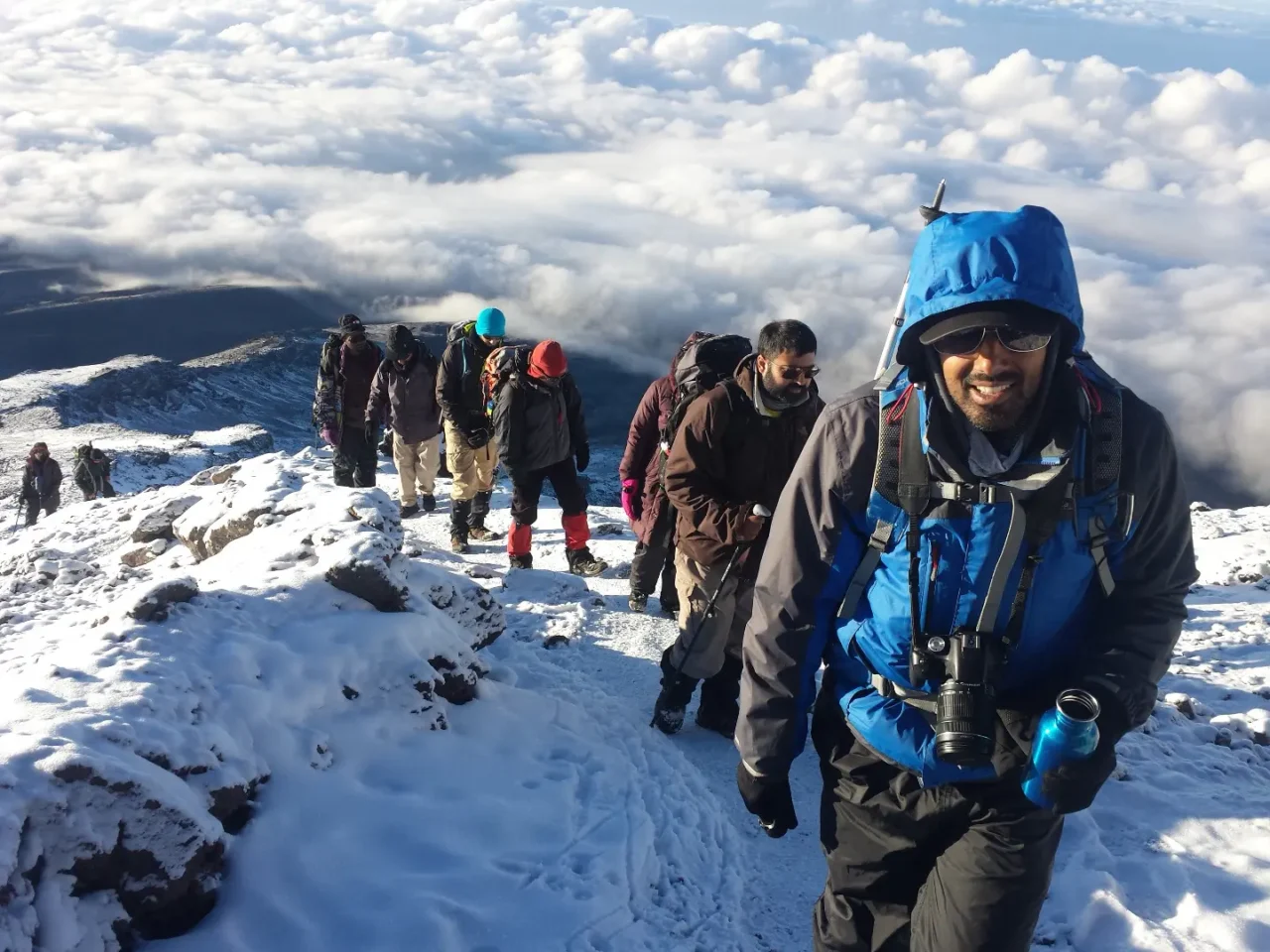
Climbing Kilimanjaro in February offers a fantastic window with generally stable, dry weather and lower crowd levels compared to peak seasons, making it an excellent choice for trekkers in 2026 and 2027. Prices for February climbs typically range from $1,800 to $4,500 per person, depending on the route, duration, operator, and inclusions, with group departures commonly available throughout the month. Expect daytime temperatures around 15-25°C (59-77°F) at lower altitudes, dropping significantly to below freezing point (-5 to -15°C or 5 to -5°F) at the summit, with minimal rainfall and clear skies being the norm.
Why Choose February for Your Kilimanjaro Ascent in 2026-2027?
When planning an expedition to the Roof of Africa, the timing of your climb is paramount. February consistently emerges as one of the most favorable months for tackling Mount Kilimanjaro, and this trend is expected to continue through the 2026-2027 climbing seasons. Unlike the bustling peak months of July to September or the shoulder seasons that can bring unpredictable weather, February falls squarely within Kilimanjaro’s long dry season, offering trekkers a compelling blend of good climbing conditions and a less crowded mountain experience. This makes it an attractive proposition for both solo travelers looking to join a group and for those who prefer a more serene journey up the iconic massif.
The allure of climbing Kilimanjaro in February is multifaceted. The most significant draw is the weather. Post-Christmas, the East African climate settles into a period characterized by minimal rainfall and clear skies. This translates to more consistent trekking days, better visibility for impressive vistas, and a generally more comfortable ascent. While the summit will always be cold, the lower and middle sections of the mountain are typically pleasant, making the initial stages of the trek more enjoyable. Furthermore, February is outside the absolute peak tourist season, meaning you’ll likely encounter fewer fellow trekkers on the trails and at the campsites. This can lead to a more intimate and personal experience with the mountain’s diverse ecosystems and a greater sense of accomplishment without the constant stream of people.
For those considering a climb in the 2026-2027 seasons, understanding the specific advantages of February is key to making an informed decision. It’s a month that balances favorable conditions with good value and availability. Below, we’ll explore the pricing, weather specifics, and how to find the best group departure dates for your Kilimanjaro adventure in February.
Kilimanjaro Weather in February: What to Expect
Understanding Kilimanjaro’s weather is crucial for any aspiring climber, and February presents a particularly inviting climate. As part of Kilimanjaro’s long dry season, which typically runs from January through March, February offers some of the best conditions for a successful and enjoyable ascent. This period follows the short rains of December and precedes the main rainy season that begins in April. The stability of the weather during February is its most significant advantage.
Temperature Ranges Throughout the Climb
Kilimanjaro’s climate is characterized by extreme variation due to its significant altitude gain, spanning six distinct ecological zones. February’s weather follows this pattern, but with the advantage of drier conditions.
- Base Camps (e.g., Marangu, Machame Gate): At altitudes around 1,800-2,000 meters (5,900-6,500 feet), expect daytime temperatures to be pleasant, typically ranging from 15°C to 25°C (59°F to 77°F). Evenings and nights are cooler but generally mild, perhaps dropping to 10°C to 15°C (50°F to 59°F).
- Mid-Altitudes (e.g., Forest Zone, Moorland Zone): As you ascend to around 3,000-4,000 meters (9,800-13,100 feet), temperatures will decrease noticeably. Daytime highs might be around 10°C to 20°C (50°F to 68°F), while nights can fall to 0°C to 10°C (32°F to 50°F).
- High Altitudes (e.g., Alpine Desert Zone, Summit Area): Above 4,000 meters, the environment becomes much harsher. Daytime temperatures can hover around 5°C to 15°C (41°F to 59°F), but this is often exacerbated by wind chill.
- Summit (Uhuru Peak): At 5,895 meters (19,341 feet), the summit is extremely cold. Temperatures regularly range from -5°C to -15°C (23°F to 5°F) during the day, and can plummet further at night, especially with wind chill, reaching as low as -20°C (-4°F) or even lower. Proper layering is absolutely essential for the summit night.
Rainfall and Precipitation in February
February is firmly within Kilimanjaro’s dry season. This means you can expect minimal rainfall, especially compared to the wet seasons of April-May and November. While the mountain can experience localized showers or flurries at any time, significant precipitation is unlikely. The lower slopes will be lush and green from the preceding rains, but the trails themselves are usually dry and in good condition. Snowfall can occur at higher altitudes, particularly on summit night, but it is generally light and often blows away quickly in the wind. This reduced chance of rain significantly enhances the trekking experience, making the trails safer and more comfortable.
Sunshine and Cloud Cover
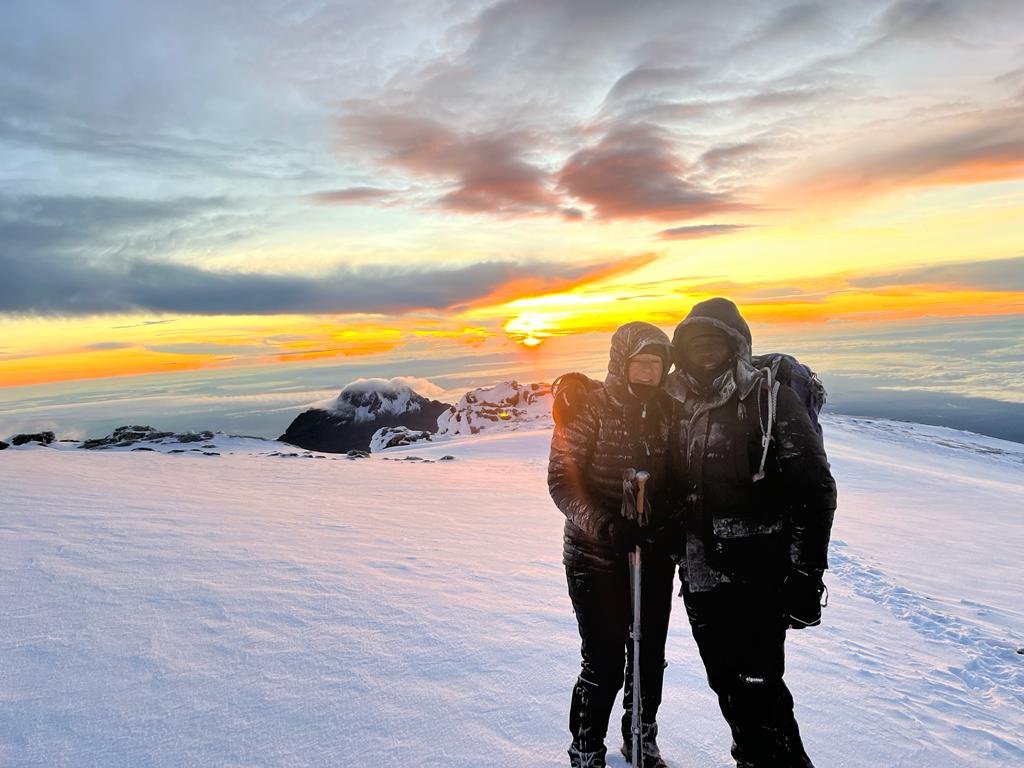
February typically boasts abundant sunshine, particularly in the mornings. The skies are often clear, offering spectacular views of the surrounding plains and, on clear days, Mount Meru. Cloud cover tends to build up during the afternoon, especially at lower altitudes, but it often dissipates overnight. The summit area, being above much of the lower atmosphere, frequently experiences clear conditions, although it is exposed to strong winds and intense solar radiation during the day.
Wind Conditions
Wind is a constant factor on Kilimanjaro, especially at higher altitudes and on the exposed summit plateau. February is generally not considered a particularly windy month compared to others, but you should still be prepared for breezes, particularly during the day and at higher elevations. Summit night can be windy, which can significantly increase the perceived cold due to wind chill. Good windproof outer layers are therefore a crucial part of your packing list.
Climbing Kilimanjaro in February: Route Considerations
While the weather in February is generally favorable across all routes, the choice of route can still significantly impact your experience, acclimatization, and success rate. For a February climb, prioritizing routes with better acclimatization profiles is always wise, even in good weather. The longer routes are generally recommended to increase your chances of reaching Uhuru Peak.
Recommended Routes for February Climbs
Given the excellent weather, many routes are viable. However, routes offering better acclimatization are always preferable. For February 2026-2027 climbs, consider these:
- Lemosho Route: Often considered the most scenic, the Lemosho route offers a gradual ascent through diverse landscapes. Its 7-day or 8-day options provide good acclimatization, making it a top choice for February. The 8-day version is particularly recommended for its slower pace.
- Machame Route: Known as the “Whiskey Route,” Machame is popular for its challenging yet rewarding ascent and excellent acclimatization profile, especially on its 7-day itinerary. It’s a great option for February, offering stunning views and a good success rate.
- Northern Circuit: This is the longest route (9 days), offering the best acclimatization by circling the mountain and spending more time at altitude. If your primary goal is acclimatization and a high success rate in February, this is arguably the best route, though it comes with a higher price tag.
- Marangu Route: The “Coca-Cola” route is the only one with hut accommodation. While it’s the shortest (5 days), this accelerated ascent offers poor acclimatization and a lower success rate, making it less ideal for February, especially if you are not well-acclimatized from previous high-altitude trekking. However, its convenience and shelter make it attractive for some, and with proper preparation, it can still be a viable option for experienced trekkers.
Routes to Approach with Caution in February
While generally safe, routes like Rongai (which approaches from the north and can be slightly drier than southern routes in some shoulder months but doesn’t offer the same acclimatization as Lemosho or Northern Circuit) and the shorter 5-day Marangu or 6-day Machame options are less ideal for February if your main priority is maximizing acclimatization. However, for individuals with proven high-altitude experience or those who are very fit and well-prepared, these can still be successful.
For 2026-2027 Kilimanjaro climbs in February, the 8-day Lemosho or 7-day Machame routes are excellent choices, balancing scenery, acclimatization, and overall experience. The 9-day Northern Circuit offers the highest probability of success due to its extended duration and acclimatization. Always discuss your fitness, experience, and goals with your tour operator to select the best route for your February expedition.
Climbing Kilimanjaro in February: Pricing and Costs for 2026-2027
The cost of climbing Kilimanjaro in February can vary significantly based on several factors, including the chosen route, the duration of the trek, the tour operator’s reputation and service level, and what is included in the package. February generally falls within the shoulder season or the tail end of the high season, meaning prices are often competitive but still reflect the quality of service and safety standards required for such an expedition. For 2026-2027 climbs, expect a broad price range.
Typical Price Range
Generally, a reputable Kilimanjaro climb booked for February 2026 or 2027 can cost anywhere from $1,800 to $4,500+ per person for a standard package. Budget operators might offer climbs at the lower end of this spectrum, while mid-range and premium operators will be at the higher end, offering more inclusions, better quality equipment, higher guide-to-client ratios, and superior food.
Factors Influencing February Climb Costs
Several elements will dictate the final price you pay for your February Kilimanjaro expedition:
- Route Choice: Longer routes like the Northern Circuit (9 days) or Lemosho (8 days) are more expensive than shorter routes like Marangu (5 days) due to more days on the mountain, requiring more staff, food, and park fees.
- Duration: A 7-day climb will naturally cost less than an 8-day or 9-day climb. The extra days are crucial for acclimatization, so the longer treks are often more successful but pricier.
- Operator Type: Local operators often offer more competitive pricing than international companies, but it’s vital to ensure they adhere to high safety and ethical standards. Operators like Climb 4 Africa pride themselves on offering excellent value with experienced local guides and comprehensive support.
- Inclusions: What’s included in the price is a major cost driver. Key inclusions to look for are park fees, rescue fees, all meals on the mountain, purified water, experienced guides and porters, camping equipment (tents, sleeping mats), transport to/from the mountain, and often a pre-climb briefing. Some packages may include flights, accommodation before/after the climb, and gratuities, which will increase the cost.
- Group Size: While you are looking for group dates, the actual group size can sometimes influence per-person costs, though most operators price based on a minimum group size. Private climbs are significantly more expensive.
- Time of Year: While February is a good month, it’s not the absolute peak season. Prices might be slightly lower than in July-September, but they won’t be drastically different from January or March, as it’s still considered a prime climbing period due to the dry weather.
Budgeting for Your Kilimanjaro Climb in February
When budgeting for your Kilimanjaro climb in February 2026-2027, consider these typical cost breakdowns:
Estimated Cost Breakdown (per person)
- Tour Operator Package: $1,800 – $4,500+ (covers guides, porters, food, tents, park fees, rescue fees)
- Tipping: $200 – $300 (essential for guides, porters, cooks)
- Personal Gear: $300 – $800+ (rental or purchase of high-altitude clothing, boots, sleeping bag)
- Travel Insurance: $100 – $250 (must cover high-altitude trekking and emergency evacuation)
- Flights: Varies greatly based on origin ($800 – $1,500+)
- Pre/Post Climb Accommodation: $50 – $150 per night
- Visa: Varies by nationality (e.g., ~$50-100 for US citizens)
- Miscellaneous (snacks, souvenirs, etc.): $100 – $300
Total Estimated Cost: $3,350 – $7,800+ (excluding international flights)
When comparing prices for Climbing Kilimanjaro in February 2026-2027, always scrutinize what is included. A lower price might mean fewer inclusions, potentially leading to unexpected costs later. Reputable operators like Climb 4 Africa provide transparent pricing and detailed itineraries. For a quote tailored to your needs, you can reach out directly via climb4africa@gmail.com or WhatsApp at +255 747 477 898.
February Kilimanjaro Group Departure Dates & Availability (2026-2027)
Joining a group departure is a popular and cost-effective way to climb Kilimanjaro, especially for solo travelers or those who prefer company on their trek. February, being a desirable climbing month, typically sees a good number of group departures scheduled by various tour operators for the 2026 and 2027 seasons. While exact dates can vary, you can expect consistent availability throughout the month.
Finding Group Departures
Tour operators, especially those specializing in Kilimanjaro climbs, will publish their group departure calendars well in advance. For February 2026 and February 2027, you should start looking for these dates as early as 12-18 months prior to your intended climb, although last-minute availability can sometimes be found.
Key places to find these dates include:
- Operator Websites: Directly check the websites of reputable Kilimanjaro tour operators. Look for sections titled “Group Departures,” “Scheduled Treks,” or “Tanzania Tours.” Companies like Climb 4 Africa often list their Kilimanjaro group dates for the upcoming years, including February.
- Trekking Aggregators: Some platforms aggregate departures from multiple operators, which can be useful for comparison.
- Travel Agents: Specialist adventure travel agents can assist in finding suitable group departures.
Typical February Group Schedule
For Climbing Kilimanjaro in February 2026-2027, you can generally expect:
- Weekly Departures: Many operators offer weekly departures, especially on popular routes like Machame and Lemosho, meaning you’ll likely find a start date that suits you in February.
- Flexibility: While fixed dates are common, some operators may offer flexibility, allowing you to choose your own start date and join an existing group or form a new one.
- Route Variations: Group departures will be available for various routes, with the 7-day Machame and 8-day Lemosho being the most common. Longer routes like the 9-day Northern Circuit might have fewer scheduled group dates due to their longer duration and higher cost.
Example of potential February 2027 Group Dates (Note: these are illustrative and subject to operator schedules):
Illustrative February 2027 Group Departure Dates:
- Week 1 (Feb 1-7): Machame 7-Day, Lemosho 8-Day
- Week 2 (Feb 8-14): Machame 7-Day, Rongai 7-Day
- Week 3 (Feb 15-21): Lemosho 8-Day, Northern Circuit 9-Day
- Week 4 (Feb 22-28): Machame 7-Day, Lemosho 8-Day
It is essential to check the specific operator’s calendar for exact dates and availability for Climbing Kilimanjaro in February 2027.
Booking Your Group Climb
Once you identify a suitable group departure date for your February 2026 or 2027 climb, it’s advisable to book as soon as possible. Popular dates, especially for well-regarded operators, can fill up. Aim to book at least 6-12 months in advance to secure your spot and allow ample time for preparation, training, and obtaining necessary gear.
For inquiries about group departures or to request specific dates for Climbing Kilimanjaro in February 2026-2027, feel free to contact Climb 4 Africa. They can help you find the perfect fit for your adventure. Reach them via climb4africa@gmail.com or WhatsApp at +255 747 477 898.
Preparing for Your February Kilimanjaro Climb
Even with favorable weather conditions in February, climbing Kilimanjaro is a significant undertaking that requires thorough preparation. Proper physical conditioning, mental readiness, and appropriate gear are crucial for a safe and successful ascent. The unique aspects of February climbing, such as the dry trails and potentially colder summit nights, should influence your preparation.
Physical Training
Your training should focus on cardiovascular endurance and strength, particularly for your legs and core. Kilimanjaro is not a technical climb, but it is a strenuous endurance test. Aim for a training program that includes:
- Cardio: Regular aerobic exercise like running, cycling, swimming, or hiking for at least 3-4 times a week. Include long hikes (4-6 hours) with a backpack, ideally on hilly terrain, in the months leading up to your climb.
- Strength Training: Focus on leg exercises (squats, lunges, step-ups) and core strengthening.
- Stamina Building: Practice hiking uphill for extended periods. If possible, simulate multi-day trekking conditions by doing back-to-back long hikes.
- Acclimatization Practice: If you have access to hills or mountains, try to hike at higher altitudes to understand how your body responds.
Acclimatization Strategy
While February offers good weather, acclimatization remains the most critical factor for reaching the summit. The principle of “pole pole” (slowly, slowly) is vital. Choose a longer route (7-9 days) for better acclimatization. Listen to your body and communicate any symptoms of altitude sickness to your guide immediately. Symptoms can include headaches, nausea, dizziness, and fatigue. Your guide is trained to manage these conditions.
Essential Gear for February Climbing
Packing the right gear is essential for comfort and safety, especially given the temperature variations. Layering is key. For February, ensure you have:
- Base Layers: Moisture-wicking thermal tops and bottoms (merino wool or synthetic).
- Mid Layers: Fleece jackets or synthetic insulated jackets for warmth.
- Outer Layer (Insulation): A warm, down or synthetic-fill jacket for summit night and cold evenings.
- Waterproofs: A high-quality waterproof and windproof jacket and trousers. Even in the dry season, conditions can change.
- Footwear: Broken-in, waterproof hiking boots with good ankle support. Thermal socks (wool).
- Headwear: A warm, insulated hat that covers your ears, and a sun hat or cap for lower altitudes. A balaclava or neck gaiter for summit night.
- Handwear: Warm, waterproof gloves or mittens, and lighter liner gloves.
- Sleeping Bag: A 4-season sleeping bag rated to at least -15°C (0°F).
- Other Essentials: Headlamp with extra batteries, sunglasses, sunscreen, lip balm, reusable water bottles or hydration reservoir, personal first-aid kit, toiletries, camera, and trekking poles.
Many operators, including Climb 4 Africa, offer gear rental services for items like sleeping bags and warm jackets, which can save you the cost of purchasing expensive equipment you might only use once. Inquire about this when booking your Climbing Kilimanjaro in February 2026-2027 expedition.
Health and Vaccinations
Consult your doctor or a travel clinic 4-6 weeks before your trip regarding recommended vaccinations and malaria prophylaxis. While Kilimanjaro itself is not a malaria risk zone, the lower altitudes and surrounding areas might be. Diamox (acetazolamide) is often prescribed for altitude sickness prevention and should be discussed with your doctor.
Travel Insurance
Comprehensive travel insurance is non-negotiable. Ensure it covers high-altitude trekking up to 6,000 meters and includes emergency medical evacuation. This is a critical safety net for any Kilimanjaro climb.
Why Choose Climb 4 Africa for Your February Kilimanjaro Expedition?
Selecting the right tour operator is paramount to a successful and enjoyable Kilimanjaro climb. Climb 4 Africa is a highly experienced Tanzanian-based company with a deep understanding of Kilimanjaro and the surrounding region. We are committed to providing safe, ethical, and unforgettable trekking experiences, making us an ideal partner for your Climbing Kilimanjaro in February 2026-2027 adventure.
Our Commitment to Safety and Quality
Your safety is our top priority. We employ experienced, certified guides who are trained in wilderness first aid and altitude sickness management. Our crew-to-client ratio is optimized to ensure attentive support, and we adhere to strict safety protocols, including regular health checks during the trek and a reliable emergency evacuation plan. We use high-quality camping equipment and prepare nutritious, delicious meals on the mountain to keep you energized.
Local Expertise and Support
As a local Tanzanian company, Climb 4 Africa offers unparalleled on-the-ground knowledge and support. We work with local communities, ensuring fair wages and ethical treatment for our guides and porters. This local connection allows us to provide authentic experiences and handle logistics with efficiency and expertise. Whether you’re joining a group departure or planning a private climb, you can expect personalized service from the moment you inquire.
Tailored Itineraries and Group Options
We offer a range of routes and durations to suit different preferences and fitness levels. For February climbs in 2026-2027, we have regular group departures on popular routes like Lemosho and Machame, providing opportunities for solo travelers to join a team. We also specialize in crafting tailor-made itineraries for private groups or individuals seeking a unique experience. Our team is dedicated to helping you choose the best route and dates for your Kilimanjaro adventure.
Value and Transparency
Climb 4 Africa is known for offering excellent value for money without compromising on quality or safety. Our pricing is transparent, with clear inclusions and exclusions, so you know exactly what to expect. We aim to provide a world-class climbing experience that is accessible and rewarding.
Ready to Climb Kilimanjaro in February 2026-2027?
Don’t miss the opportunity to experience the magic of Kilimanjaro in February. With its stable weather, fewer crowds, and beautiful landscapes, it’s an ideal time to undertake this life-changing journey. Whether you’re looking for specific group departure dates or wish to discuss a custom itinerary for Climbing Kilimanjaro in February 2026-2027, our team is ready to assist you.
Contact Climb 4 Africa today:
- WhatsApp: +255 747 477 898
- Email: climb4africa@gmail.com
- Website: Climb4Africa.com
Let us help you plan your perfect Kilimanjaro ascent. We look forward to welcoming you to Tanzania!
Check Availability for Climbing Kilimanjaro In February: Prices, Weather & Group Dates For…
Ready to compare dates, prices, and the best option for your group? Send the package name and travel month so the team can reply with a clear quote, availability, and what is included.

Climbing Kilimanjaro In December : Prices, Weather & Group Dates 2026-2027
Discover everything you need to know about climbing Kilimanjaro in December, including pricing, weather patterns for 2026-2027, and curated group departure dates. Climb 4 Africa provides...
View package details
Climbing Kilimanjaro In October: Prices, Weather & Group Dates For 2026-2027
October offers a unique window for climbing Kilimanjaro, bridging the end of the dry season with the start of cooler temperatures. This guide details everything you need to know about...
View package details
Climbing Kilimanjaro In September : Prices, Weather & Group Dates 2026-2027
September offers a fantastic window for climbing Mount Kilimanjaro, blending dry weather with moderate temperatures. This guide covers everything you need to know about climbing Kilimanjaro...
View package details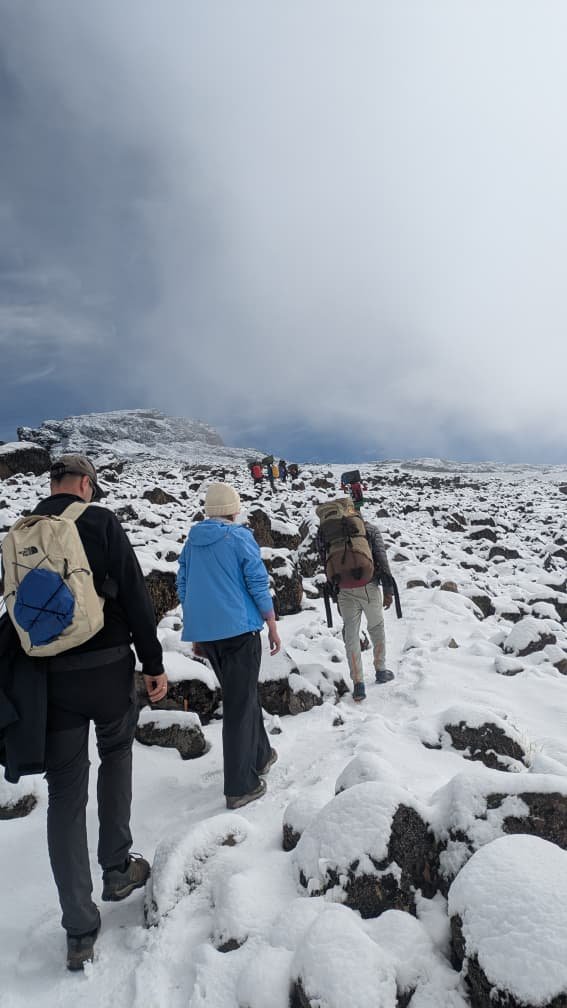
Climbing Kilimanjaro In August: Prices, Weather & Group Dates 2026-2027
Climbing Kilimanjaro in August: Prices, Weather & Group Dates is explained with current 2026-2027 planning, price, itinerary and booking information.
View package details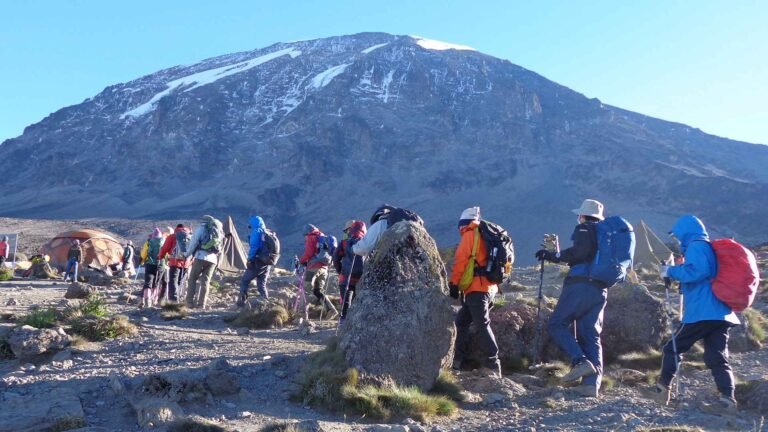
Climbing Kilimanjaro In July: Prices, Weather & Group Dates 2026-2027
Climbing Kilimanjaro in July: Prices, Weather & Group Dates is explained with current 2026-2027 planning, price, itinerary and booking information.
View package detailsClimbing Kilimanjaro In June: Prices, Weather & Group Dates 2026-2027
June offers a prime window for climbing Mount Kilimanjaro, balancing good weather with fewer crowds than the peak dry season. This guide details June's specific weather patterns, typical...
View package details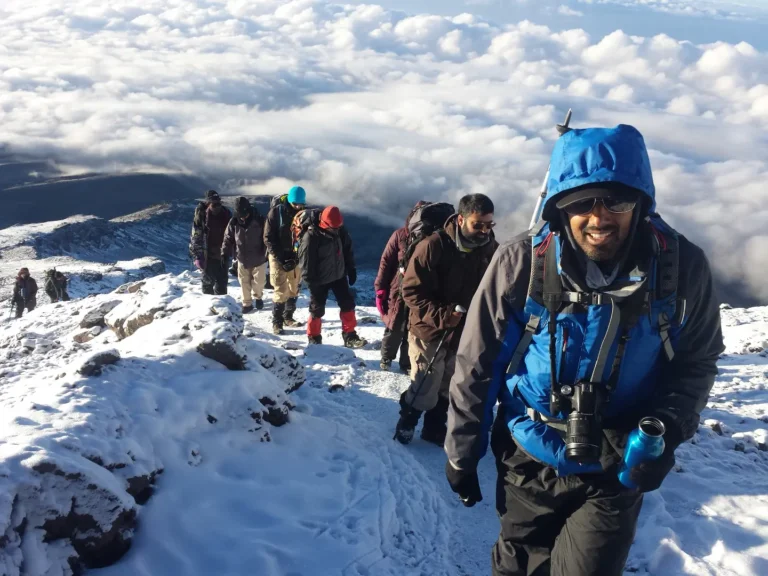
Climbing Kilimanjaro In January: Prices, Weather & Group Dates 2026-2027
Climbing Kilimanjaro in January: Prices, Weather & Group Dates is explained with current 2026-2027 planning, price, itinerary and booking information.
View package details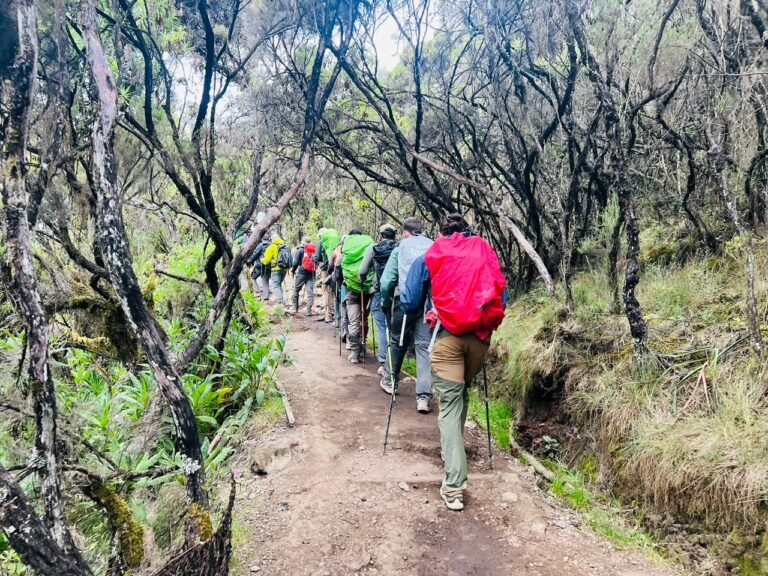
Last-Minute Kilimanjaro Group Joining: Available Dates & Prices For 2026-2027
Discover available last-minute Kilimanjaro group joining dates and pricing for 2026-2027. Climb 4 Africa offers shared expeditions on various routes, providing an economical and social way...
View package details
Kilimanjaro Group Departures : Dates, Routes & Prices 2026-2027
Kilimanjaro Group Departures 2026: Dates, Routes & Prices is explained with current 2026-2027 planning, price, itinerary and booking information.
View package details
Rongai Route Kilimanjaro Group Joining Prices & Departure Dates 2026-2027
Discover the best prices and confirmed departure dates for group joining climbs on Kilimanjaro's Rongai Route for 2026 and 2027. This guide details costs, what's included, and how to book...
View package details
Kilimanjaro Group Tours For Solo Travelers: Dates & Costs 2026-2027
Kilimanjaro Group Tours for Solo Travelers: Dates & Costs is explained with current 2026-2027 planning, price, itinerary and booking information.
View package details
Are Kilimanjaro Group Climbs Cheaper Than Private Climbs? 2026-2027
Are Kilimanjaro group climbs cheaper than private climbs? is explained with current 2026-2027 planning, price, itinerary and booking information.
View package detailsNo related package matches those filters. Clear one or more filters to see the other topic-matched options.



