
Climbing Kilimanjaro in January generally offers good weather conditions with drier days and clear skies, making it a favorable month for trekkers. Prices for January climbs in 2026-2027 typically range from $1,800 to $3,500+ per person, depending on the route, duration, operator, and inclusions. Group departure dates are available throughout January, providing opportunities to join shared expeditions for cost savings and camaraderie.
Why January is a Prime Month for Climbing Kilimanjaro
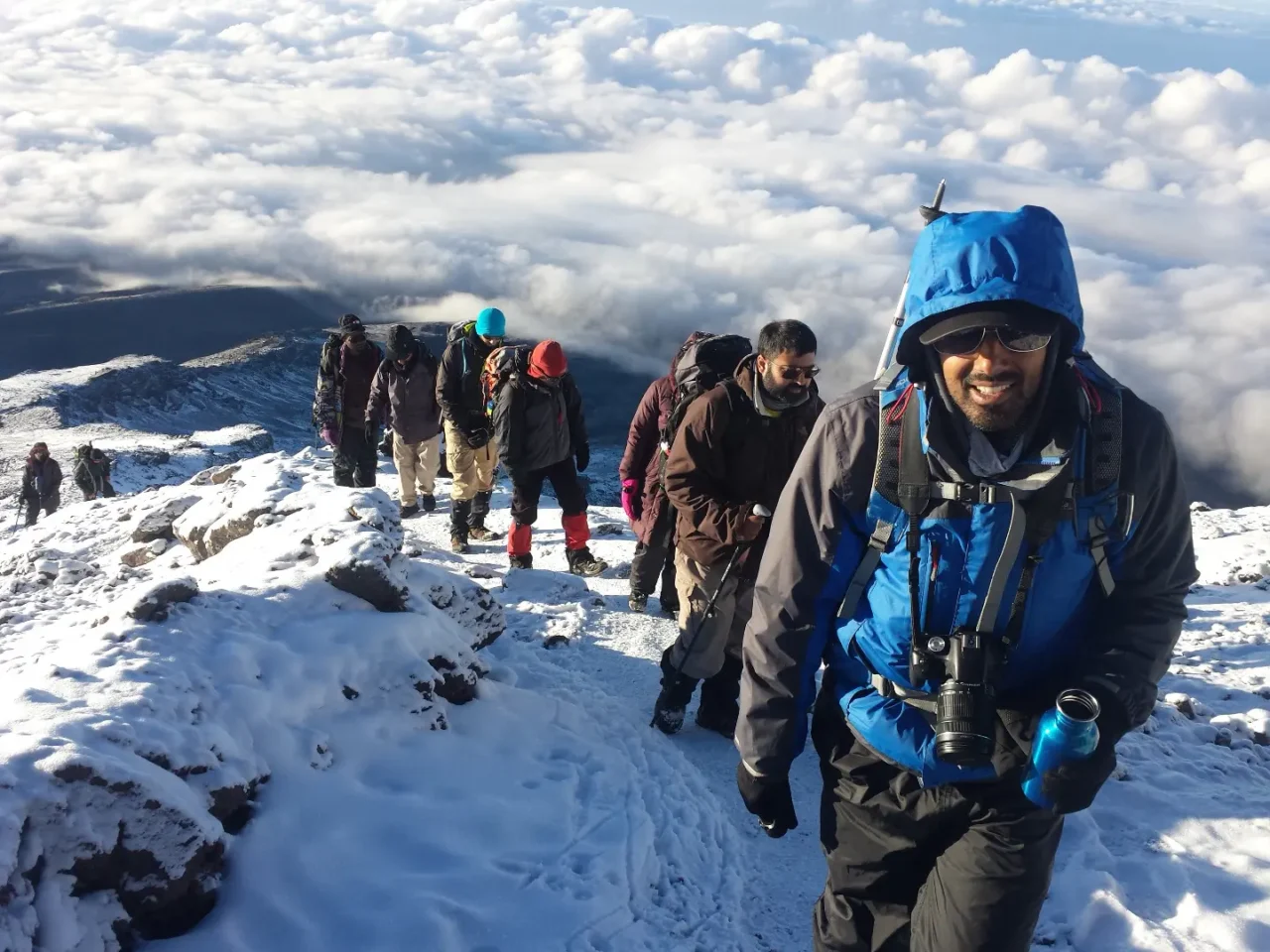
January sits squarely within Kilimanjaro’s two main dry seasons, which generally run from mid-December to March. This means trekkers can anticipate a higher probability of clear skies, excellent visibility for stunning mountain vistas, and less rainfall impacting trail conditions. While no month is entirely free from the possibility of weather changes on Africa’s highest peak, January presents a compelling case for many aspiring climbers. The festive season has passed, often leading to slightly fewer crowds compared to the peak of December, yet the weather remains reliably good. For those planning ahead for 2026 and 2027, a January climb offers a blend of favorable conditions and accessible group dates.
Understanding Kilimanjaro’s Weather in January
Kilimanjaro’s climate is diverse, changing dramatically with altitude. January is characterized by its dry nature, but this doesn’t mean uniformly warm temperatures or a complete absence of precipitation. The mountain’s weather can be broadly divided into distinct zones:
- The Lower Slopes (Rainforest Zone): Expect warm temperatures, often humid, and occasional light showers. This is the most likely zone to experience rain, even in the dry season, due to its tropical location. January typically sees less of this than the wet seasons.
- The Moorland Zone: Temperatures begin to drop significantly, especially at night. Days can be pleasant, but the wind can be a factor. Rainfall is less common here in January.
- The Alpine Desert Zone: This is a stark, arid environment. Days can be sunny and warm, but temperatures plummet after sunset, often well below freezing. Strong winds are common.
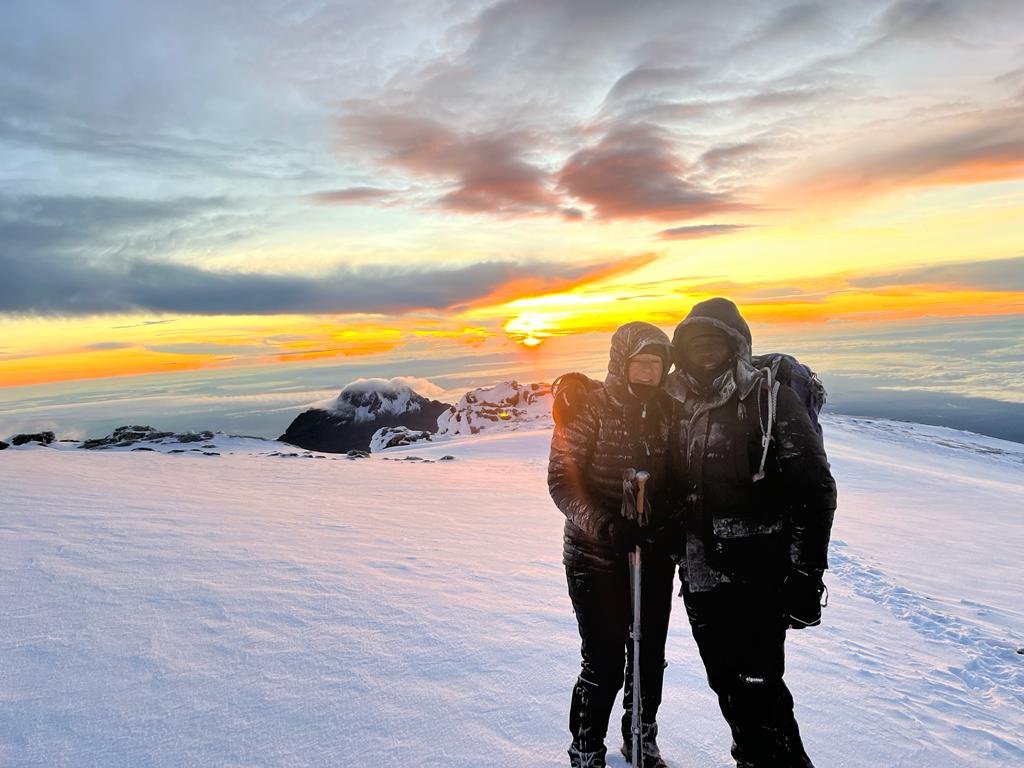
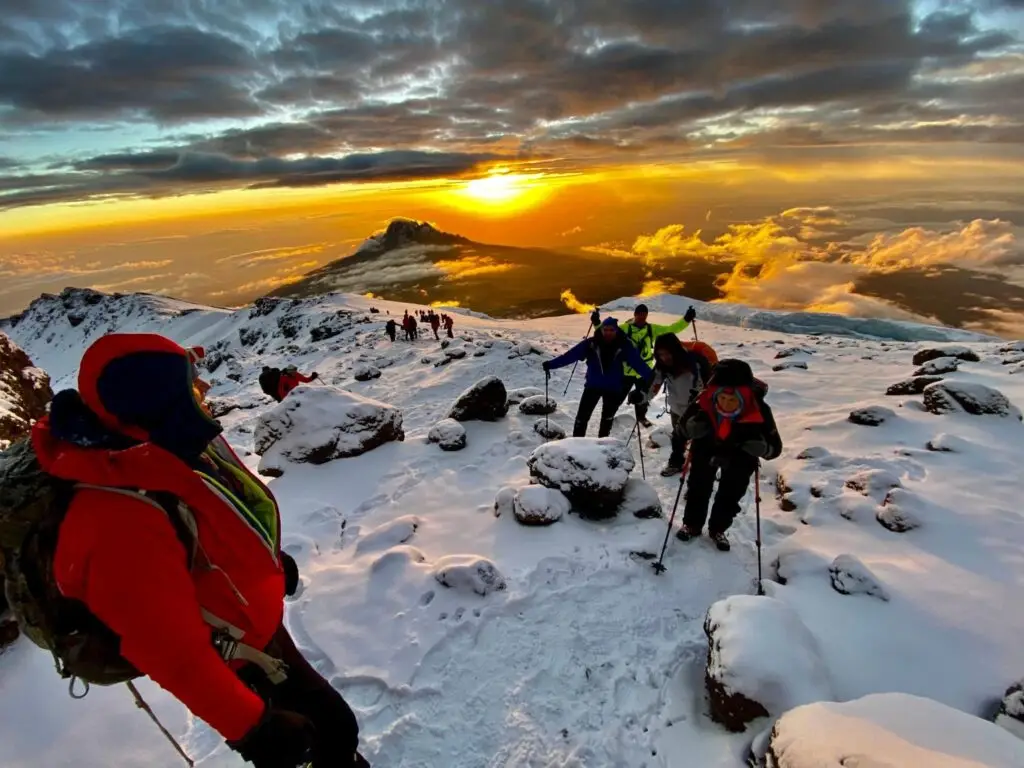
- The Arctic Zone (Summit Area): Extreme cold, icy conditions, and strong winds are the norm. Temperatures here will be well below freezing, particularly during the summit night. January’s dry conditions mean ice and snow are present, especially at higher elevations, but the lack of precipitation aids visibility.
Average temperatures in January can range from:
- Base Camp (e.g., Moshi): 20-30°C (68-86°F) during the day, cooling to 15-20°C (59-68°F) at night.
- Summit (Uhuru Peak): -7°C to -20°C (19°F to -4°F) or colder, especially with wind chill during summit night.
While January is dry, it’s crucial to pack for all conditions. The mountain’s weather is unpredictable, and even in the dry season, you might encounter a brief shower or mist, particularly on lower slopes. Snow at the summit is common, even in January.
January Group Departure Dates for 2026 and 2027
Joining a group departure is an excellent way to manage costs and share the experience with like-minded adventurers. For 2026 and 2027, operators like Climb 4 Africa typically offer group climbs throughout January. These dates are often published well in advance, allowing for early planning.
Typical January Group Departure Availability (2026-2027):
Climb 4 Africa aims to provide regular group departures throughout the year, including January. For the most up-to-date group dates for January 2026 and January 2027, it is best to check directly with the operator. These dates are often flexible and can be influenced by demand. Contacting them via WhatsApp +255 747 477 898 or Email climb4africa@gmail.com is the most efficient way to get current schedules.
Group climbs offer a fantastic opportunity to bond with fellow trekkers, share the challenges and triumphs of the climb, and often come at a more accessible price point. When reviewing group dates, consider the duration of the trek, as longer routes generally increase acclimatization success rates.
Kilimanjaro Climb Prices in January 2026-2027
The cost of climbing Kilimanjaro can vary significantly based on several factors. For January climbs in 2026-2027, you can expect a price range that reflects the quality of service, route choice, and inclusions. It’s important to understand what influences these prices:
Factors Affecting Kilimanjaro Climb Prices:
- Route Choice: Longer routes like the Lemosho or Machame (7-8 days) are generally more expensive than shorter routes like Marangu (5-6 days) due to more days of guiding, porters, food, and park fees.
- Duration: The number of days spent on the mountain directly impacts costs. Longer treks offer better acclimatization but cost more.
- Operator Type: Local operators often offer more competitive pricing than international companies. However, it’s crucial to vet them for safety standards, ethical treatment of staff, and quality of equipment. Climb 4 Africa is a reputable local operator known for its comprehensive service.
- Inclusions: A key differentiator. Packages can range from basic (just park fees, guide, porter) to all-inclusive (flights, accommodation before/after, meals, equipment rental, transfers, oxygen). Clearly understanding what’s included is vital for comparing prices.
- Group Size: Joining a group departure is usually cheaper per person than a private climb.
- Comfort Level: While camping is standard on most routes, the quality of tents, food preparation, and overall service can vary.
Estimated Price Range for January Climbs (2026-2027):
Based on typical offerings from reputable operators for a 7-day climb (a popular choice for acclimatization), you can anticipate the following:
Budget Operators: $1,800 – $2,200 per person. These might have fewer inclusions, basic equipment, and potentially larger group sizes. Always verify their safety protocols and porter welfare policies.
Mid-Range / Standard Operators (e.g., Climb 4 Africa): $2,200 – $3,000 per person. These packages typically offer a good balance of quality, safety, and inclusions. Expect well-trained guides, quality equipment, good food, and ethical treatment of porters. This is often the sweet spot for a reliable and enjoyable climb.
Premium / Luxury Operators: $3,000 – $3,500+ per person. These operators often provide higher-end accommodations before and after the climb, more personalized service, smaller group sizes, and sometimes additional amenities like oxygen cylinders as standard.
Note: These prices usually exclude park fees (though some operators include them), tips for guides and porters (a significant cost), personal gear rental, travel insurance, and flights to Kilimanjaro International Airport (JRO).
Choosing the Right Route for a January Climb
While January is a dry month, some routes are better suited for acclimatization and offer more scenic beauty. The longer routes are always recommended for increasing success rates.
- Machame Route: Often called the “Whiskey Route,” this is the most popular route. It’s a 7-day trek (or 8 days for better acclimatization) that utilizes a “climb high, sleep low” strategy. Its popularity means more chances to join a group in January.
- Lemosho Route: Considered one of the most scenic routes, Lemosho typically takes 7-8 days. It starts in the west and joins the Machame route. It offers excellent acclimatization profiles and fewer crowds in the initial days.
- Marangu Route: The “Coca-Cola Route,” it’s the only route with hut accommodations instead of camping. It’s also the shortest (5-6 days), making it cheaper but significantly reducing acclimatization and success rates. Not generally recommended for first-time trekkers or those prioritizing success.
- Northern Circuit: The longest route (9-10 days), offering the highest success rate due to superior acclimatization. It circles the mountain, providing unique views. It is also the most expensive.
For a January climb, routes like Machame and Lemosho are excellent choices, offering a good balance of scenery, acclimatization, and group availability for 2026-2027. The 7-day Machame or 8-day Lemosho are particularly popular for their success rates and manageable costs when joining a group.
What’s Typically Included in a January Kilimanjaro Climb Package?
When comparing prices for your January 2026 or 2027 climb, scrutinize the inclusions. Reputable operators will clearly list what is covered. For a mid-range operator like Climb 4 Africa, you can expect:
Standard Inclusions:
- Park Fees: Kilimanjaro National Park entry, camping, and conservation fees. These are substantial and should ideally be included or clearly stated if separate.
- Guides and Porters: Experienced, certified guides and a sufficient team of porters to carry all equipment and supplies. Ethical treatment and fair wages for staff are paramount.
- Accommodation: Camping equipment (tents, sleeping mats) on camping routes. Hut accommodation on Marangu.
- Meals: All meals on the mountain, prepared by a dedicated cook. Expect hearty and nutritious food.
- Water: Drinking water (usually boiled or filtered).
- Transfers: Transportation from Moshi/Arusha to the trailhead and back.
- Safety Equipment: First-aid kits, emergency oxygen cylinders (carried by guides).
- Pre-Climb Briefing: A thorough briefing before your climb.
Important Exclusions to Budget For:
- Tips for Crew: This is a mandatory and significant expense, typically totaling $250-$400+ per climber, depending on group size and trek duration.
- Personal Gear: Sleeping bag, hiking boots, warm clothing, waterproofs, etc. (often available for rent).
- Travel Insurance: Essential, covering high-altitude trekking and emergency evacuation.
- Lunches/Dinners in Moshi/Arusha: Unless specified, meals before and after the climb are usually not included.
- Visas and Flights: To Tanzania.
- Personal Expenses: Souvenirs, drinks, etc.
- Optional: Personal porter for extra luggage.
Preparing for Your January Kilimanjaro Climb
A successful Kilimanjaro climb, especially in January, requires diligent preparation. This involves physical training, mental readiness, and packing the right gear.
Physical Training:
Focus on cardiovascular fitness and strength training. Hiking with a weighted backpack on varied terrain is ideal. Aim for regular sessions in the weeks and months leading up to your climb.
Acclimatization Strategy:
Choose a longer route (7+ days) and a reputable operator that emphasizes a slow ascent with proper acclimatization. Listen to your body and your guides regarding symptoms of Acute Mountain Sickness (AMS).
Packing for January Conditions:
Layering is key. You’ll need gear for warm, humid rainforest conditions at the base, and extremely cold, windy, and potentially icy conditions at the summit.
Essential January Packing List Highlights:
- Base Layers: Moisture-wicking thermal tops and bottoms.
- Mid Layers: Fleece jackets or insulated vests.
- Outer Layer: Waterproof and windproof jacket and trousers (Gore-Tex or similar).
- Insulation: A warm down or synthetic insulated jacket for evenings and summit night.
- Headwear: Warm hat (beanie), sun hat, balaclava or neck gaiter.
- Gloves: Warm, waterproof gloves and thinner liner gloves.
- Footwear: Broken-in, waterproof hiking boots. Camp shoes or trainers for evenings.
- Socks: Wool or synthetic hiking socks (multiple pairs).
- Sleeping Bag: Rated to at least -10°C or -20°C (0°F to -4°F).
- Headlamp: With extra batteries.
- Sun Protection: High SPF sunscreen, lip balm, sunglasses.
- Hydration: Water bottles or hydration reservoir (insulated to prevent freezing).
- Trekking Poles: Highly recommended for stability and reducing strain.
While January is dry, the summit can be very cold and icy. Good quality waterproofs and warm layers are non-negotiable. Renting gear like sleeping bags and warm jackets is often possible from operators like Climb 4 Africa if you prefer not to purchase.
Booking Your January Kilimanjaro Climb for 2026-2027
Booking your Kilimanjaro adventure for January 2026 or 2027 should be done with sufficient lead time, especially if you are targeting specific group dates or prefer a particular operator. Here’s a guide to the booking process:
- Research Operators: Look for reputable companies with strong safety records, positive reviews (e.g., on TripAdvisor), and ethical practices regarding staff welfare. Climb 4 Africa is a highly-rated local operator with extensive experience.
- Compare Itineraries and Inclusions: Ensure the route, duration, and what’s included match your expectations and budget. For January, a 7 or 8-day route is recommended.
- Check Group Dates: If joining a group is important, verify the available departure dates for January 2026 and 2027. Be flexible if possible, as exact dates can sometimes be adjusted.
- Request a Quote: Obtain detailed quotes and ask clarifying questions about all costs, especially those not typically included (tips, gear rental, etc.).
- Book and Deposit: Once you’ve chosen an operator, you’ll typically pay a deposit to secure your spot and confirm your dates. The balance is usually due a few months before the climb.
- Arrange Travel Insurance: Purchase comprehensive travel insurance that covers high-altitude trekking and emergency evacuation immediately after booking.
- Visa and Flights: Book your flights to Kilimanjaro International Airport (JRO) and apply for your Tanzanian visa if required.
Starting your planning for Climbing Kilimanjaro in January for 2026-2027 now will give you the best selection of dates and operators. Early booking is always advisable.
Frequently Asked Questions About Climbing Kilimanjaro in January
Here are some common questions potential climbers have about tackling Kilimanjaro in January:
What is the typical weather like on Kilimanjaro in January?
January is part of Kilimanjaro’s main dry season. Expect generally clear skies, good visibility, and drier trails. Temperatures vary significantly by altitude, from warm at the base to well below freezing at the summit. While dry, occasional light rain showers are possible, especially on lower slopes.
Are January climbs more expensive?
January is considered a good season, but not typically the absolute peak like July-September. Prices are generally competitive, especially when joining a group departure. Expect costs to range from $1,800 to $3,500+ per person, depending on the operator and inclusions.
What are the best routes for a January climb?
Longer routes like the Machame (7-8 days) or Lemosho (7-8 days) are highly recommended for better acclimatization and higher success rates in any month, including January. These routes also offer great scenery.
Is January a crowded month on Kilimanjaro?
January is generally less crowded than the peak months of July, August, and September, and often sees fewer climbers than the Christmas/New Year period. It offers a good balance between favorable weather and manageable numbers of trekkers.
What gear is essential for a January climb?
Essential gear includes multiple layers of warm and waterproof clothing, sturdy hiking boots, a warm sleeping bag (-10°C to -20°C rating), sun protection, and trekking poles. Layering is crucial to adapt to the wide temperature range.
What is the success rate for climbs in January?
Success rates are generally good in January due to the dry weather. However, success primarily depends on choosing a longer route (7+ days), proper acclimatization, physical fitness, and listening to your body and guides.
Final Thoughts on Climbing Kilimanjaro in January 2026-2027
Climbing Kilimanjaro in January presents a fantastic opportunity for trekkers looking for favorable weather conditions and good visibility. The dry season offers a more comfortable trekking experience, and while the summit remains a challenging, cold environment, the probability of clear conditions is high. Planning ahead for January 2026 or 2027 allows you to secure your preferred dates and operators. Remember that choosing a reputable operator like Climb 4 Africa, selecting a longer route for acclimatization, and packing appropriately are key to a safe and successful ascent. Don’t hesitate to reach out for personalized advice and to check the latest group departure availability for your Kilimanjaro adventure.
For tailored advice, current group departure dates for January 2026 and 2027, and detailed pricing, please contact Climb 4 Africa directly. You can reach them via WhatsApp at +255 747 477 898 or by sending an Email to climb4africa@gmail.com. They are experts in Kilimanjaro climbs and can help you plan the perfect trek.
“,
“faq_schema”: [
{
“question”: “What is the typical weather like on Kilimanjaro in January?”,
“answer”: “January is part of Kilimanjaro’s main dry season. Expect generally clear skies, good visibility, and drier trails. Temperatures vary significantly by altitude, from warm at the base to well below freezing at the summit. While dry, occasional light rain showers are possible, especially on lower slopes.”
},
{
“question”: “Are January climbs more expensive?”,
“answer”: “January is considered a good season, but not typically the absolute peak like July-September. Prices are generally competitive, especially when joining a group departure. Expect costs to range from $1,800 to $3,500+ per person, depending on the operator and inclusions.”
},
{
“question”: “What are the best routes for a January climb?”,
“answer”: “Longer routes like the Machame (7-8 days) or Lemosho (7-8 days) are highly recommended for better acclimatization and higher success rates in any month, including January. These routes also offer great scenery.”
},
{
“question”: “Is January a crowded month on Kilimanjaro?”,
“answer”: “January is generally less crowded than the peak months of July, August, and September, and often sees fewer climbers than the Christmas/New Year period. It offers a good balance between favorable weather and manageable numbers of trekkers.”
},
{
“question”: “What gear is essential for a January climb?”,
“answer”: “Essential gear includes multiple layers of warm and waterproof clothing, sturdy hiking boots, a warm sleeping bag (-10°C to -20°C rating), sun protection, and trekking poles. Layering is crucial to adapt to the wide temperature range.”
},
{
“question”: “What is the success rate for climbs in January?”,
“answer”: “Success rates are generally good in January due to the dry weather. However, success primarily depends on choosing a longer route (7+ days), proper acclimatization, physical fitness, and listening to your body and guides.”
}
]
}
“`
Check Availability for Climbing Kilimanjaro In January: Prices, Weather & Group Dates 2026-2027
Ready to compare dates, prices, and the best option for your group? Send the package name and travel month so the team can reply with a clear quote, availability, and what is included.

Climbing Kilimanjaro In December : Prices, Weather & Group Dates 2026-2027
Discover everything you need to know about climbing Kilimanjaro in December, including pricing, weather patterns for 2026-2027, and curated group departure dates. Climb 4 Africa provides...
View package details
Climbing Kilimanjaro In October: Prices, Weather & Group Dates For 2026-2027
October offers a unique window for climbing Kilimanjaro, bridging the end of the dry season with the start of cooler temperatures. This guide details everything you need to know about...
View package details
Climbing Kilimanjaro In September : Prices, Weather & Group Dates 2026-2027
September offers a fantastic window for climbing Mount Kilimanjaro, blending dry weather with moderate temperatures. This guide covers everything you need to know about climbing Kilimanjaro...
View package details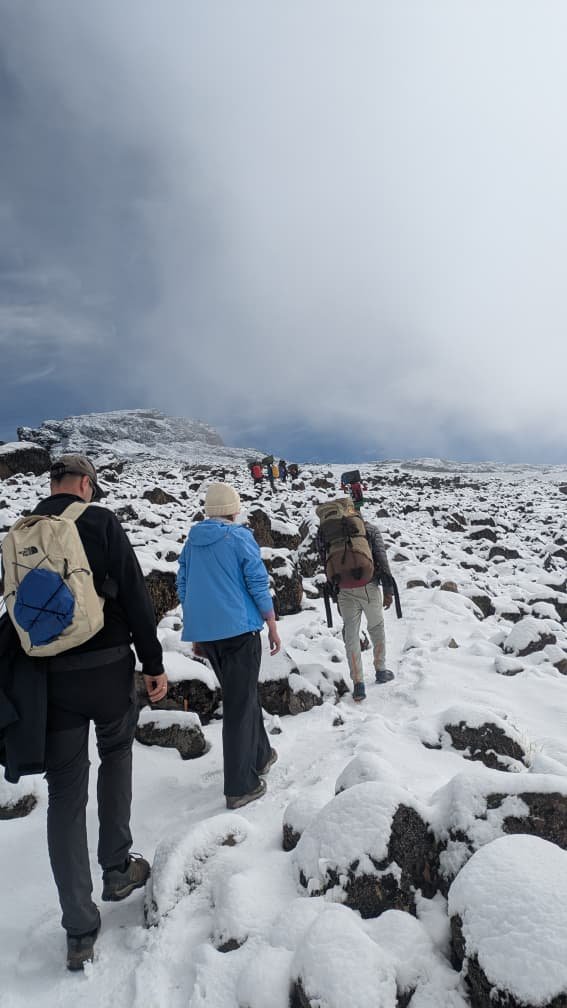
Climbing Kilimanjaro In August: Prices, Weather & Group Dates 2026-2027
Climbing Kilimanjaro in August: Prices, Weather & Group Dates is explained with current 2026-2027 planning, price, itinerary and booking information.
View package details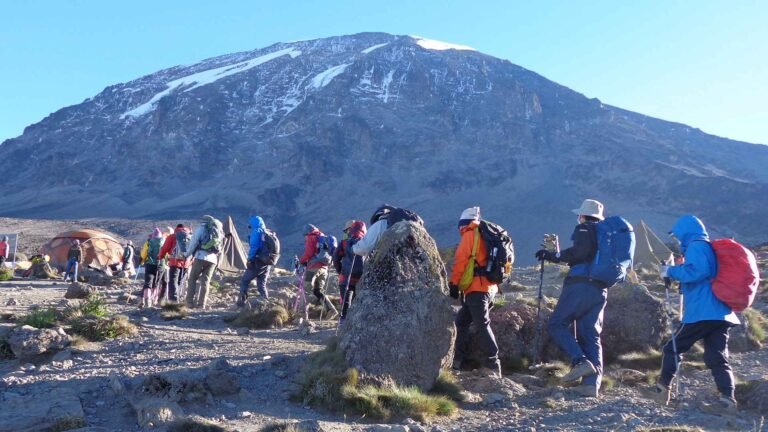
Climbing Kilimanjaro In July: Prices, Weather & Group Dates 2026-2027
Climbing Kilimanjaro in July: Prices, Weather & Group Dates is explained with current 2026-2027 planning, price, itinerary and booking information.
View package detailsClimbing Kilimanjaro In June: Prices, Weather & Group Dates 2026-2027
June offers a prime window for climbing Mount Kilimanjaro, balancing good weather with fewer crowds than the peak dry season. This guide details June's specific weather patterns, typical...
View package details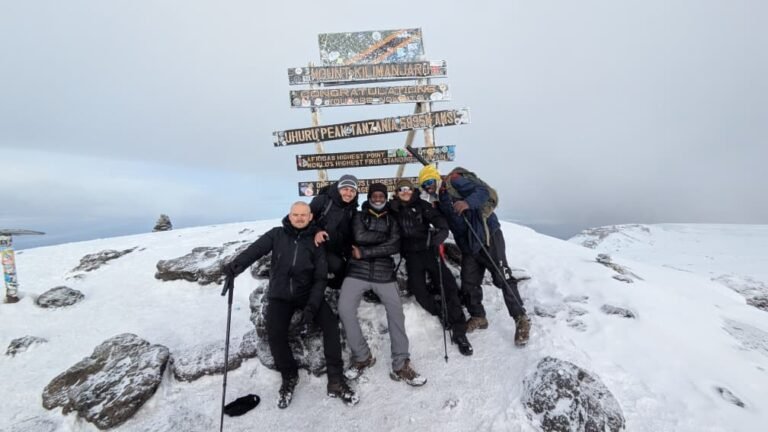
Climbing Kilimanjaro In February: Prices, Weather & Group Dates For 2026-2027
Discover everything you need to know about climbing Kilimanjaro in February, including expected weather patterns, typical costs for 2026-2027, and how to find suitable group departure...
View package details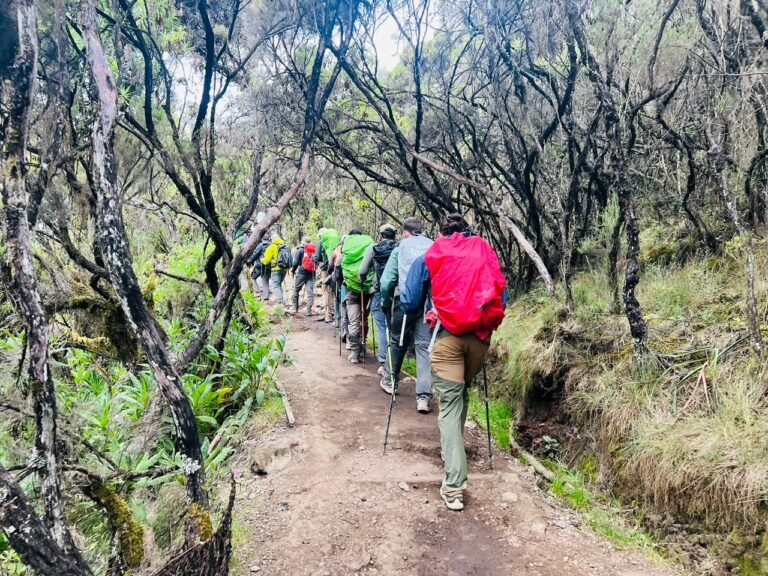
Last-Minute Kilimanjaro Group Joining: Available Dates & Prices For 2026-2027
Discover available last-minute Kilimanjaro group joining dates and pricing for 2026-2027. Climb 4 Africa offers shared expeditions on various routes, providing an economical and social way...
View package details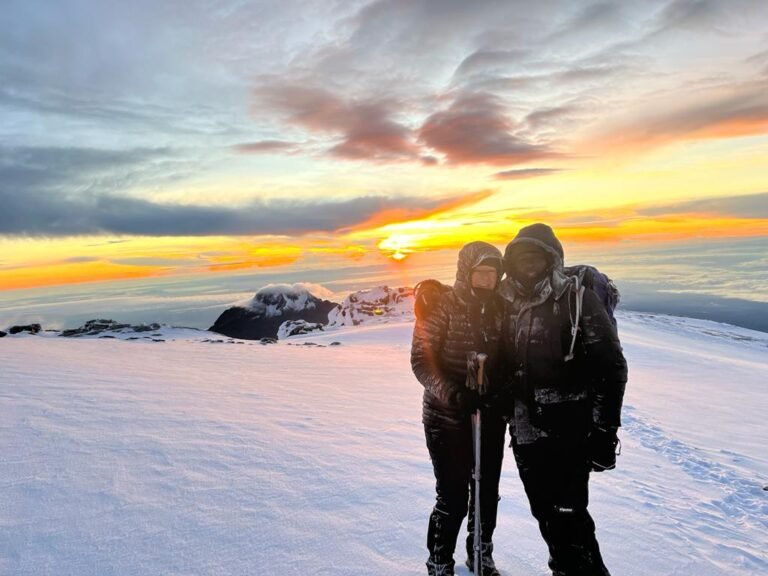
Kilimanjaro Group Departures : Dates, Routes & Prices 2026-2027
Kilimanjaro Group Departures 2026: Dates, Routes & Prices is explained with current 2026-2027 planning, price, itinerary and booking information.
View package details
Rongai Route Kilimanjaro Group Joining Prices & Departure Dates 2026-2027
Discover the best prices and confirmed departure dates for group joining climbs on Kilimanjaro's Rongai Route for 2026 and 2027. This guide details costs, what's included, and how to book...
View package details
Kilimanjaro Group Tours For Solo Travelers: Dates & Costs 2026-2027
Kilimanjaro Group Tours for Solo Travelers: Dates & Costs is explained with current 2026-2027 planning, price, itinerary and booking information.
View package details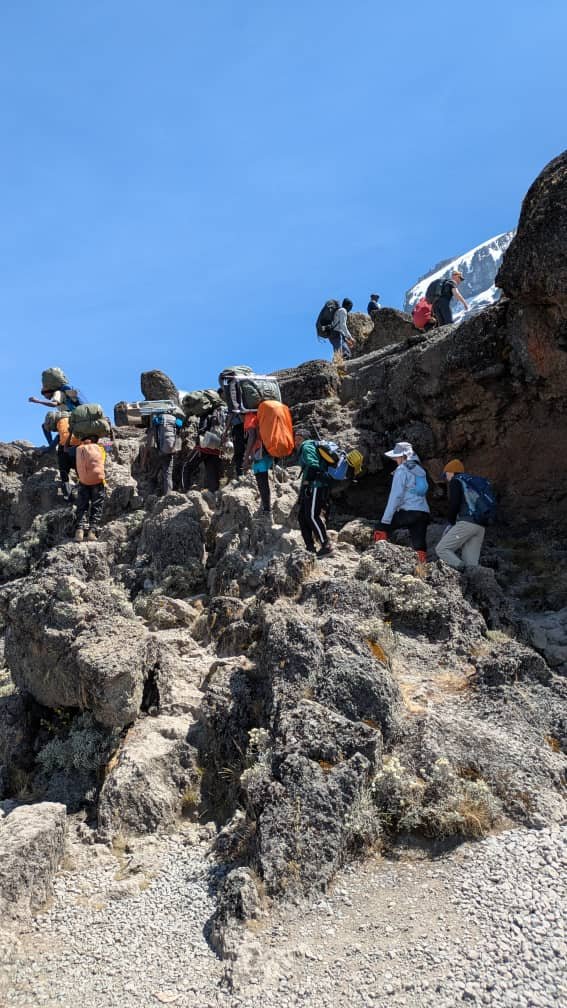
Are Kilimanjaro Group Climbs Cheaper Than Private Climbs? 2026-2027
Are Kilimanjaro group climbs cheaper than private climbs? is explained with current 2026-2027 planning, price, itinerary and booking information.
View package detailsNo related package matches those filters. Clear one or more filters to see the other topic-matched options.



