
Yes, it is often possible to change your Kilimanjaro climbing date after paying a deposit, but the specifics depend heavily on the tour operator’s terms and conditions. Most reputable operators, including Climb 4 Africa, allow date changes, but there may be administrative fees, deadlines, and potential price adjustments based on the new dates, especially when planning for 2026-2027. It’s essential to communicate with your chosen operator as soon as possible to understand their exact policy and explore your options.

Understanding Kilimanjaro Climb Date Changes After Deposit Payment
The dream of summiting Kilimanjaro is a powerful motivator, and booking your climb is a significant step. Often, this involves paying a deposit to secure your preferred dates and services. However, unforeseen events, changes in personal schedules, or evolving travel plans can necessitate a shift in your climbing timeline. For many aspiring climbers, the question arises: Can I change my Kilimanjaro climbing date after paying a deposit?
The short answer is typically yes, but with important caveats. Tour operators understand that plans can change. However, each company will have its own specific policies regarding date modifications, often outlined in their terms and conditions. These policies are designed to protect both the client and the operator, accounting for the logistical complexities and costs involved in arranging a Kilimanjaro expedition.
At Climb 4 Africa, we recognize that flexibility is key for our clients. While we aim to make your Kilimanjaro journey as smooth as possible, we also understand that life happens. Our approach is to work with you to find the best possible solution if you need to reschedule your climb. This often means adjusting your booking rather than canceling and rebooking, which can sometimes be more cost-effective and simpler.
The key factors that will influence your ability to change your date and any associated costs include:
- The tour operator’s specific policy: This is the most critical factor. Always refer to the terms and conditions you agreed to when booking.
- How far in advance you request the change: Earlier requests generally have more flexibility and lower associated fees.
- The reason for the change: While not always a deciding factor, some operators might have more lenient policies for certain circumstances.
- Availability of your new preferred dates: Popular climbing seasons, especially for 2026 and 2027, can book up quickly.
- Any non-refundable costs already incurred by the operator: Deposits paid to park authorities, porters, guides, or accommodation may be difficult to recoup and could influence the cost of rescheduling.
This comprehensive guide will explore these aspects in detail, helping you navigate the process of changing your Kilimanjaro climbing date and ensuring you can still achieve your summit goals, whether for 2026, 2027, or beyond.
Climb 4 Africa’s Policy on Rescheduling Kilimanjaro Climbs
Understanding our specific approach at Climb 4 Africa is crucial for anyone who has booked or is considering booking a Kilimanjaro climb with us. We are committed to providing practical support and flexibility to our clients. When it comes to changing your Kilimanjaro climbing date after paying a deposit, our policy is designed to be as accommodating as possible while managing the operational realities of organizing such an expedition.
Generally, if you need to change your Kilimanjaro climbing date, we require you to inform us in writing as soon as possible. The sooner we are notified, the more options we typically have available. We understand that circumstances can change rapidly, and we want to support you through this.
Key Aspects of Climb 4 Africa’s Rescheduling Policy:
- Notification Period: The notice period you provide significantly impacts the process. While we don’t impose rigid, punitive deadlines, the earlier you inform us, the easier it is to adjust arrangements without incurring substantial additional costs. For instance, if you’re planning for 2026 or 2027 and realize in 2025 that you need to move your climb, this gives us ample time to manage the change effectively.
- Administrative Fees: In many cases, especially for minor date shifts made well in advance, Climb 4 Africa may waive or significantly reduce administrative fees. However, if the change is substantial or requires significant re-logistics, a small administrative fee might be applied to cover the costs of updating permits, staff schedules, and other arrangements. We are transparent about any such fees.
- Price Adjustments: The cost of your Kilimanjaro climb can vary depending on the season. High seasons (e.g., January-March, June-October) are generally more popular and may have slightly higher operational costs or demand. If your new climbing date falls within a different season, there might be a price adjustment. We will clearly communicate any difference in cost based on the season for your 2026 or 2027 climb.
- Deposit Transfer: Your initial deposit is typically transferable to a new booking, provided the change is agreed upon and processed according to our policy. This means you won’t lose the funds you’ve already paid.
- Group Climbs: If you are part of a group climb, changes may need to be coordinated among all members. We will work with the group leader to facilitate rescheduling for the entire group if necessary.
- Permit Validity: Kilimanjaro National Park permits are issued for specific dates. If your date change is significant, new permits might need to be purchased, which could incur additional costs. We will advise you on this possibility.
Our primary goal is to ensure you can still experience the incredible journey to the Roof of Africa. We encourage open communication. If you find yourself needing to change your Kilimanjaro climbing date, please reach out to us directly via email at climb4africa@gmail.com or WhatsApp at +255 747 477 898. We will guide you through the process and find the most suitable new date for your 2026 or 2027 adventure.
Factors Influencing Date Change Policies Across Tour Operators
While Climb 4 Africa strives for flexibility, it’s beneficial to understand why different tour operators might have varying policies when you need to change your Kilimanjaro climbing date after paying a deposit. These differences often stem from their operational models, cost structures, and booking agreements with local partners.
1. Operator Type and Structure:
- Local vs. International Operators: Local operators based in Tanzania, like Climb 4 Africa, often have more direct control over logistics and can sometimes be more flexible. International operators might work through multiple ground handlers, adding layers of communication and potential inflexibility.
- Size and Volume: Larger operators handling a high volume of bookings might have more standardized policies to manage their operations efficiently. Smaller, boutique operators might offer more personalized flexibility.
2. Cost of Logistics and Pre-payments:
Organizing a Kilimanjaro climb involves significant upfront costs:
- Park Fees and Permits: Kilimanjaro National Park fees and climbing permits are non-refundable and are typically booked months in advance, especially for popular seasons in 2026 and 2027. These are often the largest non-recoverable costs.
- Guide and Porter Salaries: While guides and porters are usually paid upon completion of a climb, their schedules are managed well in advance. Last-minute changes can disrupt their work and potentially lead to them seeking employment elsewhere if not compensated.
- Accommodation and Transport: Bookings for pre- and post-climb accommodation in Moshi or Arusha, as well as airport transfers, are often made in advance and may incur cancellation or rescheduling fees.
- Equipment Rental: If your package includes equipment rental, these items are reserved for your booking.
Operators must factor these pre-paid or committed costs into their rescheduling policies. If a significant portion of the trip cost has already been allocated to non-refundable bookings, changing dates might incur fees to cover these expenses.
3. Deadlines and Notice Periods:
Tour operators often have specific deadlines for making changes without incurring penalties:
- More than 90 days before departure: Usually the most flexible period, often involving minimal or no fees, perhaps just an administrative charge.
- 60-90 days before departure: Penalties may start to apply, especially if park permits need reissuing or specific suppliers charge fees.
- Less than 60 days before departure: Significant penalties are common, potentially up to 50% or more of the trip cost, reflecting the difficulty in filling the spot and recouping sunk costs.
- Very close to departure (e.g., less than 30 days): Often treated as a cancellation, with substantial forfeiture of payments.
These timelines are crucial when considering a date change for your 2026 or 2027 Kilimanjaro climb. Always check the specific notice periods required by your operator.
4. Insurance Policies:
Many travelers opt for travel insurance that includes trip cancellation or interruption coverage. This insurance can be a lifesaver if you need to change your Kilimanjaro climbing date due to unforeseen circumstances like illness, injury, or family emergencies. However, policies vary greatly, and it’s essential to understand what events are covered and the required documentation for a claim.
When evaluating operators, look for those who clearly state their rescheduling policy and are transparent about any associated fees. This transparency is a hallmark of a reliable and client-focused company.
When Can You NOT Change Your Kilimanjaro Climbing Date?
While flexibility is common, there are specific scenarios where changing your Kilimanjaro climbing date after paying a deposit might be impossible or highly impractical. Understanding these limitations helps set realistic expectations for your 2026-2027 travel plans.
1. Too Close to the Departure Date:
This is the most common reason why a date change might not be feasible. Once your climb is within a certain window of the scheduled departure (often 30-60 days, but this varies by operator), the operator has likely finalized all bookings and arrangements. This includes:
- Securing guides and porters: Their schedules are fixed.
- Pre-paying non-refundable park fees and permits: These are often tied to the specific dates.
- Booking pre- and post-climb accommodation: These rooms are reserved.
- Arranging transport: Vehicles and drivers are scheduled.
At this stage, moving your date essentially means the operator has to cancel all these arrangements, which is often impossible or incurs significant cancellation penalties that may exceed your deposit. In such cases, it might be treated as a cancellation, and you could forfeit your deposit or a larger portion of your trip cost.
2. Non-Transferable Permits or Specific Bookings:
Some operators might book specific permits or services that are strictly non-transferable or non-refundable beyond a certain point. For example, if a special charter flight or a unique accommodation arrangement was made that cannot be altered, this could restrict date changes.
3. Group Booking Restrictions:
If you are part of a private group climb, the terms might be different. Changes might require unanimous consent from all group members, and the group leader might be the only point of contact for rescheduling. If other members have made specific arrangements or are unable to change their dates, it might be impossible for you to change yours without impacting the entire group.
4. Force Majeure Events and Operator Insolvency:
In rare cases, if a significant event (like a major natural disaster, political instability, or a global pandemic that leads to government-imposed travel restrictions) occurs, the operator’s ability to reschedule might be limited by external factors. Similarly, if an operator faces insolvency, their ability to honor date changes or refunds can be compromised.
5. Specific Promotional or Discounted Packages:
Occasionally, operators offer special packages or discounts that come with very strict terms and conditions. These might explicitly state that the booking is non-changeable and non-refundable, even after paying a deposit. Always read the fine print for any promotional offers for your 2026 or 2027 climb.
Crucially, always review the specific terms and conditions provided by your tour operator. If you are unsure about the feasibility of changing your date, contact them directly. For Climb 4 Africa, reaching out early via climb4africa@gmail.com or +255 747 477 898 is the best first step.
How to Request a Kilimanjaro Climb Date Change
Changing your Kilimanjaro climbing date after paying a deposit requires a clear, communicative, and timely approach. Following a structured process ensures that your request is handled efficiently by your tour operator, maximizing your chances of securing your preferred new dates.
Step-by-Step Guide to Requesting a Date Change:
- Review Your Booking Confirmation and Terms & Conditions: Before contacting the operator, locate your booking confirmation and carefully re-read the section on cancellations, modifications, and rescheduling. Pay close attention to any deadlines, fees, or specific procedures mentioned. This will give you a baseline understanding of what to expect.
- Contact Your Tour Operator Immediately: As soon as you know you need to change your date, reach out. Do not wait. The sooner you notify them, the more flexibility there will be. For Climb 4 Africa, this means contacting us via:
- Email: climb4africa@gmail.com
- WhatsApp: +255 747 477 898
- Phone: (If provided and preferred, though email/WhatsApp are often best for documentation)
- Provide Necessary Information: When you contact them, be prepared to provide:
- Your full name and booking reference number.
- Your original climbing dates.
- Your reason for needing to change the date (be honest and concise).
- Your preferred new climbing dates or a range of dates. Be flexible if possible, especially when planning for 2026-2027, as specific dates might already be booked.
- Discuss Options and Costs: The operator will review your request based on their policies and current availability. They should clearly explain:
- Whether the change is possible.
- Any applicable administrative fees.
- Any difference in price due to seasonal variations or updated pricing for 2026-2027.
- How your deposit will be applied.
- Any implications for permits or other pre-booked services.
- Receive a Formal Confirmation: Once you agree on the new dates and any associated costs, ensure you receive a formal confirmation in writing (usually via email). This confirmation should detail the new itinerary, dates, and the updated balance to be paid. It should also reiterate any terms related to the rescheduled climb.
- Make Any Additional Payments: If there are additional costs due to the date change (e.g., price difference for a new season, permit fees), make these payments promptly to secure your new booking.
- Update Your Travel Insurance: If you have travel insurance, inform your provider about the change in your travel dates. Ensure your policy remains valid for your new itinerary.
Tip: Always keep copies of all correspondence, including your initial booking, your request for a date change, and the final confirmation of your rescheduled climb. This documentation is vital for your records and in case of any future disputes.
Comparing Routes and Seasons for Your Rescheduled Kilimanjaro Climb (2026-2027)
When you reschedule your Kilimanjaro climb, it’s an excellent opportunity to re-evaluate your choice of route and the best season for your 2026 or 2027 expedition. Your initial choice might have been based on availability or a specific recommendation, but with a fresh planning window, you can optimize your experience.
Kilimanjaro Climbing Seasons:
Kilimanjaro can be climbed year-round, but certain periods offer significantly better weather conditions. Understanding these seasons is key to a successful summit attempt.
- Best Seasons (Dry & Clear):
- January – March: Generally clear skies, moderate temperatures. Can be colder, especially in February. This period follows the short rainy season.
- June – October: The longest and driest season. Clear skies, but can be colder, particularly at higher altitudes. This is peak season due to ideal weather.
- Shoulder Seasons (Variable Weather):
- April – May: Long rainy season. High chances of rain and snow, making climbing difficult and less enjoyable. Many operators reduce prices during this time, but the risk of poor weather is high.
- November – December: Short rainy season. Intermittent rain showers, often in the afternoon, but usually clear mornings. Can be a good option for those seeking fewer crowds and potentially lower prices, provided they are prepared for some rain.
For 2026-2027, booking during the peak seasons (June-October and January-March) offers the highest probability of good weather. However, these are also the busiest times, meaning routes can be more crowded, and availability might be tighter. If you are rescheduling from a peak season, moving to a shoulder season might be easier logistically, but requires careful preparation for variable weather.
Popular Kilimanjaro Routes and Their Suitability:
Each route offers a different experience in terms of scenery, difficulty, acclimatization profile, and crowds. When rescheduling, consider if a different route might better suit your fitness, time, or desired experience.
Route Comparison for Rescheduled Climbs:
Marangu Route (Coca-Cola Route): The oldest and arguably the most straightforward. It’s the only route with hut accommodation instead of camping. Shorter duration (5 days typically) means poorer acclimatization and lower summit success rates. Best for those seeking basic comfort and a less physically demanding (though not necessarily easier) ascent.
Machame Route (Whiskey Route): One of the most popular routes, known for its scenic beauty and excellent acclimatization profile (the “climb high, sleep low” strategy). It’s a camping route, typically 6-7 days. Good summit success rates. A solid choice for most trekkers.
Lemosho Route: A longer, more scenic, and less crowded route, often considered one of the best for acclimatization and views. Typically 7-8 days, offering a more in-depth wilderness experience. It joins the Machame route lower down. Ideal for those prioritizing acclimatization and scenery over speed.
Shira Route: Similar to Lemosho but starts at a higher altitude, potentially making the first day challenging. It’s also a longer, scenic route (7-8 days) that merges with the Machame route. Less common than Lemosho.
Rongai Route: Approaches Kilimanjaro from the north, near the Kenyan border. It’s a drier route, making it a good option during the wetter seasons (though still best avoided during the height of the rains). It’s generally less crowded than Machame or Lemosho and offers a different perspective. Typically 6-7 days.
Northern Circuit: The longest route (9+ days), offering the best acclimatization and highest summit success rates. It circles the mountain, providing diverse views and a more relaxed pace. Ideal for those who want the best chance of summiting and a more comprehensive mountain experience.
Umbwe Route: The shortest and most direct route, making it the steepest and most challenging. It has a poor acclimatization profile and is only recommended for very fit and experienced high-altitude trekkers. Low summit success rates.
When rescheduling your 2026 or 2027 Kilimanjaro climb, consider:
- Your fitness level and previous high-altitude experience.
- Your desired length of trek (longer routes offer better acclimatization).
- Your tolerance for crowds (peak season on popular routes can be busy).
- The scenery you wish to experience.
Climb 4 Africa can help you select the most suitable route and dates for your rescheduled climb, ensuring it aligns with your goals and the best possible conditions for your 2026-2027 adventure.
The Financial Implications of Changing Your Kilimanjaro Climb Date
When you pay a deposit for your Kilimanjaro climb, you enter into a financial agreement with the tour operator. Changing your climbing date after this point can have several financial implications that are important to understand, especially when planning for future years like 2026 and 2027.
1. Loss of Deposit:
In some cases, particularly if the change is requested very late or falls outside the operator’s flexible terms, the initial deposit might be forfeited. This is usually stipulated in the terms and conditions. However, reputable operators like Climb 4 Africa aim to transfer deposits to new dates whenever possible.
2. Administrative Fees:
Many operators charge a nominal administrative fee to cover the costs associated with processing the date change. This fee accounts for the time and resources required to update bookings, re-coordinate with guides and porters, and potentially re-issue permits. These fees are typically modest, ranging from $50 to $200 USD, depending on the operator and the complexity of the change.
3. Price Differences Due to Seasonality:
Kilimanjaro climbing costs can fluctuate based on the season. Peak seasons (June-October, January-March) often command slightly higher prices due to increased demand and potentially higher operational costs (e.g., guide availability). If you move your climb from a shoulder season to a peak season for 2026 or 2027, you might have to pay the difference. Conversely, moving to a less popular season might result in savings, although this is less common.
4. Updated Pricing for New Years:
Tour operators regularly update their pricing based on inflation, changes in park fees, and operational costs. If you booked your climb for, say, late 2025 and are now rescheduling for late 2026 or 2027, the price for the new dates might be higher than your original quote. This is standard practice in the travel industry. Climb 4 Africa will always inform you of any price adjustments well in advance.
5. Non-Refundable Park Fees and Permits:
As mentioned earlier, Kilimanjaro National Park fees and climbing permits are often the largest non-refundable expenses. If these permits are issued for your original dates and cannot be transferred or refunded by the park authorities, you may be required to pay for a new set of permits for your rescheduled dates. This can be a significant cost, potentially several hundred dollars per person.
6. Travel Insurance Considerations:
If you have travel insurance that covers trip interruption, it might cover some of the costs associated with rescheduling, such as non-refundable deposits or fees incurred due to a covered reason (e.g., illness). However, you will need to follow the insurance provider’s claims process, which usually requires documentation from the tour operator.
7. Currency Fluctuations:
For international travelers, currency exchange rates can also impact the final cost. If the exchange rate has shifted significantly between your original booking and your rescheduled dates for 2026-2027, the cost in your home currency might change.
Recommendation: Always request a detailed breakdown of any additional costs or charges when rescheduling. Ensure you receive an updated itinerary and invoice clearly stating the new total cost and what is included. For transparent pricing and clear policies on date changes for your 2026-2027 Kilimanjaro climb, contact Climb 4 Africa.
Maximizing Your Chances of a Successful Kilimanjaro Climb on Rescheduled Dates
Rescheduling your Kilimanjaro climb is an opportunity to refine your preparation and ensure your 2026 or 2027 expedition is even more successful. The key is to leverage the extra time and learning experience to your advantage.
1. Enhanced Physical Preparation:
If you have more time before your rescheduled climb, use it wisely.:
- Focus on Cardiovascular Fitness: Activities like hiking, running, cycling, and swimming build endurance.
- Incorporate Strength Training: Focus on leg and core strength.
- Practice Hiking with a Pack: Simulate trek conditions by hiking with the weight you expect to carry.
- Altitude Training (if possible): If you live at altitude or can access altitude training facilities, this can be highly beneficial.
Don’t overtrain; consistency is more important than intense bursts of activity. Listen to your body and allow for rest and recovery.
2. Optimize Your Gear:
With extra time, you can:
- Review Your Existing Gear: Ensure everything is in good condition.
- Invest in Quality Equipment: If you were cutting corners before, now is the time to invest in good quality, broken-in hiking boots, thermal layers, a waterproof jacket and trousers, and a warm sleeping bag.
- Test Your Gear: Use your gear on practice hikes to ensure comfort and functionality. This is especially important for boots to prevent blisters.
- Consider Renting vs. Buying: For items like sleeping bags or trekking poles, renting might be an option, but buying quality items ensures a perfect fit and comfort.
3. Mental Preparation and Acclimatization Knowledge:
Climbing Kilimanjaro is as much a mental challenge as a physical one.
- Educate Yourself: Understand the stages of acclimatization, the symptoms of altitude sickness (AMS), and the importance of hydration and slow ascent.
- Visualize Success: Imagine yourself reaching the summit. Positive visualization can build confidence.
- Learn About the Route: Familiarize yourself with the specific route you’ve chosen for your rescheduled climb. Knowing the terrain and daily challenges can reduce anxiety.
4. Choose the Right Season and Route (Revisited):
As discussed earlier, use this opportunity to confirm you’ve selected the best possible season and route for your 2026-2027 climb. A longer route (like Lemosho or the Northern Circuit) generally offers better acclimatization and a higher chance of success, especially if your previous plan was for a shorter, more challenging route. The dry seasons (June-October and January-March) remain the most recommended for optimal weather conditions.
5. Stay Connected with Your Operator:
Maintain communication with Climb 4 Africa. If you have questions about training, gear, or the acclimatization process, don’t hesitate to ask. Our experienced team is here to provide guidance and support throughout your preparation for your 2026 or 2027 Kilimanjaro adventure.
By treating your rescheduled climb as a fresh opportunity, you can significantly enhance your chances of a safe, enjoyable, and successful summit experience.
Travel Insurance: A Must-Have for Rescheduled Kilimanjaro Climbs
When planning any major international trip, especially one involving high-altitude trekking like Kilimanjaro, comprehensive travel insurance is not just recommended – it’s essential. This is particularly true when you’ve rescheduled your climb, as it adds another layer of complexity and potential risk.
Why Travel Insurance is Crucial for Kilimanjaro Climbs:
- Medical Emergencies and Evacuation: The most critical aspect. If you fall ill or suffer an injury at altitude, medical facilities on the mountain are limited. Emergency evacuation (often by helicopter) is extremely expensive. Comprehensive travel insurance should cover medical expenses and emergency evacuation.
- Trip Cancellation/Interruption: This is where rescheduling comes into play. If you need to cancel or postpone your trip due to a covered reason (e.g., sudden illness, serious injury, death of a close family member, jury duty), trip cancellation insurance can reimburse you for non-refundable costs like your deposit and any fees incurred from rescheduling. Trip interruption coverage can help if you need to cut your trip short.
- Lost or Delayed Baggage: While less critical for the summit attempt itself, lost or delayed luggage can be a significant inconvenience and expense if it contains essential gear.
- Personal Liability: Covers you in case you accidentally cause injury to someone else or damage their property.
What to Look For in Kilimanjaro Travel Insurance:
Not all travel insurance policies are created equal. For a Kilimanjaro climb, ensure your policy specifically covers:
- High Altitude Trekking: Many standard policies exclude activities above a certain altitude. Ensure your policy covers trekking up to 8,000 meters (Kilimanjaro is 5,895 meters).
- Emergency Medical Expenses: A high limit is advisable.
- Emergency Evacuation and Repatriation: This is paramount. Ensure the coverage is substantial, as helicopter rescues are costly.
- Trip Cancellation and Interruption: Check the coverage limits and the list of covered reasons. Understand the documentation required for claims.
- Pre-existing Medical Conditions: If you have any, declare them and ensure they are covered or that you have a specific rider for them.
- Cancellation/Interruption due to Government Travel Advisories: Sometimes policies cover this if advisories change after booking.
How Rescheduling Affects Your Insurance:
If you have already purchased insurance for your original Kilimanjaro climb dates:
- Notify Your Insurer: It is crucial to inform your travel insurance provider about your new climbing dates. Failure to do so could invalidate your policy.
- Policy Validity: Most policies are tied to specific travel dates. You may need to purchase a new policy for your rescheduled dates or amend your existing one if the insurer allows.
- Coverage for Rescheduling Fees: If your reason for rescheduling is covered under trip cancellation/interruption, your insurance might cover some of the administrative fees or price differences you incur. Keep all receipts and documentation from Climb 4 Africa related to the date change.
Recommendation: Always read your policy documents thoroughly. If in doubt, contact your insurance provider directly. For reliable, safe, and well-supported Kilimanjaro climbs in 2026-2027, ensure you have adequate travel insurance in place, especially after rescheduling.
Final Thoughts: Planning Your Kilimanjaro Climb with Climb 4 Africa
The decision to change your Kilimanjaro climbing date after paying a deposit is understandable. Life is unpredictable, and flexibility is key. At Climb 4 Africa, we pride ourselves on being a supportive and practical tour operator. We understand the commitment involved in planning a trek to the Roof of Africa and are here to assist you in making adjustments when necessary.
While policies vary, our general approach is to work collaboratively with you to find the best solution. By communicating openly and promptly, and by understanding the terms and conditions associated with your booking, you can successfully reschedule your Kilimanjaro adventure. Whether you are planning for 2026, 2027, or beyond, we are dedicated to helping you achieve your summit goals.
We encourage you to reach out to us directly with any questions regarding rescheduling your Kilimanjaro climb. Our team is ready to provide clear guidance on our policies, potential costs, and available dates. Let us help you make your dream of climbing Kilimanjaro a reality, on dates that work perfectly for you.
Contact Climb 4 Africa today:
- WhatsApp: +255 747 477 898
- Email: climb4africa@gmail.com
- Website: climb4africa.com
We look forward to helping you plan an unforgettable Kilimanjaro experience in 2026 or 2027.
Check Availability for Can I Change My Kilimanjaro Climbing Date After Paying A Deposit? | Climb 4
Ready to compare dates, prices, and the best option for your group? Send the package name and travel month so the team can reply with a clear quote, availability, and what is included.

Hotel Costs Before And After Climbing Kilimanjaro: Planning Your Stay
Planning a Kilimanjaro climb involves more than just the trek itself. Understanding the associated hotel costs before and after your ascent is crucial for budgeting and a smooth travel...
View package details
Climbing Kilimanjaro In December : Prices, Weather & Group Dates 2026-2027
Discover everything you need to know about climbing Kilimanjaro in December, including pricing, weather patterns for 2026-2027, and curated group departure dates. Climb 4 Africa provides...
View package details
Climbing Kilimanjaro In October: Prices, Weather & Group Dates For 2026-2027
October offers a unique window for climbing Kilimanjaro, bridging the end of the dry season with the start of cooler temperatures. This guide details everything you need to know about...
View package details
Climbing Kilimanjaro In September : Prices, Weather & Group Dates 2026-2027
September offers a fantastic window for climbing Mount Kilimanjaro, blending dry weather with moderate temperatures. This guide covers everything you need to know about climbing Kilimanjaro...
View package details
Climbing Kilimanjaro In August: Prices, Weather & Group Dates 2026-2027
Climbing Kilimanjaro in August: Prices, Weather & Group Dates is explained with current 2026-2027 planning, price, itinerary and booking information.
View package details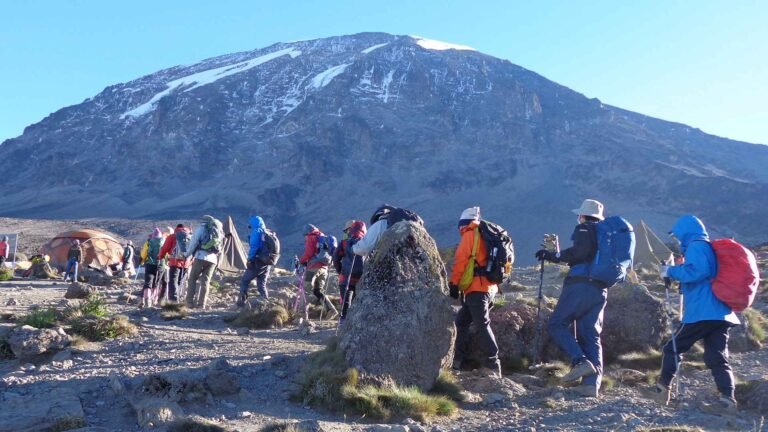
Climbing Kilimanjaro In July: Prices, Weather & Group Dates 2026-2027
Climbing Kilimanjaro in July: Prices, Weather & Group Dates is explained with current 2026-2027 planning, price, itinerary and booking information.
View package detailsClimbing Kilimanjaro In June: Prices, Weather & Group Dates 2026-2027
June offers a prime window for climbing Mount Kilimanjaro, balancing good weather with fewer crowds than the peak dry season. This guide details June's specific weather patterns, typical...
View package details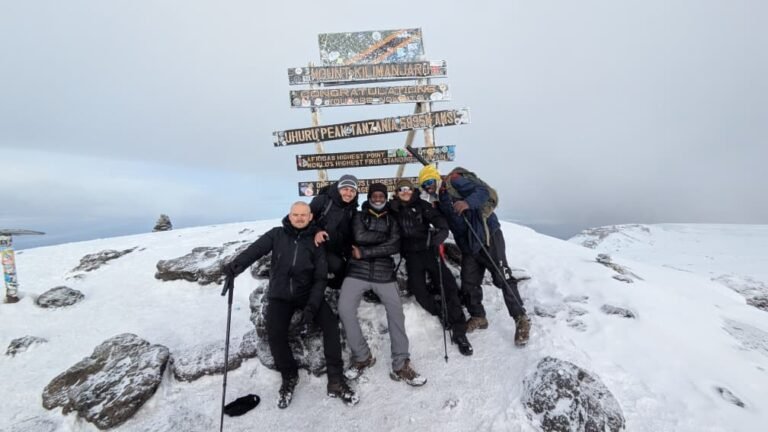
Climbing Kilimanjaro In February: Prices, Weather & Group Dates For 2026-2027
Discover everything you need to know about climbing Kilimanjaro in February, including expected weather patterns, typical costs for 2026-2027, and how to find suitable group departure...
View package details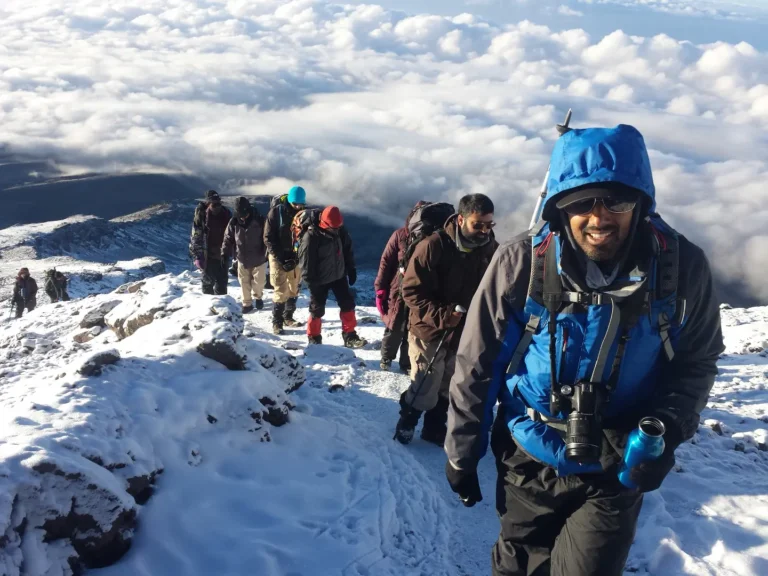
Climbing Kilimanjaro In January: Prices, Weather & Group Dates 2026-2027
Climbing Kilimanjaro in January: Prices, Weather & Group Dates is explained with current 2026-2027 planning, price, itinerary and booking information.
View package details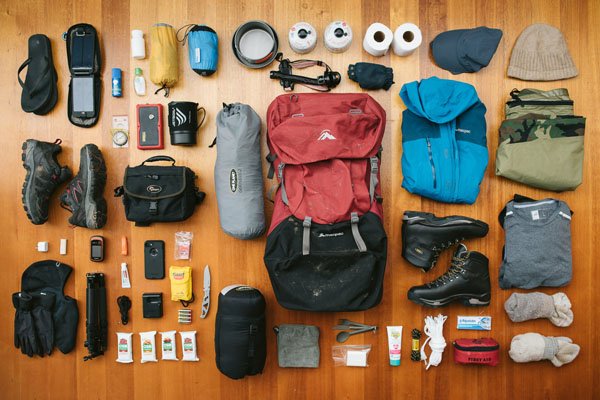
Is Emergency Oxygen Included In Kilimanjaro Climbing Price? Climb 4 Africa
Climb 4 Africa clarifies whether emergency oxygen is part of the standard Kilimanjaro climbing package price, detailing what's typically included and why it's crucial for safety on the...
View package details
Are There Additional Charges After Booking Kilimanjaro? 2026-2027
Are there additional charges after booking Kilimanjaro? is explained with current 2026-2027 planning, price, itinerary and booking information.
View package details
How Much Deposit Is Required To Book Kilimanjaro? 2026-2027
Planning your Kilimanjaro climb? This guide details the deposit required to book your trek, covering typical percentages, payment schedules, and what factors influence the deposit amount...
View package detailsNo related package matches those filters. Clear one or more filters to see the other topic-matched options.



