For a typical Kilimanjaro climb in 2026-2027, you should plan to bring approximately $300 to $600 USD in cash per person. This amount primarily covers tips for your guide team, which is a significant portion of your on-mountain expenses, plus potential costs for souvenirs, extra snacks, bottled water, and unforeseen personal needs. The exact amount can vary based on the number of days your trek, the size of your group, and your generosity with tipping.

Understanding Your Cash Needs on Kilimanjaro
Climbing Mount Kilimanjaro is an incredible adventure, and while most of your major expenses like park fees, guides, porters, food, and accommodation are covered by your tour operator, there are several key areas where having readily available cash is essential. It’s not just about tips; it’s also about comfort, convenience, and being prepared for the unexpected. For trekkers planning their expeditions in 2026 and 2027, a clear understanding of these cash requirements will ensure a stress-free journey from base camp to summit and back.
Many first-time Kilimanjaro climbers ask, “How much cash should I bring for Kilimanjaro?” This is a vital question because unlike many other travel destinations, you won’t be making many purchases or using credit cards on the mountain itself. The cash you carry will be your lifeline for tipping your dedicated crew, buying those little extras that enhance your comfort, and ensuring you have funds for any minor emergencies or personal indulgences. Let’s break down the primary categories where your cash will be spent.
The Crucial Role of Tipping Your Kilimanjaro Crew
Tipping is a deeply ingrained part of the culture on Kilimanjaro and is a significant way to show appreciation for the hard work and dedication of your mountain crew. These individuals—guides, assistant guides, cooks, and porters—work tirelessly to ensure your safety, comfort, and success on the mountain. Their skills, strength, and commitment are paramount to your Kilimanjaro experience. Understanding the tipping structure is one of the most important aspects of figuring out how much cash you should bring for Kilimanjaro.
Tour operators like Climb 4 Africa provide recommended tipping guidelines, which are essential for trekkers to follow. These recommendations are usually based on industry standards and are designed to ensure fair compensation for the crew. It’s crucial to remember that these tips are often pooled and distributed amongst the team members according to their roles. While specific amounts can fluctuate slightly year to year and between operators, the general framework remains consistent for 2026-2027 climbs.
Recommended Tipping Amounts (Per Trekker)
The following are general guidelines for tipping your Kilimanjaro crew. These figures are based on common practices and can be adjusted based on the service received and your personal budget. It’s always wise to carry a little extra cash to accommodate your generosity.
- Lead Guide: $20 – $30 USD per day
- Assistant Guide(s): $15 – $25 USD per day (per assistant guide)
- Cook: $10 – $15 USD per day
- Porters: $8 – $12 USD per day (per porter)
Example Calculation for a 7-Day Lemosho Route Climb:
Let’s consider a standard 7-day Lemosho Route climb. This route typically involves a crew of:
- 1 Lead Guide
- 1-2 Assistant Guides
- 1 Cook
- Approximately 3-4 Porters per trekker (depending on gear weight and group size)
Using the mid-range of the recommended daily tips for a 7-day trek:
- Lead Guide: 7 days * $25/day = $175
- Assistant Guide (assuming 2): 7 days * $20/day * 2 guides = $280
- Cook: 7 days * $12/day = $84
- Porters (assuming 3.5 average): 7 days * $10/day * 3.5 porters = $245
Total estimated tips for a 7-day trek: $175 + $280 + $84 + $245 = $784 USD. This is a per-trekker figure. If you are traveling in a group, this total would be divided amongst the trekkers, but each individual is expected to contribute their share.
Important Note on Porter Tipping: The number of porters can vary significantly. Some operators are more transparent about porter numbers than others. It’s good practice to confirm the approximate number of porters with your operator. The total amount for porters is often a substantial part of the overall tip pool.
Per Porter Tipping: A common approach is to tip each porter directly. For instance, if you have 3 porters and the recommended tip is $10 per day per porter, that’s $30 per day for porters. Over 7 days, this would be $210 for porters. This method can sometimes feel more personal but requires careful management of cash distribution.
Group Tipping: Many groups choose to pool their money and give a collective tip to the lead guide, who then distributes it amongst the crew. This simplifies the process significantly. Discuss this approach with your fellow trekkers and your lead guide early in the climb.
When to Tip: Tips are typically given on the last day of the trek, usually at the final camp or upon descent to the park gate. Your lead guide will usually facilitate this process.
Currency for Tips: While USD is widely accepted and preferred for tips, having some Tanzanian Shillings (TZS) can be useful for smaller denominations or if you wish to tip local staff at hotels before or after your climb. However, for the main mountain crew, USD is standard.
Are Tips Negotiable? No, the recommended tip amounts are standard industry practice and not negotiable. They reflect fair compensation for the crew’s demanding work.
Considering Different Routes and Durations:
- Shorter Treks (e.g., 5-6 days): The total tip amount will be lower. For a 5-day trek, expect roughly 5/7ths of the 7-day total.
- Longer Treks (e.g., 8-9 days): The total tip amount will be higher. For an 8-day trek, expect roughly 8/7ths of the 7-day total.
Based on these calculations, for a 7-day trek, aiming for around $300-$400 USD per person specifically for tips is a reasonable starting point. For longer treks (8-9 days), this could increase to $400-$500 USD. For shorter treks (5-6 days), $250-$350 USD might suffice. These figures are crucial for answering, “How much cash should I bring for Kilimanjaro?”
Pro Tip for Tipping
It’s a good idea to prepare your tip money in smaller USD bills (e.g., $1, $5, $10, $20) before you arrive in Tanzania. This makes distribution easier. You can also ask your tour operator if they provide a tipping breakdown or can assist with the process. For 2026-2027 climbs, ensure you have enough small denominations for all crew members.
Personal Expenses and Miscellaneous Costs
Beyond the essential tips for your mountain crew, you’ll encounter other situations where cash is necessary. These are generally smaller amounts but add up, and it’s wise to budget for them to avoid any inconvenience during your trek. When asking “How much cash should I bring for Kilimanjaro?” don’t forget these personal needs.
Souvenirs and Gifts
You’ll likely want to purchase souvenirs to commemorate your climb. Options include:
- T-shirts and Kilimanjaro-themed items: Available at shops in Moshi, Arusha, or sometimes at the park gate.
- Local crafts: Maasai jewelry, carvings, and artwork.
- Gifts for your crew: While cash tips are standard, some climbers like to offer small personal gifts. Practical items like gloves, hats, or sunglasses can be appreciated, but cash is always the most universally useful.
Budgeting $50 to $100 USD for souvenirs and gifts is a good starting point. Prices can vary greatly depending on where and what you buy.
Snacks and Drinks (Optional)
While your tour operator provides all meals and purified water on the mountain, you might occasionally want to purchase:
- Extra bottled water: Some climbers prefer bottled water over purified water provided. This can be purchased at the park gate or sometimes arranged by your operator at the start of the trek. Expect to pay around $2-$5 USD per bottle.
- Chocolate bars, nuts, or other personal snacks: While you should pack plenty of your own high-energy snacks, you might run out or want a specific treat. These can sometimes be bought from vendors near the park gate or at lower campsites, though options are limited and prices can be inflated.
- Hot drinks: While your cook will provide tea, coffee, and hot chocolate, you might occasionally want to buy a soda or other beverage at the park gate or a lodge before you start.
Setting aside $30 to $50 USD for these optional extras should be sufficient.
Toiletries and Personal Items
While you should pack all your essential toiletries, you might need to purchase something small like sunscreen, lip balm, or hand sanitizer if you run out. Small local shops can often supply these basics. Budget around $20 USD for such items.
Emergency Fund
It’s always prudent to have a small emergency fund for unforeseen circumstances. This could include:
- Unexpected transport needs: If you need to get back to town quickly for any reason.
- Minor medical supplies: Beyond your personal first-aid kit, you might need something specific.
- Lost or damaged equipment replacement: Though unlikely, having a small buffer could be useful.
A reserve of $50 to $100 USD for emergencies is recommended.
Gratuities for Hotel Staff
Before and after your climb, you’ll likely stay in hotels or lodges in Moshi or Arusha. It’s customary to tip hotel staff, including:
- Bellhops
- Housekeeping staff
- Waitstaff in restaurants
A general guideline is to tip around $5-$10 USD per day for hotel staff, spread across the days you are staying. For a few nights, budget around $20 to $50 USD for this purpose.
Total Cash Recommendation: Bringing It All Together
Now, let’s consolidate these figures to provide a practical answer to “How much cash should I bring for Kilimanjaro?” for your 2026-2027 expedition.
Core Tipping Budget (based on a 7-day trek): $300 – $400 USD
Personal Expenses & Souvenirs:
- Souvenirs/Gifts: $50 – $100 USD
- Extra Snacks/Drinks: $30 – $50 USD
- Toiletries/Personal Items: $20 USD
- Emergency Fund: $50 – $100 USD
- Hotel Staff Tips: $20 – $50 USD
Subtotal for Personal Expenses: $170 – $320 USD
Grand Total Recommendation (for a 7-day trek):
Adding the core tipping budget and the personal expenses subtotal:
$300 – $400 (Tips) + $170 – $320 (Personal) = $470 – $720 USD per person.
Therefore, a safe range to bring for a standard 7-day Kilimanjaro climb in 2026-2027 is approximately $500 to $700 USD per person. This provides a comfortable buffer for all expected expenses and some flexibility.
Adjustments for Different Trek Durations:
- 5-6 Day Treks: Reduce the tip amount accordingly. You might aim for a total cash amount of $400 – $550 USD.
- 8-9 Day Treks: Increase the tip amount. A total cash amount of $600 – $800 USD would be more appropriate.
Important Considerations for 2026-2027:
- Inflation: While unlikely to drastically change tipping norms, be aware that prices for souvenirs and extras might see minor increases by 2026-2027.
- Operator Policies: Always confirm your operator’s specific tipping recommendations. Some operators, like Climb 4 Africa, provide detailed guides to help you budget accurately.
- Group Size: If you’re climbing solo, you’ll handle all your tipping. In a group, you might coordinate pooling tips, but ensure everyone contributes their fair share.
Cash Carry Summary for Kilimanjaro (2026-2027)
Estimated Total Cash Per Person:
- 5-6 Day Treks: $400 – $550 USD
- 7-Day Treks: $500 – $700 USD
- 8-9 Day Treks: $600 – $800 USD
This range covers mandatory tips and generous personal spending money.
Where to Get Cash and How to Carry It Safely
Knowing how much cash to bring for Kilimanjaro is only part of the equation. You also need to consider where to obtain it and how to keep it secure throughout your journey. Tanzania is generally safe, but standard precautions apply, especially when dealing with significant amounts of cash.
Obtaining Cash in Tanzania
While you can carry some USD from home, it’s often best to get the bulk of your Tanzanian Shillings (TZS) and any additional USD needed upon arrival.
- ATMs: ATMs are available in major towns like Moshi, Arusha, and at Kilimanjaro International Airport (KIA). They dispense Tanzanian Shillings. Ensure your bank card is enabled for international use and inform your bank of your travel dates. Fees may apply for withdrawals.
- Currency Exchange Bureaus: These are also found in towns and offer competitive exchange rates for USD to TZS. It’s generally advisable to exchange money in reputable bureaus rather than on the street.
- Airport Exchange: You can exchange currency at Kilimanjaro International Airport upon arrival. While convenient, rates might be slightly less favorable than in town. It’s good to exchange enough for immediate needs (transport, initial drinks) and then visit a bureau in Moshi or Arusha for larger amounts.
- Bringing USD from Home: It is recommended to bring USD cash for tipping and any immediate expenses upon arrival. Ensure the bills are newer (issued after 2009) and in good condition, as older or damaged bills may not be accepted. Smaller denominations ($1, $5, $10, $20) are ideal for tips.
Best Practice for Carrying Cash
Security is paramount when carrying cash, especially on the mountain where access to ATMs or banks is impossible.
- Distribute Your Cash: Never keep all your cash in one place. Divide it between a secure money belt worn under your clothes, a small pouch in your daypack, and perhaps a bit in your main luggage (though avoid keeping large sums here).
- Money Belt: This is your primary security tool for cash, passport, and credit cards. Wear it discreetly under your clothing.
- Daypack Pouch: Keep a smaller amount of cash for daily needs (e.g., snacks, small purchases) in a zippered pocket of your daypack.
- Communicate with Your Guide: On the mountain, your lead guide is a trusted point of contact. If you feel uncomfortable or need to secure a larger sum of cash for tipping, discuss it with them. They can often help manage tip distribution discreetly.
- Limit What You Carry Daily: On trek days, only carry the cash you anticipate needing for the day, plus a small emergency reserve. Leave the bulk of your money secured in your hotel safe before you start your climb.
- Be Discreet: Avoid flashing large amounts of cash in public places, especially in towns.
Pre-Climb Preparations and Budgeting for 2026-2027
Proper planning is key to a successful Kilimanjaro expedition. Your cash management strategy should be part of this broader preparation. For those planning their climbs in 2026 or 2027, starting early ensures you have all the necessary information and resources.
Confirming Inclusions and Exclusions
Before finalizing your budget, meticulously review what your tour operator includes in their package price. Typically, this covers:
- Park entrance fees
- Camping or hut fees
- All meals on the mountain
- Treated drinking water
- Guides, porters, and cooks
- Tents and camping equipment (stoves, fuel, cooking pots)
- Temporary sleeping tents
- Transfer to and from the mountain
- Emergency oxygen and first-aid kit
Exclusions that require cash:
- Tips for the crew
- Personal climbing gear (rentals available)
- Travel insurance
- Visas
- Flights to/from Tanzania
- Lunches and drinks in hotels before/after the climb
- Personal expenses (souvenirs, laundry, extra snacks, etc.)
- Optional summit climbs (e.g., for Crater Camp) if not included
- Bottled water on the mountain (sometimes an extra)
Understanding these exclusions will help you accurately estimate how much cash you should bring for Kilimanjaro.
Consulting Your Tour Operator
Reputable operators like Climb 4 Africa are invaluable resources. They can provide:
- Detailed tipping guidelines tailored to their crew structure.
- Information on typical costs for souvenirs or extra items.
- Advice on the best places to exchange currency.
- Guidance on what is realistically needed versus what is optional.
Don’t hesitate to reach out to Climb 4 Africa with your questions about budgeting for cash for your 2026 or 2027 climb. They are experts in facilitating smooth Kilimanjaro experiences.
Budgeting Tools and Spreadsheets
For meticulous planners, creating a simple spreadsheet can be very helpful. List all potential cash expenses: tips (broken down by role), souvenirs, drinks, snacks, hotel gratuities, and a buffer. This visual breakdown can make budgeting less daunting and ensure you don’t overlook any category.
Comparing Cash Needs: Different Trekking Styles and Routes
The amount of cash you need can subtly shift depending on your chosen trekking style and route. While tipping remains the largest fixed cost, other factors come into play.
Private vs. Group Climbs
Private Climbs: You will be responsible for the full tip amount for your dedicated crew. This means the per-person tip calculation is exact. You have more control over the tipping process and can personalize it if desired.
Group Climbs (Shared Departures): When you join a shared departure, the total tip amount for the crew is divided among the trekkers. This significantly reduces the individual cash burden for tipping. However, ensure everyone in the group agrees on the tipping policy and contributes their share promptly. For example, if a 7-day trek requires $784 in tips for a crew serving one person, and you are in a group of 4, the individual tip might be closer to $196. This is a key factor in how much cash you should bring for Kilimanjaro.
Route Length and Complexity
As mentioned earlier, longer routes naturally require more days on the mountain, thus increasing the daily tipping amounts. A 9-day Northern Circuit climb will necessitate more cash for tips than a 6-day Marangu route climb.
- Shorter Routes (5-7 days): Machame, Marangu, Rongai. Generally require less cash for tips.
- Medium Routes (7-8 days): Lemosho, Shira. Moderate cash requirements.
- Longer Routes (8-10 days): Northern Circuit, Umbwe (extended). Require the most cash for tips due to extended duration.
Luxury vs. Budget Treks
While most tour operators offer similar core services, those opting for higher-end packages might find:
- More comfortable accommodations and amenities before/after the climb, potentially leading to more opportunities for tipping hotel staff.
- Higher quality personal gear provided, perhaps reducing the need to buy extras.
- Potentially larger crews to ensure better service, which could slightly increase tip pools if tipping per person. However, most operators’ recommended tips are calculated to be fair regardless of the exact crew size per trekker.
The fundamental cash needs for tipping remain largely consistent across different service levels, as the crew’s work is demanding regardless of the trekker’s budget. The primary driver remains the duration of the climb and the generosity of the trekker.
What NOT to Bring Cash For
It’s also important to know what expenses are typically covered by your tour operator and do not require you to carry additional cash. This helps prevent over-budgeting and carrying unnecessary risk.
- Park Fees: These are substantial and are always included in your package price by reputable operators.
- Guide, Porter, and Cook Salaries: While tips are customary and expected, the crew’s base wages are covered by the operator. Tips are supplementary.
- Food and Water on the Mountain: All meals and purified water are provided. You do not need cash for sustenance during the climb itself.
- Camping Equipment: Tents, sleeping mats, cooking gear are provided.
- Emergency Evacuation (to the nearest medical facility): Most reputable operators include basic emergency evacuation coverage in their package. However, comprehensive travel insurance is still mandatory for medical treatment and repatriation.
Understanding these covered costs will clarify why the cash you bring is primarily for discretionary spending and direct appreciation of your crew’s efforts.
Final Thoughts for Your 2026-2027 Kilimanjaro Cash Planning
Planning how much cash to bring for Kilimanjaro is a critical step in preparing for your adventure. By carefully considering the essential costs, particularly crew tips, and factoring in personal expenses, you can arrive in Tanzania with confidence. The recommended range of $300 to $600 USD per person, adjusted for trek duration, provides a solid financial framework for your climb.
Remember that tipping is a significant part of the experience, directly impacting the livelihoods of the dedicated individuals who make your climb possible. Be generous, but also be informed. For your 2026 or 2027 climb, consult with your chosen tour operator, like Climb 4 Africa, for their specific recommendations. They have the local expertise to guide you on everything from tipping protocols to the best places to exchange currency.
Carrying your cash securely, distributing it wisely, and having a clear budget will allow you to focus on the impressive scenery, the physical challenge, and the incredible accomplishment of summiting Uhuru Peak. Prepare well, pack smart, and get ready for an unforgettable journey up Africa’s highest mountain.
For personalized advice on budgeting, itinerary planning, and ensuring you have all the necessary information for your Kilimanjaro adventure in 2026-2027, please reach out to the experts at Climb 4 Africa. You can contact us via WhatsApp at +255 747 477 898 or email us at climb4africa@gmail.com. We are here to help you plan the climb of a lifetime!
Check Availability for How Much Cash Should You Bring For Kilimanjaro In ? 2026-2027
Ready to compare dates, prices, and the best option for your group? Send the package name and travel month so the team can reply with a clear quote, availability, and what is included.
How Much Should I Tip My Kilimanjaro Crew In ? 2026-2027
Understand the essential tipping guidelines for your Kilimanjaro expedition. This guide provides clear recommendations for tipping your dedicated crew, ensuring fair compensation and...
View package details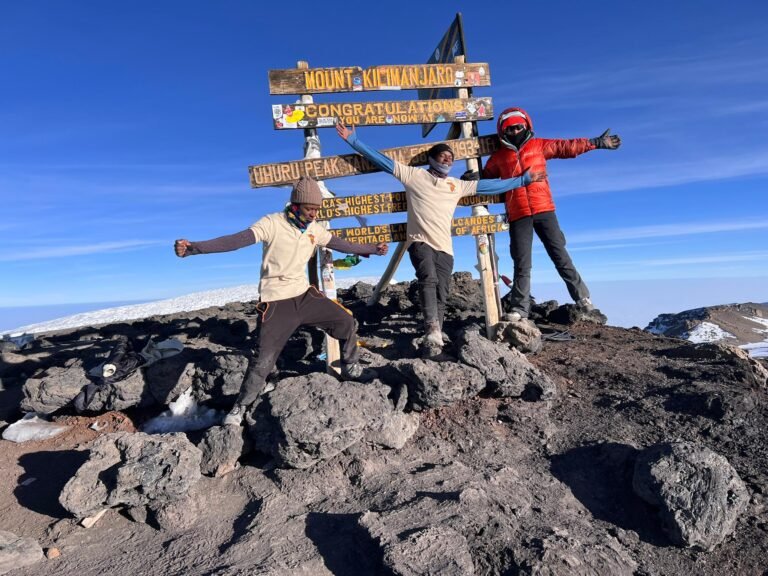
How Much Should You Budget For Food, Drinks & Extras Before Kilimanjaro?
Planning your Kilimanjaro adventure involves understanding all associated costs, including those for food, drinks, and personal extras before and after your trek. This guide breaks down the...
View package details
How Early Should I Book Kilimanjaro For The Best Price? Planning 2026-2027
Planning a Kilimanjaro climb for 2026 or 2027? Learn the optimal booking window to secure the best prices and availability. This guide covers everything from early bird specials to...
View package details
How Much Does An 8-Day Kilimanjaro Climb Cost? A Guide 2026-2027
Planning an 8-day Kilimanjaro climb in 2026 or 2027? This comprehensive guide breaks down the expected costs, explaining what influences the price and what you get for your money. Learn...
View package details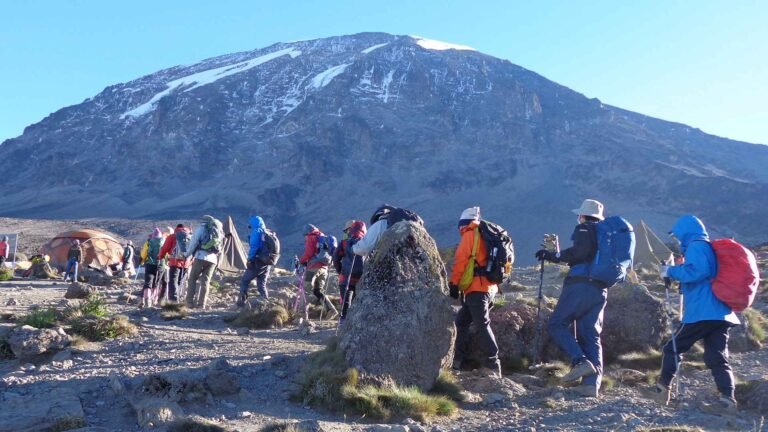
How Much Does Kilimanjaro Cost For A Family? 2026-2027
How much does Kilimanjaro cost for a family? is explained with current 2026-2027 planning, price, itinerary and booking information.
View package detailsHow Much Does Kilimanjaro Cost For Two People? A Guide 2026-2027
Planning a Kilimanjaro climb for two? This guide breaks down the costs for 2026-2027, covering route variations, essential inclusions, and factors that influence the final price for a...
View package detailsHow Much Does A Private Kilimanjaro Climb Cost In ? 2026-2027
Planning a private ascent of Mount Kilimanjaro? Understand the factors that influence the cost of a private climb, typical price ranges for 2026-2027, and what's usually included to help...
View package details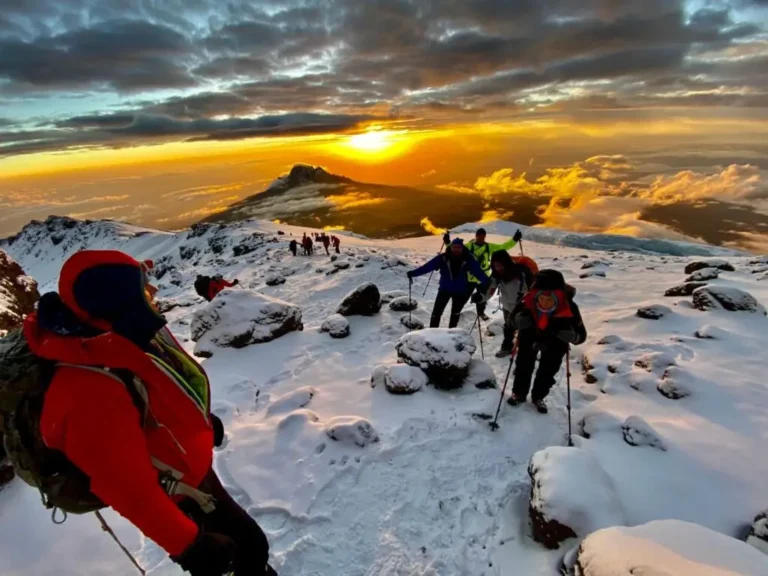
Can I Pay My Remaining Kilimanjaro Balance In Cash? Climb 4 Africa Guide
Understand your options for paying the remaining balance on your Kilimanjaro climb in cash. This guide covers currency, locations, and best practices for trekkers planning their 2026-2027...
View package details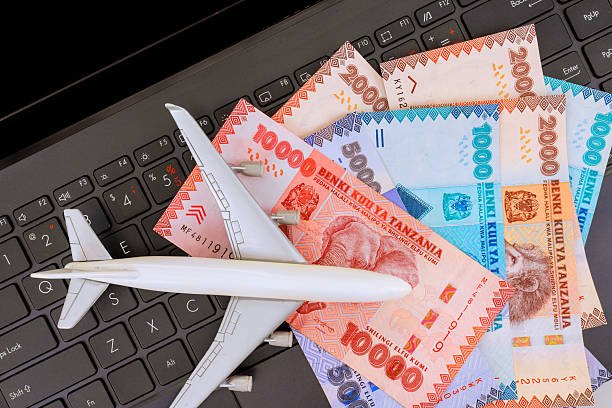
When Should I Pay The Kilimanjaro Balance? Your Payment Guide 2026-2027
Crucial information on when to pay your Kilimanjaro climb balance, covering deposit schedules, final payment deadlines, and factors influencing timing for your 2026-2027 adventure.
View package details
How Much Deposit Is Required To Book Kilimanjaro? 2026-2027
Planning your Kilimanjaro climb? This guide details the deposit required to book your trek, covering typical percentages, payment schedules, and what factors influence the deposit amount...
View package details
How Much Does It Cost To Rent Kilimanjaro Gear In ? 2026-2027
Renting Kilimanjaro gear for your 2026-2027 expedition typically costs between $150 to $350 USD per person for a full set of essentials. This guide breaks down individual item costs, rental...
View package detailsHow Much Are Kilimanjaro Park Fees For A 7-Day Climb In ? 2026-2027
Planning a 7-day Kilimanjaro climb in 2026 or 2027? This guide breaks down the essential park fees, understanding how they contribute to conservation and your trekking experience, and what...
View package detailsNo related package matches those filters. Clear one or more filters to see the other topic-matched options.



