Updated planning guide for 2026, 2027
Trek Kilimandjaro: Expert Trekking Guide
Your comprehensive guide to trekking Mount Kilimanjaro. Learn about routes, preparation, costs, best times to go, and how to book your unforgettable adventure.
WhatsApp +255747477898 | climb4africa@gmail.com | climb4africa@gmail.com
Trek Kilimanjaro: Your Definitive Guide for an Unforgettable Adventure
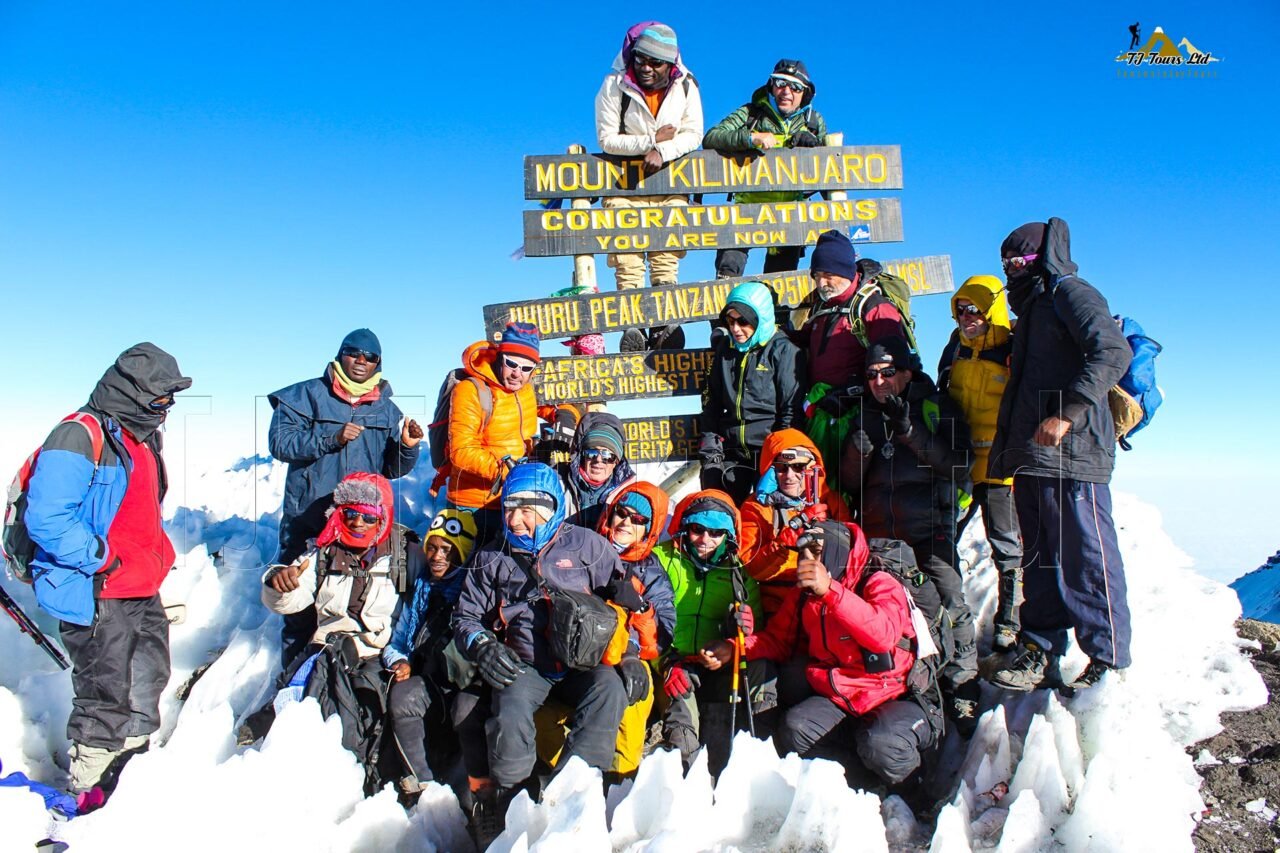
Mount Kilimanjaro, the Roof of Africa, stands as a beacon for adventurers worldwide. Its majestic snow-capped summit, Africa’s highest point, calls to those seeking a profound challenge and unparalleled natural beauty. Trekking Kilimanjaro is more than just a hike; it’s a journey of self-discovery, a test of endurance, and an immersion into the diverse ecosystems of one of the planet’s most iconic mountains. This guide is designed to equip you with all the essential information needed to plan, prepare for, and successfully complete your Kilimanjaro trek.
Quick Answers for Kilimanjaro Trekkers
Here are some immediate answers to common questions about trekking Kilimanjaro:
| Question | Answer |
|---|---|
| What is the best time to trek Kilimanjaro? | The best seasons are generally January-March and June-October, offering dry conditions and clear skies. |
| How long does it take to trek Kilimanjaro? | Most treks range from 5 to 9 days, with longer routes offering better acclimatization and higher success rates. |
| What is the cost of a Kilimanjaro trek? | Prices vary widely based on route, operator, and inclusions, but expect a range from budget to luxury options. |
| Is Kilimanjaro suitable for beginners? | While physically demanding, it’s achievable for reasonably fit individuals with proper preparation and a suitable route. It is not technically difficult. |
| What is the highest point on Kilimanjaro? | Uhuru Peak, at 5,895 meters (19,341 feet). |
Table of Contents
- Kilimanjaro: The Majestic Giant
- Why Trek Kilimanjaro?
- Best Time to Trek Kilimanjaro
- Kilimanjaro Routes: A Detailed Comparison
- Kilimanjaro Route Overview (Illustrative)
- Sample Kilimanjaro Itinerary: Machame Route (7 Days)
- What to Expect on the Mountain
- The Crucial Role of Acclimatization
- Preparation and Training for Your Trek
- Essential Kilimanjaro Packing List
- Gear Rentals and Purchases
- Understanding Kilimanjaro Trek Costs
- Common Mistakes to Avoid When Trekking Kilimanjaro
- Who is a Kilimanjaro Trek Best Suited For?
- Alternatives to Kilimanjaro
- Planning Your Kilimanjaro Trek for 2026-2027
- Booking Your Kilimanjaro Expedition: Expert Tips
- Frequently Asked Questions (FAQs)
Kilimanjaro: The Majestic Giant
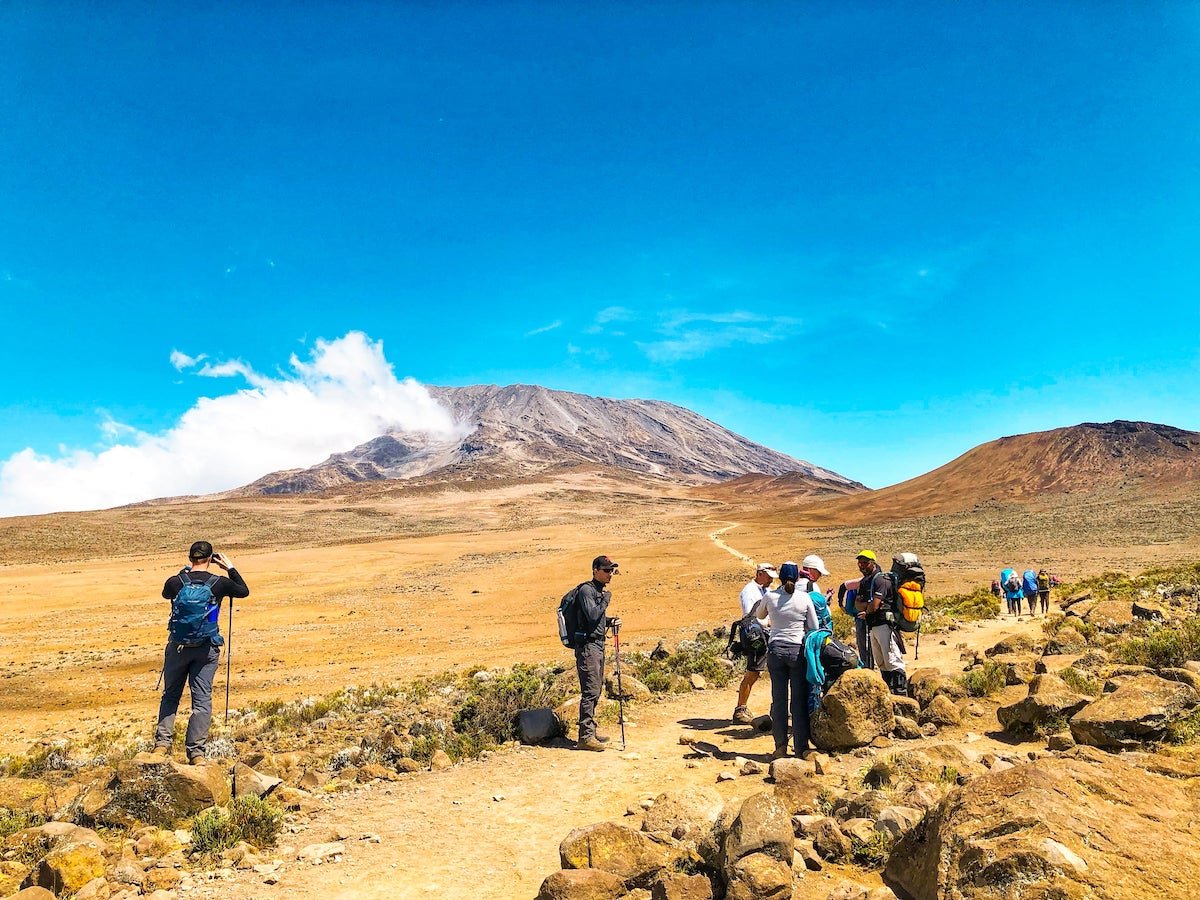
Kilimanjaro National Park, a UNESCO World Heritage site, is home to Mount Kilimanjaro, a dormant volcano in Tanzania. It is the highest mountain in Africa and the highest free-standing mountain in the world, rising dramatically from the surrounding plains. The mountain features three distinct volcanic cones: Shira, Kibo, and Mawenzi. Kibo, the highest, is home to Uhuru Peak, the ultimate goal for most trekkers. The ascent takes you through five distinct climate zones, from the cultivated lower slopes through rainforest, heath, moorland, alpine desert, and finally to the arctic summit. This incredible biodiversity and dramatic landscape make trekking Kilimanjaro a truly unique experience.
Why Trek Kilimanjaro?
The allure of Kilimanjaro is multifaceted. For many, it represents a significant personal achievement, a chance to push physical and mental limits. The sheer scale of the mountain is awe-inspiring, and standing at Uhuru Peak, gazing across the African continent, is a moment of profound accomplishment. Beyond the personal challenge, it offers an unparalleled opportunity to witness nature’s grandeur. You’ll traverse diverse ecosystems, encounter unique flora and fauna, and experience the camaraderie of fellow trekkers and the dedicated support crew. It’s a journey that offers breathtaking views, a deep connection with nature, and memories that last a lifetime. Planning your trek kilimanjaro is the first step towards this incredible adventure.
Best Time to Trek Kilimanjaro
Choosing the right time to trek Kilimanjaro significantly impacts your experience. While it’s possible to climb year-round, certain periods offer more favorable weather conditions. The mountain experiences two main dry seasons:
- January to March: This period is generally warm and dry, with clear skies. Snowfall is less common on the summit during these months, making it a popular choice.
- June to October: This is another excellent dry season. The temperatures are cooler, especially at higher altitudes, and the skies are typically clear. This is often considered the best time for trekking Kilimanjaro due to its reliability.
The rainy seasons, which are best avoided for a standard trek, are:
- April to May: This is the long rainy season, characterized by heavy rainfall, especially on the lower slopes and rainforest zones. Visibility can be poor, and trails can become muddy and slippery.
- November to December: This is the short rainy season. While not as intense as the long rains, expect intermittent showers, particularly in the afternoons.
For those planning for 2026 or 2027, targeting the dry seasons will maximize your chances of clear views and a more comfortable ascent.
Kilimanjaro Routes: A Detailed Comparison
Choosing the right route is one of the most critical decisions when you trek Kilimanjaro. Each route offers a different experience, varying in difficulty, scenery, acclimatization profile, and crowds. The longer routes generally provide better acclimatization and higher success rates.
| Route | Duration (Days) | Scenery | Acclimatization | Success Rate | Crowds | Starting Point |
|---|---|---|---|---|---|---|
| Marangu (Coca-Cola Route) | 5-6 | Forest, moorland, alpine desert | Poorer | Lower (esp. 5-day) | High | Marangu Gate |
| Machame (Whiskey Route) | 6-7 | Varied, scenic, rainforest to arctic | Good | Good to High | High | Machame Gate |
| Lemosho | 7-8 | Excellent, diverse, remote start | Very Good | High | Moderate | Lemosho Glade |
| Shira | 7-8 | Similar to Lemosho, but starts higher | Moderate | Good | Moderate | Shira Ridge |
| Rongai | 6-7 | Drier side, less vegetation initially | Moderate | Good | Low | Nale Moru |
| Northern Circuit | 9-10 | Most scenic, full circumnavigation | Excellent | Highest | Low | Lemosho Glade |
| Umbwe | 5-6 | Steep, direct, challenging | Poorer | Lower | Low | Umbwe Gate |
Route Selection Considerations:
- Acclimatization: Routes that ascend gradually (like Lemosho and Northern Circuit) offer better acclimatization, leading to higher success rates and a more enjoyable climb. The ‘climb high, sleep low’ principle is key.
- Scenery: Lemosho and Northern Circuit are often praised for their stunning and varied landscapes. Machame also offers beautiful views.
- Crowds: Marangu and Machame can be very busy. Rongai and Lemosho are generally less crowded, especially at the start.
- Duration: Longer treks (7+ days) are highly recommended for better acclimatization and a more relaxed pace.
- Difficulty: Umbwe is the most challenging. Marangu’s 5-day option is also tough due to rapid ascent.
Kilimanjaro Route Overview (Illustrative)
This is a simplified illustration of how the main routes approach the summit cone (Kibo).
| Stage | Common Route Paths | Key Features/Direction |
|---|---|---|
| 1. Base to Forest Zone | Marangu, Machame, Lemosho, Rongai, Umbwe | Ascent through rainforest, often humid. |
| 2. Moorland & Heath Zone | All routes | Vegetation thins, more open terrain. |
| 3. Alpine Desert Zone | All routes | Arid, rocky, harsh conditions. Temperatures drop significantly. |
| 4. Arctic Summit Zone | All routes converge towards Kibo crater rim | Glaciers, scree slopes. Summit push occurs here. |
| 5. Descent | Marangu descends via Marangu route. Others descend via Mweka or Mweka Gate. | Steeper and faster than ascent. |
Routes like Lemosho and Northern Circuit start on the western side and circle the mountain, offering a more gradual ascent and diverse views before converging with other routes closer to the summit.
Sample Kilimanjaro Itinerary: Machame Route (7 Days)
The Machame Route is a popular choice known for its scenic beauty and good acclimatization profile when done over 7 days. A 6-day version is possible but increases the risk of altitude sickness.
| Day | Route Segment | Approx. Trekking Time | Approx. Altitude Gain | Camp Altitude | Key Notes |
|---|---|---|---|---|---|
| 1 | Machame Gate (1,800m) to Machame Camp (3,000m) | 5-7 hours | 1,200m | 3,000m | Trek through rainforest. Often muddy. |
| 2 | Machame Camp (3,000m) to Shira 2 Camp (3,850m) | 4-6 hours | 850m | 3,850m | Ascent to moorland. Stunning views. |
| 3 | Shira 2 Camp (3,850m) to Barranco Camp (3,950m) via Lava Tower (4,650m) | 7-9 hours | 800m gain, 700m loss | 3,950m | ‘Climb high, sleep low’ day. Acclimatize at Lava Tower. |
| 4 | Barranco Camp (3,950m) to Karanga Camp (4,000m) | 4-5 hours | 50m | 4,000m | Cross the famous Barranco Wall. Relatively short day. |
| 5 | Karanga Camp (4,000m) to Barafu Camp (4,650m) | 4-5 hours | 650m | 4,650m | Arrive early. Rest for the summit push. Alpine desert terrain. |
| 6 | Barafu Camp (4,650m) to Uhuru Peak (5,895m) and down to Mweka Camp (3,100m) | 11-15 hours | 1,245m gain, 2,795m loss | 3,100m | Summit push starts around midnight. Descend past Barafu to Mweka. Very challenging. |
| 7 | Mweka Camp (3,100m) to Mweka Gate (1,650m) | 3-5 hours | 1,450m loss | 1,650m | Final descent through rainforest. Celebrate your success! |
What to Expect on the Mountain
Trekking Kilimanjaro is a demanding experience that requires mental and physical fortitude. Here’s what you can expect:
- Daily Routine: Days typically involve waking up early, having breakfast, trekking for several hours, lunch on the trail, more trekking, arriving at camp, dinner, and an early bedtime.
- Weather: Conditions change dramatically with altitude. Expect warmth and humidity in the rainforest, cooler temperatures in the moorland, cold and windy conditions in the alpine desert, and extreme cold, wind, and ice at the summit.
- Food: Your tour operator will provide all meals. Expect hearty, nutritious meals prepared by your cook, including porridge, eggs, pasta, rice, vegetables, and fruits. Vegetarian and other dietary needs can usually be accommodated.
- Accommodation: Most routes involve camping. Tents are usually two-person, and a mess tent is provided for dining. The Marangu route offers dormitory-style huts.
- Toilets: Basic portable toilets are provided at campsites. On the trail, you’ll need to use designated areas or dig your own ‘cat hole’ away from water sources and trails.
- Water: Water is typically sourced from streams and boiled or purified by the crew. Always carry your own water bottles and purification tablets as a backup.
- Crew: You will be accompanied by a team of guides, porters, and a cook. They are experienced, knowledgeable, and crucial to your safety and comfort. Your lead guide will monitor your health closely.
- Altitude Sickness (AMS): This is the most significant risk. Symptoms can include headache, nausea, dizziness, and fatigue. Proper acclimatization and listening to your body are vital.
The Crucial Role of Acclimatization
Altitude sickness (Acute Mountain Sickness – AMS) is a serious concern for anyone trekking Kilimanjaro. It occurs when you ascend too quickly, and your body doesn’t have enough time to adjust to the lower oxygen levels. The higher you go, the less oxygen is available.
Key Principles for Acclimatization:
- Ascend Slowly: Choose a longer route (7-10 days). The longer you spend on the mountain, the better your body can adapt.
- ‘Climb High, Sleep Low’: This is a fundamental principle. Ascend to a higher altitude during the day, then descend to a lower altitude to sleep. This helps your body acclimatize more effectively. Routes like Machame and Lemosho incorporate this well.
- Stay Hydrated: Drink plenty of fluids (3-4 liters per day). Water, herbal teas, and clear soups are excellent. Avoid alcohol and caffeine, which can dehydrate you.
- Eat Well: Consume high-carbohydrate meals. Your appetite may decrease at altitude, so focus on energy-rich foods.
- Pace Yourself: Walk at a slow, steady pace (‘pole pole’ in Swahili). Don’t overexert yourself.
- Listen to Your Body: Be aware of AMS symptoms. Inform your guide immediately if you feel unwell.
- Medication: Diamox (acetazolamide) is a prescription medication that can aid acclimatization. Consult your doctor well in advance of your trek.
The success of your trek kilimanjaro often hinges on how well you manage acclimatization. A 7-day or longer itinerary is strongly recommended.
Preparation and Training for Your Trek
While Kilimanjaro is not a technical climb, it requires a good level of physical fitness. Proper preparation is key to enjoying the trek and increasing your chances of reaching the summit.
Cardiovascular Fitness:
- Aim for at least 3-4 cardio sessions per week for 2-3 months before your trek.
- Activities like hiking (especially with a backpack), running, cycling, swimming, and stair climbing are excellent.
- Focus on endurance activities that mimic trekking for several hours a day.
Strength Training:
- Strengthen your legs (quadriceps, hamstrings, calves) and core. Squats, lunges, step-ups, and calf raises are beneficial.
- A strong core helps with balance and stability on uneven terrain.
Hiking Practice:
- The most important training is hiking on varied terrain, ideally with hills.
- Practice hiking for extended periods (4-6 hours) while carrying a daypack with water and snacks.
- If possible, do some multi-day hikes to simulate the trekking conditions.
- Wear the boots you intend to use on Kilimanjaro during your training hikes to break them in and check for comfort.
Mental Preparation:
- Understand the challenges: cold, altitude, long days, basic facilities.
- Develop a positive mindset and focus on your goal.
- Be prepared for discomfort and the need for perseverance.
Essential Kilimanjaro Packing List
Packing correctly is crucial for comfort and safety. Layering is key to adapting to the changing temperatures. Your tour operator will provide a detailed list, but here are the essentials:
Clothing:
- Base Layers: Moisture-wicking thermal tops and bottoms (merino wool or synthetic).
- Mid Layers: Fleece jacket or pullover, synthetic insulated jacket.
- Outer Layer (Shell): Waterproof and windproof jacket and trousers (Gore-Tex or similar).
- Trekking Trousers: Lightweight, quick-drying, and comfortable. Avoid jeans.
- Trekking Shirts: Moisture-wicking short and long-sleeved shirts.
- Insulated Jacket: A warm down or synthetic jacket for evenings and summit night.
- Summit Suit: Some prefer a full insulated suit for the summit push, especially in colder months.
Footwear:
- Hiking Boots: Broken-in, waterproof, sturdy mid-to-high ankle support boots.
- Camp Shoes: Comfortable trainers or sandals for evenings.
- Socks: Several pairs of wool or synthetic hiking socks.
- Liner Socks: Optional, to help prevent blisters.
Headwear & Handwear:
- Warm Hat: Fleece or wool, covering your ears.
- Sun Hat: Wide-brimmed for sun protection.
- Balaclava or Buff: For protection against wind and cold.
- Gloves: Warm waterproof outer gloves and thinner liner gloves.
Sleeping Gear:
- Sleeping Bag: Rated to at least -10°C to -20°C (0°F to -4°F).
- Sleeping Bag Liner: Adds warmth and keeps your bag clean.
Trekking Gear:
- Backpack: 30-40 liter daypack for carrying essentials during the day.
- Duffel Bag: 70-90 liter waterproof duffel bag for porters to carry your main gear (check weight limits).
- Trekking Poles: Highly recommended for stability and reducing knee strain.
- Headlamp: With extra batteries. Essential for night hikes and camp.
- Water Bottles/Bladder: At least 3 liters capacity.
- Water Purification: Tablets or filter.
- Sunglasses: High UV protection.
- Sunscreen: High SPF.
- Lip Balm: With SPF.
- Insect Repellent: For lower forest sections.
- First-Aid Kit: Personal medications, blister treatment, pain relievers, bandages, antiseptic wipes.
- Toiletries: Biodegradable soap, toothbrush, toothpaste, wet wipes, hand sanitizer.
- Snacks: Energy bars, nuts, dried fruit, chocolate.
- Camera & Power Bank: For photos and keeping devices charged.
- Passport & Visa: Keep in a waterproof pouch.
- Money: For tips and personal expenses.
Gear Rentals and Purchases
While it’s best to own your essential trekking gear, some items can be rented in Tanzania. This can save on luggage space and cost if you don’t plan to use the gear frequently. Common items available for rent include:
- Sleeping bags
- Insulated jackets
- Trekking poles
- Waterproof trousers
- Waterproof jackets
- Duffel bags
It’s generally recommended to purchase your own hiking boots, base layers, and socks, as these are critical for comfort and fit. Ensure you arrange rentals in advance with your tour operator. Quality can vary, so inquire about the condition and type of gear available.
Understanding Kilimanjaro Trek Costs
The cost of a Kilimanjaro trek can vary significantly. It’s important to understand what influences the price and what is typically included. Prices are generally not fixed and can be influenced by the operator’s quality, the route chosen, the duration of the trek, and the level of service.
Factors Influencing Cost:
- Operator Type: Local operators, international operators, budget vs. luxury providers.
- Route: Longer routes and less common routes can be more expensive due to more days and logistical costs.
- Duration: Longer treks mean more days of food, crew wages, and park fees.
- Group Size: Private treks are more expensive than joining a group.
- Inclusions: What is included (e.g., gear rental, hotel nights before/after, transfers, tips) significantly affects the price.
Typical Inclusions:
- Park entrance fees, camping/hut fees, rescue fees.
- Experienced guide(s), cook, porters.
- All meals on the mountain.
- Tents, cooking equipment.
- Bottled/boiled water on the mountain.
- Transfer to/from the mountain gate.
Typical Exclusions:
- Flights to/from Tanzania.
- Visa fees.
- Travel insurance (mandatory).
- Tips for the crew (a significant portion of the total cost).
- Personal gear (clothing, sleeping bag, etc.), unless rented.
- Alcoholic beverages and soft drinks.
- Accommodation before and after the trek (often included by some operators).
- Vaccinations and personal medical expenses.
When comparing prices, look beyond the headline figure. A cheaper trek might compromise on safety, crew welfare, or the quality of equipment, which can negatively impact your experience and success rate. For 2026 and 2027 planning, budget realistically, factoring in all potential costs, especially crew tips.
Common Mistakes to Avoid When Trekking Kilimanjaro
Many trekkers make similar errors that can detract from their experience or even lead to turning back. Awareness of these common pitfalls can help you prepare better.
Mistake 1: Inadequate Acclimatization
Choosing a short route (5-day options) or ascending too quickly without respecting the ‘climb high, sleep low’ principle is the most common reason for altitude sickness and failure to summit. Solution: Opt for a 7-day or longer itinerary.
Mistake 2: Poor Physical Preparation
Underestimating the physical demands and not training adequately. Kilimanjaro is a multi-day endurance event, not a day hike. Solution: Train consistently, focusing on cardiovascular fitness and hiking practice.
Mistake 3: Incorrect Gear and Clothing
Not packing appropriately for extreme temperature fluctuations or wearing unsuitable footwear. Cotton clothing is a major no-no. Solution: Invest in or rent quality, layered clothing and well-broken-in hiking boots.
Mistake 4: Dehydration and Poor Nutrition
Not drinking enough water or eating sufficiently, especially at higher altitudes, can exacerbate altitude sickness and lead to fatigue. Solution: Drink 3-4 liters of water daily and eat all meals provided. Carry extra snacks.
Mistake 5: Ignoring Altitude Sickness Symptoms
Pushing on despite feeling unwell, hoping symptoms will pass. This can lead to severe AMS, HAPE, or HACE. Solution: Communicate any symptoms immediately to your guide. They are trained to assess and manage altitude sickness.
Mistake 6: Rushing the Pace
Trying to keep up with faster hikers or rushing on the summit night. Solution: Walk at your own pace (‘pole pole’). The summit will wait.
Mistake 7: Choosing the Cheapest Operator
Focusing solely on price can lead to operators cutting corners on safety, crew welfare, food quality, and equipment. Solution: Research operators thoroughly, prioritizing safety and ethical practices.
Who is a Kilimanjaro Trek Best Suited For?
Trekking Kilimanjaro is an achievable goal for a wide range of people, provided they are prepared. It is best suited for:
- Reasonably Fit Individuals: You don’t need to be an elite athlete, but a good level of general fitness is essential. Regular exercise, including hiking, will make the experience much more enjoyable.
- Adventurous Spirits: Those who enjoy a challenge, appreciate natural beauty, and are open to experiencing a different culture and environment.
- First-Time High-Altitude Climbers: Kilimanjaro is often a first high-altitude experience because it is non-technical. It’s a great introduction to the effects of altitude.
- Goal-Oriented Individuals: People who set personal challenges and are motivated to achieve them. The summit is a powerful reward.
- Travelers Seeking Unique Experiences: It offers a profound sense of accomplishment and connection with nature that few other travel experiences can match.
It is generally NOT suitable for individuals with severe pre-existing heart or respiratory conditions, or those who are significantly overweight and struggle with basic mobility, without prior extensive medical consultation and fitness improvement.
Alternatives to Kilimanjaro
While Kilimanjaro is iconic, other impressive African mountains offer rewarding trekking experiences, sometimes with different challenges or scenery:
- Mount Kenya: Africa’s second-highest mountain offers more technical climbing on its highest peaks (Batian and Nelion) but also fantastic trekking routes (e.g., Point Lenana) with dramatic landscapes and unique flora. It’s often less crowded than Kilimanjaro.
- Mount Toubkal (Morocco): The highest peak in North Africa. It’s a shorter, more accessible trek, typically completed in 2-3 days from Imlil, offering a different cultural experience in the High Atlas Mountains.
- Simien Mountains (Ethiopia): Not a single summit climb, but a trek through dramatic escarpments, offering incredible views and unique wildlife like the Gelada baboon.
- Mount Meru (Tanzania): Often used as a training climb for Kilimanjaro, Mount Meru is a beautiful volcano with a rich ecosystem and a challenging trek in its own right, offering excellent views of Kilimanjaro on clear days.
These alternatives provide different levels of challenge, scenery, and cultural immersion, catering to various preferences and fitness levels.
Planning Your Kilimanjaro Trek for 2026-2027
Planning ahead is crucial for a successful Kilimanjaro trek, especially for future years like 2026 and 2027. Early booking ensures availability, especially for popular dates and preferred operators.
Key Planning Steps:
- Research Operators: Look for reputable companies with strong safety records, experienced guides, and positive reviews regarding crew welfare and environmental practices.
- Choose Your Route and Duration: Based on your fitness, time, and desired experience, select a route and aim for at least 7 days.
- Select Dates: Target the dry seasons (Jan-Mar, Jun-Oct) for the best weather. Popular times like Christmas/New Year and summer months book up fast.
- Book Your Trek: Contact your chosen operator to confirm availability and book your spot. Deposits are usually required.
- Arrange Flights: Book your international flights to Kilimanjaro International Airport (JRO).
- Secure Visas and Vaccinations: Check visa requirements for Tanzania and consult your doctor about recommended vaccinations and malaria precautions well in advance.
- Obtain Travel Insurance: Ensure your policy covers high-altitude trekking up to 6,000 meters and emergency medical evacuation. This is non-negotiable.
- Start Training: Begin your physical preparation at least 3 months before your trek.
- Purchase/Rent Gear: Start acquiring or arranging rentals for your essential equipment.
- Finalize Details: Confirm all arrangements with your tour operator, including pre- and post-trek accommodation, transfers, and any specific requirements.
By starting your planning early for 2026 or 2027, you give yourself ample time to prepare thoroughly, increasing your chances of a safe and successful Kilimanjaro trek.
Booking Your Kilimanjaro Expedition: Expert Tips
Booking your Kilimanjaro trek is a significant investment. Here’s how to make an informed decision:
- Prioritize Safety and Experience: Look for operators with certified guides, comprehensive emergency protocols, and a strong safety record. Experience matters, especially with altitude.
- Read Reviews Critically: Look for detailed reviews that mention specific aspects like guide knowledge, food quality, crew treatment, and equipment condition.
- Understand What’s Included: Get a clear breakdown of fees, park costs, and what your package covers. Ask about crew tips – are they included or extra?
- Ask About Crew Welfare: Reputable operators ensure fair wages, proper gear, and good food for their guides and porters. This impacts morale and service.
- Inquire About Acclimatization Strategy: Does the operator recommend and follow longer itineraries (7+ days) and ‘climb high, sleep low’?
- Check Group Size: Smaller groups often mean more personalized attention and flexibility.
- Get a Detailed Itinerary: Ensure the daily distances, timings, and altitudes are clearly outlined.
- Communicate Your Needs: Discuss any pre-existing medical conditions or specific dietary requirements with the operator well in advance.
- Ask About Emergency Procedures: What happens in case of a medical emergency? Do they have oxygen, first aid, and evacuation plans?
- Consider a Local Operator or Partner: Working with a local Tanzanian operator like Best Tanzania tour operator can offer excellent value and local expertise.
Don’t hesitate to ask questions. A good operator will be transparent and helpful. For your trek kilimanjaro, partnering with a trusted provider is paramount.
Frequently Asked Questions (FAQs)
What is the success rate for climbing Kilimanjaro?
Success rates vary significantly by route and operator, but are generally estimated between 60-85% for summit night. Longer routes (7+ days) with good acclimatization strategies dramatically increase your chances. Factors like age, fitness, and how well you manage altitude also play a role.
Do I need special mountaineering skills or equipment?
No. Kilimanjaro is a non-technical trek, meaning no ropes, ice axes, or crampons are required for most routes under normal conditions. However, you need sturdy hiking boots and warm, layered clothing suitable for extreme cold.
What is the minimum age to climb Kilimanjaro?
The official minimum age is 10 years old. However, children under 16 are usually required to climb with an adult and may be required to have a private guide. It’s advisable to consider the physical and mental demands for younger climbers.
How much should I tip the crew?
Tipping is customary and a significant part of the crew’s income. A common guideline is around $200-$300 USD per trekker for a 7-day climb, distributed among the guides, cook, and porters. Your operator will provide specific recommendations.
What kind of food is served on the mountain?
You can expect three hearty meals a day prepared by your cook. Breakfast often includes porridge, eggs, or pancakes. Lunches are typically packed or served at a scenic spot and might include sandwiches, fruits, and snacks. Dinners are substantial, with soups, rice, pasta, chicken, or vegetable dishes.
Is there phone signal or internet on Kilimanjaro?
Generally, no. You may get a signal on the lower slopes or near towns, but expect to be disconnected for the duration of your trek. This can be a welcome digital detox!
Can I climb Kilimanjaro solo?
Tanzanian law requires all trekkers to be accompanied by a registered guide and to climb with a licensed operator. Solo travel is possible in the sense that you can book a private trek for yourself, but you will always have a guide and support crew.
What happens if I get sick or injured?
Your guides are trained in wilderness first aid and will monitor you closely. They carry oxygen and a comprehensive first-aid kit. If symptoms of altitude sickness become severe, descent is the only treatment. Your operator will have emergency evacuation procedures in place.
How much water should I drink per day?
Aim for a minimum of 3-4 liters of water per day. This is crucial for acclimatization and preventing dehydration. Your crew will provide boiled or purified water, but carrying purification tablets is a good backup.
Will I need crampons and an ice axe for my 2026/2027 trek?
Typically, no. These routes are non-technical. While there can be ice and snow near the summit, especially in the early morning hours, the paths are usually well-trodden. Your guides will advise if any special equipment is needed, but it’s rare.
Your Kilimanjaro Adventure Awaits
Trekking Kilimanjaro is a profound journey that offers incredible rewards. From the lush rainforests to the stark alpine desert and the icy summit, the experience is as diverse as it is challenging. With careful planning, thorough preparation, and the right guidance, you can make your dream of standing on the Roof of Africa a reality.
We specialize in creating unforgettable Kilimanjaro trekking experiences, combining safety, expert guiding, and a deep appreciation for the mountain’s environment. Whether you’re planning for 2026, 2027, or beyond, we are here to help you every step of the way.
Ready to take the next step in planning your Kilimanjaro trek? Contact us today to discuss your adventure:
WhatsApp: +255747477898
Email: climb4africa@gmail.com
Backup Email: climb4africa@gmail.com
Let us help you craft your ultimate Kilimanjaro adventure.
Best 1 Day Machame Route Hike From Arusha City: Short Trek Trip 2026-2027
Discover the ultimate 1-day Machame Route hike starting from Arusha City. This short trek offers an incredible glimpse into Kilimanjaro's lower slopes, ideal for 2026-2027 adventurers...
View package details
September Kilimanjaro Full-Moon Summit Trek Guide
Discover the magic of a September Kilimanjaro full-moon summit trek. This comprehensive guide covers everything from planning and routes to what to expect during your 2026-2027 lunar...
View package details
May Kilimanjaro Budget Camping Trek: Your Ultimate Guide 2026-2027
Discover everything you need for a successful May Kilimanjaro budget camping trek. This comprehensive guide covers routes, costs, essential gear, and expert tips for your 2026-2027...
View package details
September Kilimanjaro Climb With Extra Acclimatization 2026-2027
September Kilimanjaro Climb with Extra Acclimatization is explained with current 2026-2027 planning, price, itinerary and booking information.
View package details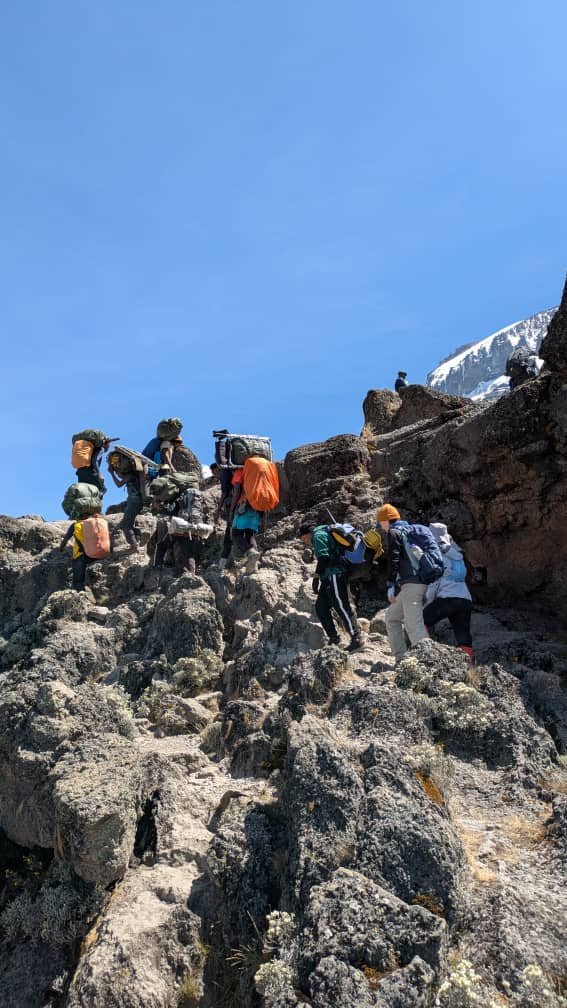
September Kilimanjaro Climb For Seniors 2026-2027
September Kilimanjaro Climb for Seniors is explained with current 2026-2027 planning, price, itinerary and booking information.
View package details
Is September Good For Climbing Kilimanjaro? Your Guide 2026-2027
Discover why September is a prime month for ascending Mount Kilimanjaro. This guide details the weather, crowds, and what to expect for your 2026-2027 climb.
View package details
September Kilimanjaro Small-Group Climb 2026-2027
September Kilimanjaro Small-Group Climb is explained with current 2026-2027 planning, price, itinerary and booking information.
View package details
September Kilimanjaro Luxury Expedition: Your Ultimate Guide 2026-2027
start a luxury Kilimanjaro expedition in September 2026-2027. This guide covers everything from route selection and gear to acclimatization strategies and the unique advantages of a premium...
View package detailsSeptember Kilimanjaro And Serengeti Migration Safari : Your Ultimate Guide
Combining a Kilimanjaro climb with a Serengeti Migration safari in September offers unparalleled wildlife viewing and trekking opportunities. This guide details the best of both experiences...
View package details
September Kilimanjaro Solo Traveller Group: Your Ultimate Guide For 2026-2027
Discover everything a solo traveler needs to know about joining a Kilimanjaro group climb in September 2026-2027. This guide covers routes, preparation, costs, and what to expect with Top...
View package details
September Kilimanjaro Climb For Couples In : Your Ultimate Guide 2026-2027
A September Kilimanjaro climb offers couples dry weather, clear skies, and stunning views, making it an ideal time for a romantic and challenging adventure. This guide covers everything...
View package details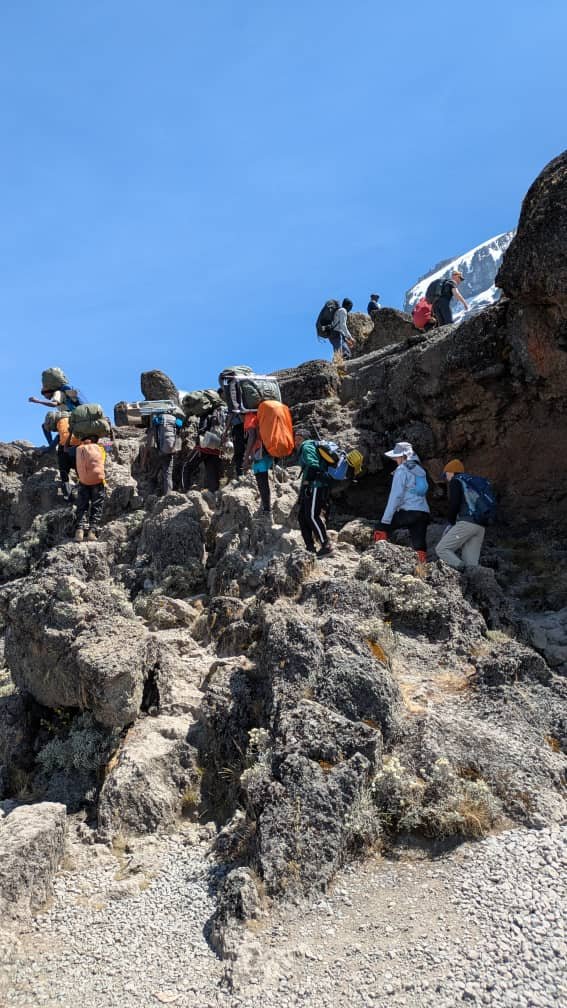
9-Day Northern Circuit Climb In September : Your Ultimate Guide 2026-2027
The 9-day Northern Circuit (also known as the Lemosho route extension) is Kilimanjaro's longest and most scenic trek, offering the highest success rates due to its gradual ascent and...
View package detailsNo related package matches those filters. Clear one or more filters to see the other topic-matched options.
Plan your trek kilimandjaro with Climb 4 Africa
Tell us your travel dates, group size, comfort level, and dream experience. We will help you shape a clear, realistic, and memorable Tanzania itinerary.



