A September Kilimanjaro small-group climb offers excellent weather conditions with dry skies and minimal rain, making it one of the best months for trekking. Expect clear views, moderate temperatures, and a vibrant atmosphere as you ascend Africa’s highest peak with like-minded adventurers. Climb 4 Africa organizes these treks for 2026 and 2027, focusing on safety, success, and an unforgettable experience.


Why Choose September for Your Kilimanjaro Small-Group Climb?
Mount Kilimanjaro, a dormant volcano in Tanzania, stands as the world’s tallest free-standing mountain and a bucket-list destination for trekkers. When considering a climb, timing is crucial, and September consistently ranks as a prime month. Opting for a September Kilimanjaro small-group climb means you’ll be trekking during the dry season, which typically runs from June to October. This period offers some of the most stable and favorable weather patterns for ascending the mountain.
The advantages of climbing in September are numerous. Firstly, the weather is predominantly dry, with very little rainfall. This significantly reduces the chances of encountering muddy trails or being caught in prolonged downpours, making the trekking experience more comfortable and enjoyable. Secondly, the skies are often clear, providing spectacular panoramic views of the surrounding landscapes, including the vast plains of the Serengeti and Mount Meru. For photographers and nature enthusiasts, these clear vistas are invaluable. Thirdly, temperatures during the day are generally moderate, although they can drop significantly at higher altitudes and during the night. The summit night, in particular, will be cold, but the dry conditions help to make the challenging ascent more manageable.
Choosing a small-group climb adds another layer of benefit. Small groups typically consist of 6-12 trekkers, fostering a sense of camaraderie and shared experience. This size allows for more personalized attention from guides, efficient logistics, and a less crowded feel on the trails. It’s an ideal way to meet new people who share your passion for adventure while ensuring a supportive environment for reaching the summit. For those planning their expedition in the upcoming years, a September Kilimanjaro small-group climb in 2026 or 2027 is a strategic choice for maximizing your chances of success and enjoyment.
September Weather on Kilimanjaro: What to Expect
Understanding the weather patterns for your September Kilimanjaro small-group climb is fundamental to preparation. September falls within the second dry season on Kilimanjaro, which is known for its stability and pleasant conditions. Unlike the main rainy season (March-May), September typically offers:
- Minimal Rainfall: Expect very little to no rain. The air is dry, and the trails are generally firm and less muddy, which is a significant advantage for trekking, especially on steeper sections.
- Clear Skies and Visibility: Mornings and evenings are often clear, offering stunning views of Mount Kilimanjaro’s summit and the plains below. This clarity is perfect for photography and appreciating the mountain’s grandeur.
- Moderate Daytime Temperatures: During the day, temperatures can range from 15°C to 25°C (59°F to 77°F) at lower altitudes. As you ascend, these temperatures decrease significantly.
- Cold Nights and Summit Conditions: Nights and the summit push will be cold. Temperatures can drop to -10°C (14°F) or even lower, with wind chill making it feel colder. Proper cold-weather gear is essential.
- Lower Humidity: The dry air means lower humidity, which can be more comfortable for breathing and acclimatization compared to the humid conditions of other seasons.
While September is generally dry, mountain weather is inherently unpredictable. You might still encounter occasional cloud cover or a brief shower, but these are usually short-lived. The key is to be prepared for a range of conditions, especially the extreme cold at the summit.
Choosing the Right Route for Your September Climb
Several routes ascend Kilimanjaro, each offering a different experience in terms of scenery, difficulty, and acclimatization profile. For a September Kilimanjaro small-group climb, certain routes are particularly well-suited due to their scenery and acclimatization benefits, which are enhanced by the favorable September weather.
Machame Route
Often called the “Whiskey Route,” the Machame Route is one of the most popular choices for small-group climbs. It’s known for its scenic beauty and excellent acclimatization profile, with a “climb high, sleep low” strategy that increases summit success rates. In September, the views along this route, which traverses diverse ecological zones from rainforest to alpine desert, are exceptionally clear.
- Duration: Typically 6 or 7 days. The 7-day option provides better acclimatization.
- Scenery: Offers impressive views of the Shira Plateau, Barranco Wall, and the Kibo crater.
- Success Rate: High, especially with the 7-day itinerary.
- Consideration for September: The dry weather makes the challenging Barranco Wall climb safer and more enjoyable.
Climb 4 Africa frequently organizes Machame Route treks for their small groups. You can find specific departure dates for the Machame route, often including September slots, by visiting Machame Route Kilimanjaro Group Departures Dates.
Lemosho Route
The Lemosho Route is considered one of the most beautiful routes, offering a more remote and less crowded experience, especially in its initial stages. It also has a good acclimatization profile, making it a strong contender for a September Kilimanjaro small-group climb.
- Duration: Typically 7 or 8 days. Longer durations are recommended for better acclimatization.
- Scenery: Starts in lush rainforest and offers stunning views of the western side of Kilimanjaro.
- Success Rate: High due to its gradual ascent and longer duration.
- Consideration for September: The clear skies enhance the already spectacular views.
Marangu Route
Known as the “Coca-Cola” route, Marangu is the oldest and simplest route, featuring hut accommodations instead of camping. While it’s shorter and often considered easier physically, its rapid ascent profile means poorer acclimatization and lower success rates compared to other routes. It’s less ideal for a small-group climb focused on success and acclimatization, especially if you’re aiming for a comfortable experience in September.
Northern Circuit & Rongai Route
The Northern Circuit is the longest route and offers the best acclimatization, thus the highest success rates. It circles the mountain, providing diverse views. The Rongai Route approaches from the north and is another good option for dry weather, often used when other routes might be affected by rain. Both are excellent choices for a well-prepared September Kilimanjaro small-group climb, especially if maximizing acclimatization and views is a priority.
Recommendation: For a September climb, the Machame Route (7 days) or Lemosho Route (7-8 days) are often the most recommended for small groups due to their excellent balance of scenery, acclimatization, and a higher probability of summit success, which is further enhanced by the favorable weather conditions.
2026-2027 September Kilimanjaro Small-Group Climb Dates and Availability
Securing your spot on a September Kilimanjaro small-group climb requires advance planning, especially for popular dates in 2026 and 2027. September is a sought-after month, and small-group departures fill up quickly. Climb 4 Africa aims to provide consistent opportunities for trekkers to join group climbs throughout the year, including during this prime season.
While specific dates can vary, small-group departures for September are typically scheduled to coincide with the optimal weather window. It’s advisable to book at least 6-12 months in advance to ensure availability and to allow ample time for training and preparation. Early booking also helps in securing preferred routes and accommodation arrangements.
Key considerations for 2026-2027 bookings:
- Early Booking Discount: Some operators, including Climb 4 Africa, may offer early booking incentives for expeditions booked well in advance for 2026 or 2027.
- Custom Group Dates: If you have a group of friends or family interested in a September climb, Climb 4 Africa can often arrange custom private departures, even outside of standard scheduled dates.
- Flexibility: While September is ideal, if your dates are slightly flexible within late August or early October, you might find more availability.
To inquire about specific September Kilimanjaro small-group climb departure dates for 2026 and 2027, or to discuss custom options, contacting Climb 4 Africa directly is the best approach. You can reach them via WhatsApp +255747477898 or email at climb4africa@gmail.com.
Cost of a September Kilimanjaro Small-Group Climb
The cost of a September Kilimanjaro small-group climb can vary significantly based on the route chosen, the duration of the trek, the operator’s inclusions, and the level of service provided. Climb 4 Africa offers competitive pricing for their small-group expeditions, focusing on providing value through quality services, experienced guides, and safety standards.
Generally, a 6-7 day Kilimanjaro climb with a reputable operator like Climb 4 Africa, including camping equipment, meals on the mountain, park fees, guide and porter salaries, and basic accommodation before and after the climb, can range from approximately $1,800 to $3,000 USD per person. Longer routes like the Northern Circuit (9-10 days) will naturally be more expensive due to the increased number of days and associated costs.
What typically influences the price for a September Kilimanjaro small-group climb:
- Route Length: Longer routes mean more days on the mountain, increasing costs for park fees, food, and staff wages.
- Duration: A 7-day climb is more expensive than a 6-day climb on the same route.
- Inclusions: Ensure you compare what’s included. Climb 4 Africa typically includes park fees, rescue fees, all meals on the mountain, qualified guides, porters, camping equipment (tents, sleeping mats), bottled water on the mountain, transfer to/from the mountain, and pre/post-climb accommodation in Moshi.
- Operator Reputation and Safety Standards: Higher-quality operators invest more in guide training, equipment, emergency protocols, and fair wages for staff, which is reflected in the price.
- Group Size: While you are joining a small group, the cost is often calculated per person based on a minimum group size.
Exclusions to budget for:
- Flights: International flights to Kilimanjaro International Airport (JRO).
- Visas: For Tanzania.
- Travel Insurance: Mandatory, covering high-altitude trekking and emergency evacuation.
- Tips for Guides and Porters: A significant part of the local team’s income. Budget around $250-$350 USD per trekker.
- Personal Gear: Sleeping bag, hiking boots, clothing, etc.
- Lunches/Dinners in Moshi: While some operators include them, many don’t.
- Optional: Oxygen cylinders, personal porter.
For the most accurate pricing for your September Kilimanjaro small-group climb in 2026 or 2027, it’s best to request a personalized quote from Climb 4 Africa. Their transparent pricing structure ensures you understand exactly what you’re paying for.
Estimated Cost Range for a 7-Day September Climb (2026-2027)
$1,800 – $3,000 USD per person
This estimate typically includes: Park fees, rescue fees, all meals on the mountain, guides, porters, camping equipment, transfers, and basic pre/post-climb accommodation. Excludes flights, visas, insurance, and tips.
Physical Preparation for Your September Climb
A successful September Kilimanjaro small-group climb hinges significantly on your physical preparation. While Kilimanjaro is not technically difficult, its altitude is the main challenge. A good level of cardiovascular fitness is essential, and specific training tailored to hiking with a pack uphill is highly recommended.
Cardiovascular Fitness
Focus on aerobic activities that build endurance. Aim for at least 3-4 sessions per week in the months leading up to your climb.
- Hiking: The best training is hiking on uneven terrain, ideally with hills or mountains. Aim for hikes of 4-6 hours, gradually increasing the duration and elevation gain.
- Running/Cycling/Swimming: These activities improve your heart and lung capacity.
- Stair Climbing: Using a stair machine or climbing actual stairs with a weighted backpack is excellent preparation for the sustained uphill effort.
Strength Training
Strengthening your legs, core, and back will help you carry your daypack and navigate steep ascents and descents more comfortably.
- Legs: Squats, lunges, calf raises.
- Core: Planks, crunches, Russian twists.
- Back: Rows, deadlifts (with proper form).
Altitude Acclimatization Training
While you can’t fully replicate Kilimanjaro’s altitude at home, you can train your body to work harder. Hiking at higher elevations, if accessible, is beneficial. More importantly, understand the principles of acclimatization that your guides will implement on the mountain: ascending slowly, staying hydrated, and avoiding overexertion.
Mental Preparation
Kilimanjaro is as much a mental challenge as a physical one. The summit night is particularly demanding. Visualizing success, staying positive, and preparing for discomfort will greatly aid your journey. Remember that most of the physical exertion happens during the day; the summit push is often done at night, requiring mental fortitude.
Training Timeline: Start your dedicated training program at least 3-4 months before your September Kilimanjaro small-group climb. Gradually increase the intensity and duration of your workouts. Listen to your body and avoid overtraining.
Essential Gear for Your September Kilimanjaro Climb
Packing correctly is vital for comfort and safety on your September Kilimanjaro small-group climb. The weather can change rapidly, and you’ll experience significant temperature variations from the rainforest base to the arctic conditions at the summit. Climb 4 Africa provides a detailed packing list, but here are the essential categories:
Clothing Layers (The Key to Comfort)
- Base Layers: Moisture-wicking thermal tops and bottoms (merino wool or synthetic). Essential for managing sweat and staying warm.
- Mid Layers: Fleece jackets or vests. Provide insulation.
- Outer Layer (Shell): Waterproof and windproof jacket and trousers. Crucial for protection against rain and wind, especially at higher altitudes and on summit night.
- Insulation Layer: A warm down or synthetic puffy jacket. Essential for cold evenings and summit night.
Headwear & Handwear
- Warm Hat: Wool or fleece, covering the ears.
- Sun Hat: Wide-brimmed, for sun protection at lower altitudes.
- Balaclava or Buff: For face protection against wind and cold.
- Gloves: Lightweight liner gloves and warm, waterproof/windproof outer gloves or mittens.
Footwear
- Hiking Boots: Waterproof, broken-in, sturdy hiking boots with good ankle support.
- Camp Shoes: Comfortable shoes (e.g., trainers, sandals) for wearing around camp.
- Socks: Several pairs of wool or synthetic hiking socks.
- Liner Socks: To prevent blisters.
Sleeping Gear
- Sleeping Bag: Rated to at least -15°C (0°F). A good quality down or synthetic bag is a must.
- Sleeping Bag Liner: Adds warmth and keeps your bag clean.
Backpack & Bags
- Daypack: 30-40 liters, for carrying essentials during the day (water, snacks, camera, extra layer, rain gear).
- Duffel Bag: 80-100 liters, waterproof, for porters to carry your main gear.
- Waterproof Bags/Dry Bags: To protect electronics and clothing inside your duffel.
Hydration & Nutrition
- Water Bottles/Hydration Reservoir: At least 3 liters capacity. Insulated covers are recommended for reservoirs to prevent freezing.
- Water Purification Tablets or Filter: As a backup.
- Snacks: High-energy snacks like energy bars, nuts, dried fruit.
Health & Hygiene
- First-Aid Kit: Personal medications, blister treatment, pain relievers, antiseptic wipes, bandages.
- Sunscreen: High SPF.
- Lip Balm: With SPF.
- Insect Repellent: Especially for lower forest sections.
- Hand Sanitizer.
- Wet Wipes: For quick clean-ups.
Other Essentials
- Headlamp: With extra batteries. Crucial for summit night.
- Sunglasses: UV protection.
- Trekking Poles: Highly recommended for reducing strain on knees.
- Camera: With extra batteries and memory cards.
- Power Bank: For charging electronics.
- Toiletries: Biodegradable soap, toothbrush, toothpaste.
- Passport & Documents: Keep in a waterproof pouch.
- Cash: For tips and personal expenses.
Remember to pack light but smart. Your porters will carry the bulk of your gear in a duffel bag, but you’ll need your daypack with you at all times. For your September Kilimanjaro small-group climb, ensure all gear is suitable for cold, potentially wet, and windy conditions.
Acclimatization and Summit Success on Kilimanjaro
The single biggest factor determining success on Kilimanjaro is proper acclimatization. Altitude sickness (Acute Mountain Sickness – AMS) is a real risk and can affect anyone, regardless of fitness level. Understanding how to manage it is key to a safe and successful September Kilimanjaro small-group climb.
How Altitude Affects Your Body
As you ascend, the atmospheric pressure decreases, meaning there’s less oxygen available with each breath. Your body needs time to adapt to this lower oxygen level. Symptoms of AMS can include headache, nausea, dizziness, fatigue, and loss of appetite. If left unaddressed, AMS can progress to more severe forms like High Altitude Cerebral Edema (HACE) or High Altitude Pulmonary Edema (HAPE), which are life-threatening.
Strategies for Acclimatization
- Ascend Slowly: This is the most crucial rule. Follow the “Pole Pole” (Swahili for “slowly, slowly”) principle. Guides will ensure a slow and steady pace.
- “Climb High, Sleep Low”: Routes like Machame and Lemosho incorporate this strategy, where you ascend to a higher altitude during the day and then descend to a lower altitude to sleep. This helps your body acclimatize more effectively.
- Stay Hydrated: Drink plenty of fluids – at least 3-4 liters per day. Water, herbal teas, and clear broths are excellent. Avoid alcohol and caffeine, which can dehydrate you.
- Eat Well: Even if your appetite decreases, try to eat nutritious meals. Carbohydrates are particularly important for energy at altitude.
- Avoid Overexertion: Pace yourself. Listen to your body and communicate any symptoms to your guide immediately.
- Medication (Optional): Diamox (acetazolamide) can be prescribed by your doctor to help speed up acclimatization. It’s not a cure for AMS but can help manage symptoms. Discuss this with your physician before your trip.
Summit Night Strategy
The summit push is typically the most challenging part of the climb. It usually begins around midnight and involves ascending steeply in the dark, cold, and often windy conditions. For your September Kilimanjaro small-group climb, this will be particularly cold.
- Start Slow: Your guides will set a very slow pace.
- Stay Warm: Layer up effectively.
- Hydrate and Snack: Take small sips of water and energy snacks regularly.
- Communicate: Alert your guide to any discomfort or symptoms immediately.
- Positive Mindset: Focus on reaching the next landmark, then the next.
Reputable operators like Climb 4 Africa prioritize safety. Their guides are trained in recognizing and managing altitude sickness, and they carry comprehensive medical kits. The inclusion of rescue fees in their packages ensures that if a medical emergency arises, you can receive prompt attention.
Life on the Mountain: What to Expect on a Small-Group Trek
Joining a September Kilimanjaro small-group climb with Climb 4 Africa offers a unique camaraderie and shared adventure. The experience on the mountain is structured yet flexible, designed for safety, comfort, and enjoyment.
Daily Routine
Your typical day on Kilimanjaro will involve waking up early, having breakfast, packing your belongings for the porters, and then starting the day’s trek. The trekking hours vary depending on the route and daily stage, usually ranging from 4 to 8 hours. You’ll stop for lunch along the trail or upon reaching the next campsite. Evenings are spent at the campsite, where tents are set up, and a hot meal is prepared by the cook. After dinner, guides will brief you on the next day’s plan before you retire for the night.
The Role of Guides and Porters
Your climbing team is crucial to your success. Climb 4 Africa employs highly experienced and certified guides who are knowledgeable about the mountain, flora, fauna, and altitude sickness management. They are responsible for your safety and well-being. Porters are responsible for carrying the majority of your gear, setting up camp, and assisting with logistics. They are strong, capable individuals who make the climb possible for trekkers. The small-group format allows guides to provide more individual attention to each climber.
Campsite Life
Campsites on Kilimanjaro are basic but functional. You’ll have a mess tent for dining, providing a communal space protected from the elements. Your personal tent will be set up for sleeping. Toilet facilities are typically “long-drop” pit latrines, or portable toilets may be provided on some routes/packages. Evenings are usually spent socializing in the mess tent, sharing stories of the day’s trek, or simply relaxing and enjoying the mountain views.
Food on Kilimanjaro
Climb 4 Africa prides itself on providing delicious and nutritious meals prepared by experienced cooks. You can expect a varied menu that includes:
- Breakfast: Porridge, eggs, toast, pancakes, fruit.
- Lunch: Sandwiches, soup, pasta salad, hot dishes.
- Dinner: Hearty meals like stews, chicken, rice dishes, vegetables, and often a dessert.
Special dietary requirements (vegetarian, vegan, allergies) can usually be accommodated with advance notice.
Community and Camaraderie
One of the joys of a September Kilimanjaro small-group climb is the sense of shared purpose and the bonds formed with fellow trekkers and the support crew. You’ll find yourself encouraging each other, sharing snacks, and celebrating milestones together. This shared experience makes the challenges more bearable and the achievements more rewarding.
Environmental Responsibility on Kilimanjaro
As visitors to a UNESCO World Heritage Site, responsible tourism is paramount. Climb 4 Africa is committed to preserving Kilimanjaro’s unique ecosystems and adhering to park regulations.
Leave No Trace Principles:
- Pack It In, Pack It Out: All trash, including biodegradable items like fruit peels, must be carried down the mountain.
- Stay on the Trail: Walking off-trail can cause erosion and damage fragile vegetation.
- Respect Wildlife: Do not feed or disturb animals.
- Proper Waste Disposal: Use designated toilets or follow guidelines for human waste disposal.
- Minimize Campfire Impact: Campfires are generally prohibited on Kilimanjaro; cooking is done using gas stoves.
Supporting Local Communities:
Climb 4 Africa ensures fair wages and ethical treatment for all guides, porters, and support staff. By choosing a reputable operator, you contribute to the local economy and support sustainable tourism practices. This is especially important for your September Kilimanjaro small-group climb in 2026 or 2027, ensuring the mountain remains a viable destination for future generations.
Post-Climb Celebrations and Zanzibar Extension
Reaching the summit of Kilimanjaro is a monumental achievement, and celebrating your success is a must! After descending and returning to Moshi, Climb 4 Africa can help arrange celebrations. This often involves a celebratory dinner and perhaps some rest before your onward journey.
Many trekkers combine their September Kilimanjaro small-group climb with a visit to Zanzibar, Tanzania’s exotic island paradise. September is also an excellent time to visit Zanzibar, offering sunny days, warm temperatures, and low humidity, perfect for exploring Stone Town, relaxing on pristine beaches, or enjoying water activities like snorkeling and diving.
Climb 4 Africa offers comprehensive Zanzibar holidays and can tailor packages that include flights from Kilimanjaro or Arusha, accommodation, and tours. This combination provides a perfect blend of adventure and relaxation, making your 2026 or 2027 Tanzanian journey truly unforgettable.
Consider extending your trip to include:
- Stone Town: A UNESCO World Heritage site with a rich history and unique Swahili culture.
- Spice Tours: Discover the island’s famous spice plantations.
- Beach Relaxation: From Nungwi and Kendwa in the north to Paje and Jambiani in the southeast.
- Water Sports: Snorkeling, diving, kite-surfing, and dhow cruises.
A September Kilimanjaro small-group climb followed by a Zanzibar holiday is a classic Tanzanian adventure that provides diverse experiences and memories to last a lifetime.
Booking Your September Kilimanjaro Small-Group Climb with Climb 4 Africa
Ready to start your Kilimanjaro adventure? Climb 4 Africa is your trusted partner for an exceptional September Kilimanjaro small-group climb experience in 2026 and 2027. As one of Tanzania’s most reliable tour operators, we are dedicated to providing personal attention, care, and expert support for every client.
Our small-group climbs are designed to maximize your chances of success while fostering a supportive and enjoyable environment. We handle all the logistics, from park permits and experienced guides to quality equipment and delicious meals on the mountain, allowing you to focus on the trek itself.
To book or inquire about your 2026-2027 September climb:
- Contact Us: Reach out via WhatsApp +255747477898 or email us at climb4africa@gmail.com or climb4africa@gmail.com.
- Discuss Options: Our expert team can help you choose the best route, discuss dates, and answer all your questions.
- Secure Your Spot: We recommend booking well in advance, especially for the popular September season in 2026 and 2027, to ensure availability.
Join a September Kilimanjaro small-group climb with Climb 4 Africa and experience the magic of climbing Africa’s highest peak with a team that prioritizes your safety, success, and an unforgettable adventure. We look forward to helping you achieve your Kilimanjaro dream!
“,
“faq_schema”: [
{
“question”: “What is the weather like for a September Kilimanjaro climb?”,
“answer”: “September is in Kilimanjaro’s second dry season, offering excellent trekking conditions. Expect predominantly clear skies, minimal rainfall, and moderate daytime temperatures. Nights and the summit push can be very cold, dropping below freezing, so warm gear is essential. The dry, clear conditions provide fantastic views.”
},
{
“question”: “Which route is best for a September Kilimanjaro small-group climb?”,
“answer”: “For a September climb, routes like the Machame (7 days) or Lemosho (7-8 days) are highly recommended. They offer good acclimatization profiles, stunning scenery enhanced by clear skies, and a higher chance of summit success. These routes are well-suited for small groups.”
},
{
“question”: “How much does a September Kilimanjaro small-group climb cost in 2026-2027?”,
“answer”: “The cost for a 7-day Kilimanjaro climb in September typically ranges from $1,800 to $3,000 USD per person. This usually includes park fees, guides, porters, meals on the mountain, and basic accommodation. Exclusions commonly are international flights, visas, travel insurance, and tips for the crew. Prices for 2026 and 2027 are subject to minor adjustments but will fall within this range with reputable operators like Climb 4 Africa.”
},
{
“question”: “What level of fitness is required for a September Kilimanjaro climb?”,
“answer”: “A good level of cardiovascular fitness is essential. While Kilimanjaro is not technically difficult, the altitude is the primary challenge. Training should focus on endurance through activities like hiking (with a pack), running, cycling, and stair climbing. Mental preparation is also crucial, especially for the summit night.”
},
{
“question”: “What essential gear do I need for a September Kilimanjaro climb?”,
“answer”: “Key gear includes layered clothing (base, mid, outer shell), waterproof and windproof outer layers, warm insulated jacket, sturdy broken-in hiking boots, warm hat and gloves, sunglasses, sunscreen, headlamp with extra batteries, trekking poles, and a good quality sleeping bag rated to at least -15°C (0°F). Hydration systems and a comprehensive first-aid kit are also vital.”
},
{
“question”: “How can I book a September Kilimanjaro small-group climb for 2026 or 2027?”,
“answer”: “To book a September Kilimanjaro small-group climb for 2026 or 2027, contact Climb 4 Africa. You can reach them via WhatsApp at +255747477898 or email at climb4africa@gmail.com. It’s recommended to book at least 6-12 months in advance due to September being a popular month.”
}
]
}
“`
Check Availability for September Kilimanjaro Small-Group Climb 2026-2027
Ready to compare dates, prices, and the best option for your group? Send the package name and travel month so the team can reply with a clear quote, availability, and what is included.

July Kilimanjaro Small-Group Climb: Your Essential Guide | Top Adventures
start a July Kilimanjaro small-group climb with Climb 4 Africa. This comprehensive guide covers everything you need for a successful 2026-2027 trek, from choosing the best route to...
View package details
September Kilimanjaro Solo Traveller Group: Your Ultimate Guide For 2026-2027
Discover everything a solo traveler needs to know about joining a Kilimanjaro group climb in September 2026-2027. This guide covers routes, preparation, costs, and what to expect with Top...
View package details
September Kilimanjaro Group Departures : Your Ultimate Guide With Top
Secure your spot on a September Kilimanjaro group trek in 2027 with Climb 4 Africa. This guide details available dates, popular routes like Machame and Lemosho, what's included...
View package details
August Kilimanjaro Women’s Group Climb: Expert Planning For 2026-2027
This comprehensive guide details everything you need to know for an August Kilimanjaro Women’s Group Climb, covering route selection, training, gear, safety, and what to expect during your...
View package details
Best August Kilimanjaro Group Departures : ClimbING Routes 2026-2027
Discover the best August Kilimanjaro group departures for 2027 with Climb 4 Africa. This comprehensive guide covers everything you need to know to plan your trek during this prime...
View package details
June Kilimanjaro Group Climb For Solo Travellers: Your Guide To Adventures
Planning a solo adventure to climb Kilimanjaro in June? This comprehensive guide focuses on group climbs specifically for solo travellers, covering everything from route selection and...
View package detailsJune Kilimanjaro Group Departures : Your Ultimate Guide To Climbing Africas
Discover the best June Kilimanjaro group departures for 2027, meticulously planned by Climb 4 Africa. This comprehensive guide covers everything you need to know for a successful...
View package details
September Kilimanjaro Climb With Extra Acclimatization 2026-2027
September Kilimanjaro Climb with Extra Acclimatization is explained with current 2026-2027 planning, price, itinerary and booking information.
View package details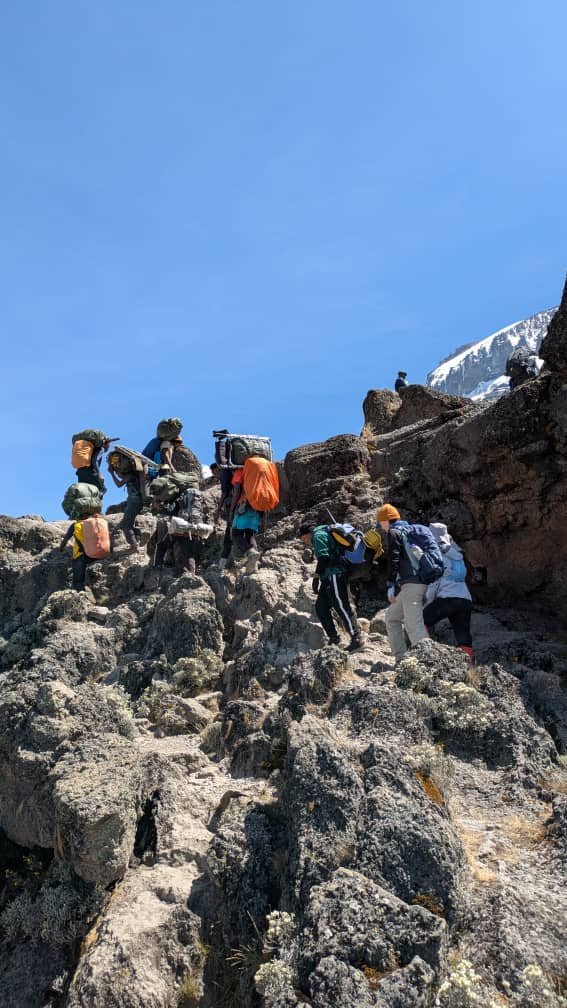
September Kilimanjaro Climb For Seniors 2026-2027
September Kilimanjaro Climb for Seniors is explained with current 2026-2027 planning, price, itinerary and booking information.
View package details
Is September Good For Climbing Kilimanjaro? Your Guide 2026-2027
Discover why September is a prime month for ascending Mount Kilimanjaro. This guide details the weather, crowds, and what to expect for your 2026-2027 climb.
View package details
September Kilimanjaro Climb For Couples In : Your Ultimate Guide 2026-2027
A September Kilimanjaro climb offers couples dry weather, clear skies, and stunning views, making it an ideal time for a romantic and challenging adventure. This guide covers everything...
View package details
August Kilimanjaro Climb For University Groups: Your Guide 2026-2027
Discover everything university groups need to know for a successful August Kilimanjaro climb. This guide covers optimal routes, essential gear, training advice, safety protocols, and...
View package detailsNo related package matches those filters. Clear one or more filters to see the other topic-matched options.



