Kilimanjaro full moon climbs in 2026 and 2027 are scheduled around the natural lunar cycle, typically falling close to the summit attempt dates. While exact prices vary by route, duration, and service level, expect costs for a 7-day climb to range from approximately $2,200 to $3,500 per person for quality, reputable operators. For 2026/2027, booking your full moon climb well in advance is crucial due to high demand for these specific dates.


Understanding Kilimanjaro Full Moon Climbs
Climbing Mount Kilimanjaro is a dream for many adventurers. Adding the spectacle of a full moon to this already incredible journey elevates the experience to something truly magical. A Kilimanjaro full moon climb means timing your summit push to coincide with the brightest phase of the moon. This offers unparalleled visibility on the final ascent to Uhuru Peak, illuminating the vast African landscape below and creating an ethereal atmosphere as you stand on the roof of Africa. For 2026 and 2027, these climbs are highly sought after, requiring careful planning to secure your spot during these sought-after periods.
The primary advantage of a full moon climb is the natural light it provides during the most challenging part of the trek: the summit night. Traditionally, summit attempts begin around midnight, aiming to reach the crater rim at sunrise. With a full moon, this dark period is significantly illuminated, offering:
- Enhanced Visibility: See the vast plains of Tanzania stretching out below, and the neighboring peaks like Mount Meru in the distance.
- Psychological Boost: The ambient light can make the steep, scree-covered slopes feel less daunting and more navigable.
- Photographic Opportunities: Capture stunning, otherworldly images of the moonlit volcanic landscape.
- A Sense of Wonder: The sheer beauty and tranquility of standing on Kilimanjaro under a full moon is profound.
However, it’s important to note that the moon’s phase doesn’t change the physical demands of the climb. Altitude sickness remains the primary challenge, and proper acclimatization is paramount regardless of the moon phase. The best Kilimanjaro routes for full moon climbs are those that allow for a summit attempt around dawn, maximizing the lunar illumination during the final push.
Optimal Full Moon Dates for Kilimanjaro Climbs in 2026/2027
The full moon occurs approximately every 29.5 days. To align your summit attempt with a full moon in 2026 and 2027, you need to pinpoint the dates and then choose a trekking itinerary that allows for a summit push on or very near those dates. Most reputable tour operators, including Climb 4 Africa, will schedule their group departures and advise clients on optimal dates for full moon climbs. Since summit nights are typically planned for early morning hours, a full moon happening on a specific date will illuminate the final ascent occurring in the early hours of that date.
Full Moon Calendar 2026: Dates to Target for Your Climb
Here are the approximate full moon dates for 2026. Remember to factor in your chosen route’s duration (typically 6-9 days) to align your start date with a summit attempt around these lunar peaks.
- January 25, 2026: A great option for early year climbs.
- February 24, 2026: February is generally a dry month, making it a popular time.
- March 25, 2026: Towards the end of the dry season.
- April 23, 2026: Marks the start of the long rainy season, generally avoided for climbs.
- May 23, 2026: Still within the rainy season, though often less intense than April.
- June 21, 2026: The start of the short dry season, a popular window.
- July 21, 2026: Peak season, excellent weather conditions.
- August 19, 2026: Another prime month for clear skies and good climbing conditions.
- September 17, 2026: Excellent weather often continues into September.
- October 17, 2026: The end of the main dry season, weather usually remains good.
- November 15, 2026: Transitioning into the short rainy season.
- December 15, 2026: End of year, often good weather before the main rains.
For a 7-day climb, starting on January 19th would target a summit around January 25th. Similarly, starting on June 15th would aim for a summit around June 21st. Always consult with your tour operator for precise alignment, as itinerary variations exist.
Full Moon Calendar 2027: Planning Your Lunar Ascent
Here are the approximate full moon dates for 2027. As with 2026, these dates should be used to plan your trekking itinerary, aiming for your summit night to fall on or close to these lunar events.
- January 6, 2027: Early January offers good climbing conditions.
- February 5, 2027: February is consistently one of the best months.
- March 7, 2027: End of the main dry season.
- April 5, 2027: Avoid this period if possible due to heavy rains.
- May 5, 2027: Still in the rainy season.
- June 3, 2027: The start of the short dry season.
- July 3, 2027: Prime climbing weather.
- August 1, 2027: Another excellent month for visibility and clear skies.
- August 30, 2027: A rare occurrence of two full moons in one month (Blue Moon), a special sight.
- September 29, 2027: September often provides superb trekking conditions.
- October 28, 2027: Late dry season, typically stable weather.
- November 27, 2027: Transitioning into the short rains.
- December 26, 2027: Year-end climb with often favorable weather.
For a 7-day climb in 2027, starting on July 27th would target a summit around August 3rd, very close to the August 1st full moon. Starting on August 24th would aim for a summit around August 30th, aligning perfectly with the Blue Moon full moon. As always, confirm with your chosen operator, such as Climb 4 Africa, for precise scheduling and recommendations based on your preferred route and departure date.
Important Considerations for Full Moon Climbs
While the full moon enhances the visual experience, it does not negate the risks associated with high-altitude trekking. Altitude sickness is the primary concern. Ensure your chosen operator prioritizes acclimatization and safety. Also, note that full moon dates might fall during the rainy season (April-May). While the moon is visible, rain and clouds can obscure views and make conditions more challenging. The best months for Kilimanjaro climbs, which often align well with full moon dates and favorable weather, are January, February, June, July, August, September, and October.
Kilimanjaro Routes & Their Suitability for Full Moon Climbs
Not all routes on Kilimanjaro are equally suited for a full moon summit. The ideal route will offer good acclimatization profiles and allow for a summit attempt in the early morning hours, maximizing the benefit of the full moon. Here’s a look at the popular routes and how they fit with a Kilimanjaro full moon climb.
Marangu Route (Coca-Cola Route)
The Marangu route is the oldest and arguably the most traditional. It’s the only route that offers dormitory-style accommodation in huts, hence its nickname ‘Coca-Cola Route’ due to the readily available amenities. It’s also the only route where you can descend on the same path you ascended.
- Duration: 5 or 6 days.
- Acclimatization: Poor, especially on the 5-day option, due to its direct ascent profile.
- Summit Night: Starts from Kibo Hut (around 4,720m).
- Suitability for Full Moon: While possible, the 5-day option is not recommended for most climbers due to poor acclimatization. The 6-day option is better but still has a lower success rate compared to longer routes. The descent on the same path can be monotonous.
Mweka Route (Kilimanjaro Shira Route)
Note: There seems to be a confusion in the provided prompt. Mweka is the descent route for Machame and Shira. Shira is a distinct route. Assuming the intent was to discuss the Shira Route:
Shira Route
The Shira route is known for its stunning high-altitude plateau and offers a more challenging start. It’s often chosen by those seeking a more scenic and adventurous experience.
- Duration: Typically 7 or 8 days.
- Acclimatization: Good, due to its higher starting point and longer duration.
- Summit Night: Starts from Kibo Hut (around 4,720m), similar to Marangu.
- Suitability for Full Moon: Good. The longer duration aids acclimatization, and the scenic plateau offers beautiful views. Summit night is challenging but manageable with proper preparation.
Machame Route (Whiskey Route)
The Machame route is arguably the most popular route, often praised for its excellent acclimatization profile and scenic beauty. It’s known as the ‘Whiskey Route’ as it’s considered a step up from Marangu.
- Duration: Typically 6, 7, or 8 days.
- Acclimatization: Excellent, especially on the 7-day and 8-day itineraries, due to the “climb high, sleep low” principle.
- Summit Night: Starts from Barafu Camp (around 4,680m).
- Suitability for Full Moon: Excellent. The Machame route is highly recommended for full moon climbs. Its superior acclimatization profile increases success rates, and the summit night from Barafu Camp offers spectacular views under moonlight. The 7-day option is particularly popular for full moon expeditions in 2026/2027.
Recommendation for Full Moon Climbs
For a Kilimanjaro full moon climb, the Machame route (7 days) or the Lemosho route (8 days) are generally the top choices. They offer the best balance of acclimatization, scenery, and success rates, making the challenging summit night more manageable and enjoyable under the moon’s glow. Climb 4 Africa strongly recommends these longer itineraries for the best experience during your 2026 or 2027 full moon ascent.
Lemosho Route
The Lemosho route is considered one of the most scenic routes, offering a remote and wild trekking experience before merging with the Machame route. It provides excellent acclimatization.
- Duration: Typically 7 or 8 days.
- Acclimatization: Very good, due to its higher starting point and longer duration.
- Summit Night: Starts from Barafu Camp (around 4,680m), similar to Machame.
- Suitability for Full Moon: Excellent. The Lemosho route is ideal for full moon climbs. Its remote beginning offers stunning vistas, and the excellent acclimatization profile leads to higher success rates. An 8-day Lemosho climb is perfect for maximizing the lunar views on summit night in 2026/2027.
Northern Circuit Route
The Northern Circuit is the longest and arguably most scenic route, circumnavigating the mountain. It offers the best acclimatization and highest success rates.
- Duration: Typically 9 or 10 days.
- Acclimatization: Superior. Its length and gradual ascent provide the best acclimatization.
- Summit Night: Starts from Kibo Hut (around 4,720m) or an alternative camp depending on the operator.
- Suitability for Full Moon: Excellent. For those prioritizing success and a more relaxed pace, the Northern Circuit is outstanding. The extended duration allows for ample acclimatization, making the full moon summit experience more comfortable and achievable. This is a premium option for 2026/2027 full moon expeditions.
Rongai Route
The Rongai route approaches Kilimanjaro from the north, near the Kenyan border. It’s known for being a drier route, making it a good option during wetter months, though it offers less scenic variety than western routes.
- Duration: Typically 6 or 7 days.
- Acclimatization: Moderate. Better than Marangu, but not as good as Machame or Lemosho.
- Summit Night: Starts from Kibo Hut (around 4,720m).
- Suitability for Full Moon: Good, especially if aiming for a full moon during the rainy season (though generally less recommended). Its drier nature can be an advantage. However, the acclimatization profile is not as ideal as the western routes for maximizing summit success under the moon.
Pricing and Cost Factors for Kilimanjaro Full Moon Climbs 2026/2027
The cost of a Kilimanjaro full moon climb can vary significantly based on several factors. When comparing prices for 2026 and 2027 expeditions, consider these elements:
- Route Choice: Longer routes (Lemosho, Northern Circuit) with more days cost more due to increased operational expenses (food, guides, porters, park fees for extra days).
- Duration of Climb: A 7-day climb will naturally cost more than a 6-day climb on the same route.
- Operator Quality & Service Level: Reputable companies like Climb 4 Africa invest in experienced guides, quality equipment, fair porter wages, and better food, which impacts the price. Budget operators often cut corners, compromising safety and experience.
- Group Size: Private climbs are more expensive per person than joining a group departure.
- Inclusions: What is included in the price? Look for comprehensive packages covering park fees, rescue fees, meals, accommodation before/after the climb, guides, porters, and equipment. Some operators may exclude certain items to appear cheaper.
- Time of Year: While full moon dates are fixed, climbing during peak season (June-October) might have slightly higher demand-driven pricing, though reputable operators maintain consistent pricing for their quality service.
Estimated Price Ranges for 2026/2027 Full Moon Climbs (per person)
Based on a 7-day climb with a reputable operator like Climb 4 Africa, targeting a full moon in 2026 or 2027:
- Budget Operators: $1,800 – $2,300 (Often compromises on safety, food, or porter welfare).
- Mid-Range / Quality Operators (Recommended): $2,400 – $3,500 (Includes good guides, fair wages, quality equipment, good food, and comprehensive inclusions). This is the typical range for a Kilimanjaro full moon climb with a trusted company.
- Luxury Operators: $3,500+ (Higher-end services, private tents, more amenities).
Note: These prices generally exclude flights, visas, travel insurance, personal gear, tips for the crew, and optional items like hot showers on the mountain.
What’s Typically Included in a Quality Kilimanjaro Full Moon Climb Package?
When booking your Kilimanjaro full moon climb for 2026/2027, ensure your package includes:
- Park Fees: All national park and conservation fees.
- Rescue Fees: Mandatory rescue fees.
- Experienced Guides: Certified, English-speaking guides with extensive high-altitude experience.
- Support Crew: Sufficient porters to carry group gear and personal luggage (typically up to 15kg per climber).
- Cooks: To prepare nutritious meals on the mountain.
- All Meals: During the trek (breakfast, lunch, dinner).
- Accommodation: Camping equipment (tents, sleeping mats) during the climb.
- Water: Boiled or purified drinking water.
- Oxygen Cylinders: For emergency use.
- Pre- and Post-Climb Accommodation: Usually 1-2 nights in a hotel in Moshi or Arusha.
- Transfers: To and from the Kilimanjaro National Park gates.
Additional Costs to Budget For
Beyond the tour package price, budget for:
- International Flights: To Kilimanjaro International Airport (JRO).
- Tanzanian Visa: Check current requirements and fees.
- Travel Insurance: Comprehensive insurance covering high-altitude trekking and emergency evacuation.
- Personal Gear: High-quality mountain clothing and equipment (can be rented in Moshi).
- Tips for Crew: A significant part of the crew’s income. Budget approximately $250-$350 per climber for guides, cooks, and porters.
- Vaccinations & Medications: Consult your doctor.
- Personal Expenses: Souvenirs, drinks, etc.
Booking Your 2026/2027 Full Moon Climb
Due to the popularity of full moon dates, it is highly recommended to book your Kilimanjaro full moon climb at least 6-12 months in advance, especially for 2026 and 2027. Early booking secures your preferred dates and routes, and allows ample time for preparation.
Preparation for Your Kilimanjaro Full Moon Climb
A successful Kilimanjaro full moon climb hinges on thorough preparation. This involves physical conditioning, mental readiness, and packing the right gear.
Physical Training
Kilimanjaro is a demanding trek, and physical fitness is non-negotiable. Focus on cardiovascular endurance and leg strength.
- Cardio: Aim for 3-4 sessions per week of activities like hiking, running, cycling, or swimming. Include long hikes (4-6 hours) with elevation gain if possible.
- Strength Training: Focus on legs (squats, lunges) and core strength.
- Hiking Practice: The best training is hiking. Practice with a weighted backpack (similar to what you’ll carry) on varied terrain, including steep ascents and descents.
- Acclimatization Simulation: While difficult to replicate, training at higher altitudes if possible is beneficial.
Mental Preparation
The summit night is a mental battle as much as a physical one. Understand the challenges, stay positive, and be prepared for discomfort.
- Understand the Challenge: Know that altitude sickness is a real risk and summit night is tough.
- Positive Mindset: Focus on your goal and the incredible experience. Break the summit night into smaller segments (e.g., reach the next checkpoint).
- Patience: The pace on Kilimanjaro is slow and steady (‘pole pole’).
Essential Gear for a Full Moon Climb
Packing the right gear is critical for comfort and safety, especially for the cold summit night. Layering is key.
Clothing Layers
- Base Layers: Moisture-wicking thermal tops and bottoms (merino wool or synthetic).
- Mid Layers: Fleece jacket or insulated jacket for warmth.
- Outer Layer (Shell): Waterproof and windproof jacket and pants (Gore-Tex or similar).
- Insulation Layer: A warm down or synthetic insulated jacket for summit night.
Headwear & Handwear
- Warm Hat: Wool or fleece, covering ears.
- Balaclava or Buff: For face protection against wind and cold.
- Gloves: Liner gloves and waterproof, insulated outer gloves or mittens.
- Sun Hat: Wide-brimmed for sun protection during the day.
Footwear
- Hiking Boots: Waterproof, broken-in, sturdy boots with ankle support.
- Camp Shoes: Comfortable shoes or sandals for evenings.
- Socks: Several pairs of warm wool or synthetic hiking socks.
Other Essentials
- Backpack: A comfortable daypack (30-40 liters) for essentials carried during the day.
- Duffel Bag: A large, waterproof duffel bag (80-100 liters) for porters to carry.
- Sleeping Bag: Rated to at least -15°C (0°F).
- Headlamp: With extra batteries (essential for summit night).
- Sunglasses: High UV protection.
- Sunscreen: High SPF.
- Lip Balm: With SPF.
- Water Bottles/Hydration Reservoir: At least 3 liters capacity.
- Trekking Poles: Highly recommended for stability and reducing knee strain.
- Personal First-Aid Kit: Including blister treatment, pain relievers, and any personal medications.
- Toiletries: Biodegradable soap, toothbrush, toothpaste, wet wipes.
- Camera & Power Bank: To capture memories.
Tip: Many operators, including Climb 4 Africa, offer gear rental services in Moshi for items like sleeping bags, down jackets, and trekking poles. This can save you the cost and hassle of buying everything new.
The Summit Night Experience Under the Full Moon
The summit night is the defining moment of your Kilimanjaro full moon climb. Typically starting around midnight from Kibo or Barafu camp, the ascent is a slow, steady climb up steep scree slopes towards Stella Point on the crater rim, and then onward to Uhuru Peak (5,895m).
Under a full moon, this experience is transformed:
- Illuminated Path: The moon provides enough light to see the trail ahead, reducing reliance on headlamps and creating a surreal, almost dreamlike atmosphere.
- Lunar Landscape: The volcanic slopes, the vast caldera, and the glaciers surrounding the summit take on a ghostly, silver glow.
- Sense of Awe: Standing on the edge of the crater, with the moon casting long shadows and the stars still visible above, is an unforgettable moment.
- Sunrise Spectacle: Reaching the summit for sunrise is already a highlight. With a full moon, you might witness the moon setting as the sun rises, offering a double celestial spectacle.
Despite the beauty, remember that summit night is the most challenging part of the climb due to:
- Extreme Cold: Temperatures can drop to -15°C (5°F) or lower, with wind chill.
- High Altitude: The air pressure is about half that at sea level, leading to potential altitude sickness symptoms (headache, nausea, dizziness).
- Steep Terrain: The loose scree makes every step an effort.
- Fatigue: Lack of sleep and the physical exertion take their toll.
Your guide will monitor you closely, ensuring you drink water and eat, and checking for signs of altitude sickness. The slow pace (‘pole pole’) is crucial for conserving energy and aiding acclimatization. The full moon’s light, while beautiful, does not eliminate these challenges but can make the journey feel more manageable and visually stunning.
Climb 4 Africa’s Commitment to Your Full Moon Climb
At Climb 4 Africa, we understand the allure of a Kilimanjaro full moon climb. We meticulously plan our itineraries for 2026 and 2027 to align with the full moon cycle, prioritizing your safety and success. Our experienced guides are trained in high-altitude medicine, and we provide quality equipment and nutritious meals. We believe in responsible tourism, ensuring fair treatment for our porters and guides. Contact us to discuss the best routes and dates for your unforgettable lunar ascent.
Why Choose Climb 4 Africa for Your 2026/2027 Full Moon Kilimanjaro Climb?
Choosing the right tour operator is paramount for a safe and enjoyable Kilimanjaro climb, especially for a specialized experience like a full moon ascent. Climb 4 Africa offers a blend of local expertise, commitment to safety, and a passion for creating exceptional travel experiences.
- Local Expertise: As a Tanzanian company, we have deep-rooted knowledge of Kilimanjaro, its routes, its challenges, and its people. Our guides and support crew are among the best in the industry.
- Safety First: Your safety is our top priority. We adhere to strict safety protocols, carry comprehensive medical kits, and have oxygen on all climbs. Our guides are certified in Wilderness First Aid.
- Fair Treatment of Crew: We are committed to ethical treatment and fair wages for our porters and guides, which is crucial for team morale and performance.
- Quality Equipment & Services: We invest in high-quality tents, sleeping mats, and other equipment, ensuring comfort and reliability. Our cooks prepare delicious and nutritious meals to fuel your climb.
- Flexible Itineraries: While we offer set group departures for 2026 and 2027 full moon climbs, we also specialize in tailor-made trips to suit your specific needs and preferences.
- Proven Track Record: We have a history of successful climbs and satisfied clients who have achieved their Kilimanjaro dreams with us.
We understand the significance of a Kilimanjaro full moon climb and work diligently to make it a reality for you. Our team is ready to help you plan every detail, from selecting the best route and dates for your 2026 or 2027 expedition to ensuring you have the right gear and are fully prepared.
Frequently Asked Questions about Kilimanjaro Full Moon Climbs
Will a full moon climb guarantee a successful summit?
No, a full moon climb does not guarantee a summit success. Success depends primarily on proper acclimatization, physical fitness, mental fortitude, and choosing an appropriate route duration. The full moon enhances the visual experience but does not alter the physiological challenges of high altitude.
Is a full moon climb more dangerous?
Not necessarily. While the terrain can be challenging, the natural light can improve visibility on the summit night, potentially making navigation slightly easier. However, the risks associated with altitude sickness, extreme cold, and fatigue remain the same. Safety is paramount, and our guides are trained to manage these risks regardless of the moon phase.
Can I book a private full moon climb in 2026/2027?
Yes, absolutely. Climb 4 Africa offers private Kilimanjaro full moon climbs for 2026 and 2027. This allows you to choose your preferred dates (within the full moon cycle) and have a dedicated team. Private climbs generally cost more per person than group departures.
What if the full moon date falls during the rainy season?
The rainy season on Kilimanjaro typically runs from April to May and has a shorter rainy season from November to early December. While a full moon might occur during these times, weather conditions (rain, clouds, fog) can significantly reduce visibility and make the climb more challenging. The best months for full moon climbs, offering a good balance of lunar visibility and favorable weather, are typically January, February, June, July, August, September, and October.
How far in advance should I book a Kilimanjaro full moon climb for 2026/2027?
Due to the high demand for specific full moon dates and the general popularity of climbing Kilimanjaro during peak seasons (June-October), it is strongly recommended to book at least 6 to 12 months in advance for 2026 and 2027. This ensures availability on your preferred route and dates.
What is the typical success rate for a full moon climb?
Success rates vary by route and operator. Reputable operators using longer routes (7-9 days) with good acclimatization profiles typically report success rates of 85-95%. For a Kilimanjaro full moon climb, choosing a longer itinerary like the Machame (7 days) or Lemosho (8 days) with a quality operator significantly increases your chances of reaching the summit.
Begin Your Lunar Adventure: Plan Your 2026/2027 Full Moon Climb
A Kilimanjaro full moon climb is more than just a trek; it’s a spiritual and physical journey under the celestial glow. The years 2026 and 2027 offer fantastic opportunities to witness this phenomenon. By understanding the optimal dates, choosing the right route, preparing diligently, and partnering with an experienced operator like Climb 4 Africa, you can make your dream of standing atop Africa under a full moon a reality.
We are passionate about sharing the magic of Kilimanjaro and providing our clients with safe, memorable, and successful expeditions. Whether you’re looking for a group departure or a private climb, our team is ready to assist you.
Ready to plan your unforgettable 2026 or 2027 Kilimanjaro full moon climb? Contact Climb 4 Africa today to discuss your options, get a personalized quote, and start preparing for the adventure of a lifetime. You can reach us via WhatsApp at +255 747 477 898 or email us at climb4africa@gmail.com. Let’s make your Kilimanjaro full moon dream come true!
“,
“faq_schema”: [
{
“question”: “Will a full moon climb guarantee a successful summit?”,
“answer”: “No, a full moon climb does not guarantee a summit success. Success depends primarily on proper acclimatization, physical fitness, mental fortitude, and choosing an appropriate route duration. The full moon enhances the visual experience but does not alter the physiological challenges of high altitude.”
},
{
“question”: “Is a full moon climb more dangerous?”,
“answer”: “Not necessarily. While the terrain can be challenging, the natural light can improve visibility on the summit night, potentially making navigation slightly easier. However, the risks associated with altitude sickness, extreme cold, and fatigue remain the same. Safety is paramount, and our guides are trained to manage these risks regardless of the moon phase.”
},
{
“question”: “Can I book a private full moon climb in 2026/2027?”,
“answer”: “Yes, absolutely. Climb 4 Africa offers private Kilimanjaro full moon climbs for 2026 and 2027. This allows you to choose your preferred dates (within the full moon cycle) and have a dedicated team. Private climbs generally cost more per person than group departures.”
},
{
“question”: “What if the full moon date falls during the rainy season?”,
“answer”: “The rainy season on Kilimanjaro typically runs from April to May and has a shorter rainy season from November to early December. While a full moon might occur during these times, weather conditions (rain, clouds, fog) can significantly reduce visibility and make the climb more challenging. The best months for full moon climbs, offering a good balance of lunar visibility and favorable weather, are typically January, February, June, July, August, September, and October.”
},
{
“question”: “How far in advance should I book a Kilimanjaro full moon climb for 2026/2027?”,
“answer”: “Due to the high demand for specific full moon dates and the general popularity of climbing Kilimanjaro during peak seasons (June-October), it is strongly recommended to book at least 6 to 12 months in advance for 2026 and 2027. This ensures availability on your preferred route and dates.”
},
{
“question”: “What is the typical success rate for a full moon climb?”,
“answer”: “Success rates vary by route and operator. Reputable operators using longer routes (7-9 days) with good acclimatization profiles typically report success rates of 85-95%. For a Kilimanjaro full moon climb, choosing a longer itinerary like the Machame (7 days) or Lemosho (8 days) with a quality operator significantly increases your chances of reaching the summit.”
}
]
}
“`
Check Availability for Kilimanjaro Full Moon Climbs /: Dates & Prices 2026-2027
Ready to compare dates, prices, and the best option for your group? Send the package name and travel month so the team can reply with a clear quote, availability, and what is included.

Climbing Kilimanjaro In December : Prices, Weather & Group Dates 2026-2027
Discover everything you need to know about climbing Kilimanjaro in December, including pricing, weather patterns for 2026-2027, and curated group departure dates. Climb 4 Africa provides...
View package details
Climbing Kilimanjaro In October: Prices, Weather & Group Dates For 2026-2027
October offers a unique window for climbing Kilimanjaro, bridging the end of the dry season with the start of cooler temperatures. This guide details everything you need to know about...
View package detailsClimbing Kilimanjaro In September : Prices, Weather & Group Dates 2026-2027
September offers a fantastic window for climbing Mount Kilimanjaro, blending dry weather with moderate temperatures. This guide covers everything you need to know about climbing Kilimanjaro...
View package details
Climbing Kilimanjaro In August: Prices, Weather & Group Dates 2026-2027
Climbing Kilimanjaro in August: Prices, Weather & Group Dates is explained with current 2026-2027 planning, price, itinerary and booking information.
View package details
Climbing Kilimanjaro In July: Prices, Weather & Group Dates 2026-2027
Climbing Kilimanjaro in July: Prices, Weather & Group Dates is explained with current 2026-2027 planning, price, itinerary and booking information.
View package detailsClimbing Kilimanjaro In June: Prices, Weather & Group Dates 2026-2027
June offers a prime window for climbing Mount Kilimanjaro, balancing good weather with fewer crowds than the peak dry season. This guide details June's specific weather patterns, typical...
View package details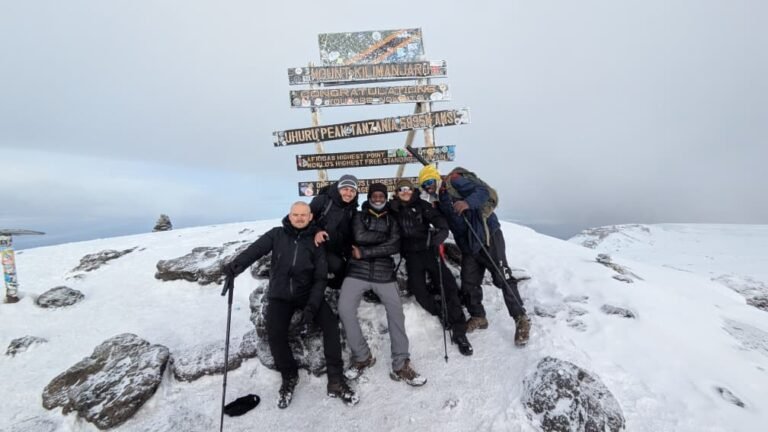
Climbing Kilimanjaro In February: Prices, Weather & Group Dates For 2026-2027
Discover everything you need to know about climbing Kilimanjaro in February, including expected weather patterns, typical costs for 2026-2027, and how to find suitable group departure...
View package details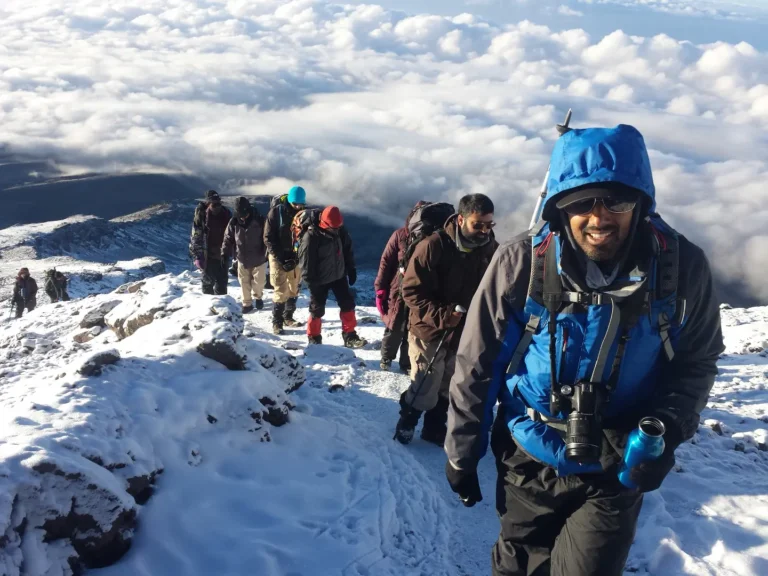
Climbing Kilimanjaro In January: Prices, Weather & Group Dates 2026-2027
Climbing Kilimanjaro in January: Prices, Weather & Group Dates is explained with current 2026-2027 planning, price, itinerary and booking information.
View package details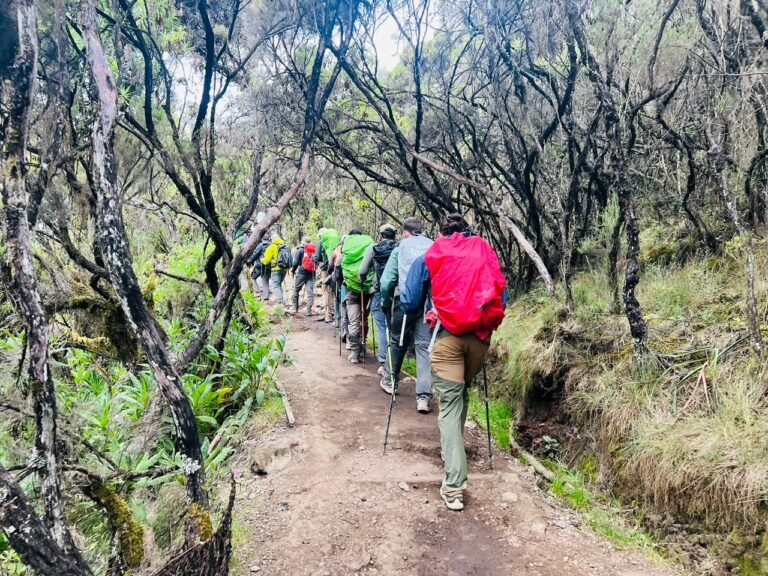
Last-Minute Kilimanjaro Group Joining: Available Dates & Prices For 2026-2027
Discover available last-minute Kilimanjaro group joining dates and pricing for 2026-2027. Climb 4 Africa offers shared expeditions on various routes, providing an economical and social way...
View package details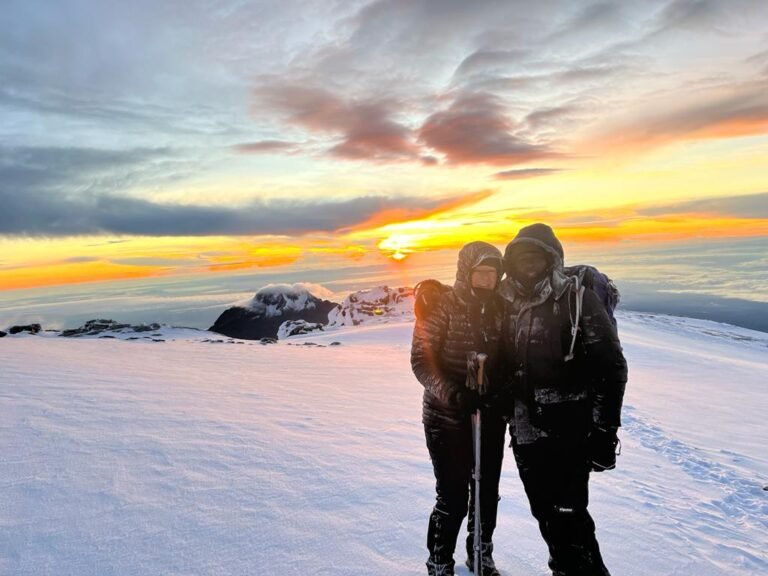
Kilimanjaro Christmas & New Year Climbs: Packages & Prices 2026-2027
Kilimanjaro Christmas & New Year Climbs: Packages & Prices is explained with current 2026-2027 planning, price, itinerary and booking information.
View package details
Kilimanjaro Guaranteed Departures: Dates, Availability & Prices For 2026-2027
Secure your spot on a Kilimanjaro climb with our guaranteed departure dates for 2026 and 2027. Explore availability, understand pricing, and choose the best climb for your adventure.
View package detailsKilimanjaro Group Departures : Dates, Routes & Prices 2026-2027
Kilimanjaro Group Departures 2026: Dates, Routes & Prices is explained with current 2026-2027 planning, price, itinerary and booking information.
View package detailsNo related package matches those filters. Clear one or more filters to see the other topic-matched options.



