The question of Kilimanjaro height is often the first one on the minds of adventurers dreaming of standing atop Africa’s highest point. It’s a fundamental piece of information that sets the stage for the entire trekking experience. Kilimanjaro’s summit, Uhuru Peak on the Kibo cone, reaches an impressive 5,895 meters (19,341 feet) above sea level. This colossal elevation makes it the highest free-standing mountain in the world and one of the Seven Summits, drawing thousands of climbers annually. For those planning a trek for 2026 or 2027, understanding this height is not just about statistics; it’s about preparing your body and mind for the challenges and rewards of high-altitude mountaineering.
This height directly impacts the physiological demands of the climb. As you ascend, the atmospheric pressure decreases, and the amount of available oxygen in the air thins considerably. By the time you reach the summit, the air contains roughly half the oxygen available at sea level. This is why acclimatization is paramount. It’s not a race to the top; it’s a carefully managed journey that allows your body to adapt to the progressively lower oxygen levels. The routes themselves are designed with this in mind, offering varying lengths and gradients that influence the acclimatization process. Understanding the Kilimanjaro height is the first step, but appreciating its implications for altitude sickness and trek duration is key to a successful and safe climb.
Defining the Summit: More Than Just a Number
While the commonly cited Kilimanjaro height of 5,895 meters (19,341 feet) refers to Uhuru Peak, it’s important to note that Kilimanjaro is a dormant volcano with three distinct cones: Shira, Kibo, and Mawenzi. Kibo is the most prominent and contains the summit crater. Within the crater, there are three distinct points: Gilman’s Point (5,681m/18,638ft), Stella Point (5,756m/18,885ft), and the true summit, Uhuru Peak. Most trekkers aim for Uhuru Peak, the highest point on the rim of the Kibo crater, and the most challenging to reach due to its distance from the crater rim after the final ascent.
The distinction between these points is vital for trekkers. Reaching Gilman’s Point or Stella Point is a significant achievement and often marks the highest point for many climbers. However, the iconic photographs and the ultimate goal for most are taken at Uhuru Peak. The final push from Stella Point to Uhuru Peak is a relatively flat but long traverse across the crater rim, often undertaken in the dark during the pre-dawn hours to witness the sunrise from the summit. This final section, while not significantly increasing the altitude, adds to the physical and mental exertion required to claim the title of having summited Kilimanjaro.
The Impact of Kilimanjaro’s Height on Trekkers
The sheer Kilimanjaro height is the primary factor influencing the challenges faced by climbers. Altitude sickness, or Acute Mountain Sickness (AMS), is a significant concern. Symptoms can range from mild headaches and nausea to severe, life-threatening conditions like High Altitude Pulmonary Edema (HAPE) and High Altitude Cerebral Edema (HACE). The risk of AMS increases dramatically with altitude, and there is no guaranteed way to prevent it. However, proper acclimatization, which is built into well-designed trekking itineraries, is the most effective strategy for mitigation.
Routes that offer a slower ascent, often referred to as “climbing high, sleeping low,” are generally considered safer and more successful for acclimatization. These routes allow your body more time to adjust to the decreasing oxygen levels. For instance, the longer routes like the Lemosho, Machame, or the Northern Circuit typically have higher success rates compared to shorter, steeper routes like Marangu or Rongai, which can be attempted in fewer days. The choice of route, therefore, is directly linked to how well you can manage the physiological effects of Kilimanjaro’s height.
Acclimatization Strategies for High Altitudes
Effective acclimatization is not just about the route; it’s also about your behavior on the mountain. This includes:
- Ascending slowly: Adhering to the “pole pole” (slowly, slowly) principle is crucial. Avoid rapid ascents, especially during the initial days.
- Hydration: Drinking plenty of water (3-4 liters per day) helps your body function optimally at altitude.
- Avoiding alcohol and caffeine: These can dehydrate you and interfere with sleep, hindering acclimatization.
- Eating well: Maintaining energy levels with nutritious food is vital.
- Resting: Adequate sleep allows your body to recover and adapt.
- Medication: Diamox (acetazolamide) is a prescription medication that can aid acclimatization. Consult your doctor well in advance of your 2026 or 2027 trek to see if it’s appropriate for you.
Your tour operator plays a significant role in ensuring proper acclimatization by selecting appropriate itineraries and guiding your pace. For 2026-2027 planning, consider operators who prioritize safety and acclimatization over speed.
Choosing Your Route Based on Kilimanjaro Height and Acclimatization
The Kilimanjaro height means that every meter climbed presents a physiological challenge. The choice of route is perhaps the most critical decision you will make when planning your trek, as it directly influences your acclimatization profile, success rate, and overall experience. Different routes offer varying lengths, scenery, and camping locations, all contributing to how well your body adapts to the altitude.
Comparing Popular Kilimanjaro Routes
Here’s a look at how some of the most popular routes stack up in terms of duration and their impact on acclimatization:
Machame Route: Often called the “Whiskey Route,” this is one of the most popular and scenic routes. It typically takes 6-7 days. The 7-day option offers better acclimatization with a “climb high, sleep low” profile, making it a strong contender for those prioritizing success. The higher base camp location and gradual ascent contribute to its good success rates.
Lemosho Route: This route is highly regarded for its stunning scenery and excellent acclimatization profile. It’s longer, usually 7-8 days, allowing for a more gradual ascent. It starts in the west, offering beautiful views and a more remote trekking experience before joining the Machame route. Its longer duration significantly boosts acclimatization and success rates, making it ideal for climbers focused on reaching the summit safely.
Northern Circuit: The longest route, typically 9-10 days, offering the best acclimatization and highest success rates. It circles the mountain, providing a unique perspective and a very gradual ascent. This route is ideal for those who want the most comfortable acclimatization and the best chance of reaching Uhuru Peak, especially for trekkers new to high altitudes or those with concerns about altitude sickness. It’s a fantastic option for 2026-2027 planning if you have the time.
Marangu Route: Known as the “Coca-Cola Route,” this is the oldest and arguably the most straightforward route, often completed in 5-6 days. It’s the only route with dormitory-style accommodation in huts. However, its shorter duration and less optimal acclimatization profile (especially the 5-day option) lead to lower success rates compared to longer routes. While it might seem easier due to the huts, the rapid ascent can be challenging for acclimatization.
Rongai Route: This route approaches from the north, making it a good option during the rainy season as it’s drier. It’s typically a 6-7 day trek. While it offers a good acclimatization profile, it’s generally less scenic than the western routes. It’s a popular choice for those seeking a less crowded experience and a solid chance of summiting.
For your 2026 or 2027 Kilimanjaro adventure, consider that longer routes (7+ days) generally provide superior acclimatization and increase your chances of reaching the Kilimanjaro height of 5,895 meters. Shorter routes, while potentially less expensive, carry a higher risk of altitude sickness and summit failure.
The Physical Demands of Reaching Kilimanjaro’s Summit
Beyond the altitude, the Kilimanjaro height also dictates the physical demands of the trek. While you don’t need to be an elite athlete, a good level of cardiovascular fitness is essential. The trek involves prolonged walking on uneven terrain, steep ascents, and descents, often for 6-10 hours a day. The final summit night is particularly grueling, involving a continuous ascent of 10-14 hours in extreme cold and darkness, with very little oxygen.
Key physical considerations include:
- Stamina: The ability to sustain physical activity for extended periods.
- Leg strength: Essential for climbing steep sections and descending scree.
- Core strength: Important for balance and stability on uneven ground.
- Mental fortitude: The ability to push through discomfort and fatigue, especially during the summit push.
Training should focus on cardiovascular exercises like hiking with a backpack, running, cycling, and swimming. Strength training for legs and core is also highly beneficial. Practicing hiking on inclines and declines, especially with a weighted pack, will simulate the conditions on Kilimanjaro and prepare you for the physical challenge posed by its significant Kilimanjaro height.
Training Regimen for High-Altitude Trekking
A balanced training program leading up to your 2026 or 2027 trek should include:
- Cardiovascular Training: Aim for at least 3-4 sessions per week, including long hikes (3-5 hours) with elevation gain on weekends.
- Strength Training: Focus on squats, lunges, step-ups, and core exercises 2-3 times per week.
- Stair Climbing: A great way to build leg strength and endurance for ascents.
- Hiking with a Pack: Gradually increase the weight of your pack to simulate carrying essentials on the mountain.
The goal is to build endurance and strength, making the physical demands of climbing to the Kilimanjaro height more manageable.
What Does the Kilimanjaro Height Mean for Costs and Services?
The Kilimanjaro height and the nature of the trek significantly influence the cost of your expedition. While the mountain itself is free to climb in terms of park fees, the operational costs incurred by tour operators are substantial. These costs are directly related to the logistics of supporting climbers at extreme altitudes for multiple days.
Key cost factors include:
- Park Fees: These are government-mandated and form a significant portion of the overall cost. They are based on the number of days spent in the park and vary by route.
- Crew Wages: Porters, guides, and cooks are essential for a safe and comfortable trek. Their wages, food, and equipment are included in the price.
- Food and Supplies: All meals and necessary supplies for the duration of the trek are provided.
- Equipment: Tents, cooking equipment, and shared gear are part of the operator’s investment.
- Logistics: Transport to and from the mountain, campsite fees, and emergency support.
- Route Choice: Longer routes, which offer better acclimatization and higher success rates, naturally cost more due to the increased number of days and resources required.
For your 2026 or 2027 climb, expect prices to vary widely depending on the operator, the route chosen, the number of days, and the level of service. A reputable operator will prioritize safety, guide expertise, and proper acclimatization, which often translates to a mid-range to higher-end price point. Be wary of extremely cheap packages, as they may cut corners on safety, crew welfare, or the quality of food and equipment, which are critical when dealing with the challenges of Kilimanjaro’s height.
Budgeting for Your Kilimanjaro Climb
A typical 7-day Kilimanjaro trek with a reputable operator for 2026 or 2027 can range from approximately $2,000 to $4,000+ USD per person. This price usually covers:
- Park and rescue fees
- Experienced guides (English-speaking) and support crew
- All meals on the mountain
- Camping equipment (tents, mattresses)
- Transfers to/from Kilimanjaro International Airport (JRO) and Moshi/Arusha
Exclusions often include:
- Flights to Tanzania
- Visas
- Travel and medical insurance (mandatory)
- Personal gear (clothing, sleeping bag, boots)
- Tips for guides and porters (a significant cultural expectation and important for crew livelihoods)
- Water, beer, and soft drinks
- Optional accommodation before and after the trek
It’s always advisable to get a detailed quote and understand exactly what is included and excluded. For personalized quotes and to discuss your 2026-2027 plans, reach out to experienced tour operators. You can contact us via WhatsApp +255747477898 or email us at climb4africa@gmail.com (backup: climb4africa@gmail.com).
Beyond the Height: The Experience of Climbing Kilimanjaro
While the Kilimanjaro height is the defining characteristic of the mountain, the experience of climbing it is multifaceted. The journey takes you through five distinct ecological zones, each with its own unique flora, fauna, and climate. This progression is a remarkable aspect of the trek, offering a living lesson in biodiversity as you ascend.
The Five Ecological Zones
- Cultivation Zone (approx. 800-2,000m / 2,600-6,500ft): This is the area where local communities farm coffee, bananas, and maize. It’s lush and green, with small villages and farms.
- Rainforest Zone (approx. 2,000-2,800m / 6,500-9,200ft): As you climb higher, you enter the dense montane rainforest. This zone is characterized by tall trees, ferns, and abundant wildlife like monkeys (including the black-and-white colobus), various bird species, and sometimes even elephants or antelopes in the lower reaches. The air is humid and cooler.
- Heath/Moorland Zone (approx. 2,800-4,000m / 9,200-13,100ft): The forest thins out, giving way to open moorlands dotted with giant heathers, senecios, and lobelias. These unique high-altitude plants are adapted to the drier, cooler conditions. The landscape becomes more rugged and exposed.
- Alpine Desert Zone (approx. 4,000-5,000m / 13,100-16,400ft): Above the vegetation line, this zone resembles a desert. It’s cold, dry, and windy, with sparse plant life. Temperatures can drop significantly, and you’ll experience the effects of thinning air more acutely. This is where acclimatization becomes critical as you approach the Kilimanjaro height.
- Arctic Zone (above 5,000m / 16,400ft): The summit area is a barren, frozen desert. Permanent ice and glaciers cover the summit crater, though these are sadly receding due to climate change. The air is extremely thin, and temperatures are well below freezing, often dropping to -10°C to -20°C (-4°F to -4°F) or colder, especially on summit night.
This progression through drastically different environments makes the trek a journey through ecosystems as much as it is a physical challenge related to the mountain’s height.
The Summit Night Experience
Summit night is the pinnacle of the Kilimanjaro experience. It typically begins around midnight from the last camp (e.g., Kibo Hut on Marangu, Barafu Camp on Machame/Lemosho). You’ll be woken up, have a light meal, and begin your ascent in the dark, guided by headlamps. The climb is steep, and the cold is intense, often accompanied by strong winds. The low oxygen levels make every step a conscious effort. Watching the sunrise from above the clouds as you approach Stella Point or Gilman’s Point is an unforgettable moment, a reward for enduring the extreme conditions dictated by the Kilimanjaro height.
The final trek to Uhuru Peak is a surreal experience, walking across the crater rim under the vast African sky, with the glaciers glinting in the emerging light. Reaching the summit sign at Uhuru Peak (5,895m / 19,341ft) is an emotional triumph. However, remember that the journey isn’t over; the descent is often more challenging physically than the ascent, and careful footing is required. Planning your 2026 or 2027 trek means preparing for this demanding but incredibly rewarding summit night.
Preparing for Your 2026-2027 Kilimanjaro Expedition
Successfully reaching the Kilimanjaro height requires thorough preparation, encompassing physical training, mental readiness, and logistical planning. Booking with a reputable tour operator is the first crucial step. For those aiming for 2026 or 2027, early booking is recommended, especially for popular routes and peak seasons.
Key Planning Considerations for 2026-2027 Treks
- Best Time to Climb: Kilimanjaro has two main dry seasons, which are ideal for trekking: January to March and June to October. These periods offer clearer skies and less rain, making the climb safer and more enjoyable. These are also the busiest times, so booking for 2026-2027 during these windows should be done well in advance. The shoulder seasons (April-May and November-December) can be wetter but offer fewer crowds and potentially lower prices.
- Choosing an Operator: Select a company with a strong safety record, experienced guides who are trained in first aid and altitude sickness management, and a commitment to ethical treatment of porters. Look for reviews and testimonials. For a personalized experience and expert guidance for your 2026-2027 climb, consider reaching out to us via WhatsApp +255747477898 or email climb4africa@gmail.com (backup: climb4africa@gmail.com).
- Visa and Vaccinations: Check visa requirements for Tanzania and consult your doctor about recommended vaccinations and malaria prophylaxis well before your travel dates.
- Travel Insurance: Ensure your travel insurance covers high-altitude trekking up to 6,000 meters, including emergency medical evacuation. This is non-negotiable.
- Gear: Invest in or rent quality gear, especially waterproof and windproof outer layers, warm layers, sturdy hiking boots, and a good sleeping bag. Proper gear is essential for comfort and safety at high altitudes, directly related to managing the effects of the Kilimanjaro height.
By addressing these points systematically, you’ll be well-prepared for the physical and logistical demands of climbing to the Kilimanjaro height. Remember that success is a combination of preparation, the right itinerary, and a bit of luck with the mountain’s notoriously unpredictable weather.
Frequently Asked Questions About Kilimanjaro’s Height and Treks
Understanding the nuances of climbing Kilimanjaro, particularly concerning its height, is essential for a successful expedition. Here are some common questions:
Is Kilimanjaro’s height dangerous?
The Kilimanjaro height of 5,895 meters (19,341 feet) presents a significant altitude challenge. The primary danger is altitude sickness (AMS). While not inherently dangerous if managed correctly with proper acclimatization and experienced guides, it can become life-threatening if ignored. Choosing a longer route and listening to your body are key to mitigating risks.
How long does it take to climb Kilimanjaro?
The duration varies by route. Shorter routes like Marangu can be completed in 5 days, but this is not recommended due to poor acclimatization. Longer routes like Machame, Lemosho, or the Northern Circuit take 6 to 10 days. For 2026 or 2027, we strongly advise choosing a minimum of 7 days to ensure adequate acclimatization to the Kilimanjaro height.
What is the success rate for climbing Kilimanjaro?
Success rates vary greatly depending on the route, duration, operator, and individual climber preparation. Generally, shorter routes have lower success rates (around 40-60%), while longer routes (7+ days) with good acclimatization profiles can boast rates of 80-90% or higher. Focusing on acclimatization over speed is the best strategy for reaching the summit.
What are the best months to climb Kilimanjaro in 2026-2027?
The best months are the dry seasons: January to March and June to October. These periods offer the most stable weather. Booking for 2026-2027 during these peak times should be done early. The shoulder months can be good alternatives for fewer crowds.
What gear is essential for climbing Kilimanjaro?
Essential gear includes waterproof and windproof outer layers, warm insulating layers (fleece, down jacket), thermal base layers, sturdy hiking boots, a warm hat and gloves, sunglasses, sunscreen, a headlamp, and a comfortable backpack. Proper gear is crucial for managing the cold and conditions associated with the mountain’s height.
Your Kilimanjaro Adventure Awaits: Plan Your 2026-2027 Climb
The Kilimanjaro height of 5,895 meters (19,341 feet) represents more than just a number; it signifies an incredible challenge, a journey through diverse ecosystems, and a profound personal achievement. Understanding this height is fundamental to preparing for your trek, from selecting the right route to training your body and mind. For those planning their expedition for 2026 or 2027, thorough preparation is key.
Choosing a reputable tour operator is paramount. At Top Best Tanzania Tour Operator, we specialize in creating safe, memorable, and successful Kilimanjaro climbs. We emphasize proper acclimatization, experienced guides, and ethical treatment of our crew, ensuring you have the best possible chance of reaching Uhuru Peak. Whether you’re drawn by the allure of Africa’s highest point or the desire for an unparalleled trekking adventure, we are here to help you plan every detail.
Don’t let the impressive Kilimanjaro height deter you; let it inspire you. With the right preparation and support, you can stand on top of Africa. Contact us today to discuss your dream 2026-2027 Kilimanjaro trek. Reach us on WhatsApp +255747477898 or email us at climb4africa@gmail.com (backup: climb4africa@gmail.com). Let’s make your Kilimanjaro adventure a reality.

September Kilimanjaro Climb With Extra Acclimatization 2026-2027
September Kilimanjaro Climb with Extra Acclimatization is explained with current 2026-2027 planning, price, itinerary and booking information.
View package details
September Kilimanjaro Climb For Seniors 2026-2027
September Kilimanjaro Climb for Seniors is explained with current 2026-2027 planning, price, itinerary and booking information.
View package details
September Kilimanjaro Sunrise Photography Tour 2026-2027
September Kilimanjaro Sunrise Photography Tour is explained with current 2026-2027 planning, price, itinerary and booking information.
View package details
September Kilimanjaro Crowd Levels 2026-2027
September Kilimanjaro Crowd Levels is explained with current 2026-2027 planning, price, itinerary and booking information.
View package details
September Kilimanjaro Packing Guide 2026-2027
September Kilimanjaro Packing Guide is explained with current 2026-2027 planning, price, itinerary and booking information.
View package details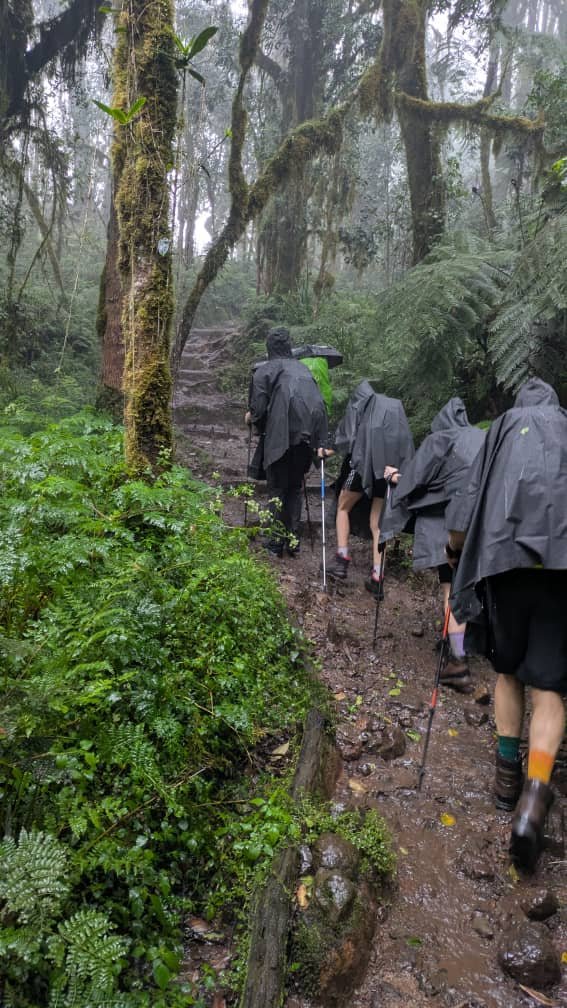
September Kilimanjaro Summit Night Temperature 2026-2027
September Kilimanjaro Summit Night Temperature is explained with current 2026-2027 planning, price, itinerary and booking information.
View package details
Kilimanjaro Weather And Visibility In September 2026-2027
Kilimanjaro Weather and Visibility in September is explained with current 2026-2027 planning, price, itinerary and booking information.
View package details
Is September Good For Climbing Kilimanjaro? Your Guide 2026-2027
Discover why September is a prime month for ascending Mount Kilimanjaro. This guide details the weather, crowds, and what to expect for your 2026-2027 climb.
View package details
September Kilimanjaro Prices And Availability 2026-2027
September Kilimanjaro Prices and Availability is explained with current 2026-2027 planning, price, itinerary and booking information.
View package details
September Kilimanjaro Small-Group Climb 2026-2027
September Kilimanjaro Small-Group Climb is explained with current 2026-2027 planning, price, itinerary and booking information.
View package details
September Kilimanjaro Luxury Expedition: Your Ultimate Guide 2026-2027
start a luxury Kilimanjaro expedition in September 2026-2027. This guide covers everything from route selection and gear to acclimatization strategies and the unique advantages of a premium...
View package details
September Kilimanjaro And Zanzibar Holiday: Your Ultimate Adventure Guide
Combine the thrill of climbing Mount Kilimanjaro with the tropical relaxation of Zanzibar in September. This guide provides comprehensive planning advice for your 2026-2027 adventure...
View package detailsNo related package matches those filters. Clear one or more filters to see the other topic-matched options.



