The question, how old is Mount Kilimanjaro, delves into the deep geological past of one of Africa’s most recognizable natural wonders. While its snow-capped summit might seem timeless, Kilimanjaro is a product of immense volcanic activity spanning millions of years. Understanding its age provides a profound appreciation for the forces that shaped this colossal mountain and offers context for anyone planning a trek to its summit. For those considering a climb in 2026 or 2027, knowing the mountain’s origins adds another layer to the adventure.
The Geological Genesis of Kilimanjaro: A Multi-Million-Year Story
Mount Kilimanjaro is not a single volcano but a dormant stratovolcano complex comprising three distinct volcanic cones: Kibo, Mawenzi, and Shira. The formation process began approximately one million years ago, making it a relatively young mountain in geological terms. The volcanic activity that created Kilimanjaro is linked to the East African Rift Valley, a massive geological feature where the Earth’s crust is slowly pulling apart.
The volcanic eruptions that built Kilimanjaro occurred in distinct phases:
- Shira Cone: This is the oldest of the three cones, with its volcanic activity starting around one million years ago. Much of the Shira cone has eroded over time, leaving behind a distinctive plateau that trekkers can still witness on certain routes.
- Mawenzi Cone: This northeastern cone erupted later, with its peak activity occurring roughly 750,000 years ago. Mawenzi is characterized by its jagged, weathered peaks and is considered extinct. It presents a more challenging climbing proposition than Kibo.
- Kibo Cone: The youngest and highest of the three cones, Kibo, is where the main summit, Uhuru Peak (5,895 meters or 19,341 feet), is located. Kibo’s most significant eruptions occurred between 460,000 and 150,000 years ago. While Kibo is considered dormant, not extinct, its last recorded eruption was a minor event around 200 years ago. The presence of geothermal activity, evidenced by hot spots in the crater, suggests that Kibo is still geologically active.
Therefore, to directly answer how old is Mount Kilimanjaro, we can say its formation began about a million years ago, with its most prominent features, particularly Kibo, developing over hundreds of thousands of years. The mountain is a testament to enduring volcanic processes that have sculpted the landscape of Tanzania.
The Ages of the Cones: A Closer Look
When people ask about the age of Kilimanjaro, they are often curious about the timeline of its creation. The mountain didn’t just pop up overnight; it was a gradual, monumental process. Let’s break down the estimated ages of its constituent parts:
Shira: The Ancient Foundation
The Shira volcanic cone is the most ancient. Its origins trace back to around 1 million years ago. The initial eruptions were powerful, building a substantial volcanic edifice. Over millennia, erosion by wind, rain, and ice has significantly reshaped Shira. What remains today is a striking plateau, standing at about 3,600 to 3,800 meters (11,800 to 12,500 feet). The Shira Ridge and Plateau are features that trekkers encounter, particularly on routes like the Lemosho and Shira routes, offering a glimpse into the mountain’s earliest volcanic history.
Mawenzi: The Jagged Sentinel
Following Shira, the Mawenzi cone began its eruptive phase. Geological studies suggest its most active period was between 750,000 and 500,000 years ago. Mawenzi is characterized by its dramatic, broken peaks, the highest of which is Point Edward at 5,149 meters (16,893 feet). Its rugged appearance is a result of extensive erosion and glacial action, which have carved deep gullies and sharp ridges into its slopes. Mawenzi is considered extinct, meaning it is unlikely to erupt again. Its challenging terrain makes it a popular destination for experienced mountaineers, but it’s not part of the standard Kilimanjaro trekking routes.
Kibo: The Crown Jewel
Kibo is the youngest and most complex of the three cones. Its volcanic activity peaked between 460,000 and 150,000 years ago. This period saw the formation of Kibo’s caldera, which houses the summit crater. Within this crater lie the inner cone, the Reusch crater, and the famous ash pit. Uhuru Peak, the true summit of Kilimanjaro, is located on the southern rim of Kibo’s crater. While Kibo is classified as dormant, there’s evidence of ongoing volcanic processes. The last minor eruption is estimated to have occurred in the 18th or 19th century. The presence of fumaroles (steam vents) and hot spots within the crater indicates that the magma chamber beneath Kibo is still active. This ongoing activity, though not threatening, is a reminder of the mountain’s powerful geological heart.
Kilimanjaro’s Formation: A Tale of Tectonic Plates and Volcanic Plumes
The existence of Kilimanjaro is intrinsically linked to the geological dynamics of the East African Rift Valley. This rift is a result of tectonic forces pulling apart the African continent, creating a vast depression and allowing magma from the Earth’s mantle to rise closer to the surface.
Two primary theories explain the formation of Kilimanjaro’s volcanic cones:
- Volcanic Plume Theory: This theory suggests that a mantle plume, a column of unusually hot rock rising from deep within the Earth, punctured the lithosphere (the rigid outer part of the Earth). As the African tectonic plate moved over this stationary plume, a series of volcanoes were formed, including Kilimanjaro.
- Rift-Related Volcanism: Another explanation posits that the thinning crust in the Rift Valley allowed magma to ascend and erupt, forming the volcanoes. The specific location of Kilimanjaro might be due to pre-existing weaknesses or fault lines in the Earth’s crust.
Regardless of the exact mechanism, the result was a series of massive eruptions that deposited layers of lava, ash, and volcanic debris over hundreds of thousands of years. These layers built up the immense structure we see today, creating the iconic shape of Mount Kilimanjaro.
The Age of Kilimanjaro and its Impact on Trekking
Knowing how old is Mount Kilimanjaro, and understanding its volcanic origins, has several implications for trekkers planning their expeditions, especially for trips scheduled for 2026 or 2027.
Geological Stability and Safety
While Kilimanjaro is a volcano, its current state is dormant. The significant volcanic activity that formed the mountain concluded a long time ago. The last major eruptions were tens of thousands of years ago, and the most recent minor event was centuries ago. This long period of inactivity means the mountain is geologically stable. Trekkers can be assured that the risk of a volcanic eruption during their climb is virtually non-existent. The primary hazards on Kilimanjaro are related to altitude sickness, weather conditions, and the physical demands of the trek, rather than volcanic activity.
The Landscape and Routes
The age and erosional processes have shaped Kilimanjaro’s diverse landscapes, which are experienced on the different trekking routes. The older Shira cone contributes to the unique terrain found on the western side of the mountain. The erosion of Mawenzi has created its dramatic, rugged appearance, visible from many vantage points. Kibo, being the youngest, retains the classic stratovolcano shape, with its prominent crater and summit cone.
The routes themselves are often dictated by the mountain’s geological history and the paths of least resistance carved by ancient lava flows and subsequent erosion. For example, the Machame route, known for its scenic beauty, traverses diverse landscapes shaped by these forces. Planning your trek for 2026 or 2027 means you’ll be exploring a mountain whose features are the result of millions of years of geological evolution.
Environmental Considerations
The age of Kilimanjaro also means it has a long history of weathering and climate interaction. The glaciers that once covered the summit extensively have been receding due to climate change. Understanding this context is important for appreciating the mountain’s current state and the efforts to conserve its unique alpine and glacial ecosystems. Responsible tourism practices are crucial for preserving Kilimanjaro for future generations, including those who might plan their climbs in 2026 and 2027.
Planning Your Kilimanjaro Adventure: What the Mountain’s Age Means for You
When you stand on the summit of Kilimanjaro, you are standing on a geological marvel that has been millions of years in the making. This perspective can profoundly enhance your trekking experience. If you’re considering a climb in 2026 or 2027, here’s how the mountain’s age and history tie into your preparation and journey:
Choosing the Right Route
Different routes traverse different parts of Kilimanjaro, offering varied perspectives on its geological history. Routes like Lemosho and Shira pass over the ancient Shira Plateau, showcasing the remnants of the oldest volcanic cone. Other routes, like Marangu and Rongai, offer more direct ascents, focusing on the Kibo cone. Understanding the mountain’s formation helps appreciate the unique characteristics of each path. For example, the Machame route, popular for its scenic beauty and high success rates, winds through diverse ecosystems shaped by past volcanic activity.
Popular Routes and their connection to Kilimanjaro’s age:
- Machame Route: Known for its stunning scenery and progressive acclimatization, it traverses the southern and western slopes, offering views of the Shira Plateau and the grandeur of Kibo.
- Lemosho Route: This route begins in the west, offering pristine wilderness and views of the Shira Plateau, highlighting the ancient origins of the mountain.
- Marangu Route: The oldest and most established route, often called the “Coca-Cola” route, offers a more gradual ascent but less scenic diversity compared to others.
- Rongai Route: Approaching from the north, it’s a good option during the rainy seasons and offers a different perspective on the mountain’s structure.
- Umbwe Route: A challenging and direct route, often chosen by experienced trekkers seeking a more demanding climb.
- Northern Circuit: The longest route, offering the best acclimatization and panoramic views, circling the mountain’s upper reaches.
Physical Preparation
While the mountain’s age doesn’t directly influence your training, understanding its scale (nearly 6,000 meters) is paramount. Your preparation should focus on cardiovascular fitness, strength training, and endurance. Practicing hiking with a weighted backpack on varied terrain is highly recommended. Proper acclimatization, facilitated by choosing a longer route, is the most critical factor for success, and this is influenced by the mountain’s immense altitude, a direct result of its volcanic past.
Understanding the Ecosystems
Kilimanjaro’s volcanic soil and varied altitudes create distinct ecological zones, from rainforests at the base to alpine deserts and arctic conditions at the summit. These zones have evolved over millennia, influenced by the mountain’s geological history, climate, and elevation. Appreciating this natural progression adds depth to the trekking experience. The rainforests thrive on the fertile volcanic slopes, while the higher zones are shaped by the harsh, exposed conditions resulting from its massive volcanic structure.
Booking Your Trek for 2026-2027
Planning ahead is key for securing your preferred dates and routes, especially for popular trekking seasons in 2026 and 2027. The best times to climb Kilimanjaro are typically during the dry seasons: January to March and June to October. Booking well in advance ensures availability and allows ample time for preparation.
When selecting a tour operator, look for experienced companies with a strong safety record and knowledgeable guides. Companies like Climb 4 Africa have extensive experience leading successful climbs and can provide invaluable advice for your Kilimanjaro journey. Their expertise ensures you are well-prepared, from understanding the mountain’s geology to navigating the logistics of your trek.
Kilimanjaro Trekking Costs for 2026-2027
The cost of a Kilimanjaro trek can vary significantly based on the route chosen, the duration of the climb, the level of service provided by the operator, and the number of days on the mountain. Generally, you can expect costs to range from $1,500 to $4,000+ per person for a standard 7-day climb. This typically includes park fees, camping fees, crew salaries (guides, porters, cooks), all meals on the mountain, tents, and transportation to and from the mountain gate. International flights, visas, travel insurance, and personal gear are usually excluded.
For specific quotes tailored to your 2026 or 2027 travel plans, it is best to contact tour operators directly. Climb 4 Africa offers customized packages and can provide detailed itineraries and pricing based on your preferences.
Beyond the Age: Experiencing Kilimanjaro’s Majesty
While the question of how old is Mount Kilimanjaro is fascinating, the true magic lies in experiencing its majesty firsthand. The journey to the summit is more than just a physical challenge; it’s an immersion into diverse ecosystems, a test of resilience, and an unforgettable encounter with nature’s grandeur.
Imagine waking up to the crisp mountain air, the vast plains of Tanzania stretching out below you. Picture yourself trekking through lush rainforests teeming with colobus monkeys, ascending through heather and moorland zones, and finally entering the stark, otherworldly alpine desert. The final push to Uhuru Peak under a canopy of stars, witnessing the sunrise paint the sky in breathtaking hues, is an experience that stays with you forever.
The geological history of Kilimanjaro, spanning millions of years, has created a mountain of unparalleled beauty and diversity. From the ancient Shira Plateau to the dramatic Mawenzi peaks and the formidable Kibo crater, every step of the climb reveals a different facet of its ancient formation.
Your Kilimanjaro Adventure Awaits: Plan with Experts
As you plan your expedition to the Roof of Africa, whether for 2026, 2027, or beyond, choosing the right partner is essential. Understanding the mountain’s age and geological background is just one piece of the puzzle. Practical advice on training, gear, acclimatization, and safety is equally vital.
Climb 4 Africa is a leading Tanzanian tour operator specializing in Kilimanjaro treks and safaris. With years of experience and a deep understanding of the mountain, our team is dedicated to providing you with a safe, memorable, and successful climb. We handle all the logistics, from park permits and crew arrangements to ensuring you have the best possible experience on the mountain.
We invite you to connect with us to discuss your dream Kilimanjaro adventure. Whether you have specific questions about the mountain’s age, route options, or best trekking seasons for 2026-2027, our experts are here to help. Reach out via WhatsApp at +255747477898 or send us an email at climb4africa@gmail.com. For alternative inquiries, you can also use climb4africa@gmail.com. Let us help you conquer Kilimanjaro!

September Kilimanjaro Climb With Extra Acclimatization 2026-2027
September Kilimanjaro Climb with Extra Acclimatization is explained with current 2026-2027 planning, price, itinerary and booking information.
View package details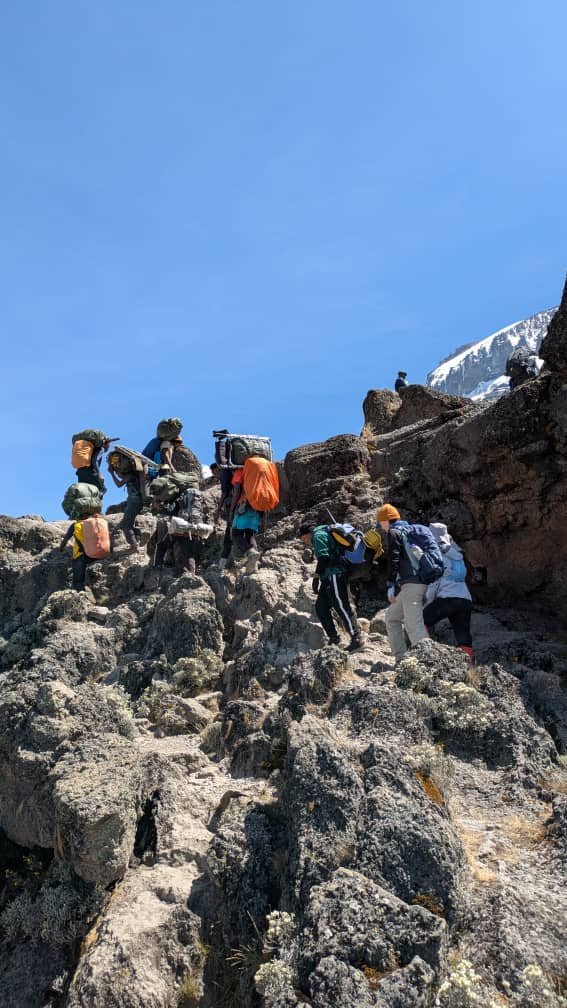
September Kilimanjaro Climb For Seniors 2026-2027
September Kilimanjaro Climb for Seniors is explained with current 2026-2027 planning, price, itinerary and booking information.
View package details
September Kilimanjaro Sunrise Photography Tour 2026-2027
September Kilimanjaro Sunrise Photography Tour is explained with current 2026-2027 planning, price, itinerary and booking information.
View package details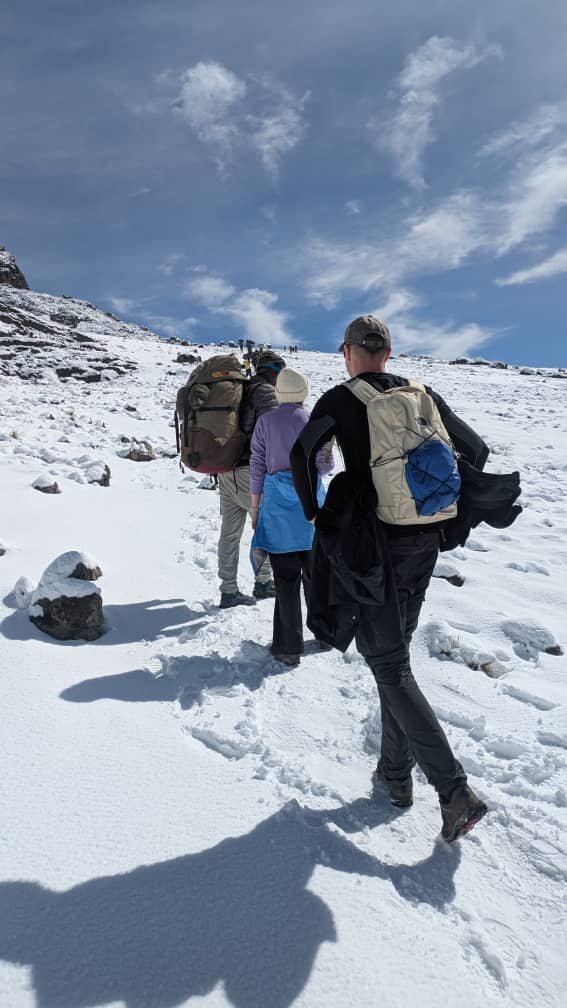
September Kilimanjaro Crowd Levels 2026-2027
September Kilimanjaro Crowd Levels is explained with current 2026-2027 planning, price, itinerary and booking information.
View package details
September Kilimanjaro Packing Guide 2026-2027
September Kilimanjaro Packing Guide is explained with current 2026-2027 planning, price, itinerary and booking information.
View package details
September Kilimanjaro Summit Night Temperature 2026-2027
September Kilimanjaro Summit Night Temperature is explained with current 2026-2027 planning, price, itinerary and booking information.
View package details
Kilimanjaro Weather And Visibility In September 2026-2027
Kilimanjaro Weather and Visibility in September is explained with current 2026-2027 planning, price, itinerary and booking information.
View package details
Is September Good For Climbing Kilimanjaro? Your Guide 2026-2027
Discover why September is a prime month for ascending Mount Kilimanjaro. This guide details the weather, crowds, and what to expect for your 2026-2027 climb.
View package details
September Kilimanjaro Prices And Availability 2026-2027
September Kilimanjaro Prices and Availability is explained with current 2026-2027 planning, price, itinerary and booking information.
View package details
September Kilimanjaro Small-Group Climb 2026-2027
September Kilimanjaro Small-Group Climb is explained with current 2026-2027 planning, price, itinerary and booking information.
View package details
September Kilimanjaro Luxury Expedition: Your Ultimate Guide 2026-2027
start a luxury Kilimanjaro expedition in September 2026-2027. This guide covers everything from route selection and gear to acclimatization strategies and the unique advantages of a premium...
View package details
September Kilimanjaro And Zanzibar Holiday: Your Ultimate Adventure Guide
Combine the thrill of climbing Mount Kilimanjaro with the tropical relaxation of Zanzibar in September. This guide provides comprehensive planning advice for your 2026-2027 adventure...
View package detailsNo related package matches those filters. Clear one or more filters to see the other topic-matched options.



