
A Kilimanjaro Northern Circuit trek combined with a 7-day Northern Circuit safari typically ranges from $5,000 to $8,500+ per person for 2026-2027, depending on the operator, inclusions, accommodation choices, and the specific safari itinerary. The Northern Circuit is a 9-day trek, the longest and most scenic route on Kilimanjaro, offering high acclimatization rates and stunning views. The 7-day safari focuses on Tanzania’s most famous parks, often including Tarangire, Lake Manyara, Serengeti, and the Ngorongoro Crater, providing a comprehensive wildlife experience.

Planning Your Ultimate Kilimanjaro Northern Circuit & 7-Day Safari Adventure for 2026-2027
Combining a climb up Mount Kilimanjaro via the Northern Circuit with a thrilling 7-day safari in Tanzania’s world-renowned Northern Circuit parks offers an unparalleled African experience. This dual adventure allows you to conquer the continent’s highest peak and then experience the impressive wildlife spectacles that Tanzania is famous for. Planning this trip requires careful consideration of itineraries, costs, timing, and essential preparations, especially if you are looking to book for the 2026-2027 travel seasons. This guide provides an in-depth look at what to expect, how to budget, and what makes this combination so special.
The Northern Circuit, also known as the Lemosho Crater Extension or the Outer Circuit, is often hailed as the most scenic route up Kilimanjaro. Its gradual ascent over 9 days significantly increases acclimatization, leading to higher success rates for reaching the summit. Following your trek, a 7-day safari in the Northern Circuit region will lead you through a diverse landscape of national parks, from the vast plains of the Serengeti to the unique ecosystem of the Ngorongoro Crater, ensuring you witness an abundance of wildlife.
For travelers planning their trip for 2026 or 2027, understanding the nuances of both the climb and the safari is crucial. This includes selecting the right tour operator, understanding what is included in the price, and preparing adequately for the physical demands and logistical requirements of such an expedition.
Understanding the Kilimanjaro Northern Circuit Trek
The Northern Circuit route stands out for several key reasons, making it a popular choice for those seeking a more rewarding and less crowded Kilimanjaro experience. Its length, duration, and unique path contribute to its reputation.
Why Choose the Northern Circuit for Your Kilimanjaro Climb?
Unlike shorter routes that rush climbers through the mountain’s altitude zones, the Northern Circuit takes a more leisurely approach. This extended 9-day itinerary is its greatest asset for acclimatization. The route circles the mountain, offering diverse views and terrains, including the remote northern slopes that see fewer trekkers. This allows for a more serene and reflective climbing experience.
- Extended Acclimatization: With 9 days on the mountain, the Northern Circuit offers the best acclimatization profile among all Kilimanjaro routes. This gradual ascent, including a “climb high, sleep low” strategy, significantly boosts the chances of reaching Uhuru Peak.
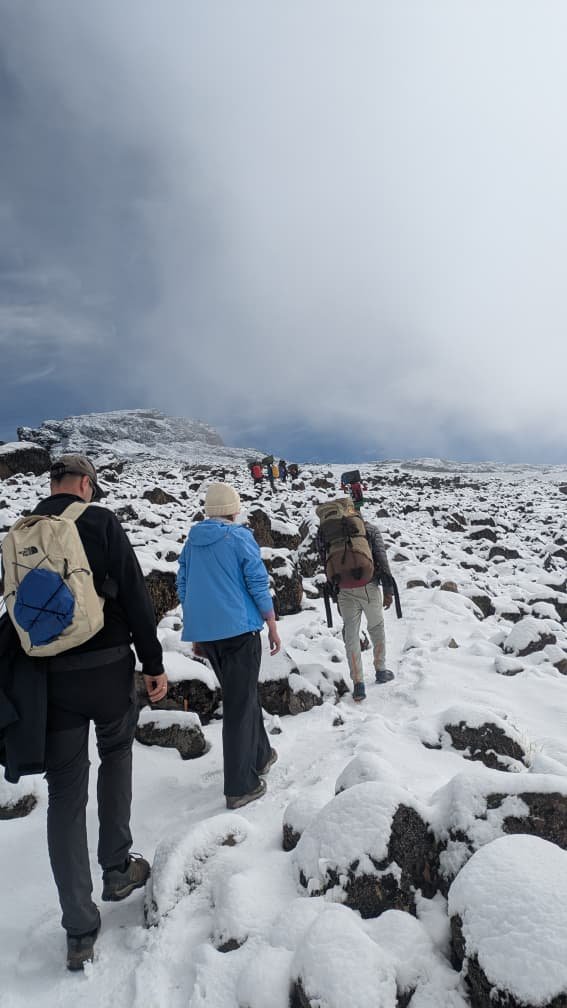
- Unrivaled Scenery: The route traverses varied landscapes, from lush montane forests to alpine deserts and glacial zones. It offers panoramic views of Kenya and Tanzania from its northern side, and a spectacular perspective of the Shira Plateau and the Kibo summit caldera.
- Lower Crowds: Due to its longer duration and more remote path, the Northern Circuit is less congested than routes like Machame or Marangu. This provides a more intimate connection with the mountain environment.
- Higher Success Rates: The combination of longer duration and superior acclimatization directly translates into higher summit success rates, a critical factor for many climbers.
The Northern Circuit Itinerary: A Day-by-Day Breakdown
While specific itineraries can vary slightly between operators, a typical 9-day Northern Circuit trek follows a well-established path designed for optimal acclimatization and enjoyment. Here’s a detailed look at a standard itinerary, which forms the basis for many 2026-2027 bookings:
Typical 9-Day Kilimanjaro Northern Circuit Itinerary
- Day 1: Lemosho Gate to Mti Mkubwa Camp
- Day 2: Mti Mkubwa Camp to Shira 2 Camp
- Day 3: Shira 2 Camp to Lava Tower to Barranco Camp
- Day 4: Barranco Camp to Karanga Camp
- Day 5: Karanga Camp to Barafu Camp
- Day 6: Barafu Camp to Summit (Uhuru Peak) to Mweka Camp
- Day 7: Mweka Camp to Mweka Gate, then to Moshi
Note: The above is a 7-day itinerary. The Northern Circuit is typically 9 days. Below is a more accurate 9-day representation.
- Day 1: Lemosho Gate (2100m) to Mti Mkubwa Camp (2895m)
- Day 2: Mti Mkubwa Camp (2895m) to Shira 2 Camp (3895m)
- Day 3: Shira 2 Camp (3895m) to Lava Tower (4640m) to Arrow Glacier Camp (4800m) (Some itineraries may go to Karanga Valley)
- Day 4: Arrow Glacier Camp (4800m) to Kibo South Circuit Camp (4700m) (This is where the ‘circuit’ aspect truly begins, moving towards the northern side)
- Day 5: Kibo South Circuit Camp (4700m) to Third Cave Camp (3800m) (Descending slightly to aid acclimatization)
- Day 6: Third Cave Camp (3800m) to Saddle Camp (4200m) (A day of acclimatization and shorter hike)
- Day 7: Saddle Camp (4200m) to Crater Camp (5700m) (This is the most challenging day, heading towards the crater rim and summit approach camp)
- Day 8: Crater Camp (5700m) to Summit (Uhuru Peak, 5895m) to Millennium Camp (3820m) (Summit day followed by a significant descent)
- Day 9: Millennium Camp (3820m) to Mweka Gate (1640m), then transfer to Moshi
Key Considerations for the Northern Circuit Itinerary:
- Day 3 Variations: Some operators might route Day 3 to Barranco Camp via Lava Tower, then Day 4 to Karanga Camp, and Day 5 to Barafu Camp. The 9-day Northern Circuit often goes higher on Day 3, towards Arrow Glacier or even Crater Camp, and then uses subsequent days for acclimatization and circling the mountain’s northern slopes before the final summit push. The itinerary provided above is a common 9-day variant focusing on the ‘circuit’ aspect.
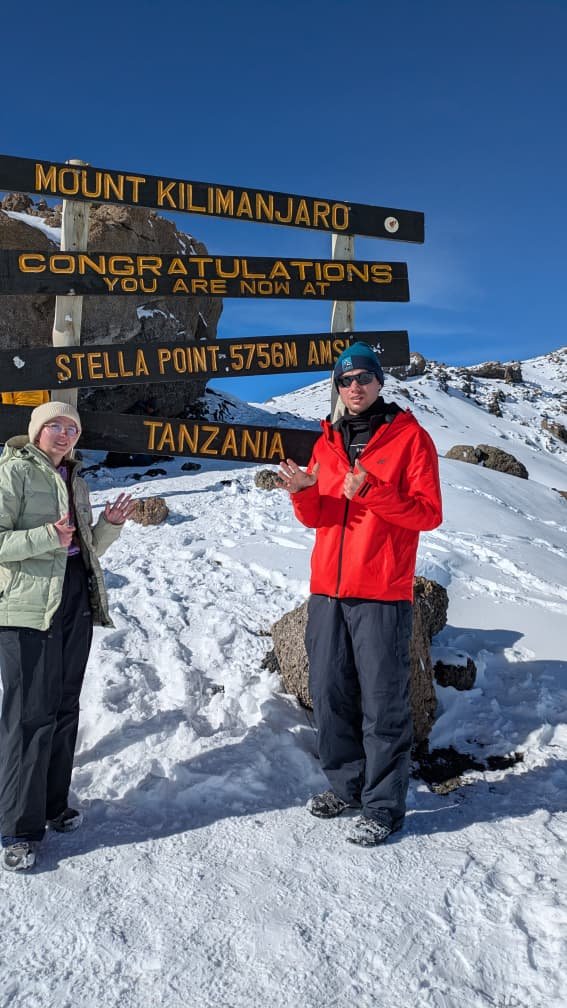
- Summit Night: The most challenging part of the climb is typically the ascent from Barafu Camp (or Crater Camp in some variants) to Uhuru Peak, starting late at night.
- Descent: A significant portion of the descent is completed on summit day, which helps to get trekkers to lower altitudes more quickly.
The 7-Day Northern Circuit Safari Experience
After conquering Kilimanjaro, a 7-day safari in Tanzania’s Northern Circuit offers a perfect contrast, immersing you in the vibrant wildlife and stunning landscapes of Africa. This itinerary is designed to maximize wildlife viewing opportunities in some of the continent’s most iconic national parks.
Classic Northern Circuit Safari Parks
The term “Northern Circuit” in safari context refers to a circuit of parks in northern Tanzania, typically including:
- Tarangire National Park: Known for its large elephant herds, baobab trees, and diverse birdlife. It’s particularly vibrant during the dry season (June to October).
- Lake Manyara National Park: Famous for its tree-climbing lions, large troops of baboons, and beautiful setting along the Great Rift Valley escarpment.
- Serengeti National Park: The undisputed jewel of Tanzania, renowned for its vast plains, incredible density of predators, and the Great Migration.
- Ngorongoro Conservation Area (and Crater): A UNESCO World Heritage Site featuring a unique caldera ecosystem that hosts an exceptional concentration of wildlife, including the Big Five.
A Sample 7-Day Northern Circuit Safari Itinerary
This itinerary assumes you are starting from Arusha after your Kilimanjaro descent and includes a mix of the most sought-after parks. For 2026-2027 travel, booking in advance is recommended, especially for peak migration seasons.
Sample 7-Day Tanzania Northern Circuit Safari
- Day 1: Arusha to Tarangire National Park
- Day 2: Tarangire National Park
- Day 3: Tarangire to Serengeti National Park (Central)
- Day 4: Serengeti National Park (Central/Seronera Valley)
- Day 5: Serengeti National Park (Explore further, perhaps towards North or West depending on migration)
- Day 6: Serengeti to Ngorongoro Conservation Area
- Day 7: Ngorongoro Crater Tour, then Arusha
Detailed Day-by-Day Safari Plan:
- Day 1: Arusha to Tarangire National Park. After breakfast, drive to Tarangire National Park. Enjoy game drives throughout the day, looking for large elephant herds and iconic baobab trees. Overnight at a lodge or tented camp near Tarangire.
- Day 2: Tarangire National Park. Full day dedicated to exploring Tarangire. This park is a haven for elephants and offers excellent birdwatching. You might also spot lions, leopards, and various antelopes. Overnight in Tarangire.
- Day 3: Tarangire to Serengeti National Park. After breakfast, drive to the Serengeti, with a stop at the Olduvai Gorge (optional, extra cost). Enter the Serengeti and begin your game drive en route to your lodge or camp in the central Seronera area, known for its year-round wildlife. Overnight in Central Serengeti.
- Day 4: Serengeti National Park. Full day of game drives in the Serengeti. Focus on the Seronera Valley, a prime location for spotting big cats like lions and leopards, as well as cheetahs, giraffes, zebras, and numerous other species. Overnight in Central Serengeti.
- Day 5: Serengeti National Park. Depending on the time of year and wildlife movements, you might explore a different region of the Serengeti, such as the northern or western corridor, to potentially witness the Great Migration. Or, continue exploring the abundant wildlife in the central region. Overnight in Serengeti.
- Day 6: Serengeti to Ngorongoro Conservation Area. Morning game drive in the Serengeti before departing for the Ngorongoro Conservation Area. You’ll descend into the Ngorongoro Crater for an afternoon game drive. This unique caldera is home to an incredible density of wildlife, including the rare black rhino. Overnight at a lodge on the crater rim or nearby.
- Day 7: Ngorongoro Crater Tour and Arusha. After breakfast, descend into the Ngorongoro Crater for a final morning game drive. Later, drive back to Arusha for your onward journey or overnight stay.
Safari Accommodation Options:
- Budget: Public campsites with basic amenities.
- Mid-Range: Tented camps offering a more comfortable camping experience, or standard safari lodges.
- Luxury: High-end lodges and exclusive tented camps with premium services and amenities.
Kilimanjaro Northern Circuit + 7 Days Safari: Cost Breakdown for 2026-2027
The cost of combining a Kilimanjaro Northern Circuit trek with a 7-day safari can vary significantly based on numerous factors. Understanding these elements is key to budgeting accurately for your 2026-2027 adventure.
Factors Influencing the Total Cost
Several components contribute to the overall price. Reputable operators will provide detailed breakdowns, but generally, you should expect costs to cover:
- Kilimanjaro Trekking Package: This is the largest single component. The Northern Circuit, being a longer route, is inherently more expensive than shorter ones. Costs include park fees, crew wages (guides, cooks, porters), food, camping equipment, and rescue fees.
- Safari Package: This includes park entry fees for each national park, vehicle hire (typically a 4×4 Land Cruiser with a pop-up roof), a professional driver-guide, fuel, accommodation (lodges or tented camps), and meals.
- Operator Type: Local Tanzanian operators often offer more competitive pricing than international companies, provided they are reputable and adhere to safety standards.
- Group Size: Joining a group trek or safari is generally more economical than a private tour.
- Accommodation Standards: The choice between camping on Kilimanjaro and staying in budget, mid-range, or luxury lodges/camps during the safari greatly impacts the price.
- Season: Peak seasons (dry seasons, June-October and December-February) often command higher prices due to increased demand.
- Inclusions/Exclusions: Always check what is included. Common inclusions for the trek are park fees, crew, meals, and camping gear. For safari, it’s park fees, vehicle, guide, fuel, accommodation, and meals. Exclusions often include tips for guides and crew, personal gear, travel insurance, flights, and visa fees.
Estimated Cost Ranges for 2026-2027
Based on current market rates and factoring in potential annual increases, here are estimated cost ranges for a combined Kilimanjaro Northern Circuit trek and 7-day safari:
Estimated Package Costs (Per Person, Based on 2026-2027 Rates)
- Budget/Standard Operators (Group Tours): $5,000 – $6,500. This typically includes basic but safe camping on Kilimanjaro and mid-range accommodation on safari.
- Mid-Range Operators (Group or Small Private): $6,500 – $8,000. Offers higher quality equipment, better-trained crews, more comfortable camps/lodges, and potentially more flexible itineraries.
- Premium/Luxury Operators (Private Tours): $8,000 – $10,000+. Expect top-tier service, private departures, luxury accommodations, and highly personalized experiences.
Important Note: These figures are estimates. For precise pricing tailored to your 2026 or 2027 travel dates and preferences, it is essential to request detailed quotes from operators like Climb 4 Africa.
Breakdown of Potential Costs (Estimates)
To provide more clarity, here’s a potential cost breakdown for a mid-range operator:
Example Cost Breakdown (Mid-Range, Per Person)
- Kilimanjaro Northern Circuit (9 Days): $2,500 – $4,000 (Includes park fees, crew, food, tents, rescue fees)
- 7-Day Northern Circuit Safari: $2,500 – $4,000 (Includes park fees, vehicle, guide, fuel, accommodation, meals)
- Miscellaneous (Tips, personal gear, etc.): $500 – $1,000+
Total Estimated Range: $5,500 – $9,000+
Key Cost Components to Scrutinize:
- Park Fees: These are substantial and mandatory. For Kilimanjaro, they include entry fees, camping/hut fees, conservation fees, and crater fees. For safari, daily park fees for Serengeti, Ngorongoro, Tarangire, and Manyara are significant.
- Crew Wages: Fair wages for guides, porters, and safari drivers are a critical part of responsible tourism.
- Accommodation: The quality and type of lodges/camps significantly influence safari costs.
Preparing for Your Kilimanjaro Northern Circuit Trek
A successful Kilimanjaro climb, especially the Northern Circuit, requires more than just booking a trip. Thorough preparation is essential for safety, enjoyment, and summit success. This is especially true for those planning for 2026 or 2027, allowing ample time for preparation.
Physical Fitness and Training
The Northern Circuit’s 9-day duration allows for better acclimatization, but it’s still a demanding trek. Your training should focus on cardiovascular endurance and leg strength.
- Cardiovascular Exercise: Aim for at least 3-4 sessions per week, including hiking, running, cycling, or swimming. Focus on activities that can be sustained for several hours.
- Hiking with a Pack: Regularly hike with a weighted backpack (5-10 kg) to simulate the load you’ll carry. This helps your body adapt to carrying weight at altitude.
- Strength Training: Focus on lower body exercises like squats, lunges, and step-ups, as well as core strengthening.
- Stair Climbing: Simulate uphill climbs by using stairs or stadium seating.
- Altitude Simulation (Optional): If you live at sea level and cannot train at altitude, consider altitude simulation training or spending a few days at moderate altitude before your trek.
Start your training at least 3-6 months before your climb date in 2026 or 2027.
Essential Gear and Packing List
Proper gear is crucial for comfort and safety on Kilimanjaro. The Northern Circuit involves camping, so a comprehensive list is vital.
Key Gear for Kilimanjaro Northern Circuit Trek
- Clothing:
- Moisture-wicking base layers (thermal tops and bottoms)
- Mid-layers (fleece jacket, down vest)
- Insulated, waterproof, and windproof outer shell (jacket and trousers)
- Warm hat (fleece or wool) and gloves (waterproof outer, warm inner)
- Sun hat or cap
- Hiking socks (wool or synthetic, several pairs)
- Camp clothes (comfortable, warm clothing for evenings)
- Footwear:
- Broken-in hiking boots (waterproof, ankle support)
- Camp shoes or sandals (lightweight)
- Equipment:
- Backpack (50-70 liters)
- Daypack (20-30 liters) for summit night
- Sleeping bag (rated to -15°C or -20°C / 0°F to -4°F)
- Sleeping pad (if not provided by operator)
- Trekking poles (highly recommended)
- Headlamp with extra batteries
- Water bottles or hydration reservoir (at least 3 liters capacity)
- Water purification tablets or filter
- Sunglasses (UV protection)
- Sunscreen (SPF 30+) and lip balm
- Personal first-aid kit (including blister treatment, pain relievers, any personal medications)
- Toiletries (biodegradable soap, toothbrush, toothpaste, wet wipes)
- Camera, power bank, and adapter
- Snacks (energy bars, nuts, dried fruit)
Health and Vaccinations
Consult your doctor or a travel clinic 4-6 weeks before your trip for advice on necessary vaccinations and health precautions. Common recommendations for Tanzania include:
- Yellow Fever: Vaccination is often required for entry into Tanzania, especially if arriving from a country with a risk of yellow fever transmission.
- Hepatitis A & B: Recommended for most travelers.
- Typhoid: Recommended.
- Tetanus: Ensure your booster is up to date.
- Malaria: Tanzania is a malaria-risk area. Consult your doctor about antimalarial medication.
- Altitude Sickness (AMS): This is the primary health concern on Kilimanjaro. The Northern Circuit’s length greatly mitigates risk, but understanding symptoms (headache, nausea, dizziness) and proper acclimatization is vital. Diamox (acetazolamide) can be prescribed by your doctor to aid acclimatization.
Preparing for Your 7-Day Northern Circuit Safari
A safari requires different preparations than a trek, focusing on comfort, wildlife viewing, and understanding the safari environment.
What to Pack for Safari
Your Kilimanjaro gear can be used for parts of the safari, but you’ll also need specific items.
Key Gear for 7-Day Northern Circuit Safari
- Clothing:
- Lightweight, neutral-colored clothing (khaki, beige, green)
- Long-sleeved shirts and trousers (for sun and insect protection)
- T-shirts and shorts
- A warm jacket or fleece for cool mornings and evenings
- Comfortable walking shoes or trainers
- Sandals or flip-flops for lodges/camps
- Swimsuit (for lodges with pools)
- Accessories:
- Sunscreen, sunglasses, sun hat
- Insect repellent (with DEET)
- Binoculars (essential for wildlife viewing)
- Camera with extra memory cards and batteries
- A good book or e-reader
- Small backpack for day trips
- Personal medications and basic first-aid kit
Safari Etiquette and Safety
Understanding basic safari etiquette ensures a better experience for everyone and respects the wildlife and environment.
- Stay in the Vehicle: Unless at designated rest stops or lodges, remain inside the safari vehicle.
- Quiet Observation: Avoid loud noises that might disturb the animals.
- No Feeding Animals: Never feed wildlife. It’s harmful to their health and can make them aggressive.
- Respect Rules: Follow the guide’s instructions regarding distances from animals and photography.
- Photography: Ask your guide before taking photos of people. Be mindful of flash photography, especially with nocturnal animals.
- Litter: Pack out everything you pack in.
Choosing the Right Operator for Your 2026-2027 Adventure
Selecting a reputable tour operator is paramount for both your Kilimanjaro climb and your safari. For a combined Kilimanjaro Northern Circuit + 7 Days Safari package, look for operators with proven expertise in both areas.
What to Look for in a Tour Operator
- Experience and Reputation: How long have they been operating? Check online reviews (e.g., TripAdvisor) and testimonials.
- Safety Standards: Do they have emergency procedures, oxygen on all climbs, and qualified guides? For Kilimanjaro, look for guides certified by the Kilimanjaro National Park Authority (KINAPA).
- Crew Welfare: Do they treat their porters and guides fairly? This includes proper wages, food, and equipment. Reputable operators often partner with organizations like KPAP (Kilimanjaro Porters Assistance Project).
- Inclusions: A clear list of what is and isn’t included in the price is essential for avoiding hidden costs.
- Communication: How responsive and helpful are they during the booking process?
- Sustainability Practices: Do they adhere to eco-friendly principles?
Climb 4 Africa: Your Partner for Kilimanjaro & Safari
Climb 4 Africa is a local Tanzanian company with extensive experience in leading Kilimanjaro climbs and organizing unforgettable safaris. We understand the intricate logistics of combining these two adventures and are committed to providing safe, ethical, and memorable experiences for our clients planning for 2026 and 2027.
- Expert Local Guides: Our guides are highly experienced, certified, and passionate about sharing their knowledge of Kilimanjaro and Tanzania’s wildlife.
- Safety First: We prioritize your safety with well-equipped teams, regular health checks, and emergency protocols.
- Fair Treatment of Staff: We are committed to the fair treatment and ethical employment of our mountain and safari crews.
- Tailor-Made Itineraries: We can customize your Kilimanjaro Northern Circuit trek and 7-day safari to perfectly match your interests, budget, and desired pace.
- Transparent Pricing: We provide clear and comprehensive quotes, detailing all inclusions and exclusions.
To discuss your dream Kilimanjaro Northern Circuit + 7 Days Safari for 2026-2027, or to get a personalized quote, please contact us:
- WhatsApp: +255 747 477 898
- Email: climb4africa@gmail.com
You can also explore our range of safaris at Tanzania Safari Tours and Kilimanjaro treks at Kilimanjaro Group Departures.
Best Time to Travel for Kilimanjaro & Safari in 2026-2027
The ideal timing for your combined Kilimanjaro Northern Circuit trek and 7-day safari depends on balancing the best trekking conditions with optimal wildlife viewing opportunities.
Kilimanjaro Trekking Seasons
Kilimanjaro has two main dry seasons, which are the most favorable for climbing:
- January to March: Generally good weather, though can be colder and occasional rain showers in the upper reaches. This is a good time for wildlife viewing on safari as well.
- June to October: Considered the best trekking season. These months offer clear skies, dry conditions, and moderate temperatures. This period coincides with the dry season in the safari parks, making wildlife viewing excellent as animals congregate around water sources.
The shoulder seasons (April-May and November) are wetter and generally less recommended for climbing, though they can offer lower prices and fewer crowds.
Safari Peak Seasons
Tanzania’s safari parks are best visited during the dry seasons, which align well with Kilimanjaro’s best trekking months:
- June to October: This is the peak season for both trekking and safari. The Great Migration is typically in the Serengeti, and the dry weather makes wildlife viewing superb.
- December to February: Another good period for safari, especially for the calving season of the Great Migration in the southern Serengeti. Kilimanjaro also experiences good weather during this time.
Optimal Combination for 2026-2027
For the best of both worlds, consider planning your combined Kilimanjaro Northern Circuit and 7-day safari for:
- June to October 2026/2027: Excellent trekking conditions on Kilimanjaro and prime wildlife viewing, including the Great Migration.
- January to March 2026/2027: Good trekking weather and diverse wildlife viewing, with the possibility of witnessing the migration in its southern Serengeti phase.
Booking your trip for these periods well in advance, ideally 9-12 months ahead for 2026-2027, is highly recommended due to high demand.
Comparing Kilimanjaro Routes and Safari Itineraries
While the Northern Circuit is a fantastic choice for Kilimanjaro, understanding how it fits with a 7-day safari helps in making informed decisions. The Northern Circuit’s longer duration (9 days) means you’ll need to allocate around 11-12 days in total for the climb itself (including arrival/departure from Moshi), making the entire trip a significant undertaking.
Northern Circuit vs. Other Kilimanjaro Routes
While this article focuses on the Northern Circuit, it’s worth noting other popular routes:
- Machame Route: A popular 7-day trek, offering good acclimatization and scenery, but busier than the Northern Circuit.
- Lemosho Route: Similar to the Northern Circuit in its early stages, often done over 7-8 days. The Northern Circuit extends this further by circling the mountain.
- Marangu Route: The “Coca-Cola” route, known for its hut accommodation, but has lower success rates and is more crowded.
The Northern Circuit’s advantage for a combined trip is its high success rate and excellent acclimatization, ensuring you are in the best possible condition for your subsequent safari.
Safari Itinerary Variations
A 7-day safari is a good duration to experience the highlights of the Northern Circuit. However, itineraries can be adjusted:
- Focus on Serengeti: You could dedicate more days to the Serengeti, perhaps a 3-4 day stay, to explore its vastness more deeply.
- Add Lake Natron or Ol Doinyo Lengai: For a more adventurous safari, you could incorporate a visit to Lake Natron or an attempt to climb Ol Doinyo Lengai (the “Mountain of God”), though this adds complexity and time.
- Shorter/Longer Safaris: While 7 days is ideal, 5-day safaris are common (focusing on fewer parks), and 10-14 day safaris allow for a more in-depth exploration, potentially including parks outside the Northern Circuit like Ruaha or Selous (now Nyerere National Park).
For a balanced experience following the demanding Kilimanjaro trek, the 7-day Northern Circuit safari offers a perfect blend of iconic sights and manageable pace.
Frequently Asked Questions (FAQ)
- Q1: How much does the Kilimanjaro Northern Circuit trek and a 7-day safari cost for 2026-2027?
- The estimated cost for a combined Kilimanjaro Northern Circuit trek and 7-day safari package for 2026-2027 typically ranges from $5,000 to $8,500+ per person, depending on the operator, inclusions, and accommodation standards. This includes the 9-day trek and a 7-day safari visiting parks like Serengeti and Ngorongoro.
- Q2: What is the best time of year for this combined trip in 2026 or 2027?
- The optimal periods are June to October 2026/2027 (dry season, best for trekking and migration viewing) and January to March 2026/2027 (good trekking weather, diverse wildlife viewing). Booking 9-12 months in advance is recommended for these peak times.
- Q3: Is the Northern Circuit the best route on Kilimanjaro for acclimatization?
- Yes, the Northern Circuit is widely considered the best route for acclimatization due to its longer duration (typically 9 days), which allows for a gradual ascent and the “climb high, sleep low” strategy, significantly increasing summit success rates.
- Q4: What are the main parks included in a 7-day Northern Circuit safari?
- A typical 7-day Northern Circuit safari includes game drives in Tarangire National Park, Lake Manyara National Park, Serengeti National Park, and the Ngorongoro Crater.
- Q5: What is typically NOT included in the cost of these packages?
- Common exclusions are international flights, visa fees, travel insurance, tips for guides and crew, personal gear (like sleeping bags or trekking poles if not rented), drinks at lodges, and optional activities.
- Q6: How physically demanding is the Northern Circuit trek?
- The Northern Circuit is physically demanding, requiring good cardiovascular fitness and stamina. However, its 9-day duration significantly aids acclimatization, making it more manageable than shorter routes and leading to higher success rates. Proper training is essential.
Making Your Booking for 2026-2027 with Climb 4 Africa
Planning a trip as significant as combining a Kilimanjaro Northern Circuit trek with a 7-day safari requires a trusted partner. Climb 4 Africa specializes in creating smooth and unforgettable African adventures. We are dedicated to providing expert guidance, ensuring your safety, and offering exceptional value for your investment.
Whether you are targeting the peak trekking seasons of 2026 or 2027 or looking for a different time of year, our team is ready to help you craft the perfect itinerary. We pride ourselves on our local knowledge, commitment to ethical tourism, and personalized service.
To start planning your personalized Kilimanjaro Northern Circuit + 7 Days Safari experience, or if you have any questions regarding costs, itineraries, or preparation for 2026-2027, please do not hesitate to reach out:
Contact Climb 4 Africa Today:
- WhatsApp: +255 747 477 898
- Email: climb4africa@gmail.com
Let us help you turn your dream of conquering Kilimanjaro and experiencing the magic of a Tanzanian safari into a reality. Visit our website to explore more about our services and discover why Climb 4 Africa is the ideal choice for your African adventure.
For more on our safari offerings, see Tanzania Safari Blog and our general site Climb 4 Africa.
Check Availability for Kilimanjaro Northern Circuit + 7 Days Safari: Cost, Itinerary & Expert
Ready to compare dates, prices, and the best option for your group? Send the package name and travel month so the team can reply with a clear quote, availability, and what is included.

18 Days Kilimanjaro, Safari & Zanzibar Package: Cost & Itinerary 2026-2027
Discover the ultimate 18-day adventure combining Mount Kilimanjaro's summit, thrilling Tanzanian safaris, and the tropical paradise of Zanzibar. This comprehensive guide details sample...
View package details
16 Days Kilimanjaro, Safari & Zanzibar Package: Cost & Itinerary Guide
Plan your ultimate 16-day adventure combining Mount Kilimanjaro's summit, a thrilling Tanzania safari, and the tropical paradise of Zanzibar. Discover detailed itineraries, cost breakdowns...
View package details
15 Days Kilimanjaro, Safari & Zanzibar Package: Cost & Itinerary 2026-2027
Discover the ultimate 15-day adventure combining Mount Kilimanjaro's summit, thrilling Tanzanian safaris, and the exotic beaches of Zanzibar. This comprehensive guide details the itinerary...
View package details
14 Days Kilimanjaro, Safari & Zanzibar Package: Cost & Itinerary 2026-2027
14 Days Kilimanjaro, Safari & Zanzibar Package: Cost & Itinerary is explained with current 2026-2027 planning, price, itinerary and booking information.
View package details
Kilimanjaro + Tarangire Safari Package: Cost & Itinerary For 2026-2027
Discover comprehensive details on Kilimanjaro and Tarangire safari packages, including cost breakdowns and sample itineraries for your 2026-2027 adventure. Climb 4 Africa provides expert...
View package details
Kilimanjaro Climb + Serengeti Safari Package: Cost, Itinerary & Best Options
Planning a Kilimanjaro climb and Serengeti safari is a dream for many. This guide breaks down package costs, typical itineraries, and essential planning tips for 2026-2027, offering...
View package details
Private Kilimanjaro & Serengeti Safari Cost Per Person | Climb 4 Africa
Planning a private Kilimanjaro and Serengeti safari is a significant investment. This guide details the estimated cost per person for 2026-2027, breaking down the factors that influence...
View package details
Kilimanjaro + Ngorongoro Safari Package: Prices, Itinerary & Guide 2026-2027
Combine the iconic Kilimanjaro climb with an unforgettable Ngorongoro Crater safari. This guide details package prices, sample itineraries for 2026-2027, what's included, and how to choose...
View package details
Luxury Kilimanjaro, Safari & Zanzibar Package: Your Ultimate Adventure
Discover the pinnacle of Tanzanian travel with a luxury Kilimanjaro, Safari & Zanzibar package. This comprehensive guide details how to combine an iconic climb with thrilling wildlife...
View package details
Budget Kilimanjaro, Safari & Zanzibar Package Deals For 2026-2027
Plan your dream Tanzanian adventure with our guide to budget-friendly Kilimanjaro climbs, safaris, and Zanzibar getaways. We cover cost factors, itinerary options, and booking tips for...
View package details
Kilimanjaro, Safari & Zanzibar Packages /: Prices & Itineraries 2026-2027
Plan your dream Tanzanian adventure with comprehensive details on Kilimanjaro, Safari, and Zanzibar packages for 2026 and 2027. Discover itineraries, understand pricing factors, and learn...
View package details
K. Kilimanjaro + Safari + Zanzibar Guide
Discover the unparalleled thrill of conquering Mount Kilimanjaro, witnessing the Great Migration on a Tanzanian safari, and relaxing on the spice-scented beaches of Zanzibar. This...
View package detailsNo related package matches those filters. Clear one or more filters to see the other topic-matched options.



