The Machame Route cost for 2026/2027 typically ranges from $1,800 to $3,500+ per person for a standard 6 or 7-day trek, depending on the operator, group size, accommodation standards, and specific inclusions. This price generally covers park fees, camping equipment, meals on the mountain, guide and porter salaries, and basic rescue services. Expect higher costs for more luxurious services, private climbs, or longer itineraries. Booking in advance is crucial for 2026/2027 dates, especially during peak seasons.

Understanding the Machame Route Cost for 2026/2027 Treks
Mount Kilimanjaro, Africa’s highest peak, draws adventurers from around the globe, and the Machame Route is consistently one of the most sought-after paths to its summit. As you plan your expedition for 2026 or 2027, understanding the Machame Route cost is paramount. This isn’t just about finding the cheapest option; it’s about securing a safe, well-supported, and ultimately successful climb. The price you pay reflects the quality of the service, the safety protocols, and the overall experience you will have on the mountain.
At Climb 4 Africa, we believe in transparency and providing exceptional value. This guide is designed to demystify the various components that contribute to the Machame Route cost for 2026/2027, helping you make an informed decision. We’ll break down what influences pricing, what you can expect in different package tiers, and what essential fees are involved.
Factors Influencing Machame Route Prices for 2026/2027
The price tag for a Kilimanjaro climb, particularly via the Machame Route, isn’t arbitrary. Several key factors interact to determine the final Machame Route cost. Recognizing these elements will help you evaluate different tour operators and understand why prices can vary significantly, even for treks advertised with similar durations.
Operator Reputation and Service Level
This is perhaps the most significant differentiator. Reputable operators like Climb 4 Africa invest heavily in:
- Experienced and Certified Guides: Highly trained guides who understand altitude sickness, first aid, and mountain rescue are essential for safety.
- Well-Trained Porters: Fair wages, proper gear, and good treatment of porters are ethical imperatives and contribute to team morale and efficiency.
- Quality Equipment: This includes tents (sleeping, dining, toilet), sleeping mats, cooking gear, and first-aid kits.
- Logistics and Support: Efficient communication, reliable transportation, and robust emergency plans.
- Food Quality: Nutritious and varied meals prepared by experienced cooks are vital for energy and morale.
Companies that prioritize these aspects often have higher overheads, reflected in their Machame Route cost. While it might be tempting to opt for the lowest price, remember that cutting corners in these areas can compromise your safety and enjoyment.
Trek Duration (6 or 7 Days)
The Machame Route can be completed in either 6 or 7 days. The 7-day option includes an extra acclimatization day, usually by trekking from Barranco Camp to Karanga Camp and then spending an extra night at Karanga before proceeding to Barafu Camp. This extended duration significantly increases the Machame Route cost due to:
- Additional days of park fees.
- More food and supplies required.
- Increased staffing costs for guides and porters.
- Extra night of camping.
While a 7-day trek is more expensive, it generally offers a higher success rate due to better acclimatization. For 2026/2027 bookings, consider this trade-off between cost and summit success.
Group Size (Private vs. Group Trek)
Climbing with a group of strangers or opting for a private trek with your own friends or family impacts the price:
- Group Treks: These are typically more affordable as costs (guide fees, porter salaries, equipment) are shared among more people. Operators often offer set departure dates for group treks, which can be a great way to save on the Machame Route cost for 2026/2027.
- Private Treks: These offer more flexibility in terms of dates and pace but come at a higher per-person cost. The minimum group size for a private trek can vary, and you’ll be paying for the dedicated team regardless of how many people are in your party.
Seasonality
Kilimanjaro has distinct climbing seasons. Peak seasons generally see higher demand and, consequently, slightly higher prices. These periods are:
- January to March: Generally dry, but can be cold.
- June to October: The driest and most popular season, with pleasant temperatures.
The shoulder seasons (April-May, November-December) can sometimes offer slightly lower Machame Route cost options, but weather can be less predictable, with higher chances of rain.
Inclusions and Exclusions
What is included in your package is crucial for understanding the overall Machame Route cost. Always scrutinize the inclusions list. Common inclusions are:
- Park entrance fees (Kilimanjaro National Park, Conservation Fees).
- Camping fees.
- Rescue fees.
- Salaries for guides, assistant guides, porters, and cooks.
- All meals on the mountain (breakfast, lunch, dinner).
- Boiled water on the mountain.
- Tents (sleeping and dining).
- Portable toilet.
- Transfer from/to Kilimanjaro International Airport (JRO) and Moshi/Arusha.
- Pre- and post-climb accommodation in Moshi/Arusha (sometimes included, sometimes extra).
Common exclusions that will add to your total expenditure include:
- Flights to/from Kilimanjaro.
- Visa fees.
- Travel and medical insurance (mandatory).
- Tips for guides, porters, and cooks (a significant portion of the overall cost).
- Personal climbing gear (sleeping bag, trekking poles, warm clothing).
- Lunches and dinners in Arusha/Moshi before and after the climb.
- Alcoholic beverages and personal expenses.
- Optional hot shower fees at certain campsites.
- Emergency evacuation beyond the standard rescue fee.
Be aware of what’s missing from the package price to accurately calculate your total Machame Route cost for 2026/2027.
Typical Machame Route Package Pricing for 2026/2027
While exact prices fluctuate, we can provide indicative ranges for the Machame Route cost based on different service levels and operator types for 2026/2027. These are estimates and should be confirmed directly with tour operators.
Estimated Machame Route Cost Ranges (Per Person) for 2026/2027
| Package Type | Duration | Estimated Price Range (USD) | Key Characteristics |
|---|---|---|---|
| Budget/Standard Group | 6 Days | $1,800 – $2,300 | Shared group, basic but functional equipment, standard meals, essential support. Good for budget-conscious travelers. |
| Standard Group | 7 Days | $2,000 – $2,600 | Same as above but with the longer, higher success rate itinerary. Includes an extra day of park fees and support. |
| Mid-Range/Comfort Group | 6 Days | $2,300 – $2,900 | Better quality tents, more spacious dining tents, slightly varied menu, often includes a pre-climb briefing and gear check. |
| Mid-Range/Comfort Group | 7 Days | $2,500 – $3,100 | The 7-day version of the mid-range option, emphasizing comfort and success. |
| Premium/Luxury Group | 7 Days | $3,000 – $3,500+ | High-quality gear, gourmet meals, potentially more guides per climber, enhanced support, often includes pre/post-climb accommodation. |
| Private Trek (per person) | 6 or 7 Days | $2,500 – $4,000+ | Tailored dates, dedicated team, higher flexibility. Cost depends on group size and operator’s premium level. Very small groups (2-3) will have a significantly higher per-person cost than larger private groups (6+). |
Note: These are indicative prices for 2026/2027 and can vary based on specific operator offerings, exchange rates, and booking timing. Always request a detailed quote.
The Importance of Park Fees and Operator Structure
A significant portion of the Machame Route cost is mandated by Kilimanjaro National Park Authority (KINAPA). These fees are non-negotiable and are paid directly to the park. They include:
- Kilimanjaro National Park Entry Fees: $70 per person per day.
- Camping Fees: $60 per person per night for camping sites.
- Crater Camp Fees (if applicable for alternative itineraries): $100 per person per night.
- Rescue Fees: $10 per person (one-time).
- Guide and Porter Fees: KINAPA sets minimum daily wages for guides, porters, and cooks. Operators must adhere to these, and reputable companies often pay above the minimum to ensure quality staff.
For a 7-day Machame Route trek, these mandated fees alone amount to approximately:
- Park Fees: 7 days * $70/day = $490
- Camping Fees: 6 nights * $60/night = $360
- Rescue Fee: $10
- Total Mandatory Fees: Approximately $860 per person
This means that any operator’s price significantly below $1,800-$2,000 for a 7-day trek might be cutting corners on staff welfare, equipment, or food, or they might be excluding other essential costs. Understanding this breakdown is key to assessing the true Machame Route cost for 2026/2027.
Breakdown of Included Services in a Typical Machame Package
When you book a Machame Route climb with a reputable operator for 2026/2027, you can expect a comprehensive package designed for safety and comfort. Here’s a detailed look at what’s typically included:
1. Guides, Porters, and Support Crew
Your climbing team is the backbone of your expedition. A standard Machame Route climb involves:
- Lead Guide: Experienced, usually with advanced first-aid training.
- Assistant Guides: Usually one assistant guide for every two or three climbers, ensuring close supervision.
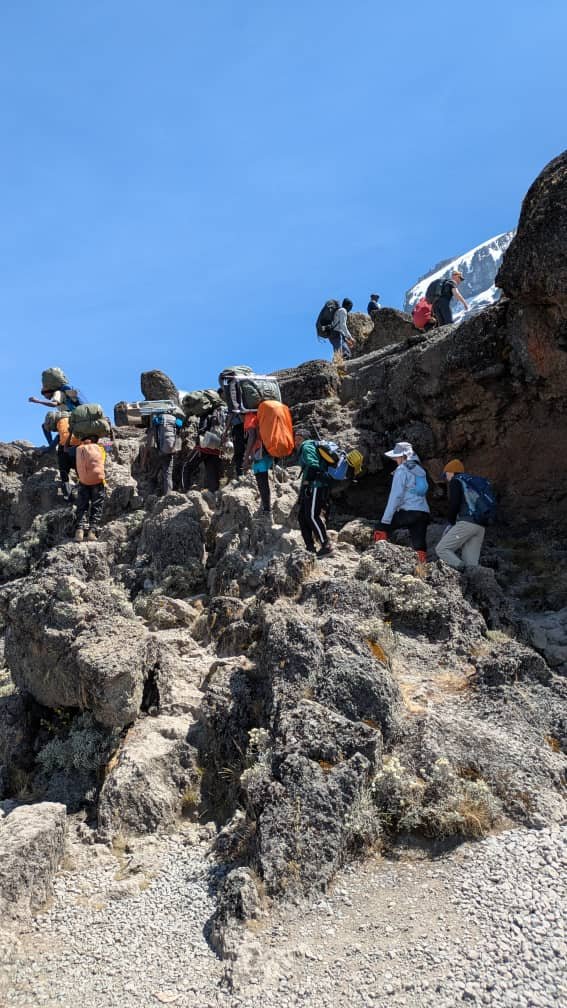
- Porters: They carry all the group gear, including tents, food, cooking equipment, and your duffel bag (usually up to 15kg). The ratio of porters to climbers can vary; higher-end operators may have more porters to ensure lighter loads per person and faster team movement.
- Cook: Prepares all meals on the mountain.
The salaries, food, and gear for this crew are a significant part of the Machame Route cost.
2. Camping Equipment
Your mountain accommodation is typically in tents. High-quality equipment is essential:
- Sleeping Tents: Usually 3-4 season tents designed to withstand wind and rain. Reputable operators provide spacious tents for two people.
- Dining Tent: A large, comfortable tent with tables and chairs, providing a communal space for meals, especially during inclement weather.
- Toilet Tent: A portable toilet set up at each campsite for privacy and hygiene.
- Kitchen Tent: Where the cook prepares meals.
3. Meals and Hydration
Nutrition is critical for energy and acclimatization. Expect:
- Breakfast: Often porridge, eggs, toast, fruit, tea/coffee.
- Lunch: Packed lunches (sandwiches, fruit, snacks) for trekking days, or hot meals served in the dining tent on rest days.
- Dinner: A hot, multi-course meal, typically including soup, a main course (rice, pasta, chicken, vegetables), and dessert.
- Snacks: Biscuits, chocolate, fruit provided during the day.
- Drinking Water: Boiled and purified water is provided daily. You’ll need to bring your own water bottles or hydration reservoir.
Special dietary requirements (vegetarian, vegan, allergies) can usually be accommodated with advance notice.
4. Ground Transportation
Your package typically includes transfers:
- Airport pick-up and drop-off at Kilimanjaro International Airport (JRO).
- Transfers between your hotel in Moshi/Arusha and the Machame Gate.
- Transfer back to your hotel after the climb.
5. Safety and Emergency Support
This is where investing in a reputable operator truly pays off and contributes to the Machame Route cost:
- Oxygen Cylinders: Carried by guides for emergency use.
- First-Aid Kits: Comprehensive kits carried by guides.
- Emergency Evacuation: While the park rescue fee covers basic rescue, many operators have their own evacuation procedures and may cover costs up to a certain limit, or coordinate with specialized evacuation services (like Kilimanjaro Search and Rescue – KI SAR). Ensure you understand the extent of this coverage.
- Communication: Guides often carry satellite phones or two-way radios for emergencies.
Hidden Costs and Additional Expenses to Budget For
Beyond the base package price, several other expenses can significantly impact your total Machame Route cost for 2026/2027. Planning for these “hidden” costs is crucial for a stress-free experience.
1. Tips for the Crew
Tipping is a customary and highly appreciated way to show gratitude for the hard work of your guides, porters, and cook. This is often the largest single additional expense. While amounts can vary, here are general guidelines (per climber):
- Lead Guide: $20 – $30 per day
- Assistant Guide: $15 – $20 per day
- Cook: $15 – $20 per day
- Porter: $10 – $15 per day
For a 7-day climb, this could easily add up to $300 – $600+ per person. Some operators provide recommended tipping guidelines, and it’s often collected and distributed by the lead guide at the end of the trek. It’s best to budget on the higher end of these estimates.
2. Personal Climbing Gear
You’ll need specific gear to stay warm, dry, and comfortable. While you might own some items, you may need to purchase or rent others. Essential items include:
- Sleeping Bag: Rated to at least -10°C (0°F).
- Waterproof Outerwear: Jacket and trousers.
- Insulated Jacket: Down or synthetic fill.
- Warm Layers: Fleece, thermal base layers.
- Hiking Boots: Broken-in, waterproof.
- Gloves and Hat: Warm, waterproof.
- Headlamp: With extra batteries.
- Sun Protection: Sunglasses, sunscreen, lip balm.
- Trekking Poles: Highly recommended for knee support.
Rental options are available in Moshi and Arusha, but ensure the quality is good. Factor in $100 – $300 for potential rentals or purchases.
3. Accommodation Before and After the Climb
Most operators include one night of accommodation before the climb briefing and one night after the celebratory dinner. However, if you plan to arrive early or stay longer in Tanzania, you’ll need to budget for additional hotel nights in Moshi or Arusha.
4. Travel Insurance and Visas
Travel Insurance: This is mandatory for all Kilimanjaro climbs. Ensure your policy covers high-altitude trekking and emergency medical evacuation. Costs vary widely based on your provider and coverage level.
Visas: Check the visa requirements for Tanzania for your nationality. The cost varies by country.
5. Miscellaneous Expenses
- Snacks and Drinks: For non-climbing days or personal snacks to supplement mountain food.
- Souvenirs.
- Optional Hot Showers: Some campsites offer pay-as-you-go hot showers.
- Gratuities for Hotel Staff.
Comparing Machame Route Packages: What to Look For in 2026/2027
When comparing different tour operators for your 2026/2027 Machame Route climb, look beyond just the price. A detailed comparison will reveal the true value and quality of service.
Key Comparison Points for Machame Route Operators:
- Safety Record and Protocols: Do they have a dedicated safety officer? What is their emergency evacuation plan? Do they carry oxygen?
- Guide Qualifications: Are guides Wilderness First Responder (WFR) or equivalent certified? How many years of experience do they have?
- Porter Welfare Policy: Do they pay fair wages? Provide proper gear? Adhere to porter protection guidelines? (Look for KPAP membership or similar).
- Equipment Quality: Ask about the brands and condition of tents, sleeping mats, and cooking gear.
- Meal Quality and Variety: Review sample menus.
- Group Size and Ratio: What is the maximum group size? What is the guide-to-climber ratio?
- Inclusions vs. Exclusions: Ensure you are comparing apples to apples. Does the price include tips? Pre/post-climb accommodation?
- Operator Location: Local operators based in Moshi or Arusha often have better logistical control and direct relationships with staff.
- Reviews and Testimonials: Check independent review sites like TripAdvisor.
The 7-Day Machame Route Itinerary: Maximizing Success and Value
While the 6-day Machame Route is common, the 7-day itinerary is highly recommended by experienced operators like Climb 4 Africa for its superior acclimatization profile and higher summit success rates. This extra day also influences the Machame Route cost.
Typical 7-Day Machame Route Itinerary Breakdown:
- Day 1: Machame Gate (1,800m/5,905ft) to Machame Camp (3,050m/10,007ft)
Duration: 5-7 hours trekking.
Distance: Approx. 11 km / 7 miles.
Habitat: Rainforest. A steady climb through beautiful forest. - Day 2: Machame Camp to Shira 2 Camp (3,850m/12,631ft)
Duration: 4-6 hours trekking.
Distance: Approx. 5 km / 3 miles.
Habitat: Moorland. A steeper climb onto the Shira Plateau, offering stunning views. - Day 3: Shira 2 Camp to Barranco Camp (3,950m/12,959ft)
Duration: 4-5 hours trekking.
Distance: Approx. 10 km / 6 miles.
Habitat: Alpine Desert. This day involves crossing Lava Tower (4,600m/15,091ft) and descending to Barranco. Crucial for acclimatization. - Day 4: Barranco Camp to Karanga Camp (4,000m/13,123ft)
Duration: 3-5 hours trekking.
Distance: Approx. 5 km / 3 miles.
Habitat: Alpine Desert. A short but challenging day involving the famous Barranco Wall scramble, followed by a descent to Karanga Valley and then an ascent to Karanga Camp. - Day 5: Karanga Camp to Barafu Camp (4,650m/15,255ft)
Duration: 3-5 hours trekking.
Distance: Approx. 4 km / 2.5 miles.
Habitat: Alpine Desert. A steady climb towards the base of the final ascent. You’ll arrive at Barafu Camp by early afternoon, rest, and prepare for the summit attempt. - Day 6: Barafu Camp to Summit (Uhuru Peak, 5,895m/19,341ft) and descend to Mweka Camp (3,100m/10,170ft)
Duration: 7-9 hours to summit, 5-7 hours descent.
Distance: Approx. 5 km / 3 miles ascent, 12 km / 7.5 miles descent.
Habitat: Arctic. The summit night is the most challenging. You start around midnight, ascend steeply to Stella Point, then Uhuru Peak. Descend back past Barafu Camp to Mweka Camp. - Day 7: Mweka Camp to Mweka Gate (1,650m/5,413ft)
Duration: 3-5 hours trekking.
Distance: Approx. 10 km / 6 miles.
Habitat: Rainforest. A pleasant descent through the forest to the Mweka Gate, where you’ll be met and transferred back to your hotel.
The 7-day itinerary adds approximately $200-$400 to the Machame Route cost compared to a 6-day trek, largely due to an additional day of park and camping fees, plus crew wages.
Booking Your Machame Route Climb for 2026/2027
Securing your spot for a 2026 or 2027 climb, especially on the popular Machame Route, requires timely planning. Peak seasons fill up quickly.
When to Book
For popular dates in the 2026/2027 peak seasons (June-October, January-March), it’s advisable to book at least 6 to 12 months in advance. This ensures availability, allows you to secure your preferred dates, and gives you ample time to prepare physically and gather your gear.
Choosing Your Operator
As emphasized, choosing a reputable operator is paramount. Climb 4 Africa is a local Tanzanian company with extensive experience in organizing safe and memorable Kilimanjaro climbs. We pride ourselves on:
- Expert Local Guides: Deep knowledge of the mountain and local conditions.
- Fair Staff Treatment: We are committed to ethical porter welfare and fair wages.
- Quality Equipment and Logistics: Ensuring your comfort and safety.
- Personalized Service: We work closely with you to tailor your climb.
We offer various packages and can customize itineraries to meet your specific needs and budget for your 2026/2027 Kilimanjaro adventure.
Making the Final Decision
When evaluating quotes for your Machame Route cost for 2026/2027, consider the following:
- Value for Money: Don’t just look at the price; assess the inclusions, quality of service, and safety standards.
- Communication: Does the operator respond promptly and thoroughly to your questions?
- Trust and Reputation: Do they have positive reviews and a strong track record?
Frequently Asked Questions about Machame Route Cost
What is the average Machame Route cost for a 7-day climb in 2026?
The average Machame Route cost for a 7-day climb in 2026 typically falls between $2,000 and $3,100 per person for mid-range group tours, with budget options starting around $2,000 and premium services exceeding $3,500. This includes park fees, guides, porters, meals, and camping equipment.
Are there hidden fees in the Machame Route price?
While reputable operators are transparent, potential additional costs include tips for the crew (estimated $300-$600+ per person), personal gear rental/purchase, travel insurance, visa fees, and personal expenses. Always clarify what is and isn’t included in the base package price for your 2026/2027 booking.
Why is the 7-day Machame Route more expensive than the 6-day?
The 7-day Machame Route is more expensive due to an additional day of park fees, camping fees, and crew wages. Crucially, this extra day significantly improves acclimatization, leading to a higher summit success rate, making it a worthwhile investment for many climbers planning for 2027.
Can I negotiate the Machame Route cost for 2027?
While some flexibility might exist with local operators, especially for larger private groups or during off-peak seasons, significant negotiation on the Machame Route cost is unlikely for standard packages, particularly those that prioritize fair staff wages and safety. Prices are often based on fixed park fees and operational costs. Booking well in advance for 2027 is more strategic than trying to negotiate.
What is the role of park fees in the Machame Route cost?
Park fees are a substantial component of the Machame Route cost, mandated by Kilimanjaro National Park Authority. For a 7-day trek, these fees (entry, camping, rescue) alone amount to approximately $860 per person. These fees ensure the park’s conservation and fund essential services.
Conclusion: Investing in Your Kilimanjaro Dream
The Machame Route cost for 2026/2027 is a significant investment, but it’s an investment in an unparalleled adventure, personal achievement, and, most importantly, your safety. By understanding the factors influencing pricing, the value of different inclusions, and the potential additional expenses, you can confidently choose a package that aligns with your expectations and budget.
Climb 4 Africa is dedicated to providing high-quality, safe, and ethical Kilimanjaro climbing experiences. We encourage you to reach out to us to discuss your 2026 or 2027 Machame Route trek. Our team is ready to answer your questions and help you plan the climb of a lifetime.
Ready to plan your 2026/2027 Machame Route climb? Contact Climb 4 Africa today:
- WhatsApp: +255 747 477 898
- Email: climb4africa@gmail.com
Let us help you make your Kilimanjaro dream a reality with a well-planned, safe, and unforgettable expedition.
“,
“faq_schema”: [
{
“question”: “What is the average Machame Route cost for a 7-day climb in 2026?”,
“answer”: “The average Machame Route cost for a 7-day climb in 2026 typically falls between $2,000 and $3,100 per person for mid-range group tours, with budget options starting around $2,000 and premium services exceeding $3,500. This includes park fees, guides, porters, meals, and camping equipment.”
},
{
“question”: “Are there hidden fees in the Machame Route price?”,
“answer”: “While reputable operators are transparent, potential additional costs include tips for the crew (estimated $300-$600+ per person), personal gear rental/purchase, travel insurance, visa fees, and personal expenses. Always clarify what is and isn’t included in the base package price for your 2026/2027 booking.”
},
{
“question”: “Why is the 7-day Machame Route more expensive than the 6-day?”,
“answer”: “The 7-day Machame Route is more expensive due to an additional day of park fees, camping fees, and crew wages. Crucially, this extra day significantly improves acclimatization, leading to a higher summit success rate, making it a worthwhile investment for many climbers planning for 2027.”
},
{
“question”: “Can I negotiate the Machame Route cost for 2027?”,
“answer”: “While some flexibility might exist with local operators, especially for larger private groups or during off-peak seasons, significant negotiation on the Machame Route cost is unlikely for standard packages, particularly those that prioritize fair staff wages and safety. Prices are often based on fixed park fees and operational costs. Booking well in advance for 2027 is more strategic than trying to negotiate.”
},
{
“question”: “What is the role of park fees in the Machame Route cost?”,
“answer”: “Park fees are a substantial component of the Machame Route cost, mandated by Kilimanjaro National Park Authority. For a 7-day trek, these fees (entry, camping, rescue) alone amount to approximately $860 per person. These fees ensure the park’s conservation and fund essential services.”
}
]
}
“`
Check Availability for Machame Route Cost /: Prices, Packages & Fees 2026-2027
Ready to compare dates, prices, and the best option for your group? Send the package name and travel month so the team can reply with a clear quote, availability, and what is included.

Lemosho Route Cost /: Prices, Fees & Packages For Kilimanjaro Climbs 2026-2027
Planning a Kilimanjaro climb via the Lemosho Route in 2026 or 2027? This comprehensive guide breaks down the Lemosho Route cost, including typical prices, package inclusions, essential...
View package details
6 Days Machame Route: Cost, Price & Full Itinerary For Climbs 2026-2027
Planning a Kilimanjaro climb via the Machame Route in 6 days? This comprehensive guide breaks down the costs, pricing factors, and provides a day-by-day itinerary, essential for your...
View package details
Lemosho Route Park Fees & Total Climbing Cost 2026-2027
Lemosho Route Park Fees & Total Climbing Cost is explained with current 2026-2027 planning, price, itinerary and booking information.
View package details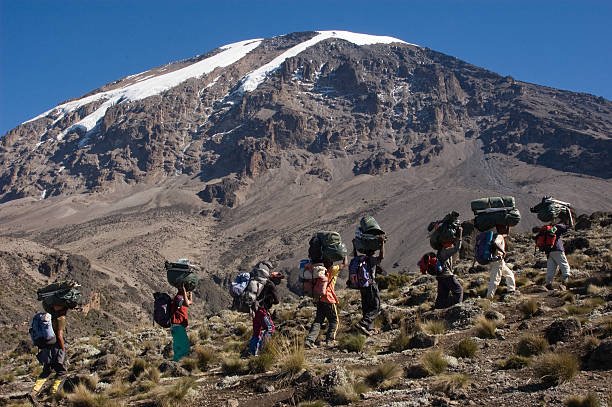
Kilimanjaro Climb Cost /: Prices, Fees & Complete Budget Guide 2026-2027
Planning your Kilimanjaro adventure for 2026 or 2027? This comprehensive guide breaks down the Kilimanjaro climb cost, detailing prices, essential fees, and how to budget effectively for...
View package details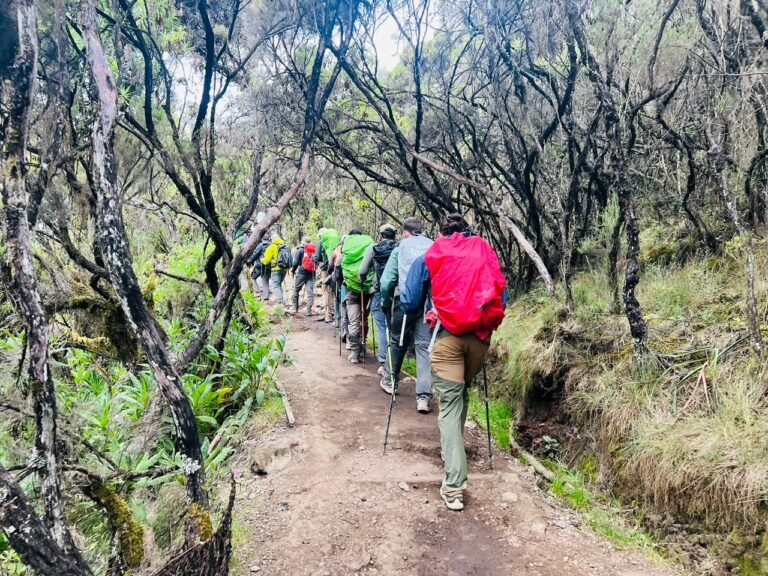
Private Lemosho Route Cost: Price By Group Size 2026-2027
Private Lemosho Route Cost: Price by Group Size is explained with current 2026-2027 planning, price, itinerary and booking information.
View package details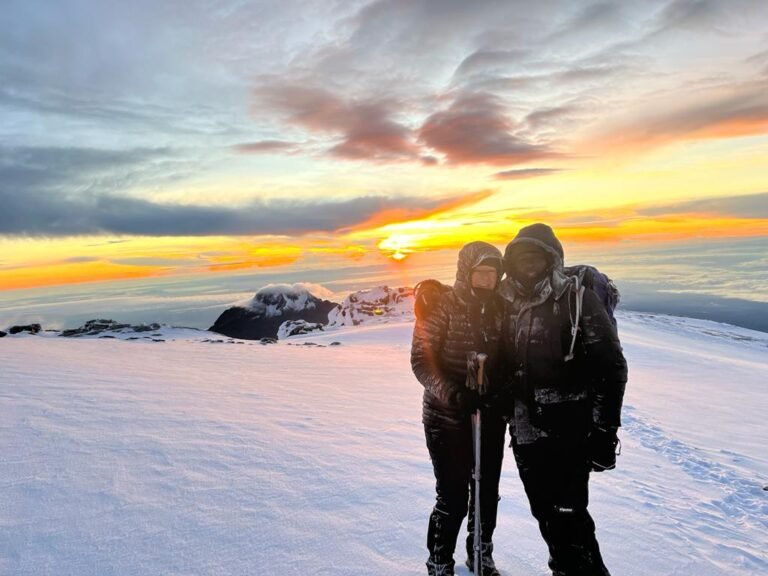
7 Vs 8 Days Lemosho Route: Cost, Success Rate & Which Is Better? 2026-2027
7 vs 8 Days Lemosho Route: Cost, Success Rate & Which Is Better? is explained with current 2026-2027 planning, price, itinerary and booking information.
View package details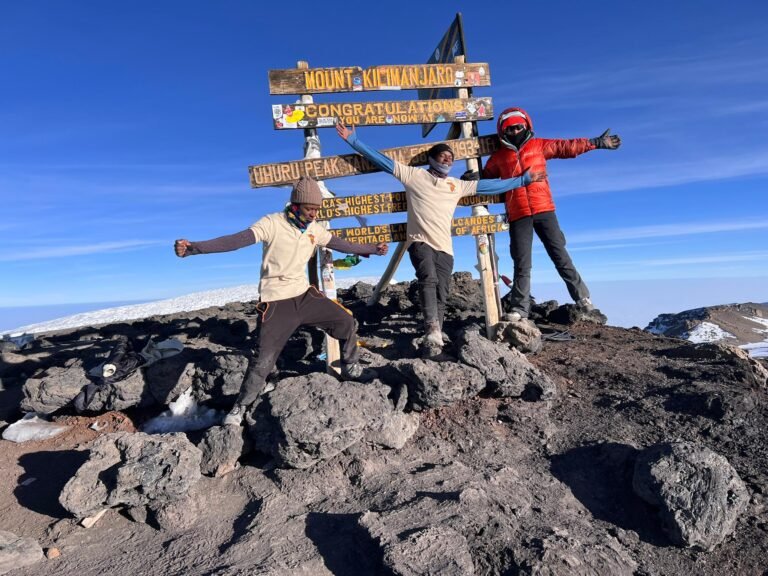
6 Days Lemosho Route Kilimanjaro: Itinerary, Cost & Planning 2026-2027
The 6-day Lemosho Route on Kilimanjaro offers a balance of acclimatization and scenic beauty, though it is one of the shorter options for this route, making it more challenging. This guide...
View package details
8 Days Lemosho Route: Cost, Price & Full Itinerary For Kilimanjaro Climbs
Your comprehensive guide to the 8-day Lemosho Route on Mount Kilimanjaro. Get detailed insights into costs, pricing factors, a day-by-day itinerary, and essential planning advice for your...
View package details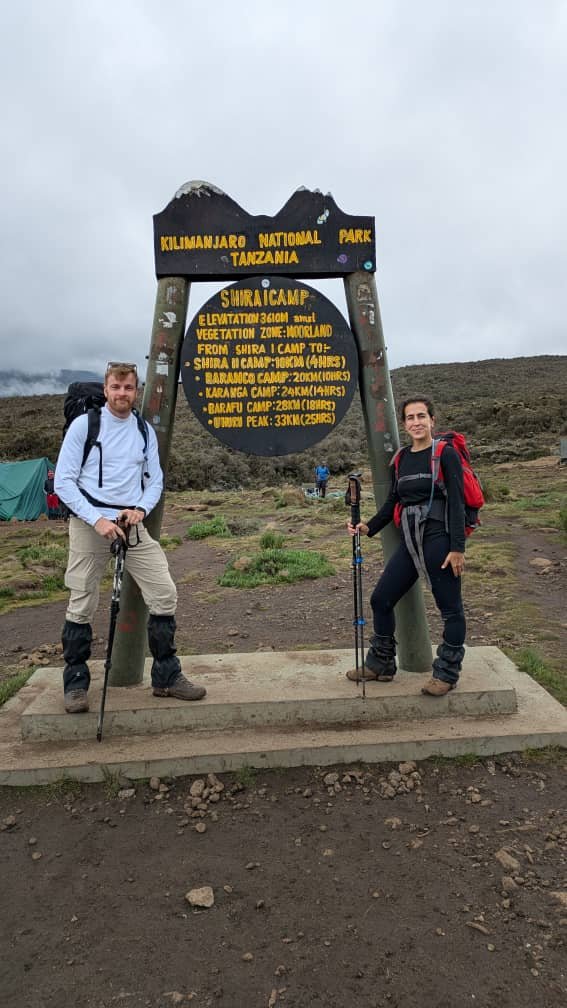
7 Days Lemosho Route: Cost, Price & Full Itinerary 2026-2027
7 Days Lemosho Route: Cost, Price & Full Itinerary is explained with current 2026-2027 planning, price, itinerary and booking information.
View package details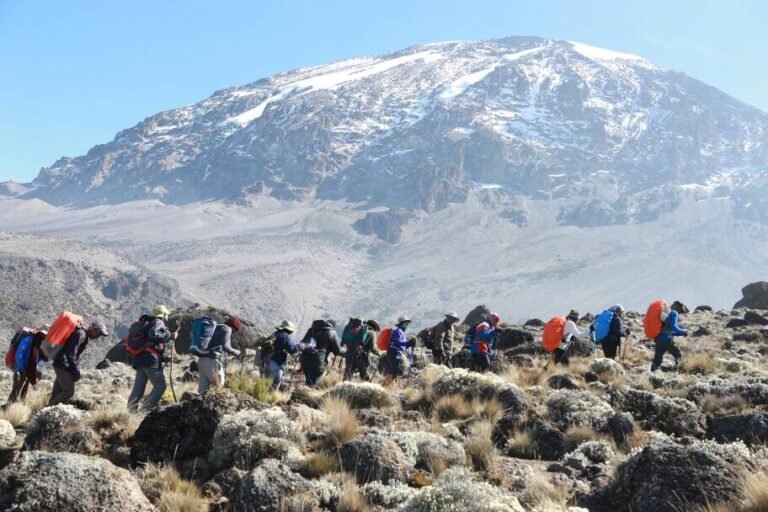
Kilimanjaro Gear Rental Prices: Complete Equipment Cost List For Climbs
Understand the costs associated with renting essential gear for your Kilimanjaro climb. This guide details typical prices for tents, sleeping bags, jackets, and more, helping you budget...
View package detailsKilimanjaro Route Prices Compared: Which Offers The Best Value For Climbs?
Choosing the right Kilimanjaro route is crucial for both your experience and your budget. This guide compares Kilimanjaro route prices, detailing what influences costs and which routes...
View package details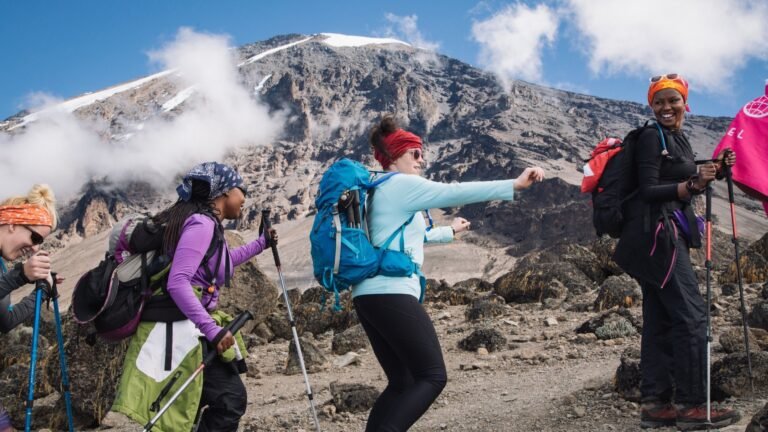
Total Cost Of A Kilimanjaro Trip: Flights, Gear, Hotels & Climb Prices
Planning your Kilimanjaro adventure involves more than just the climb package. This comprehensive guide breaks down the total cost of a Kilimanjaro trip for 2026-2027, detailing expenses...
View package detailsNo related package matches those filters. Clear one or more filters to see the other topic-matched options.



