
The Lemosho Route price per person for 2026-2027 typically ranges from $2,000 to $4,500 USD, with the exact cost depending on the operator’s service level, trek duration (usually 7 to 8 days), and the specific inclusions. Key inclusions generally cover national park and conservation fees, experienced guides and porters, all meals during the trek, camping equipment (tents, sleeping mats), oxygen for emergencies, and pre- and post-climb accommodation in Moshi. Operators like Climb 4 Africa often provide comprehensive packages, but it’s crucial to verify detailed inclusions and exclusions for your chosen 2026 or 2027 climb.
Understanding the Lemosho Route Price Per Person for 2026-2027
Planning a climb up Mount Kilimanjaro is a significant undertaking, and understanding the Lemosho Route price per person is a critical first step. As you look towards climbing in 2026 or 2027, knowing what contributes to the cost and what is typically included will help you make informed decisions and avoid unexpected expenses. The Lemosho Route is celebrated for its scenic beauty and high success rates, making it a popular choice. However, its longer duration and more remote starting point can influence the overall cost compared to shorter routes.
When evaluating the Lemosho Route price per person, remember that Kilimanjaro operators offer varying levels of service, from budget-conscious to luxury expeditions. These differences directly impact the price and what you can expect to be included in your package. For 2026 and 2027 climbs, the market generally sees prices falling within a broad spectrum, but the value proposition lies in understanding the details of each operator’s offering. This article will break down the components that make up the Lemosho Route price and clearly outline what is typically included, empowering you to choose the best expedition for your adventure.
Key Factors Influencing the Lemosho Route Price Per Person
Several fundamental elements dictate the Lemosho Route price per person. Recognizing these factors is essential for budgeting your 2026 or 2027 Kilimanjaro adventure accurately. Operators must cover significant operational costs, and these are passed on to the client. The most influential factors include:
- Operator’s Service Level: This is perhaps the most significant differentiator. Budget operators might use more basic equipment, have larger group sizes, and offer simpler meals. Mid-range operators balance quality and cost, while luxury operators provide premium gear, private toilets, gourmet food, and smaller group sizes.
- Trek Duration: The Lemosho Route is typically climbed over 7 to 8 days. Longer treks mean more days of guide, porter, and cook salaries, more food, and more camping nights, directly increasing the Lemosho Route price per person. A 7-day Lemosho is common, but an 8-day Lemosho offers better acclimatization and is often recommended.
- Group Size: Climbing with a private group versus joining a scheduled group departure can affect the per-person cost. Private climbs offer more flexibility but usually have a higher minimum price, which can be cost-effective if you have a full group. Shared or group departures spread fixed costs over more people, often making them more affordable.
- Inclusions: As we will detail, the more comprehensive the inclusions (e.g., airport transfers, pre-climb hotel nights, specific gear rental, tips), the higher the initial Lemosho Route price per person will be. Operators who include everything aim to offer a hassle-free experience.
- Time of Year: While Kilimanjaro is climbable year-round, peak seasons (like January-March and June-October) often see slightly higher prices due to demand. Shoulder seasons might offer marginally better rates for your 2026 or 2027 climb.
- Quality of Equipment and Support Staff: Reputable operators invest in high-quality tents, sleeping bags, cooking gear, and crucially, well-trained, experienced, and well-paid guides, cooks, and porters. This commitment to safety and comfort is reflected in the Lemosho Route price per person.
What Is Typically Included in the Lemosho Route Price Per Person?
A well-priced Lemosho Route package should provide a robust set of inclusions designed to cover the essentials of your climb from start to finish. For your 2026 or 2027 expedition, you should expect the following to be covered within the Lemosho Route price per person:
Standard Inclusions for a Lemosho Route Climb
- National Park and Conservation Fees: These are mandatory government fees covering entry into Kilimanjaro National Park, camping/hut fees, and potentially other conservation charges. For 2026-2027, these fees are substantial and form a significant portion of the total cost.
- Experienced Guides: Typically, you’ll have a lead guide, an assistant guide for every few climbers, and sometimes even more, depending on the group size. They are trained in wilderness first aid and mountain rescue.
- Porters and Cooks: A team of porters carries all group gear, including tents, food, cooking equipment, and your duffel bag (within weight limits). Cooks prepare all meals on the mountain.
- All Meals on the Mountain: Three hot, nutritious meals are provided daily during the trek, along with snacks and purified drinking water. Meals are usually served in a communal dining tent.
- Camping Equipment: This includes high-quality tents (sleeping tents, dining tent, toilet tent), sleeping mats, and cooking equipment. Some operators may include sleeping bags and trekking poles, while others rent them separately.
- Accommodation Before and After the Climb: Most packages include one night in a hotel in Moshi or Arusha before the trek begins and one night after it concludes. This allows for briefings, rest, and acclimatization.
- Tents and Sleeping Mats: Comfortable, sturdy tents designed for mountain conditions and basic sleeping mats are standard.
- Treated/Purified Drinking Water: Safe drinking water is provided daily on the mountain.
- Emergency Oxygen: Most reputable operators carry emergency oxygen cylinders and a full medical kit for use in case of severe altitude sickness.
- Safety Equipment: This includes a comprehensive first-aid kit, pulse oximeters for monitoring oxygen saturation, and communication devices.
- Government Taxes and Levies: Local taxes and permits related to operating treks on Kilimanjaro.
- Briefing and Debriefing: Pre-climb briefings in Moshi to go over the itinerary, gear, and safety, and post-climb debriefings.
- Transfer to/from Kilimanjaro National Park Gates: Transportation from your hotel to the trailhead and back to your hotel after the descent.
Understanding the Lemosho Route’s Unique Appeal and Cost Implications
The Lemosho Route is often favored by trekkers for its longer duration, which allows for better acclimatization, leading to higher success rates. It also offers stunning scenery as it approaches Kilimanjaro from the west, traversing the Shira Plateau before joining the Barranco Wall. This longer itinerary, typically 7 to 8 days, is a key reason why the Lemosho Route price per person might be higher than for shorter routes like Marangu or Machame (when climbed in fewer days). A 7-day Lemosho is a popular option, but an 8-day Lemosho is highly recommended for optimal acclimatization and enjoyment.
The 8-day Lemosho Route itinerary provides an extra day for gradual ascent, crucial for minimizing the risk of altitude sickness. This extra day translates into additional costs for guides, porters, food, and park fees, directly impacting the Lemosho Route price per person. However, for many, the investment in an extra day for acclimatization and a more relaxed pace is well worth the increased Lemosho Route price per person for 2026 or 2027.
Comparing Lemosho to Other Routes: A Cost Perspective
When considering the Lemosho Route price per person, it’s helpful to compare it with other popular Kilimanjaro routes:
- Marangu Route: Often the most budget-friendly due to its hut accommodation and shorter duration options (5-6 days). The Lemosho Route price per person will generally be higher due to its longer duration and camping setup.
- Machame Route: Similar to Lemosho in being a camping route with high success rates. A 6-day Machame is common, while Lemosho is typically 7-8 days. Therefore, a comparable Lemosho Route price per person will likely be more expensive than a 6-day Machame.
- Umbwe Route: The shortest and steepest route, offering the lowest success rate. Its shorter duration might make its base price lower, but the challenges mean it’s not always the best value, and the Lemosho Route price per person often represents better overall value for success and scenery.
- Shira Route: Similar in profile to Lemosho but starts at a higher altitude. The Lemosho Route price per person might be slightly lower for Shira if it’s offered in fewer days, but Lemosho’s lower starting point is often preferred for acclimatization.
- Rongai Route: Approaches from the north, often a good option during rainy seasons. Its cost can be comparable to Machame or Lemosho, depending on the duration.
- Northern Circuit: The longest route, offering the highest success rate. It’s also typically the most expensive due to its 9-10 day duration, making the Lemosho Route price per person a mid-to-high range option in comparison.
For 2026-2027 climbs, expect the Lemosho Route price per person to sit comfortably in the mid-to-upper tier of Kilimanjaro routes, reflecting its popularity, scenic advantages, and recommended longer duration for acclimatization.
What Is Usually Excluded from the Lemosho Route Price Per Person?
While reputable operators provide comprehensive packages, there are common exclusions from the Lemosho Route price per person that trekkers need to budget for. Understanding these helps in planning your total expenditure for a 2026 or 2027 climb.
Common Exclusions to Budget For:
- International Flights: Flights to and from Kilimanjaro International Airport (JRO) are almost always excluded.
- Visa Fees: Visa costs for Tanzania are separate.
- Travel Insurance: Comprehensive travel and medical evacuation insurance is mandatory for all climbers.
- Personal Climbing Gear: Items like waterproof jackets and trousers, hiking boots, warm layers, gloves, hats, and a backpack are usually the climber’s responsibility. Some operators offer rental services for specific items.
- Tips for Guides, Porters, and Cooks: This is a significant part of the cost and a customary practice on Kilimanjaro. Operators often provide recommended tipping guidelines.
- Personal Expenses: Souvenirs, alcoholic beverages, extra snacks, laundry, and tips outside the crew.
- Optional Gear Rental: While tents and mats are included, items like high-quality sleeping bags, trekking poles, or waterproof duffel bags might incur an extra rental fee.
- Gratuities for Hotel Staff: Tips for hotel staff in Moshi/Arusha.
- Vaccinations and Medications: Costs associated with any necessary vaccinations or personal medical supplies.
- Lunches and Dinners in Moshi/Arusha: While accommodation is usually included, meals on non-trekking days are often not.
Detailed Breakdown of Inclusions for 2026-2027 Lemosho Route Climbs
Let’s explore deeper into the critical inclusions that make up the Lemosho Route price per person for a 2026 or 2027 climb. Transparency from your tour operator regarding these elements is key.
Park Fees: The Foundation of the Cost
The park fees are non-negotiable and represent a substantial portion of the Lemosho Route price per person. These fees are set by the Tanzanian government and are subject to change, though significant hikes are usually announced well in advance. For 2026-2027, expect the following:
- Kilimanjaro National Park Entry Fee: A daily fee for each climber.
- Camping/Hut Fees: Daily fees for each person camping or staying in a hut.
- Road Fees: Fees for vehicle access to the park gates.
- CRATER FEE (Optional for certain routes/days): If your itinerary includes visiting the crater rim or descending into it, there’s an additional fee.
These fees can add up to several hundred dollars per person over the duration of the trek. Reputable operators will clearly state if these are included in their Lemosho Route price per person, and they should be. Climb 4 Africa ensures these essential government fees are covered.
Guide, Porter, and Cook Salaries and Support
The backbone of any Kilimanjaro expedition is its support crew. The Lemosho Route price per person reflects the fair wages and quality of these individuals:
- Qualified and Experienced Guides: Certified guides with extensive knowledge of Kilimanjaro, altitude sickness management, and local flora/fauna. They are trained in first aid.
- Assistant Guides: For groups larger than a certain size (e.g., 6 climbers), an assistant guide is provided to ensure a good guide-to-climber ratio for safety and support.
- Porters: They carry the bulk of the equipment, including tents, food, cooking gear, and personal duffel bags (typically up to 15kg per porter). Fair wages and good working conditions are crucial for ethical operators.
- Cooks: Skilled cooks prepare varied and nutritious meals, often adapting to dietary needs.
- Support Staff Welfare: Ethical operators ensure porters and cooks have adequate food, shelter (tents), and proper clothing, which is part of the operational cost reflected in the Lemosho Route price per person.
Food and Hydration: Fueling Your Climb
Proper nutrition and hydration are vital for high-altitude trekking. The Lemosho Route price per person typically covers:
- Daily Meals: Breakfast, lunch, and dinner are provided. Meals are typically served in a dedicated dining tent, offering a comfortable space to relax.
- Meal Variety: Expect a range of options, from porridge and eggs for breakfast to packed lunches (sandwiches, fruits, snacks) and hot dinners (soups, stews, rice dishes, vegetables, chicken/beef).
- Snacks: Energy bars, biscuits, fruit, and other high-energy snacks are provided for consumption during the day.
- Purified Drinking Water: Water is usually boiled and purified using filters or purification tablets. Operators should provide unlimited safe drinking water throughout the trek.
- Hot Beverages: Tea, coffee, and hot chocolate are typically available at meal times.
For 2026-2027 climbs, the quality and variety of food can be a significant factor in distinguishing between budget and premium operators, influencing the Lemosho Route price per person.
Accommodation: Camping Comforts on the Mountain
The Lemosho Route is a camping route. Your Lemosho Route price per person will cover:
- Sleeping Tents: High-quality, 3-season or 4-season tents designed to withstand mountain weather. Usually provided on a twin-sharing basis.
- Dining Tent: A separate, larger tent equipped with tables and chairs for meals and communal gatherings.
- Toilet Tent: A portable toilet tent providing privacy for using a chemical toilet or a hole dug by the crew. Some higher-end operators might offer portable chemical toilets.
- Sleeping Mats: Basic foam sleeping mats are standard. Higher-end packages might include more comfortable inflatable mats or even cots.
The quality of the tents and the provision of a separate dining tent significantly enhance comfort and are key indicators of an operator’s standard, impacting the Lemosho Route price per person.
Safety and Emergency Provisions
Safety is paramount on Kilimanjaro, and any reputable operator will include robust safety measures in their Lemosho Route price per person for 2026-2027:
- Emergency Oxygen: At least one full oxygen cylinder is carried for emergency use. Some operators carry multiple cylinders or even a Gamow bag (portable hyperbaric chamber).
- First-Aid Kits: Comprehensive medical kits are carried by the guides.
- Pulse Oximeters: Used by guides to monitor climbers’ blood oxygen saturation levels, an early indicator of altitude sickness.
- Communication: Guides typically carry satellite phones or two-way radios for emergencies, though access might be limited.
- Trained Personnel: Guides are trained in wilderness first aid and altitude sickness management.
While these safety measures are critical, the actual use of emergency oxygen or evacuation would incur additional costs, usually covered by your travel insurance.
Pre- and Post-Climb Hotel Accommodation
Most Lemosho Route packages include accommodation for the night before the trek begins and the night after it concludes. This is usually in a mid-range hotel in Moshi or Arusha.
- Pre-Climb Briefing: Essential for reviewing your gear, itinerary, and meeting your guides.
- Rest and Acclimatization: A comfortable bed and shower are welcome before and after the challenging climb.
- Meals: Sometimes breakfast is included on the morning of the trek start, and breakfast on the post-climb day. Other meals in town are usually not included.
This inclusion adds significant value to the Lemosho Route price per person, ensuring a smoother start and finish to your adventure.
Understanding Different Price Tiers for the Lemosho Route
The Lemosho Route price per person can vary significantly based on the operator’s tier of service. For 2026-2027, you can generally categorize these into three main levels:
Budget Operators
Estimated Price Range: $1,800 – $2,500 USD per person
What to Expect: These operators focus on providing the most affordable climb. They often use more basic camping equipment, may have larger group sizes, and offer simpler meal options. While they cover the essentials and park fees, the comfort level might be lower. They are a viable option for experienced trekkers on a tight budget who prioritize reaching the summit over creature comforts.
Included: Basic park fees, guides, porters, cooks, standard meals, basic tents, mats, pre/post-climb hotel night. Exclusions: Often tips are not factored in, sometimes gear rental is extra, and quality of guides/equipment might be variable.
Mid-Range Operators
Estimated Price Range: $2,500 – $3,500 USD per person
What to Expect: This is the most common tier, offering a balance between quality and cost. Mid-range operators provide good quality equipment, well-trained guides, nutritious meals, and efficient support teams. Group sizes are usually managed for comfort and safety. This tier offers excellent value and is highly recommended for most trekkers planning a 2026 or 2027 climb.
Included: Park fees, qualified guides, ample porters, cooks, varied meals, good quality tents, dining tent, toilet tent, mats, pre/post-climb hotel nights, emergency oxygen, basic medical kit, transfers. Exclusions: Usually tips, personal gear rental, international flights, visa, insurance.
Premium/Luxury Operators
Estimated Price Range: $3,500 – $4,500+ USD per person
What to Expect: These operators focus on maximum comfort and service. Expect high-end camping gear, gourmet meals, smaller group sizes, private toilet tents with chemical toilets, and potentially even hot showers on lower slopes. Guides are often highly experienced and may offer additional services. This tier is for those who prioritize comfort and a higher level of service.
Included: All mid-range inclusions plus upgraded gear (e.g., thicker sleeping bags, cots), gourmet meal options, private toilet tents, potentially oxygen saturation monitoring for every climber, higher guide-to-climber ratios, often including tips in the package. Exclusions: International flights, visa, insurance, personal expenses.
When comparing the Lemosho Route price per person for 2026-2027, look beyond the headline figure and scrutinize the inclusions and the operator’s reputation for safety and ethical treatment of staff.
How to Choose the Right Operator for Your Lemosho Route Climb
Selecting the right tour operator is as important as choosing the Lemosho Route itself. The Lemosho Route price per person is only one aspect; the quality of the service, safety protocols, and ethical practices are paramount for a successful and enjoyable climb in 2026 or 2027.
Key Considerations When Choosing an Operator:
- Safety Record and Protocols: Do they have a history of safe climbs? What are their emergency procedures? Do they carry sufficient oxygen and have trained medical staff?
- Guide Qualifications and Experience: Are guides certified and experienced in high-altitude environments?
- Porter Welfare Policies: Do they adhere to fair wages, provide adequate food and shelter for porters, and have a transparent tipping system? Look for certifications like KPAP (Kilimanjaro Porter Assistance Project) membership.
- Equipment Quality: Inspect their gear list. Are the tents, sleeping bags, and cooking equipment in good condition?
- Inclusions and Exclusions: Ensure you have a clear understanding of what the Lemosho Route price per person covers and what you’ll need to budget for separately.
- Reviews and Testimonials: Read reviews from previous clients on platforms like TripAdvisor, but also look for direct testimonials on the operator’s website.
- Communication: How responsive and helpful are they in answering your questions? Good communication is a sign of professionalism.
- Itinerary: Does the itinerary offer adequate acclimatization days (e.g., 8 days for Lemosho)?
Climb 4 Africa prides itself on offering a balance of quality, safety, and ethical practices, ensuring a memorable Lemosho Route experience. We are committed to transparent pricing and clear communication about what is included in our Lemosho Route price per person for 2026 and 2027 climbs.
Budgeting for Your Lemosho Route Climb in 2026-2027: Beyond the Quote
While the Lemosho Route price per person from your chosen operator is the largest component of your Kilimanjaro budget, several other costs must be factored in for a realistic financial plan for your 2026 or 2027 adventure.
Comprehensive Budgeting Checklist:
- Operator Cost: The quoted price for the Lemosho Route climb (covering park fees, guides, food, camping, etc.).
- International Flights: Book these well in advance for better prices.
- Tanzanian Visa: Check current requirements and fees for your nationality.
- Travel & Medical Evacuation Insurance: Absolutely essential. Ensure it covers high-altitude trekking up to 6,000 meters and emergency evacuation.
- Personal Gear: Purchase or rent necessary clothing and equipment (hiking boots, layers, waterproofs, sleeping bag, etc.).
- Tips for Crew: A significant but customary expense. Budget around $250 – $400 USD per climber for the entire crew (guides, porters, cook) for a 7-8 day climb. Check your operator’s guidelines.
- Pre/Post-Climb Hotel Extras: If your package only includes one night, budget for additional nights if you plan to stay longer in Moshi or Arusha.
- Meals in Town: Budget for lunches and dinners on non-trekking days.
- Airport Transfers: If not included in the operator’s package.
- Vaccinations & Medications: Consult your doctor or travel clinic.
- Miscellaneous: Souvenirs, snacks, drinks, toiletries, etc.
By meticulously planning for these additional expenses, you can ensure your Lemosho Route price per person is part of a well-managed overall budget for your Kilimanjaro expedition in 2026 or 2027.
The Importance of Verifying Inclusions for Your 2026-2027 Lemosho Route Climb
It cannot be stressed enough: always verify exactly what is included in the Lemosho Route price per person quoted by any operator for your 2026 or 2027 climb. A low price might seem attractive, but if critical items like park fees or emergency oxygen are excluded, the final cost can skyrocket, and safety can be compromised.
At Climb 4 Africa, we believe in transparency. When you inquire about the Lemosho Route price per person for 2026-2027, we provide a detailed breakdown of what’s covered, ensuring you understand the value and what additional costs you might incur (like tips and personal gear).
Questions to Ask Potential Operators:
When comparing quotes for the Lemosho Route price per person, ask these crucial questions:
- Are all national park and conservation fees included?
- How many meals are provided per day on the mountain? What is the typical menu?
- What type of tents are used (e.g., brand, capacity)?
- What is the guide-to-climber ratio?
- Do you provide emergency oxygen and a comprehensive medical kit?
- What is the policy on porter welfare?
- Are airport transfers included?
- What is the recommended tipping amount and structure?
- Is pre- and post-climb accommodation included? What level of hotel?
- What personal gear is recommended, and what can be rented?
The answers to these questions will help you gauge the operator’s professionalism, commitment to safety, and the true value represented by their Lemosho Route price per person for your 2026 or 2027 expedition.
Planning Your 2026-2027 Lemosho Route Expedition with Climb 4 Africa
Choosing Climb 4 Africa for your Lemosho Route climb means partnering with a dedicated team committed to providing an exceptional mountain experience. We understand that the Lemosho Route price per person needs to reflect genuine value, safety, and responsible tourism. Our packages for 2026 and 2027 are designed to offer a comprehensive and well-supported expedition.
We focus on ensuring that all essential elements are included, from park fees and experienced guides to quality camping equipment and nutritious meals. Our commitment to fair treatment of our mountain crew means that when you book with us, you are also contributing to sustainable tourism practices in Tanzania. We encourage you to reach out to us to discuss your specific needs and receive a detailed quote for the Lemosho Route price per person that aligns with your aspirations for a 2026 or 2027 climb.
For detailed information, group departure dates for 2026 and 2027, or to discuss tailor-made itineraries, please contact us. We are here to help you plan every step of your Kilimanjaro journey. You can reach us via WhatsApp at +255 747 477 898 or by email at climb4africa@gmail.com. Let Climb 4 Africa guide you to the Roof of Africa!
Check Availability for Lemosho Route Price Per Person: What Is Included In ? 2026-2027
Ready to compare dates, prices, and the best option for your group? Send the package name and travel month so the team can reply with a clear quote, availability, and what is included.
Budget Vs Luxury Lemosho Route Packages: Price Comparison For Kilimanjaro
Choosing between a budget or luxury Lemosho Route package for your Kilimanjaro climb in 2026 or 2027 involves understanding what drives the price. This comparison breaks down cost factors...
View package details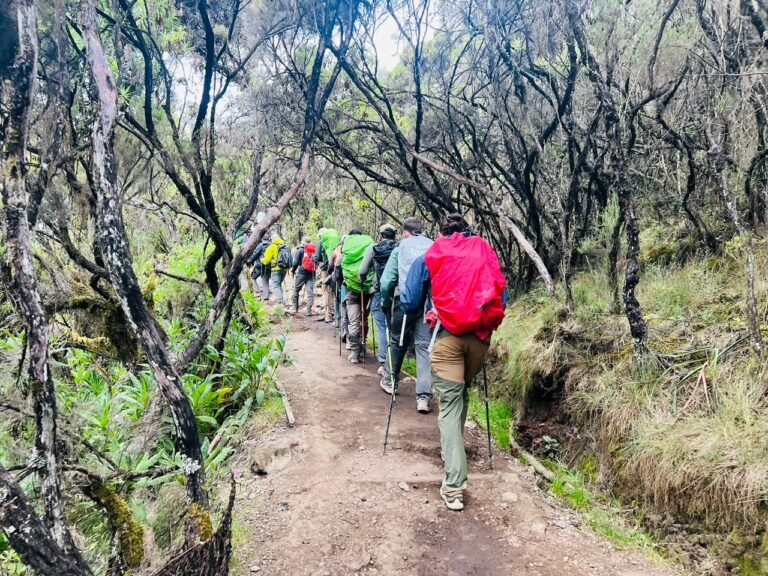
Private Lemosho Route Cost: Price By Group Size 2026-2027
Private Lemosho Route Cost: Price by Group Size is explained with current 2026-2027 planning, price, itinerary and booking information.
View package details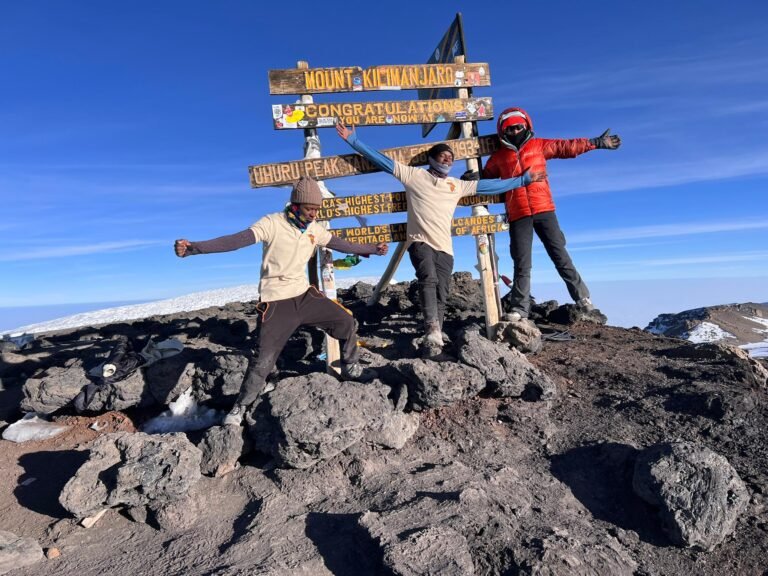
6 Days Lemosho Route Kilimanjaro: Itinerary, Cost & Planning 2026-2027
The 6-day Lemosho Route on Kilimanjaro offers a balance of acclimatization and scenic beauty, though it is one of the shorter options for this route, making it more challenging. This guide...
View package details
8 Days Lemosho Route: Cost, Price & Full Itinerary For Kilimanjaro Climbs
Your comprehensive guide to the 8-day Lemosho Route on Mount Kilimanjaro. Get detailed insights into costs, pricing factors, a day-by-day itinerary, and essential planning advice for your...
View package details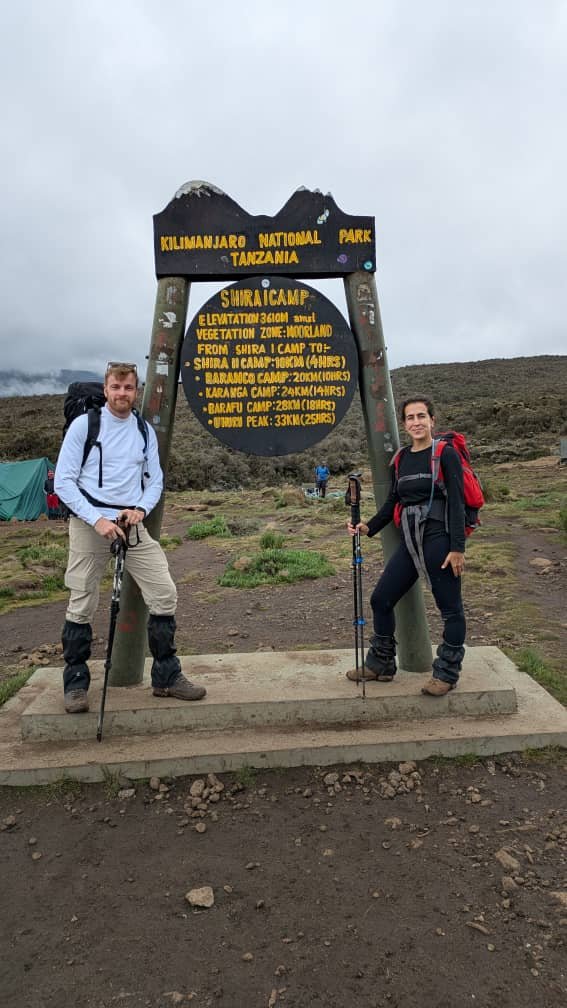
7 Days Lemosho Route: Cost, Price & Full Itinerary 2026-2027
7 Days Lemosho Route: Cost, Price & Full Itinerary is explained with current 2026-2027 planning, price, itinerary and booking information.
View package details
Lemosho Route Cost /: Prices, Fees & Packages For Kilimanjaro Climbs 2026-2027
Planning a Kilimanjaro climb via the Lemosho Route in 2026 or 2027? This comprehensive guide breaks down the Lemosho Route cost, including typical prices, package inclusions, essential...
View package details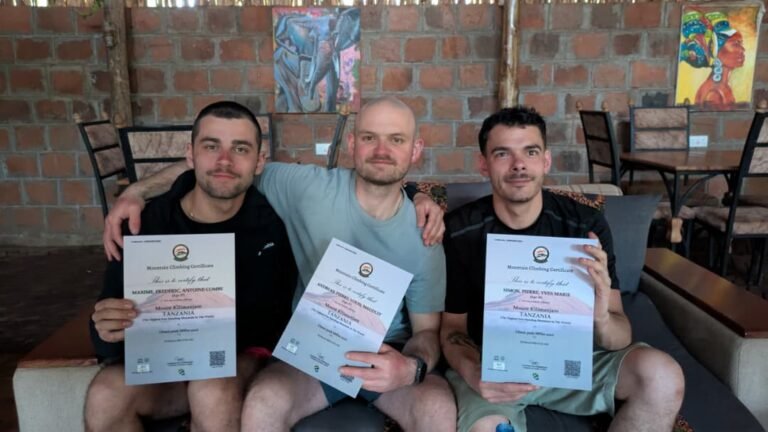
Kilimanjaro Price Per Person: Cost By Route, Days & Group Size In 2026-2027
Planning your Kilimanjaro climb involves understanding the Kilimanjaro price per person, which varies significantly based on the chosen route, the number of days on the mountain, and your...
View package details
6 Days Machame Route: Cost, Price & Full Itinerary For Climbs 2026-2027
Planning a Kilimanjaro climb via the Machame Route in 6 days? This comprehensive guide breaks down the costs, pricing factors, and provides a day-by-day itinerary, essential for your...
View package details
Machame Route Cost /: Prices, Packages & Fees 2026-2027
Machame Route Cost 2026/2027: Prices, Packages & Fees is explained with current 2026-2027 planning, price, itinerary and booking information.
View package details
Lemosho Route Park Fees & Total Climbing Cost 2026-2027
Lemosho Route Park Fees & Total Climbing Cost is explained with current 2026-2027 planning, price, itinerary and booking information.
View package details
Lemosho Group Joining Prices & Departure Dates / | Climb 4 Africa 2026-2027
Planning a Kilimanjaro climb via the Lemosho route with a group? Discover 2026 and 2027 group joining prices and available departure dates with Climb 4 Africa, your expert guide to...
View package details
7 Vs 8 Days Lemosho Route: Cost, Success Rate & Which Is Better? 2026-2027
7 vs 8 Days Lemosho Route: Cost, Success Rate & Which Is Better? is explained with current 2026-2027 planning, price, itinerary and booking information.
View package detailsNo related package matches those filters. Clear one or more filters to see the other topic-matched options.



