
For climbing Mount Kilimanjaro, the 8-day Lemosho Route is generally superior to the 7-day Lemosho Route, offering significantly better acclimatization, higher success rates, and a more enjoyable experience, despite a slightly higher cost. The 8-day itinerary provides an extra day for your body to adapt to the altitude, crucial for reaching Uhuru Peak. While the 7-day Lemosho is still a viable option and more budget-friendly, the 8-day version is recommended for most climbers planning their ascent for 2026 or 2027, especially if success and a comfortable journey are priorities.
Understanding the Lemosho Route: A Premier Kilimanjaro Choice
The Lemosho Route stands out as one of the most popular and scenic paths up Kilimanjaro, cherished for its diverse landscapes and excellent acclimatization profile. It offers a gradual ascent, starting in the lush rainforest on the western side of the mountain before traversing the Shira Plateau and eventually joining the well-trodden Barranco Wall route. However, a key decision for trekkers is whether to opt for a 7-day or an 8-day itinerary on Lemosho. This choice directly impacts acclimatization, success rates, the overall experience, and, naturally, the cost. As you plan your Kilimanjaro adventure for 2026 or 2027, understanding these differences is vital.
Why the 7 vs 8 Days Lemosho Route Decision Matters
Mount Kilimanjaro is not a technical climb, but its extreme altitude presents a significant challenge. Success hinges on proper acclimatization – allowing your body adequate time to adjust to decreasing oxygen levels as you gain elevation. The Lemosho Route, in both its 7-day and 8-day variations, is designed with acclimatization in mind, but the extra day in the 8-day version makes a substantial difference. This isn’t just about reaching the summit; it’s about enjoying the journey, minimizing the risk of altitude sickness, and increasing your chances of standing on the Roof of Africa.
The 7-Day Lemosho Route: A Faster Ascent
The 7-day Lemosho Route is a more condensed version of this beautiful trek. It covers the same essential path as the 8-day route but compresses the itinerary, often by combining two trekking days or skipping a dedicated acclimatization day. While it’s a perfectly valid way to climb Kilimanjaro, it requires a slightly faster pace and offers less time for your body to adjust.
Typical 7-Day Lemosho Itinerary Breakdown
While specific operators may vary, a typical 7-day Lemosho Route itinerary looks something like this:
- Day 1: Drive to Lemosho Gate, trek to Mti Mkubwa Camp (approx. 2,360m / 7,740ft).
- Day 2: Trek to Shira 1 Camp (approx. 3,500m / 11,500ft).
- Day 3: Trek to Shira 2 Camp (approx. 3,850m / 12,630ft).
- Day 4: Trek across the Shira Plateau to Lava Tower, then descend to Barranco Camp (approx. 3,950m / 12,960ft). This is often a long day.
- Day 5: Climb the Barranco Wall, trek to Karanga Camp (approx. 3,995m / 13,110ft).
- Day 6: Trek to Barafu Camp (approx. 4,600m / 15,100ft) – the final camp before summit night.
- Day 7: Summit night (Uhuru Peak, 5,895m / 19,341ft), descend to Mweka Camp (approx. 3,100m / 10,170ft).
- Day 8: Trek from Mweka Camp to Mweka Gate, transfer to hotel.
Pros of the 7-Day Lemosho Route
- Cost-Effective: Generally, a 7-day trek will be less expensive than an 8-day trek due to one fewer day of guiding, porterage, park fees, and accommodation. This can be a significant factor for budget-conscious travelers planning for 2026-2027.
- Shorter Time Commitment: If you have limited vacation time, a 7-day climb fits more easily into a standard holiday schedule.
- Still Offers Scenery: You still experience the beauty of the Lemosho route, including the rainforest, Shira Plateau, and the dramatic Barranco Wall.
Cons of the 7-Day Lemosho Route
- Lower Success Rate: The primary drawback. Less time for acclimatization means a higher risk of suffering from altitude sickness, which can force you to turn back before reaching the summit. Success rates on the 7-day Lemosho are typically lower than on the 8-day version.
- More Challenging Pace: Days can be longer and more demanding due to the compressed schedule.
- Less Enjoyment for Some: The faster pace might leave less time to appreciate the surroundings and can feel more rushed.
The 8-Day Lemosho Route: The Gold Standard for Acclimatization
The 8-day Lemosho Route is widely considered the optimal choice for Lemosho, especially for first-time Kilimanjaro climbers or those prioritizing success and comfort. The extra day is strategically placed to improve acclimatization and ease the physical demands of the trek.
Typical 8-Day Lemosho Itinerary Breakdown
Here’s a common 8-day itinerary for the Lemosho Route:
- Day 1: Drive to Lemosho Gate, trek to Mti Mkubwa Camp (approx. 2,360m / 7,740ft).
- Day 2: Trek to Shira 1 Camp (approx. 3,500m / 11,500ft).
- Day 3: Trek to Shira 2 Camp (approx. 3,850m / 12,630ft).
- Day 4: Trek across the Shira Plateau to Lava Tower, then descend to Barranco Camp (approx. 3,950m / 12,960ft).
- Day 5: Climb the Barranco Wall, then trek to Karanga Camp (approx. 3,995m / 13,110ft).
- Day 6: Trek to Barafu Camp (approx. 4,600m / 15,100ft).
- Day 7: Summit night (Uhuru Peak, 5,895m / 19,341ft), descend to Mweka Camp (approx. 3,100m / 10,170ft).
- Day 8: Trek from Mweka Camp to Mweka Gate, transfer to hotel.
*Note: The key difference often lies in Day 4 or Day 5. Some 8-day itineraries might have a shorter day between Shira 2 and Lava Tower, or an additional acclimatization day between Karanga and Barafu camp. A very common and highly recommended 8-day Lemosho includes an extra night at Karanga Camp or a shorter trek to Barafu Camp, allowing for better rest and acclimatization before summit night. Another popular 8-day variation includes an additional camp, such as **Kubo Camp**, after the Lava Tower descent, before proceeding to Barafu, effectively spacing out the altitude gains more gradually. The most common 8-day Lemosho effectively uses the same camps as the 7-day but spaces the daily treks out, or adds a dedicated acclimatization day in the middle stages, often around the Shira Plateau or Karanga Valley.
Pros of the 8-Day Lemosho Route
- Higher Success Rate: This is the most compelling advantage. The extra day allows your body more time to acclimatize to the high altitude, significantly reducing the risk of altitude sickness and increasing your chances of reaching the summit. Many operators report success rates of 85-95% on their 8-day Lemosho climbs, compared to potentially 70-80% on 7-day climbs. This is crucial for trekkers planning for 2026 or 2027 who want to maximize their chances.
- Better Acclimatization: The gradual ascent and additional rest days are scientifically proven to aid acclimatization.
- More Enjoyable Pace: The trek feels less rushed, allowing more time to appreciate the stunning scenery, take photos, and enjoy the experience.
- Reduced Risk of AMS: Altitude Mountain Sickness (AMS) is less likely to become severe.
Cons of the 8-Day Lemosho Route
- Higher Cost: An extra day means more expenses for park fees, guide and porter salaries, food, and accommodation. This is the main trade-off for the improved success rate.
- Longer Time Commitment: Requires an additional day away from your usual schedule.
Comparing Cost: 7 vs 8 Days Lemosho Route
The cost is a significant factor for many when choosing their Kilimanjaro climb. While exact prices vary widely between operators, quality of service, and inclusions, the 8-day Lemosho Route will invariably be more expensive than the 7-day Lemosho Route. This difference is primarily driven by:
- Park Fees: Kilimanjaro National Park fees are charged per day. An extra day means an extra day of park fees.
- Crew Wages: Guides, porters, and cooks are paid for each day they work.
- Food and Supplies: An additional day requires more provisions.
- Logistics: Transportation and overall operational costs increase slightly.
As a general guideline for 2026-2027 climbs:
- A 7-day Lemosho Route might range from $2,000 to $3,500 USD per person for a reputable mid-range operator, depending on inclusions.
- An 8-day Lemosho Route could range from $2,300 to $4,000+ USD per person, again, depending heavily on the operator and what’s included.
These figures are estimates. Always request a detailed quote from operators like Climb 4 Africa, which will break down costs based on group size, service level, and specific inclusions. Factors like private vs. group climbs, accommodation before/after the trek, and gear rental also influence the final price.
Cost Considerations for 2026-2027 Climbs
When comparing prices for 2026-2027, look beyond the headline figure. A cheaper climb might compromise on safety, crew welfare, or quality of equipment, which can impact your experience and success. Reputable operators like Climb 4 Africa prioritize safety, experienced guides, and fair treatment of porters, which is reflected in their pricing but offers much greater value and peace of mind. Always check what is included: park fees, rescue fees, meals, accommodation, camping equipment, bottled water, guide salaries, and emergency oxygen are essential inclusions.
Success Rate: The Deciding Factor for Many
Success rate on Kilimanjaro is a critical metric, and it’s heavily influenced by the route duration and acclimatization. The general consensus among experienced guides and operators is that longer routes lead to higher success rates.
- 8-Day Lemosho Route: Typically boasts success rates of 85% to 95%. The extra day allows for better physiological adaptation to altitude, making the summit push less taxing and reducing the likelihood of debilitating altitude sickness.
- 7-Day Lemosho Route: Success rates are generally lower, often estimated between 70% and 80%. This is because the pace is quicker, and there’s less opportunity for the body to fully adjust.
While individual fitness and preparedness play a role, the route’s design is paramount. For those who have traveled far and invested significant funds for a 2026 or 2027 climb, maximizing the chance of success is a top priority. The 8-day Lemosho route offers a significant advantage in this regard.
Understanding Kilimanjaro Success Rates
It’s important to note that “success” typically means reaching Uhuru Peak. However, even if you don’t reach the summit, reaching a high point like Stella Point (just below Uhuru) is still an accomplishment. Altitude sickness can affect anyone, regardless of fitness. The best strategy to combat it is slow, steady ascent with proper acclimatization, which the 8-day Lemosho provides.
Factors Influencing Success (Beyond Duration)
While the 8-day Lemosho route enhances your odds, other factors are crucial for success on your 2026-2027 climb:
- Physical Fitness: Good cardiovascular health and stamina are important. Train by hiking, running, or cycling.
- Mental Preparedness: Kilimanjaro is a mental challenge as much as a physical one. Be prepared for cold, fatigue, and long days.
- Hydration and Nutrition: Drinking plenty of water and eating well on the mountain are vital.
- Guide’s Expertise: Experienced guides monitor your health and make critical decisions.
- Following “Pole Pole”: The Swahili phrase for “slowly, slowly” is the mantra on Kilimanjaro.
The 8-day Lemosho route simply gives you a better platform to leverage these factors by optimizing acclimatization.
Acclimatization: The Heart of the 7 vs 8 Days Lemosho Debate
Acclimatization is the process by which your body adapts to lower oxygen levels at high altitudes. This is the single most critical factor determining your success and safety on Kilimanjaro. The 8-day Lemosho route is superior because it follows the “climb high, sleep low” principle more effectively and provides more time for this adaptation.
How the 8-Day Lemosho Improves Acclimatization
- Slower Altitude Gain: The extra day allows for shorter daily ascents and more gradual increases in sleeping altitude.
- More Rest Days/Shorter Days: Often, the 8-day itinerary includes a day where you trek to a higher camp and then descend slightly to sleep, or it simply breaks down longer trekking segments into more manageable parts. For example, the trek from Lava Tower to Barranco Camp is a significant altitude change. An 8-day itinerary might break this up or ensure a more relaxed pace.
- Better Recovery: An extra day provides more time for your body to recover and adapt, especially after strenuous days like climbing the Barranco Wall.
The 7-Day Lemosho Acclimatization Challenge
In the 7-day version, certain days are compressed. This can mean:
- Longer trekking hours on some days.
- Less time spent at higher altitudes before descending to sleep.
- A more rapid increase in sleeping elevation over consecutive days.
While it’s possible to succeed on the 7-day Lemosho, the risk of experiencing moderate to severe altitude sickness is notably higher. For trekkers planning their climb for 2026 or 2027, prioritizing acclimatization with the 8-day route is a wise investment in their overall experience and success.
Comparing the Lemosho Routes: Scenery and Experience
Both the 7-day and 8-day Lemosho routes traverse the same beautiful sections of Kilimanjaro. You’ll experience:
- The lush rainforest zone, teeming with wildlife and unique flora.
- The vast, otherworldly Shira Plateau.
- The dramatic ascent of the Barranco Wall (a highlight for many).
- The alpine desert and arctic zones as you ascend towards the summit.
The primary difference in experience comes down to pace and how much you can savor the journey. The 8-day itinerary allows for a more leisurely pace, giving you more time to:
- Take in the impressive views.
- Photograph the diverse landscapes.
- Rest and recover between challenging sections.
- Bond with your fellow climbers and guides.
The 7-day route, while still scenic, can feel more like a race against time and altitude. The extra day on the 8-day Lemosho route truly enhances the overall Kilimanjaro experience, making it more memorable and less stressful.
Which Route is Better for You: 7 vs 8 Days Lemosho?
Deciding between the 7-day and 8-day Lemosho Route for your 2026-2027 Kilimanjaro climb depends on your priorities, budget, and risk tolerance.
Choose the 8-Day Lemosho Route If:
- Maximizing Success is Your Priority: The higher success rate is the most compelling reason.
- Acclimatization is Key: You want the best possible acclimatization profile.
- You Prefer a More Relaxed Pace: You want to enjoy the scenery and not feel rushed.
- You Have the Budget: You can afford the slightly higher cost.
- You Have the Time: An extra day fits into your schedule.
- You’re a First-Time Kilimanjaro Climber: This offers the best balance of beauty, acclimatization, and success potential.
Choose the 7-Day Lemosho Route If:
- Budget is a Major Constraint: The cost savings are significant.
- Time is Very Limited: You can only spare 7 days for the climb itself.
- You Have Extensive High-Altitude Experience: You’ve successfully climbed other high peaks and are confident in your body’s ability to acclimatize quickly (though caution is still advised).
- You Are Prepared for a Faster Pace: You are comfortable with potentially longer days and a more demanding schedule.
For most people planning their Kilimanjaro adventure for 2026 or 2027, the 8-day Lemosho Route is the recommended choice. The marginal increase in cost and time is a worthwhile investment for a significantly better chance of summit success and a more comfortable, enjoyable trek.
Expert Recommendation for 2026-2027 Climbers
As experienced Kilimanjaro operators, Climb 4 Africa consistently recommends the 8-day Lemosho Route to our clients. The benefits in terms of acclimatization and success rates far outweigh the additional cost. It transforms a potentially grueling challenge into a more achievable and memorable expedition. We believe that for most trekkers aiming for Uhuru Peak, investing in the 8-day itinerary is the smartest decision for their 2026-2027 climb.
Other Lemosho Route Variations and Considerations
While the 7-day and 8-day variations are most common, some operators might offer 9-day Lemosho itineraries. These are even more focused on acclimatization and leisurely pacing, often incorporating an extra night at Barafu Camp or adding a day for acclimatization in the middle sections. These are generally the most expensive but offer the absolute highest success rates.
Joining a Group vs. Private Climb
- Group Climbs: Joining a scheduled group departure can sometimes make the 8-day Lemosho more affordable. Operators like Climb 4 Africa offer group departures for Kilimanjaro, which can be an excellent way to share costs and the experience. You can find information on their group departures dates for various routes, including Lemosho.
- Private Climbs: Offer flexibility in dates and pace but are typically more expensive. Even for a private climb, the 8-day Lemosho remains the recommended duration.
When to Climb: Best Seasons for Lemosho
For planning your 2026-2027 climb, consider the best seasons:
- Dry Seasons: January-March and June-October are generally best, offering clearer skies and less rain.
- Shoulder Seasons: April-May (long rains) and November-December (short rains) can be more challenging due to weather but may offer fewer crowds and potentially lower prices.
The Lemosho route is suitable for climbing year-round, but the dry seasons provide the most comfortable conditions for both the 7-day and 8-day itineraries.
Preparing for Your Lemosho Climb: 7 or 8 Days
Regardless of whether you choose the 7-day or 8-day Lemosho route, thorough preparation is key. This includes:
- Physical Training: Focus on cardiovascular fitness and endurance. Hiking with a backpack on varied terrain is ideal.
- Gear: Invest in or rent high-quality, waterproof, and warm gear. Layers are essential.
- Mental Preparation: Understand the challenges of altitude and be ready to push yourself mentally.
- Booking: Secure your climb with a reputable operator well in advance, especially for popular dates in 2026-2027.
Key Takeaways for Your Lemosho Decision
- 8-Day Lemosho: Higher success rate, better acclimatization, more enjoyable pace, slightly higher cost. Recommended for most trekkers.
- 7-Day Lemosho: Lower cost, shorter duration, faster pace, lower success rate. Suitable for budget-conscious or time-constrained climbers with high-altitude experience.
- Cost: Expect the 8-day to be 10-20% more expensive than the 7-day.
- Success: The 8-day route significantly boosts your chances of reaching Uhuru Peak.
- Acclimatization: The 8-day route provides superior physiological adaptation.
- Experience: Both are scenic, but the 8-day allows for a more relaxed and in-depth journey.
Conclusion: Making the Right Choice for Your Kilimanjaro Summit Bid
When weighing the 7 vs 8 Days Lemosho Route for your Kilimanjaro climb, the evidence strongly favors the 8-day itinerary. While the 7-day option presents a more budget-friendly and time-efficient alternative, the significant advantages of the 8-day route – particularly its enhanced acclimatization profile and consequently higher success rate – make it the superior choice for the vast majority of trekkers. For anyone planning their 2026 or 2027 expedition, investing that extra day and marginal cost into the 8-day Lemosho Route is a strategic decision that dramatically improves your chances of achieving your summit dream while ensuring a more comfortable and rewarding journey up Africa’s highest peak.
If you’re ready to plan your Kilimanjaro adventure with confidence, contact the experts at Climb 4 Africa. Our team can help you choose the best route and duration for your goals, providing personalized support and ensuring a safe, successful climb. Reach out to us via WhatsApp +255 747 477 898 or email us at climb4africa@gmail.com to get a personalized quote and itinerary for your 2026-2027 Kilimanjaro climb.”,
“faq_schema”: [
{
“question”: “Which is better, the 7-day or 8-day Lemosho Route on Kilimanjaro?”,
“answer”: “The 8-day Lemosho Route is generally considered better than the 7-day Lemosho Route. It offers superior acclimatization, leading to significantly higher success rates and a more enjoyable trekking experience, despite a slightly higher cost. The extra day allows your body more time to adjust to the altitude, which is crucial for reaching Uhuru Peak.”
},
{
“question”: “What is the cost difference between the 7-day and 8-day Lemosho Route?”,
“answer”: “The 8-day Lemosho Route is typically more expensive than the 7-day version, usually by about 10-20%. This increase is due to an additional day of park fees, crew wages, food, and logistics. For 2026-2027 climbs, expect a 7-day Lemosho to range from $2,000-$3,500 USD per person and an 8-day Lemosho from $2,300-$4,000+ USD per person with reputable operators.”
},
{
“question”: “What is the success rate for the 7-day vs 8-day Lemosho Route?”,
“answer”: “The 8-day Lemosho Route boasts higher success rates, often between 85% and 95%, due to better acclimatization. The 7-day Lemosho Route generally has lower success rates, typically ranging from 70% to 80%, as the pace is quicker and there’s less time for the body to adapt to the altitude.”
},
{
“question”: “How does acclimatization differ between the 7-day and 8-day Lemosho Route?”,
“answer”: “The 8-day Lemosho Route provides significantly better acclimatization by allowing for a slower ascent, more rest, and better adherence to the ‘climb high, sleep low’ principle. The 7-day route compresses the itinerary, offering less time for the body to adjust to decreasing oxygen levels, increasing the risk of altitude sickness.”
},
{
“question”: “Is the 7-day Lemosho Route still a good option for Kilimanjaro?”,
“answer”: “Yes, the 7-day Lemosho Route is a viable option, especially for climbers on a tighter budget or with limited time, provided they have good physical fitness and ideally some prior high-altitude experience. However, for most trekkers, especially those planning for 2026-2027 and prioritizing success and comfort, the 8-day route is the recommended choice.”
},
{
“question”: “Which Lemosho route is best for a first-time Kilimanjaro climber in 2026 or 2027?”,
“answer”: “For first-time Kilimanjaro climbers planning their ascent in 2026 or 2027, the 8-day Lemosho Route is highly recommended. It offers the best balance of scenic beauty, excellent acclimatization, and the highest probability of reaching the summit safely and enjoyably.”
}
]
}
“`
Check Availability for 7 Vs 8 Days Lemosho Route: Cost, Success Rate & Which Is Better? 2026-2027
Ready to compare dates, prices, and the best option for your group? Send the package name and travel month so the team can reply with a clear quote, availability, and what is included.

8 Days Lemosho Route: Cost, Price & Full Itinerary For Kilimanjaro Climbs
Your comprehensive guide to the 8-day Lemosho Route on Mount Kilimanjaro. Get detailed insights into costs, pricing factors, a day-by-day itinerary, and essential planning advice for your...
View package details
7 Days Lemosho Route: Cost, Price & Full Itinerary 2026-2027
7 Days Lemosho Route: Cost, Price & Full Itinerary is explained with current 2026-2027 planning, price, itinerary and booking information.
View package details
Lemosho Route Park Fees & Total Climbing Cost 2026-2027
Lemosho Route Park Fees & Total Climbing Cost is explained with current 2026-2027 planning, price, itinerary and booking information.
View package details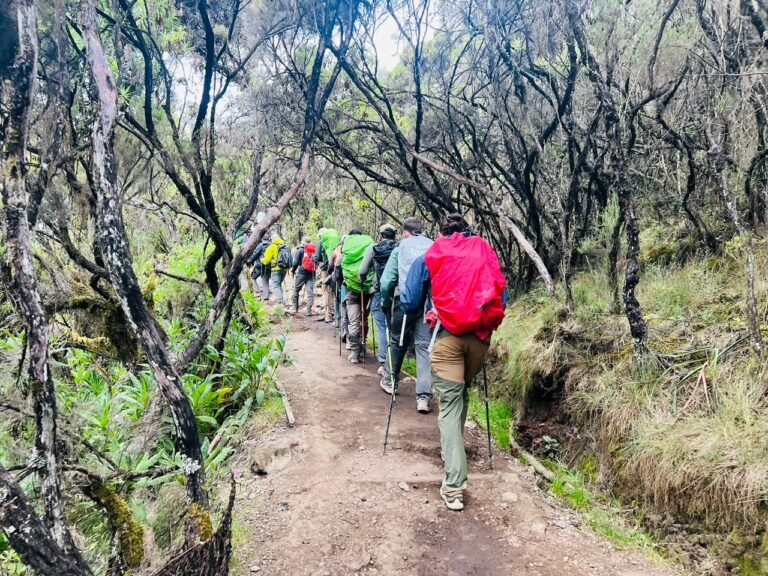
Private Lemosho Route Cost: Price By Group Size 2026-2027
Private Lemosho Route Cost: Price by Group Size is explained with current 2026-2027 planning, price, itinerary and booking information.
View package details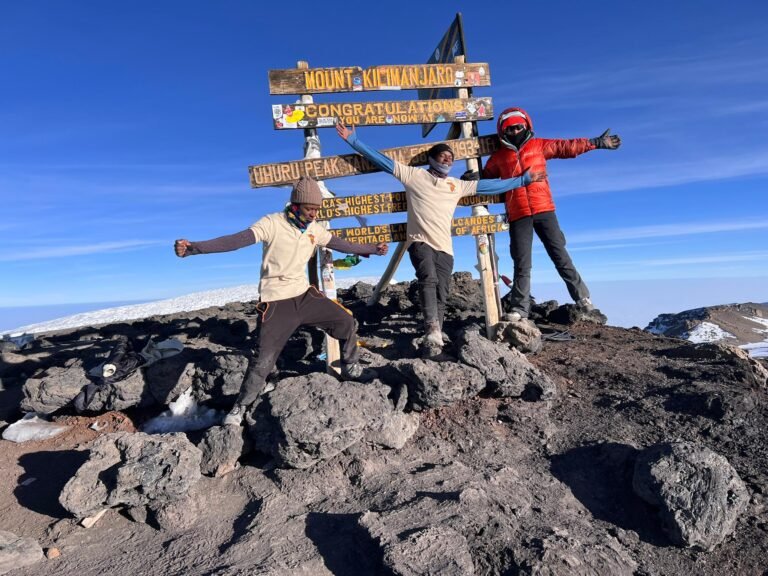
6 Days Lemosho Route Kilimanjaro: Itinerary, Cost & Planning 2026-2027
The 6-day Lemosho Route on Kilimanjaro offers a balance of acclimatization and scenic beauty, though it is one of the shorter options for this route, making it more challenging. This guide...
View package details
Lemosho Route Cost /: Prices, Fees & Packages For Kilimanjaro Climbs 2026-2027
Planning a Kilimanjaro climb via the Lemosho Route in 2026 or 2027? This comprehensive guide breaks down the Lemosho Route cost, including typical prices, package inclusions, essential...
View package details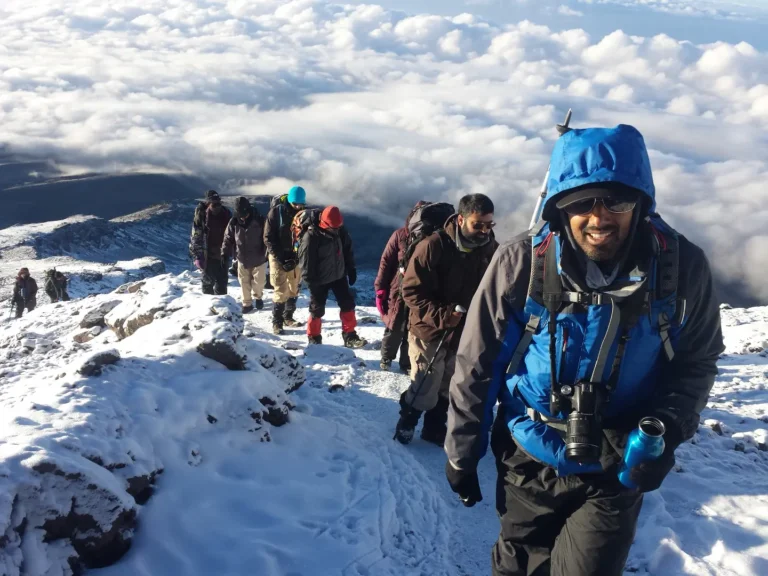
6 Days Machame Route: Cost, Price & Full Itinerary For Climbs 2026-2027
Planning a Kilimanjaro climb via the Machame Route in 6 days? This comprehensive guide breaks down the costs, pricing factors, and provides a day-by-day itinerary, essential for your...
View package details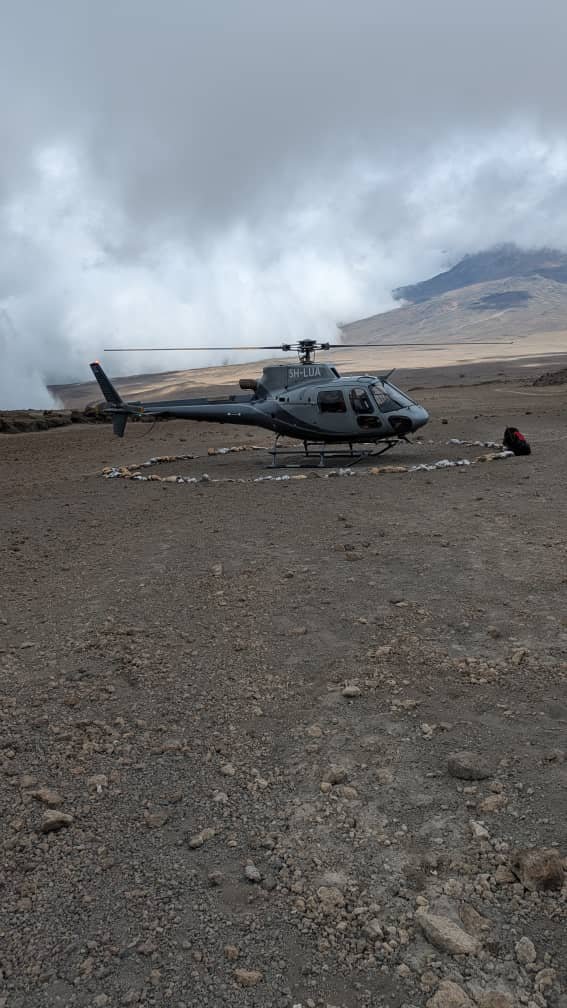
Machame Route Cost /: Prices, Packages & Fees 2026-2027
Machame Route Cost 2026/2027: Prices, Packages & Fees is explained with current 2026-2027 planning, price, itinerary and booking information.
View package details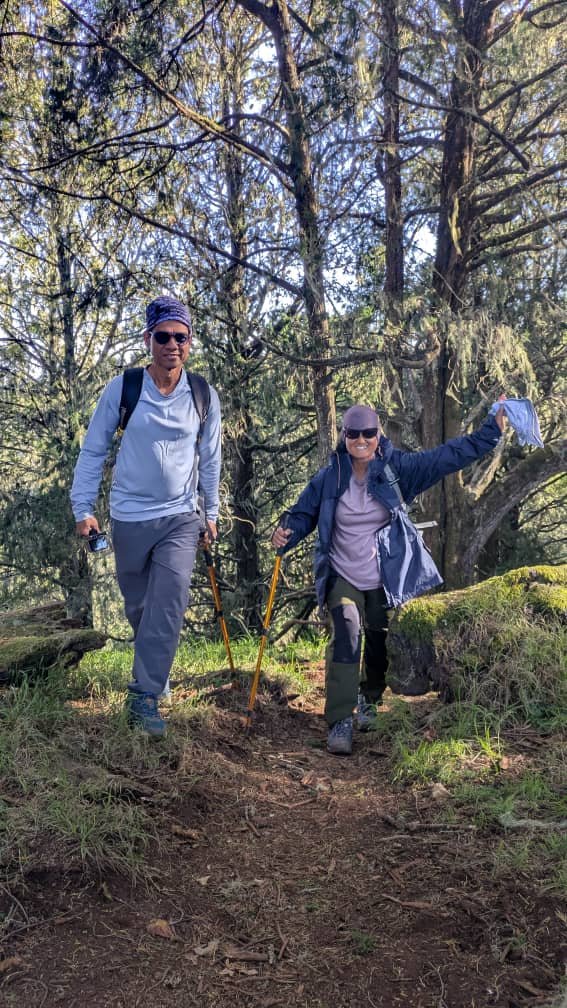
Budget Vs Luxury Lemosho Route Packages: Price Comparison For Kilimanjaro
Choosing between a budget or luxury Lemosho Route package for your Kilimanjaro climb in 2026 or 2027 involves understanding what drives the price. This comparison breaks down cost factors...
View package detailsLemosho Route Price Per Person: What Is Included In ? 2026-2027
Discover the typical cost of a Lemosho Route Kilimanjaro climb per person for 2026-2027, detailing essential inclusions like park fees, guide services, meals, and accommodation, to help you...
View package detailsKilimanjaro Route Prices Compared: Which Offers The Best Value For Climbs?
Choosing the right Kilimanjaro route is crucial for both your experience and your budget. This guide compares Kilimanjaro route prices, detailing what influences costs and which routes...
View package details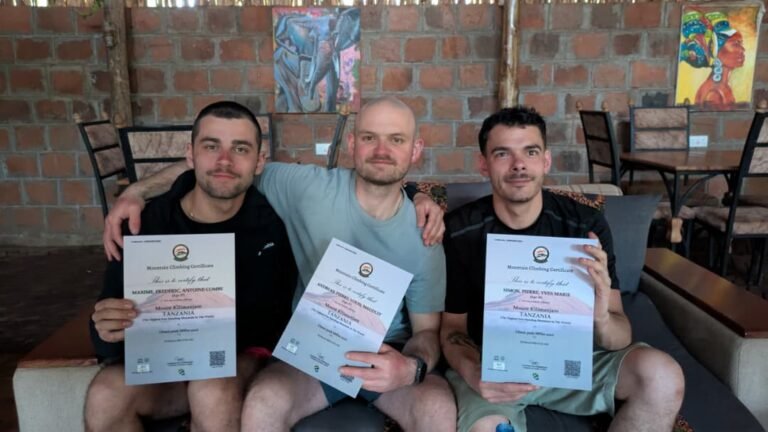
Kilimanjaro Price Per Person: Cost By Route, Days & Group Size In 2026-2027
Planning your Kilimanjaro climb involves understanding the Kilimanjaro price per person, which varies significantly based on the chosen route, the number of days on the mountain, and your...
View package detailsNo related package matches those filters. Clear one or more filters to see the other topic-matched options.



