
A 6-day Lemosho Route Kilimanjaro climb typically costs between $2,100 and $3,500 per person for a private trek, depending on inclusions, operator, and accommodation level, with the 2026-2027 season offering various booking windows. The itinerary focuses on ascending through varied landscapes, starting from the west and offering good acclimatization, but the shorter duration necessitates a faster pace, particularly on summit night.
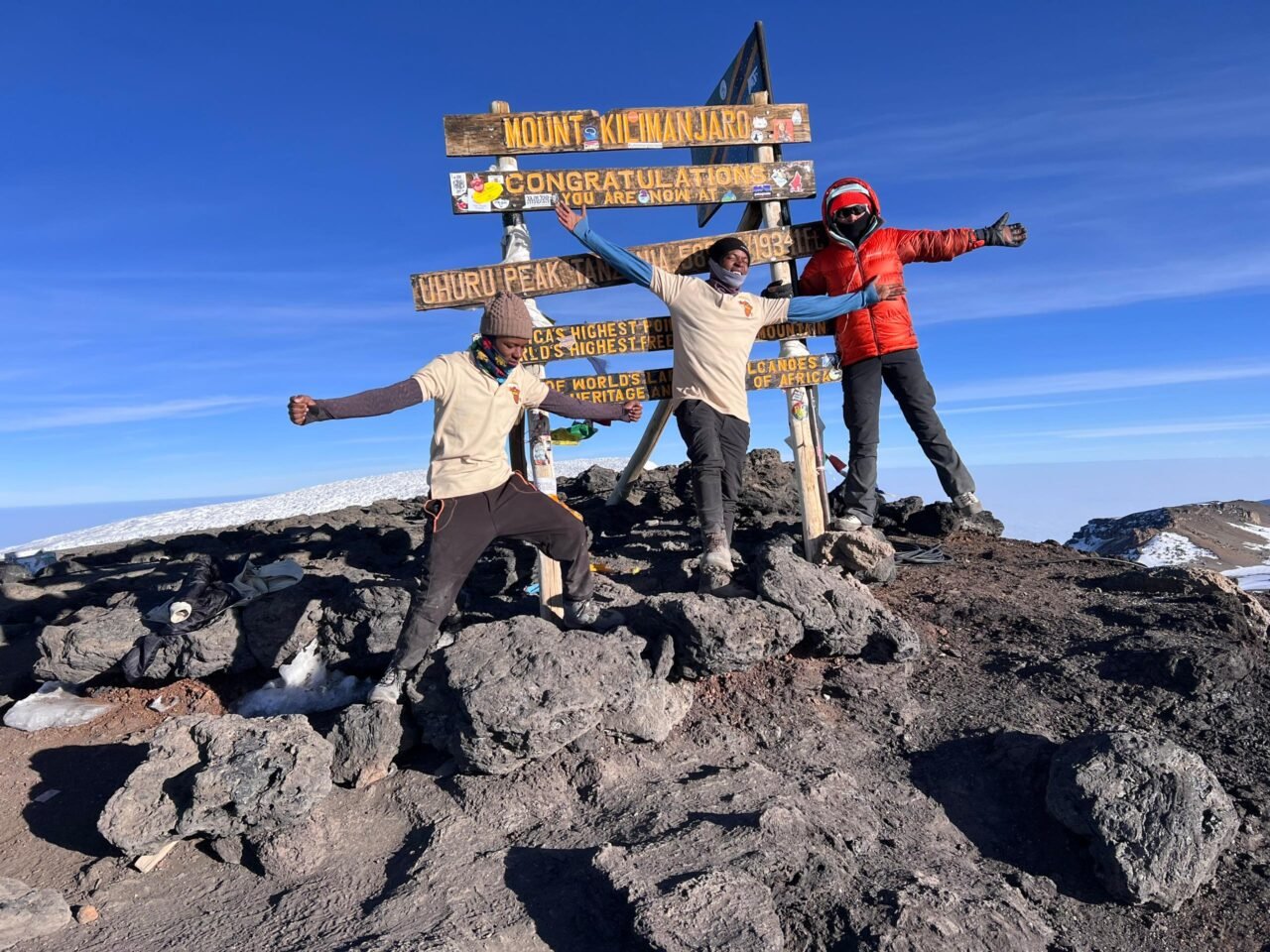
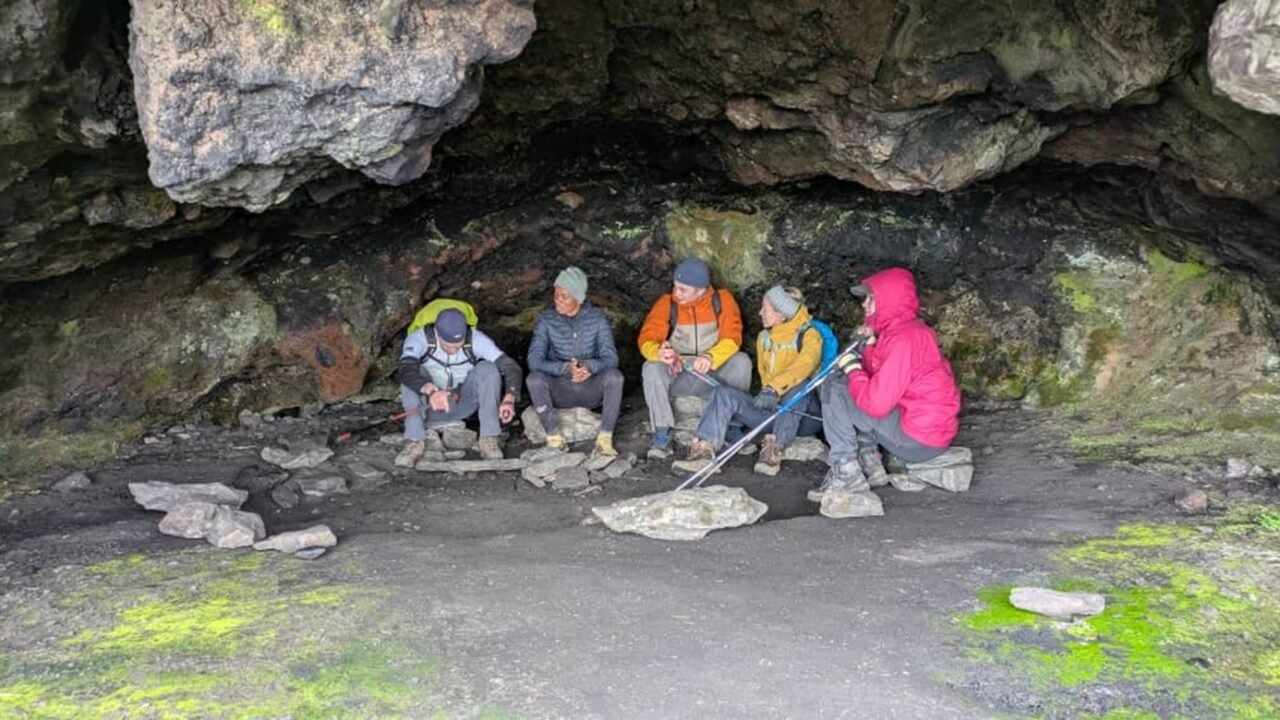

Understanding the 6-Day Lemosho Route: A Kilimanjaro Trekker’s Essential Guide
The 6-day Lemosho Route is a popular choice for trekkers aiming for Kilimanjaro’s summit. It’s known for its scenic beauty and relatively good acclimatization profile, especially when compared to shorter routes. However, the 6-day variation condenses the experience, demanding a steady pace and robust physical condition. For those planning a climb in the 2026-2027 seasons, understanding the nuances of this route, its associated costs, and a detailed itinerary is crucial for a successful and enjoyable expedition.
At Climb 4 Africa, we specialize in creating memorable Kilimanjaro experiences. Our expertise ensures that whether you choose the 6-day Lemosho or another path, your trek is supported by local knowledge and dedicated service. This guide aims to provide comprehensive information to help you decide if the 6-day Lemosho is the right fit for your Kilimanjaro adventure, covering everything from daily stages to the financial investment required.
Why Choose the 6-Day Lemosho Route for Your Kilimanjaro Climb?
The Lemosho Route is often lauded as one of Kilimanjaro’s most beautiful treks. It begins in the west, near the border with Kenya, and traverses diverse ecosystems, from lush rainforests to alpine deserts and the arctic zone near the summit. The 6-day version, while shorter than the more commonly recommended 7 or 8-day Lemosho itineraries, still offers several advantages:
- Scenic Variety: The route passes through stunning landscapes, including the Shira Plateau and the Great Barranco Valley, offering incredible photographic opportunities.
- Good Acclimatization (Relative): Compared to very short routes like Marangu (5-day), the Lemosho’s gradual ascent, particularly in the initial days, aids acclimatization. However, the 6-day pace is faster than its longer counterparts.
- Lower Crowds (Initially): Starting from the west, the initial days on Lemosho are often less crowded than routes starting from the south.
- Success Rates: While success is always dependent on individual preparation and acclimatization, the Lemosho route generally supports higher success rates due to its acclimatization profile. The 6-day version requires careful management of this aspect.
For trekkers with limited time but a desire for a beautiful and rewarding Kilimanjaro climb, the 6-day Lemosho can be an excellent option, provided they are well-prepared physically and understand the demands of the accelerated pace.
Kilimanjaro 6 Days Lemosho Route Cost: What to Expect for 2026-2027
Understanding the cost of climbing Kilimanjaro is a primary concern for most prospective trekkers. The 6 days Lemosho Route cost is influenced by several factors, including the tour operator, the level of service provided, group size, and the specific inclusions in the package. For 2026-2027 climbs, expect a range that reflects these variables.
Generally, prices for a 6-day Lemosho trek can fall into the following brackets:
- Budget Operators: These often focus on essential services and may have larger group sizes. Costs might range from $1,800 to $2,300 per person.
- Mid-Range Operators (like Climb 4 Africa): Offering a balance of quality, service, and value. Prices typically range from $2,100 to $3,000 per person for a private group.
- Premium/Luxury Operators: Providing higher-end services, smaller group sizes, and more amenities. Costs can be from $3,000 to $4,500+ per person.
Key Inclusions Typically Covered in the Cost:
When budgeting for your 6 days Lemosho Route cost, look for packages that include:
- Park fees (Kilimanjaro National Park, Conservation Fees, Crater Fees if applicable for longer routes)
- All meals on the mountain (breakfast, lunch, dinner)
- Tented accommodation on the mountain
- Professional guides and porters
- Portable toilet
- Treated drinking water
- Transfer from/to airport and hotel in Arusha
- Basic accommodation in Arusha before and after the climb (often 1-2 nights)
- Emergency oxygen and comprehensive first-aid kit
Common Exclusions to Budget For:
Be aware of what is typically *not* included in the quoted price:
- International flights to Kilimanjaro International Airport (JRO)
- Visa fees
- Travel and medical insurance (mandatory)
- Tips for guides, porters, and cooks (a significant portion of the total cost)
- Personal climbing gear (boots, clothing, sleeping bag, etc.)
- Lunches and dinners in Arusha (unless specified)
- Personal expenses (souvenirs, drinks, laundry)
- Optional gratuities for drivers or extra services
- Pre- and post-climb accommodation in Arusha beyond what’s stated
Tipping Guide for 2026-2027 Climbs:
Tipping is customary and expected. A common guideline for a 6-day Lemosho climb is around $250-$350 per trekker, distributed among the crew. Your operator will usually provide a detailed breakdown of recommended tip amounts per crew member.
Factors Influencing Price Fluctuations for 2026-2027:
- Season: Peak seasons (June-October, December-February) may see slightly higher prices due to demand.
- Group Size: Private climbs are generally more expensive per person than joining a pre-scheduled group departure, though they offer more flexibility.
- Operator Reputation & Service Level: Established operators with excellent safety records and higher staff-to-client ratios often charge more.
- Inclusions: Some operators might include items like bottled water, pre-trek briefings, or even a celebratory dinner, which can affect the overall price.
For the most accurate pricing for your 6 days Lemosho Route cost in 2026 or 2027, it is best to request a personalized quote from reputable operators like Climb 4 Africa. We can tailor a package to your specific needs and budget.
Example Cost Breakdown (Mid-Range Private Group) for 6 Days Lemosho Route
This is a hypothetical example for planning purposes for 2026-2027:
| Item | Estimated Cost (USD per person) |
|---|---|
| Park Fees & Government Taxes | $700 – $900 |
| Guide & Porter Salaries | $600 – $800 |
| Food & Cooking Supplies | $300 – $400 |
| Campsite/Hut Fees | $200 – $300 |
| Transfers (Arusha-Kilimanjaro-Arusha) | $100 – $150 |
| Basic Arusha Accommodation (2 nights) | $100 – $150 |
| Climb 4 Africa Service Fee (including support, equipment, safety) | $400 – $800 |
| Subtotal (Trek Package) | $2,400 – $3,500 |
| Estimated Tipping for Crew | $250 – $350 |
| Total Estimated Cost | $2,650 – $3,850 |
Note: This is an estimate. Actual costs vary by operator and specific inclusions for 2026-2027 climbs. Contact Climb 4 Africa for a precise quote.
The 6 Days Lemosho Route Itinerary: A Day-by-Day Breakdown
The 6-day Lemosho Route itinerary is designed to offer a progressive ascent through Kilimanjaro’s diverse ecological zones. While shorter than other Lemosho variations, it still prioritizes acclimatization with a slower start, followed by a more rapid ascent towards the summit. This itinerary is a standard template, and slight variations may occur based on operator and specific conditions during your 2026-2027 climb.
Day 1: Lemosho Gate (2,100m/6,890ft) to Mti Mkubwa Camp (2,800m/9,186ft)
- Trek Duration: 3-4 hours
- Trek Distance: 6 km / 3.7 miles
- Habitat: Rainforest
The journey begins with a scenic drive from Arusha to the Lemosho Glades, near Kilimanjaro’s western side. After completing park formalities at Lemosho Gate, you’ll commence your trek through the dense rainforest. The trail is relatively gentle, and the air is often filled with the sounds of birds and monkeys. Keep an eye out for Colobus monkeys. The camp, Mti Mkubwa (meaning ‘big tree’), is situated at the edge of the forest, offering a comfortable introduction to mountain camping.
Day 2: Mti Mkubwa Camp (2,800m/9,186ft) to Shira 1 Camp (3,500m/11,483ft)
- Trek Duration: 5-7 hours
- Trek Distance: 10 km / 6.2 miles
- Habitat: Moorland
Today’s trek takes you out of the rainforest and into the moorland zone. The path gradually ascends, and you’ll notice a change in vegetation as trees give way to heather, giant groundsels, and lobelias. You’ll cross the Lemosho River and continue towards the Shira Plateau, a vast, ancient caldera. Shira 1 Camp is located on this plateau, offering spectacular views of the Kibo Massif. The altitude gain is significant, so it’s important to drink plenty of water and walk slowly.
Day 3: Shira 1 Camp (3,500m/11,483ft) to Barranco Camp (3,950m/12,960ft) via Shira 2 and Lava Tower
- Trek Duration: 6-8 hours
- Trek Distance: 10 km / 6.2 miles
- Habitat: Alpine Desert
This day involves a significant acclimatization hike. You’ll traverse the Shira Plateau, heading east towards the Lava Tower (4,600m/15,092ft). The landscape becomes increasingly barren, characteristic of the alpine desert. Lava Tower is a popular lunch stop and a great place to practice ‘pole pole’ (slowly, slowly) on steeper sections. After descending from Lava Tower, you’ll reach Barranco Camp, located at the base of the dramatic Barranco Wall. This ‘walk high, sleep low’ strategy is vital for acclimatization.
Day 4: Barranco Camp (3,950m/12,960ft) to Karanga Camp (4,000m/13,123ft)
- Trek Duration: 4-5 hours
- Trek Distance: 5 km / 3.1 miles
- Habitat: Alpine Desert
Today’s main challenge is the ascent of the Barranco Wall, a famous scramble that requires using hands and feet. It’s not technical climbing but demands sure-footedness and a head for heights. The views from the top are rewarding. After descending the wall, the trail continues through the Karanga Valley, a landscape of deep ravines and steep ascents. You’ll eventually reach Karanga Camp, situated on a ridge with excellent views. This day is shorter, allowing for rest and recovery before the final push.
Day 5: Karanga Camp (4,000m/13,123ft) to Barafu Camp (4,650m/15,256ft)
- Trek Duration: 3-4 hours
- Trek Distance: 4 km / 2.5 miles
- Habitat: Alpine Desert
This is a relatively short trekking day, but it takes you to Barafu Camp, the base camp for the summit attempt. The terrain is rocky and exposed, with the vegetation completely disappearing. You’ll ascend steeply towards Barafu Camp, which is situated on a rocky ridge. The afternoon is spent resting, hydrating, and preparing for the summit push, which typically begins around midnight. Eating well and getting some sleep is crucial.
Day 6: Barafu Camp (4,650m/15,256ft) to Summit (Uhuru Peak, 5,895m/19,341ft) and Descent to Mweka Camp (3,100m/10,170ft)
- Trek Duration: 10-15 hours (total)
- Trek Distance: 12 km / 7.5 miles (ascent and descent)
- Habitat: Arctic
This is the most challenging day. You’ll start climbing around midnight, moving slowly and steadily up scree slopes towards Stella Point (5,739m/18,829ft) on the crater rim. The cold and altitude are intense. Reaching Stella Point is a significant achievement. From here, it’s a further 1-2 hours of trekking along the rim to Uhuru Peak, the highest point in Africa. After celebrating your success and taking photos, you’ll begin the long descent. You’ll pass Barafu Camp and continue down to Mweka Camp, a much lower and warmer camp in the montane forest zone. This descent is tough on the knees.
Important Considerations for the 6-Day Lemosho Itinerary
While the 6-day Lemosho offers a rewarding experience, it is important to acknowledge its demanding nature. The accelerated pace, especially on Days 5 and 6, can increase the risk of altitude sickness for some individuals. For better acclimatization and a more relaxed pace, consider the 7-day or 8-day Lemosho Route itineraries. However, if time is a constraint and you are well-prepared, the 6-day Lemosho is a viable and beautiful option for your 2026-2027 Kilimanjaro climb.
Comparing the 6-Day Lemosho Route with Other Kilimanjaro Options
Choosing the right Kilimanjaro route is a critical decision, impacting your experience, acclimatization, and success rate. The 6 days Lemosho Route presents a specific profile that can be compared to other popular routes, especially when considering a 2026-2027 climb.
Lemosho vs. Machame Route (6-Day Option)
The Machame Route is often called the “Whiskey Route” due to its popularity and perceived higher success rate. The 6-day Machame is very similar in terms of daily stages and scenery to the 6-day Lemosho, as they converge at Barranco Camp. However, Lemosho starts from the west, offering a more remote feel in the initial days.
- Lemosho (6 days): Starts west, more remote initial days, converges with Machame at Barranco. Good scenery.
- Machame (6 days): Starts south, generally more popular, converges with Lemosho at Barranco. Also scenic.
Both routes are challenging on a 6-day schedule. The Lemosho’s longer approach to the mountain might offer a slight edge in initial acclimatization, but the overall difficulty and success rates on a 6-day trek are very comparable. For 2026-2027, both are excellent choices, with Lemosho often preferred for its initial solitude.
Lemosho (6 Days) vs. Marangu Route (5 Days)
The Marangu Route, the “Coca-Cola Route,” is the oldest and only route that offers hut accommodation. It’s also the shortest and fastest route, typically completed in 5 days.
- Lemosho (6 days): Camping, more scenic, better acclimatization profile, higher success rate than 5-day Marangu.
- Marangu (5 days): Huts, faster ascent, less scenic, lower success rate due to poor acclimatization.
For trekkers prioritizing acclimatization and scenery, the 6-day Lemosho is significantly superior to the 5-day Marangu. The faster pace of Marangu increases the risk of altitude sickness and reduces the chances of reaching the summit, especially for less experienced trekkers planning for 2026-2027.
Lemosho (6 Days) vs. Lemosho (7 or 8 Days)
This is perhaps the most critical comparison for the Lemosho Route itself.
- Lemosho (6 days): Faster pace, more demanding, potentially higher risk of altitude sickness due to condensed schedule.
- Lemosho (7 or 8 days): Slower pace, superior acclimatization, significantly higher success rates, more time to enjoy the scenery and recover.
While the 6-day Lemosho is achievable, Climb 4 Africa strongly recommends the 7-day or 8-day Lemosho for most clients planning their 2026-2027 Kilimanjaro climb. The additional day(s) make a substantial difference in acclimatization and overall enjoyment, leading to a much higher probability of reaching Uhuru Peak comfortably.
Recommendation for 2026-2027 Climbers
If your primary goal is summit success and a comfortable experience, the 7-day or 8-day Lemosho Route is generally the preferred choice. However, if time is a major constraint and you have a strong fitness base and prior high-altitude experience, the 6 days Lemosho Route can be a viable, albeit more challenging, option. Always discuss your fitness and experience with your tour operator.
Preparing for Your 6 Days Lemosho Route Kilimanjaro Climb
Successful trekking on Kilimanjaro, especially on a demanding route like the 6-day Lemosho, requires thorough preparation. This includes physical training, mental readiness, and proper gear selection. Planning for your 2026-2027 climb should start months in advance.
Physical Training: Building Your Endurance
Your training should focus on cardiovascular fitness and leg strength. Aim for:
- Cardiovascular Exercise: Engage in activities like hiking, running, cycling, or swimming at least 3-4 times a week for 45-60 minutes.
- Hiking: This is the most crucial. Undertake regular hikes, ideally with a weighted backpack, on varied terrain (hills, inclines). Gradually increase the duration and intensity. Aim for at least one long hike (4-6 hours) per week in the months leading up to your climb.
- Strength Training: Focus on leg muscles (squats, lunges) and core strength.
- Stair Climbing: A great way to simulate uphill trekking.
### Altitude Acclimatization Training:
While you can’t truly simulate Kilimanjaro’s altitude, high-altitude training hikes are invaluable. The key is to train your body to work efficiently under physical stress.
Mental Preparation
Kilimanjaro is as much a mental challenge as a physical one. Understand that there will be difficult moments, especially on summit night. Positive self-talk, visualizing success, and accepting that “pole pole” is the mantra can make a significant difference. Be prepared for basic living conditions and potentially challenging weather.
Gear and Equipment Checklist
Having the right gear is essential for comfort and safety. For a 6 days Lemosho Route trek, consider the following:
Essential Gear for Your Kilimanjaro Climb
- Clothing:
- Moisture-wicking base layers (thermal tops and bottoms)
- Mid-layers (fleece jackets or down vests)
- Waterproof and windproof outer shell (jacket and pants)
- Insulated, waterproof down jacket (for summit night)
- Trekking trousers (quick-drying, comfortable)
- Warm hat and gloves (waterproof recommended)
- Sun hat or cap
- Neck gaiter or balaclava
- Footwear:
- Broken-in, waterproof hiking boots with ankle support
- Camp shoes or comfortable trainers
- Several pairs of wool or synthetic hiking socks
- Liner socks (optional)
- Sleeping:
- Warm sleeping bag (rated to -15°C / 0°F or lower)
- Sleeping bag liner (for added warmth and hygiene)
- Inflatable sleeping mat (optional, for added comfort)
- Trekking Gear:
- Durable backpack (50-70 liters)
- Daypack (25-35 liters) for essentials during the day
- Trekking poles (highly recommended for stability and knee support)
- Water bottles or hydration reservoir (at least 3 liters capacity)
- Headlamp with extra batteries
- Sunglasses
- Sunscreen (SPF 30+) and lip balm
- Insect repellent (for lower forest sections)
- Personal first-aid kit (with blister treatment)
- Toiletries (biodegradable soap, toothbrush, toothpaste)
- Hand sanitizer
- Quick-drying towel
- Camera and extra batteries/power bank
- Snacks (energy bars, nuts, dried fruit)
- Plastic bags/dry bags for waterproofing gear
- Documents & Money:
- Passport and visa
- Flight details
- Vaccination certificates (if required)
- Travel insurance details
- Cash for tips and personal expenses
Renting vs. Buying Gear
Many items, such as sleeping bags, down jackets, and trekking poles, can be rented from operators in Arusha, including Climb 4 Africa. This can save on luggage weight and cost, especially for items used infrequently. Confirm rental options and prices when booking your 2026-2027 Kilimanjaro climb.
Health and Safety on the 6 Days Lemosho Route
Your health and safety are paramount when climbing Kilimanjaro. The 6 days Lemosho Route, despite its beauty, presents risks, primarily related to altitude sickness.
Altitude Sickness (Acute Mountain Sickness – AMS)
AMS is the most common ailment on Kilimanjaro. Symptoms include headache, nausea, dizziness, fatigue, and shortness of breath. The best prevention is slow ascent and proper acclimatization. The 6-day Lemosho route requires careful monitoring:
- Ascend Slowly: “Pole Pole” is not just a saying; it’s a survival strategy.
- Hydrate: Drink at least 3-4 liters of water per day.
- Avoid Alcohol and Smoking: These hinder acclimatization.
- Listen to Your Body: Report any symptoms to your guide immediately.
- Medication: Diamox (acetazolamide) can aid acclimatization but should be taken under medical advice. Discuss this with your doctor before your trip.
If symptoms worsen, descent is the only cure. Your guides are trained to recognize and manage AMS.
Other Health Concerns:
- Hypothermia: Keep warm and dry, especially during summit night.
- Sunburn: The sun is intense at high altitudes. Use sunscreen, hats, and sunglasses.
- Dehydration: Carry enough water and drink consistently.
- Digestive Issues: Stick to the food provided by your crew.
Safety Measures Provided by Climb 4 Africa:
Reputable operators like Climb 4 Africa prioritize safety by:
- Employing experienced, certified guides trained in wilderness first aid and altitude sickness management.
- Carrying comprehensive first-aid kits and emergency oxygen cylinders.
- Having clear evacuation protocols in place.
- Providing high-quality camping equipment and nutritious food.
- Ensuring guides monitor trekkers’ vital signs and well-being daily.
For your 2026-2027 Kilimanjaro climb, ensure your chosen operator has a strong safety record and clear emergency procedures. Travel insurance that covers high-altitude trekking and emergency evacuation is mandatory.
The Role of Guides and Porters on the 6 Days Lemosho Route
The success of any Kilimanjaro trek hinges significantly on the mountain crew – your guides, porters, and cooks. For the 6 days Lemosho Route, these individuals are your lifeline and support system.
Your Guides: Expertise and Leadership
Kilimanjaro guides are highly skilled professionals. They:
- Possess extensive knowledge of the mountain, routes, flora, and fauna.
- Are trained in first aid, altitude sickness management, and rescue procedures.
- Make critical decisions regarding safety, pace, and acclimatization.
- Motivate and encourage you, especially during challenging moments.
- Manage the porters and ensure all logistical aspects of the trek run smoothly.
Porters: The Backbone of the Expedition
Porters carry the bulk of the equipment, including tents, food, cooking gear, and your personal luggage (typically up to 15 kg / 33 lbs per person). Their role is vital:
- They set up camp each day, often arriving before the trekkers.
- They ensure you have food, water, and a place to rest.
- Their strength and efficiency allow you to focus on trekking.
### Cooks: Fueling Your Journey
Your cook prepares nutritious and delicious meals at designated meal spots and camps. They work with the porters to ensure you receive balanced nutrition to sustain your energy levels throughout the trek.
Ethical Treatment of Crew
At Climb 4 Africa, we are committed to the ethical treatment of our mountain crew. This includes:
- Fair wages and proper working conditions.
- Adequate food and shelter for all crew members.
- Ensuring guides and porters are not overburdened.
- Supporting porter welfare organizations.
When selecting an operator for your 2026-2027 Kilimanjaro climb, inquire about their policies on crew welfare. This is a key indicator of a responsible and reputable company.
Booking Your 6 Days Lemosho Route Kilimanjaro Climb for 2026-2027
Ready to book your Kilimanjaro adventure? Booking your 6 days Lemosho Route trek with a trusted operator is the first step. Here’s what to consider when making your reservation for the 2026-2027 seasons.
Choosing the Right Operator
As highlighted, operator choice is critical. Look for companies that:
- Have a proven track record and positive reviews (e.g., on TripAdvisor).
- Prioritize safety with experienced guides and emergency protocols.
- Demonstrate ethical treatment of their mountain crew.
- Offer clear and comprehensive inclusions/exclusions in their pricing.
- Provide excellent pre-trip communication and support.
Climb 4 Africa fits these criteria, offering personalized service and expert guidance for your Kilimanjaro journey.
When to Book for 2026-2027
Kilimanjaro is climbable year-round, but certain months offer better weather. The peak seasons are generally:
- Dry Season 1: June to October
- Dry Season 2: December to February
These periods are the most popular, so booking 6-12 months in advance for 2026-2027 is highly recommended, especially for specific dates or group departures.
### Off-Season Climbs:
March, April, and November are the wettest months. While fewer people climb during this time, it can be a more affordable option, and the trails are less crowded. However, weather can be unpredictable, with rain, fog, and potentially snow at higher altitudes.
### Group Departures vs. Private Treks:
- Group Departures: Offer a set itinerary and dates, often at a lower per-person cost. Great for solo travelers or those on a budget.
- Private Treks: Offer maximum flexibility in dates and pace. Ideal for families, friends, or those with specific requirements. Typically, the 6 days Lemosho Route cost is higher per person for private groups.
### What to Expect After Booking:
Once you book with an operator like Climb 4 Africa:
- You’ll receive a detailed pre-departure information pack.
- A pre-climb briefing will be scheduled in Arusha upon your arrival.
- Your gear will be checked, and any rented items will be fitted.
- You’ll meet your guides and the rest of your team.
### Final Thoughts on the 6 Days Lemosho Route:
The 6 days Lemosho Route is a challenging yet incredibly rewarding way to experience Kilimanjaro. It offers stunning scenery and a decent acclimatization profile for its duration. However, for optimal success and enjoyment, especially for those with less high-altitude experience, considering a 7 or 8-day Lemosho itinerary is often advised. Regardless of the duration you choose for your 2026-2027 Kilimanjaro adventure, thorough preparation and choosing a reputable operator are key.
Climb 4 Africa is here to help you plan and execute your dream Kilimanjaro climb. We combine local expertise with international safety standards to ensure a memorable and safe expedition. If you have any questions about the 6 days Lemosho Route cost, itinerary, or booking for 2026-2027, please do not hesitate to reach out.
Contact us today for a personalized quote and to start planning your Kilimanjaro journey!
WhatsApp: +255 747 477 898
Email: climb4africa@gmail.com
Visit our website: Climb 4 Africa
Check Availability for 6 Days Lemosho Route Kilimanjaro: Itinerary, Cost & Planning 2026-2027
Ready to compare dates, prices, and the best option for your group? Send the package name and travel month so the team can reply with a clear quote, availability, and what is included.
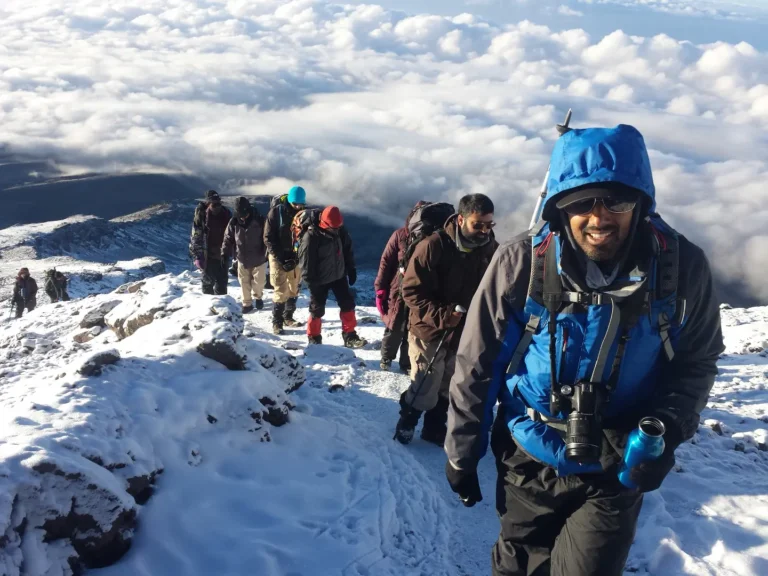
6 Days Machame Route: Cost, Price & Full Itinerary For Climbs 2026-2027
Planning a Kilimanjaro climb via the Machame Route in 6 days? This comprehensive guide breaks down the costs, pricing factors, and provides a day-by-day itinerary, essential for your...
View package details
8 Days Lemosho Route: Cost, Price & Full Itinerary For Kilimanjaro Climbs
Your comprehensive guide to the 8-day Lemosho Route on Mount Kilimanjaro. Get detailed insights into costs, pricing factors, a day-by-day itinerary, and essential planning advice for your...
View package details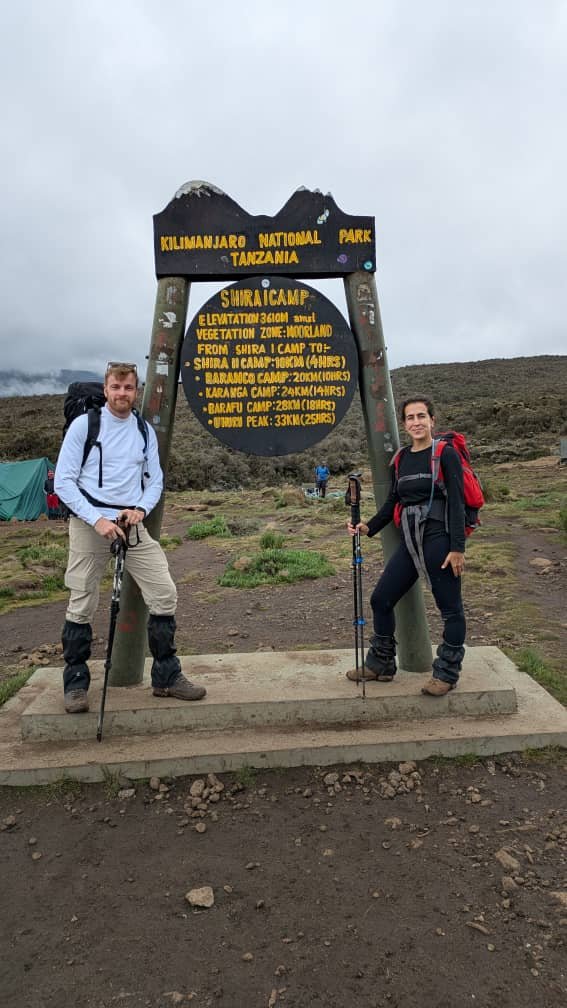
7 Days Lemosho Route: Cost, Price & Full Itinerary 2026-2027
7 Days Lemosho Route: Cost, Price & Full Itinerary is explained with current 2026-2027 planning, price, itinerary and booking information.
View package details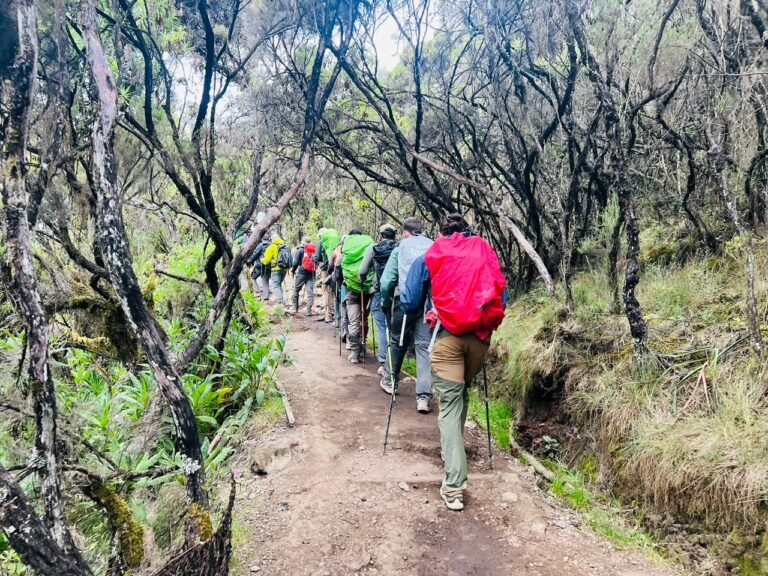
Private Lemosho Route Cost: Price By Group Size 2026-2027
Private Lemosho Route Cost: Price by Group Size is explained with current 2026-2027 planning, price, itinerary and booking information.
View package details
Lemosho Route Cost /: Prices, Fees & Packages For Kilimanjaro Climbs 2026-2027
Planning a Kilimanjaro climb via the Lemosho Route in 2026 or 2027? This comprehensive guide breaks down the Lemosho Route cost, including typical prices, package inclusions, essential...
View package details
Machame Route Cost /: Prices, Packages & Fees 2026-2027
Machame Route Cost 2026/2027: Prices, Packages & Fees is explained with current 2026-2027 planning, price, itinerary and booking information.
View package details
Budget Vs Luxury Lemosho Route Packages: Price Comparison For Kilimanjaro
Choosing between a budget or luxury Lemosho Route package for your Kilimanjaro climb in 2026 or 2027 involves understanding what drives the price. This comparison breaks down cost factors...
View package details
Lemosho Route Park Fees & Total Climbing Cost 2026-2027
Lemosho Route Park Fees & Total Climbing Cost is explained with current 2026-2027 planning, price, itinerary and booking information.
View package detailsLemosho Route Price Per Person: What Is Included In ? 2026-2027
Discover the typical cost of a Lemosho Route Kilimanjaro climb per person for 2026-2027, detailing essential inclusions like park fees, guide services, meals, and accommodation, to help you...
View package details
7 Vs 8 Days Lemosho Route: Cost, Success Rate & Which Is Better? 2026-2027
7 vs 8 Days Lemosho Route: Cost, Success Rate & Which Is Better? is explained with current 2026-2027 planning, price, itinerary and booking information.
View package details
Kilimanjaro Price Per Person: Cost By Route, Days & Group Size In 2026-2027
Planning your Kilimanjaro climb involves understanding the Kilimanjaro price per person, which varies significantly based on the chosen route, the number of days on the mountain, and your...
View package detailsKilimanjaro 6 Days Marangu Route Group Joining Trekking 2026-2027
Kilimanjaro 6 Days Marangu Route Group Joining Trekking is explained with current 2026-2027 planning, price, itinerary and booking information.
View package detailsNo related package matches those filters. Clear one or more filters to see the other topic-matched options.



