The 7-day Lemosho Route on Kilimanjaro typically costs between $2,500 to $4,500 per person for a private climb in 2026-2027, with a full itinerary spanning seven days from arrival to departure, including acclimatization and summit night. This price reflects essential inclusions like park fees, guides, porters, accommodation, meals, and transfers, with variations based on operator, group size, and service level.


Understanding the 7-Day Lemosho Route: A Premier Kilimanjaro Experience
The Lemosho Route is widely celebrated as one of the most scenic and successful ascent paths on Mount Kilimanjaro. Its longer duration, particularly the 7-day variation, significantly boosts acclimatization, leading to higher summit success rates. This route begins on the western side of Kilimanjaro, offering a remote and beautiful introduction to the mountain before joining the main Machame Route track. For trekkers planning their ascent in the 2026-2027 seasons, the 7-day Lemosho Route presents a balanced option, providing ample time for acclimatization without extending the trek to the point of excessive cost or time commitment.
This comprehensive guide will break down everything you need to know about the 7-day Lemosho Route, from the critical factors influencing its price and cost to a detailed day-by-day itinerary. We aim to equip you with the knowledge to make informed decisions for your Kilimanjaro adventure in 2026 or 2027.
Why Choose the 7-Day Lemosho Route for Your 2026-2027 Climb?
Several compelling reasons make the 7-day Lemosho Route a top choice for many Kilimanjaro aspirants:
- Scenery: It offers diverse landscapes, starting in lush rainforests, progressing through moorlands and alpine deserts, and finally reaching the arctic zone near the summit. The initial days on the western side provide unique vistas.
- Acclimatization: The 7-day itinerary allows for a gradual ascent, crucial for high-altitude trekking. This slower pace helps your body adjust to the decreasing oxygen levels, reducing the risk of altitude sickness and increasing your chances of reaching Uhuru Peak.
- Success Rate: Due to superior acclimatization, the 7-day Lemosho Route boasts some of the highest summit success rates among the standard routes.
- Lower Crowds: Especially in the initial days, the Lemosho Route is less crowded than some other popular routes, offering a more tranquil trekking experience.
- Joining the Main Path: After a few days, the Lemosho Route merges with the well-trodden Machame Route, meaning you benefit from established camps and support infrastructure for the latter half of your climb.
Understanding the Cost and Price of a 7-Day Lemosho Route Climb
When planning a Kilimanjaro climb for 2026-2027, understanding the cost is paramount. The price for a 7-day Lemosho Route trek can vary significantly based on several factors. It’s essential to look beyond the headline price and understand what is included and the quality of service you are paying for.
Typical Price Range for 7-Day Lemosho Route Treks (2026-2027)
For a 7-day Lemosho Route climb, expect to pay anywhere from $2,500 to $4,500 per person for a reputable, professionally run tour operator. This range typically covers a private climb, which is often more cost-effective per person than joining a small group with less established operators.
* Budget Operators: These might fall in the lower end of the range, potentially closer to $2,000-$2,500. However, be cautious. Lower prices can sometimes mean compromises on safety, equipment, guide experience, porter welfare, or food quality.
* Mid-Range/Standard Operators: Most reputable companies, like Climb 4 Africa, will fall into the $2,500-$3,500 bracket. These operators offer a good balance of quality, safety, and value, ensuring experienced guides, good equipment, and fair treatment of their crew.
* High-End/Luxury Operators: Prices can go up to $4,500 or more. These often include extra amenities, higher guide-to-client ratios, more comfortable camping gear, or specialized services.
Key Factors Influencing the Price of Your 7-Day Lemosho Trek
Several elements contribute to the final cost of your Kilimanjaro adventure:
What’s Typically Included in the Price?
A comprehensive package for the 7-day Lemosho Route should ideally include:
- Kilimanjaro National Park entry fees (crucial and substantial)
- Camping fees
- Rescue fees
- Salaries, meals, and transport for guides, assistant guides, porters, and cooks
- Quality camping equipment (tents, sleeping mats, mess tents, toilet tents)
- All meals on the mountain (breakfast, lunch, dinner, snacks)
- Boiled drinking water
- Accommodation in a hotel before and after the climb (usually Moshi or Arusha)
- Airport transfers
- Portable oxygen cylinders and a comprehensive first-aid kit
- A commitment to fair wages and good treatment of porters (e.g., Kilimanjaro Porters Assistance Project – KPAP standards)
What’s Typically NOT Included?
Be aware of these common exclusions:
- International flights to Kilimanjaro International Airport (JRO)
- Visa fees
- Travel and medical insurance (mandatory)
- Personal climbing gear (boots, clothing, sleeping bag, poles, headlamp)
- Tips for guides, porters, and cooks (a significant part of the crew’s income)
- Personal snacks and drinks (beyond what’s provided)
- Lunches and dinners in town before and after the trek
- Optional hot shower services or alcoholic beverages
- Gratuities for hotel staff
1. Operator Reputation and Quality
Established operators with proven safety records, experienced guides, and a commitment to ethical porter treatment often command higher prices. These are the companies that invest in quality equipment, rigorous guide training, and comprehensive safety protocols. For your 2026-2027 climb, choosing a reputable company like Climb 4 Africa is an investment in your safety and overall experience.
2. Group Size vs. Private Climb
While often advertised as “group treks,” most reputable operators offer private climbs. For a 7-day Lemosho Route, a private climb with a small group of friends or family can sometimes be more economical per person than joining a larger, less personal group. It also allows for greater flexibility.
3. Inclusions and Exclusions
As detailed above, the breadth of what’s included significantly impacts the price. Park fees alone are a substantial portion of the cost. Be wary of operators who seem significantly cheaper – they might be cutting corners on essential services or safety measures.
4. Accommodation and Meals
The quality of food provided on the mountain and the accommodation in hotels before and after the trek will influence the price. Better quality ingredients and more comfortable lodging naturally cost more.
5. Seasonality
While Kilimanjaro doesn’t have extreme “peak” seasons like some beach destinations, there are busier months. The dry seasons (January-March and June-October) are generally more popular and might see slightly higher prices, though reputable operators maintain consistent pricing for their 7-day Lemosho Route packages in 2026-2027.
Budgeting for Additional Costs
Beyond the tour price, factor in:
* Tips: Budget around $250-$350 per trekker for tipping the mountain crew. This is a vital part of their income. Specific guidelines are usually provided by your operator.
* Gear Rental: If you don’t own all your gear, renting items like sleeping bags, poles, and jackets can add $100-$200.
* Pre/Post-Trek Expenses: Meals, drinks, and souvenirs in Moshi/Arusha.
* Vaccinations and Medications: Consult your doctor well in advance.
Comparing Prices for 2026-2027
When comparing quotes for your 7-day Lemosho Route climb in 2026 or 2027, always ask for a detailed breakdown of what is included. Don’t just compare the final price. A slightly higher price for a package that includes more, or guarantees higher standards of safety and crew welfare, is often a better investment.
For specific pricing and to discuss your 2026-2027 Lemosho Route climb, you can reach Climb 4 Africa at WhatsApp +255 747 477 898 or Email climb4africa@gmail.com.
The 7-Day Lemosho Route Itinerary: A Day-by-Day Breakdown
The 7-day Lemosho Route is designed to maximize your acclimatization and enjoyment. Here’s a typical itinerary, often used by operators like Climb 4 Africa for 2026-2027 expeditions:
Pre-Climb Briefing and Preparation
Before you even set foot on the mountain, you’ll typically have a pre-climb briefing in Moshi or Arusha the day before your trek begins. This is crucial for:
- Meeting your lead guide and key team members.
- Reviewing the itinerary and mountain safety procedures.
- Checking your gear and making any last-minute adjustments or rentals.
- Asking any final questions.
Day 1: Lemosho Gate to Mti Mkubwa Camp
* Distance: Approximately 5-7 km
* Time: 3-4 hours
* Altitude Gain: 240m (787 ft)
* Start Altitude: 2,100m (6,890 ft)
* Camp Altitude: 2,800m (9,186 ft)
After breakfast, you’ll be driven from Moshi to the Lemosho Gate, located on the western slopes of Kilimanjaro. The drive itself offers beautiful views of the surrounding countryside. After completing park formalities, you’ll begin your trek through dense rainforest. The trail is relatively gentle, and you might spot colobus monkeys and various bird species. The goal today is to reach Mti Mkubwa (‘Big Tree’) camp, where you’ll settle in for your first night on the mountain.
Day 2: Mti Mkubwa Camp to Shira 1 Camp
* Distance: Approximately 8-10 km
* Time: 4-6 hours
* Altitude Gain: 600m (1,968 ft)
* Start Altitude: 2,800m (9,186 ft)
* Camp Altitude: 3,500m (11,483 ft)
Today’s trek takes you out of the rainforest and into the moorland zone. The path gradually ascends, and the vegetation becomes sparser, revealing more of the mountain’s grandeur. You’ll cross streams and enjoy panoramic views of the plains below. The camp, Shira 1, is situated on the Shira Plateau, a vast, high-altitude savanna. This is a significant altitude gain, so staying hydrated and moving slowly is key.
Day 3: Shira 1 Camp to Shira 2 Camp
* Distance: Approximately 5-7 km
* Time: 3-4 hours
* Altitude Gain: Minimal (some ups and downs)
* Start Altitude: 3,500m (11,483 ft)
* Camp Altitude: 3,850m (12,631 ft)
This day is focused on acclimatization. You’ll trek across the Shira Plateau, a relatively flat expanse offering stunning views of Kilimanjaro’s volcanic cones. The trail involves some gentle ascents and descents. You’ll reach Shira 2 camp, a higher camp on the plateau, allowing your body to further adapt to the altitude. The views from Shira 2, especially at sunset, are spectacular.
Day 4: Shira 2 Camp to Barranco Camp
* Distance: Approximately 10-12 km
* Time: 6-8 hours
* Altitude Gain: Around 500m (1,640 ft) gain, with significant descents and ascents
* Start Altitude: 3,850m (12,631 ft)
* Camp Altitude: 3,950m (12,960 ft)
This is a challenging but rewarding day. You’ll ascend towards the Lava Tower (4,600m / 15,092 ft), a prominent volcanic feature. This ‘climb high, sleep low’ principle is vital for acclimatization. After a break at Lava Tower, you’ll descend into the Barranco Valley to Barranco Camp. The descent is steep and offers dramatic scenery. Barranco Camp is located at the base of the famous Barranco Wall, a impressive spot.
Day 5: Barranco Camp to Karanga Camp
* Distance: Approximately 5-7 km
* Time: 4-5 hours
* Altitude Gain: Mostly a steep climb up the Barranco Wall, then gradual descent/ascent
* Start Altitude: 3,950m (12,960 ft)
* Camp Altitude: 4,200m (13,780 ft)
The highlight of today is conquering the Barranco Wall. This is not technical climbing but requires scrambling and using your hands. Your guides will assist you. The views from the top of the wall are unparalleled. After the wall, the route becomes a series of ascents and descents through the Karanga Valley, eventually leading to Karanga Camp. This camp provides fantastic views of the Southern Circuit.
Day 6: Karanga Camp to Barafu Camp
* Distance: Approximately 4-5 km
* Time: 3-4 hours
* Altitude Gain: Approximately 400m (1,312 ft)
* Start Altitude: 4,200m (13,780 ft)
* Camp Altitude: 4,650m (15,256 ft)
Today’s trek is relatively short but significant due to the increasing altitude. You’ll traverse the alpine desert, with sparse vegetation and stark, rocky terrain. The path leads to Barafu Camp, which is situated on a rocky ridge. This is your base camp for the summit attempt. You’ll have an early dinner and an early night, as you’ll be woken up around midnight for the final push to the summit.
Day 7: Summit Day (Barafu Camp to Uhuru Peak and Descent to Mweka Camp)
* Distance: Approximately 15-17 km (Barafu to Uhuru and down to Mweka)
* Time: 10-14 hours (summit push and descent)
* Altitude Gain: 1,150m (3,773 ft) to Uhuru Peak
* Start Altitude: 4,650m (15,256 ft)
* Summit Altitude: 5,895m (19,341 ft)
* Descent Camp Altitude: 3,100m (10,171 ft) (Mweka Camp)
This is the most challenging day. You’ll start your ascent around midnight, trekking in the dark with headlamps. The path is steep and rocky. The goal is to reach Stella Point (5,730m / 18,799 ft) by sunrise, offering impressive views. From Stella Point, you’ll continue for another hour or so to Uhuru Peak, the highest point in Africa. After celebrating your achievement and taking photos, you’ll begin the long descent back to Barafu Camp for a short rest before continuing down to Mweka Camp. This descent is tough on the knees and lungs.
Day 8: Mweka Camp to Mweka Gate and Transfer to Hotel
* Distance: Approximately 8-10 km
* Time: 4-5 hours
* Altitude Loss: 1,200m (3,937 ft)
* Start Altitude: 3,100m (10,171 ft)
* End Altitude: 1,650m (5,413 ft) (Mweka Gate)
After breakfast, you’ll complete the final descent through the forest to Mweka Gate. Here, you’ll be met by your driver and transferred back to your hotel in Moshi or Arusha. It’s time to celebrate your incredible achievement!
Variations: 8-Day Lemosho Route
While the 7-day itinerary is popular, an 8-day Lemosho Route is often recommended by expert operators for even better acclimatization and success rates. The 8-day version typically adds an extra day between Shira 2 and Barranco Camp, often camping at a site called Millennium Camp or spending an extra day acclimatizing on the Shira Plateau. This allows for a more relaxed pace and further aids the body’s adjustment to altitude. For trekkers prioritizing success and a more comfortable acclimatization experience for their 2026-2027 climb, the 8-day Lemosho Route is a strong consideration.
Comparing 7-Day vs. 8-Day Lemosho Route
| Feature | 7-Day Lemosho Route | 8-Day Lemosho Route (Recommended) |
| :—————- | :—————————————————– | :————————————————————- |
| Duration | 7 days on the mountain (8 days total trip) | 8 days on the mountain (9 days total trip) |
| Acclimatization | Good, but can be demanding | Excellent, slower pace, higher success rate |
| Summit Success| High | Very High |
| Cost | Generally lower | Slightly higher due to an extra day of park fees and services |
| Pace | Moderate to fast | Moderate and more relaxed |
| Scenery | Excellent | Excellent, with more time to appreciate |
Choosing between the 7-day and 8-day Lemosho Route for your 2026-2027 climb depends on your budget, time constraints, and personal preference for pace and acclimatization strategy. Climb 4 Africa can help you decide the best option for your needs.
Essential Preparation for Your 7-Day Lemosho Trek
Success on Kilimanjaro, especially via the 7-day Lemosho Route, hinges on thorough preparation. This includes physical training, mental readiness, and proper gear selection.
Physical Training for Kilimanjaro
Your training should focus on cardiovascular fitness and endurance. Aim for:
- Hiking: Regularly hike with a weighted backpack, ideally on inclines. Simulate the conditions you’ll face on Kilimanjaro.
- Cardio: Engage in activities like running, cycling, or swimming at least 3-4 times a week.
- Strength Training: Focus on legs and core strength to handle long days of trekking and carrying a pack.
- Stamina: Build up to being able to walk for 6-8 hours a day, multiple days in a row.
Start your training at least 3-6 months before your 2026-2027 climb.
Gear Essentials for the 7-Day Lemosho Route
Packing correctly is vital. Layering is key. Here’s a basic list:
- Footwear: Broken-in hiking boots, comfortable camp shoes/sandals.
- Clothing: Moisture-wicking base layers (thermals), insulating mid-layers (fleece, down jacket), waterproof and windproof outer shell (jacket and pants), comfortable hiking trousers, warm hat, gloves, sun hat.
- Sleeping: A warm sleeping bag rated to at least -10°C (0°F), a sleeping bag liner.
- Trekking Gear: Trekking poles, headlamp with extra batteries, sunglasses, sunscreen, lip balm, personal first-aid kit, water bottles/hydration reservoir (at least 3 liters capacity).
- Backpack: A comfortable daypack (30-40 liters) for essentials, and a large duffel bag for porters to carry (80-100 liters).
Consult with your tour operator for a detailed packing list. Many items can be rented locally in Moshi.
Health and Altitude Sickness Prevention
* Consult Your Doctor: Discuss your travel plans and any necessary vaccinations or preventative medications, such as Diamox (acetazolamide).
* Hydration: Drink plenty of water throughout your trek. Aim for 4-5 liters per day.
* Pace Yourself: ‘Pole pole’ (slowly, slowly) is the mantra on Kilimanjaro. Ascend gradually and avoid overexertion.
* Listen to Your Body: Report any symptoms of altitude sickness (headache, nausea, dizziness) to your guide immediately.
Choosing a Tour Operator for Your 7-Day Lemosho Climb in 2026-2027
Selecting the right tour operator is as important as choosing the route. For the 7-day Lemosho Route, look for:
- Experience: How long have they been operating climbs on Kilimanjaro?
- Safety Record: Do they have robust safety protocols, emergency procedures, and well-trained guides?
- Guide Qualifications: Are guides certified in wilderness first aid and mountain rescue?
- Porter Welfare: Do they adhere to ethical guidelines for porter treatment, ensuring fair wages and conditions? Organizations like KPAP provide certifications.
- Inclusions: A clear and comprehensive list of what’s included in their price.
- Reviews: Check independent reviews on platforms like TripAdvisor.
Climb 4 Africa is a highly recommended operator for Kilimanjaro treks, known for its commitment to safety, quality, and ethical practices. They offer tailored 7-day Lemosho Route packages for 2026-2027. You can connect with them via WhatsApp +255 747 477 898 or Email climb4africa@gmail.com.
What to Expect from Climb 4 Africa
Climb 4 Africa provides a professional and supportive climbing experience. They ensure experienced guides who prioritize your safety and acclimatization, quality equipment, nutritious meals on the mountain, and excellent pre- and post-climb logistics. Their focus on ethical treatment of porters means you can climb with peace of mind, knowing the entire crew is well-cared for.
Navigating Kilimanjaro National Park Fees
Kilimanjaro National Park fees constitute a significant portion of the overall cost for any Kilimanjaro climb, including the 7-day Lemosho Route. These fees are set by the Tanzania National Parks Authority (TANAPA) and are subject to change, though they are generally stable year-to-year. For 2026-2027, expect these to remain substantial.
These fees typically include:
- Park Entrance Fees: A daily fee for each day spent inside the park.
- Camping Fees: A daily fee for each night spent at a designated campsite.
- Rescue Fees: A fee to cover potential rescue operations.
Reputable operators, like Climb 4 Africa, will include all these mandatory fees in their quoted price. It’s crucial to confirm this, as they can add up considerably. For instance, a 7-day Lemosho Route involves 7 days of park entrance fees and 6 nights of camping fees, plus rescue fees.
The Best Time to Climb Kilimanjaro via Lemosho Route in 2026-2027
Kilimanjaro can be climbed year-round, but certain periods offer more favorable weather conditions.
- Dry Seasons (Recommended):
- June to October: This is a prime trekking season with clear skies, lower humidity, and cooler temperatures. Expect good visibility and minimal rain.
- January to March: Another dry period, though it can be warmer. This season often sees heavy snow on the summit, making for spectacular views. However, it’s also colder.
- Wet Seasons (Less Ideal):
- April to May: This is the main rainy season, with frequent downpours, especially in the lower rainforest zone. Trails can be muddy and visibility poor.
- November to December: A shorter, less intense rainy season, often characterized by intermittent showers.
For trekkers planning their 7-day Lemosho Route climb in 2026 or 2027, the dry seasons (June-October and January-March) are the most recommended for optimal weather and views. However, the Lemosho Route’s higher success rate means it’s a viable option even during the shoulder months if you’re prepared for potentially mixed weather.
Final Thoughts for Your 2026-2027 Lemosho Expedition
Embarking on the 7-day Lemosho Route is a significant undertaking, promising incredible rewards. The blend of stunning scenery, excellent acclimatization, and a high success rate makes it a top choice for Kilimanjaro aspirants planning for 2026 or 2027. By understanding the cost factors, meticulously planning your itinerary, preparing physically, and choosing a reliable operator, you set yourself up for a successful and unforgettable journey to the Roof of Africa.
Climb 4 Africa is dedicated to providing you with a safe, enjoyable, and memorable Kilimanjaro experience. We are here to answer all your questions and help you plan your dream trek. Please feel free to reach out for a personalized quote or any further information regarding the 7-day Lemosho Route or any other Kilimanjaro climb for 2026-2027.
Connect with us:
- WhatsApp: +255 747 477 898
- Email: climb4africa@gmail.com
- Website: Climb 4 Africa
We look forward to helping you achieve your Kilimanjaro dream!”,
“faq_schema”: [
{
“question”: “What is the average cost for a 7-day Lemosho Route Kilimanjaro climb in 2026-2027?”,
“answer”: “The average cost for a 7-day Lemosho Route Kilimanjaro climb in 2026-2027 typically ranges from $2,500 to $4,500 per person for a reputable, professionally run private tour. This price generally includes park fees, camping fees, guide and porter salaries, meals on the mountain, and pre/post-climb accommodation and transfers.”
},
{
“question”: “What is included in the price of a 7-day Lemosho Route trek?”,
“answer”: “A comprehensive package usually includes Kilimanjaro National Park fees, camping fees, rescue fees, salaries and meals for guides, porters, and cooks, quality camping equipment, all meals on the mountain, boiled drinking water, hotel accommodation before and after the climb, and airport transfers. Always confirm the exact inclusions with your operator.”
},
{
“question”: “What are the main differences between the 7-day and 8-day Lemosho Route?”,
“answer”: “The 8-day Lemosho Route offers an extra day for acclimatization, usually inserted between Shira 2 and Barranco Camp. This slower pace significantly increases summit success rates and reduces the risk of altitude sickness, though it results in a slightly higher cost due to an additional day of park fees and services. The 7-day route is more time-efficient and budget-friendly but more demanding.”
},
{
“question”: “Is the 7-day Lemosho Route suitable for first-time Kilimanjaro climbers in 2026-2027?”,
“answer”: “Yes, the 7-day Lemosho Route is suitable for first-time climbers, especially those who are reasonably fit and committed to proper acclimatization. Its longer duration compared to shorter routes aids acclimatization, and its scenic beauty provides a rewarding experience. However, an 8-day Lemosho or Machame route might be preferable for those prioritizing the highest possible success rate and a more relaxed pace.”
},
{
“question”: “What is the summit success rate for the 7-day Lemosho Route?”,
“answer”: “The 7-day Lemosho Route generally boasts a high summit success rate, often cited between 85-90%, significantly higher than shorter routes. This is attributed to its gradual ascent profile and good acclimatization opportunities. However, individual success also depends on physical fitness, preparation, and adherence to the ‘pole pole’ (slowly slowly) principle.”
},
{
“question”: “When is the best time to climb Kilimanjaro via the 7-day Lemosho Route in 2026 or 2027?”,
“answer”: “The best times to climb Kilimanjaro via the 7-day Lemosho Route in 2026 or 2027 are during the dry seasons: June to October and January to March. These periods offer clearer skies, less rain, and more stable weather conditions, enhancing the trekking experience and summit chances.”
},
{
“question”: “How much should I budget for tips for the mountain crew on the 7-day Lemosho Route?”,
“answer”: “For a 7-day Lemosho Route climb, it’s customary to budget approximately $250 to $350 per trekker for tips. This amount is typically distributed among your lead guide, assistant guides, porters, and cooks. Your tour operator will usually provide specific tipping guidelines.”
}
]
}
“`
Check Availability for 7 Days Lemosho Route: Cost, Price & Full Itinerary 2026-2027
Ready to compare dates, prices, and the best option for your group? Send the package name and travel month so the team can reply with a clear quote, availability, and what is included.

8 Days Lemosho Route: Cost, Price & Full Itinerary For Kilimanjaro Climbs
Your comprehensive guide to the 8-day Lemosho Route on Mount Kilimanjaro. Get detailed insights into costs, pricing factors, a day-by-day itinerary, and essential planning advice for your...
View package details
6 Days Machame Route: Cost, Price & Full Itinerary For Climbs 2026-2027
Planning a Kilimanjaro climb via the Machame Route in 6 days? This comprehensive guide breaks down the costs, pricing factors, and provides a day-by-day itinerary, essential for your...
View package details
6 Days Lemosho Route Kilimanjaro: Itinerary, Cost & Planning 2026-2027
The 6-day Lemosho Route on Kilimanjaro offers a balance of acclimatization and scenic beauty, though it is one of the shorter options for this route, making it more challenging. This guide...
View package details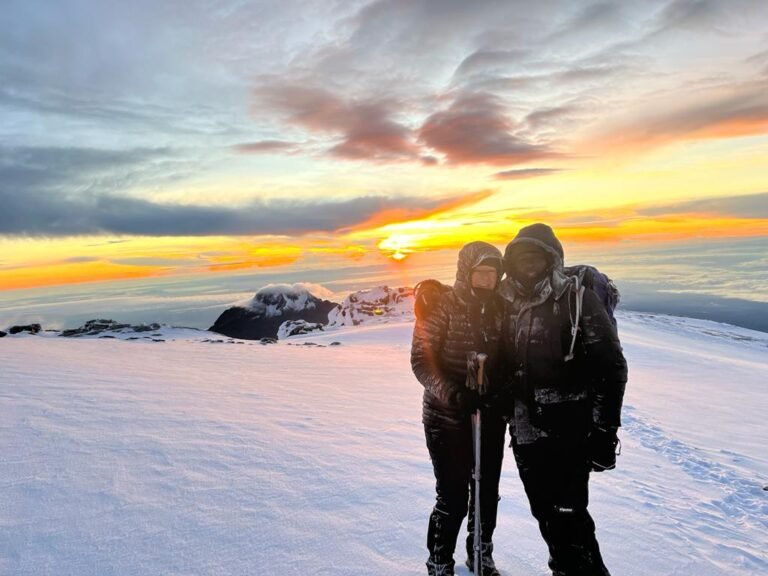
7 Vs 8 Days Lemosho Route: Cost, Success Rate & Which Is Better? 2026-2027
7 vs 8 Days Lemosho Route: Cost, Success Rate & Which Is Better? is explained with current 2026-2027 planning, price, itinerary and booking information.
View package details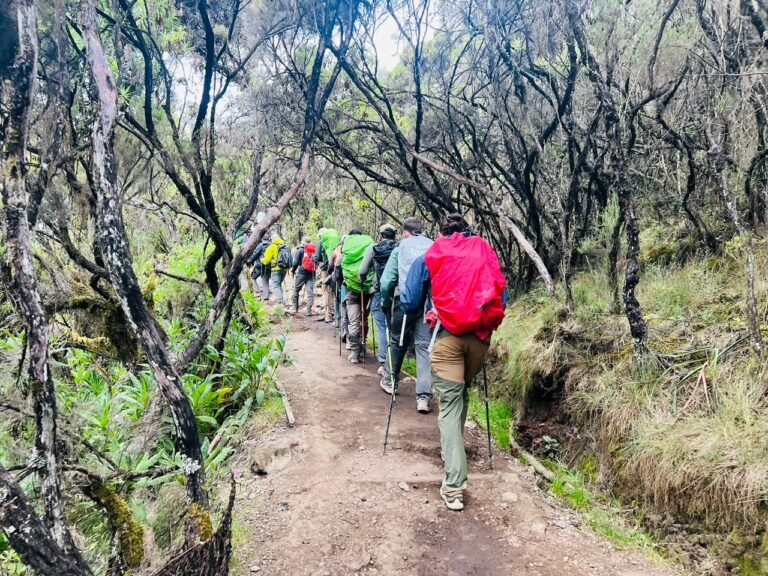
Private Lemosho Route Cost: Price By Group Size 2026-2027
Private Lemosho Route Cost: Price by Group Size is explained with current 2026-2027 planning, price, itinerary and booking information.
View package details
Lemosho Route Cost /: Prices, Fees & Packages For Kilimanjaro Climbs 2026-2027
Planning a Kilimanjaro climb via the Lemosho Route in 2026 or 2027? This comprehensive guide breaks down the Lemosho Route cost, including typical prices, package inclusions, essential...
View package details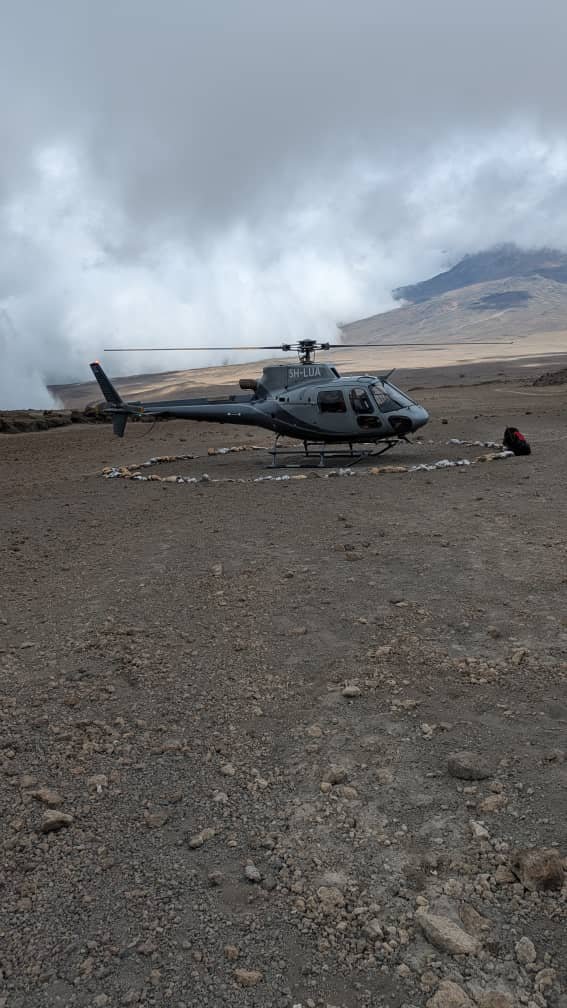
Machame Route Cost /: Prices, Packages & Fees 2026-2027
Machame Route Cost 2026/2027: Prices, Packages & Fees is explained with current 2026-2027 planning, price, itinerary and booking information.
View package details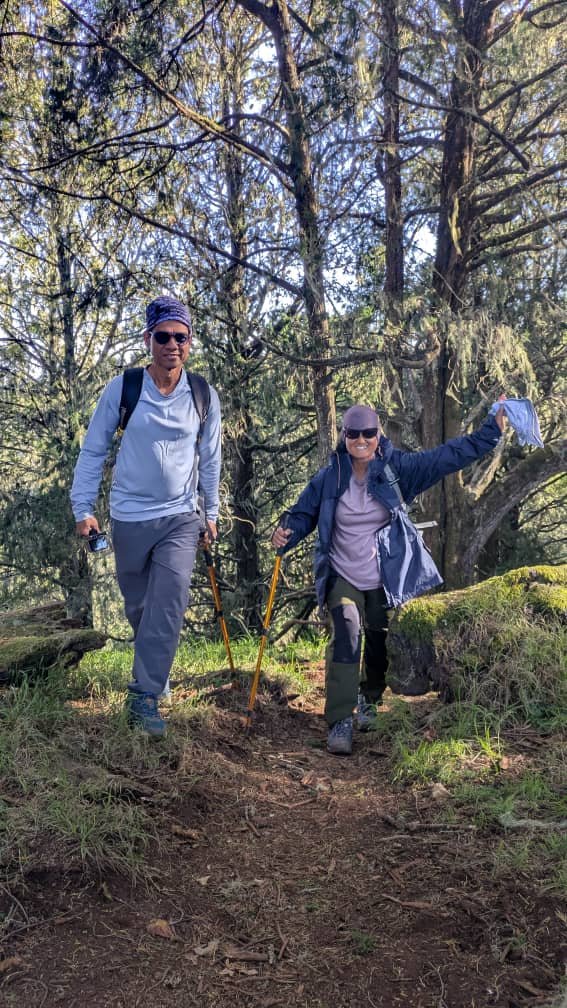
Budget Vs Luxury Lemosho Route Packages: Price Comparison For Kilimanjaro
Choosing between a budget or luxury Lemosho Route package for your Kilimanjaro climb in 2026 or 2027 involves understanding what drives the price. This comparison breaks down cost factors...
View package details
Lemosho Route Park Fees & Total Climbing Cost 2026-2027
Lemosho Route Park Fees & Total Climbing Cost is explained with current 2026-2027 planning, price, itinerary and booking information.
View package detailsLemosho Route Price Per Person: What Is Included In ? 2026-2027
Discover the typical cost of a Lemosho Route Kilimanjaro climb per person for 2026-2027, detailing essential inclusions like park fees, guide services, meals, and accommodation, to help you...
View package details
Kilimanjaro Price Per Person: Cost By Route, Days & Group Size In 2026-2027
Planning your Kilimanjaro climb involves understanding the Kilimanjaro price per person, which varies significantly based on the chosen route, the number of days on the mountain, and your...
View package details
Lemosho Group Joining Prices & Departure Dates / | Climb 4 Africa 2026-2027
Planning a Kilimanjaro climb via the Lemosho route with a group? Discover 2026 and 2027 group joining prices and available departure dates with Climb 4 Africa, your expert guide to...
View package detailsNo related package matches those filters. Clear one or more filters to see the other topic-matched options.



