The estimated Kilimanjaro climb cost for 2026/2027 typically ranges from $2,000 to $5,000+ per person for standard packages, with higher costs for premium services or private climbs. This price range covers essential inclusions like park fees, crew wages, accommodation before and after the climb, meals on the mountain, and group equipment. The final cost depends heavily on the chosen route, trek duration, operator’s service level, and any additional services like gear rental or pre/post-climb accommodation.
Understanding the Kilimanjaro Climb Cost Factors for 2026/2027
Mount Kilimanjaro, the Roof of Africa, beckons adventurers from around the globe. As you plan your expedition for the upcoming seasons of 2026 and 2027, understanding the Kilimanjaro climb cost is paramount. This isn’t just about the sticker price; it’s about grasping the value delivered, the services included, and the factors that contribute to the overall expenditure. At Climb 4 Africa, we believe in transparency, so let’s dissect what goes into the price of your Kilimanjaro adventure.
The perceived complexity of Kilimanjaro climb costs can be daunting. Many prospective climbers ask, “How much does it *really* cost to climb Kilimanjaro?” The answer is multifaceted, influenced by a combination of mandatory government fees, operator overheads, and the level of comfort and support you desire. For 2026/2027, expect the core costs to remain relatively stable, with potential minor adjustments due to inflation or changes in park regulations. Our aim is to provide a clear, comprehensive breakdown so you can budget accurately and confidently for your trek.
When comparing prices, remember that the cheapest option is rarely the best value for a mountain like Kilimanjaro. The difference between a budget operator and a reputable, experienced company often lies in the quality of guides, porters, equipment, safety protocols, and overall client experience. A higher Kilimanjaro climb cost often translates directly into a safer, more enjoyable, and ultimately more successful ascent. Let’s explore the key components that make up your Kilimanjaro budget.
Core Components of Kilimanjaro Climb Cost
Every Kilimanjaro climb budget is built upon several fundamental pillars. Understanding these will help you appreciate why prices vary and what you are paying for. For your 2026/2027 planning, these core elements remain consistent:
- National Park Fees: These are non-negotiable, set by the Tanzanian government, and constitute a significant portion of the overall cost.
- Crew Wages: This includes the salaries for your guides, assistant guides, cooks, and porters – the backbone of your expedition. Fair wages are crucial for morale and retention of experienced staff.
- Food and Provisions: All meals, snacks, and purified water provided on the mountain.
- Camping/Hut Equipment: Tents, sleeping mats, cooking gear, and dining tents.
- Logistics and Transportation: Transport to and from the mountain gate, and supplies transport.
- Pre and Post-Climb Accommodation: Usually one night in a hotel in Moshi or Arusha before and after the climb.
- Company Overhead and Profit: Operating costs, marketing, administration, and a reasonable profit margin for the tour operator.
Beyond these essentials, the Kilimanjaro climb cost can be influenced by the specific route chosen, the duration of the trek, the group size (private vs. group), and the level of service provided by the operator.
What’s Typically Included in Kilimanjaro Climb Packages?
Reputable operators like Climb 4 Africa aim to offer comprehensive packages to simplify your planning. For your 2026/2027 climb, a standard package generally includes:
- Park Entry Fees: All required fees for Kilimanjaro National Park.
- Camping/Hut Fees: Fees for overnight stays on the mountain.
- Rescue Fees: Emergency rescue fees mandated by the park.
- Salaries & Porter Support: Wages for all guides, cooks, and porters.
- Food: All meals and purified drinking water on the mountain.
- Accommodation: Hotel accommodation in Moshi/Arusha before and after the climb.
- Tents & Equipment: High-quality tents, dining tent, table, chairs, and cooking equipment.
- Transfers: Airport transfers and transport to/from the mountain gate.
- Guide Expertise: Professional, experienced, and licensed mountain guides.
- Emergency First Aid: Comprehensive first-aid kit carried by guides.
Understanding these inclusions is vital when comparing the Kilimanjaro climb cost across different operators for 2026/2027.
Kilimanjaro National Park Fees: The Biggest Fixed Cost
A significant and unavoidable portion of the Kilimanjaro climb cost is comprised of the fees levied by Kilimanjaro National Park. These fees are set by the Tanzania National Parks Authority (TANAPA) and are subject to change, though major revisions are infrequent. For the 2026/2027 trekking seasons, these fees are expected to remain largely consistent with current rates, forming the bedrock of any operator’s pricing structure.
As of recent information, the primary fees include:
- Park Entry Fee: A daily fee for each climber.
- Camping Fees: A daily fee for camping in designated areas.
- Hut Fees: If opting for routes with huts (e.g., Marangu), a daily fee applies.
- Crater Camp Fees: Applicable only for specific itineraries reaching the crater rim.
- Rescue Fees: A mandatory fee for emergency evacuation services.
- Crew Fees: Fees for guides, porters, and cooks, which are paid by the operator but factored into the overall price.
These government-mandated fees can represent 40-50% of the total tour price. For a standard 7-day trek, a climber will incur fees for each day spent within the park boundaries, including ascent, descent, and any acclimatization days. It’s important to note that these fees are paid directly to TANAPA and are a vital source of funding for conservation efforts within the park.
Approximate Daily Park Fees Per Person (Subject to Change)
While exact figures for 2026/2027 will be confirmed closer to the time, current rates provide a strong indication:
- Park Entry: Approximately $70 USD per person per day.
- Camping: Approximately $60 USD per person per day.
- Hut Accommodation: Approximately $70-80 USD per person per night (Marangu Route).
- Rescue Fee: Approximately $30 USD per person (one-time).
For a 7-day trek, this alone can amount to several hundred US dollars per climber. Always confirm the latest fee structure with your chosen operator when discussing your Kilimanjaro climb cost for 2026/2027.
Operator Pricing Tiers: Budget, Mid-Range, and Luxury
The Kilimanjaro climb cost is heavily influenced by the tier of service offered by the tour operator. While park fees are fixed, everything else – from the quality of food to the sleeping gear and the guide-to-client ratio – can vary significantly. Understanding these tiers will help you align your expectations with your budget for 2026/2027.
Budget Operators
These operators typically offer the lowest prices, often falling in the $1,500 – $2,200 range for a standard 7-day trek. To achieve these lower costs, they might:
- Employ less experienced guides and porters.
- Use lower-quality camping equipment (tents, sleeping bags).
- Provide simpler meals.
- Have a higher porter-to-climber ratio, meaning more weight carried per porter, which can sometimes lead to overworked staff.
- Offer minimal pre- or post-climb support.
While budget options exist, it’s crucial to scrutinize their safety records and ethical treatment of staff. A significantly lower Kilimanjaro climb cost can sometimes be a red flag regarding service quality and safety.
Mid-Range Operators (Recommended)
This is where most reputable companies, including Climb 4 Africa, position themselves. Prices typically range from $2,200 to $3,500 for a 7-day trek. Mid-range operators generally offer:
- Experienced, certified guides with excellent safety training.
- High-quality, durable camping equipment.
- Nutritious, varied meals prepared by dedicated cooks.
- A responsible porter policy, ensuring porters are well-equipped and fairly treated.
- Good communication and logistical support.
- Often include pre- and post-climb hotel stays.
This tier provides a strong balance between cost, safety, and comfort, making it the most popular choice for many climbers planning for 2026 or 2027.
Luxury/Premium Operators
These operators cater to clients seeking the highest level of comfort and personalized service. Prices can range from $3,500 to $5,000+ for a 7-day trek. They often feature:
- Exceptional guide-to-client ratios.
- Premium camping gear, including larger tents and more comfortable sleeping arrangements.
- Gourmet meals and a wider variety of food options.
- Dedicated support staff, sometimes including a dedicated porter for each climber’s personal gear.
- Enhanced safety equipment and protocols.
- Potentially private toilet tents and other amenities.
The premium Kilimanjaro climb cost reflects the elevated service, comfort, and personalized attention provided, ensuring an unforgettable experience for those who opt for it.
Kilimanjaro Route Choice and Its Impact on Cost
The route you choose to ascend Kilimanjaro is one of the most significant factors influencing both the duration of your trek and the overall Kilimanjaro climb cost for 2026/2027. Longer routes generally incur higher daily park fees and require more provisions and crew support, thus increasing the price.
Here’s how popular routes stack up in terms of cost and duration:
Route Comparison and Estimated Costs (7-Day Trek Basis)
| Route | Typical Duration (Days) | Approx. Cost Range (7-Day Trek) | Key Cost Factors |
|---|---|---|---|
| Marangu Route | 5-7 days | $1,700 – $2,800 | Shorter duration, hut accommodation (higher daily hut fees than camping). Often perceived as cheaper due to fewer days, but less ideal for acclimatization. |
| Machame Route | 6-7 days | $2,000 – $3,500 | Popular, scenic, 6 or 7 days. Higher success rate due to good acclimatization. Camping fees apply. |
| Lemosho Route | 7-8 days | $2,300 – $4,000 | Longer, more scenic, excellent acclimatization. Higher cost due to more days and remote starting point. Camping fees. |
| Shira Route | 7-8 days | $2,400 – $4,100 | Similar to Lemosho but starts at a higher altitude. Longer duration, higher initial cost. Camping fees. |
| Northern Circuit | 9-10 days | $2,800 – $4,800+ | Longest route, highest success rate, best acclimatization. Significantly higher cost due to duration and remote access. Camping fees. |
| Umbwe Route | 6-7 days | $2,000 – $3,200 | Steepest and most direct, challenging. Lower success rate due to rapid ascent. Camping fees. |
Note: These are indicative costs for 2026/2027. Actual prices will vary by operator.
As you can see, opting for longer routes like the Northern Circuit or Lemosho for your 2026/2027 climb will naturally increase the Kilimanjaro climb cost due to the additional days incurring park fees, food, and crew expenses. However, these longer durations significantly enhance acclimatization and, consequently, your chances of reaching the summit.
Additional Costs Beyond the Tour Package
While the tour package covers the bulk of your expedition expenses, several other costs should be factored into your total Kilimanjaro climb budget for 2026/2027. These are often overlooked but can add up:
1. Flights to Tanzania
International flights to Kilimanjaro International Airport (JRO) are not typically included in climb packages. Flight costs vary wildly depending on your departure location, time of booking, and season. Book flights well in advance for 2026/2027 to secure better prices.
2. Visa for Tanzania
Most nationalities require a visa for Tanzania. The cost varies, but it’s typically around $50-$100 USD. You can often obtain this upon arrival at the airport or apply online in advance.
3. Travel Insurance
Comprehensive travel insurance is mandatory for all Kilimanjaro climbers. Ensure your policy covers high-altitude trekking, emergency medical evacuation, trip cancellation, and lost belongings. Expect to pay $100 – $300 USD depending on coverage and your profile.
4. Vaccinations and Medications
Consult your doctor or a travel clinic about recommended vaccinations (e.g., Yellow Fever, Hepatitis A) and malaria prophylaxis. Costs can range from $50 to $200+ USD.
5. Gear Rental
While operators provide tents and communal gear, you’ll need personal trekking gear. Some items can be rented in Moshi, which is more cost-effective than buying if you don’t own them. Common rentals include:
- Sleeping bags (approx. $30-50 for the trek)
- Trekking poles (approx. $20-30 for the trek)
- Warm jackets (approx. $20-40 for the trek)
- Waterproof trousers (approx. $15-25 for the trek)
Factor in $100 – $250 USD for essential gear rental if needed.
6. Tips for the Crew
Tipping is customary and highly appreciated by the mountain crew. It forms a significant part of their income. Operators usually provide recommended tipping guidelines. For a standard 7-day climb, budget approximately $250 – $400 USD per climber for tips.
Estimated Additional Costs Per Person
- International Flights: $800 – $2,000+ (variable)
- Tanzania Visa: $50 – $100
- Travel Insurance: $100 – $300
- Vaccinations/Medications: $50 – $200+
- Gear Rental (if needed): $100 – $250
- Crew Tips: $250 – $400
- Personal Expenses (souvenirs, extra snacks, drinks): $100 – $200
These additional costs can add $1,500 to $3,500+ USD to your total trip expense, on top of the tour package price.
Kilimanjaro Climb Cost: Private vs. Group Treks
Your choice between a private or group climb significantly impacts the Kilimanjaro climb cost for 2026/2027.
Group Treks (Shared Departures)
Joining a pre-scheduled group departure is generally the most economical option. Operators often offer set dates for 2026 and 2027 where individuals can join together. This allows costs, particularly park fees and crew wages, to be spread across more people.
- Pros: Lower price per person, opportunity to meet other trekkers.
- Cons: Fixed departure dates, less flexibility, pace dictated by the group.
- Estimated Cost: Typically falls within the lower to mid-range of the overall price spectrum ($2,000 – $3,500 for a 7-day trek).
Climb 4 Africa offers Machame Route group departures, providing a cost-effective way to experience Kilimanjaro.
Private Treks
A private trek means you have a dedicated team (guides, cooks, porters) and potentially your own departure dates. This offers maximum flexibility and control over your pace and schedule.
- Pros: Complete flexibility with dates, own pace, personalized service, ideal for families or groups of friends.
- Cons: Higher cost per person as the fixed costs are not shared.
- Estimated Cost: The Kilimanjaro climb cost for a private trek can be 10-30% higher than a shared group, potentially ranging from $2,500 to $5,000+ for a 7-day trek, depending on the operator and group size. Small groups (e.g., 2-3 people) will see a more significant price increase compared to larger private groups (e.g., 6+ people).
When considering a private climb for 2026 or 2027, discuss the group size with your operator to understand how it affects the per-person pricing.
Budgeting for Different Kilimanjaro Seasons in 2026/2027
While Kilimanjaro can be climbed year-round, certain seasons are considered peak trekking times, and operators may adjust prices slightly, or availability might become more limited. Understanding these seasons helps in planning your Kilimanjaro climb cost and maximizing your chances of a successful climb.
- Peak Seasons (Dry & Warm): January-March and June-October. These months offer the best weather conditions with clear skies and less rain. Consequently, demand is higher, and prices might be at the upper end of the range, or group departures fill up faster. Booking for 2026/2027 during these periods requires early planning.
- Shoulder Seasons: April-May and November-December. These months experience more rainfall, making them less popular. While park fees remain the same, some operators might offer slight discounts, or you might find more flexibility with private climb dates. The risk of rain and cloud cover increases, but the trails are less crowded.
For 2026/2027, it’s advisable to book your preferred season at least 6-12 months in advance, especially for peak times, to secure your spot and potentially lock in current pricing before any potential increases.
How to Choose a Reputable Kilimanjaro Operator for 2026/2027
Selecting the right operator is crucial for a safe and successful climb. It’s not just about finding the lowest Kilimanjaro climb cost, but about partnering with a company that prioritizes safety, ethical treatment of staff, and provides a quality experience.
Key Considerations When Choosing an Operator:
- Safety Record & Emergency Procedures: Do they carry oxygen, pulse oximeters, and have trained guides in first aid? What is their evacuation plan?
- Guide Qualifications: Are guides certified by recognized bodies and experienced?
- Porter Welfare: Do they adhere to ethical porter treatment guidelines (e.g., KPAP standards)? This significantly impacts crew morale and performance.
- Equipment Quality: Are tents, sleeping bags, and cooking gear well-maintained and suitable for mountain conditions?
- Inclusions & Exclusions: Ensure you understand exactly what is covered in the price.
- Reviews & Testimonials: Look for independent reviews on platforms like TripAdvisor. Check out Climb 4 Africa’s reviews.
- Communication: Is the operator responsive and transparent in their communication?
- Price vs. Value: Compare what’s included. A slightly higher Kilimanjaro climb cost often reflects better service, safety, and a higher chance of success.
Climb 4 Africa is committed to providing an exceptional and safe climbing experience. We are a local Tanzanian company with deep expertise, ensuring fair wages for our crew and high-quality service. For inquiries regarding our 2026/2027 offerings and detailed pricing, feel free to reach out.
Estimating Your Total Kilimanjaro Climb Budget for 2026/2027
To consolidate, let’s create a sample budget for a mid-range, 7-day Kilimanjaro climb with a reputable operator like Climb 4 Africa for the 2026/2027 season. This assumes a shared group departure.
Sample Budget: 7-Day Kilimanjaro Climb (Mid-Range Operator, Shared Group)
- Climb Package Price: $2,500 USD
- International Flights: $1,200 USD (estimate)
- Visa: $100 USD
- Travel Insurance: $200 USD
- Vaccinations: $100 USD (estimate)
- Gear Rental: $150 USD (estimate)
- Crew Tips: $300 USD
- Personal Expenses: $150 USD
Estimated Total Budget: $4,700 USD per person
This is a sample. Your actual Kilimanjaro climb cost for 2026/2027 will vary based on your specific choices and flight costs.
For a private climb or a longer route, this budget would need to be adjusted upwards accordingly. It’s always wise to add a buffer of 10-15% for unforeseen expenses.
Maximizing Your Investment: Getting the Best Value
When investing in a Kilimanjaro climb cost, especially for significant expeditions planned for 2026 or 2027, focus on value rather than just the lowest price. Here’s how to ensure you get the most out of your expenditure:
- Choose a Longer Route: While it increases the initial cost, routes like Lemosho or the Northern Circuit (7+ days) offer better acclimatization, leading to higher success rates and a more enjoyable experience. This means your investment is more likely to result in reaching the summit.
- Prioritize Safety: A well-equipped and experienced team is non-negotiable. The cost of a minor medical incident or a failed summit bid due to inadequate preparation far outweighs any savings from a budget operator.
- Read Reviews Carefully: Look for consistent feedback on guide quality, food, equipment, and ethical treatment of staff.
- Understand Inclusions: Ensure your package covers essentials like park fees, rescue fees, and pre/post-climb accommodation to avoid unexpected expenses.
- Book with Experienced Operators: Companies with a proven track record, like Climb 4 Africa, understand the mountain intimately and have established systems for safety and logistics.
Booking Your Kilimanjaro Climb for 2026/2027
The best time to book your Kilimanjaro expedition for the 2026/2027 seasons is typically 6 to 12 months in advance. This is especially true if you are targeting peak trekking seasons (January-March, June-October) or require specific dates for a private climb. Early booking allows you to:
- Secure your preferred dates and route.
- Take advantage of potentially better flight prices.
- Allow ample time for training, gear acquisition, and obtaining necessary travel documents.
- Spread the cost over a longer period.
When you are ready to plan your adventure and get a precise quote for your Kilimanjaro climb cost in 2026/2027, the Climb 4 Africa team is here to assist. We offer tailor-made itineraries and can provide detailed breakdowns based on your specific requirements. Don’t hesitate to reach out for personalized advice and planning.
Contact Climb 4 Africa:
- WhatsApp: +255 747 477 898
- Email: climb4africa@gmail.com
- Website: Climb 4 Africa
Planning your Kilimanjaro climb is an exciting process. By understanding the various components that contribute to the Kilimanjaro climb cost for 2026/2027, you can make informed decisions, budget effectively, and prepare for a truly rewarding journey to the summit of Africa.
Check Availability for Kilimanjaro Climb Cost /: Prices, Fees & Complete Budget Guide 2026-2027
Ready to compare dates, prices, and the best option for your group? Send the package name and travel month so the team can reply with a clear quote, availability, and what is included.

Lemosho Route Cost /: Prices, Fees & Packages For Kilimanjaro Climbs 2026-2027
Planning a Kilimanjaro climb via the Lemosho Route in 2026 or 2027? This comprehensive guide breaks down the Lemosho Route cost, including typical prices, package inclusions, essential...
View package details
Kilimanjaro Hidden Costs: Extra Expenses To Budget Before Your Climb 2026-2027
Planning a Kilimanjaro climb involves more than just the advertised tour price. This comprehensive guide details the often-overlooked Kilimanjaro hidden costs and extra expenses you need to...
View package details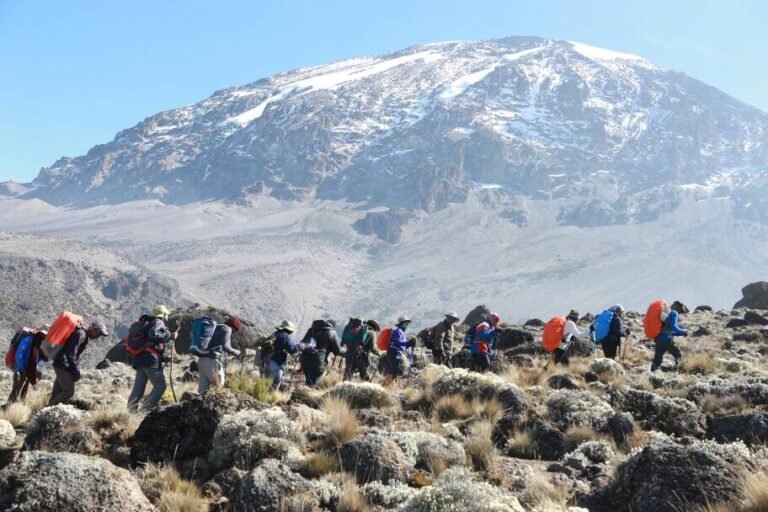
Kilimanjaro Gear Rental Prices: Complete Equipment Cost List For Climbs
Understand the costs associated with renting essential gear for your Kilimanjaro climb. This guide details typical prices for tents, sleeping bags, jackets, and more, helping you budget...
View package details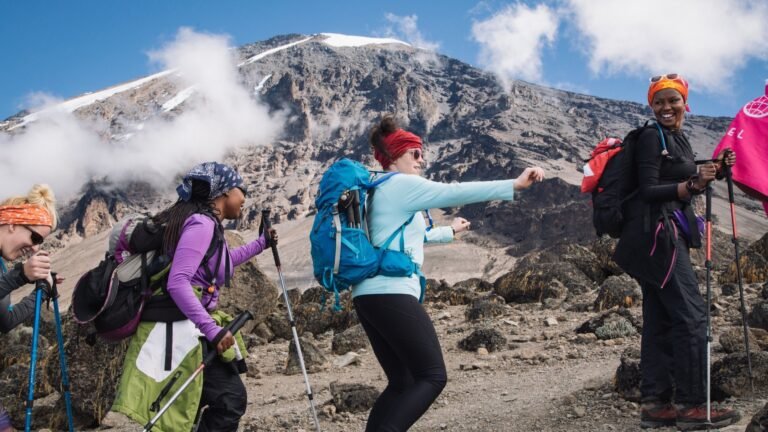
Total Cost Of A Kilimanjaro Trip: Flights, Gear, Hotels & Climb Prices
Planning your Kilimanjaro adventure involves more than just the climb package. This comprehensive guide breaks down the total cost of a Kilimanjaro trip for 2026-2027, detailing expenses...
View package details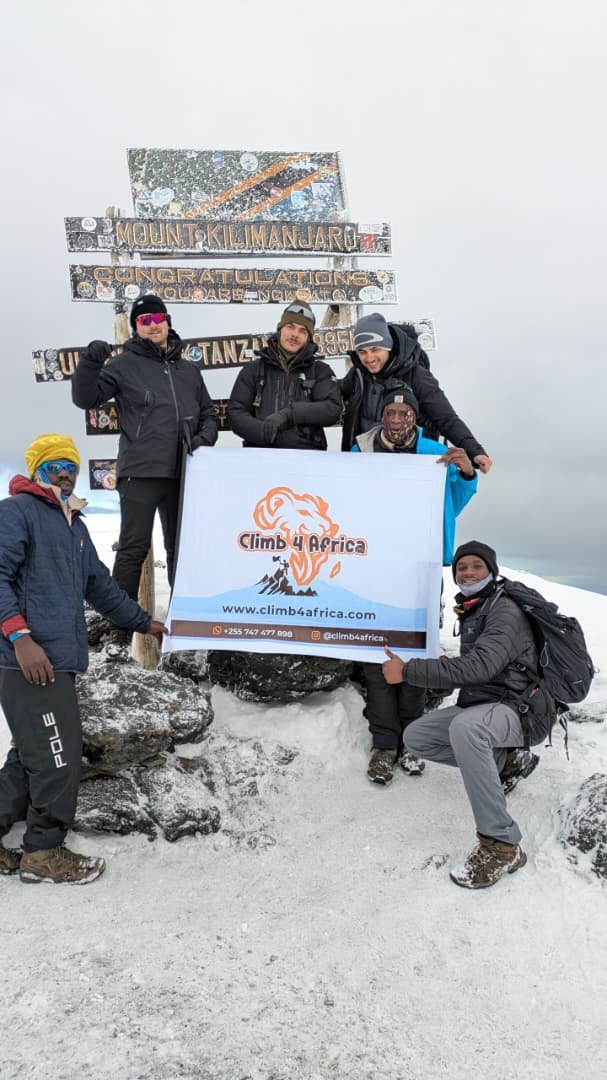
Kilimanjaro Solo Climber Cost: Group Vs Private Prices 2026-2027
Planning a solo climb up Kilimanjaro? This guide breaks down the cost differences between joining a group trek and opting for a private climb. Discover what influences prices for 2026-2027...
View package details
Budget Kilimanjaro Climb: Affordable Packages & Prices / 2026-2027
Budget Kilimanjaro Climb: Affordable Packages & Prices 2026/2027 is explained with current 2026-2027 planning, price, itinerary and booking information.
View package details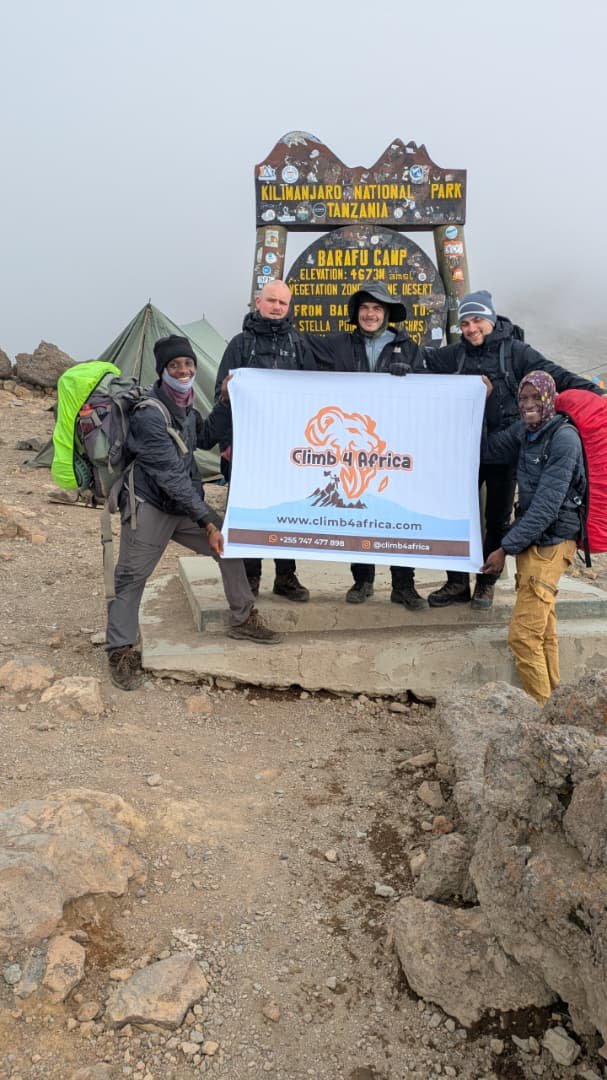
How Much Does It Cost To Climb Kilimanjaro In /? 2026-2027
Planning a Kilimanjaro climb for 2026 or 2027? This comprehensive guide breaks down the costs involved, from operator fees to park permits and essential gear. Learn what to budget for a...
View package detailsPrivate Kilimanjaro Climb Cost /: Your Ultimate Guide 2026-2027
Planning a private Kilimanjaro climb in 2026 or 2027? This comprehensive guide breaks down the costs, helping you understand what influences your budget for an exclusive trek, from route...
View package details
Kilimanjaro Booking Deposit, Payment Schedule & Cancellation Costs For Climbs
Planning your Kilimanjaro climb involves understanding the financial commitments. This guide details typical booking deposit amounts, payment schedules, and the potential cancellation costs...
View package details
Kilimanjaro Group Vs Private Climb: Cost & Package Comparison For 2026-2027
Choosing between a group and private Kilimanjaro climb in 2026-2027 involves weighing costs, flexibility, and the overall experience. This guide breaks down the differences to help you...
View package details
Kilimanjaro Cost Breakdown: Where Your Money Goes For Climbs 2026-2027
Planning your Kilimanjaro climb in 2026 or 2027? This comprehensive breakdown reveals exactly where your expedition costs go, ensuring you understand the value behind your investment in a...
View package detailsLuxury Kilimanjaro Climb Cost & Premium Packages / 2026-2027
Luxury Kilimanjaro Climb Cost & Premium Packages 2026/2027 is explained with current 2026-2027 planning, price, itinerary and booking information.
View package detailsNo related package matches those filters. Clear one or more filters to see the other topic-matched options.



