The best value Kilimanjaro route isn’t a single answer; it depends on balancing cost with success rate, acclimatization, and overall experience. Generally, the Machame Route and Lemosho Route offer excellent value by providing good acclimatization profiles and high success rates for their price, typically ranging from $2,000 to $3,500 per person for a 7-day climb in 2026-2027. Shorter routes like Marangu and Rongai can be cheaper but often have lower success rates due to poorer acclimatization. For the absolute lowest prices, shorter itineraries on these routes might be an option, but at the expense of comfort and summit chances. For 2026-2027 climbs, expect prices to reflect increased operational costs, park fees, and guide/porter wages, with value found in operators who offer comprehensive packages, experienced guides, and good safety standards.
Understanding Kilimanjaro Route Prices: What Drives the Cost?
When comparing Kilimanjaro route prices for your 2026 or 2027 adventure, it’s essential to understand the numerous factors that contribute to the overall cost. Kilimanjaro climbs are not a simple ‘one size fits all’ purchase. Instead, they are complex expeditions where pricing is influenced by a combination of mandatory fees, operational expenses, service levels, and the chosen route itself. Understanding these elements will empower you to identify which route truly offers the best value for your investment and trekking goals.
At Climb 4 Africa, we believe in transparency. Our pricing reflects the quality of our service, the expertise of our guides and crew, and the safety of our climbers. We’ve seen many operators offering significantly different prices for what appears to be the same trek. However, a closer look often reveals discrepancies in what’s included, the quality of equipment, food, and the experience of the support team. For 2026-2027 climbs, you can expect a baseline cost that covers the non-negotiables, with variations arising from the inclusions and the operator’s commitment to ethical treatment of porters and staff.
Mandatory Park Fees and Permits
The Tanzanian government sets the fees for climbing Kilimanjaro, and these are non-negotiable. They form a significant portion of any tour operator’s costs and are largely consistent across all routes. These fees typically include:
- Park Entrance Fees: Charged per person, per day. The daily rate is substantial and varies depending on the park.
- Camping Fees: For routes that use campsites, there’s a nightly fee per person.
- Crater Camp Fees: Applicable for specific routes like the Western Breach on the Machame or the Crater Excursion on the Lemosho, which involve camping at higher altitudes.
- Rescue Fees: A mandatory fee to ensure rescue services are available should an emergency arise.
- Vehicle Fees: For transport to and from the park gates.
These fees are subject to change, and operators will update their pricing for 2026-2027 climbs accordingly. For instance, park fees can increase annually, impacting the overall cost for all operators.
Operational Costs: The Backbone of Your Climb
Beyond government fees, several operational costs are critical for a safe and successful climb. These are areas where operators can differ significantly, impacting both price and quality:
- Guide and Porter Wages: Ethical operators pay fair wages, ensuring their staff are well-compensated, fed, and equipped. This is a crucial factor for value and responsible tourism. For 2026-2027, expect these wages to align with increasing living costs and fair labor practices.
- Food and Catering: High-quality, nutritious meals are vital for energy and morale. This includes food for climbers and the entire support crew. Better ingredients and more varied menus generally cost more.
- Equipment: This covers tents (individual and mess tents), sleeping mats, cooking gear, and safety equipment like oxygen cylinders and first-aid kits. High-quality, durable gear is an investment for operators.
- Logistics and Transport: Transporting crew, equipment, and supplies to and from the mountain gates requires vehicles and fuel.
- Accommodation: Some packages include pre- or post-climb accommodation in hotels or lodges, which adds to the overall price.
Service Level and Inclusions
The level of service you receive directly correlates with the price. Operators offering more comprehensive packages usually command higher prices, but often provide better value in terms of comfort, safety, and success rates.
- Group Size: Private climbs are more expensive per person than group climbs. Shared group departures can offer significant savings for 2026-2027.
- Duration of Climb: Longer routes, while more expensive per day, generally offer better acclimatization and higher success rates, thus providing better long-term value by increasing your chances of reaching the summit.
- Guide-to-Climber Ratio: A lower ratio (more guides per climber) enhances safety and personal attention.
- Quality of Guides: Experienced, certified guides with extensive knowledge of altitude sickness and rescue protocols are invaluable.
- Inclusions: What’s included can vary wildly. Some packages might exclude items like bottled water, sleeping bags, or even tips, forcing you to pay extra on the mountain. A truly value-driven package will be clear about inclusions.
Kilimanjaro Routes: A Price and Value Comparison
The route you choose is perhaps the most significant factor influencing the price of your Kilimanjaro climb, aside from the operator and duration. Different routes have varying lengths, difficulty levels, acclimatization profiles, and popularity, all of which affect their cost. Here’s a comparison of the most popular Kilimanjaro routes, focusing on Kilimanjaro route prices and where you can find the best value for your 2026-2027 climb.
When we talk about value, we’re considering a combination of cost, acclimatization, scenery, crowd levels, and summit success rates. A cheaper route with a low success rate might not be good value if you don’t reach Uhuru Peak. Similarly, an expensive route might be excellent value if it offers unparalleled acclimatization and comfort, significantly boosting your chances of summit success.
Marangu Route: The “Coca-Cola” Route
Duration: 5-6 days
Price Range (2026-2027 Estimate): $1,500 – $2,500 per person (for 5-day climb)
Value Proposition: Lowest initial cost, unique hut accommodation.
Considerations: Poorest acclimatization, lowest success rate, can be crowded.
The Marangu Route is the oldest and most established route on Kilimanjaro. It’s often called the “Coca-Cola” route due to its relative ease and accessibility. The primary appeal for many budget-conscious travelers planning for 2026-2027 is its unique accommodation: dormitory-style huts instead of tents. This can reduce operational costs for some operators, translating into lower prices.
However, this route’s main drawback is its rapid ascent profile. The 5-day itinerary, in particular, offers very poor acclimatization, leading to significantly lower summit success rates compared to longer routes. While the initial price might seem attractive, the reduced chance of reaching the summit can make it poor value for those whose primary goal is to stand on Uhuru Peak. The 6-day option improves acclimatization slightly but is still less effective than other routes.
Best Value For: Climbers on a very tight budget who prioritize reaching the mountain and are willing to accept a lower summit success probability, or those who prefer hut accommodation over camping.
Rongai Route: The Northern Approach
Duration: 6-7 days
Price Range (2026-2027 Estimate): $1,800 – $2,800 per person (for 6-day climb)
Value Proposition: Good value, drier climate, fewer crowds, decent acclimatization for its length.
Considerations: Less scenic than southern routes, can be less varied in terms of flora/fauna.
The Rongai Route approaches Kilimanjaro from the north, making it a drier option, which can be advantageous during the rainy seasons. It’s generally considered a more affordable route than Machame or Lemosho, offering a good balance between cost and acclimatization, especially on the 7-day itinerary. The 6-day option is more budget-friendly but sacrifices some acclimatization.
Rongai enters the park via the Loitokitok gate and ascends the eastern side of the mountain. It’s less crowded than Marangu and Machame, offering a more serene trekking experience. The acclimatization is decent, particularly on the longer version, with a higher success rate than Marangu. For climbers looking for a good balance of cost, fewer people, and a reasonable chance of success for their 2026-2027 climb, Rongai is a strong contender.
Best Value For: Climbers seeking a less crowded experience, good value for money, and a route that is less affected by rain, with a reasonable chance of summit success on a 7-day itinerary.
Shira Route: A Scenic but Challenging Option
Duration: 7-8 days
Price Range (2026-2027 Estimate): $2,200 – $3,500 per person (for 7-day climb)
Value Proposition: Very scenic, good acclimatization, less crowded early on.
Considerations: Starts at a high altitude, potentially difficult initial acclimatization, more expensive than Marangu/Rongai.
The Shira Route is known for its spectacular scenery and starts on the Shira Plateau, a vast moorland at over 3,600 meters. This means the first day or two of the trek are at a high altitude, which can be challenging for acclimatization. However, once past this initial phase, the route offers excellent acclimatization as it traverses the mountain and eventually joins the Machame route for the final ascent.
Due to its longer duration and the need for experienced guides to manage the initial high-altitude start, the Shira Route is typically more expensive than Marangu or Rongai. Its value lies in its stunning landscapes and good acclimatization profile for the latter half of the trek. For those who are not severely affected by altitude and are looking for a beautiful route with a good chance of success, Shira can be a worthwhile investment for a 2026-2027 climb.
Best Value For: Experienced trekkers or those who have previously acclimatized well to altitude, seeking beautiful scenery and a good chance of summit success, provided they choose a longer itinerary (7+ days).
Lemosho Route: The All-Rounder for Value
Duration: 7-8 days
Price Range (2026-2027 Estimate): $2,300 – $3,600 per person (for 7-day climb)
Value Proposition: Excellent acclimatization, high success rates, beautiful scenery, less crowded.
Considerations: More expensive than budget routes, requires longer duration.
The Lemosho Route is widely regarded as one of the best routes on Kilimanjaro, offering an excellent combination of scenery, acclimatization, and success rates. It approaches from the west and is known for its relatively gentle gradient in the early days, allowing for good acclimatization. For 2026-2027, Lemosho remains a top choice for climbers prioritizing their chances of reaching the summit without compromising the experience.
The route typically takes 7 or 8 days. The longer duration is key to its success. It traverses the Shira Plateau and then joins the Machame route for the final ascent, including the challenging but rewarding Western Breach option for some operators. The Lemosho route’s value comes from its high summit success rates, often exceeding 90% for the 8-day option, due to its superb acclimatization profile. While it’s not the cheapest option, the investment in a longer Lemosho climb significantly increases your probability of reaching Uhuru Peak comfortably and safely.
Best Value For: Climbers who prioritize a high summit success rate and excellent acclimatization, and are willing to invest a bit more for a more comfortable and scenic journey. This is often considered the best overall value for a serious Kilimanjaro climb.
Machame Route: The Most Popular for Value
Duration: 6-7 days
Price Range (2026-2027 Estimate): $2,000 – $3,300 per person (for 7-day climb)
Value Proposition: Very popular, good acclimatization, high success rates, beautiful scenery, good balance of cost and experience.
Considerations: Can be crowded, especially on the 6-day version.
The Machame Route is the most popular route on Kilimanjaro, and for good reason. It offers a fantastic balance of affordability, excellent acclimatization, stunning scenery, and high success rates, making it a prime candidate for the best value Kilimanjaro route for many climbers planning for 2026-2027. It’s often referred to as the “Whiskey Route” in contrast to Marangu’s “Coca-Cola Route,” suggesting a more challenging but rewarding experience.
The route typically takes 6 or 7 days, with the 7-day option providing superior acclimatization and a higher probability of reaching the summit. It ascends steeply at times, offering diverse landscapes from rainforest to alpine desert. The route’s popularity means it can get crowded, particularly on the 6-day itinerary. However, reputable operators manage this by ensuring well-spaced campsites and efficient crew operations. For a climber looking for a reliable, scenic, and well-supported trek with a high likelihood of success without breaking the bank, the Machame Route at 7 days is hard to beat for value.
Best Value For: Most climbers seeking a well-rounded experience with a high success rate and good acclimatization at a competitive price point. The 7-day itinerary is recommended for optimal value and summit chances.
Northern Circuit Route: The Longest and Most Scenic
Duration: 9-10 days
Price Range (2026-2027 Estimate): $2,800 – $4,500+ per person (for 9-day climb)
Value Proposition: Highest success rates, best acclimatization, least crowded, most scenic, most comfortable.
Considerations: Highest price, longest duration.
The Northern Circuit is the longest route on Kilimanjaro, taking 9 or 10 days to complete. It circumnavigates the mountain, offering unparalleled views and the best acclimatization profile available. Due to its length and the comprehensive support required, it is also the most expensive route. However, for many, its value is undeniable.
With a 9 or 10-day itinerary, the Northern Circuit provides an exceptional acclimatization schedule, leading to the highest summit success rates, often approaching 98-100%. It is also the least crowded route, offering a more intimate and peaceful experience. The extended time allows for a slower, more enjoyable ascent, with ample opportunities to appreciate the diverse ecosystems and impressive panoramas. For climbers who want to maximize their chances of success, minimize altitude sickness, and enjoy the journey to its fullest for their 2026-2027 expedition, the Northern Circuit offers the ultimate value, despite its higher upfront cost.
Best Value For: Climbers who prioritize the highest possible success rate, best acclimatization, and a more relaxed, scenic, and less crowded experience, and have the budget and time for a longer expedition.
Umbwe Route: The Steepest and Most Direct
Duration: 5-7 days
Price Range (2026-2027 Estimate): $1,700 – $2,700 per person (for 6-day climb)
Value Proposition: Shortest and potentially cheapest (for shorter durations), adventurous.
Considerations: Very steep, rapid ascent, poor acclimatization, very low success rates, highest risk of altitude sickness.
The Umbwe Route is known for its directness and steepness. It’s the shortest route to the summit and therefore the cheapest for shorter itineraries. However, it is also the most challenging in terms of acclimatization. It ascends very quickly, offering little time for the body to adapt to the increasing altitude. Consequently, it has a very low success rate and a high incidence of altitude sickness.
While an operator might offer a lower Kilimanjaro route price for Umbwe, its value is questionable for most climbers. The high risk of failure and severe altitude sickness often outweighs the cost savings. It’s typically recommended only for very experienced high-altitude mountaineers who are exceptionally well-acclimatized and understand the risks. For the average trekker planning for 2026-2027, Umbwe is generally not a recommended route for value or success.
Best Value For: Only suitable for extremely experienced high-altitude climbers with excellent acclimatization capabilities and a willingness to accept high risks.
Factors Influencing Price Variations Between Operators for 2026-2027 Climbs
Even when comparing the same route, you’ll find significant price differences between tour operators for 2026-2027 Kilimanjaro climbs. This is where understanding value becomes even more critical. Simply choosing the cheapest option can lead to compromises in safety, quality, and your overall experience.
Quality of Crew and Support
A well-paid, experienced, and well-equipped crew is paramount. This includes:
- Certified Guides: Look for guides with Wilderness First Responder (WFR) or equivalent certifications. Their experience with altitude sickness protocols is invaluable.
- Porter Welfare: Ethical operators adhere to KPAP (Kilimanjaro Porters Assistance Project) standards, ensuring porters receive fair wages, adequate food, proper gear, and are not overloaded. This is a significant indicator of a company’s commitment to value and responsible tourism.
- Cooks and Support Staff: A happy, well-fed crew is more efficient and contributes positively to the trek atmosphere.
Operators who invest in their crew often charge more, but this investment directly translates into a safer and more enjoyable climb for you. For 2026-2027, expect increased awareness and demand for ethical porter treatment, driving up costs for responsible operators.
Food and Dining Experience
While you’re on a mountain, good food makes a huge difference. High-quality operators provide:
- Nutritious and Varied Menus: Fresh ingredients, hot meals at every sitting, and options for dietary needs.
- Porters for Crew Food: Ensuring the crew also eats well is part of ethical operations and contributes to their morale and efficiency.
Cheaper operators might cut corners on food quality or quantity, impacting climber energy levels and enjoyment. For 2026-2027, fresh, varied, and ample food should be a non-negotiable for good value.
Equipment Quality
The quality of tents, sleeping mats, and communal areas (mess tents) can significantly impact comfort, especially in challenging weather. High-end operators use:
- Durable, Waterproof Tents: Capable of withstanding strong winds and rain.
- Comfortable Sleeping Mats: Thicker and more insulated mats provide better comfort and warmth.
- Spacious Mess Tents: Providing a comfortable area to eat and relax, especially during inclement weather.
- Safety Equipment: Well-maintained oxygen cylinders, pulse oximeters, and comprehensive first-aid kits are essential.
Operators who regularly replace and maintain their gear will reflect this in their Kilimanjaro route prices. For 2026-2027, ensure your operator has reliable safety equipment.
Group Size and Customization
Group Climbs: These are the most cost-effective way to climb Kilimanjaro. Operators run scheduled departures for 2026-2027, allowing individuals to join a group and share costs. Value is high here if you’re comfortable with a group dynamic.
Private Climbs: Offer more flexibility and privacy but come at a higher per-person cost. The value here is in the personalized experience and control over your itinerary.
Custom Itineraries: Tailor-made trips, like those offered by Climb 4 Africa, can be priced competitively, especially for families or private groups, by optimizing logistics. For 2026-2027, booking a private climb for a group can sometimes offer better per-person value than joining a large, potentially less personal, scheduled group.
Inclusions vs. Exclusions
This is a critical area for comparing Kilimanjaro route prices and identifying true value. Always check what is explicitly included and excluded:
- Tips for Crew: Often a significant additional cost. Some operators include recommended tip amounts in their price, while others leave it to the climber.
- Water: Some budget operators may not include bottled water or filtration, requiring you to purchase it separately.
- Gear Rental: Sleeping bags, trekking poles, and rain gear might be extra.
- Gratuities: Beyond crew tips, there might be other gratuities.
- Pre/Post Climb Accommodation: Hotels in Moshi or Arusha are often not included.
- Lunches and Dinners in Town: Meals before and after the climb.
A comprehensive package that includes most necessities will often appear more expensive initially but can offer better overall value and fewer surprises for your 2026-2027 climb.
Calculating Value: Success Rate, Acclimatization, and Experience
When assessing Kilimanjaro route prices, value is more than just the dollar amount. It’s about maximizing your chances of reaching the summit and having a positive, safe, and memorable experience. Three key metrics help define this value:
Summit Success Rate
This is arguably the most crucial metric for many climbers. A route that offers a higher success rate, even if slightly more expensive, provides better value because it fulfills your primary objective. Routes like the 8-day Lemosho or 9-10 day Northern Circuit consistently report higher success rates due to their superior acclimatization profiles.
For 2026-2027: Operators should be able to provide statistics for their success rates on different routes. While individual results vary, a consistently high rate for a specific route is a strong indicator of its effectiveness. Don’t be swayed by a cheap price if the success rate is consistently low.
Acclimatization Profile
This refers to how well a route allows your body to adjust to the increasing altitude. Routes that follow the principle of ‘climb high, sleep low’ and ascend gradually are best. Shorter routes like Marangu (5-day) and Umbwe (5-day) ascend too quickly, leading to a higher risk of Acute Mountain Sickness (AMS). Longer routes (7+ days) on Machame, Lemosho, and the Northern Circuit offer better acclimatization, significantly reducing AMS risks and increasing summit chances.
Value of Acclimatization: Better acclimatization means a more comfortable climb, reduced risk of severe altitude sickness, and a greater likelihood of reaching the summit. This comfort and success are intangible but highly valuable aspects of your trek.
Overall Experience
Value also encompasses the quality of the entire experience:
- Scenery: Some routes are significantly more beautiful than others.
- Crowds: A less crowded route can lead to a more peaceful and enjoyable trek.
- Camp Comfort: Quality tents, mess tents, and nutritious food contribute to overall comfort and morale.
- Guide and Crew Quality: Knowledgeable, friendly, and supportive guides and crew enhance the journey.
- Safety Standards: Having reliable safety protocols, equipment, and trained staff is priceless.
For 2026-2027, consider what aspects of the experience are most important to you. A slightly higher Kilimanjaro route price for a route that offers exceptional scenery and excellent crew support might be better value than a cheaper, less scenic, and potentially more stressful climb.
Finding the Sweet Spot: Best Value Routes for 2026-2027
Based on a balance of cost, acclimatization, scenery, and success rates, the Machame Route (7-day) and the Lemosho Route (7 or 8-day) generally offer the best overall value for most climbers planning their 2026-2027 ascent. They strike an excellent balance, providing strong acclimatization and high success rates at a mid-range price point. For those seeking the absolute best chance of success and a more comfortable, less crowded experience, the Northern Circuit (9-10 day) is the ultimate value, provided the budget and time allow. For budget-conscious travelers who are less concerned about crowds and prioritize affordability, the Rongai Route (7-day) presents a good compromise.
Cost Breakdown: What to Expect for 2026-2027
While exact prices fluctuate based on the operator, season, and specific inclusions, here’s a general breakdown of what you might expect for Kilimanjaro route prices in 2026-2027. These are estimates per person for a standard package with a reputable operator.
Budget Operators: May offer prices starting from $1,400 – $1,800. Often uses shorter routes (5-6 days), fewer inclusions, potentially lower quality gear, and less experienced crew. Success rates can be significantly lower.
Mid-Range Operators (Best Value): Typically range from $2,000 – $3,500. These operators offer comprehensive packages on popular routes like Machame or Lemosho (7-8 days), good quality gear, experienced guides, good food, and ethical porter treatment. They provide a strong balance of cost, safety, and success rate. This is where Climb 4 Africa focuses its offerings.
Premium/Luxury Operators: Can range from $3,500 – $5,000+. These operators offer higher-end services, potentially including private rooms in hotels, gourmet meals, smaller group sizes, or specialized support. They often use longer, more scenic routes like the Northern Circuit.
Key Inclusions to Look For in 2026-2027 Pricing:
- All park fees and permits
- Return transport from Moshi/Arusha to the mountain gate
- All meals on the mountain
- Boiled and purified drinking water
- High-quality camping equipment (tents, mess tent, etc.)
- Experienced, certified guides and trained crew
- Fair wages and porter welfare
- Basic first-aid kit and oxygen cylinder for emergencies
- Pre- and post-climb briefing and debriefing
- Accommodation for 2 nights in a hotel in Moshi/Arusha (often included in mid-range/premium)
Potential Additional Costs:
- International flights
- Visa fees
- Travel insurance (mandatory)
- Vaccinations and medications
- Personal climbing gear (sleeping bag, poles, etc. – some include rental)
- Tips for guides, porters, and cooks (budget $250-$350 per climber)
- Personal expenses (souvenirs, drinks, laundry)
- Optional hot showers on the mountain (if available)
- Summit bonus for guides/porters (sometimes separate)
For 2026-2027, be sure to get a detailed itinerary and inclusions list from any operator you consider. Understanding these details is key to comparing Kilimanjaro route prices accurately and ensuring you get the best value for your money.
Tips for Securing the Best Value on Your Kilimanjaro Climb
Maximizing the value of your Kilimanjaro climb involves smart planning and careful selection of your tour operator. Here are some tips to help you get the most out of your investment for a 2026 or 2027 expedition:
1. Choose the Right Route and Duration
As discussed, longer routes (7+ days) on Machame, Lemosho, or the Northern Circuit generally offer better acclimatization and higher success rates, representing better long-term value than cheaper, shorter routes. For 2026-2027, prioritize a route that aligns with your fitness and acclimatization goals.
2. Book with a Reputable Operator
Cheapest is rarely best. Look for operators with a strong track record, positive reviews (e.g., on TripAdvisor), and a commitment to ethical practices (like KPAP membership). Operators like Climb 4 Africa focus on providing excellent value through quality service, safety, and crew welfare, rather than just the lowest price. For 2026-2027, research extensively.
3. Travel in the Shoulder Seasons
While the peak seasons (January-March and June-October) offer the best weather, the shoulder seasons (April-May and November-December) can sometimes offer slightly lower prices from operators due to lower demand. However, be aware that these months can also bring more rain, particularly April and May. For 2026-2027, assess the trade-offs between weather and potential cost savings.
4. Consider Group Departures
Joining a scheduled group climb is almost always more economical than a private climb. This allows you to share fixed costs among more people, reducing the per-person price for your 2026-2027 adventure.
5. Ask Detailed Questions About Inclusions
Don’t assume anything. Get a clear, itemized list of what’s included and what’s not. Understand the cost of potential extras like gear rental, bottled water, or tips. A transparent operator will readily provide this information.
6. Look for Comprehensive Packages
Packages that include pre- and post-climb accommodation, airport transfers, and meals in town can offer better overall value and convenience, even if the initial price seems higher. It simplifies planning for your 2026-2027 trip.
7. Book in Advance
While not always directly related to route price, booking well in advance for 2026-2027 climbs allows you to secure your preferred dates and operators, potentially avoiding last-minute price hikes or unavailability. It also gives you more time to prepare physically and mentally.
8. Understand Porter Welfare
Supporting ethical operators who treat their porters well means you’re contributing to responsible tourism. While this might mean a slightly higher Kilimanjaro route price, the value to the local community and the positive impact on your trek experience are immense. For 2026-2027, this is increasingly important.
By considering these factors, you can navigate the complexities of Kilimanjaro route prices and ensure that your chosen climb for 2026-2027 offers the best possible value for your budget and your trekking aspirations.
Planning Your 2026-2027 Kilimanjaro Climb: Next Steps
Deciding on the best Kilimanjaro route for value involves careful consideration of your budget, fitness, and priorities. While cheaper routes exist, investing in a slightly longer, better-acclimatized route with a reputable operator significantly increases your chances of success and overall enjoyment. For your 2026 or 2027 climb, we recommend focusing on routes like the 7-day Machame or 7/8-day Lemosho for an excellent balance of cost and experience, or the 9/10-day Northern Circuit for the ultimate in comfort and success probability.
At Climb 4 Africa, we are passionate about helping you achieve your Kilimanjaro dream safely and memorably. We offer transparent pricing, ethical operations, and expert guidance tailored to your needs. Whether you’re looking for a shared group departure or a custom private climb, we can help you find the perfect itinerary for 2026-2027.
Ready to compare specific itineraries and get a personalized quote for your 2026-2027 Kilimanjaro adventure? Contact us today to discuss your options. You can reach us via WhatsApp at +255 747 477 898 or email us at climb4africa@gmail.com. Let’s make your Kilimanjaro climb a reality!
Check Availability for Kilimanjaro Route Prices Compared: Which Offers The Best Value For Climbs?
Ready to compare dates, prices, and the best option for your group? Send the package name and travel month so the team can reply with a clear quote, availability, and what is included.

Lemosho Route Cost /: Prices, Fees & Packages For Kilimanjaro Climbs 2026-2027
Planning a Kilimanjaro climb via the Lemosho Route in 2026 or 2027? This comprehensive guide breaks down the Lemosho Route cost, including typical prices, package inclusions, essential...
View package details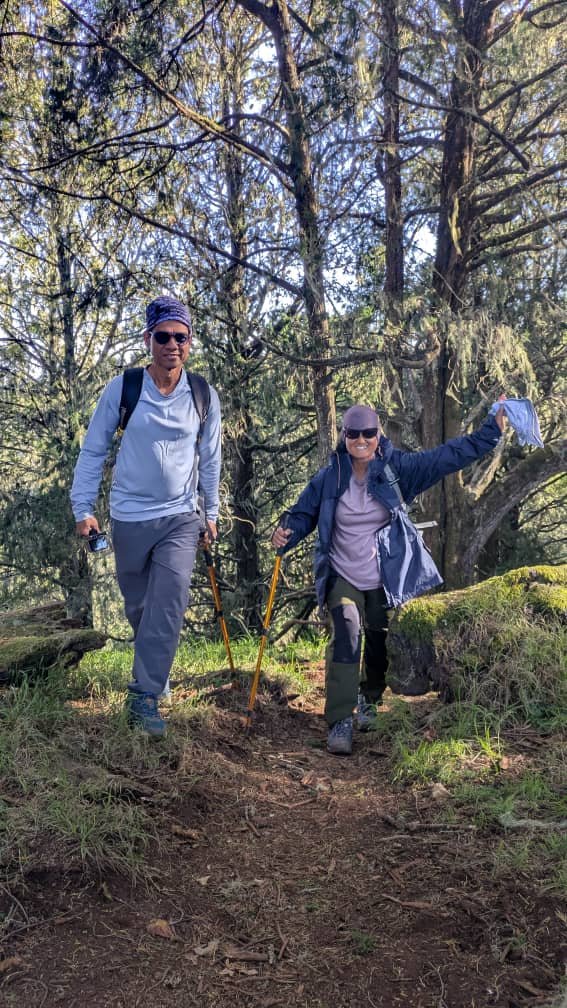
Budget Vs Luxury Lemosho Route Packages: Price Comparison For Kilimanjaro
Choosing between a budget or luxury Lemosho Route package for your Kilimanjaro climb in 2026 or 2027 involves understanding what drives the price. This comparison breaks down cost factors...
View package details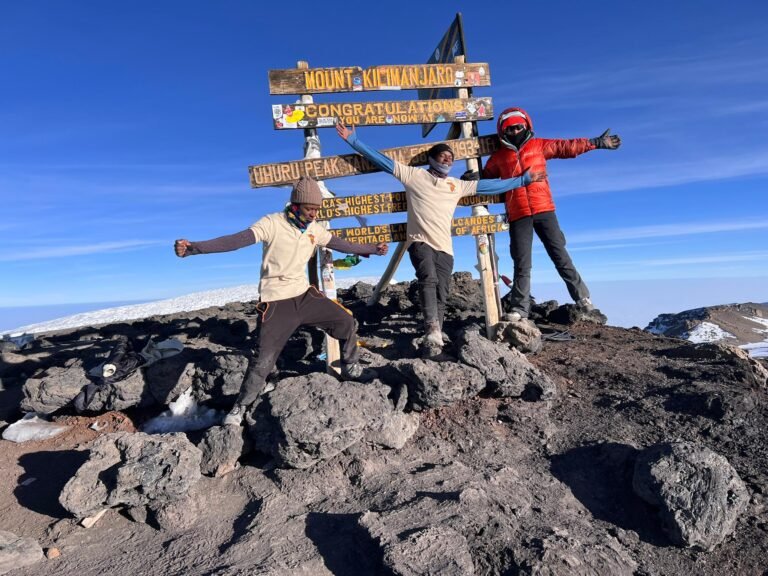
6 Days Lemosho Route Kilimanjaro: Itinerary, Cost & Planning 2026-2027
The 6-day Lemosho Route on Kilimanjaro offers a balance of acclimatization and scenic beauty, though it is one of the shorter options for this route, making it more challenging. This guide...
View package details
8 Days Lemosho Route: Cost, Price & Full Itinerary For Kilimanjaro Climbs
Your comprehensive guide to the 8-day Lemosho Route on Mount Kilimanjaro. Get detailed insights into costs, pricing factors, a day-by-day itinerary, and essential planning advice for your...
View package details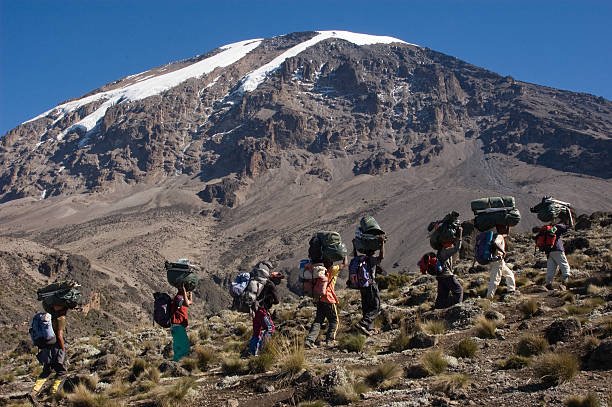
Kilimanjaro Climb Cost /: Prices, Fees & Complete Budget Guide 2026-2027
Planning your Kilimanjaro adventure for 2026 or 2027? This comprehensive guide breaks down the Kilimanjaro climb cost, detailing prices, essential fees, and how to budget effectively for...
View package details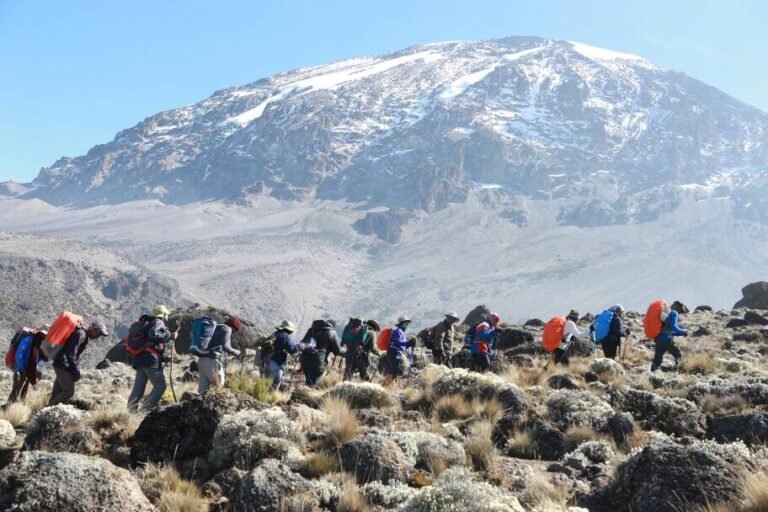
Kilimanjaro Gear Rental Prices: Complete Equipment Cost List For Climbs
Understand the costs associated with renting essential gear for your Kilimanjaro climb. This guide details typical prices for tents, sleeping bags, jackets, and more, helping you budget...
View package details
Total Cost Of A Kilimanjaro Trip: Flights, Gear, Hotels & Climb Prices
Planning your Kilimanjaro adventure involves more than just the climb package. This comprehensive guide breaks down the total cost of a Kilimanjaro trip for 2026-2027, detailing expenses...
View package details
Kilimanjaro Price Per Person: Cost By Route, Days & Group Size In 2026-2027
Planning your Kilimanjaro climb involves understanding the Kilimanjaro price per person, which varies significantly based on the chosen route, the number of days on the mountain, and your...
View package details
Kilimanjaro Solo Climber Cost: Group Vs Private Prices 2026-2027
Planning a solo climb up Kilimanjaro? This guide breaks down the cost differences between joining a group trek and opting for a private climb. Discover what influences prices for 2026-2027...
View package details
Budget Kilimanjaro Climb: Affordable Packages & Prices / 2026-2027
Budget Kilimanjaro Climb: Affordable Packages & Prices 2026/2027 is explained with current 2026-2027 planning, price, itinerary and booking information.
View package detailsKilimanjaro Group Joining Prices & Departure Dates / 2026-2027
Kilimanjaro Group Joining Prices & Departure Dates 2026/2027 is explained with current 2026-2027 planning, price, itinerary and booking information.
View package detailsKilimanjaro Climbing Packages & Prices / | Climb 4 Africa 2026-2027
Planning your 2026 or 2027 Kilimanjaro climb? This guide details packages, prices, routes, and essential tips from Climb 4 Africa, your expert partner for reaching Uhuru Peak.
View package detailsNo related package matches those filters. Clear one or more filters to see the other topic-matched options.



