
The cheapest way to climb Kilimanjaro safely in 2026/2027 involves selecting a budget-friendly yet reputable operator, choosing a shorter, less expensive route like Marangu or Machame, traveling during the shoulder seasons, and being savvy about inclusions versus exclusions in your tour package. Prioritizing safety means not compromising on essential services like experienced guides, adequate acclimatization, and quality gear, even when looking for the most economical option.
Finding the Cheapest Kilimanjaro Climb Safely in 2026/2027: A Practical Guide
Dreaming of standing on the Roof of Africa without breaking the bank? Climbing Kilimanjaro is an achievable goal, even on a budget, especially if you plan ahead for the 2026 or 2027 climbing seasons. The key to finding the cheapest way to climb Kilimanjaro safely lies in understanding the factors that influence cost and making informed decisions. It’s a balance: seeking affordability while ensuring your safety and success are paramount. This comprehensive guide from Climb 4 Africa will walk you through every step, from choosing the right operator and route to packing smart and understanding what’s included in your trek price.
Many trekkers believe that the cheapest option automatically means cutting corners on safety or comfort. While it’s true that some operators offer significantly lower prices, these often come with hidden compromises. Our aim is to help you navigate the market to find the best value for money, ensuring you get a safe, enjoyable, and successful Kilimanjaro climb in 2026 or 2027 without unnecessary expense. We’ll explore how to identify genuinely affordable tours that still meet high safety standards, what to look out for in operator pricing, and how to maximize your budget for the ultimate Kilimanjaro experience.
Understanding Kilimanjaro Climb Costs: What Drives the Price?
Before diving into how to find the cheapest option, it’s crucial to understand what constitutes the price of a Kilimanjaro climb. Tour operators have various overheads and service levels that dictate their pricing. Knowing these components helps you evaluate quotes and identify where savings can genuinely be made without jeopardizing your climb.
Key Cost Components of a Kilimanjaro Trek
- Park Fees: These are fixed by the Tanzanian government and are a significant portion of any climb cost. They include daily entry fees, camping fees, and rescue fees. These are non-negotiable and apply to all operators.
- Guide and Porter Wages: Fair wages for your mountain crew are essential for morale and safety. Reputable operators pay their staff according to industry standards and often above. Cheaper operators might underpay, leading to demotivated staff or reliance on tips, which can then fall back on you.
- Food and Water: High-quality, nutritious food is vital for energy and acclimatization. This includes meals on the mountain, cooked by dedicated porters or cooks.
- Equipment: This covers tents, sleeping mats, cooking equipment, and first-aid kits. While you bring your personal gear, the operator provides communal and camping equipment.
- Transportation: This includes transfers from the airport to your hotel, and from your hotel to the mountain gate, and back.
- Accommodation: Usually, this includes one night in a hotel before and one night after the climb in Moshi or Arusha.
- Permits and Licenses: Operators need to be licensed and registered, incurring administrative costs.
- Safety Equipment: This includes oxygen cylinders, pulse oximeters, and comprehensive first-aid kits, managed by trained guides.
- Profit Margin: Like any business, operators factor in a profit margin, which varies based on their service level, marketing, and operational efficiency.
When looking for the cheapest way to climb Kilimanjaro, focus on operators who are transparent about these costs. A significantly low price might indicate that park fees or guide wages are being compromised, which is a major red flag for safety.
Choosing the Right Operator for a Budget-Friendly Climb in 2026/2027
The operator you choose is arguably the most critical decision when aiming for the cheapest Kilimanjaro climb. While many companies operate in Tanzania, their quality, safety standards, and pricing models differ significantly. For 2026/2027, here’s how to select an operator that offers good value:
1. Prioritize Reputable Budget Operators
Avoid the absolute cheapest offers that seem too good to be true. Instead, look for operators who are known for providing good value within the mid-to-budget range. These companies often have efficient operations, a strong local presence, and a commitment to fair wages without the premium pricing of luxury operators. Climb 4 Africa, for example, focuses on providing high-quality, safe climbs at competitive prices, making them a strong contender for those seeking the cheapest way to climb Kilimanjaro safely.
Look for:
- Local Ownership/Management: Locally run companies often have lower overheads and a better understanding of local logistics, which can translate to better prices.
- Transparent Pricing: Operators who clearly list what is included and excluded in their price are more trustworthy. Beware of vague pricing structures.
- Positive Reviews (especially regarding safety and crew treatment): Check platforms like TripAdvisor or independent forums. Look for reviews that mention good food, well-treated porters, and knowledgeable guides. While cost is a factor, safety and crew welfare are non-negotiable.
- Safety Certifications/Protocols: Do they mention using pulse oximeters, carrying oxygen, and having guides trained in first aid?
2. Group Treks vs. Private Treks
Joining a pre-scheduled group trek is almost always cheaper than organizing a private climb. Operators run group departures on specific dates, allowing them to consolidate resources and spread fixed costs (like guide salaries and park fees for a certain number of people) across more trekkers. If you’re flexible with your dates for 2026 or 2027, look for these group departure dates.
- Group Treks: Ideal for solo travelers or couples looking to save money. You’ll share the experience with like-minded individuals.
- Private Treks: Offer more flexibility in dates and pace but come at a higher per-person cost, especially for smaller groups. The cost per person decreases as the group size increases.
If you can gather a group of friends or family, even a small one, you might be able to negotiate a slightly better price for a private climb, but generally, joining an existing group is the most economical approach for the cheapest way to climb Kilimanjaro.
3. Booking Directly vs. Through an Overseas Agent
Booking directly with a Tanzanian-based operator like Climb 4 Africa can often be more cost-effective than booking through an international agent. International agents add their own markup for marketing, sales, and customer service, which increases the overall price. While they might offer convenience, you’ll likely pay more. Direct booking ensures your money goes further, supporting local businesses and potentially securing a better rate for your 2026/2027 climb.
4. Checking Inclusions and Exclusions
The cheapest quote might not always be the best value if it excludes essential items. Carefully compare what each operator includes:
- What’s Usually Included (and essential for safety/comfort): Park fees, guide/porter wages, food, camping equipment, tents, rescue fees, transfers, pre/post-climb accommodation, bottled water on the mountain (or purification system).
- What’s Often Excluded (and can add up): Tips for guides and porters (this is a significant cost!), personal gear rental (sleeping bags, trekking poles), travel insurance (mandatory!), visa fees, flights, personal snacks, and sometimes even lunches or drinks on non-climbing days.
When comparing prices for the cheapest way to climb Kilimanjaro, always factor in the cost of these exclusions. A slightly higher quote that includes tips or gear rental might actually be cheaper overall.
Route Selection for the Cheapest Kilimanjaro Climb
Kilimanjaro has several routes, each varying in length, difficulty, scenery, and cost. For the cheapest Kilimanjaro climb, shorter routes are generally less expensive due to fewer days on the mountain, which means fewer park fees and less food/support needed.
1. Marangu Route: The Classic Budget Option
Often cited as the cheapest route, the Marangu route is also known as the “Coca-Cola” route. It’s the only route that offers dormitory-style accommodation in huts rather than camping, which can reduce some equipment costs.
- Duration: 5 or 6 days. The 5-day option is the shortest and cheapest but has a very low success rate due to rapid ascent and poor acclimatization.
- Pros: Potentially lower cost due to huts and shorter duration.
- Cons: Lower success rate (especially the 5-day version), less scenic than other routes, crowded, and the ascent profile is steep, making acclimatization difficult.
While the 5-day Marangu is the cheapest, it’s often not recommended for safety reasons. The 6-day Marangu is slightly more expensive but offers a better chance of success. However, even the 6-day Marangu route is generally less successful than longer routes on other paths.
2. Machame Route: A Popular Budget-Friendly Choice
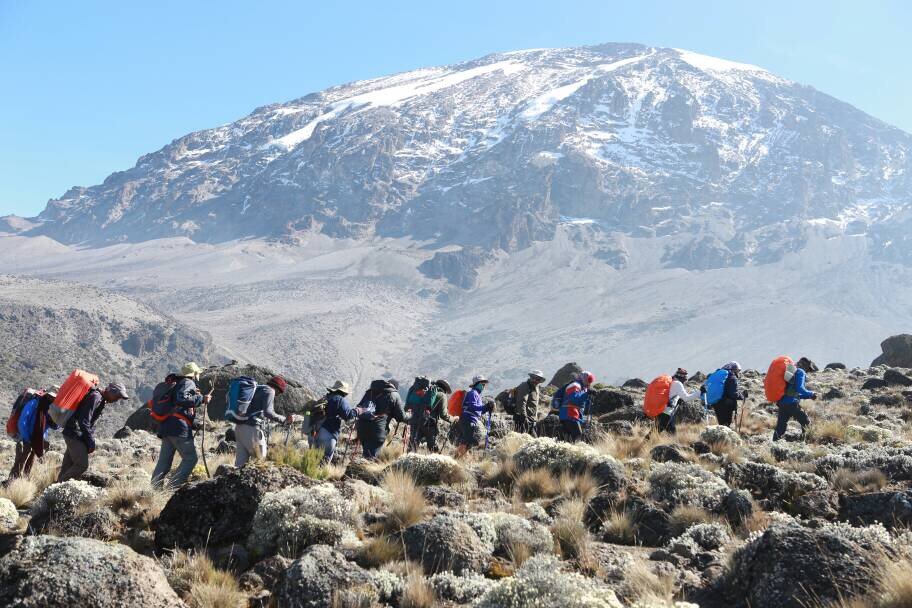
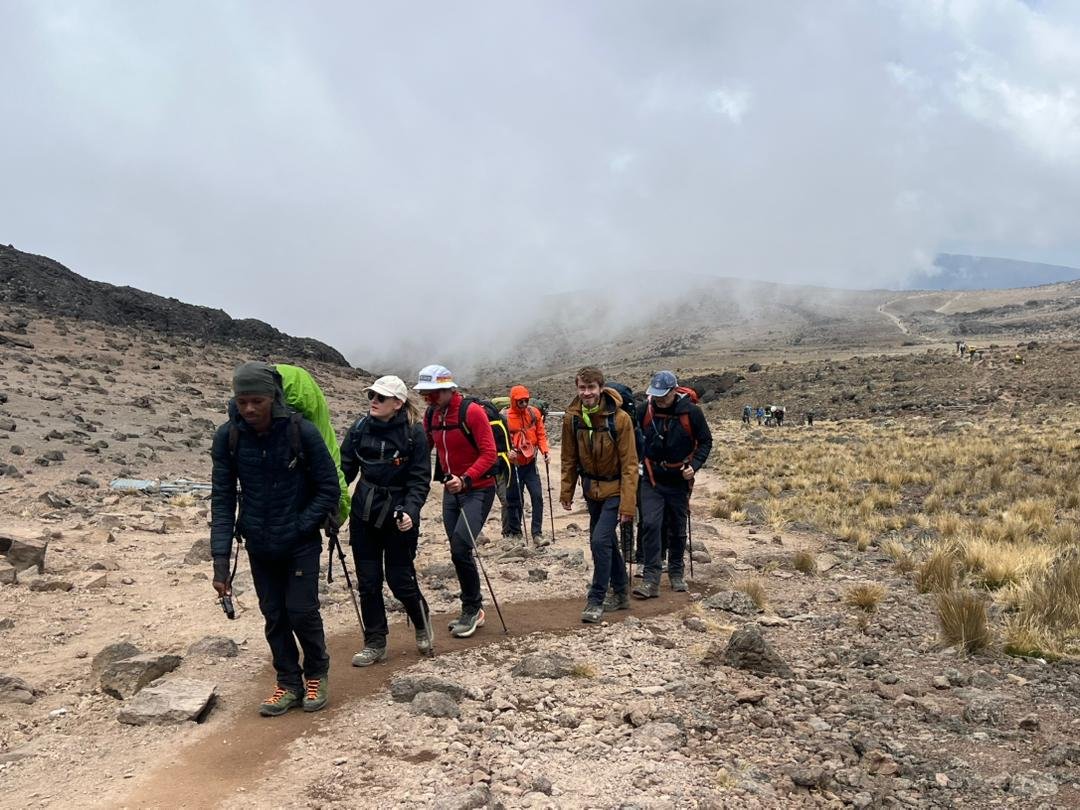
The Machame route is the most popular route and offers a good balance of cost, scenery, and acclimatization. It’s a camping route and typically takes 6 or 7 days.
- Duration: Typically 6 or 7 days. The 7-day option provides better acclimatization and thus a higher success rate.
- Pros: Excellent acclimatization profile (“climb high, sleep low”), very scenic, good success rates (especially the 7-day version), widely available from budget operators.
- Cons: Camping route (which is standard for most routes except Marangu), can be busy.
A 6-day Machame climb is a very common and relatively affordable option for the cheapest way to climb Kilimanjaro safely. While slightly more expensive than a 5-day Marangu, its significantly higher success rate and better acclimatization make it a superior choice for budget-conscious trekkers in 2026/2027.
3. Other Routes (Generally More Expensive)
Routes like Lemosho, Shira, and the Northern Circuit are generally more expensive. This is due to their longer duration (offering superior acclimatization and success rates) and sometimes more remote access, requiring more complex logistics. While they offer a more rewarding experience, they are not typically the choice for the absolute cheapest Kilimanjaro climb.
Recommendation for Budget Trekkers: For the cheapest way to climb Kilimanjaro safely in 2026/2027, a 6-day Machame route trek with a reputable budget operator offers the best combination of affordability, safety, and a good chance of summit success.
Timing Your Climb for Maximum Savings (2026/2027)
The season you choose to climb Kilimanjaro can significantly impact the price. While the peak seasons offer the best weather, they also command higher prices from operators due to demand.
Peak Seasons (Higher Prices)
- January to March: Generally dry, good for climbing.
- June to October: The main dry season, with the best weather conditions. This period is the most popular and therefore the most expensive.
Shoulder Seasons (Potential Savings)
These periods offer a good balance of decent weather and lower demand, often resulting in slightly lower prices or better deals from operators.
- April to May: The long rainy season. While it can rain, it’s often not continuous, and clear days are still possible. Some operators might offer discounts.
- November to December: The short rainy season. Similar to April-May, expect some rain but also clear periods. This can be a good time to find the cheapest way to climb Kilimanjaro if you are prepared for potential rain.
Tip for 2026/2027: If your primary goal is the cheapest Kilimanjaro climb, consider booking for November or early December 2026, or April/May 2027. Be prepared for the possibility of rain, but understand that even in the rainy season, the summit is often clear, and the mountain can be less crowded.
Essential Safety Considerations for Budget Climbs
Safety should never be compromised, even when seeking the cheapest way to climb Kilimanjaro. A low price can sometimes mask inadequate safety measures. Here’s what to look for:
1. Experienced and Certified Guides
Your guides are your lifeline on the mountain. They are responsible for your safety, acclimatization, and overall experience. Ensure your operator hires guides who:
- Are highly experienced with Kilimanjaro climbs.
- Are certified in Wilderness First Aid (WFA) or Wilderness First Responder (WFR).
- Speak fluent English (or your preferred language).
- Are knowledgeable about altitude sickness symptoms and treatment.
- Are employed directly by the operator (rather than being freelance), ensuring better training and oversight.
2. Acclimatization Strategy
The cheapest routes (like 5-day Marangu) often have poor acclimatization profiles. This significantly increases the risk of altitude sickness, which can be dangerous and lead to a failed summit attempt. Opt for routes and durations that allow for proper acclimatization, even if they are slightly more expensive than the absolute cheapest options. A 7-day Machame or Lemosho route is much safer than a 5-day Marangu.
3. Medical Support and Equipment
Reputable operators will provide:
- Pulse Oximeters: Used regularly to measure blood oxygen saturation.
- Portable Oxygen Cylinders: For emergency use in case of severe altitude sickness.
- Comprehensive First-Aid Kits: Stocked with appropriate medications and equipment.
- Emergency Evacuation Plan: Understanding how they will handle a medical emergency is crucial.
A truly cheap operator might skimp on these vital safety provisions.
4. Porter Welfare
Happy, well-treated porters are more likely to be attentive and supportive. Look for operators who:
- Provide adequate food and shelter for their porters.
- Do not overload porters (respecting weight limits).
- Pay fair wages and ensure tips are distributed appropriately.
- Treat porters with respect.
Some budget operators may push their porters too hard, which is unethical and unsafe. Researching this aspect can help identify the cheapest way to climb Kilimanjaro while supporting ethical practices.
Cost-Saving Tips Beyond the Operator Choice
Once you’ve chosen a reputable budget operator for your 2026/2027 climb, there are still ways to reduce your overall expenses.
1. Renting Gear Instead of Buying
Personal gear like sleeping bags, trekking poles, and waterproof jackets can be expensive. Many operators, including Climb 4 Africa, offer gear rental services. This is a cost-effective solution for items you might not use again.
Items commonly available for rent:
- Sleeping bags (rated for cold temperatures)
- Trekking poles
- Waterproof jackets and trousers
- Warm hats and gloves
- Headlamps
Factor in rental costs when comparing overall prices, but it’s usually cheaper than buying new.
2. Packing Smartly and Lightly
While porters carry most of your gear, there are weight limits. More importantly, avoid buying unnecessary items. Stick to essential, versatile clothing layers. You don’t need a huge wardrobe; focus on function.
3. Booking in Advance
While last-minute deals can sometimes appear, booking your 2026 or 2027 Kilimanjaro climb well in advance often secures better prices, especially if you aim for group departures. It also gives you more time to save and prepare.
4. Traveling with a Group
As mentioned, even a small group can reduce per-person costs compared to a solo traveler on a private climb. If you can coordinate with friends or family, discuss your plans for 2026/2027 early.
5. Be Mindful of Tipping Culture
Tipping is a significant part of the cost for Kilimanjaro climbs. While it’s a way to show appreciation for the hard work of your crew, it’s also a substantial expense. Research standard tipping guidelines and budget accordingly. Some operators include tips in their price, which can make budgeting easier. Climb 4 Africa provides clear guidance on tipping to help you plan.
6. Consider Travel Insurance Wisely
Travel insurance is mandatory and crucial for safety. While it’s an added cost, don’t skimp here. Ensure your policy covers high-altitude trekking and emergency medical evacuation. Compare different providers to find a policy that offers good coverage at a reasonable price for your 2026/2027 adventure.
A Comparison: Budget vs. Mid-Range vs. Luxury Operators
To truly find the cheapest way to climb Kilimanjaro safely, understanding the spectrum of operators is key. The price differences reflect variations in service, safety, and crew welfare.
Budget Operators (The Cheapest Way)
Focus: Affordability and basic necessities. Often locally owned and run. May use shorter routes or fewer days.
Potential Pros: Lowest prices, good for strictly budget-conscious travelers.
Potential Cons: May have less experienced guides, basic equipment, minimal safety equipment (e.g., no oxygen), lower porter wages, less comfortable food, and may push for shorter itineraries to save costs. Success rates can be lower if acclimatization is sacrificed. This is where the risk lies in finding the cheapest Kilimanjaro climb.
Best for: Experienced trekkers who are very fit, understand altitude sickness, and are willing to accept basic services for lower cost. For 2026/2027, choose a budget operator like Climb 4 Africa that explicitly prioritizes safety and fair wages despite being budget-friendly.
Mid-Range Operators
Focus: Good balance of price, quality, safety, and comfort. Often a mix of local and international management.
Potential Pros: Experienced guides, good quality equipment, comprehensive safety protocols (oxygen, pulse oximeters), fair porter wages and welfare, good food, and longer itineraries for better acclimatization. Climb 4 Africa falls into this category, offering excellent value.
Potential Cons: More expensive than budget operators.
Best for: Most trekkers, including first-time high-altitude climbers, who want a safe, comfortable, and successful climb without excessive luxury costs. This is often the sweet spot for finding the cheapest way to climb Kilimanjaro safely.
Luxury Operators
Focus: Premium comfort, high-end service, gourmet food, smaller groups, and often higher guide-to-client ratios.
Potential Pros: Highest comfort levels, excellent safety standards, often very high success rates due to focus on client well-being and acclimatization.
Potential Cons: Significantly higher prices. Not necessary for a safe and successful climb for most people.
Best for: Travelers who prioritize comfort and service and have a larger budget.
When seeking the cheapest way to climb Kilimanjaro in 2026/2027, the goal is to find a reputable budget operator or a value-driven mid-range operator like Climb 4 Africa. Avoid the absolute bottom-tier prices, as they often come with unacceptable risks.
Sample Itinerary for a Budget-Conscious Climb (Machame Route, 6 Days)
This sample itinerary focuses on a cost-effective yet safe approach, often used by budget-friendly operators for the cheapest Kilimanjaro climb experience.
Day 1: Arrival in Moshi/Arusha
Arrive at Kilimanjaro International Airport (JRO). You’ll be met and transferred to your hotel in Moshi or Arusha. Briefing about your upcoming climb. Included: Airport transfer, hotel accommodation, dinner.
Day 2: Drive to Machame Gate & Trek to Machame Camp
After breakfast, drive to Machame Gate (approx. 1.5-2 hours). Complete park formalities and begin your trek through the rainforest. Hike to Machame Camp.
- Altitude: Gate 1,800m (5,905ft) to Camp 3,050m (10,007ft)
- Trekking Time: 5-7 hours
- Included: Breakfast, packed lunch, dinner, park fees, guide & porter fees, camping equipment.
Day 3: Trek to Shira Camp
Ascend through moorland, with increasingly open views. The trail can be steep in places. Arrive at Shira Camp, a plateau with stunning views.
- Altitude: Camp 3,050m to 3,850m (12,631ft)
- Trekking Time: 4-6 hours
- Included: Breakfast, packed lunch, dinner, park fees, guide & porter fees, camping equipment.
Day 4: Trek to Barranco Camp
A day of “climb high, sleep low.” You’ll trek to the base of the Lava Tower (4,600m) before descending to Barranco Camp. This helps with acclimatization.
- Altitude: Camp 3,850m to 3,950m (12,960ft)
- Trekking Time: 5-7 hours
- Included: Breakfast, packed lunch, dinner, park fees, guide & porter fees, camping equipment.
Day 5: Trek to Karanga Camp
The day starts with the famous Barranco Wall climb, a scramble that requires handholds. After the wall, the terrain becomes gentler as you head towards Karanga Camp.
- Altitude: Camp 3,950m to 4,200m (13,780ft)
- Trekking Time: 3-5 hours
- Included: Breakfast, packed lunch, dinner, park fees, guide & porter fees, camping equipment.
Day 6: Trek to Barafu Camp & Summit Attempt
A shorter day of trekking to Barafu Camp (4,650m / 15,250ft), your base for the summit push. You’ll rest and prepare for the midnight start. The summit attempt begins around midnight, heading towards Stella Point and then Uhuru Peak (5,895m / 19,341ft).
- Altitude: Camp 4,650m to Summit 5,895m, descent to Mweka Camp 3,100m (10,170ft)
- Trekking Time: 7-8 hours to summit, 4-6 hours to camp
- Included: Breakfast, packed lunch, dinner, park fees, guide & porter fees, camping equipment.
Day 7: Trek to Mweka Gate & Transfer to Hotel
Descend from Mweka Camp through the forest to Mweka Gate. Celebrate your achievement with your crew. Transfer back to your hotel in Moshi/Arusha.
- Altitude: Camp 3,100m to Gate 1,650m (5,413ft)
- Trekking Time: 3-5 hours
- Included: Breakfast, packed lunch, park fees, guide & porter fees, transfer to hotel, hotel accommodation.
Day 8: Departure
Enjoy breakfast at your hotel before your transfer to Kilimanjaro International Airport for your departure.
Note: This 6-day itinerary is a popular and relatively affordable option. A 7-day Machame or a 7-day Lemosho route would offer even better acclimatization and success rates but at a slightly higher cost, potentially moving away from the absolute cheapest way to climb Kilimanjaro.
Making the Cheapest Kilimanjaro Climb Work for You in 2026/2027
Finding the cheapest way to climb Kilimanjaro safely in 2026/2027 requires a strategic approach. It’s not just about picking the lowest price but understanding the value behind that price. Here’s a summary of actionable steps:
Your Budget Kilimanjaro Climb Checklist for 2026/2027:
- Research Operators Thoroughly: Look for reputable budget or value-driven mid-range operators with strong safety records and positive reviews regarding crew welfare. Climb 4 Africa is a strong candidate.
- Choose the Right Route: Opt for the Marangu (6-day) or Machame (6-day) routes for the best balance of cost and safety. Avoid 5-day options that compromise acclimatization.
- Travel in Shoulder Seasons: Consider November, December, April, or May for potentially lower prices, but be prepared for possible rain.
- Join a Group Trek: This is significantly cheaper than a private climb.
- Book Directly: Avoid international agents to cut out markups.
- Understand Inclusions/Exclusions: Always compare total costs, including mandatory tips, gear rental, and insurance.
- Rent Gear: Save money by renting items like sleeping bags and trekking poles.
- Pack Smart: Focus on essential, versatile items.
- Budget for Tips: This is a significant, unavoidable cost.
- Secure Comprehensive Insurance: Do not compromise on mandatory, high-altitude-specific insurance.
By following these guidelines, you can significantly reduce the cost of your Kilimanjaro adventure while ensuring that safety remains your top priority. The goal is not just to reach the summit, but to do so safely, enjoyably, and with the peace of mind that you’ve made informed, responsible choices.
The Cheapest Way to Climb Kilimanjaro Safely: A Final Word for 2026/2027
Climbing Kilimanjaro is a life-changing experience, and it doesn’t have to come with an exorbitant price tag. By planning strategically for your 2026 or 2027 expedition, you can find the cheapest way to climb Kilimanjaro safely. This involves diligent research, smart route and timing choices, and a clear understanding of what constitutes essential safety measures versus optional luxuries.
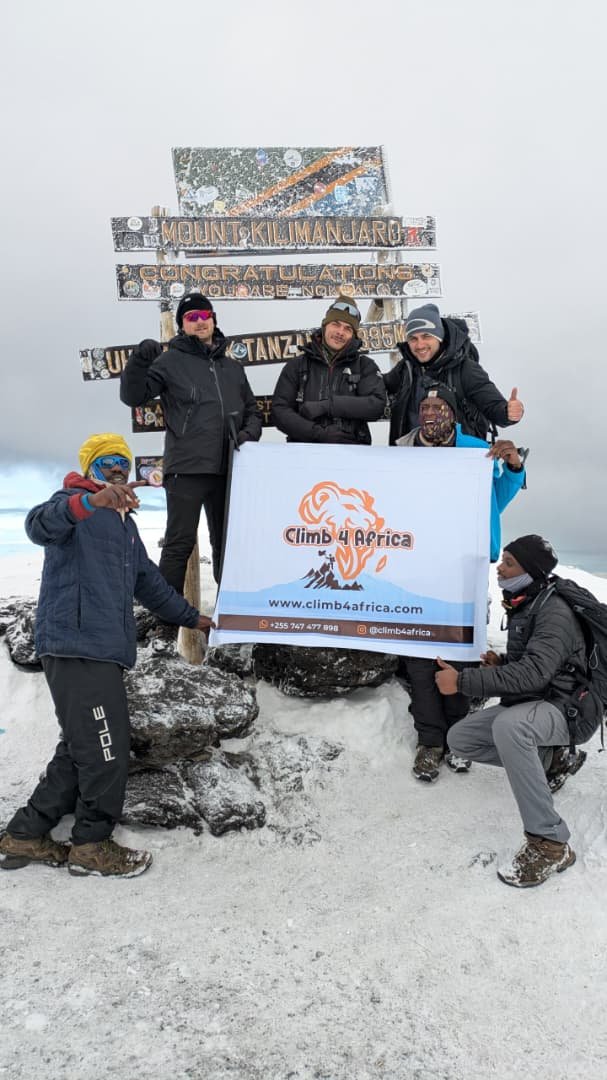
At Climb 4 Africa, we are committed to offering exceptional value. We believe that everyone should have the opportunity to experience the majesty of Kilimanjaro. We achieve this by operating efficiently, employing experienced local guides and crew, and maintaining transparent pricing that covers all essential services and prioritizes the well-being of our trekkers and our mountain teams. We offer well-structured itineraries on popular routes like Machame, designed for good acclimatization and a high chance of success, making us a top choice for those looking for the cheapest Kilimanjaro climb that doesn’t compromise on safety or quality.
Don’t let budget concerns deter your dream. Reach out to us to discuss your plans for 2026/2027. We can help you find the most cost-effective itinerary that aligns with your safety needs and adventure goals. Let us help you plan your unforgettable journey to the Roof of Africa.
For inquiries or to get a personalized quote for your 2026/2027 Kilimanjaro climb, contact Climb 4 Africa:
- WhatsApp: +255 747 477 898
- Email: climb4africa@gmail.com
- Website: climb4africa.com
We look forward to helping you achieve your Kilimanjaro dream safely and affordably!
Check Availability for Cheapest Way To Climb Kilimanjaro Safely In / 2026-2027
Ready to compare dates, prices, and the best option for your group? Send the package name and travel month so the team can reply with a clear quote, availability, and what is included.

Lemosho Route Cost /: Prices, Fees & Packages For Kilimanjaro Climbs 2026-2027
Planning a Kilimanjaro climb via the Lemosho Route in 2026 or 2027? This comprehensive guide breaks down the Lemosho Route cost, including typical prices, package inclusions, essential...
View package details
Kilimanjaro Climb Cost /: Prices, Fees & Complete Budget Guide 2026-2027
Planning your Kilimanjaro adventure for 2026 or 2027? This comprehensive guide breaks down the Kilimanjaro climb cost, detailing prices, essential fees, and how to budget effectively for...
View package details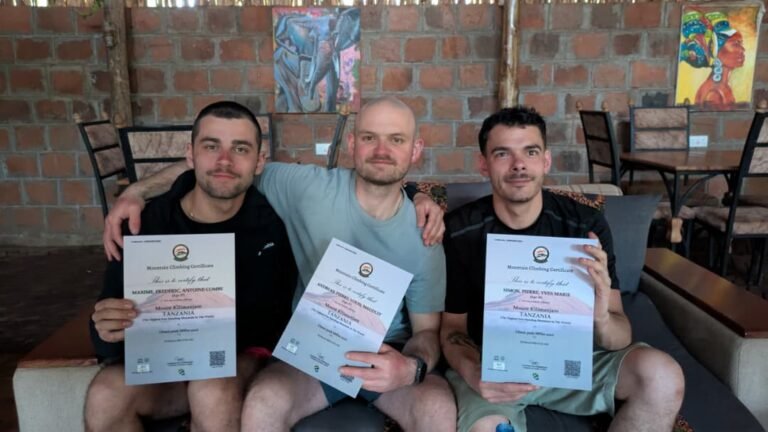
Kilimanjaro Booking Deposit, Payment Schedule & Cancellation Costs For Climbs
Planning your Kilimanjaro climb involves understanding the financial commitments. This guide details typical booking deposit amounts, payment schedules, and the potential cancellation costs...
View package details
Kilimanjaro Hidden Costs: Extra Expenses To Budget Before Your Climb 2026-2027
Planning a Kilimanjaro climb involves more than just the advertised tour price. This comprehensive guide details the often-overlooked Kilimanjaro hidden costs and extra expenses you need to...
View package details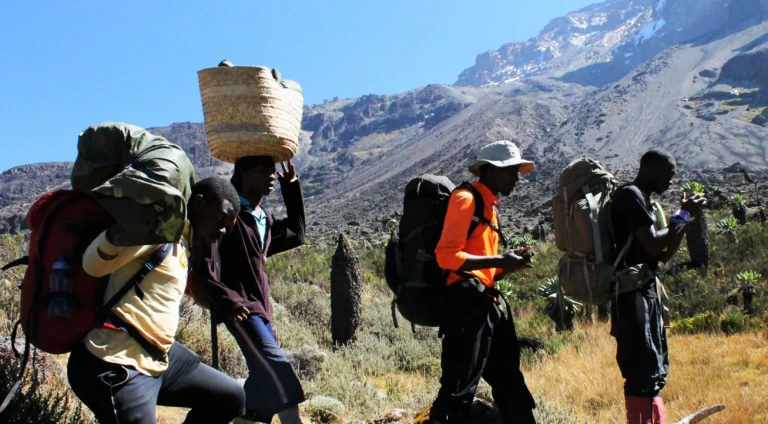
Kilimanjaro Group Vs Private Climb: Cost & Package Comparison For 2026-2027
Choosing between a group and private Kilimanjaro climb in 2026-2027 involves weighing costs, flexibility, and the overall experience. This guide breaks down the differences to help you...
View package details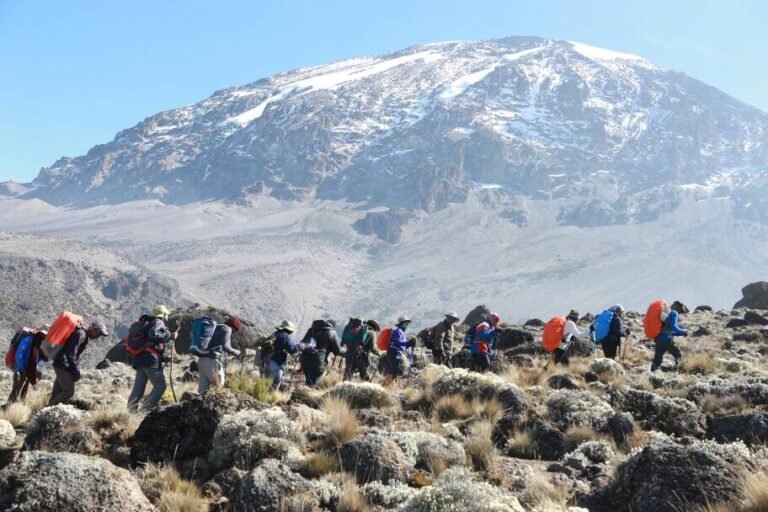
Kilimanjaro Gear Rental Prices: Complete Equipment Cost List For Climbs
Understand the costs associated with renting essential gear for your Kilimanjaro climb. This guide details typical prices for tents, sleeping bags, jackets, and more, helping you budget...
View package details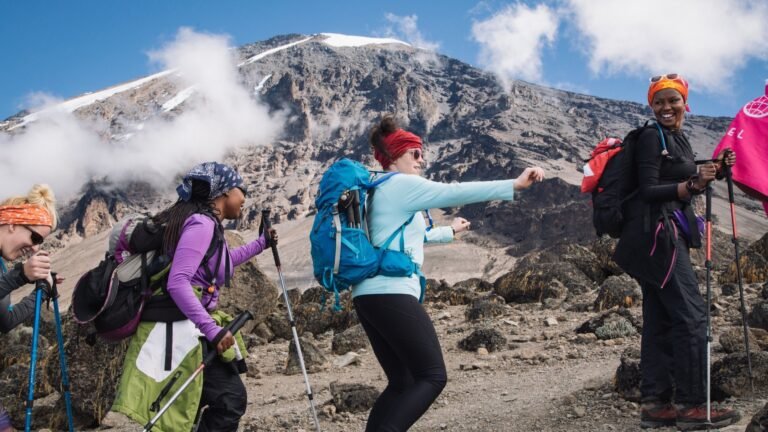
Total Cost Of A Kilimanjaro Trip: Flights, Gear, Hotels & Climb Prices
Planning your Kilimanjaro adventure involves more than just the climb package. This comprehensive guide breaks down the total cost of a Kilimanjaro trip for 2026-2027, detailing expenses...
View package details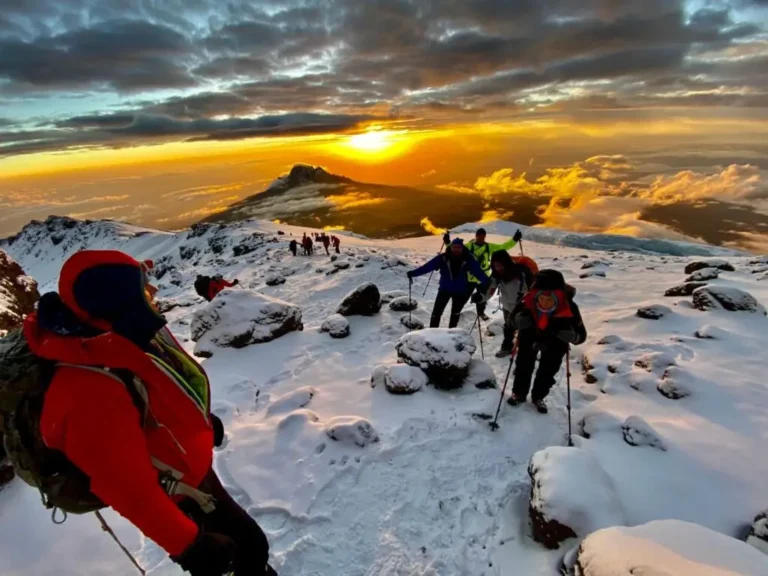
Kilimanjaro Cost Breakdown: Where Your Money Goes For Climbs 2026-2027
Planning your Kilimanjaro climb in 2026 or 2027? This comprehensive breakdown reveals exactly where your expedition costs go, ensuring you understand the value behind your investment in a...
View package details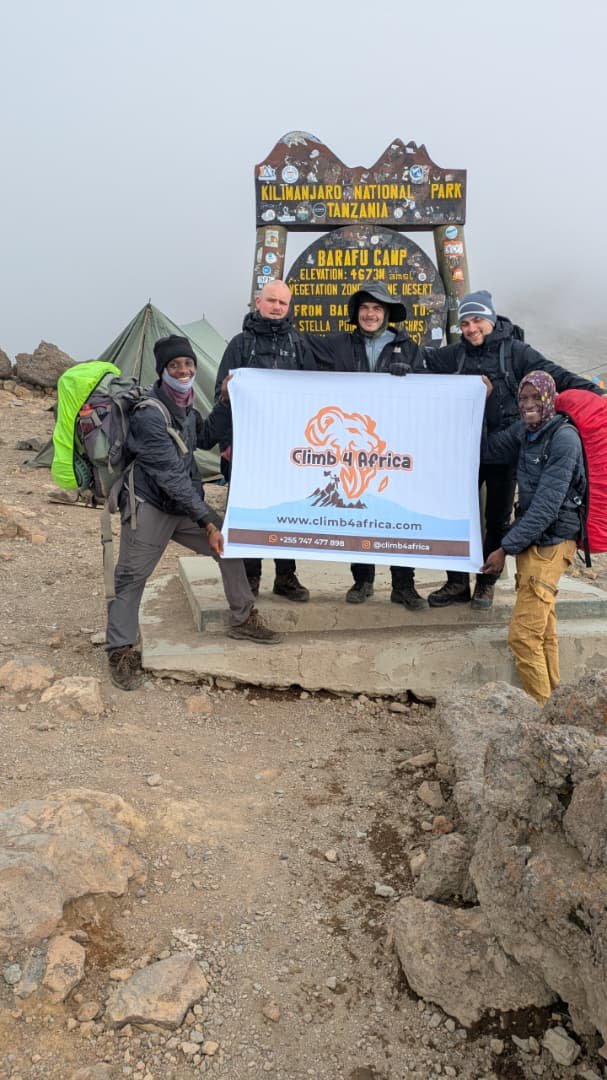
How Much Does It Cost To Climb Kilimanjaro In /? 2026-2027
Planning a Kilimanjaro climb for 2026 or 2027? This comprehensive guide breaks down the costs involved, from operator fees to park permits and essential gear. Learn what to budget for a...
View package details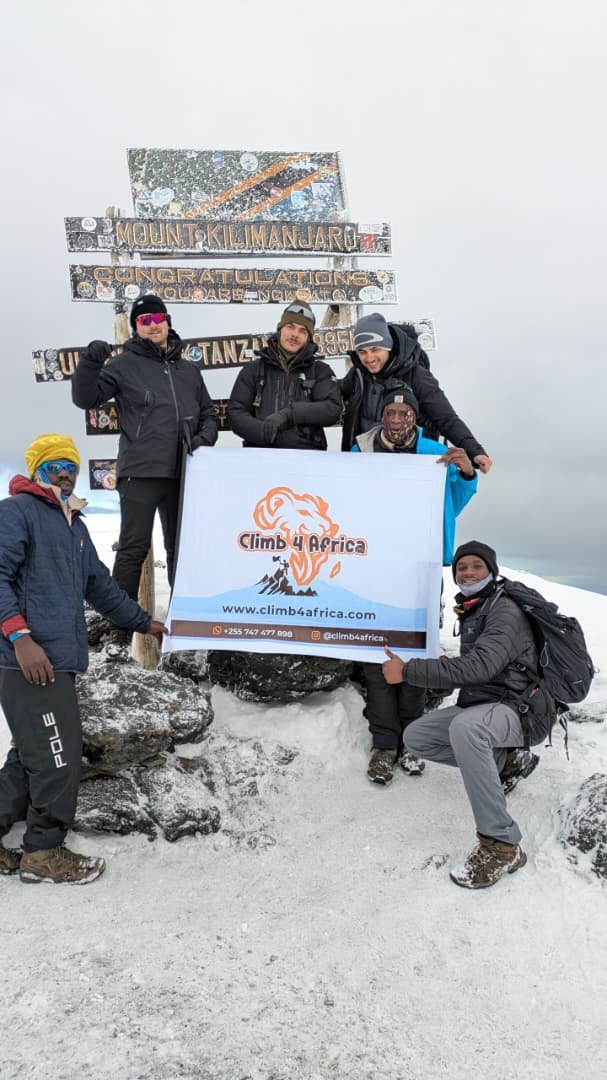
Kilimanjaro Solo Climber Cost: Group Vs Private Prices 2026-2027
Planning a solo climb up Kilimanjaro? This guide breaks down the cost differences between joining a group trek and opting for a private climb. Discover what influences prices for 2026-2027...
View package detailsLuxury Kilimanjaro Climb Cost & Premium Packages / 2026-2027
Luxury Kilimanjaro Climb Cost & Premium Packages 2026/2027 is explained with current 2026-2027 planning, price, itinerary and booking information.
View package details
Budget Kilimanjaro Climb: Affordable Packages & Prices / 2026-2027
Budget Kilimanjaro Climb: Affordable Packages & Prices 2026/2027 is explained with current 2026-2027 planning, price, itinerary and booking information.
View package detailsNo related package matches those filters. Clear one or more filters to see the other topic-matched options.



