The total cost of a Kilimanjaro trip in 2026-2027 typically ranges from $2,500 to $7,000+ per person, depending heavily on the chosen route, climb duration, operator quality, accommodation preferences, flight origins, and gear purchases. This includes the climb package (park fees, crew, food, accommodation on the mountain), international flights, pre/post-climb hotels, necessary gear, visa costs, travel insurance, and personal expenses.
Understanding the Total Cost of Your Kilimanjaro Adventure
Mount Kilimanjaro, the Roof of Africa, beckons adventurers from across the globe. Planning a successful ascent requires meticulous preparation, and a significant part of that is understanding the financial commitment. The total cost of a Kilimanjaro trip isn’t a single figure; it’s a sum of various components, each contributing to the overall expense. For travelers looking ahead to 2026 and 2027, knowing these elements is crucial for effective budgeting and ensuring your dream climb becomes a reality without unexpected financial stress.
At Climb 4 Africa, we believe in transparent pricing and comprehensive planning. This guide aims to demystify the expenses associated with climbing Kilimanjaro, covering everything from the core climb package to the often-overlooked details like flights, gear, and local accommodations. By the end of this article, you’ll have a clear picture of what to expect financially for your Kilimanjaro trip cost in the coming years.
The Core Component: Kilimanjaro Climb Packages
The most significant portion of your Kilimanjaro trip cost will undoubtedly be the climb package itself. This is what tour operators provide to facilitate your ascent, covering essential services and logistics on the mountain. Prices can vary widely based on several factors:
Factors Influencing Climb Package Prices
- Route Selection: Longer routes like the Lemosho or Northern Circuit offer higher acclimatization profiles and generally cost more due to the additional days and logistical support required. Shorter, steeper routes like Marangu or Machame can be less expensive.
- Duration of the Climb: A 5-day climb is cheaper than a 7-day or 8-day climb. More days mean more park fees, more food, and more crew wages.
- Operator Type (Local vs. International): Local operators like Climb 4 Africa often provide better value and more direct support, as they manage operations on the ground. International operators might have higher overheads.
- Service Level: This includes the quality of guides, cooks, and porters, the type of tents and equipment used, and the standard of meals provided. Higher service levels command higher prices.
- Group Size: While most operators charge per person, private climbs will always be more expensive than joining a shared group.
- Inclusions: Always check what’s included. Reputable operators include park fees, rescue fees, crew salaries, all meals on the mountain, camping equipment, and transfer to/from the mountain gate.
Typical Price Ranges for Climb Packages (2026-2027 Estimates)
For 2026-2027, expect to see the following approximate price ranges for a standard Kilimanjaro climb package, typically for 6-7 days:
- Budget Operators: These might start around $1,500 – $2,000 USD. Be cautious; extremely low prices can indicate compromises in crew welfare, safety standards, or equipment quality.
- Mid-Range Operators (Recommended): Most reputable local and international operators fall into this category, with prices ranging from $2,000 – $3,500 USD. This typically includes good quality gear, experienced guides, and fair treatment of porters. Climb 4 Africa operates within this range, focusing on quality and ethical practices.
- Premium/Luxury Operators: These can range from $3,500 to $7,000+ USD, offering enhanced comfort, private toilets, higher guide-to-client ratios, or specialized services.
It’s vital to remember that these are estimates for the climb package cost only. They often exclude international flights, tips, personal gear, and pre/post-climb expenses.
International Flights: A Significant Variable in Total Cost
Your departure location will heavily influence the cost of international flights to Kilimanjaro International Airport (JRO). Prices fluctuate based on airline, time of booking, season, and demand. For travelers planning their Kilimanjaro trip in 2026 or 2027, booking flights well in advance is highly recommended to secure better fares.
Estimating Flight Costs (2026-2027)
- From North America (USA/Canada): Expect to pay anywhere from $1,200 to $2,500+ USD. Flights often involve one or two layovers, commonly through Europe (Amsterdam, Doha, Istanbul) or the Middle East.
- From Europe: Flights can range from $700 to $1,500 USD, with direct or single-layover options more common from major hubs.
- From Asia: Prices can vary significantly, from $800 to $2,000+ USD, depending on the specific country and layover points.
- From Australia/New Zealand: These are typically the longest and most expensive journeys, potentially costing $1,800 to $3,500+ USD.
Pro Tip: Consider flexibility with your travel dates. Flying during the shoulder seasons (e.g., March-May, November) might offer slightly lower prices compared to peak seasons (January-February, June-October).
Essential Gear: Investing in Your Comfort and Safety
While many tour operators provide communal gear like tents, sleeping mats, and cooking equipment, you’ll need to supply your personal clothing and equipment. The cost of acquiring new gear can be substantial. For a Kilimanjaro trip cost analysis, factor in these items:
Key Personal Gear and Estimated Costs (New Purchase)
- High-Quality Hiking Boots: $150 – $300 USD (broken in!).
- Waterproof/Windproof Jacket & Trousers: $150 – $400 USD (Gore-Tex or similar).
- Warm Layers (Fleece, Down Jacket): $100 – $300 USD.
- Thermal Base Layers: $50 – $150 USD.
- Gloves (Warm & Waterproof): $40 – $100 USD.
- Warm Hat & Balaclava: $30 – $70 USD.
- Sleeping Bag (Rated to -15°C / 0°F): $100 – $300 USD.
- Duffel Bag (Waterproof): $50 – $150 USD.
- Headlamp & Spare Batteries: $30 – $60 USD.
- Sunglasses, Sunscreen, Lip Balm: $50 – $100 USD.
- Water Bottles/Hydration Reservoir: $20 – $50 USD.
- Trekking Poles: $40 – $100 USD.
- High-Energy Snacks: $50 – $100 USD.
Total Estimated Gear Cost (New): $960 – $2,230 USD
Smart Savings Tip: Consider renting some of the bulkier items like sleeping bags and warm jackets from your tour operator or local shops in Moshi/Arusha. This can significantly reduce your upfront gear investment, potentially saving $200 – $500 USD.
Accommodation: Pre and Post-Climb Stays
Your Kilimanjaro trip cost also includes accommodation before and after your trek. Most climbers spend at least one night in a hotel in Moshi or Arusha before the climb and often one night after returning. Hotels range from budget-friendly guesthouses to luxury lodges.
- Budget Guesthouses/Hostels: $30 – $60 USD per night.
- Mid-Range Hotels: $70 – $150 USD per night.
- Higher-End Hotels/Lodges: $150 – $300+ USD per night.
Assuming 2 nights of accommodation (1 before, 1 after), a reasonable budget for mid-range hotels would be $140 – $300 USD per person (if sharing a room).
Other Essential Costs to Factor In
Beyond the main components, several smaller but crucial expenses contribute to the total cost of a Kilimanjaro trip:
Additional Expenses Breakdown
- Tanzania Visa: Approximately $50 – $100 USD depending on your nationality. Apply online in advance.
- Travel Insurance: Essential for high-altitude trekking and medical evacuation. Costs vary but budget $100 – $300 USD. Ensure it covers high-altitude trekking and emergency evacuation.
- Vaccinations & Medications: Costs vary depending on your location and healthcare provider. Consult your doctor well in advance.
- Tips for the Crew: A significant and customary part of the cost. For a standard 7-day climb, budget approximately $250 – $400 USD per climber. This is usually pooled and distributed among guides, assistant guides, cooks, and porters. Climb 4 Africa provides clear tipping guidelines to ensure fair compensation.
- Personal Expenses: Souvenirs, extra snacks, drinks, laundry, and tips for hotel staff. Budget $100 – $200 USD.
- Airport Transfers: Usually included in the climb package, but confirm. If not, budget $30 – $60 USD each way between JRO and Moshi/Arusha.
Calculating Your Total Kilimanjaro Trip Cost (2026-2027)
Let’s put it all together to get a realistic estimate for a Kilimanjaro trip cost for 2026-2027. We’ll use a mid-range scenario for a 7-day climb (e.g., Machame or Lemosho route) for one person, departing from North America.
Estimated Total Cost Breakdown (Mid-Range, Per Person)
- Climb Package (7-Day Lemosho/Machame): $2,500 USD
- International Flights (Estimate from USA): $1,800 USD
- Pre/Post-Climb Hotels (2 nights, mid-range): $200 USD
- Personal Gear (mix of new & rental): $500 USD
- Visa: $100 USD
- Travel Insurance: $200 USD
- Crew Tips: $300 USD
- Personal Expenses: $150 USD
- Total Estimated Cost: $5,750 USD
This figure serves as a guideline. A budget traveler might aim for closer to $3,500 – $4,500 USD by opting for cheaper flights, renting more gear, choosing more basic accommodation, and possibly a shorter route. Conversely, a luxury traveler seeking a private climb, higher-end hotels, and premium services could easily exceed $7,000 – $10,000+ USD.
Choosing Your Kilimanjaro Route: Impact on Cost and Experience
The route you select is a primary driver of both your Kilimanjaro climb cost and your overall success and enjoyment. Longer routes generally offer better acclimatization, increasing your chances of reaching the summit safely.
Popular Kilimanjaro Routes and Their Cost Implications
- Marangu Route (5-7 days): The “Coca-Cola” route. Unique in offering hut accommodation. It’s shorter and can be less expensive, but acclimatization is poorer, leading to lower success rates. Cost: Generally on the lower end, $1,500 – $2,500 for the package.
- Machame Route (6-7 days): The most popular route, offering excellent acclimatization and scenic beauty. Camping-based. Cost: Mid-range, $2,000 – $3,500 for the package.
- Lemosho Route (7-8 days): Considered one of the most scenic and best for acclimatization. Longer duration means higher cost. Camping-based. Cost: Mid to upper-mid range, $2,300 – $3,800 for the package.
- Northern Circuit (9-10 days): The longest route, offering the best acclimatization and highest success rates. Circles the mountain. Camping-based. Cost: Premium range, $2,800 – $4,500+ for the package.
- Rongai Route (6-7 days): Approaches from the north, drier conditions. Good acclimatization. Camping-based. Cost: Mid-range, $2,000 – $3,200 for the package.
- Umbwe Route (6-7 days): Steepest and most challenging route, requiring good fitness and prior high-altitude experience. Lower success rate due to rapid ascent. Camping-based. Cost: Can be mid-range, but often chosen by experienced trekkers who prioritize challenge over cost savings.
When comparing Kilimanjaro trip costs, ensure you are comparing similar routes and durations. A 7-day Lemosho will naturally cost more than a 5-day Marangu.
When to Climb: Seasonality and Its Effect on Prices
While Kilimanjaro can be climbed year-round, certain seasons offer better weather conditions and are considered peak trekking times. These peak seasons often see higher demand and, consequently, potentially slightly higher prices for flights and sometimes even climb packages, though reputable operators maintain consistent pricing.
- Peak Seasons (Best Weather): January-March and June-October. These months offer drier conditions and clearer skies.
- Shoulder Seasons: November and April-May. These can offer good trekking with fewer crowds, but April and May can be wetter.
- Low Season: March-May (long rains) and November (short rains). Can be the cheapest time to travel, but expect rain and mist, especially at lower altitudes.
For 2026-2027 travel planning, consider the shoulder seasons if you’re looking for a balance between good weather and potentially lower flight costs. However, never compromise on the quality of your tour operator for a slightly lower price.
Choosing the Right Operator: Value Beyond Price
The temptation to choose the cheapest option for your Kilimanjaro climb cost is strong, but it’s crucial to prioritize safety, quality, and ethical treatment of staff. A reputable operator like Climb 4 Africa invests in:
- Experienced, certified guides: Knowledgeable in high-altitude physiology and rescue procedures.
- Well-maintained equipment: Ensuring your safety and comfort.
- Fair wages and treatment for porters: Adhering to regulations set by Kilimanjaro National Park (KINAPA) and the International Mountain Explorers Connection (IMEC).
- Proper safety protocols: Including carrying oxygen and first-aid kits, and having emergency evacuation plans.
- High-quality food: Prepared by skilled cooks to keep you energized.
When comparing quotes for your Kilimanjaro trip cost, look beyond the bottom line. Understand what is included, the operator’s safety record, their porter welfare policies, and customer reviews. A slightly higher price for a reputable operator often translates to a safer, more enjoyable, and successful climb.
Budgeting for Your 2026-2027 Kilimanjaro Adventure: A Practical Approach
To effectively budget for your total cost of a Kilimanjaro trip in 2026 or 2027, start early:
- Research Routes: Decide which route best suits your fitness, time, and budget.
- Get Quotes: Contact several reputable operators (like Climb 4 Africa!) for detailed quotes based on your chosen route and dates. Compare inclusions carefully.
- Book Flights: Monitor flight prices and book when you find a good deal, ideally 6-9 months in advance.
- Gear Up: Start acquiring necessary gear. Look for sales, consider renting, or buy quality second-hand items.
- Factor in Extras: Add buffer amounts for visas, insurance, tips, and personal spending.
Example Budget for a 2027 Climb:
Savings Strategy Example (Per Person)
- Climb Package (7-Day Machame, Reputable Local Operator): $2,300 USD
- International Flights (Booked 9 months prior): $1,600 USD
- Accommodation (2 nights, clean guesthouse): $100 USD
- Gear (Mostly Rented/Second-hand): $300 USD
- Visa: $100 USD
- Insurance: $150 USD
- Tips (Standard): $300 USD
- Personal Expenses: $100 USD
- Total Estimated Savings-Focused Cost: $4,950 USD
This demonstrates how strategic planning can bring the Kilimanjaro trip cost down significantly without sacrificing safety or essential comfort.
Kilimanjaro vs. Other Treks: A Cost Comparison
When considering a major trekking adventure, it’s useful to compare the total cost of a Kilimanjaro trip with other popular world treks:
- Everest Base Camp Trek (Nepal): Typically ranges from $1,500 to $3,500 USD for a 12-15 day trek, excluding international flights to Kathmandu. Flights to Kathmandu can add $1,000-$2,000+.
- Annapurna Circuit (Nepal): Similar cost range to EBC, $1,500 – $3,000 for the trek, plus flights.
- Inca Trail to Machu Picchu (Peru): Requires permits booked far in advance. Trek costs often range from $1,000 to $2,500 for a 4-day trek, plus flights to Cusco ($1,000-$2,000+).
- Mount Toubkal (Morocco): Significantly cheaper, often $300-$800 for a 2-3 day trek, plus flights to Marrakech ($500-$1,200+).
Kilimanjaro sits in a mid-to-high range for major mountain treks, primarily due to the extensive park fees, mandatory guide/porter system, and the logistics involved in reaching its summit. The Kilimanjaro climb cost reflects the comprehensive service and safety infrastructure required.
Maximizing Your Kilimanjaro Experience Without Overspending
Achieving your summit goal doesn’t require breaking the bank. Here are key takeaways for managing your Kilimanjaro trip cost effectively for 2026-2027:
- Choose a Local, Reputable Operator: Companies like Climb 4 Africa often offer better value and direct support.
- Select an Appropriate Route: Balance acclimatization needs with your budget. A 7-day Machame or Lemosho is often the sweet spot.
- Book Flights Smartly: Use flight comparison sites, be flexible with dates, and book early.
- Rent Key Gear: Save money by renting items like sleeping bags and heavy jackets in Moshi.
- Travel in Shoulder Seasons: Potentially lower flight prices and fewer crowds.
- Pack Wisely: Avoid buying unnecessary expensive items you’ll only use once.
By carefully considering each element, you can plan a financially sound and incredibly rewarding Kilimanjaro adventure. The investment is significant, but the experience of standing on the roof of Africa is truly priceless.
Frequently Asked Questions About Kilimanjaro Trip Costs
What is the average total cost for a Kilimanjaro climb in 2026?
The average total cost for a Kilimanjaro trip in 2026, including the climb package, international flights, gear, hotels, and other expenses, typically falls between $3,500 and $7,000 USD per person. This range depends heavily on your departure location for flights and the specific choices you make regarding the climb operator and services.
Are Kilimanjaro climb packages cheaper if booked directly with local operators?
Yes, generally booking directly with established local Tanzanian operators like Climb 4 Africa can offer better value. You often cut out intermediary markups, and local operators have a deep understanding of the mountain and logistics, allowing for efficient, cost-effective operations while ensuring fair treatment of staff.
How much should I budget for tips for the Kilimanjaro crew in 2027?
For a standard 7-day climb in 2027, budget approximately $250 to $400 USD per climber for crew tips. This is a customary and important part of the overall Kilimanjaro trip cost. Reputable operators provide specific tipping guidelines based on the number of crew members and the duration of the climb.
Does the cost of Kilimanjaro climbs change significantly between seasons?
While the core climb package price from reputable operators remains relatively stable year-round to ensure consistent quality and fair wages, the cost of international flights can fluctuate significantly based on season. Peak trekking seasons (Jan-Mar, Jun-Oct) may see higher flight prices due to demand.
What is the most expensive part of a Kilimanjaro trip?
The two most significant cost components for a Kilimanjaro trip are typically the climb package itself (which includes park fees, crew, food, etc.) and the international flights to Tanzania. These two elements often account for 60-80% of the total budget.
Planning your total cost of a Kilimanjaro trip for 2026-2027 requires careful consideration of all these factors. At Climb 4 Africa, we are committed to providing exceptional value, ensuring your climb is not only memorable but also financially transparent. For personalized quotes and expert advice on planning your Kilimanjaro adventure, please reach out to us via WhatsApp +255 747 477 898 or email us at climb4africa@gmail.com. Let us help you reach the summit!
Check Availability for Total Cost Of A Kilimanjaro Trip: Flights, Gear, Hotels & Climb Prices
Ready to compare dates, prices, and the best option for your group? Send the package name and travel month so the team can reply with a clear quote, availability, and what is included.
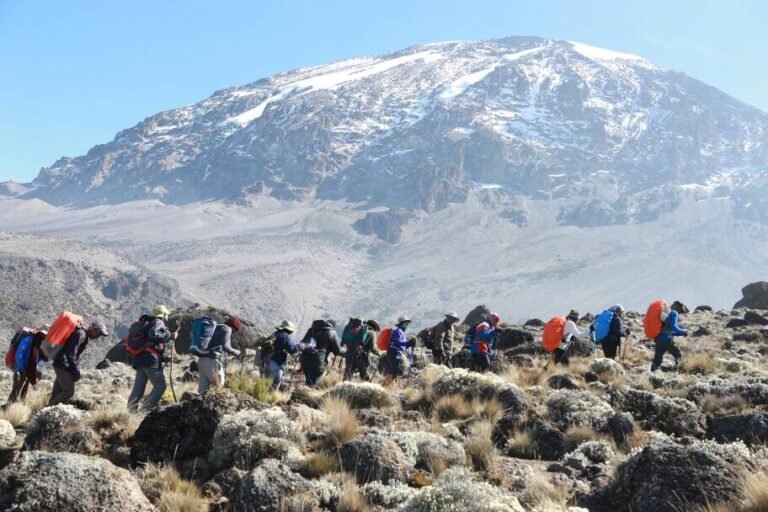
Kilimanjaro Gear Rental Prices: Complete Equipment Cost List For Climbs
Understand the costs associated with renting essential gear for your Kilimanjaro climb. This guide details typical prices for tents, sleeping bags, jackets, and more, helping you budget...
View package details
Lemosho Route Cost /: Prices, Fees & Packages For Kilimanjaro Climbs 2026-2027
Planning a Kilimanjaro climb via the Lemosho Route in 2026 or 2027? This comprehensive guide breaks down the Lemosho Route cost, including typical prices, package inclusions, essential...
View package details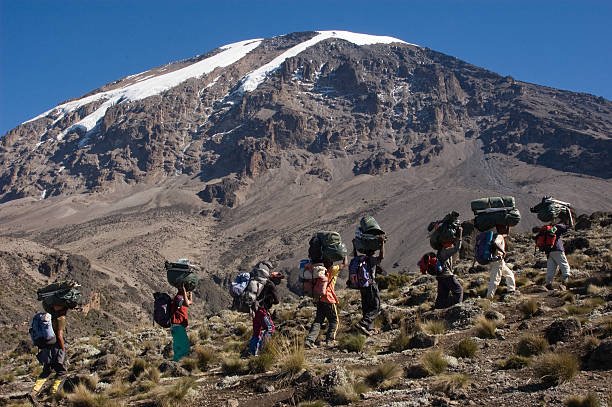
Kilimanjaro Climb Cost /: Prices, Fees & Complete Budget Guide 2026-2027
Planning your Kilimanjaro adventure for 2026 or 2027? This comprehensive guide breaks down the Kilimanjaro climb cost, detailing prices, essential fees, and how to budget effectively for...
View package details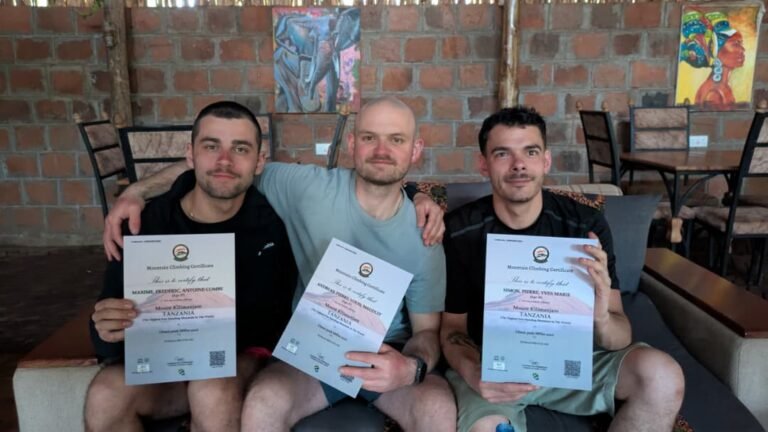
Kilimanjaro Booking Deposit, Payment Schedule & Cancellation Costs For Climbs
Planning your Kilimanjaro climb involves understanding the financial commitments. This guide details typical booking deposit amounts, payment schedules, and the potential cancellation costs...
View package details
Kilimanjaro Hidden Costs: Extra Expenses To Budget Before Your Climb 2026-2027
Planning a Kilimanjaro climb involves more than just the advertised tour price. This comprehensive guide details the often-overlooked Kilimanjaro hidden costs and extra expenses you need to...
View package details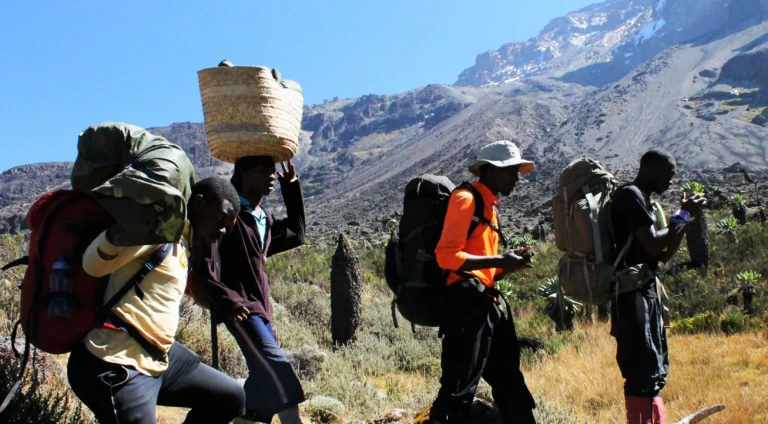
Kilimanjaro Group Vs Private Climb: Cost & Package Comparison For 2026-2027
Choosing between a group and private Kilimanjaro climb in 2026-2027 involves weighing costs, flexibility, and the overall experience. This guide breaks down the differences to help you...
View package details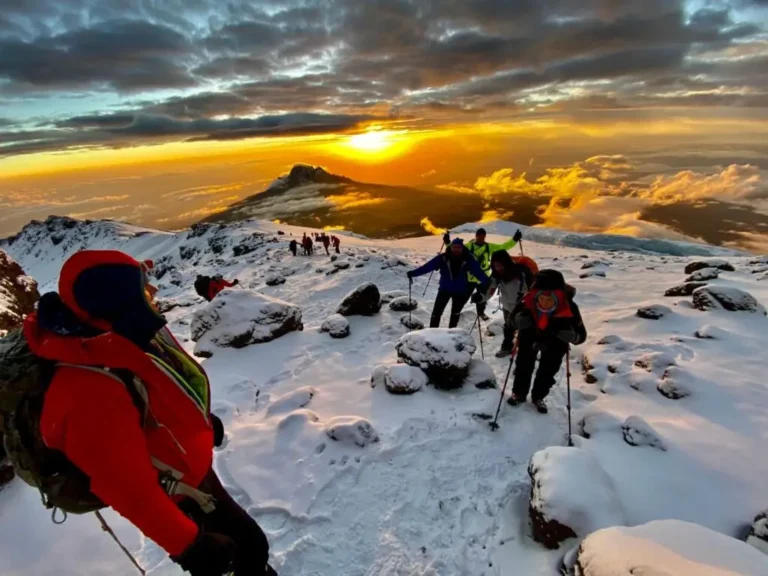
Kilimanjaro Cost Breakdown: Where Your Money Goes For Climbs 2026-2027
Planning your Kilimanjaro climb in 2026 or 2027? This comprehensive breakdown reveals exactly where your expedition costs go, ensuring you understand the value behind your investment in a...
View package details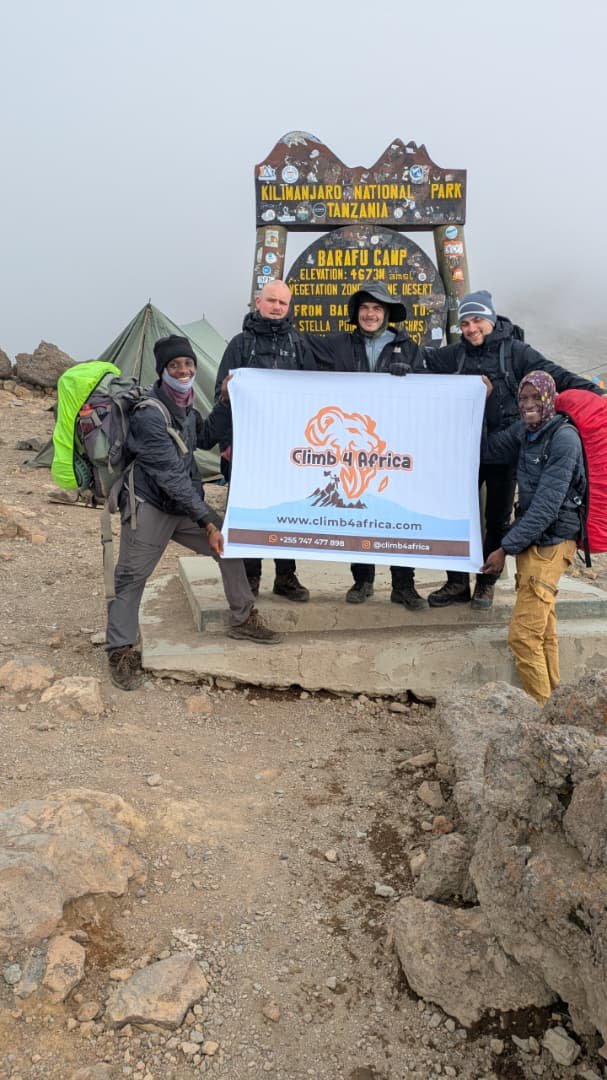
How Much Does It Cost To Climb Kilimanjaro In /? 2026-2027
Planning a Kilimanjaro climb for 2026 or 2027? This comprehensive guide breaks down the costs involved, from operator fees to park permits and essential gear. Learn what to budget for a...
View package details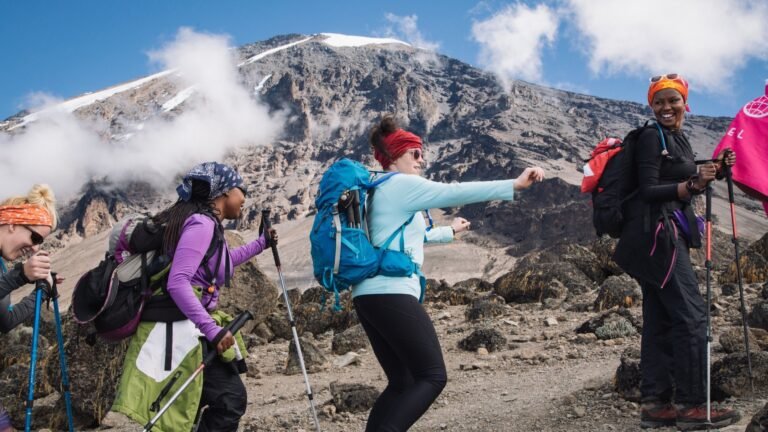
All-Inclusive Kilimanjaro Packages: Total Cost & Whats Included In 2026-2027
Planning an all-inclusive Kilimanjaro climb involves understanding the total cost and precisely what's included. This comprehensive guide breaks down package pricing for 2026-2027...
View package details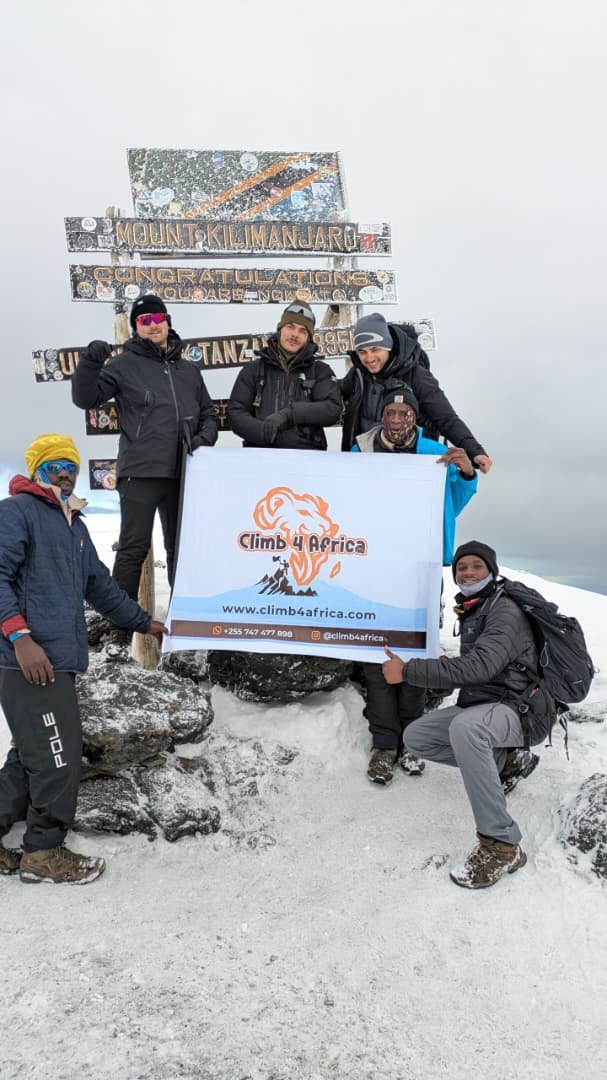
Kilimanjaro Solo Climber Cost: Group Vs Private Prices 2026-2027
Planning a solo climb up Kilimanjaro? This guide breaks down the cost differences between joining a group trek and opting for a private climb. Discover what influences prices for 2026-2027...
View package detailsLuxury Kilimanjaro Climb Cost & Premium Packages / 2026-2027
Luxury Kilimanjaro Climb Cost & Premium Packages 2026/2027 is explained with current 2026-2027 planning, price, itinerary and booking information.
View package detailsPrivate Kilimanjaro Climb Cost /: Your Ultimate Guide 2026-2027
Planning a private Kilimanjaro climb in 2026 or 2027? This comprehensive guide breaks down the costs, helping you understand what influences your budget for an exclusive trek, from route...
View package detailsNo related package matches those filters. Clear one or more filters to see the other topic-matched options.



