
Before embarking on your Kilimanjaro climb, a realistic budget for food, drinks, and personal extras typically ranges from $200 to $500 per person for the period before and immediately after the trek, especially when planning for 2026-2027. This estimate covers meals in towns like Moshi or Arusha, snacks, bottled water, and any personal items you might need to purchase locally.

Understanding Your Pre- and Post-Climb Budget for Kilimanjaro
Climbing Mount Kilimanjaro is a significant undertaking, and while your tour operator will cover most of your needs during the trek itself, there are crucial costs to consider before and after your ascent. These often fall outside the standard climb package and relate to your personal consumption and comfort in the gateway towns and during travel days. For many adventurers planning their 2026 or 2027 expedition, budgeting accurately for these supplementary expenses is key to a stress-free experience.
The primary focus of this guide is to help you determine how much you should budget for food, drinks, and extras before Kilimanjaro. This isn’t about the food you’ll eat on the mountain (which is typically included in your climb package) but rather the personal expenses incurred during your time in Tanzania leading up to and immediately following your climb. This includes everything from enjoying local cuisine in Moshi to purchasing essential items you might have forgotten or wish to acquire locally.
We will explore the factors influencing these costs, provide realistic estimates, and offer practical tips for managing your spending. Understanding these nuances will empower you to plan your trip with confidence, ensuring you have enough funds for a comfortable and enjoyable experience in Tanzania, whether you’re preparing for a climb in the peak season of 2026 or a more off-peak adventure in 2027.
What’s Typically Included in Your Kilimanjaro Climb Package?
Before we look at what’s *not* included, it’s vital to understand what your Kilimanjaro tour operator, like Climb 4 Africa, usually covers. This forms the baseline of your trip expenses and clarifies where additional personal budgeting is required.
- On-Mountain Meals: All meals (breakfast, lunch, dinner, and snacks) are provided by your guide company throughout the trek. These are prepared by dedicated cooks and are designed to be nutritious and energizing.
- Drinking Water: Safe drinking water (usually boiled or purified) is supplied daily on the mountain.
- Camping Equipment: Tents, sleeping mats, and dining tents are typically provided.
- Guides and Porters: Professional guides, cooks, and porters to carry your gear and assist you on the mountain.
- Park Fees: All national park entry fees, camping fees, and rescue fees.
- Accommodation: Generally, accommodation is not included on the nights before and after the climb, unless specifically stated in your package. Some packages might include one night post-climb.
- Transportation: Transfers to and from Kilimanjaro International Airport (JRO) and to/from the mountain gate.
Knowing these inclusions helps us pinpoint the areas where you’ll need to spend your own money. The budget for food, drinks, and extras before Kilimanjaro is primarily for your time spent in transit, acclimatizing, and celebrating post-climb in towns like Moshi or Arusha.
Key Factors Influencing Your Pre- and Post-Climb Budget
Several variables will affect how much you should budget for food, drinks, and extras before Kilimanjaro. Understanding these will help you tailor the general estimates to your specific travel style and needs for 2026-2027.
1. Duration of Stay in Tanzania
The longer you spend in Tanzania before and after your climb, the more you will spend on food, drinks, and other incidentals. If you arrive a few days early to acclimatize further or extend your stay for a safari or Zanzibar holiday, your daily expenses will naturally increase. A typical pre-climb stay might be 1-3 days, and a post-climb stay can range from 1-5 days or more.
2. Dining Preferences and Habits
Your choice of restaurants and your personal eating habits play a significant role. Are you happy to eat at local eateries (popular with budget travelers and those wanting authentic experiences), or do you prefer more upscale tourist-oriented restaurants and hotel dining? Eating local is generally much cheaper.
3. Consumption of Beverages
While water on the mountain is provided, you’ll likely purchase bottled water, sodas, juices, or alcoholic beverages during your time in towns. Beer, wine, and imported spirits can add up quickly. Consider your typical consumption habits when budgeting.
4. Shopping and Souvenirs
Do you plan to buy souvenirs, local crafts, clothing, or other personal items? Kilimanjaro-region towns offer plenty of opportunities for shopping, and this can be a variable cost depending on your interests and budget.
5. Pre- and Post-Climb Accommodation
While not strictly ‘food, drinks, and extras,’ the cost of accommodation before and after your climb is a significant related expense. Most packages do not include these nights. Budget hotels in Moshi or Arusha can range from $30-$70 per night, while mid-range hotels might cost $80-$150+, and luxury options are significantly more. This cost is separate from the daily spending on consumables and incidentals.
6. Personal Gear and Toiletries
You might need to purchase last-minute items like sunscreen, insect repellent, specific toiletries, or even a hat or gloves if you forgot them or found a better option locally. These are typically small, individual purchases.
7. Tipping (Separate from Daily Budget)
While tips for your mountain crew are a significant part of your overall Kilimanjaro budget, they are usually paid as a lump sum at the end of the trek and are calculated separately from your daily food and drink spending. We will touch upon this later, but it’s important to distinguish it from your day-to-day expenses.
8. Travel Style and Comfort Level
A budget traveler will spend less than someone seeking mid-range comfort or luxury. Your overall travel style will dictate your spending on everything from food to souvenirs.
Estimating Your Daily Food and Drink Costs in Tanzania
Let’s break down the potential daily spending on food and drinks in Moshi or Arusha, which are the primary towns you’ll be in before and after your climb. These figures are estimates for 2026-2027 and can vary.
Budget Traveler Daily Estimate ($30 – $60 per day)
This budget is for someone who is very cost-conscious:
- Meals: Eating at local ‘local’ restaurants (often called ‘vibandas’ or small cafes) or markets for breakfast, lunch, and dinner. Expect to spend around $5-$15 per meal.
- Drinks: Primarily bottled water. Occasional local sodas or juices. Minimal or no alcohol.
- Extras: Very limited; perhaps a small local snack.
Mid-Range Traveler Daily Estimate ($60 – $120 per day)
This budget allows for more comfort and variety:
- Meals: A mix of local eateries and more established tourist restaurants. You might enjoy a slightly more varied diet, perhaps including a coffee or two. Expect $10-$30 per meal.
- Drinks: Regular bottled water, juices, and a few local beers or glasses of wine.
- Extras: Occasional coffee shop visits, small souvenirs.
Comfort/Higher-End Traveler Daily Estimate ($120+ per day)
This budget is for those who prefer comfortable dining and a wider selection of beverages:
- Meals: Dining at good quality restaurants, hotel restaurants, or cafes with international options. Expect $20-$50+ per meal.
- Drinks: A good selection of bottled water, fresh juices, and alcoholic beverages (local and potentially imported).
- Extras: More frequent cafe visits, perhaps a spa treatment, or larger souvenir purchases.
These daily figures are for your personal spending on food and drinks before and after Kilimanjaro. Remember that these amounts do not include accommodation or the significant tip for your climbing crew.
Calculating Your Total Food, Drinks, and Extras Budget
Now, let’s consolidate these estimates into a total budget for your pre- and post-climb period. We’ll assume a typical scenario where you arrive 2 days before your climb starts and stay 2 days after it concludes. This gives you 4 days of personal spending outside the mountain itself.
Scenario: 2 Days Pre-Climb + 2 Days Post-Climb = 4 Days Total Personal Spending
Budgeting Example for Food, Drinks & Extras (2026-2027)
Low-End Budget Traveler: 4 days x $45/day = $180
Mid-Range Traveler: 4 days x $90/day = $360
Comfort/Higher-End Traveler: 4 days x $150+/day = $600+
Based on these calculations, a good general range to aim for is $200 to $500 per person for food, drinks, and personal extras for the period surrounding your Kilimanjaro climb. This provides a buffer for unexpected purchases or simply enjoying yourself a bit more.
Adjusting for Longer Stays
If you plan to spend more time in Tanzania, for instance, arriving a week early or staying two weeks after for a safari, you’ll need to multiply these daily estimates by the number of extra days. For example, adding 5 extra days to your trip would add approximately:
- Budget: 5 days x $45 = $225 extra
- Mid-Range: 5 days x $90 = $450 extra
- Comfort: 5 days x $150 = $750 extra
This highlights the importance of planning your itinerary length when setting your overall budget for food, drinks, and extras before Kilimanjaro.
Specific Items to Budget For
Let’s break down the types of expenses that contribute to your overall budget for food, drinks, and extras before Kilimanjaro.
1. Meals in Moshi/Arusha
These are your main expenditures. Moshi and Arusha offer a range of dining options:
- Local Eateries: Cheapest option. Simple, hearty meals like Ugali (maize porridge), rice dishes, beans, and grilled meats. Expect $5-$15 per meal.
- Mid-Range Restaurants: More diverse menus, often with a mix of local and international dishes. Good for a comfortable dinner. Expect $10-$30 per meal.
- Tourist/Hotel Restaurants: Offer the widest variety, including Western breakfasts, pizzas, pasta, and finer dining experiences. Can be $20-$50+ per meal.
2. Beverages
Staying hydrated is crucial, and you’ll likely purchase bottled water. Beyond that, consider:
- Bottled Water: Essential for staying hydrated in the heat and before you start climbing. A 1.5L bottle costs around $0.50 – $1.50. You’ll go through several bottles per day.
- Soft Drinks/Juices: Sodas (like Coca-Cola, Fanta) and local fruit juices are widely available. Expect $1-$3 per drink.
- Local Beer: Beers like Serengeti, Kilimanjaro Lager, or Tusker are common and affordable. Expect $2-$4 per bottle.
- Wine/Spirits: More expensive, especially imported brands. Wine can range from $5-$15+ per glass or bottle in tourist spots.
- Coffee/Tea: A morning coffee or evening tea in a cafe can cost $1-$5.
3. Snacks
While your climb package includes snacks on the mountain, you might want personal snacks for town or the travel days:
- Packaged Snacks: Biscuits, crisps, nuts, chocolate bars available at supermarkets and small shops. $1-$5 per item.
- Fresh Fruit: Delicious and refreshing tropical fruits are abundant and cheap at local markets. $0.50-$2 per piece.
4. Souvenirs and Shopping
This is highly personal. If you plan to buy:
- Small Souvenirs: Keychains, postcards, small carvings ($5-$20).
- Crafts and Art: Larger carvings, paintings, Maasai jewelry, textiles ($30-$200+).
- Clothing: T-shirts, local fabrics ($10-$50).
Budgeting for souvenirs requires knowing what you’re looking for and your willingness to haggle (where appropriate).
5. Personal Items / Toiletries
It’s wise to pack most of your toiletries, but you might need to replenish or buy:
- Sunscreen, Insect Repellent: Can be bought locally, but prices might be higher than at home. ($5-$15).
- Basic Toiletries: Soap, shampoo, toothpaste if you run out ($5-$10).
- Hand Sanitizer: Very useful for travel days. ($3-$7).
6. Miscellaneous
This could include things like laundry services, local SIM cards and data, occasional tips for drivers or hotel staff (beyond the main crew tips), or entry fees for specific attractions if you decide to do day tours before/after your climb.
Practical Tips for Managing Your Budget
To make sure you stay within your budget for food, drinks, and extras before Kilimanjaro, consider these practical tips:
Budget Management Tips for Your Kilimanjaro Trip
- Eat Local: Embrace local eateries for most meals. They offer authentic flavors and are significantly cheaper than tourist-focused restaurants.
- Stay Hydrated Wisely: Buy larger bottles of water from supermarkets rather than small ones from hotel minibars or tourist shops.
- Limit Alcohol: Alcoholic beverages, especially imported ones, can be expensive. Stick to local beers if you want to indulge.
- Carry Small Bills: For small purchases at markets or local shops, having smaller Tanzanian Shilling notes is useful.
- Set a Daily Limit: Decide on a daily spending cap for food, drinks, and extras and try to stick to it.
- Prioritize Souvenirs: Decide in advance what you want to buy and set a specific budget for souvenirs.
- Pack Smart: Bring as many of your personal toiletries and essential items from home as possible to avoid inflated prices locally.
- Consider a Local SIM: If you plan to use a lot of data, a local SIM card is much cheaper than international roaming.
- Track Your Spending: Use a simple notebook or a budgeting app to keep track of your expenses.
- Ask Your Operator: Your tour operator can often provide current recommendations for good value restaurants and shops.
The Importance of Pre-Trek Acclimatization and Nutrition
While not directly about budget, your pre-climb nutrition and acclimatization period are critical for success. The food you eat in the days leading up to your climb should be nourishing and easily digestible. This is where your personal budget for food, drinks, and extras before Kilimanjaro becomes important – ensuring you have access to good quality food even before the trek begins.
Arriving a few days early in Moshi or Arusha allows your body to adjust to the local climate and altitude. During this time, focus on:
- Hydration: Continue drinking plenty of safe water.
- Balanced Meals: Eat balanced meals that include carbohydrates, proteins, and healthy fats. Avoid overly heavy or greasy foods that might upset your stomach.
- Carbohydrate Loading: In the 1-2 days before starting your trek, it’s beneficial to increase your carbohydrate intake. This provides your muscles with readily available energy for the strenuous climb ahead. Think rice, pasta, potatoes, and bread.
- Avoid Unfamiliar Foods: Stick to well-cooked foods and avoid raw or unpeeled fruits and vegetables from questionable sources to minimize the risk of digestive issues.
Your budget should allow for these healthy food choices. For instance, choosing a restaurant that offers good pasta or rice dishes will serve you well.
Post-Climb Celebration and Recovery
Reaching the summit of Kilimanjaro is an incredible achievement! The days following your descent are for rest, recovery, and celebration. Your budget for food, drinks, and extras will come into play here as well.
- Treat Yourself: This is the time to enjoy some of the nicer restaurants you might have passed up before the climb. Celebrate your success with a good meal and perhaps some celebratory drinks.
- Replenish Energy: Continue to eat well to help your body recover.
- Souvenir Shopping: Many climbers like to buy souvenirs to commemorate their achievement after the trek.
Allowing a slightly more generous budget for your post-climb period can make the recovery and celebration phase more enjoyable.
What About Tips for the Mountain Crew?
It’s crucial to differentiate your daily budget for food, drinks, and extras from the tips you’ll provide to your Kilimanjaro guides, cooks, and porters. This is a significant additional cost that is not included in your climb package and is typically paid in cash at the end of the trek.
While specific amounts can vary and operators may provide guidelines, a general rule of thumb for 2026-2027 is:
- Guides: $20-$25 per day per guide
- Cook: $15-$20 per day
- Porters: $10-$15 per day per porter
For a standard 7-day climb with a team of 1 lead guide, 1 assistant guide, 1 cook, and 3 porters, this could add up to approximately $500 – $800 or more per climber. This is a separate, mandatory budget item and should not be confused with your personal spending on food, drinks, and extras before Kilimanjaro.
Climb 4 Africa provides clear guidelines on tipping to ensure you can budget accurately for this important aspect of your climb.
Comparing Costs: Moshi vs. Arusha
Both Moshi and Arusha serve as gateways to Kilimanjaro. While prices are generally similar, there can be slight variations:
- Moshi: A smaller town, often perceived as more directly linked to Kilimanjaro tourism. Prices for tourist-oriented services might be slightly more standardized. It’s closer to the mountain itself.
- Arusha: A larger city, offering a wider range of amenities, shopping, and dining options, including more upscale choices. This diversity can sometimes lead to slightly higher prices in certain establishments but also more budget-friendly local options.
For your budget concerning food, drinks, and extras before Kilimanjaro, the difference between staying in Moshi or Arusha for a few days is unlikely to be substantial unless you are specifically seeking out high-end establishments.
Budgeting for Hydration Beyond the Mountain
On the mountain, safe drinking water is provided. However, before and after your trek, you’ll be buying your own. It’s essential to always opt for sealed, bottled water. Avoid tap water or ice unless you are certain it has been purified.
Cost Breakdown for Water:
- A 1.5-liter bottle of purified water typically costs between $0.50 and $1.50 in local shops or supermarkets.
- In hotels or restaurants, it might be slightly higher, perhaps $1-$3.
If you drink 3-4 liters of water per day during your pre- and post-climb days, you can easily spend $2-$6 per day just on water. This is a non-negotiable expense for health and comfort.
Considering Your Travel Year: 2026 vs. 2027
When planning your budget for food, drinks, and extras before Kilimanjaro, consider the potential for inflation. While Tanzania is generally affordable, prices for goods and services can increase year on year.
- 2026: Prices might be slightly lower than in 2027.
- 2027: Expect a potential small increase in costs for food, drinks, and local services due to inflation and demand.
For this reason, it’s always prudent to add a small buffer to your budget when planning further in advance, such as for a 2027 climb. The estimates provided ($200-$500 for the period surrounding the climb) are generally robust for both years, but leaning towards the higher end of the range for 2027 is a sensible approach.
Examples of Food Costs in Tanzania (2026-2027 Estimates)
To give you a more concrete idea, here are some estimated costs for common food and drink items in Tanzania for 2026-2027:
Estimated Food & Drink Prices in Tanzania (Per Item)
- Local Breakfast (e.g., Mandazi, Chapati with beans): $2 – $5
- Local Lunch/Dinner (e.g., Rice, Ugali, Stew): $5 – $15
- Mid-Range Meal (e.g., Chicken & Chips, Pizza): $10 – $25
- Higher-End Meal (e.g., Steak, Seafood, International): $20 – $50+
- Bottled Water (1.5L): $0.50 – $1.50
- Soft Drink/Local Juice: $1 – $3
- Local Beer (0.5L bottle): $2 – $4
- Glass of Wine: $5 – $10
- Cup of Coffee/Tea: $1 – $5
- Fresh Tropical Fruit (e.g., Mango, Pineapple): $0.50 – $2
- Packaged Snacks (e.g., Biscuits, Crisps): $1 – $5
These prices are indicative and can vary based on the specific establishment and location within Moshi or Arusha.
What if I Forget Something Essential?
It’s common for travelers to realize they’ve forgotten a small but important item. Moshi and Arusha have shops that can cater to these needs, though prices might be higher than you’d expect at home.
Examples of items you might need to buy and their approximate costs:
- Sunscreen (SPF 30+): $8 – $15
- Insect Repellent (with DEET): $7 – $12
- Basic Toiletries (e.g., Toothpaste, Soap): $3 – $10
- Hand Sanitizer: $3 – $7
- Basic Hat or Gloves: $5 – $20 (if you need a quick replacement)
It’s always best to pack these items from home to ensure quality and save money, but it’s good to know you have options if needed. This is part of the ‘extras’ budget.
Integrating Your Budget with Safari or Zanzibar Trips
Many travelers combine their Kilimanjaro climb with a safari in Tanzania’s famous national parks or a relaxing holiday on the island of Zanzibar. If this is your plan for 2026 or 2027, your budget for food, drinks, and extras will need to be extended significantly.
- Safari: While park fees and accommodation are usually included in safari packages, you will still have daily expenses for drinks, snacks, and any personal purchases. The cost of living in safari lodges can be higher.
- Zanzibar: Zanzibar has a wide range of accommodation and dining options, from budget guesthouses to luxury resorts. Your daily spending on food, drinks, activities (like snorkeling, spice tours), and souvenirs will be a major component of your Zanzibar holiday budget.
When planning your overall trip budget, ensure you account for these extended periods and potentially higher daily costs if combining Kilimanjaro with other Tanzanian destinations.
Finalizing Your Kilimanjaro Budget: A Summary
To summarize, when asking how much you should budget for food, drinks, and extras before Kilimanjaro, focus on the days you’ll spend in Tanzania outside of the actual mountain trek.
For a standard itinerary involving 1-3 days before and 1-3 days after the climb:
- Estimated Total for Food, Drinks & Extras: $200 – $500 per person
This range allows for comfortable dining, hydration, and a few personal purchases. Remember to add separate budgets for:
- Pre- and Post-Climb Accommodation: $30 – $150+ per night, depending on your choice.
- Tipping the Mountain Crew: $500 – $800+ per person for a typical climb.
- Optional Activities/Safari/Zanzibar: This will vary greatly based on your itinerary.
Planning your budget meticulously for 2026 or 2027 will ensure you can fully enjoy your Tanzanian adventure without financial stress. Climb 4 Africa is here to help you create a memorable and well-prepared Kilimanjaro experience. If you have any specific questions about budgeting or inclusions for your chosen itinerary, please don’t hesitate to reach out.
For personalized advice on your Kilimanjaro climb, safari, or Zanzibar holiday for 2026-2027, contact Climb 4 Africa:
WhatsApp: +255 747 477 898
Email: climb4africa@gmail.com
We look forward to helping you plan your incredible African adventure!
Check Availability for How Much Should You Budget For Food, Drinks & Extras Before Kilimanjaro?
Ready to compare dates, prices, and the best option for your group? Send the package name and travel month so the team can reply with a clear quote, availability, and what is included.
How Much Should I Tip My Kilimanjaro Crew In ? 2026-2027
Understand the essential tipping guidelines for your Kilimanjaro expedition. This guide provides clear recommendations for tipping your dedicated crew, ensuring fair compensation and...
View package details
How Much Cash Should You Bring For Kilimanjaro In ? 2026-2027
Determining the right amount of cash for your Kilimanjaro climb is crucial for a smooth experience. This guide breaks down what you'll need for tips, personal expenses, and emergencies...
View package details
How Early Should I Book Kilimanjaro For The Best Price? Planning 2026-2027
Planning a Kilimanjaro climb for 2026 or 2027? Learn the optimal booking window to secure the best prices and availability. This guide covers everything from early bird specials to...
View package details
Can I Climb Kilimanjaro On A Budget? 2026-2027
Can I climb Kilimanjaro on a budget? is explained with current 2026-2027 planning, price, itinerary and booking information.
View package details
How Much Does An 8-Day Kilimanjaro Climb Cost? A Guide 2026-2027
Planning an 8-day Kilimanjaro climb in 2026 or 2027? This comprehensive guide breaks down the expected costs, explaining what influences the price and what you get for your money. Learn...
View package details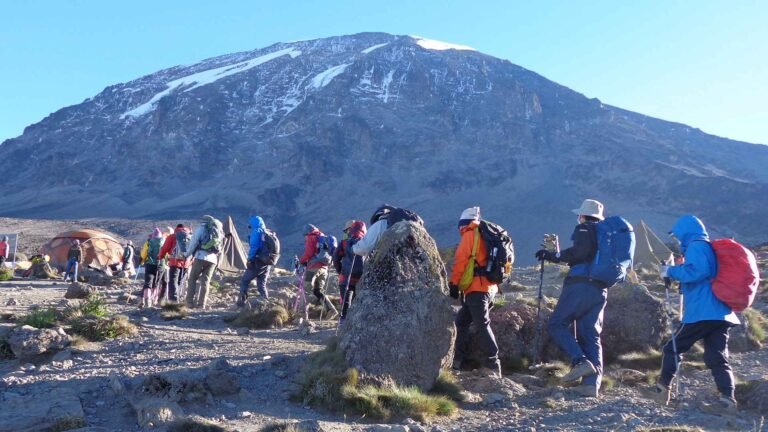
How Much Does A Private Kilimanjaro Climb Cost In ? 2026-2027
Planning a private ascent of Mount Kilimanjaro? Understand the factors that influence the cost of a private climb, typical price ranges for 2026-2027, and what's usually included to help...
View package details
How Much Does It Cost To Rent Kilimanjaro Gear In ? 2026-2027
Renting Kilimanjaro gear for your 2026-2027 expedition typically costs between $150 to $350 USD per person for a full set of essentials. This guide breaks down individual item costs, rental...
View package details
Budget Kilimanjaro, Safari & Zanzibar Package Deals For 2026-2027
Plan your dream Tanzanian adventure with our guide to budget-friendly Kilimanjaro climbs, safaris, and Zanzibar getaways. We cover cost factors, itinerary options, and booking tips for...
View package details
Budget Kilimanjaro & Zanzibar Package: Prices & Itinerary Guide 2026-2027
Explore budget-friendly Kilimanjaro climbs combined with relaxing Zanzibar holidays. This guide details package prices, essential itinerary components, and tips for planning your 2026-2027...
View package details
Budget Kilimanjaro & Safari Packages /: Your Affordable African Adventure
Discover how to plan an incredible, budget-friendly Kilimanjaro climb and safari adventure for 2026/2027. This comprehensive guide covers cost-saving tips, package options, and essential...
View package detailsHow Much Does Kilimanjaro Cost For A Family? 2026-2027
How much does Kilimanjaro cost for a family? is explained with current 2026-2027 planning, price, itinerary and booking information.
View package details
How Much Does Kilimanjaro Cost For Two People? A Guide 2026-2027
Planning a Kilimanjaro climb for two? This guide breaks down the costs for 2026-2027, covering route variations, essential inclusions, and factors that influence the final price for a...
View package detailsNo related package matches those filters. Clear one or more filters to see the other topic-matched options.



