
Updated planning guide for 2026-2027
3-Day Budget Trekking & Cultural Homestay — Burundi Hills Guide
Discover the breathtaking Burundi Hills on a 3-day budget trekking and cultural homestay adventure. This guide provides all the practical information you need for an unforgettable experience in 2026-2027.
WhatsApp +255616946642 | topguideadventures@gmail.com | info@topguideadventures.com


3-Day Budget Trekking & Cultural Homestay — Burundi Hills: Your Complete Guide
While Tanzania is renowned for its wildlife safaris and the iconic Mount Kilimanjaro, its diverse landscapes offer more than just savanna plains. For the adventurous traveler seeking authentic experiences beyond the usual tourist trails, a 3-day budget trekking & cultural homestay in the Burundi Hills presents a unique opportunity. This region, nestled in the western highlands of Tanzania, provides stunning vistas, vibrant local cultures, and an accessible yet rewarding trekking experience.
This comprehensive guide is designed to help you plan every aspect of your 3-day budget trekking and cultural homestay adventure in the Burundi Hills. We’ll cover what to expect, the best times to visit, practical planning details, what to pack, and how to make the most of this immersive journey in 2026 and 2027.
Quick Answer: What is the Burundi Hills 3-Day Trek?
The 3-day budget trekking and cultural homestay in Burundi Hills is a short, immersive experience focusing on hiking through scenic highland terrain, interacting with local communities, and staying with families to understand their way of life. It’s an affordable way to see a less-visited part of Tanzania.
Table of Contents
- Overview of the Burundi Hills Trek
- Why Choose Burundi Hills for Your Trek?
- Best Time to Visit Burundi Hills
- Burundi Hills Trek Route Overview
- Sample 3-Day Itinerary
- What to Expect During Your Trek and Homestay
- The Cultural Homestay Experience
- Packing Essentials for Your Trek
- Pre-Trek Preparation
- Budget Considerations for 2026-2027
- Common Mistakes to Avoid
- Who is This Trek Best Suited For?
- Alternatives to the Burundi Hills Trek
- Planning Your Trip in 2026-2027
- Booking Your Burundi Hills Adventure
- Frequently Asked Questions (FAQs)
Overview of the Burundi Hills Trek
The Burundi Hills, also known as the Maramapya Hills or parts of the Ufipa Plateau, offer a refreshing change from the typical Tanzanian tourist circuit. Located in the southwestern region, this area is characterized by rolling hills, lush valleys, small farming communities, and a cooler climate. A 3-day budget trekking and cultural homestay here is designed for travelers who appreciate natural beauty, enjoy hiking, and are keen to engage with local life respectfully.
This trek is not about extreme altitude or technical climbing. Instead, it focuses on moderate hiking over three days, allowing ample time for cultural immersion. You’ll walk through agricultural landscapes, past local villages, and enjoy panoramic views. The homestay component is central, providing an intimate glimpse into the daily lives, traditions, and hospitality of the people who call these hills home.
Quick Facts
| Feature | Details |
|---|---|
| Duration | 3 Days / 2 Nights |
| Location | Southwestern Tanzania (Burundi Hills/Ufipa Plateau region) |
| Activity Focus | Trekking, Cultural Immersion, Homestay |
| Difficulty | Easy to Moderate |
| Accommodation | Local homestays, basic guesthouses |
| Best For | Budget travelers, culture enthusiasts, hikers seeking off-the-beaten-path experiences |
| Key Experiences | Hiking scenic trails, interacting with villagers, learning about local customs, experiencing rural life |
Why Choose Burundi Hills for Your Trek?
Many travelers opt for Tanzania’s famous national parks or Kilimanjaro. However, the Burundi Hills offer a distinct set of advantages:
- Authentic Cultural Interaction: Unlike more developed tourist areas, the communities here are less accustomed to mass tourism, leading to more genuine interactions. Staying with local families provides unparalleled insight into their lives.
- Stunning Natural Beauty: The rolling hills, fertile valleys, and expansive views offer a different kind of landscape beauty compared to the savannas. It’s a peaceful and picturesque environment.
- Affordability: As a budget-focused experience, it’s significantly less expensive than many other Tanzanian adventures, making it accessible to a wider range of travelers.
- Off-the-Beaten-Path Adventure: For those looking to escape the crowds and discover a less-explored region, the Burundi Hills are an ideal choice.
- Manageable Duration: A 3-day itinerary is perfect for travelers with limited time or those looking for a shorter, impactful adventure that can be combined with other Tanzanian experiences.
- Support Local Economies: Your visit directly benefits the local communities through homestay fees and by supporting local guides and services.
Best Time to Visit Burundi Hills
The climate in the Burundi Hills is generally milder than in the lowlands, with distinct wet and dry seasons. The best time for a 3-day budget trekking and cultural homestay depends on your tolerance for weather and preference for scenery.
| Period | Weather Conditions | Trekking Conditions | Pros & Cons |
|---|---|---|---|
| June to October (Dry Season) | Cooler temperatures, minimal rainfall, clear skies. Average daytime temperatures might range from 18-25°C (64-77°F). Nights can be cool. | Excellent. Trails are dry and firm, making for comfortable walking. Visibility is generally good. | Pros: Best weather for trekking, comfortable temperatures, clear views. Cons: Can be drier, landscapes might be less lush. |
| November to May (Rainy Season) | Higher humidity, frequent rainfall, especially in the afternoons. Temperatures can be warmer. | Challenging. Trails can become muddy, slippery, and potentially difficult to navigate. Rivers may swell. | Pros: Lush green landscapes, fewer tourists. Cons: Rain can disrupt trekking plans, muddy trails, reduced visibility. |
| Shoulder Months (e.g., May, November) | Transitional weather, may experience a mix of sun and rain. | Variable. Can be good or require extra caution due to mud. | Pros: Potentially good value, fewer crowds than peak dry season. Cons: Unpredictable weather. |
For a 3-day budget trekking and cultural homestay, the dry season (June to October) is generally recommended for the most pleasant trekking experience. However, if you don’t mind the possibility of rain and prefer greener scenery, the shoulder months can also be rewarding.
Burundi Hills Trek Route Overview
The specific routes can vary depending on the starting point and the villages chosen for homestays. However, a typical 3-day trek will involve walking between villages, through farmlands, and along scenic ridgelines. The focus is on the journey and the interactions along the way, rather than reaching a specific summit.
The area is characterized by:
- Rolling Hills: Expect ascents and descents as you move through the landscape.
- Agricultural Terraces: You’ll likely pass through areas where locals cultivate crops like maize, beans, and coffee.
- Small Villages: These are centers of community life and where homestays are arranged.
- Local Paths: Trails are often well-trodden paths used by villagers for daily commutes and accessing fields.
While a formal map might not be necessary for a guided trek, understanding the general terrain is helpful. The trek is usually point-to-point, starting from a road accessible by vehicle and ending at another, or returning to the starting point.
Illustrative Route Progression (Text-Based Map]
- Day 1 Start: Vehicle drop-off at a village on the edge of the hills (e.g., near Sumbawanga or a designated starting point).
- Day 1 Trek: Hike through farmland, ascend to a scenic viewpoint, descend into a valley towards the first homestay village. Approx. 4-6 hours of walking.
- Day 2 Trek: Trek from the first homestay village, crossing smaller hills and streams, passing through more communities, and reaching the second homestay village. Approx. 5-7 hours of walking.
- Day 3 Trek: Hike from the second homestay village, potentially reaching a higher vantage point for final views, then descending towards a road or pickup point. Approx. 4-5 hours of walking.
- Day 3 End: Vehicle pickup at a designated point.
Sample 3-Day Itinerary
This is a sample itinerary for a 3-day budget trekking & cultural homestay in the Burundi Hills. Actual timings and routes will be confirmed by your local guide.
| Day | Morning | Afternoon | Evening | Accommodation |
|---|---|---|---|---|
| Day 1 | Arrive at designated starting point. Meet your local guide. Briefing and start trek. Walk through local villages and farmlands, enjoying initial scenic views. | Continue trekking, possibly ascending to a viewpoint. Descend into a valley. Arrive at the first community designated for homestay. Introduction to the host family. | Participate in evening activities with the family, such as preparing dinner or gathering firewood. Share stories. Simple dinner. | Local Homestay (basic amenities) |
| Day 2 | After a local breakfast, bid farewell to your first host family. Begin the day’s trek, traversing more rolling hills and passing through other small settlements. | Continue hiking, possibly crossing small streams or enjoying packed lunch with a view. Arrive at the second homestay village in the mid-afternoon. Meet your new host family. | Engage with the family and community. Learn about local crafts or farming techniques. Enjoy a traditional meal prepared by the family. | Local Homestay (basic amenities) |
| Day 3 | Enjoy a final local breakfast. Depending on the route, you might take a shorter hike to a special viewpoint or a different community. | Conclude the trek, walking towards the designated pickup point. Reflect on the journey and cultural experiences. Meet your transport. | Transfer back to a main town or your next destination. | N/A (End of trek) |
What to Expect During Your Trek and Homestay
This experience is designed to be authentic and immersive, which means it comes with certain expectations regarding comfort and facilities.
- Trekking: Trails are generally unpaved and can be uneven. Expect moderate inclines and declines. The pace will be set by the group and the guide, allowing for photos and rest stops. The duration of walking each day is typically 4-7 hours.
- Accommodation: Homestays are with local families in their homes. This means very basic facilities – typically a clean room or space to sleep, often on a mat or simple bed. Expect shared, basic pit latrines and limited or no running water for washing. Hot water for bathing might be available upon request, heated over a fire.
- Food: Meals will be traditional Tanzanian home cooking. Expect staples like ugali (maize porridge), rice, beans, local vegetables, and perhaps some chicken or goat on special occasions. Food is prepared hygienically within the family setting.
- Sanitation: Toilet facilities will be very basic, usually pit latrines. Hand sanitizer is essential.
- Connectivity: Mobile phone signal and internet access will likely be unavailable or very sporadic in the villages. This is an opportunity to disconnect.
- Cultural Sensitivity: You are a guest in people’s homes and communities. Modesty in dress (covering shoulders and knees), respectful behavior, and a willingness to learn are crucial. Ask permission before taking photos of people.
- Guides: You will be accompanied by local guides who know the area intimately and can facilitate communication and cultural understanding.
The Cultural Homestay Experience
The homestay is the heart of this adventure. It’s an opportunity to live like a local, even if just for a couple of nights.
- Daily Life: You’ll witness and potentially participate in daily chores like fetching water, preparing food, tending to livestock, or working in the fields.
- Family Connection: Bonds can form quickly with host families. Children are often curious and eager to interact.
- Learning Opportunities: Learn about local farming practices, traditional medicine, storytelling, or even basic phrases in the local language.
- Shared Meals: Eating together is a significant part of the experience. It’s a time for conversation and understanding.
- Respectful Exchange: Be prepared to share aspects of your own culture too, but always in a way that is humble and respectful, not boastful.
The goal is not to be a passive observer but an engaged, respectful participant. Your willingness to engage will greatly enrich your experience.
Packing Essentials for Your Trek
Packing light is key for trekking, especially in a budget context where you might not have porters. Focus on multi-functional items.
| Category | Items | Notes |
|---|---|---|
| Clothing | Moisture-wicking base layers (tops & bottoms) Lightweight hiking trousers (2 pairs) T-shirts (3-4) Long-sleeved shirt (for sun/bug protection) Fleece or warm jacket Waterproof and windproof jacket Comfortable sleepwear Underwear |
Choose breathable, quick-drying fabrics. Pack layers for varying temperatures. Ensure trousers are comfortable for walking and modest enough for villages. |
| Footwear | Broken-in hiking boots or sturdy walking shoes Comfortable camp shoes/sandals Hiking socks (3-4 pairs) |
Boots should offer good ankle support. Camp shoes are for relaxing in the evening. Wool or synthetic socks prevent blisters. |
| Headwear & Accessories | Sun hat with a wide brim Warm hat (beanie) for cool evenings/mornings Sunglasses Bandana or buff |
Sun protection is vital. A buff can be used for warmth, dust, or sun protection. |
| Gear | Small backpack (30-40L) Water bottles or hydration reservoir (2L capacity) Headlamp or flashlight with extra batteries Trekking poles (optional but recommended) Small quick-dry towel Dry bags or waterproof sacks |
Ensure your backpack is comfortable. Water is essential; purification tablets or a filter are good backups. Dry bags protect electronics and essentials. |
| Health & Hygiene | Personal first-aid kit (band-aids, antiseptic wipes, pain relievers, blister treatment) Insect repellent (with DEET) Sunscreen (SPF 30+) Hand sanitizer Toiletries (biodegradable soap, toothbrush, toothpaste) Any personal medications |
Pack a comprehensive personal kit. Hand sanitizer is critical given basic facilities. |
| Documents & Money | Passport and visa (if required) Copies of important documents Cash (USD and/or Tanzanian Shillings for local purchases) Small notebook and pen |
Carry cash in small denominations. Keep documents secure. |
| Optional Items | Camera Power bank Book or journal Small gifts for host family (e.g., school supplies, practical items – consult your tour operator) |
Gifts should be thoughtful and practical. Avoid giving sweets to children excessively. |
Pre-Trek Preparation
Proper preparation is key to enjoying your 3-day budget trekking & cultural homestay.
- Physical Fitness: While not extremely strenuous, the trek involves walking for several hours a day with inclines. Engage in regular walking, hiking, or cardio exercises in the weeks leading up to your trip.
- Footwear: Ensure your hiking boots are well broken-in to avoid blisters.
- Vaccinations & Health: Consult your doctor or a travel clinic about recommended vaccinations (e.g., Hepatitis A, Typhoid) and malaria prophylaxis, especially given the region’s location.
- Travel Insurance: Secure comprehensive travel insurance that covers trekking and medical emergencies.
- Cultural Briefing: Familiarize yourself with basic Tanzanian customs and etiquette. Your tour operator should provide this information.
- Language: While guides will translate, learning a few basic Swahili phrases (Jambo – Hello, Asante – Thank you, Karibu – Welcome) can be very appreciated.
Budget Considerations for 2026-2027
A 3-day budget trekking and cultural homestay is inherently an affordable option. Key cost components usually include:
- Tour Operator Fees: This typically covers local guides, transportation to/from the trailhead, accommodation in homestays, and meals during the trek. Prices will vary between operators.
- Personal Expenses: This includes tips for guides, any personal snacks or drinks you might purchase, and souvenirs.
- Pre- and Post-Trek Accommodation: If you are staying in a town before or after the trek.
- Flights: International and domestic flights to reach Tanzania and travel to the nearest major town (e.g., Mbeya or Sumbawanga).
When comparing prices for 2026-2027, look closely at what is included. A good operator will be transparent about inclusions and exclusions.
Common Mistakes to Avoid
To ensure a smooth and enjoyable experience, be aware of these common pitfalls:
- Underestimating the Trek: Even moderate treks can be challenging if you’re not prepared physically or with the right gear.
- Expecting Luxury: This is a budget and cultural immersion trip. Basic facilities are part of the experience.
- Cultural Insensitivity: Not dressing modestly, being loud, or disrespecting local customs can cause offense.
- Lack of Respectful Interaction: Treating locals as exhibits rather than people. Show genuine interest and gratitude.
- Poor Packing: Forgetting essentials like a first-aid kit, insect repellent, or appropriate footwear can lead to discomfort or illness.
- Dehydration: Not drinking enough water, especially in warmer conditions or during strenuous parts of the trek.
- Ignoring Guide’s Advice: Local guides have invaluable knowledge about the terrain, weather, and culture.
- Not Carrying Enough Cash: ATMs are unlikely to be available in the villages.
Who is This Trek Best Suited For?
This 3-day budget trekking & cultural homestay — Burundi Hills adventure is ideal for:
- Budget Travelers: Those looking for an authentic experience without a high price tag.
- Cultural Enthusiasts: Individuals eager to connect with local communities and understand different ways of life.
- Adventure Seekers: Travelers who enjoy hiking and exploring off-the-beaten-path destinations.
- Short-Term Visitors: Those with limited time in Tanzania who want a taste of rural life and trekking.
- Responsible Tourists: Travelers who prioritize supporting local economies and engaging in ethical tourism.
- Solo Travelers: A well-guided homestay trek can be a safe and enriching experience for solo adventurers.
It is less suited for travelers seeking luxury accommodations, high-adrenaline activities, or those who are uncomfortable with basic living conditions.
Alternatives to the Burundi Hills Trek
If the Burundi Hills don’t align with your preferences, Tanzania offers other trekking and cultural experiences:
| Option | Description | Best For |
|---|---|---|
| Mount Kilimanjaro Trek | Iconic climb to Africa’s highest peak. Requires more time, fitness, and budget. | Serious hikers, those seeking a summit challenge. |
| Mount Meru Trek | A challenging trek, often used for acclimatization for Kili. Offers great wildlife viewing on lower slopes. | Experienced hikers, acclimatization preparation. |
| Usambara Mountains Trek | Lush mountain range in northeastern Tanzania, known for biodiversity, forests, and cultural villages. Shorter treks available. | Nature lovers, hikers wanting varied landscapes and biodiversity. |
| Maasai Village Visits | Day trips or short stays in Maasai communities, focusing on their nomadic culture. | Quick cultural immersion, photography. |
| Zanzibar Spice Tours & Village Life | Explore the history, culture, and agriculture of Zanzibar, often including visits to local villages. | Island explorers, history buffs, food lovers. |
Planning Your Trip in 2026-2027
Planning ahead is crucial for a successful trip, especially when booking an off-the-beaten-path experience like the Burundi Hills trek for 2026 or 2027.
- Book in Advance: While not as competitive as Kilimanjaro, booking your trek at least 3-6 months in advance is recommended, especially if you have specific dates in mind or are traveling during peak season (June-October). This allows tour operators to arrange guides and homestay placements.
- Choose a Reputable Operator: Select a tour company with local knowledge and a strong commitment to responsible tourism. Look for reviews or testimonials.
- Clarify Inclusions: Understand exactly what your package covers (meals, accommodation, guides, transport, park fees if any).
- Visa Requirements: Check the latest visa regulations for Tanzania for your nationality well in advance.
- Health Preparations: Start any necessary vaccination or medication plans at least 4-6 weeks before your travel date.
- Currency: Plan to bring enough USD in smaller bills for your tour deposit, tips, and any personal expenses. ATMs are scarce in rural areas.
- Flexibility: Be prepared for minor adjustments to the itinerary due to local conditions or community schedules.
Booking Your Burundi Hills Adventure
When you’re ready to book your 3-day budget trekking & cultural homestay — Burundi Hills, partnering with an experienced and reliable tour operator is essential. We, at Best Tanzania Tour Operator, specialize in creating authentic and memorable experiences across Tanzania, including unique adventures like this one.
Why Book With Us?
- Local Expertise: We have deep connections within local communities, ensuring genuine homestay experiences and knowledgeable guides.
- Responsible Tourism: We are committed to ethical travel practices that benefit local communities and preserve the environment.
- Customization: While this is a set itinerary, we can discuss any specific needs or preferences you might have for your 2026-2027 trip.
- Support: We provide pre-trip support and are available throughout your journey for any assistance.
To inquire or book your 3-day budget trekking & cultural homestay in Burundi Hills:
- WhatsApp: +255616946642
- Email: topguideadventures@gmail.com
- Backup Email: info@topguideadventures.com
Let us help you plan an unforgettable journey into the heart of Tanzania’s highlands.
Frequently Asked Questions (FAQs)
Q1: Is a 3-day budget trekking and cultural homestay in Burundi Hills safe?
Yes, the trek is generally safe when undertaken with a reputable local guide. The communities are welcoming, and the terrain is not technically challenging. Standard travel precautions apply. Your safety is our priority.
Q2: What is the typical cost for this type of trek?
As this is a budget-focused experience, costs are significantly lower than for safaris or Kilimanjaro. Exact prices vary by operator and what’s included, but you can expect it to be one of the most affordable multi-day adventures in Tanzania. For current pricing and detailed quotes for 2026-2027, please contact us directly.
Q3: What is the best way to get to the Burundi Hills?
Access typically involves flying into a major Tanzanian city (like Dar es Salaam or Kilimanjaro International Airport) and then taking a domestic flight or a long overland journey to a town near the Burundi Hills, such as Sumbawanga. From there, local transport arranged by the tour operator will take you to the starting point.
Q4: What kind of food can I expect during the homestay?
You’ll eat traditional Tanzanian home-cooked meals, often featuring staples like ugali (maize porridge), rice, beans, local greens, and possibly some chicken or fish depending on availability and the family’s resources. It’s hearty, local, and prepared with care.
Q5: Do I need special trekking gear?
You’ll need comfortable, broken-in hiking boots, layered clothing suitable for variable weather, a waterproof jacket, a hat, sunscreen, and a basic first-aid kit. Trekking poles are optional but recommended. Refer to our packing list for a comprehensive guide.
Q6: What should I pack as a gift for the host family?
Thoughtful, practical gifts are best. Items like school supplies for children (notebooks, pens), basic toiletries, or useful household items are often appreciated. Avoid giving sweets or money directly, as it can sometimes create dependency or awkwardness. Your tour operator can provide specific recommendations for 2026-2027.
Q7: What is the altitude of the Burundi Hills?
The Burundi Hills are part of the Ufipa Plateau, with elevations generally ranging from 1,500 to 2,000 meters (approx. 4,900 to 6,500 feet). This means cooler temperatures than the lowlands and less risk of altitude sickness compared to higher mountains.
Q8: Can this trek be customized?
While the 3-day structure is standard for a budget and cultural experience, we can discuss minor adjustments or extensions if you have specific requests, provided they align with the local community’s capacity and the nature of the experience. Contact us to discuss your needs for 2026-2027.
Q9: What are the toilet facilities like during the trek and homestay?
Expect very basic facilities, typically pit latrines. Hand sanitizer is essential and should be used frequently. Be prepared for rustic conditions.
Q10: How much physical fitness is required for this trek?
A moderate level of fitness is sufficient. You should be comfortable walking for 4-7 hours a day with some uphill and downhill sections on uneven terrain. Regular walking and hiking in the weeks prior will be beneficial.
Ready for Your Burundi Hills Adventure?
The 3-day budget trekking & cultural homestay — Burundi Hills offers an unparalleled opportunity to connect with Tanzania’s natural beauty and its people in an authentic, affordable way. If you’re looking for an experience that goes beyond the ordinary, this trek is for you.
Let us, at Best Tanzania Tour Operator, help you craft an unforgettable journey. We pride ourselves on providing genuine cultural experiences and supporting local communities.
Contact us today to plan your 2026-2027 adventure:
- WhatsApp: +255616946642
- Email: topguideadventures@gmail.com
- Backup Email: info@topguideadventures.com

June Kilimanjaro And Zanzibar Holiday: Your Ultimate Tanzania Adventure
Combine the thrill of climbing Mount Kilimanjaro with the serene beauty of Zanzibar in June. This guide covers everything you need for your 2026-2027 adventure, from trekking routes and...
View package details
May Kilimanjaro Budget Camping Trek: Your Ultimate Guide 2026-2027
Discover everything you need for a successful May Kilimanjaro budget camping trek. This comprehensive guide covers routes, costs, essential gear, and expert tips for your 2026-2027...
View package detailsBest 1 Day Machame Route Hike From Arusha City: Short Trek Trip 2026-2027
Discover the ultimate 1-day Machame Route hike starting from Arusha City. This short trek offers an incredible glimpse into Kilimanjaro's lower slopes, ideal for 2026-2027 adventurers...
View package details
September Kilimanjaro Climb With Extra Acclimatization 2026-2027
September Kilimanjaro Climb with Extra Acclimatization is explained with current 2026-2027 planning, price, itinerary and booking information.
View package details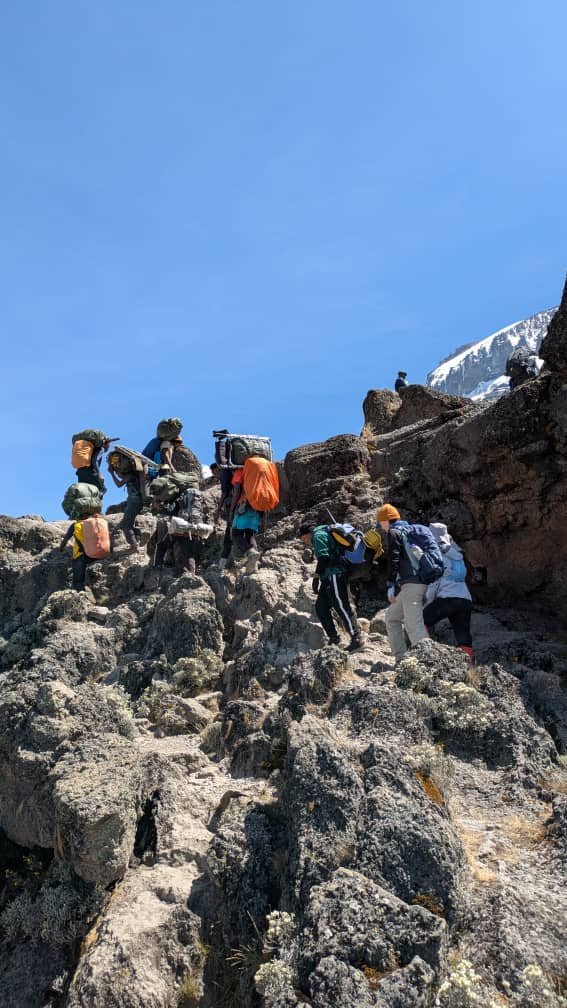
September Kilimanjaro Climb For Seniors 2026-2027
September Kilimanjaro Climb for Seniors is explained with current 2026-2027 planning, price, itinerary and booking information.
View package details
Is September Good For Climbing Kilimanjaro? Your Guide 2026-2027
Discover why September is a prime month for ascending Mount Kilimanjaro. This guide details the weather, crowds, and what to expect for your 2026-2027 climb.
View package details
September Kilimanjaro Small-Group Climb 2026-2027
September Kilimanjaro Small-Group Climb is explained with current 2026-2027 planning, price, itinerary and booking information.
View package details
September Kilimanjaro Luxury Expedition: Your Ultimate Guide 2026-2027
start a luxury Kilimanjaro expedition in September 2026-2027. This guide covers everything from route selection and gear to acclimatization strategies and the unique advantages of a premium...
View package details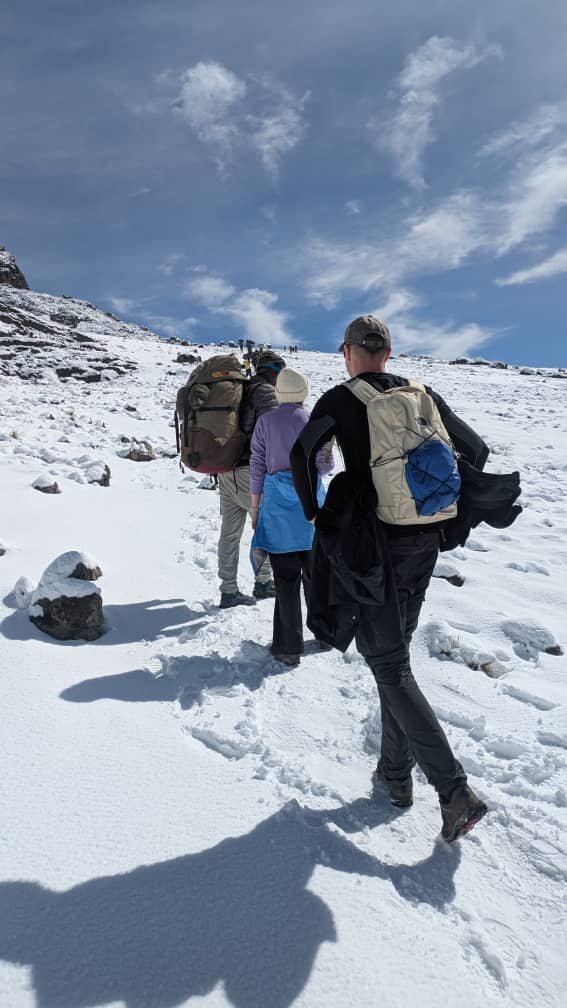
September Kilimanjaro And Serengeti Migration Safari : Your Ultimate Guide
Combining a Kilimanjaro climb with a Serengeti Migration safari in September offers unparalleled wildlife viewing and trekking opportunities. This guide details the best of both experiences...
View package details
September Kilimanjaro Solo Traveller Group: Your Ultimate Guide For 2026-2027
Discover everything a solo traveler needs to know about joining a Kilimanjaro group climb in September 2026-2027. This guide covers routes, preparation, costs, and what to expect with Top...
View package details
September Kilimanjaro Climb For Couples In : Your Ultimate Guide 2026-2027
A September Kilimanjaro climb offers couples dry weather, clear skies, and stunning views, making it an ideal time for a romantic and challenging adventure. This guide covers everything...
View package detailsSeptember Kilimanjaro Full-Moon Summit Trek Guide
Discover the magic of a September Kilimanjaro full-moon summit trek. This comprehensive guide covers everything from planning and routes to what to expect during your 2026-2027 lunar...
View package detailsNo related package matches those filters. Clear one or more filters to see the other topic-matched options.
Plan your 3-Day Budget Trekking & Cultural Homestay — Burundi Hills with Top Guide Adventures
Tell us your travel dates, group size, comfort level, and dream experience. We will help you shape a clear, realistic, and memorable Tanzania itinerary.



