
Updated planning guide for 2026, 2027
Zanzibar Slave Market History: What Tourists Should Know Guide
A comprehensive guide to understanding the history and significance of the Zanzibar Slave Market for travelers. This guide provides context, planning advice, and what to expect for an informed visit.
WhatsApp +255747477898 | climb4africa@gmail.com | climb4africa@gmail.com

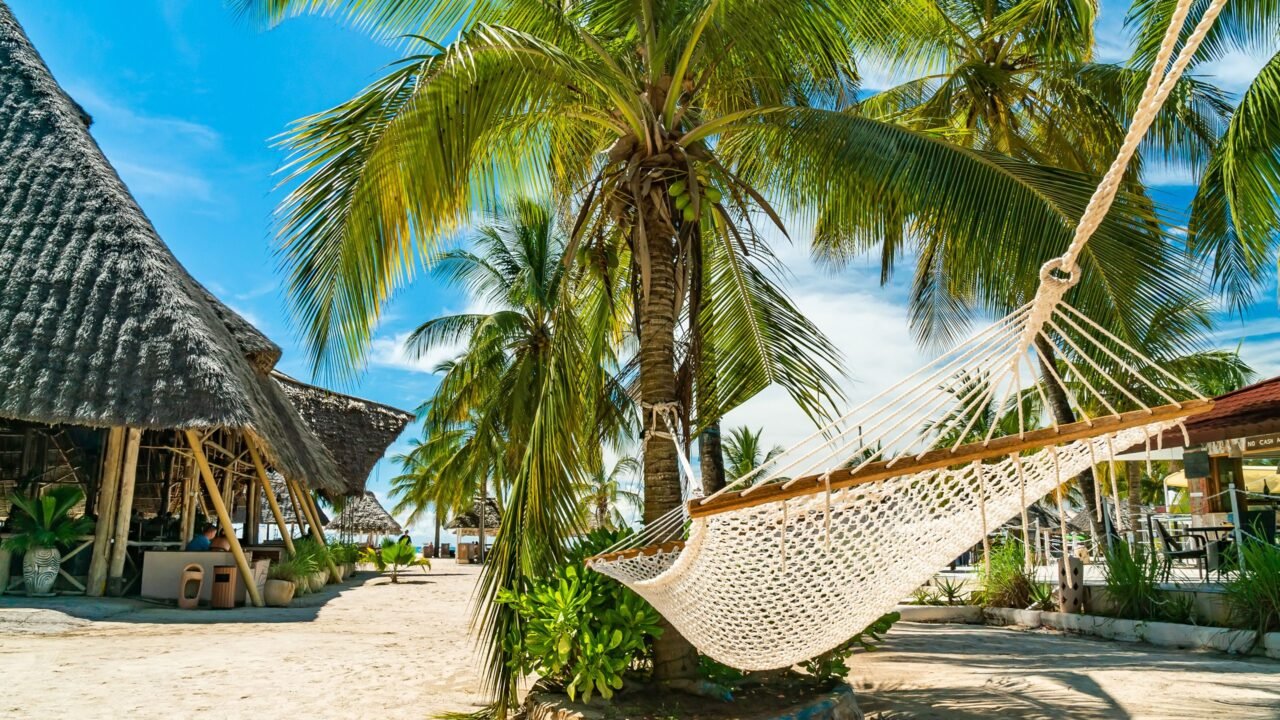
Understanding the Zanzibar Slave Market History: A Traveler’s Essential Guide
Zanzibar, an archipelago off the coast of Tanzania, is famed for its pristine beaches, vibrant culture, and rich history. Among its most significant historical sites is the former slave market, a place that bears witness to a dark but crucial chapter of human history. For many visitors, understanding the Zanzibar Slave Market history is an important part of experiencing the island’s complex past. This guide is designed to provide travelers with the depth of knowledge needed for a respectful and insightful visit, covering everything from historical context to practical planning for your trip in 2026 and beyond.
Quick Answers for Travelers
Before diving deep, here are some immediate answers to common traveler questions regarding the Zanzibar Slave Market history:
- What is the most significant historical site related to the slave trade in Zanzibar? The former Anglican Cathedral, built on the site of the last slave market in Zanzibar, is the primary historical location.
- What should I know before visiting? Be prepared for a somber experience. The site is a memorial and a museum, offering insights into the brutal realities of the East African slave trade.
- Is it appropriate to take photos? Photography is generally permitted in the museum and grounds, but always be respectful. Avoid photographing individuals without their consent and be mindful of the sensitive nature of the exhibits.
- How much time should I allocate? A visit typically takes 1 to 2 hours, depending on your interest in the exhibits and historical context.
- Where is it located? It is located in the heart of Stone Town, Zanzibar’s historic old city, a UNESCO World Heritage site.
Table of Contents
Quick Answers
Historical Context: The East African Slave Trade
The Site Today: Memorial and Museum
Visiting the Site: What to Expect
Planning Your Visit to Zanzibar
Best Time to Visit Zanzibar
Getting to Stone Town
Sample Stone Town Itinerary (1 Day)
What to Wear and Pack
Etiquette and Respect
Common Mistakes to Avoid
Who is This Visit For?
Alternatives and Related Sites
Planning Your Trip for 2026-2027
Booking Your Zanzibar Experience
Frequently Asked Questions (FAQs)
Conclusion and Next Steps
Quick Facts About the Zanzibar Slave Market Site
| Detail | Information |
|---|---|
| Location | Stone Town, Zanzibar City, Zanzibar, Tanzania |
| Primary Significance | Site of the last open slave market in Zanzibar, now a memorial and museum. |
| Key Features | Anglican Cathedral, memorial cross, museum exhibits, former slave holding cells. |
| Visiting Hours | Typically open during daylight hours; check locally for exact times. |
| Suggested Duration | 1-2 hours. |
| Dress Code | Modest attire is recommended out of respect. |
Historical Context: The East African Slave Trade
To truly understand the significance of the Zanzibar Slave Market, one must grasp the broader context of the East African slave trade. For centuries, Zanzibar was a central hub for this horrific commerce, acting as a marketplace and a point of departure for enslaved people from mainland East Africa to the Middle East, India, and beyond. This trade was driven by demand for labor in various regions and was deeply intertwined with the island’s economic prosperity.
The trade involved capturing people from various ethnic groups across vast distances, often through brutal raids. These individuals were then marched to coastal points, with Zanzibar becoming a primary entrepôt. The conditions during capture, the journey to the coast, and the holding periods in Zanzibar were all marked by extreme suffering, violence, and dehumanization.
The East African slave trade was a complex system involving Omani Arabs, local Swahili traders, and later, European powers who had a complex and often contradictory role. While European abolitionist movements gained momentum in the 19th century, the trade persisted, often adapting to new political and economic realities.
The eventual abolition of slavery in Zanzibar was a gradual process. The last open slave market operated until 1873, when pressure from British abolitionists, particularly Bishop Edward Steere, led to its closure. This date is a critical marker in the history of the region and is commemorated at the site.
The Site Today: Memorial and Museum
The former slave market site in Stone Town is now home to the Anglican Cathedral of Christ Church. This juxtaposition is profoundly symbolic: a place of supposed spiritual salvation built directly upon a site of immense human suffering and exploitation. Bishop Edward Steere initiated the construction of the cathedral in 1873, and it was consecrated in 1879.
Within the cathedral grounds, a museum and memorial have been established to educate visitors about the history of slavery in Zanzibar. The museum houses artifacts and displays that detail the processes of enslavement, the journeys of the enslaved, and the eventual abolition. One of the most poignant exhibits is the collection of chains and shackles used on enslaved individuals.
At the center of the memorial area stands a large cross, crafted from the wood of a palm tree that grew where the main whipping post once stood. This cross serves as a stark reminder of the physical and psychological torment inflicted upon countless individuals. Beneath the cathedral, visitors can also see the former slave holding cells where enslaved people were kept before being sold. These dimly lit, cramped spaces offer a visceral understanding of the conditions endured.
The museum aims not only to inform but also to serve as a place of remembrance and reflection. It is a space for acknowledging the past, honoring the victims, and promoting a deeper understanding of human rights and the ongoing struggle against all forms of oppression.
Visiting the Site: What to Expect
A visit to the Zanzibar Slave Market site is a significant experience. It is not a typical tourist attraction in the sense of leisure or entertainment; rather, it is an educational and emotional journey into a difficult past.
Upon arrival, you will likely enter through the grounds of the Anglican Cathedral. A guide, often available on-site or arranged through your tour operator, can significantly enhance the visit. They can provide historical context, share stories, and help you understand the significance of each element of the memorial and museum.
The museum exhibits are designed to be informative. You will see displays detailing the routes of slave caravans, the methods of capture, the economics of the trade, and the figures involved in its abolition. The display of shackles and whips is particularly impactful, offering tangible evidence of the cruelty of the era.
The memorial cross and the underground cells are the most emotionally resonant parts of the visit. Standing at the cross, you are standing on ground that witnessed unimaginable pain. Descending into the cells, you can feel the oppressive atmosphere and begin to comprehend the suffering of those confined there.
It is important to approach this visit with an open mind and a willingness to learn. It can be an emotionally challenging experience, and it is normal to feel a range of emotions, from sadness and anger to empathy and a sense of historical awareness.
Practical Visit Details
- Guided Tours: Strongly recommended for a deeper understanding. Guides are often available at the site.
- Photography: Allowed in most areas, but always be respectful. Avoid intrusive photography.
- Accessibility: The museum and cathedral are generally accessible, but the underground cells may present challenges for those with mobility issues.
- Time Commitment: Allocate at least 1 to 2 hours.
- Cost: There may be a small entrance fee for the museum, which supports its upkeep.
Planning Your Visit to Zanzibar
Your visit to the Zanzibar Slave Market site is best integrated into a broader exploration of Stone Town and the island. Zanzibar offers a diverse range of experiences, from historical exploration to beach relaxation and cultural immersion. Planning your trip effectively ensures you can experience the island’s many facets while dedicating appropriate time and respect to its historical sites.
When planning for 2026 or 2027, consider booking in advance, especially if you plan to travel during peak seasons. This allows for better availability of accommodations, flights, and desired tours.
Best Time to Visit Zanzibar
Zanzibar enjoys a tropical climate, meaning it’s warm year-round. However, there are distinct seasons that affect travel conditions:
| Season | Months | Weather | Crowds | Notes |
|---|---|---|---|---|
| Dry Season (High) | June – October | Warm, sunny, less humid, pleasant breezes. | High | Ideal for beach holidays and historical exploration. |
| Long Rains | March – May | Heavy, frequent rainfall, humid. | Low | Fewer tourists, lower prices, but some activities may be impacted. |
| Short Rains | November – December | Intermittent showers, still warm and sunny periods. | Moderate | Good balance of weather and fewer crowds. |
| Hot & Humid Season | January – February | Very hot and humid, occasional short showers. | Moderate to High | Popular for those seeking warmth, especially post-Christmas. |
For a visit focused on historical exploration like the Zanzibar Slave Market, the dry season (June-October) is generally preferred due to comfortable weather for walking around Stone Town. However, the shoulder seasons (November-December and January-February, excluding Christmas/New Year) can also offer pleasant conditions with fewer crowds.
Getting to Stone Town
Most international travelers arrive at Abeid Amani Karume International Airport (ZNZ) in Zanzibar. From the airport, Stone Town is a short taxi ride (approximately 15-20 minutes). Taxis are readily available outside the arrivals hall.
If you are arriving from mainland Tanzania (e.g., Dar es Salaam), you will likely take a ferry to Zanzibar. The ferry terminal is located in Zanzibar City, and Stone Town is a short walk or a quick taxi ride from there.
Once in Stone Town, the historic center is best explored on foot. Many attractions, including the slave market site, are within walking distance of each other.
Sample Stone Town Itinerary (1 Day)
This itinerary focuses on experiencing the historical and cultural heart of Stone Town, including the slave market site.
| Time | Activity | Notes |
|---|---|---|
| 9:00 AM | Arrive in Stone Town, check into accommodation. | If staying outside Stone Town, arrange transport. |
| 9:30 AM – 11:30 AM | Visit the Zanzibar Slave Market site and Anglican Cathedral. | Allow ample time for reflection and museum visit. Consider hiring a local guide. |
| 11:30 AM – 1:00 PM | Explore the House of Wonders and the Old Fort. | These are key historical landmarks near the slave market site. |
| 1:00 PM – 2:00 PM | Lunch at a local restaurant. | Sample Swahili cuisine. |
| 2:00 PM – 4:00 PM | Wander through the narrow streets, visit the Darajani Market. | Experience the local buzz and find unique souvenirs. |
| 4:00 PM – 5:30 PM | Visit the Forodhani Gardens and sunset. | Enjoy the evening atmosphere and street food stalls. |
| Evening | Dinner, optional cultural performance. |
What to Wear and Pack
Zanzibar is a Muslim-majority island, and Stone Town, in particular, requires modest dress out of respect for local customs and religious sites. When visiting the slave market site, the Anglican Cathedral, and other religious or culturally sensitive areas, it is important to dress appropriately.
| Item | Reason |
|---|---|
| Shoulder-covering tops | Essential for both men and women. Avoid tank tops or revealing necklines. |
| Knee-length or longer skirts/dresses/trousers | For women, avoid shorts or very short skirts. Men should also avoid very short shorts. |
| Lightweight, breathable fabrics | Zanzibar is hot and humid. Cotton or linen are ideal. |
| Scarf or shawl | Useful for women to cover shoulders or head if needed, especially when entering mosques or more conservative areas. |
| Comfortable walking shoes | Stone Town has uneven cobblestone streets. |
| Sun protection | Hat, sunglasses, high SPF sunscreen. |
| Insect repellent | Especially for evenings, though less critical in well-maintained tourist areas. |
| Reusable water bottle | Stay hydrated and reduce plastic waste. |
Etiquette and Respect
Visiting the Zanzibar Slave Market site is an experience that demands sensitivity and respect. Understanding and adhering to local customs will ensure your visit is meaningful and that you contribute positively to the cultural exchange.
- Dress Modestly: As mentioned, this is crucial. Cover shoulders and knees.
- Ask Before Photographing: While generally allowed at the site, always be mindful. If you wish to photograph local people, ask for their permission first.
- Be Quiet and Reflective: The site is a memorial. Maintain a somber demeanor and avoid loud conversations or disruptive behavior.
- Listen to Your Guide: If you have a guide, pay attention to their explanations and insights. They are valuable resources for understanding the history and cultural context.
- Be Mindful of Religious Practices: The Anglican Cathedral is an active place of worship. Be respectful of any services or prayers taking place.
- Avoid Bargaining Aggressively: While bargaining is common in markets, do so politely and respectfully.
- Learn a Few Swahili Phrases: Simple greetings like “Jambo” (Hello) and “Asante” (Thank you) are always appreciated.
Common Mistakes to Avoid
To ensure your visit to the Zanzibar Slave Market and the island is as positive and respectful as possible, be aware of these common traveler pitfalls:
- Treating the Site as a Mere Tourist Attraction: This is a place of deep historical significance and suffering. Approach it with reverence, not as just another photo opportunity.
- Inappropriate Dress: Showing up in beachwear or overly revealing clothing when visiting Stone Town’s historical sites is disrespectful.
- Ignoring Local Customs: Zanzibar has strong cultural and religious traditions. Failing to be aware of or respect these can lead to misunderstandings or offense.
- Not Hiring a Guide for Stone Town: While you can wander independently, a local guide will provide invaluable historical context and help you navigate the labyrinthine streets more effectively.
- Over-scheduling: Trying to cram too much into one day can lead to a superficial experience. Allow time for reflection and spontaneous discovery.
- Ignoring Safety Advice: While generally safe, like any tourist destination, be aware of your surroundings, especially in crowded markets or at night. Keep valuables secure.
- Not Staying Hydrated: The tropical climate can be intense. Forgetting to drink enough water is a common mistake that can lead to heat exhaustion.
- Expecting Everything to Be Open on Fridays: Friday is the Muslim holy day, and some businesses may have reduced hours or be closed for prayer times.
Who is This Visit For?
The visit to the Zanzibar Slave Market site is most suited for:
- History Enthusiasts: Anyone interested in the history of East Africa, the Indian Ocean slave trade, and the fight for abolition.
- Culturally Curious Travelers: Those who want to understand the complex historical forces that have shaped Zanzibar and its people.
- Conscious Travelers: Individuals who seek to engage with destinations on a deeper level, acknowledging both their beauty and their challenging past.
- Educational Travelers: Students, researchers, or anyone looking to learn and gain a more profound understanding of global history and human rights.
- Respectful Visitors: Travelers who are prepared to approach sensitive historical sites with solemnity and respect for the victims and local culture.
This experience may not be suitable for:
- Travelers solely focused on beach relaxation and nightlife.
- Young children who may not grasp the historical context or find the exhibits too disturbing.
- Individuals who are easily overwhelmed by emotionally heavy subjects.
Alternatives and Related Sites
While the former slave market site is the most prominent, Zanzibar and its surroundings offer other points of historical and cultural interest:
- The Old Fort (Ngome Kongwe): Located near the slave market site, this is the oldest building in Stone Town, dating back to the 17th century. It has served various purposes, including defense and as a venue for cultural events.
- The House of Wonders (Beit al Ajaib): Once the largest and tallest building in Stone Town, it was the first building in Zanzibar to have electricity and an elevator. It housed the Sultan’s palace and later a museum, though it has undergone significant renovation and its current exhibition focus may vary.
- Palace Museum (Beit al Saheli): Formerly the Sultan’s palace, this museum offers insights into the lives of Zanzibar’s sultans and royal family, showcasing furniture, artifacts, and historical exhibits.
- Forodhani Gardens: While primarily a vibrant evening food market, the gardens overlook the harbor and have historical significance as a public space.
- Jozani Forest Reserve: While not directly related to the slave trade, this reserve is home to the endemic Zanzibar Red Colobus monkey and offers a glimpse into the island’s natural heritage. Understanding the island’s broader ecosystem provides a more complete picture of Zanzibar.
- Spice Tours: Zanzibar is historically known as the “Spice Island.” A spice tour offers insights into the island’s agricultural past and present, which is intrinsically linked to its trade history.
For travelers interested in the broader history of the region, a visit to mainland Tanzania’s historical sites, such as those in Kilwa Kisiwani (a UNESCO World Heritage site and former Swahili coast trading center) or Bagamoyo (another significant historical port town), can provide further context, though these require separate travel arrangements.
Planning Your Trip for 2026-2027
Planning a trip to Zanzibar for 2026 or 2027 requires foresight, especially if you aim for specific dates or wish to experience particular aspects of the island. Early planning is key to securing the best options and ensuring a smooth journey.
Key Planning Considerations for 2026-2027:
- Book Flights and Accommodation Early: For peak seasons (June-October, December-January), booking 6-12 months in advance is advisable. For the 2026/2027 period, this is especially true as travel demand continues to grow.
- Visa Requirements: Check the latest visa regulations for Tanzania for your nationality well in advance. Many nationalities can obtain a visa on arrival or apply online, but policies can change.
- Health Precautions: Consult your doctor about recommended vaccinations (e.g., Yellow Fever, Hepatitis A, Typhoid) and malaria prevention. It’s wise to start this process at least 4-6 weeks before your departure.
- Travel Insurance: Comprehensive travel insurance is essential. Ensure it covers medical emergencies, trip cancellations, and lost baggage.
- Currency: The local currency is the Tanzanian Shilling (TZS). US Dollars are widely accepted for larger expenses like accommodation and tours, but it’s good to have some local currency for smaller purchases. ATMs are available in Stone Town and major tourist areas.
- Itinerary Flexibility: While planning is important, build some flexibility into your schedule to allow for spontaneous discoveries or changes in local conditions.
- Sustainable Travel: Consider eco-friendly accommodations and tours. Support local businesses and be mindful of your environmental impact.
When planning your Zanzibar itinerary for 2026 or 2027, consider combining your visit to the slave market site with other historical and cultural experiences in Stone Town. This allows for a well-rounded understanding of the island’s multifaceted past and present.
Booking Your Zanzibar Experience
Booking your Zanzibar holiday, including excursions to historical sites like the slave market, is a crucial step. Working with a reputable tour operator ensures a well-organized and enriching experience.
Why Book with a Local Operator?
- Local Knowledge: We have an intimate understanding of Zanzibar’s history, culture, and best practices for visiting sensitive sites.
- Logistics Management: We handle all the details, from airport transfers and accommodation to guided tours and transportation, ensuring a stress-free experience.
- Authentic Experiences: We can arrange for knowledgeable local guides who provide deep insights into the Zanzibar Slave Market history and other cultural landmarks.
- Customization: We tailor itineraries to your specific interests, pace, and budget. Whether you want a day focused on history or a blend of culture and relaxation, we can design it.
- Support Local Economy: Booking with us directly supports local employment and businesses.
What to Expect When Booking
When you contact us, we will typically:
- Discuss Your Interests: We’ll ask about what you hope to see and do in Zanzibar, including your interest in historical sites.
- Propose an Itinerary: Based on your interests, we’ll suggest a draft itinerary that might include a dedicated day or half-day for Stone Town exploration, focusing on sites like the slave market.
- Provide a Detailed Quote: This will outline inclusions (accommodation, transfers, guides, entrance fees where applicable) and exclusions. We do not provide exact prices here but will give you a clear breakdown.
- Handle Bookings: Once you approve the itinerary and quote, we manage all bookings and confirmations.
- Pre-Trip Support: We provide essential information regarding packing, health, and cultural etiquette before your departure.
For a deeply informative and respectful journey into the Zanzibar Slave Market history and the rest of this captivating island, let us help you plan your unforgettable trip for 2026 or 2027.
Ready to Plan Your Zanzibar Trip?
Contact us to create your personalized itinerary that includes a meaningful visit to the Zanzibar Slave Market historical site and explores the best of Tanzania.
WhatsApp: +255747477898
Email: climb4africa@gmail.com
Backup Email: climb4africa@gmail.com
Frequently Asked Questions (FAQs)
1. What is the main historical significance of the Zanzibar Slave Market site?
The site is significant because it was the location of the last open slave market in Zanzibar, operating until 1873. It now serves as a memorial and museum to educate visitors about the brutal East African slave trade.
2. Is a guided tour essential for visiting the slave market site?
While not strictly mandatory, a guided tour is highly recommended. Local guides provide crucial historical context, share poignant stories, and help you understand the deeper meaning of the exhibits and memorial, making the visit much more impactful.
3. What is the best way to dress when visiting the slave market site and Stone Town?
Modest dress is essential. This means covering your shoulders and knees out of respect for local customs and the religious nature of some sites (like the Anglican Cathedral). Lightweight, breathable fabrics are best for comfort in the heat.
4. How much time should I budget for visiting the slave market site?
You should plan to spend at least 1 to 2 hours at the site to properly absorb the museum exhibits, visit the memorial cross, and descend into the former slave cells. This allows for thoughtful reflection.
5. Can I take photos at the Zanzibar Slave Market site?
Photography is generally permitted in most areas of the site, including the museum and grounds. However, always be respectful. Avoid intrusive photography, especially of individuals, and be mindful of the solemn nature of the location.
6. What are the opening hours for the slave market site?
The site, being part of the Anglican Cathedral complex, typically follows daytime opening hours. It’s best to check locally or ask your guide for the most current times, as they can sometimes vary.
7. Is the slave market site suitable for children?
The exhibits can be disturbing and emotionally challenging. It is generally recommended for older children and teenagers who can understand the historical context and process the information maturely. Parental discretion is advised.
8. What currency is used in Zanzibar, and is it easy to access?
The local currency is the Tanzanian Shilling (TZS). US Dollars are widely accepted for larger purchases, but it’s advisable to have local currency for smaller expenses. ATMs are available in Stone Town and other main tourist hubs.
9. What are the best months to visit Zanzibar for historical and cultural exploration in 2026 or 2027?
The dry seasons, from June to October and again from January to February, offer the most pleasant weather for exploring Stone Town’s historical sites on foot, with lower humidity and plenty of sunshine.
10. Beyond the slave market, what other historical sites should I visit in Stone Town?
Key sites include the Old Fort, the House of Wonders, the Palace Museum, and simply wandering the historic labyrinthine streets to soak in the unique architecture and atmosphere.
Conclusion and Next Steps
Understanding the Zanzibar Slave Market history is a profound and essential part of experiencing the island. It offers a critical lens through which to view Zanzibar’s complex past, its resilience, and its vibrant present. By visiting this site with respect and a desire to learn, you gain a deeper appreciation for the human stories that have shaped this unique destination.
As you plan your travels for 2026 or 2027, remember that Zanzibar offers a rich blend of history, culture, and natural beauty. Whether your interest lies in the poignant narratives of the past, the turquoise waters of the Indian Ocean, or the lush spice plantations, our team is dedicated to crafting an itinerary that meets your desires.
We are committed to providing authentic, well-organized, and respectful travel experiences. Let us help you navigate the planning process and ensure your journey to Zanzibar is both enlightening and unforgettable. Connect with us to start building your dream Tanzanian adventure.
Start Planning Your Zanzibar Adventure Today!
Discover the rich history and stunning beauty of Zanzibar with a custom-designed tour. We specialize in creating memorable experiences that respect the island’s heritage.
Contact us via WhatsApp: +255747477898
Email us: climb4africa@gmail.com
Or our backup email: climb4africa@gmail.com
We look forward to helping you explore the Zanzibar Slave Market history and much more.

How To Travel From Tanzania Mainland To Zanzibar: Your Complete Guide
Planning your journey from mainland Tanzania to the idyllic island of Zanzibar? This comprehensive guide covers all your transport options, from swift flights to scenic ferry rides...
View package details
September Kilimanjaro And Zanzibar Holiday: Your Ultimate Adventure Guide
Combine the thrill of climbing Mount Kilimanjaro with the tropical relaxation of Zanzibar in September. This guide provides comprehensive planning advice for your 2026-2027 adventure...
View package details
August Kilimanjaro And Zanzibar Beach Holiday: Your Ultimate Tanzania
Combine the thrill of conquering Mount Kilimanjaro with the serene beauty of Zanzibar's beaches for an unforgettable August adventure. This guide covers everything you need to know for your...
View package details
July Kilimanjaro And Zanzibar Package 2026-2027
July Kilimanjaro and Zanzibar Package is explained with current 2026-2027 planning, price, itinerary and booking information.
View package details
June Kilimanjaro And Zanzibar Holiday: Your Ultimate Tanzania Adventure
Combine the thrill of climbing Mount Kilimanjaro with the serene beauty of Zanzibar in June. This guide covers everything you need for your 2026-2027 adventure, from trekking routes and...
View package details
May Kilimanjaro And Zanzibar Package: Expert Guide For 2026-2027
Combine the thrill of climbing Mount Kilimanjaro with the relaxation of Zanzibar in a May package. This comprehensive guide covers itineraries, costs, best practices, and booking advice for...
View package detailsNo related package matches those filters. Clear one or more filters to see the other topic-matched options.
Plan your Zanzibar Slave Market History: What Tourists Should Know with Climb 4 Africa
Tell us your travel dates, group size, comfort level, and dream experience. We will help you shape a clear, realistic, and memorable Tanzania itinerary.



