The Ngorongoro Highlands in Tanzania are a spectacular region centered around the Ngorongoro Conservation Area, most famous for the Ngorongoro Crater, a UNESCO World Heritage site renowned for its dense wildlife populations, unique ecosystems, and significant Maasai cultural presence. It offers unparalleled opportunities for wildlife viewing, cultural experiences, and exploring dramatic volcanic landscapes, making it a premier destination for safaris and nature enthusiasts planning trips for 2026 and 2027.
Understanding the Ngorongoro Highlands: A World Apart
The Ngorongoro Highlands are more than just the famous crater; they represent a vast and ecologically diverse area in northern Tanzania, characterized by rolling hills, ancient volcanoes, and a rich mix of life. This region is a vital part of the larger Serengeti ecosystem and serves as a crucial corridor for wildlife migration. For travelers looking to experience the best of East African wildlife and culture, the Ngorongoro Highlands present a compelling and unique proposition, especially as planning for 2026 and 2027 safaris gains momentum.
Geographically, the highlands are an elevated plateau, part of the Great Rift Valley system. The most prominent feature is the Ngorongoro Crater itself – a massive, intact volcanic caldera. But the highlands extend far beyond the crater rim, encompassing areas like the Ngorongoro Forest, the Empakaai Crater, the Olmoti Crater, and the vast plains that support immense herds of wildebeest, zebras, and gazelles for much of the year. This geographical diversity supports an equally diverse range of habitats, from montane forests to grasslands and soda lakes, each attracting different species and offering distinct visual experiences.
When people refer to the “Ngorongoro Highlands,” they are almost invariably thinking about the Ngorongoro Conservation Area (NCA), a protected region managed differently from national parks. In the NCA, both wildlife and human populations, primarily the Maasai people, coexist. This unique dual mandate shapes the visitor experience, allowing for cultural encounters alongside exceptional game viewing. Understanding this distinction is key to appreciating the Ngorongoro Highlands and planning a trip that respects its delicate balance.
### The Heart of the Highlands: The Ngorongoro Crater
No discussion of the Ngorongoro Highlands is complete without focusing on the Ngorongoro Crater. This colossal natural amphitheater, often called the “Eighth Wonder of the World,” is a caldera approximately 19 kilometers (12 miles) in diameter, with walls rising up to 610 meters (2,000 feet) high. Its floor, covering about 260 square kilometers (100 square miles), is a self-contained ecosystem that supports an astonishing density of wildlife. It’s estimated that over 25,000 large animals reside within the crater, including a healthy population of the endangered black rhinoceros. The permanent presence of water in the crater’s lake and marshes ensures that wildlife, especially herbivores, remains year-round, making it a reliable destination for sightings regardless of the broader migration patterns.
The crater floor is a mosaic of diverse habitats: lush grasslands, acacia woodlands, swamps, and the central soda lake (Lake Magadi). This variety supports a corresponding variety of animals. Predators like lions, hyenas, jackals, and cheetahs thrive here, often found patrolling the grasslands or resting in the shade of acacia trees. Elephants, buffalo, hippos, wildebeest, zebras, various antelopes (including Grant’s and Thomson’s gazelles), and warthogs are common sights. The birdlife is also prolific, with flamingos often gracing the soda lake.
Visiting the crater floor typically involves a full-day game drive, descending in the morning and ascending in the late afternoon. The experience is profoundly impactful due to the sheer concentration of animals and the dramatic backdrop of the crater walls. For many, the Ngorongoro Crater is the pinnacle of their Tanzanian safari experience, a place that truly lives up to its legendary status.
### Beyond the Crater: Exploring the Wider Ngorongoro Highlands
While the crater is the main draw, the broader Ngorongoro Highlands offer equally rewarding, though often less crowded, experiences. These areas provide a different perspective on the region’s natural beauty and cultural heritage.
* Empakaai Crater: This smaller, yet stunningly beautiful, crater features a deep, alkaline lake at its center, often fringed with flamingos. The steep walls offer challenging but rewarding hikes, with impressive views from the rim. The surrounding highlands are known for their lush montane forests, home to diverse birdlife and smaller mammals.
* Olmoti Crater: Known as the “place of salt” by the Maasai, Olmoti is a shallow, grass-filled caldera with a beautiful waterfall (Mungai Falls) cascading from its rim. It’s an excellent spot for walking safaris, accompanied by an armed ranger, offering a chance to see different flora and fauna away from the main tourist routes.
* Ndutu Plains: While technically part of the Serengeti National Park, the southern plains of Ndutu are often considered part of the Ngorongoro Highlands experience, especially during the calving season (typically December to March). This is where the great migration herds gather to give birth to their young, creating a spectacle of life and predator-prey interactions.
* Maasai Bomas: The highlands are home to numerous Maasai communities. Visiting a traditional Maasai village (boma) provides an invaluable insight into their semi-nomadic lifestyle, customs, and deep connection to the land. These visits are carefully managed to be respectful and beneficial to the communities.
These less-visited areas offer a chance to escape the crowds, experience more intimate wildlife encounters, and appreciate the vastness and ecological significance of the entire Ngorongoro Highlands region.
### Planning Your Ngorongoro Highlands Adventure for 2026-2027
As you consider your travel plans for 2026 and 2027, the Ngorongoro Highlands should undoubtedly be on your radar. The best time to visit depends on what you wish to see. The dry season, from June to October, is generally considered ideal for wildlife viewing across northern Tanzania, including the Ngorongoro Crater, as animals congregate around dwindling water sources. However, the shoulder months of May and November can offer fewer crowds and greener landscapes.
The green season, from November to April, is also a fantastic time, especially if you’re interested in birdwatching or witnessing the dramatic landscapes. This period also coincides with the calving season in Ndutu, offering unique viewing opportunities of the great migration. For those planning specific dates in 2026 or 2027, booking well in advance is crucial, particularly for accommodations inside or near the conservation area and for popular safari seasons.
When planning your itinerary, consider combining a visit to the Ngorongoro Highlands with other iconic Northern Circuit destinations like the Serengeti National Park, Tarangire National Park, and Lake Manyara National Park. This creates a comprehensive Tanzanian safari experience. For instance, a typical 7-10 day safari might include 2-3 days in the Ngorongoro Highlands, including the crater and perhaps a visit to a Maasai boma or a walk in the forests, before heading to the Serengeti.
## Wildlife of the Ngorongoro Highlands: A Biodiversity Hotspot
The Ngorongoro Highlands, particularly the crater, are a living testament to nature’s abundance. The high concentration of wildlife is a result of the caldera’s fertile floor, permanent water sources, and the protective environment that allows animals to thrive year-round. For wildlife enthusiasts, the Ngorongoro Highlands offer some of the most reliable and diverse viewing opportunities in Africa.
### The “Big Five” and Beyond
One of the primary attractions for visitors is the chance to see the “Big Five”: lion, leopard, elephant, buffalo, and rhinoceros. The Ngorongoro Crater is one of the best places in Africa to see all five in a single day, although leopards can be elusive due to their arboreal and nocturnal habits.
* Lions: The crater boasts a healthy lion population, often seen resting on the open plains or stalking prey. Their behavior is often more visible here due to the open terrain.
* Elephants: While not as numerous as in some other parks, the crater elephants are magnificent, often with larger tusks than those found elsewhere. They tend to be found near water sources and in the acacia woodlands.
* Cape Buffalo: Large herds of buffalo are a common sight, often seen grazing or wallowing in muddy areas. They are a significant prey species for the crater’s lions.
* Leopards: These elusive cats are present but are harder to spot. They prefer the denser vegetation around the crater floor’s swamps and forests.
* Black Rhinoceros: The Ngorongoro Crater is a critical sanctuary for the endangered black rhino. The crater is home to a stable population, and sightings, while not guaranteed, are more likely here than in many other locations. Dedicated efforts are in place to monitor and protect these magnificent creatures, making a sighting a truly special occasion for 2026-2027 visitors.
Beyond the Big Five, the Ngorongoro Highlands teem with other fascinating wildlife:
* Cheetahs: Often seen hunting on the open plains, their speed and agility are remarkable.
* Hyenas: Both spotted and striped hyenas are abundant, playing a crucial role as scavengers and predators.
* Hippos: Large pods of hippos are found in the crater lake and surrounding water bodies, often seen basking in the sun or engaging in territorial disputes.
* Jackals: Several species of jackal are common, scavenging around kills and preying on smaller animals.
* Various Antelopes: The plains are dotted with Grant’s gazelles, Thomson’s gazelles, wildebeest, hartebeest, topi, eland, waterbuck, and many others. The sheer number of grazing animals is astounding.
* Primates: While not as common as in forested areas, troops of baboons and vervet monkeys can be seen, particularly in the wooded sections of the crater.
### Avian Wonders: Birdwatching in the Highlands
The Ngorongoro Highlands are also a paradise for birdwatchers. The diverse habitats support over 500 species of birds. While the crater floor is famed for its large mammals, its avian inhabitants are equally impressive.
* Water Birds: The soda lake is a magnet for water birds, including large flocks of Lesser and Greater Flamingos, pelicans, storks, herons, and various ducks and geese.
* Raptors: The skies are patrolled by eagles (like the Tawny Eagle and Steppe Eagle), buzzards, kestrels, and falcons. The presence of abundant prey ensures a healthy raptor population.
* Grassland and Woodland Birds: Expect to see species like Ostrich, Secretary Birds, Guinea Fowl, various sandgrouse, weavers, hornbills, turacos, and many more.
* Montane Forest Species: In the higher-altitude forests surrounding the crater, you might spot unique species adapted to this environment.
For dedicated birders planning their 2026 or 2027 trip, bringing binoculars and a field guide is highly recommended. The sheer variety and accessibility of bird species make the Ngorongoro Highlands a rewarding destination for ornithologists.
### Predators and Prey: The Circle of Life
The Ngorongoro Crater offers a dramatic stage for observing predator-prey dynamics. The high density of herbivores means that predators have a consistent food source. You can often witness lions hunting wildebeest or zebras, hyenas competing for carcasses, or cheetahs on the move across the plains. The interactions are raw and provide a powerful insight into the natural order.
While the crater is a predator’s paradise, it’s important to remember that the animals are wild. Maintaining a safe distance and respecting their space is paramount for both your safety and their well-being. Tour guides are trained to ensure these guidelines are followed, making your wildlife viewing experience safe and responsible.
## Cultural Encounters: The Maasai People of Ngorongoro
The Ngorongoro Highlands are not just a natural wonder; they are also the ancestral home of the Maasai people, a semi-nomadic pastoralist community renowned for their distinctive culture, vibrant attire, and deep connection to the land and its wildlife. The Ngorongoro Conservation Area (NCA) is unique in Tanzania for allowing Maasai communities to live within its boundaries alongside wildlife. This coexistence is a cornerstone of the region’s identity and offers visitors a profound cultural dimension to their safari experience.
### Living with the Land
The Maasai have traditionally lived in harmony with the wildlife, relying on their cattle for sustenance – milk, blood, and meat. Their pastoralist lifestyle dictates their movements, following grazing grounds and water sources for their herds. This traditional way of life is intrinsically linked to the health of the ecosystem. Their deep understanding of the environment, passed down through generations, is remarkable.
When you visit the Ngorongoro Highlands, you will likely see Maasai warriors and women in their traditional dress – brightly colored shukas (robes), intricate beadwork, and distinctive hairstyles. Their presence is a constant reminder of the human history and ongoing cultural heritage of this region.
### Visiting a Maasai Boma
Many safari itineraries in the Ngorongoro Highlands include a visit to a Maasai boma (homestead). These visits are designed to be educational and respectful, offering a glimpse into the daily lives of the Maasai people. You’ll have the opportunity to:
* See traditional dwellings: Maasai homes, called “manyattas,” are typically made from mud, sticks, and cow dung, forming circular enclosures.
* Witness cultural practices: You might see traditional dances, hear songs, and learn about their social structures, customs, and beliefs.
* Learn about beadwork: Maasai beadwork is famous worldwide, with intricate designs carrying specific meanings. You can often purchase authentic crafts directly from the artisans, providing direct economic benefit to the community.
* Understand their relationship with cattle: Cattle are central to Maasai culture and economy. You’ll learn about their importance and how they are cared for.
It’s important to approach these visits with respect and an open mind. Ask questions (through your guide), listen attentively, and be mindful of local customs. These encounters can be incredibly rewarding, offering a deeper understanding of the human element of the Ngorongoro Highlands.
### Coexistence and Conservation Challenges
The dual mandate of the NCA – wildlife conservation and Maasai cultural preservation – presents ongoing challenges. Balancing the needs of a growing human population and their livestock with the requirements of wildlife conservation requires careful management. Tourism plays a vital role in this balance, providing economic incentives for conservation and offering alternative livelihoods to Maasai communities.
When you choose a tour operator that prioritizes responsible tourism, like Climb 4 Africa, you contribute to this sustainable model. Your visit supports initiatives that help preserve both the natural heritage and the cultural traditions of the Ngorongoro Highlands for future generations, including travelers in 2026 and 2027.
## Accommodation Options in the Ngorongoro Highlands
The Ngorongoro Highlands offer a range of accommodation options, from luxurious lodges perched on the crater rim to more rustic tented camps and lodges located just outside the conservation area. Your choice of accommodation can significantly impact your experience, offering different levels of comfort, convenience, and immersion.
### Lodges on the Crater Rim
Staying on the crater rim offers the most spectacular views and the earliest access to the crater floor. These lodges are typically high-end, offering premium amenities and services. Waking up to the sight of the vast caldera spread out before you is an unforgettable experience. They provide the advantage of being able to descend into the crater shortly after sunrise, often before the majority of day-trippers arrive.
* Pros: Unbeatable views, early access to the crater, luxurious amenities, convenience.
* Cons: Generally the most expensive option, can feel exclusive, limited options.
* Ideal for: Travelers seeking luxury, convenience, and the ultimate crater-top experience.
### Lodges and Tented Camps within the NCA
Located within the Ngorongoro Conservation Area but not directly on the rim, these options offer a good balance of accessibility and a more in-depth natural setting. Some are permanent lodges, while others are semi-permanent tented camps that provide a closer-to-nature feel.
* Pros: Good access to the crater and other highland attractions, often offer a more authentic safari feel, range of price points.
* Cons: May still require a drive to the crater entrance, can be pricier than outside options.
* Ideal for: Travelers wanting a balance of comfort, location, and safari atmosphere.
### Lodges and Camps Outside the NCA
Many travelers opt for accommodation in towns like Karatu or Mto wa Mbu, located just outside the southern entrance to the Ngorongoro Conservation Area. These options are generally more budget-friendly and offer a wider variety of choices, including guesthouses and mid-range lodges.
* Pros: More affordable, wider selection of accommodations, can offer cultural experiences in local towns.
* Cons: Requires a longer drive to reach the crater entrance (typically 30-60 minutes), less in-depth immediate wildlife experience.
* Ideal for: Budget-conscious travelers, those combining Ngorongoro with other nearby attractions like Lake Manyara, or those seeking local town experiences.
### Booking Your Accommodation for 2026-2027
Accommodation in the Ngorongoro Highlands, especially on the crater rim, books up very quickly. For peak seasons in 2026 and 2027, it’s advisable to book at least 6-12 months in advance. When working with a tour operator like Climb 4 Africa, they can assist in securing the best available lodging that matches your budget and preferences. They understand the local availability and can recommend options that best suit your safari plans.
When selecting your accommodation, consider the length of your stay in the Ngorongoro Highlands. If you’re only spending one day in the crater, a lodge outside the NCA might suffice. However, if you plan to spend more time exploring the broader highlands or want early access, a lodge within or on the rim is recommended. Ensure your chosen lodge or camp offers services that align with your safari needs, such as packed lunches for full-day drives or knowledgeable guides.
## Activities and Experiences in the Ngorongoro Highlands
The Ngorongoro Highlands offer a wealth of activities beyond the standard game drive in the crater. To truly appreciate this unique region, consider incorporating a variety of experiences into your 2026-2027 itinerary.
### Game Drives
This is the primary activity. Game drives in the Ngorongoro Crater are typically conducted in specialized 4×4 safari vehicles with pop-up roofs for optimal game viewing. Most visits involve a full day within the crater, allowing ample time to explore its diverse habitats and wildlife.
* Crater Floor Drives: The most popular, focusing on the dense wildlife populations. You’ll spend hours spotting animals and observing their behavior.
* Highland Drives: Exploring the areas outside the crater, such as the drive towards Empakaai or Olmoti, can offer different scenery and wildlife, often with fewer vehicles.
### Walking Safaris
In designated areas outside the main crater, walking safaris offer a more intimate connection with the environment. Accompanied by armed rangers and expert guides, these walks allow you to appreciate the smaller details of the bush, learn about tracking, identify plants, and experience the landscape at a slower pace.
* Olmoti Crater Rim Walk: A popular option for guided walks, leading to the waterfall.
* Forest Walks: Exploring the montane forests surrounding the craters can reveal unique flora and fauna.
### Cultural Tours
As mentioned earlier, visiting a Maasai boma is a significant cultural experience. These tours are often integrated into safari packages and offer a chance to interact with local communities, learn about their traditions, and support their economy through the purchase of handicrafts.
### Birdwatching
With over 500 bird species, the Ngorongoro Highlands are a prime destination for birdwatchers. Whether on a game drive, a walking safari, or simply relaxing at your lodge, opportunities abound to spot a wide array of avian life.
### Scenic Viewpoints and Photography
The dramatic landscapes of the Ngorongoro Highlands provide endless opportunities for stunning photography. The crater rim offers panoramic vistas, while the diverse habitats on the floor and surrounding hills present unique compositions. Sunrise and sunset over the caldera are particularly magical.
### Planning Your Activities for 2026-2027
When planning your trip for 2026 or 2027, discuss your interests with your tour operator. If you’re passionate about photography, your guide can tailor drives to capture the best light. If birdwatching is a priority, they can focus on areas known for avian diversity. For those interested in cultural insights, ensure your itinerary includes a respectful visit to a Maasai community. Combining these activities ensures a well-rounded and memorable experience of the Ngorongoro Highlands.
## Practical Information for Visiting the Ngorongoro Highlands
To ensure a smooth and enjoyable trip to the Ngorongoro Highlands in 2026 or 2027, understanding the practical aspects is crucial. This includes visa requirements, health precautions, packing essentials, and park regulations.
### Getting There
The Ngorongoro Highlands are part of Tanzania’s Northern Safari Circuit, typically accessed via Kilimanjaro International Airport (JRO) near Arusha. From Arusha, you can reach the Ngorongoro Conservation Area by road. This is usually done via a private 4×4 safari vehicle, which is standard for Tanzanian safaris. The drive from Arusha to the Ngorongoro Conservation Area takes approximately 3-4 hours.
Many travelers combine a visit to Ngorongoro with other parks like Lake Manyara and Tarangire, often starting or ending their safari in Arusha.
### Visa and Entry Requirements
Most nationalities require a visa to enter Tanzania. This can often be obtained upon arrival at JRO, or more conveniently, applied for online in advance through the Tanzanian immigration website. It’s always best to check the latest visa regulations for your specific nationality well before your travel dates in 2026 or 2027.
### Health and Vaccinations
* Malaria: The Ngorongoro Highlands are considered a malaria risk area. It is highly recommended to consult your doctor or a travel clinic about malaria prophylaxis and other necessary vaccinations (such as Yellow Fever, Hepatitis A, Typhoid) well in advance of your trip.
* Altitude Sickness: The Ngorongoro Crater floor is at an altitude of about 1,800 meters (5,900 feet), and the rim is higher. While not typically severe, mild altitude sickness symptoms can occur. Staying hydrated and acclimatizing properly can help.
* Water: Drink only bottled or purified water. Avoid ice in drinks unless you are sure it’s made from purified water.
### Packing Essentials
Packing appropriately is key for comfort and enjoyment:
* Clothing: Lightweight, neutral-colored clothing for game drives (khaki, beige, green). Include long sleeves and trousers for sun protection and cooler evenings. A warm jacket or fleece is essential for early mornings and evenings, especially on the crater rim.
* Footwear: Comfortable walking shoes or hiking boots are necessary if you plan on walking safaris. For game drives, sneakers or comfortable sandals are fine.
* Sun Protection: High SPF sunscreen, a wide-brimmed hat, and sunglasses are crucial.
* Insect Repellent: Especially important for evenings and areas with standing water.
* Camera and Binoculars: Essential for capturing memories and spotting wildlife.
* Personal First-Aid Kit: Include any personal medications, basic first-aid supplies, and remedies for common ailments.
* Headlamp or Flashlight: Useful for navigating around lodges or camps after dark.
### Park Fees and Regulations
Entry into the Ngorongoro Conservation Area involves daily conservation fees, crater service fees (for vehicles entering the crater floor), and vehicle fees. These fees are substantial and contribute to the conservation efforts within the NCA. Your tour operator will typically include these in your safari package price. It’s important to be aware that:
* Crater Time Limits: Vehicles are usually limited to a maximum of 6 hours on the crater floor.
* No Off-Road Driving: Driving off-road is strictly prohibited to protect the environment and wildlife.
* Respect Wildlife: Maintain a safe distance from animals, do not feed them, and avoid making loud noises.
* Litter: Pack out everything you pack in. Littering is strictly forbidden.
### When to Visit in 2026-2027
As mentioned, the dry season (June to October) is prime time for wildlife viewing due to animals congregating around water. However, this is also peak tourist season, meaning higher prices and more crowds. The shoulder seasons (May, November) offer a good balance of decent wildlife viewing, fewer crowds, and potentially better rates. The wet season (November to April) is excellent for birdwatching and offers lush, green landscapes. The southern Serengeti/Ndutu plains, bordering the Ngorongoro Highlands, are ideal for witnessing the great migration’s calving season from December to March.
### Costs and Budget Considerations
The cost of visiting the Ngorongoro Highlands can vary significantly based on accommodation choices, safari duration, and group size. It is generally considered one of the more expensive safari destinations in Tanzania due to high park fees and the quality of lodges. Expect costs to range from $300 to $1000+ per person per day, depending on the level of luxury and inclusions. Planning for 2026 or 2027 means booking early to secure preferred lodges and potentially better rates. For a detailed quote tailored to your 2026-2027 travel plans, reaching out to an expert like Climb 4 Africa is recommended.
## Why Choose Climb 4 Africa for Your Ngorongoro Highlands Safari?
Planning a safari to a destination as unique and diverse as the Ngorongoro Highlands requires expert knowledge and local insight. Climb 4 Africa specializes in creating unforgettable Tanzanian travel experiences, combining the thrill of wildlife encounters with authentic cultural immersion and practical, reliable support.
### Local Expertise and Tailored Itineraries
As a Tanzania-based tour operator, Climb 4 Africa possesses an intimate understanding of the Ngorongoro Highlands and the surrounding regions. Our team comprises experienced guides and logistics experts who know the best times to visit, the most rewarding routes, and the hidden gems that make a safari truly special. We don’t offer one-size-fits-all packages; instead, we work closely with you to design a tailor-made itinerary that aligns with your interests, budget, and travel style for your 2026 or 2027 adventure.
### Commitment to Responsible Tourism
We are deeply committed to responsible tourism practices. This means ensuring that our safaris benefit local communities, support conservation efforts, and minimize environmental impact. When you book with us, you can be confident that your visit to the Ngorongoro Highlands contributes positively to the region’s preservation and the well-being of its people. We prioritize working with lodges and camps that share these values and ensure respectful interactions during cultural visits.
### Comprehensive Safari Packages
Climb 4 Africa offers a range of safari options, from thrilling wildlife adventures in the Ngorongoro Crater and Serengeti to cultural explorations and beach holidays in Zanzibar. We handle all the logistics, including:
* Accommodation: Securing the best lodges and tented camps based on your preferences and budget.
* Transportation: Providing reliable 4×4 safari vehicles with experienced, English-speaking drivers/guides.
* Park Fees: Managing all necessary entrance and conservation fees.
* Meals: Arranging delicious meals throughout your safari.
* Support: Offering 24/7 support during your trip, ensuring peace of mind.
### Planning Your 2026-2027 Safari
The planning phase for a safari to the Ngorongoro Highlands in 2026 or 2027 is crucial for securing the best experiences and availability. We recommend starting the conversation with us early.
* Initial Consultation: Discuss your dream safari, including desired dates, budget, and specific interests (e.g., photography, birdwatching, cultural immersion).
* Itinerary Design: We’ll craft a personalized itinerary that balances iconic sights like the Ngorongoro Crater with unique experiences.
* Booking: Once you’re happy with the plan, we’ll proceed with bookings, leveraging our relationships to secure prime lodges and safari slots.
* Pre-Trip Support: We provide detailed information and assistance to help you prepare for your journey.
### Get in Touch
Ready to explore the magnificent Ngorongoro Highlands or other Tanzanian wonders in 2026 or 2027? Contact Climb 4 Africa today to start planning your adventure.
* WhatsApp: +255 747 477 898
* Email: climb4africa@gmail.com
Let us help you craft an unforgettable journey through the heart of Tanzania’s natural and cultural treasures. Your Ngorongoro Highlands adventure awaits!
Check Availability for Ngorongoro Highlands: Your Ultimate Guide To Tanzanias Crater Jewel…
Ready to compare dates, prices, and the best option for your group? Send the package name and travel month so the team can reply with a clear quote, availability, and what is included.

Safari & Pemba Island Package: Tanzania Wildlife Meets Remote Beach Bliss
Discover the ultimate Tanzania adventure with a Safari & Pemba Island Package, blending thrilling wildlife encounters in the Serengeti and Ngorongoro with tranquil relaxation on Pemba's...
View package details5 Days Tanzania Sharing Safari: Your Ultimate Budget-Friendly Adventure
Explore the wonders of Tanzania on an unforgettable 5 Days Tanzania Sharing Safari. This budget-friendly adventure offers a fantastic opportunity to witness the country's incredible...
View package detailsYour Essential Tanzania Holiday Guide: Safaris, Kilimanjaro & Zanzibar
Discover Tanzania's magic with this comprehensive guide. From thrilling safaris in the Serengeti and Ngorongoro to conquering Mount Kilimanjaro and relaxing on Zanzibar's beaches, we cover...
View package details
2 Days Saadani Safari From Zanzibar: Price, Itinerary & What To Expect
Discover the unique wildlife and coastal beauty of Saadani National Park on a 2-day safari from Zanzibar. This guide covers itinerary options, estimated pricing for 2026-2027, what to pack...
View package details
Saadani Safari From Zanzibar: Flight & Boat Packages For 2026-2027
Discover Saadani National Park, Tanzania's unique coastal wilderness, with smooth flight and boat packages from Zanzibar. This guide covers itineraries, inclusions, and planning for your...
View package details
Saadani National Park Safari Cost: Prices, Packages & Planning 2026-2027
Planning a safari to Saadani National Park? Understand the typical costs involved, from budget-friendly options to luxury experiences. This guide breaks down safari package prices, key...
View package details
Serengeti & Fanjove Island Luxury Tanzania Holiday 2026-2027
Discover the unparalleled beauty of a combined Serengeti and Fanjove Island luxury holiday in Tanzania for 2026-2027. Experience the thrill of world-class wildlife viewing in the Serengeti...
View package details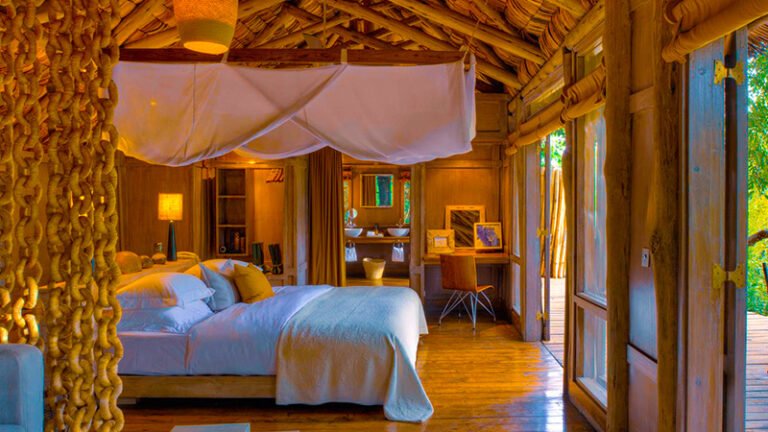
Nyerere & Fanjove Island Luxury Bush-To-Beach Package: Ultimate Itinerary
Discover the ultimate Nyerere & Fanjove Island Luxury Bush-to-Beach Package, expertly designed for 2026-2027. This unique itinerary blends the untamed wilderness of Nyerere National Park...
View package details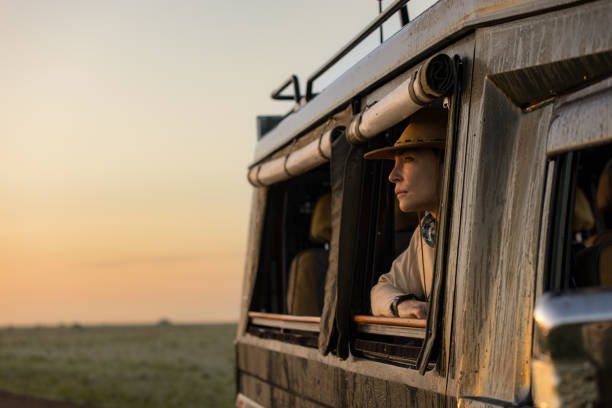
Ruaha & Fanjove Island: Your Ultimate Luxury Safari And Private Beach Holiday
Experience the ultimate blend of thrilling wildlife encounters in Ruaha National Park and serene relaxation on Fanjove Island. This guide details luxury safari and private beach holiday...
View package detailsMafia Island Honeymoon Package: Private Beach & Marine Safari 2026-2027
Experience an unparalleled honeymoon on Mafia Island with a bespoke package focusing on private beach seclusion and thrilling marine safaris. This guide details what to expect for your...
View package details
2 Days Mafia Island Whale Shark Safari From Zanzibar 2026-2027
Discover the magic of Mafia Island with a 2-day whale shark safari departing from Zanzibar. This adventure offers incredible opportunities to swim with whale sharks in their natural...
View package details
Nyerere Walking Safari – Private Guided Experience & Cost Guide
Explore the Nyerere Walking Safari, a unique private guided experience in Tanzania's vast wilderness. This guide details what to expect, estimated costs for 2026-2027, and essential...
View package detailsNo related package matches those filters. Clear one or more filters to see the other topic-matched options.



