Updated planning guide for 2026, 2027-2028
Winter Holiday Safari From Moshi: Best Guide 2026-2027-2028
Discover the magic of a Winter Holiday Safari from Moshi, Tanzania. This comprehensive guide details everything you need to know for an exceptional wildlife experience during the cooler months, including planning, itineraries, and booking.
WhatsApp +255747477898 | climb4africa@gmail.com | climb4africa@gmail.com


Winter Holiday Safari From Moshi: The Ultimate Planning Guide
A Winter Holiday Safari From Moshi offers a unique and rewarding perspective on Tanzania’s spectacular wildlife and landscapes. While many associate safaris with hot, dry seasons, the cooler, drier months from June to October present distinct advantages for wildlife viewing and overall comfort. Moshi, situated at the foothills of Mount Kilimanjaro, serves as an ideal launchpad for exploring the renowned Northern Circuit parks, including the Serengeti, Ngorongoro Crater, Tarangire, and Lake Manyara. This guide provides an in-depth look at planning your winter safari adventure, ensuring you make the most of this incredible experience in 2026 and 2027.
Choosing to take a safari during the winter months (June to October in Tanzania) means you’ll encounter fewer crowds, more comfortable daytime temperatures, and excellent game viewing conditions as animals congregate around permanent water sources. This period often coincides with the Great Migration’s movement through the Serengeti, adding another layer of natural spectacle to your journey. Your base in Moshi puts you in prime position to access these wonders with ease.
Quick Answers for Your Winter Safari Planning
What is a Winter Holiday Safari from Moshi? It’s a safari adventure starting from Moshi, Tanzania, during the cooler, drier months (June-October), focusing on the Northern Circuit’s wildlife and landscapes.
Why is winter a good time for a safari from Moshi? Cooler temperatures, less rain, excellent game viewing as animals gather at waterholes, and the Great Migration often present.
What are the main parks accessible from Moshi in winter? Serengeti National Park, Ngorongoro Conservation Area, Tarangire National Park, and Lake Manyara National Park.
What kind of wildlife can I expect? All the ‘Big Five’ (lion, leopard, elephant, rhino, buffalo), large herds of wildebeest and zebras (especially during the migration), giraffes, hippos, crocodiles, and diverse birdlife.
How long should a winter safari from Moshi be? A minimum of 5-7 days is recommended to cover at least 2-3 major parks. Longer trips of 10-14 days allow for a more comprehensive exploration.
What’s the typical weather like? Daytime temperatures are pleasant (around 20-25°C or 68-77°F), with cooler mornings and evenings. Nights can be chilly, especially at higher altitudes.
Table of Contents
- Safari Overview: Winter Wonders from Moshi
- Why Choose a Winter Holiday Safari From Moshi?
- Best Time for Your Winter Safari from Moshi (June-October)
- Key Parks for a Winter Safari from Moshi
- Sample 7-Day Winter Safari Itinerary from Moshi
- What to Expect: Wildlife, Landscapes, and Experience
- Inclusions, Packing & Preparation Tips
- Common Mistakes to Avoid on a Winter Safari
- Who is a Winter Safari from Moshi Best Suited For?
- Alternatives to a Winter Safari from Moshi
- Planning Your 2026-2027 Winter Safari
- Booking Your Winter Holiday Safari From Moshi
- Frequently Asked Questions (FAQs)
Safari Overview: Winter Wonders from Moshi
A Winter Holiday Safari From Moshi is not just a trip; it’s an immersion into a world where nature reigns supreme. The period between June and October in Tanzania, often referred to as the ‘winter’ or dry season, transforms the landscape and concentrates wildlife. Moshi, a vibrant town nestled against the snow-capped peak of Kilimanjaro, provides a convenient and culturally rich starting point. From here, your safari adventure typically leads you into the heart of Tanzania’s Northern Circuit, a region celebrated globally for its high concentration of wildlife and iconic savannah vistas. This season offers a unique blend of comfortable weather and exceptional game viewing opportunities, making it a prime time for those seeking an authentic African safari experience.
The dry season means that vegetation thins out, making spotting animals easier. More importantly, the scarcity of water forces animals to gather around rivers and permanent waterholes, creating predictable and spectacular viewing opportunities. For photographers, the soft, diffused light of the dry season can be ideal, and the absence of heavy rains means easier travel on park roads. Your journey from Moshi will likely involve exploring vast plains, dramatic escarpments, and unique ecosystems, all teeming with life.
Why Choose a Winter Holiday Safari From Moshi?
Opting for a safari during Tanzania’s dry season (June-October), often termed its ‘winter’, offers several compelling advantages:
- Excellent Wildlife Viewing: This is arguably the biggest draw. As water sources become scarce, animals are drawn to rivers and remaining waterholes. This concentration makes spotting a wide array of species, including predators and prey, much easier. You’ll find animals more visible against the sparser vegetation.
- The Great Migration: From July to October, the vast herds of wildebeest and zebras are typically in the Serengeti, often crossing the Grumeti River (known for its large crocodiles) and later heading towards the Mara River in the northern Serengeti. Witnessing this natural phenomenon is a highlight for many visitors.
- Comfortable Temperatures: Unlike the scorching heat of the wet season, winter days are pleasantly warm, typically ranging from 20-25°C (68-77°F). The mornings and evenings are cooler, sometimes requiring a light jacket, which makes for more comfortable game drives.
- Less Rain, Easier Travel: With minimal rainfall, park roads are in better condition, leading to smoother and quicker transfers between locations. This also means fewer disruptions to your safari schedule.
- Fewer Crowds: While it’s a popular time, the dry season generally sees fewer tourists than the peak green season months. This can lead to a more intimate and less crowded safari experience, especially in popular areas like the Ngorongoro Crater.
- Predator Activity: The dry season often means predators are more active as they hunt the concentrated prey. This increases your chances of witnessing thrilling wildlife encounters.
- Strategic Starting Point: Moshi provides excellent access to the Northern Circuit parks, allowing for efficient planning and travel to key safari destinations without extensive internal flights or long drives from other regions.
Best Time for Your Winter Safari from Moshi (June-October)
The period from June through October is considered the prime time for a safari in Tanzania’s Northern Circuit, making it the ideal window for a Winter Holiday Safari From Moshi.
| Month | Weather Conditions | Wildlife Highlights | Crowd Levels | Notes |
|---|---|---|---|---|
| June | Start of dry season. Cooler days (20-25°C), crisp mornings. Minimal rain. | Migration moving north into Serengeti. Good general game viewing. | Moderate | Good value, pleasant weather. |
| July | Peak dry season. Pleasant days, cooler nights. Very little rain. | Migration in central/western Serengeti, Grumeti River crossings possible. | High | Prime time for migration river crossings. Book well in advance. |
| August | Peak dry season. Similar to July, consistent good weather. | Migration in northern Serengeti, Mara River crossings highly likely. | Very High | Most popular month for migration. High demand. |
| September | End of dry season. Still pleasant, slight increase in humidity possible. | Migration beginning to move south. Excellent game viewing across Serengeti. | High | Excellent for general game viewing and predators. |
| October | Transition month. Can still be dry, but showers may start late in the month. Temperatures remain pleasant. | Migration heading towards southern Serengeti. Good resident game viewing. | Moderate to High | Good for seeing resident game in all parks. |
Key Parks for a Winter Safari from Moshi
When planning your Winter Holiday Safari From Moshi, the Northern Circuit offers a diverse range of ecosystems and wildlife viewing opportunities. Here are the primary parks you’ll likely visit:
- Serengeti National Park: The undisputed jewel of Tanzanian safaris. Its vast plains are home to an incredible density of wildlife, including the Great Migration during the winter months. You can expect to see lions, cheetahs, leopards, elephants, giraffes, zebras, wildebeest, and countless other species. The sheer scale of the Serengeti is breathtaking.
- Ngorongoro Conservation Area (including the Crater): A UNESCO World Heritage Site, the Ngorongoro Crater is a natural wonder, a collapsed volcano caldera teeming with wildlife. It boasts one of the highest densities of predators in Africa, including a healthy population of endangered black rhinos. The crater floor is a unique ecosystem supporting a diverse array of animals year-round, making it a must-visit even outside migration season.
- Tarangire National Park: Famous for its large elephant herds, especially during the dry season when they congregate around the Tarangire River. The park is also known for its giant baobab trees, diverse birdlife, and resident predators like lions and leopards. It offers a different landscape with its acacia woodlands and rocky hills.
- Lake Manyara National Park: While smaller, this park is renowned for its tree-climbing lions (though sightings are not guaranteed), large troops of baboons, and diverse birdlife, including flamingos (depending on water levels). The park’s groundwater forest and alkaline lake provide a rich habitat for various animals.
Other potential inclusions, depending on your itinerary’s length and focus, might include:
- Arusha National Park: Closer to Moshi, this park offers beautiful scenery, including Mount Meru, Momella Lakes, and the Ngurdoto Crater. It’s great for birdwatching and seeing giraffes and zebras, though less known for big cats.
- Mkomazi National Park: A more rugged and less-visited park, Mkomazi is a vital rhino sanctuary and offers excellent opportunities to see wild dogs and other arid-adapted species.
Sample 7-Day Winter Safari Itinerary from Moshi
This sample itinerary is designed to give you a taste of the Northern Circuit’s highlights during the winter dry season. It balances iconic locations with comfortable travel times.
| Day | Location | Activities | Overnight |
|---|---|---|---|
| Day 1 | Moshi to Tarangire National Park | Morning pick-up from Moshi. Drive to Tarangire. Afternoon game drive focusing on elephants and baobab trees. | Lodge/Camp near Tarangire |
| Day 2 | Tarangire to Ngorongoro Conservation Area | Morning game drive in Tarangire. Drive to the Ngorongoro highlands. Optional Maasai village visit. | Lodge/Camp on Ngorongoro rim |
| Day 3 | Ngorongoro Crater Tour | Full day game drive inside the Ngorongoro Crater, known for its high predator density and black rhinos. Picnic lunch. | Lodge/Camp on Ngorongoro rim |
| Day 4 | Ngorongoro to Serengeti National Park (Central) | Drive to Serengeti via Olduvai Gorge (optional). Afternoon game drive in Central Serengeti, looking for resident wildlife and early migration signs. | Lodge/Camp in Central Serengeti |
| Day 5 | Serengeti National Park (Central/East) | Full day game drive exploring the vast plains of Serengeti. Focus on predator sightings and the movement of the Great Migration if present. | Lodge/Camp in Central Serengeti |
| Day 6 | Serengeti to Lake Manyara National Park | Morning game drive in Serengeti. Drive towards Lake Manyara, with optional game drives en route. | Lodge/Camp near Lake Manyara |
| Day 7 | Lake Manyara to Moshi | Morning game drive in Lake Manyara National Park. Drive back to Moshi for departure or onward travel. | N/A |
Note: This itinerary can be customized. For instance, spending more time in the Serengeti to follow the migration’s path north or south is possible with longer tours. A 10-day itinerary might include more time in the Serengeti, a visit to Lake Natron, or exploring the western Serengeti.
What to Expect: Wildlife, Landscapes, and Experience
A Winter Holiday Safari From Moshi promises a rich and varied experience:
Wildlife Encounters
- Abundant Game: Expect to see large numbers of animals. The dry season concentrates herbivores around water sources, which in turn attracts predators.
- The Great Migration: If your safari falls between July and October, you are likely to witness parts of the Great Migration. This involves hundreds of thousands of wildebeest and zebras moving across the Serengeti plains. River crossings, particularly of the Grumeti and Mara Rivers, are dramatic events.
- Predator Sightings: Lions, leopards, and cheetahs are frequently seen, often resting in trees or on termite mounds to escape the heat or gain vantage points. Hyenas and wild dogs are also present.
- The Big Five: While not guaranteed on any single day, the Northern Circuit offers excellent chances of spotting the Big Five: Lion, Leopard, Elephant, Buffalo, and Rhino (especially in the Ngorongoro Crater).
- Diverse Species: Beyond the iconic animals, you’ll encounter giraffes, hippos, crocodiles, various antelopes (gazelles, impalas, elands), warthogs, baboons, and numerous bird species.
Landscapes
- Vast Savannahs: The Serengeti is characterized by endless rolling grasslands dotted with acacia trees and kopjes (rocky outcrops).
- Crater Ecosystem: The Ngorongoro Crater offers a unique, enclosed environment with a mix of grasslands, swamps, and a soda lake.
- Woodlands and Baobabs: Tarangire boasts distinctive baobab trees and acacia woodlands, providing a different visual texture.
- Lakeshores: Lake Manyara offers a scenic backdrop of the Great Rift Valley escarpment and the lake itself.
The Safari Experience
- Game Drives: Your primary activity will be game drives in custom-built 4×4 safari vehicles. These are typically conducted in the early morning and late afternoon/early evening when animals are most active.
- Comfortable Lodging: Accommodations range from comfortable mid-range lodges and tented camps to luxurious lodges, offering varying levels of comfort and immersion in nature. Many camps are strategically located for excellent wildlife viewing.
- Expert Guides: Experienced local guides are crucial. They possess in-depth knowledge of animal behavior, tracking skills, and the best locations for sightings.
- Cultural Interactions: Depending on your itinerary, you might have opportunities to visit Maasai villages or learn about local culture.
Inclusions, Packing & Preparation Tips
Typical Inclusions in a Safari Package
When booking a Winter Holiday Safari From Moshi, a comprehensive package usually includes:
- Accommodation before and after the safari (sometimes included in Moshi).
- All park entry fees and conservation fees.
- Full board meals (breakfast, lunch, dinner) during the safari.
- A custom-built 4×4 safari vehicle with a pop-up roof for game viewing.
- An experienced, English-speaking safari guide.
- Bottled water during game drives.
- Airport transfers and transfers from Moshi.
- Crater service fees (for Ngorongoro).
Exclusions commonly found:
- International flights and visa fees.
- Travel insurance.
- Tips for guides and lodge staff.
- Alcoholic and soft drinks (other than water).
- Personal expenses (souvenirs, laundry, etc.).
- Optional activities like hot air balloon safaris.
Packing List for a Winter Safari
Layering is key for the cooler mornings and warmer afternoons. Neutral colors are recommended to blend in with the environment.
| Category | Items |
|---|---|
| Clothing | Lightweight, long-sleeved shirts (neutral colors: khaki, green, brown), T-shirts, comfortable trousers/safari pants, shorts (for warmer days/lodge), a fleece jacket or warm sweater, a light waterproof/windproof jacket, pajamas. |
| Footwear | Comfortable walking shoes or hiking boots (if doing any walking safaris), sturdy sandals or flip-flops for camp. |
| Headwear | Wide-brimmed hat or cap for sun protection, a warm beanie or scarf for cold mornings/evenings. |
| Accessories | Sunglasses, sunscreen (high SPF), insect repellent, personal toiletries, basic first-aid kit, camera with extra batteries and memory cards, binoculars, a headlamp or flashlight. |
| Documents & Money | Passport, visa (if required), flight tickets, travel insurance details, vaccination certificates, credit cards, and some USD cash (for tips and small purchases). |
Preparation Tips
- Health: Consult your doctor about necessary vaccinations (e.g., Yellow Fever, Hepatitis A) and malaria prophylaxis well in advance of your trip.
- Visas: Check visa requirements for Tanzania based on your nationality. Many can be obtained online or on arrival.
- Travel Insurance: Essential for covering medical emergencies, trip cancellations, and lost luggage. Ensure it covers safari activities.
- Fitness: While safaris are not physically demanding, a moderate level of fitness is helpful for getting in and out of vehicles and for any optional walking activities.
- Photography: Bring appropriate gear. A telephoto lens is useful for wildlife. Consider a camera bag that protects against dust.
- Currency: The local currency is the Tanzanian Shilling (TZS), but USD is widely accepted for park fees, tips, and larger purchases. Carry small USD bills.
Common Mistakes to Avoid on a Winter Safari
To ensure your Winter Holiday Safari From Moshi is as smooth and enjoyable as possible, be aware of these common pitfalls:
- Packing Inappropriately: Underestimating the cooler mornings and evenings is a frequent mistake. Pack layers, including a warm jacket, fleece, and hat. Also, avoid bright colors that can scare wildlife.
- Not Booking in Advance: While winter is less crowded than peak season, popular lodges and vehicles, especially for the migration season (July-September), book up months in advance. Last-minute bookings can lead to limited options or higher prices.
- Underestimating Travel Times: Distances in Tanzania are vast, and road conditions can vary. Factor in realistic travel times between parks. Rushing between locations can mean less time for game viewing.
- Not Using a Reputable Tour Operator: Going with an unvetted operator can lead to issues with vehicle quality, guide experience, accommodation standards, and hidden costs. Research and choose a trusted local operator.
- Ignoring Health Advice: Failing to consult a doctor about vaccinations and malaria prevention can lead to serious health issues.
- Focusing Only on the Big Five: While the Big Five are exciting, Tanzania’s wildlife is incredibly diverse. Take time to appreciate smaller mammals, birds, and insects.
- Over-Packing: Luggage space in safari vehicles is limited, especially for internal flights if your itinerary includes them. Pack essentials and avoid bulky items.
- Not Budgeting for Tips: Tipping is customary and appreciated. Factor this into your overall budget for guides and camp staff.
- Expecting Constant Action: Wildlife viewing involves patience. While sightings are frequent, there will be periods of quiet observation. Enjoy the journey and the environment.
Who is a Winter Safari from Moshi Best Suited For?
A Winter Holiday Safari From Moshi is an excellent choice for a wide range of travelers, particularly those who:
- Seek Comfortable Weather: Travelers who prefer milder temperatures and dislike intense heat will find the dry season conditions very pleasant for game drives and outdoor activities.
- Are Interested in the Great Migration: The period from July to October is prime time to witness the epic movement of wildebeest and zebras across the Serengeti, making it ideal for photographers and wildlife enthusiasts focused on this spectacle.
- Desire Excellent Wildlife Viewing Opportunities: The dry season’s concentration of animals around water sources means higher chances of spotting diverse species, including predators.
- Appreciate Fewer Crowds: While still popular, the dry season generally offers a less crowded experience compared to the peak green season, allowing for more intimate wildlife encounters and better photographic opportunities.
- Combine Safari with Kilimanjaro: Moshi is the gateway to Kilimanjaro. Many trekkers choose to combine a climb with a safari, and the dry season is also ideal for trekking. A winter safari provides a perfect complement.
- Value Ease of Travel: The dry conditions mean better road access within parks, leading to more reliable and comfortable travel between destinations.
- Are First-Time Safari Goers: The Northern Circuit, easily accessible from Moshi, is world-renowned and offers a classic, high-quality safari experience that is perfect for beginners.
- Are Photographers: The clear skies, good light, and visible wildlife make this an ideal time for capturing stunning wildlife photographs.
Alternatives to a Winter Safari from Moshi
While a winter safari from Moshi is exceptional, other options exist depending on your interests and timing:
- Green Season Safari (November-May): This is Tanzania’s ‘summer’ and rainy season. It offers lush landscapes, dramatic skies, and fewer tourists. It’s also calving season in the southern Serengeti (Jan-March), a magical time for witnessing newborn animals. However, some roads can become impassable, and the heat can be intense.
- Southern Circuit Safari (e.g., Ruaha, Selous/Nyerere): Offers a wilder, more remote experience with fewer crowds and often lower prices. The best time to visit is generally the dry season (June-October), but it can be visited year-round. It requires more travel time or internal flights from Arusha/Dar es Salaam.
- Western Tanzania Safari (e.g., Mahale, Gombe): Famous for chimpanzee trekking. The best time is typically the dry season (June-October). This is a specialized trip, requiring flights from Arusha or other hubs.
- Zanzibar Holiday: If you prefer beach relaxation, cultural exploration, or water sports, a trip to Zanzibar offers a completely different experience. It can be combined with a Northern Circuit safari. The best weather for Zanzibar is generally June-October and December-February.
- Kilimanjaro Trekking: For those seeking a physical challenge, climbing Kilimanjaro is a significant adventure. The dry seasons (January-March and June-October) are the best times for climbing.
Planning Your 2026-2027 Winter Safari
Planning ahead is crucial for a successful Winter Holiday Safari From Moshi, especially for the popular 2026 and 2027 seasons. Here’s a step-by-step approach:
- Define Your Interests & Budget: Are you focused on the Great Migration, photography, birding, or a general wildlife experience? What is your comfortable budget range (mid-range, luxury)? This will shape your itinerary and accommodation choices.
- Determine Safari Length: A minimum of 5-7 days is recommended for the Northern Circuit. For a more in-depth experience, consider 10-14 days.
- Choose Your Parks: Based on your interests and time, select the parks. Serengeti and Ngorongoro are usually essential. Tarangire and Manyara are excellent additions.
- Select Accommodation Style: Decide between lodges, tented camps, or a mix. Consider proximity to wildlife viewing areas and the level of comfort you desire.
- Research Tour Operators: Look for reputable local operators with good reviews, clear communication, and expertise in the Northern Circuit. Request detailed itineraries and quotes. For 2026 and 2027 bookings, early engagement is wise.
- Book Key Components Early: For peak winter months (July-September), book flights, accommodations, and safari vehicles at least 6-12 months in advance.
- Arrange Flights: Book international flights to Kilimanjaro International Airport (JRO) or potentially Nairobi (NBO) with a connecting flight to Arusha (ARK).
- Secure Visas and Vaccinations: Start this process 2-3 months before your trip. Consult your doctor and check official government websites.
- Purchase Travel Insurance: Get comprehensive travel insurance at least 3-6 months before departure.
- Finalize Itinerary and Payments: Confirm all details with your tour operator and make the required deposit. Pay the balance by the due date, usually 30-60 days before departure.
- Prepare Your Packing List: Start gathering necessary items well in advance.
Booking Your Winter Holiday Safari From Moshi
Securing your Winter Holiday Safari From Moshi requires careful consideration of your tour operator and booking process. Here’s how to approach it effectively:
Choosing a Tour Operator
- Local vs. International: While international operators offer convenience, local Tanzanian operators often provide better value, deeper local knowledge, and direct support. Best Tanzania Tour Operator is a prime example of a trusted local provider.
- Reputation and Reviews: Look for operators with consistently positive reviews on platforms like TripAdvisor, Google, and safari forums. Check for recent feedback.
- Communication: A good operator will respond promptly and clearly to your inquiries. They should be willing to customize itineraries and answer all your questions.
- Expertise: Ensure they specialize in the Northern Circuit and have a strong understanding of the winter season’s nuances.
- Vehicle and Guide Quality: Inquire about the type of safari vehicles used (4×4 Land Cruisers are standard) and the experience of their guides.
- Transparency: A clear breakdown of what is included and excluded in the price is essential to avoid hidden costs.
The Booking Process
- Request a Custom Quote: Contact your chosen operator with your desired dates, duration, number of travelers, preferred accommodation style, and any specific interests.
- Review the Itinerary: Carefully examine the proposed itinerary, ensuring it matches your expectations for pace, destinations, and activities.
- Ask Questions: Don’t hesitate to ask for clarification on any aspect of the itinerary, inclusions, or logistics.
- Confirm Availability: Especially for popular months in 2026 and 2027, confirm the availability of preferred lodges and vehicles.
- Deposit and Payment: Typically, a deposit (20-50%) is required to secure your booking. The balance is usually due 30-60 days before departure. Ensure you understand the payment methods and currency.
- Contract and Confirmation: Receive a formal booking confirmation and contract outlining all terms and conditions.
- Pre-Departure Information: Your operator should provide detailed pre-departure information, including packing lists, health advice, and contact details.
For your Winter Holiday Safari From Moshi in 2026 or 2027, reaching out early to trusted operators like Best Tanzania Tour Operator will give you the best chance of securing your preferred dates and accommodations.
Ready to Plan Your Dream Winter Safari?
Let our expert team at Best Tanzania Tour Operator craft your perfect Winter Holiday Safari From Moshi. We specialize in creating unforgettable Tanzania adventures tailored to your interests and budget for 2026 and 2027.
Contact us today:
- WhatsApp: +255747477898
- Email: climb4africa@gmail.com
- Backup Email: climb4africa@gmail.com
We look forward to helping you experience the magic of Tanzania!
Frequently Asked Questions (FAQs)
1. Is a winter safari from Moshi truly cold?
Tanzania’s ‘winter’ (June-October) is its dry season. While days are pleasantly warm (around 20-25°C or 68-77°F), mornings and evenings can be quite cool, especially at higher altitudes like the Ngorongoro Crater rim. Temperatures can drop to 10-15°C (50-59°F). Packing layers, including a fleece and a warm jacket, is essential.
2. What are the chances of seeing the Great Migration during a winter safari?
The winter months are prime time for the Great Migration in the Serengeti. From July to October, the herds are typically in the central, western, and northern parts of the park. Witnessing river crossings, especially at the Grumeti and Mara Rivers, is a highlight during this period.
3. Can I combine a winter safari with Kilimanjaro trekking?
Absolutely! Moshi is the primary base for Kilimanjaro climbs, and the dry season (June-October) is also one of the best times for trekking. Many travelers combine a safari with a climb for a comprehensive Tanzanian adventure. You can arrange this through your tour operator.
4. What kind of accommodation is available for a winter safari from Moshi?
Options range from comfortable mid-range lodges and permanent tented camps to luxurious safari lodges and exclusive tented camps. Most accommodations offer en-suite bathrooms and good amenities. For 2026-2027 bookings, securing your preferred lodge type early is recommended.
5. Is malaria a concern during the dry season?
Malaria is present in Tanzania year-round, though the risk is generally lower during the dry season due to fewer mosquitoes. However, it’s still recommended to take malaria precautions, such as using insect repellent and considering antimalarial medication as advised by your doctor.
6. What is the best way to book a winter holiday safari from Moshi for 2026 or 2027?
The best approach is to contact a reputable local tour operator like Best Tanzania Tour Operator well in advance. They can help you customize an itinerary, suggest suitable accommodations, and manage all logistics. Booking 6-12 months ahead is advisable for popular periods in 2026 and 2027.
7. Are there any hidden costs I should be aware of?
While reputable operators provide detailed inclusions, common exclusions that can add to the cost include international flights, visas, travel insurance, tips for guides and staff, personal expenses, and optional activities like hot air balloon safaris. Always clarify what’s included in your quote.
8. How much cash should I bring for a safari?
While most tour costs are prepaid, you’ll need cash for tips, souvenirs, and drinks not included in your package. US Dollars are widely accepted for tips and larger purchases, but it’s good to have some Tanzanian Shillings for smaller local markets. A good estimate for tips might be $20-30 per person per day for your guide and lodge staff.
9. Can I customize a winter safari itinerary?
Yes, customization is a hallmark of good safari planning. Your tour operator can adjust the itinerary based on your interests (e.g., photography, birding), pace, and budget. You can spend more or less time in certain parks, add specific activities, or choose different accommodation levels.
10. What is the difference between a lodge and a tented camp?
Lodges are typically permanent structures with solid walls, offering more hotel-like amenities. Tented camps use canvas tents, but in Tanzania, these are usually spacious and well-equipped, often with en-suite bathrooms and comfortable beds, providing a closer-to-nature experience while still offering comfort.
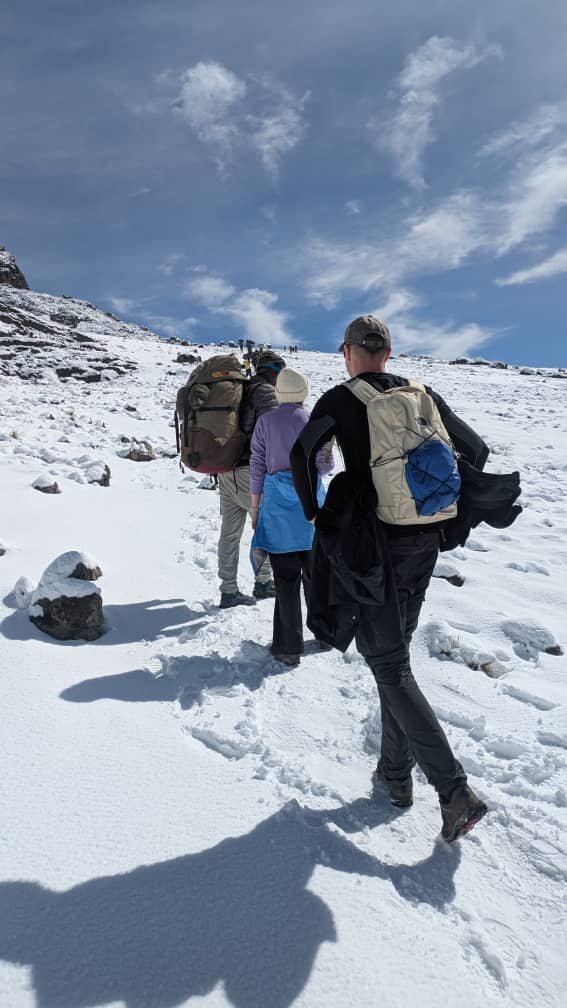
September Kilimanjaro And Serengeti Migration Safari : Your Ultimate Guide
Combining a Kilimanjaro climb with a Serengeti Migration safari in September offers unparalleled wildlife viewing and trekking opportunities. This guide details the best of both experiences...
View package details
August Kilimanjaro Climb With River-Crossing Safari: Your Ultimate Tanzania
Combine the challenge of climbing Mount Kilimanjaro in August with the thrill of witnessing the Great Migration river crossings on a safari. This guide covers itineraries, routes, packing...
View package details
August Kilimanjaro And Migration Safari: Your Ultimate Tanzania Adventure
Combine a Kilimanjaro trek with witnessing the Great Migration in August for an unforgettable Tanzania adventure. This guide covers everything you need to know for your 2026-2027 trip.
View package details
July Kilimanjaro Climb With Northern Serengeti Safari In 2026-2027
Combine the challenge of climbing Mount Kilimanjaro with the unparalleled wildlife spectacle of a Northern Serengeti safari during July. This guide details everything you need to know for...
View package details
July Kilimanjaro And Great Migration Safari: Expert Guide 2026-2027
Combine a Kilimanjaro ascent with witnessing the Great Migration in Tanzania during July. This guide covers everything from optimal routes and safari lodges to packing lists and essential...
View package detailsJune Kilimanjaro Climb After A Safari: Your Ultimate Guide 2026-2027
Combining a Tanzania safari with a Kilimanjaro climb in June is an unforgettable adventure. This guide covers everything you need to know for a successful 2026-2027 trip, from weather...
View package details
June Kilimanjaro Climb Before A Tanzania Safari In 2026-2027
Combining a Mount Kilimanjaro climb with a Tanzania safari is a dream for many adventurers. June offers excellent conditions for both, making it a prime month to experience these iconic...
View package details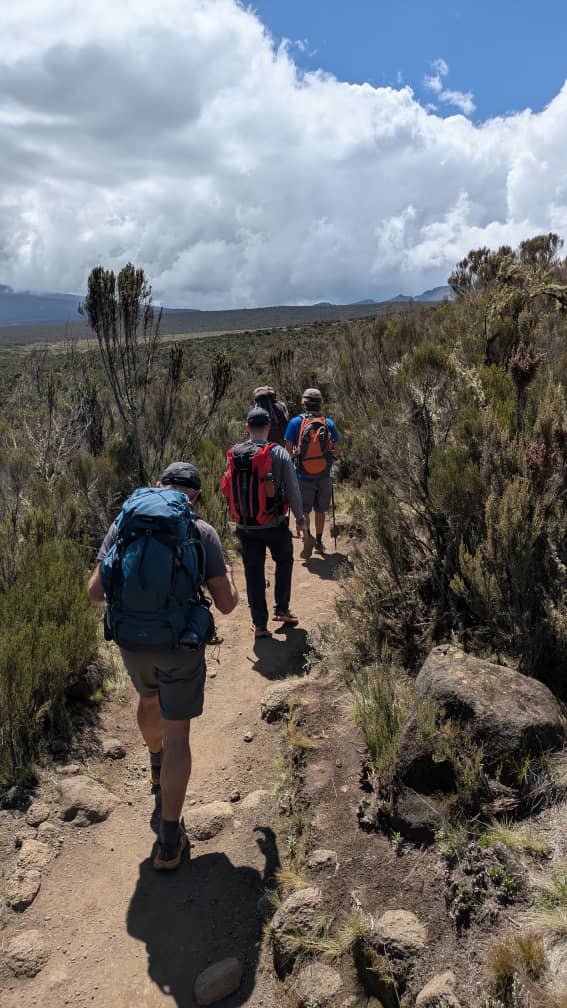
June Kilimanjaro And Serengeti Safari Guide
start a dual adventure in June, conquering Mount Kilimanjaro and experiencing the magic of a Serengeti safari. This guide details the best of Tanzania in June, covering weather, wildlife...
View package details
May Kilimanjaro Climb And Wildlife Safari Guide
Combine the thrill of summiting Mount Kilimanjaro with an unforgettable wildlife safari in Tanzania during May. This guide covers everything you need to know for an epic adventure in...
View package detailsNo related package matches those filters. Clear one or more filters to see the other topic-matched options.
Plan your Winter Holiday Safari From Moshi with Climb 4 Africa
Tell us your travel dates, group size, comfort level, and dream experience. We will help you shape a clear, realistic, and memorable Tanzania itinerary.



