
When budgeting for a Mount Meru climb, anticipate additional costs beyond the core trek package that typically cover park entrance fees, conservation fees, camping fees, rescue fees, guide and porter salaries, food during the trek, and accommodation at the base. However, you will need to budget separately for international flights, visa fees, vaccinations, travel insurance, personal climbing gear, tips for the crew, personal expenses like drinks and snacks, and optional pre- or post-trek accommodation or activities. For 2026-2027 climbs, these supplementary expenses are crucial for a complete financial plan.
Understanding the Core Mount Meru Trek Package Inclusions
Before diving into the additional costs, it’s vital to understand what is typically included in a standard Mount Meru trek package offered by reputable operators like Climb 4 Africa. This clarity helps you pinpoint precisely what you’ll need to budget for separately. Most comprehensive packages are designed to cover the essential operational aspects of your climb, ensuring a safe and supported experience on the mountain.
A typical Mount Meru package, particularly for expeditions planned for 2026 and 2027, usually includes:
- Park and Conservation Fees: These are mandatory government fees for entering and trekking within Arusha National Park. They are often bundled into the package price by operators to simplify booking.
- Camping Fees: Fees for staying overnight at designated campsites on Mount Meru.
- Rescue Fees: A mandatory fee that contributes to mountain rescue services.
- Guide and Porter Salaries: The wages for your experienced local guides and the dedicated porters who will carry communal gear and supplies.
- Food During the Trek: All meals (breakfast, lunch, dinner) prepared by a cook on the mountain. This is a significant cost saving for trekkers.
- Tented Accommodation: While on the mountain, you’ll be provided with tents for sleeping.
- Boiled Water: Safe drinking water, usually boiled, is provided daily.
- Briefing and Equipment Check: Pre-trek briefings and checks to ensure you are adequately prepared.
Understanding these inclusions allows you to focus your budget on the elements not covered, which are often personal in nature or relate to travel logistics outside the immediate climbing operation. For 2026-2027 expeditions, confirming these inclusions with your chosen operator is the first step in accurate budgeting.
Mandatory Government and Park Fees: The Unavoidable Costs
Mount Meru, situated within Arusha National Park, requires several mandatory fees that are crucial for the park’s conservation and operational management. While some operators may include these in their package price, it’s essential to confirm this, as they represent a significant portion of the overall cost of climbing Mount Meru. For 2026 and 2027 climbs, these fees remain a fixed component of any trekking permit.
These fees are non-negotiable and are set by the Tanzanian government through the Tanzania National Parks Authority (TANAPA). They are designed to support conservation efforts, infrastructure maintenance within the park, and wildlife protection. When budgeting for your Mount Meru expedition, ensure you understand how these are handled by your tour operator.
Park Entrance Fees
Arusha National Park charges a daily entrance fee for all visitors. This fee grants you access to the park’s diverse ecosystems and wildlife. The exact daily rate can fluctuate, but for 2026-2027, it is expected to remain within a predictable range. Operators often include these fees in their quoted prices, but if they are listed as an ‘extra,’ you must factor them in. For a standard 3-day Mount Meru climb, this would typically amount to multiple days of park fees.
Conservation Fees
In addition to entrance fees, there are specific conservation fees aimed directly at funding conservation initiatives within the park. These fees are also mandatory and contribute to the long-term sustainability of the park’s natural resources.
Camping Fees
Mount Meru has designated campsites where trekkers must stay overnight. TANAPA charges a fee for each person per night spent at these campsites. These fees help maintain the campsites and provide basic facilities.
Crater and Forest Fees
Depending on the specific routes and areas accessed, there might be additional fees related to trekking within the crater area or specific forest zones. These are usually minor but should be considered for a complete budget.
Mount Meru Rescue Fees
A mandatory rescue fee is levied on all trekkers. This fee contributes to the mountain rescue services, ensuring that if an emergency occurs, trained personnel and equipment are available to assist. This is a critical safety component and is typically non-refundable.
For 2026-2027, it is vital to confirm the current fee structure with your tour operator. While these fees are often included in packages, understanding their individual contribution to the total cost provides transparency and helps in financial planning. For example, a 3-day Mount Meru climb will incur these fees for each of those days, and potentially more if acclimatization or alternative itineraries are used.
Essential Personal Gear and Equipment: What You Need to Buy or Rent
While your tour operator will provide communal gear like tents, cooking equipment, and potentially sleeping mats, you are responsible for your personal clothing and specialized trekking equipment. This is where significant additional costs can arise, especially if you need to purchase everything new. Careful planning for 2026-2027 expeditions means assessing your existing gear and identifying what needs to be acquired.
Here’s a breakdown of essential personal gear and associated costs:
Clothing Layers
Mount Meru experiences varied weather conditions, from warm at the base to freezing temperatures near the summit. Layering is key. Budget for:
- Base Layers: Moisture-wicking thermal tops and bottoms (synthetic or merino wool).
- Mid Layers: Fleece jackets or down vests for insulation.
- Outer Layer: A waterproof and windproof jacket (hardshell) and trousers.
- Trekking Trousers: Comfortable, quick-drying trousers.
- Shirts: Long-sleeved and short-sleeved moisture-wicking shirts.
Cost implication: Depending on quality and brand, a full set of quality layers can range from $200 to $600+. Renting is an option for some items like jackets and trousers, which can save money if you don’t plan extensive future trekking.
Footwear
Your feet are your most critical asset on the mountain. Invest wisely:
- Hiking Boots: Waterproof, sturdy, broken-in hiking boots with good ankle support.
- Camp Shoes/Sandals: For comfort at the campsite.
- Socks: Several pairs of wool or synthetic hiking socks.
Cost implication: Quality hiking boots can cost $150 to $400+. Socks are relatively inexpensive, but budgeting for 5-7 pairs is wise.
Headwear and Handwear
- Warm Hat: A fleece or wool hat that covers your ears.
- Sun Hat: A wide-brimmed hat for sun protection.
- Gloves: Waterproof and insulated gloves, plus liner gloves for dexterity.
Cost implication: Budget around $50 to $150 for good quality headwear and gloves.
Sleeping Bag
While some operators provide sleeping bags, many do not, or offer basic ones. For the cold temperatures on Meru, a 4-season (rated to at least -10°C or 0°F) down or synthetic sleeping bag is essential. Ensure yours is rated appropriately for summit night temperatures.
Cost implication: A good quality 4-season sleeping bag can cost between $200 and $500+. Rental options are often available through tour operators, typically costing $50-$100 for the duration of the trek.
Trekking Poles
Highly recommended for stability, reducing knee strain, and aiding ascent and descent. They are particularly useful on the steep sections of Mount Meru.
Cost implication: A decent pair of adjustable trekking poles costs around $50 to $150.
Backpack and Daypack
- Duffel Bag: A large, waterproof duffel bag (80-100 liters) for porters to carry your main gear.
- Daypack: A smaller backpack (25-35 liters) for you to carry essentials during the day (water, snacks, camera, rain gear).
Cost implication: Budget $50 to $150 for a quality duffel bag and daypack.
Other Essentials
- Headlamp: With extra batteries, essential for early morning starts and navigating campsites.
- Water Bottles/Hydration Reservoir: At least 2-3 liters capacity.
- Sunglasses: With UV protection.
- Sunscreen and Lip Balm: High SPF.
- Insect Repellent: Especially for lower altitudes.
- Personal First-Aid Kit: Including blister treatment, pain relievers, and any personal medications.
- Toiletries: Biodegradable soap, toothbrush, toothpaste, wet wipes.
- Camera and Power Bank: For capturing memories.
Cost implication: These smaller items can add up, potentially another $100 to $300.
Renting Gear
For trekkers who don’t own specialized gear or plan infrequent expeditions, renting equipment in Moshi or Arusha is a viable and cost-effective option. Reputable operators like Climb 4 Africa can often arrange rentals for items such as sleeping bags, trekking poles, and jackets. Always check the quality and condition of rented gear before your trek.
Budgeting for gear rental might range from $100 to $300 depending on the items and duration. It’s a smart way to manage costs for a 2026-2027 climb if you’re not a regular trekker.
Travel Logistics and Pre/Post-Climb Expenses
Your Mount Meru adventure doesn’t begin and end on the mountain itself. Significant costs are associated with getting to Tanzania and preparing for your trek. These logistical expenses are crucial to factor into your overall budget for a 2026 or 2027 expedition.
International Flights
This is often one of the largest single expenses. Flight prices vary drastically based on your departure location, time of booking, airline, and season. Booking flights well in advance, ideally 6-9 months before your 2026-2027 trek, can secure better rates.
Cost implication: Expect to budget anywhere from $800 to $2,000+ for round-trip international flights to Kilimanjaro International Airport (JRO).
Visa Fees
Most nationalities require a visa to enter Tanzania. This can often be obtained upon arrival at JRO, or preferably, applied for online in advance. Check the specific requirements for your nationality.
Cost implication: Visa fees typically range from $50 to $100, depending on your nationality and visa type.
Travel Insurance
Comprehensive travel insurance is non-negotiable for any Mount Meru climb. It must specifically cover high-altitude trekking (up to 4,566 meters), emergency medical evacuation, and trip cancellation/interruption. Ensure your policy has adequate coverage limits.
Cost implication: This can range from $100 to $300+, depending on your age, coverage level, and the duration of your trip. Always read the fine print to ensure high-altitude trekking is covered.
Vaccinations and Medications
Consult your doctor or a travel clinic 4-6 weeks before your trip regarding recommended vaccinations and malaria prophylaxis. Yellow Fever vaccination is often required if arriving from or transiting through a country with a risk of Yellow Fever.
Cost implication: Vaccinations and any prescribed medications can cost anywhere from $100 to $400+, depending on what you need.
Pre- and Post-Trek Accommodation
You will likely need accommodation before your trek briefing and start, and after your descent. Most travelers opt for hotels or lodges in Arusha or Moshi.
Cost implication: Budget $50 to $150 per night for mid-range accommodation. For a 3-day climb, you might need 2 nights before and 1-2 nights after, totaling $150 to $600+.
Airport Transfers
Transportation from Kilimanjaro International Airport (JRO) to your hotel in Arusha or Moshi, and return transfers, need to be budgeted for. Reputable tour operators often include these transfers as part of their package or can arrange them.
Cost implication: Expect to pay around $30 to $60 each way for a private transfer.
Optional Safaris or Zanzibar Trips
Many travelers combine their Mount Meru climb with a safari in Tanzania’s famous national parks or a relaxing holiday in Zanzibar. These will incur separate costs.
Cost implication: A multi-day safari can range from $250 to $500+ per day, and a Zanzibar trip from $150 to $300+ per day, depending on the level of luxury and duration.
On-Mountain Expenses: Tips, Drinks, and Personal Items
While your main trek package covers food and shelter on Mount Meru, there are several smaller, yet important, expenses to budget for during the climb itself. These are often related to personal comfort, gratuities, and incidentals.
Crew Tips (Gratuities)
Tipping your mountain crew is a customary and highly appreciated practice in Tanzania. The guides, porters, and cook work extremely hard to ensure your safety and comfort. While not strictly mandatory, it’s an essential part of the budget for most climbers. Operators like Climb 4 Africa provide recommended tipping guidelines, which are usually based on the number of days and the size of the crew.
General Tipping Guidelines (per trekker):
- Lead Guide: $20 – $25 per day
- Assistant Guide(s): $15 – $20 per day per assistant guide
- Cook: $15 – $20 per day
- Porters: $10 – $15 per day per porter
For a 3-day Mount Meru climb with a typical crew size (e.g., 1 lead guide, 1 assistant guide, 1 cook, 4-6 porters), the total tips could range from $300 to $600+ per trekker. It’s best to carry US dollars in small denominations (mostly $1 and $5 bills, with some $10s and $20s for guides) for tipping. The tips are usually pooled and distributed by the lead guide at the end of the trek. Planning for this amount is crucial for 2026-2027 climbs.
Personal Drinks and Snacks
While boiled water and all meals are provided, you might want to purchase additional drinks or snacks. This could include:
- Bottled Water: If you prefer not to drink boiled water, though most operators ensure it’s safe.
- Soft Drinks/Sodas: Available at some lower campsites or from your crew if they can procure them.
- Snacks: Energy bars, chocolate, nuts, or sweets for personal energy boosts.
Cost implication: Budget around $5 to $15 per day for these personal consumables. For a 3-day trek, this adds up to $15 to $45.
Optional Extras
- Showers: On some lower campsites, rudimentary shower facilities might be available for a small fee.
- Battery Charging: Some lodges or campsites might offer battery charging facilities for a fee.
- Souvenirs: If you wish to buy local crafts or souvenirs.
Cost implication: These are minor, perhaps $20 to $50 in total, depending on your preferences.
Understanding Pricing Variations for 2026-2027 Treks
The cost of climbing Mount Meru can vary significantly based on several factors. When planning your 2026-2027 expedition, understanding these variables will help you choose an operator and package that fits your budget and expectations.
Operator Type and Service Level
There’s a wide spectrum of tour operators, from budget-friendly local outfits to premium international companies. Generally:
- Budget Operators: Offer lower prices, often by cutting costs on crew wages, food quality, or equipment. While cheaper, they may compromise on safety, comfort, and the overall experience.
- Mid-Range Operators: Provide a good balance of quality and price. They invest in experienced guides, good quality equipment, adequate food, and fair wages for their staff. Climb 4 Africa typically falls into this category, focusing on providing excellent value and a high standard of service.
- Luxury Operators: Offer a premium experience with higher-end equipment, more varied menus, smaller group sizes, and often additional support services. These come at a significantly higher price point.
The additional costs you budget for will be influenced by the operator’s pricing structure. A cheaper package might mean you need to budget more for essential gear rental or higher tips to compensate for lower base wages.
Group Size and Private Treks
Climbing with a group is generally more economical than opting for a private climb. Group departures (often advertised as ‘set dates’ or ‘group departures’) allow costs like guide fees to be shared among multiple participants.
- Group Treks: Offer the lowest per-person cost.
- Private Treks: Provide flexibility in dates and pace but come at a higher individual cost, as you bear the full cost of the guide and crew for your group.
When comparing prices for 2026-2027, check whether the quote is for a private climb or a shared group departure. The ‘additional costs’ might remain similar, but the base package price will differ significantly.
Inclusions vs. Exclusions
As detailed earlier, the most significant difference in package pricing often lies in what is included. Some operators might quote a lower price but exclude park fees, rescue fees, or even meals. Always scrutinize the inclusions list.
- Packages that exclude park fees: You’ll need to add these mandatory government costs, which can be substantial.
- Packages that exclude tips: While technically optional, tipping is customary and should be budgeted for.
- Packages that exclude gear rental: If you don’t own gear, this will be an additional purchase or rental cost.
For 2026-2027, ensure you are comparing like-for-like packages by carefully examining the inclusions and exclusions. This is critical for accurately budgeting for Mount Meru.
Time of Year
While Mount Meru is climbable year-round, certain periods are considered peak seasons due to better weather conditions. These typically include the dry seasons (January-March and June-October). During peak seasons, demand might be higher, and some operators may have slightly adjusted pricing, though this is less pronounced for Meru compared to Kilimanjaro.
For 2026-2027, consider the shoulder seasons (April-May, November-December) if you are looking for potentially slightly lower costs and fewer crowds, but be prepared for a higher chance of rain.
Estimating Your Total Mount Meru Budget for 2026-2027
Let’s put together a realistic budget estimate for a standard 3-day Mount Meru climb, assuming you are booking with a reputable mid-range operator like Climb 4 Africa for a 2026 or 2027 expedition. This estimate aims to cover all the additional costs beyond the core package price.
Estimated Additional Costs Per Person (USD) for a 3-Day Mount Meru Climb (2026-2027)
| Category | Low Estimate | High Estimate | Notes |
|---|---|---|---|
| Park, Conservation & Camping Fees (if not included) | $200 | $300 | Mandatory government fees. Confirm inclusion with operator. |
| Rescue Fees (if not included) | $20 | $30 | Mandatory safety fee. Confirm inclusion. |
| Personal Gear Purchase (if buying all new) | $500 | $1,500+ | Highly variable based on quality and what you already own. |
| Gear Rental (if renting key items like sleeping bag, boots) | $100 | $300 | Cost-effective alternative to purchasing. |
| Crew Tips (Gratuities) | $300 | $600 | Customary and important. Based on crew size and duration. |
| Personal Drinks & Snacks | $15 | $45 | For comfort and energy on the trail. |
| Pre/Post-Trek Accommodation (2-3 nights) | $150 | $450 | Mid-range hotels in Arusha/Moshi. |
| International Flights | $800 | $2,000+ | Highly variable. Book in advance for 2026-2027. |
| Visa Fees | $50 | $100 | Check requirements for your nationality. |
| Travel Insurance (incl. high-altitude evacuation) | $100 | $300 | Essential for safety. |
| Vaccinations & Medications | $100 | $400+ | Consult your doctor well in advance. |
| Airport Transfers (Return) | $60 | $120 | JRO to Arusha/Moshi. |
| Miscellaneous (Souvenirs, optional showers, etc.) | $20 | $50 | Personal spending money. |
| TOTAL ESTIMATED ADDITIONAL COSTS (Excluding Base Package) | $1,865 | $5,115+ | This range highlights the importance of detailed planning for 2026-2027. |
Important Considerations for Your 2026-2027 Budget:
- Base Package Price: This estimate *excludes* the cost of the actual Mount Meru trek package. Base package prices from reputable operators like Climb 4 Africa for a 3-day trek typically range from $600 to $1,200+ per person, depending on inclusions and service level.
- Gear: The biggest variable is often gear. If you own most of what you need, your costs will be significantly lower. If buying everything new, it can push your total budget much higher.
- Flights: International flight costs are highly unpredictable and depend heavily on your origin and booking time. Booking early for 2026-2027 is key.
- Flexibility: Always add a buffer of 10-15% to your total estimated budget for unexpected expenses.
By carefully considering each of these categories, you can create a comprehensive and realistic budget for your Mount Meru adventure in 2026 or 2027, ensuring you are financially prepared and can focus on the incredible experience ahead.
Tips for Managing Your Mount Meru Budget
Budgeting effectively for a Mount Meru climb involves strategic planning and making informed choices. Here are some practical tips to help you manage your expenses for a 2026-2027 expedition:
1. Book in Advance
Booking your trek and international flights well in advance is paramount. This not only secures your preferred dates, especially for popular times in 2026-2027, but often leads to significant savings on flights and sometimes on trek packages. Early booking allows you to spread payments over a longer period.
2. Choose Your Operator Wisely
Don’t automatically opt for the cheapest option. Research operators thoroughly. Look for companies with good safety records, experienced guides, positive reviews (like those on TripAdvisor), and clear communication. Reputable operators like Climb 4 Africa often provide a more comprehensive package, which can save you money on hidden costs and ensure a better experience. Compare what’s included in the base price.
3. Rent Gear Where Possible
If you don’t have extensive trekking experience or don’t plan to use specialized gear frequently, renting items like sleeping bags, down jackets, and trekking poles can be much more cost-effective than buying. Ensure you rent from a reputable source and check the gear’s condition.
4. Pack Smart, Not Heavy
While you need essential gear, overpacking leads to unnecessary baggage weight and potential extra costs if you need to ship items. Make a detailed packing list and stick to it. Focus on versatile, lightweight, and quick-drying clothing layers.
5. Be Clear on Inclusions
Always get a detailed breakdown of what your trek package includes and excludes. This prevents surprises. If park fees, rescue fees, or meals are extra, factor them into your budget immediately. For instance, ensuring your 2026-2027 package includes all mandatory government fees upfront can simplify your financial planning.
6. Budget for Tips Generously
While it might seem like an additional cost, budgeting properly for crew tips ensures you can show appreciation for their hard work. These individuals are crucial to your safety and enjoyment. Plan for the recommended amounts; it’s better to have slightly more than you need than to be short.
7. Consider Group Departures
If your travel dates are flexible, joining a group departure can significantly reduce the per-person cost of the trek package. This is especially true for safaris, but can also apply to treks. Check operator websites for group safari departures or Kilimanjaro group departures which might influence your overall Tanzania trip planning.
8. Utilize Local Services
For pre- and post-trek accommodation and transfers, using services recommended by your tour operator can often provide better value and reliability than booking completely independently, especially if they have negotiated rates.
9. Track Your Spending
Keep a record of your expenses as you book and pay for different components of your trip. This helps you stay within your overall budget and identify areas where you might be overspending.
10. Combine Your Trip
If you’re planning a longer trip to Tanzania, combining your Mount Meru climb with a safari or a visit to Zanzibar can sometimes lead to package deals or more efficient travel logistics, potentially saving money overall compared to booking each segment separately. Climb 4 Africa specializes in creating these tailor-made itineraries.
By implementing these tips, you can make your Mount Meru climb in 2026-2027 more affordable without compromising on safety or the quality of your experience.
Final Considerations for Your 2026-2027 Mount Meru Budget
Planning a Mount Meru climb requires careful financial consideration beyond the advertised trek price. Understanding and budgeting for these additional costs ensures a stress-free and well-prepared expedition. From mandatory park fees and essential gear to travel logistics and crew gratuities, each element contributes to the overall financial picture for your 2026 or 2027 adventure.
Key takeaways for budgeting additional costs for Mount Meru include:
- Confirm all inclusions with your tour operator to know exactly what is covered and what is not.
- Prioritize essential gear and consider renting items you won’t use again.
- Factor in travel logistics like flights, visas, and insurance early in your planning.
- Allocate a realistic amount for crew tips, as this is a significant customary expense.
- Always add a contingency fund for unforeseen expenses.
Climb 4 Africa is dedicated to providing transparent pricing and exceptional support for your Mount Meru climb. We are happy to discuss your specific needs and provide detailed quotes that include all necessary components. For personalized planning for your 2026-2027 Mount Meru expedition, or to inquire about combining your climb with a safari or Zanzibar holiday, please feel free to contact us.
Reach out via Email or connect with us on WhatsApp at +255 747 477 898. We are here to help you plan an unforgettable Tanzanian adventure.
Check Availability for What Additional Costs To Budget For Mount Meru | Climb 4 Africa 2026-2027
Ready to compare dates, prices, and the best option for your group? Send the package name and travel month so the team can reply with a clear quote, availability, and what is included.
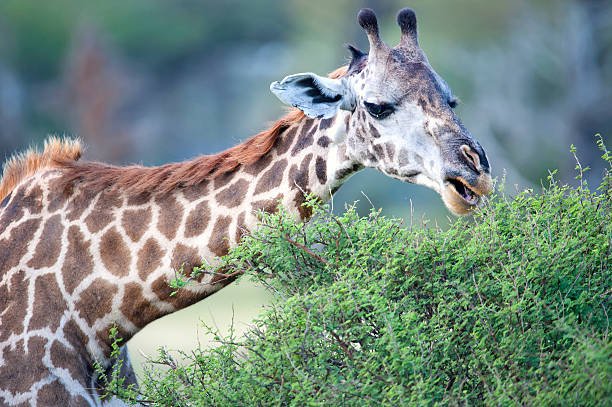
5 Days Mahale Mountains Chimpanzee Safari – Complete Package For 2026-2027
Discover the ultimate 5 Days Mahale Mountains Chimpanzee Safari. This complete package from Climb 4 Africa offers an unparalleled opportunity to witness wild chimpanzees in Tanzania's...
View package details
Katavi & Mahale Safari Cost /: Flights, Lodges & Chimp Trekking Explained
Understand the estimated costs for a 2026/2027 safari to Katavi and Mahale National Parks in Tanzania, covering flights, accommodation, chimp trekking permits, and essential budget...
View package detailsDiscount Kilimanjaro Treks: Affordable Climbs For 2026-2027
Discover how to find and book discount Kilimanjaro treks for 2026-2027. This comprehensive guide covers budget-friendly options, cost-saving tips, and what to expect from affordable climbs.
View package details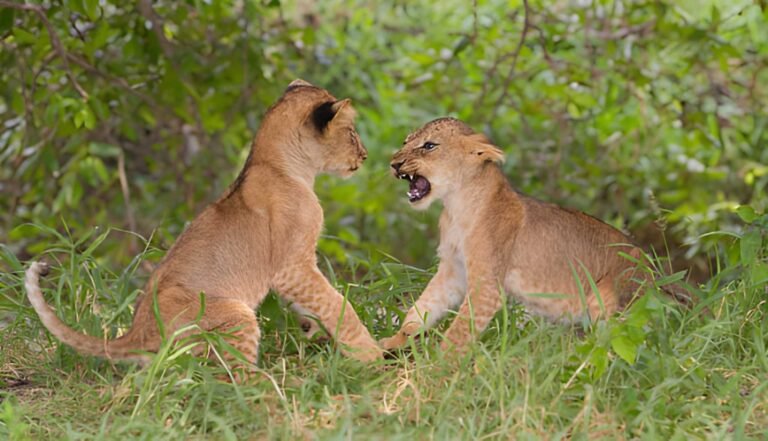
Gombe Chimpanzee Trekking Fees – Total Cost Explained 2026-2027
Gombe Chimpanzee Trekking Fees – Total Cost Explained is explained with current 2026-2027 planning, price, itinerary and booking information.
View package details
Gombe Safari From Kigoma – Chimp Trekking, Boat & Accommodation Guide
Discover the magic of Gombe Stream National Park with this comprehensive guide to planning your safari from Kigoma. Learn about chimp trekking, boat excursions, accommodation choices, and...
View package details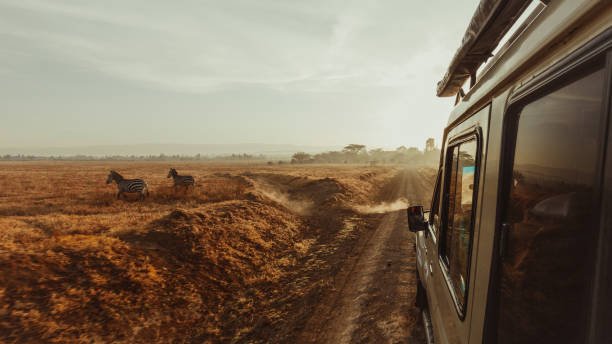
3 Days Gombe Chimpanzee Trekking: Cost, Itinerary & Expert Tips For 2026-2027
Discover the magic of Gombe Stream National Park with a 3-day chimpanzee trekking experience. This guide covers the essential itinerary, estimated costs for 2026-2027, and practical advice...
View package details
Katavi Fly-In Safari From Arusha – Your Complete Private Package 2026-2027
Discover the ultimate Katavi fly-in safari from Arusha with Climb 4 Africa's comprehensive private package. This guide details itineraries, what's included, pricing considerations for...
View package details
Mahale Fly-In Safari From Arusha – Flights, Chimp Trekking & Prices Guide
Discover the magic of Mahale Mountains National Park with a fly-in safari from Arusha. This guide covers essential details on flights, the unforgettable experience of trekking with...
View package details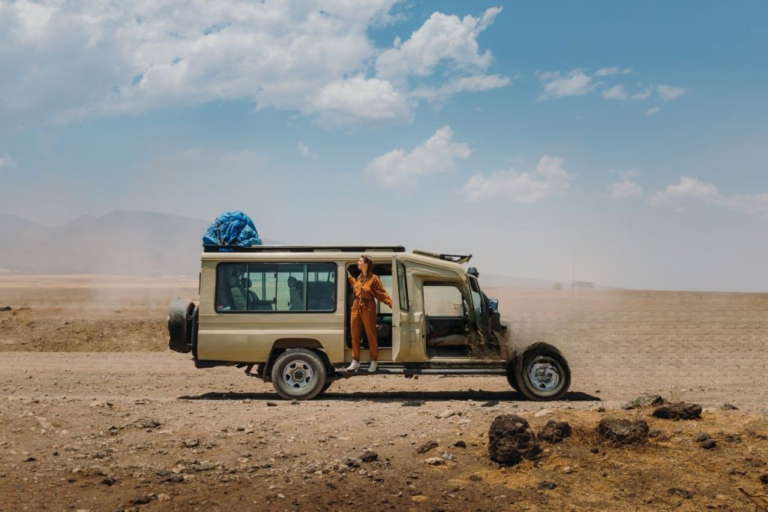
4 Days Mahale Chimpanzee Safari: Itinerary & Price Guide 2026-2027
Explore a concise 4-day itinerary for Mahale Mountains National Park, focusing on chimpanzee trekking. This guide covers typical costs, what's included, and essential planning tips for your...
View package detailsPrivate Katavi & Mahale Chimpanzee Safari: Prices, Itinerary & Planning
Discover the ultimate private safari experience in Tanzania's remote Katavi and Mahale Mountains National Parks. This guide details exclusive chimpanzee trekking, wildlife viewing, typical...
View package detailsKilimanjaro Deaths 2026-2027
Kilimanjaro Deaths 2026 is explained with current 2026-2027 planning, price, itinerary and booking information.
View package detailsYanga Africans : Your Ultimate Tanzania Safari And Kilimanjaro Adventure
Your comprehensive guide to planning a Yanga Africans 2026 adventure, covering Kilimanjaro climbs, Tanzania safaris, Zanzibar holidays, and essential travel tips for 2026-2027.
View package detailsNo related package matches those filters. Clear one or more filters to see the other topic-matched options.



