
Updated planning guide for 2026-2027
Sustainable Expedition Travel In Africa: Complete Guide 2026-2027
Discover how to plan responsible and impactful expedition travel in Africa, focusing on eco-friendly practices and community engagement. This guide offers practical advice for 2026-2027 adventures in Tanzania.
WhatsApp +255747477898 | climb4africa@gmail.com | climb4africa@gmail.com
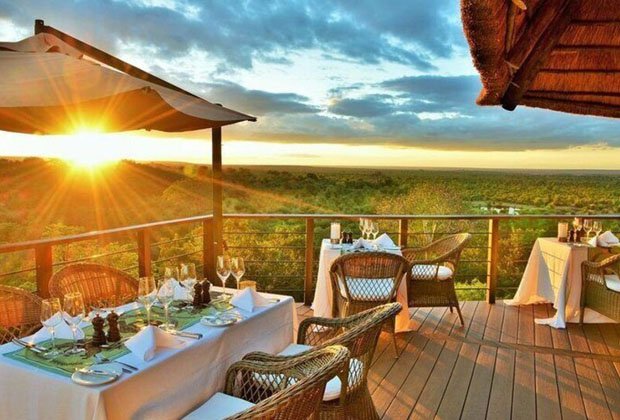
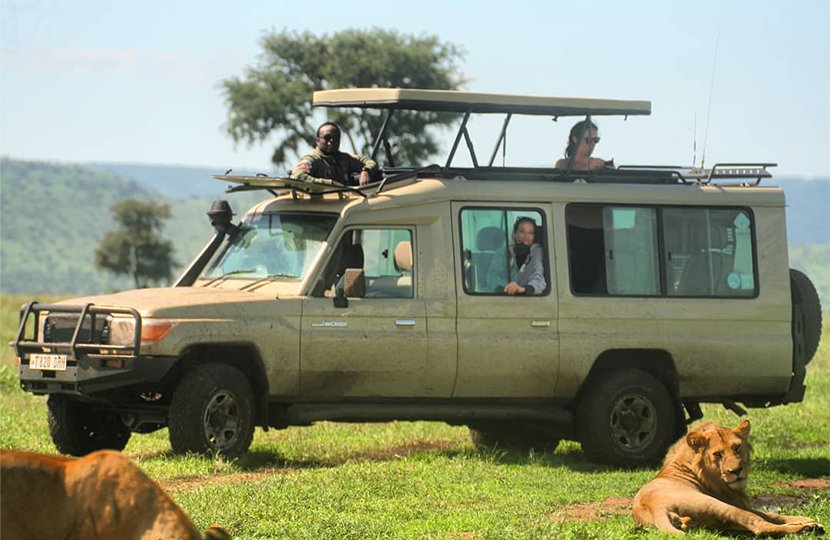
Sustainable expedition travel in Africa offers a profound way to experience the continent’s natural wonders and vibrant cultures while ensuring these experiences benefit local communities and protect the environment for future generations. For travelers seeking more than just a vacation, an African expedition provides opportunities for deep connection, personal growth, and meaningful contribution. This comprehensive guide focuses on how to plan and execute such journeys, with a special emphasis on Tanzania as a premier destination for responsible exploration in 2026 and 2027.
Choosing to travel sustainably means making conscious decisions about your accommodation, transportation, activities, and interactions. It’s about understanding the impact of tourism and actively seeking out operators and experiences that align with conservation efforts and support local economies. From the vast plains of the Serengeti to the mystical heights of Kilimanjaro and the spice-scented shores of Zanzibar, Tanzania presents a remarkable canvas for this type of travel.
Quick Answer: Sustainable Expedition Travel in Africa
Sustainable expedition travel in Africa involves planning trips that prioritize environmental conservation, community well-being, and cultural preservation. This means selecting eco-certified lodges, supporting local guides and businesses, minimizing waste, respecting wildlife, and engaging respectfully with local cultures. For 2026-2027, focus on operators in Tanzania like Climb 4 Africa who demonstrate a strong commitment to responsible tourism practices across their safari, trekking, and Zanzibar offerings.
| Aspect | Details |
|---|---|
| Primary Focus | Environmental conservation, community benefit, cultural respect. |
| Key Destinations | Serengeti, Ngorongoro, Mount Kilimanjaro, Zanzibar, Selous Game Reserve. |
| Activities | Eco-safaris, responsible wildlife viewing, community village visits, cultural tours, sustainable trekking. |
| Best Time (Dry Season) | June to October, and January to February. |
| Travel Style | Requires research and conscious choices; often involves mid-range to luxury eco-lodges and experienced local guides. |
| Operator Importance | Crucial to select operators with clear sustainability policies and certifications. |
Understanding Sustainable Expedition Travel in Africa
The concept of expedition travel often conjures images of remote exploration and challenging journeys. When coupled with sustainability, it signifies a commitment to undertaking these adventures with a minimal negative footprint and a positive impact. For Africa, this means being mindful of the delicate ecosystems and the diverse communities that call the continent home.
Why Sustainability Matters for African Expeditions
Africa’s natural beauty and cultural richness are under increasing pressure from various factors, including climate change and growing tourism numbers. Sustainable expedition travel directly addresses these challenges by:
- Conserving Wildlife Habitats: Supporting conservation efforts through park fees, responsible wildlife viewing practices, and choosing operators who work with anti-poaching initiatives.
- Supporting Local Economies: Ensuring that tourism revenue directly benefits local communities through employment, sourcing local goods and services, and supporting community-based projects.
- Preserving Cultural Heritage: Engaging with local cultures respectfully, learning about traditions, and supporting initiatives that help preserve cultural practices.
- Minimizing Environmental Impact: Reducing waste, conserving water and energy, using eco-friendly transportation where possible, and choosing accommodations with strong environmental management systems.
- Educating Travelers: Fostering a deeper understanding and appreciation for the natural world and the people of Africa, encouraging a sense of stewardship among visitors.
Choosing Your Sustainable African Expedition Destination
While many African nations offer incredible opportunities for sustainable travel, Tanzania stands out due to its diverse landscapes, commitment to conservation, and established tourism infrastructure that supports responsible operators. As you plan for 2026-2027, consider these Tanzanian highlights:
Tanzania’s Premier Sustainable Expedition Hotspots
- Serengeti National Park: Famous for the Great Migration, it offers unparalleled wildlife viewing. Sustainable safaris here focus on low-impact game drives, respecting wildlife distances, and staying at eco-lodges.
- Ngorongoro Conservation Area: A UNESCO World Heritage Site, this unique caldera hosts a high density of wildlife. Responsible tourism ensures minimal disturbance to the ecosystem and supports the Maasai communities living within the area.
- Mount Kilimanjaro: Africa’s highest peak offers a challenging trek. Sustainable trekking involves responsible waste management on the mountain, supporting local porters and guides ethically, and adhering to park regulations.
- Zanzibar Archipelago: Beyond its beautiful beaches, Zanzibar offers rich history and culture. Sustainable tourism here can involve visiting spice farms, exploring Stone Town’s heritage responsibly, and supporting marine conservation efforts.
- Selous Game Reserve (Nyerere National Park): One of Africa’s largest game reserves, offering boat safaris and walking safaris. Its vastness allows for a more exclusive and less crowded experience, aligning well with sustainable principles.
Best Time for Sustainable Expeditions in Tanzania (2026-2027)
The timing of your expedition significantly impacts your experience and can also influence your environmental footprint. Tanzania’s climate is broadly divided into dry and wet seasons, each offering different advantages for wildlife viewing and trekking.
| Season | Months | Pros for Sustainable Travel | Cons for Sustainable Travel |
|---|---|---|---|
| Dry Season (Peak) | June – October | Excellent wildlife viewing (especially migration in Serengeti), clear skies, easier trekking on Kilimanjaro, lower risk of travel disruptions. Supports lodges with lower water usage. | Higher visitor numbers may strain resources; prices can be higher. Requires booking well in advance. |
| Short Rains | November – December | Fewer crowds, dramatic landscapes, good birdwatching. Lush scenery. | Intermittent rain can affect road conditions and game drives. |
| Long Rains (Green Season) | March – May | Very few tourists, dramatic landscapes, excellent for birdwatchers, newborn animals (springtime for wildlife). Lodges often offer lower prices. | Heavy rains can make some areas inaccessible, disrupt travel plans, and make trekking on Kilimanjaro challenging. |
| Dry Season (Shoulder) | January – February | Good wildlife viewing, good for Kilimanjaro ascents (though can be hot), fewer crowds than peak dry season. | Can be hot in some areas, especially on the plains. |
For sustainable expedition travel in 2026-2027, the dry seasons (June-October and January-February) generally offer the best conditions for wildlife viewing and trekking. However, traveling during the shoulder or green seasons can offer a more authentic, less crowded experience and potentially support tourism during slower periods, which can benefit local communities more evenly.
Planning Your Sustainable Expedition Itinerary
Crafting a sustainable itinerary requires thoughtful consideration of logistics, activities, and the choice of partners. It’s about creating a journey that is both enriching for you and beneficial for Tanzania.
Sample Sustainable Safari & Trekking Itinerary (10 Days)
This sample itinerary combines a classic Northern Circuit safari with a taste of Kilimanjaro’s foothills, focusing on responsible practices.
Day 1-3: Arusha & Mount Kilimanjaro Foothills
- Arrive at Kilimanjaro International Airport (JRO).
- Transfer to an eco-lodge near Arusha.
- Day trip to Materuni village for a coffee tour and waterfall hike. Learn about local agriculture and support community-run initiatives.
- Optional: Visit a local conservation project or cultural center.
Day 4-6: Tarangire National Park
- Drive to Tarangire, known for its large elephant herds and baobab trees.
- Stay at a tented camp with strong environmental policies (e.g., solar power, waste management).
- Enjoy game drives focusing on respectful wildlife viewing, maintaining distance, and minimizing noise. Consider a guided walking safari for a more immersive experience.
Day 7-9: Serengeti National Park
- Transfer to the Serengeti, potentially via a scenic bush flight to reduce driving time and impact.
- Stay at a mobile camp that follows migration patterns or a permanent eco-lodge.
- Experience morning and afternoon game drives. Consider a hot air balloon safari for a unique, low-impact perspective (ensure operator has eco-credentials).
- Learn about conservation efforts from your guide.
Day 10: Departure
- Enjoy a final morning activity or game drive.
- Transfer back to Arusha or Kilimanjaro Airport (JRO) for your departure.
Integrating Zanzibar for a Broader Expedition
To extend your expedition, consider adding Zanzibar. This could involve flying from Arusha to Zanzibar after your safari. Your time on Zanzibar could include:
- Stone Town Exploration: A guided tour focusing on history and culture, supporting local artisans and businesses.
- Spice Farm Visit: Learning about the cultivation and use of spices, understanding their economic importance to the island.
- Marine Conservation: Participating in or visiting a project focused on coral reef protection or sea turtle conservation. Snorkeling or diving with responsible operators.
- Community Tourism: Visiting a local village to understand daily life and support community-led initiatives.
What to Expect: The Reality of Sustainable Expedition Travel
Sustainable expedition travel in Africa is rewarding but requires a different mindset. It’s not about luxury in the conventional sense, though comfortable and high-quality eco-lodges exist. It’s about authenticity and connection.
Experiences You Can Anticipate
- Close Wildlife Encounters: Observing animals in their natural habitat, understanding their behaviors without disturbance.
- Cultural Immersion: Meaningful interactions with local communities, learning about their traditions and way of life.
- Environmental Awareness: Gaining a deeper appreciation for conservation challenges and successes.
- Personal Growth: Facing challenges, adapting to new environments, and reflecting on your impact.
- Authentic Lodging: Staying in lodges and camps that are designed to blend with the environment, often powered by solar energy, and committed to waste reduction.
Potential Challenges and How to Navigate Them
- Logistics: Travel in remote areas can be slower. Flexibility is key.
- Infrastructure: While improving, some areas may have less developed infrastructure. This is part of the expedition experience.
- Communication: Internet and phone service can be spotty in remote locations. Embrace the digital detox.
- Cultural Differences: Be open to different customs and ways of life. A respectful attitude goes a long way.
Inclusions, Packing, and Preparation for Your Expedition
Thorough preparation is essential for a successful and responsible expedition. This includes understanding what your tour package covers and packing appropriately.
Typical Inclusions in Sustainable Tour Packages
Reputable operators offering sustainable expeditions typically include:
- Accommodation in eco-lodges or tented camps.
- All meals, often featuring locally sourced ingredients.
- Expert local guides and support staff (drivers, porters for treks).
- Park entrance fees and conservation levies.
- Internal transfers (vehicle, bush flights where applicable).
- Specific activities mentioned in the itinerary (e.g., game drives, guided walks).
- A commitment to ethical employment practices for staff.
Note: Always clarify what is included. International flights, visas, travel insurance, personal expenses, tips, and optional activities are usually extra.
Sustainable Packing List Essentials
Packing light and smart is crucial for reducing your carbon footprint and making travel easier. Focus on multi-functional, durable items.
- Clothing: Neutral-colored, lightweight, breathable fabrics (cotton, linen, quick-dry synthetics). Layers are essential. Include long sleeves and trousers for sun and insect protection.
- Footwear: Comfortable, broken-in hiking boots for trekking. Sturdy walking shoes or sandals for safari/lodge wear.
- Sun Protection: High SPF sunscreen, wide-brimmed hat, sunglasses.
- Insect Repellent: With DEET or Picaridin.
- Reusable Water Bottle: Essential for reducing plastic waste. Many lodges provide filtered water.
- Headlamp/Torch: For evenings and early mornings.
- Camera & Binoculars: To enhance wildlife viewing. Consider solar chargers.
- Basic First-Aid Kit: Including personal medications.
- Small Backpack: For day trips and hikes.
- Eco-friendly Toiletries: Biodegradable soaps, shampoos, and conditioners.
- Power Bank/Solar Charger: To keep devices charged off-grid.
Pre-Trip Preparation Checklist (2026-2027)
- Research Operators: Verify sustainability practices and certifications.
- Book Flights & Visas: Allow ample time for processing.
- Obtain Travel Insurance: Ensure it covers medical emergencies and remote travel.
- Vaccinations & Medications: Consult your doctor or a travel clinic 4-6 weeks before departure.
- Physical Fitness: Prepare for trekking or long days of activity.
- Learn Basic Swahili Phrases: A few words show respect and enhance interactions.
- Understand Local Customs: Research etiquette for greetings, dress code, and photography.
- Pack Sustainably: Choose eco-friendly gear and minimize single-use plastics.
- Inform Operator of Dietary Needs: If applicable.
- Currency: Understand local currency and payment methods.
Common Mistakes to Avoid in Sustainable Expedition Travel
Even with the best intentions, travelers can inadvertently make choices that undermine their sustainability goals. Being aware of common pitfalls can help you avoid them.
- Choosing the Cheapest Option: The lowest price often means compromises on ethical labor, conservation contributions, or environmental standards.
- Ignoring Operator Credentials: Not verifying an operator’s sustainability claims. Look for certifications or detailed policies.
- Single-Use Plastics: Relying on bottled water or accepting plastic bags without seeking alternatives.
- Disturbing Wildlife: Getting too close, feeding animals, or making excessive noise during game drives.
- Disrespectful Cultural Interactions: Taking photos without permission, being dismissive of local customs, or engaging in exploitative tourism.
- Overpacking: Heavier luggage means higher fuel consumption for transport.
- Not Researching Local Needs: Giving unsolicited advice or items to communities without understanding their actual needs or existing programs.
- Ignoring Waste Management: Leaving litter behind, especially on trails or in natural areas.
Who is Sustainable Expedition Travel in Africa Best For?
This style of travel appeals to a specific type of adventurer. It is ideal for:
- Conscious Travelers: Individuals who prioritize ethical and environmental considerations in their travel choices.
- Nature Enthusiasts: Those deeply interested in wildlife, conservation, and natural landscapes.
- Cultural Explorers: Travelers seeking authentic interactions and a deeper understanding of local cultures.
- Adventure Seekers: People looking for active experiences like trekking, walking safaris, and exploring remote areas.
- Educated Tourists: Those who want to learn about the destinations they visit and contribute positively.
- Travelers Seeking Authenticity: Individuals who prefer genuine experiences over mass tourism.
It may not be the best fit for those seeking purely resort-style relaxation, budget backpacking with minimal impact considerations, or those unwilling to step outside their comfort zone.
Alternatives to Consider
While sustainable expedition travel is highly recommended, other travel styles might align better with different traveler priorities or budgets.
- Standard Safaris: Focus on wildlife viewing, often with a wider range of accommodation and price points. Sustainability might be a secondary consideration.
- Luxury Safaris: Emphasize high-end lodges, exclusive experiences, and personalized service. Many luxury operators are now incorporating strong sustainability initiatives.
- Budget Backpacking: Focuses on low costs, often involving hostels and public transport. Requires significant personal effort to ensure sustainability.
- Volunteer Tourism: Directly engaging in community or conservation projects, often requiring a longer commitment and specific skills. Ensure projects are ethically run and truly beneficial.
The key is to research any chosen travel style to understand its potential impacts and how to mitigate them.
Planning Your Sustainable Expedition for 2026-2027
Planning ahead is crucial, especially for sustainable travel, as reputable operators often have limited capacity and high demand. Starting your planning for 2026-2027 now is wise.
Key Considerations for 2026-2027 Planning
- Lead Time: For popular eco-lodges and ethical operators, booking 9-18 months in advance is recommended, particularly for peak seasons.
- Operator Vetting: Dedicate time to thoroughly research potential tour operators. Ask specific questions about their conservation projects, community engagement, waste management policies, and staff treatment.
- Certification Checks: Look for recognized eco-certifications (though not all excellent operators have formal certification).
- Itinerary Customization: Work with your chosen operator to tailor an itinerary that aligns with your sustainability goals and interests.
- Budget Allocation: Sustainable travel can sometimes be more expensive upfront due to higher operational costs (e.g., quality guides, eco-friendly infrastructure, community contributions). Factor this into your budget.
- Flexibility: Be prepared for minor adjustments. Sustainable operations often work closely with natural rhythms and local conditions.
A Booking Timeline Example (for 2027 travel)
| Timeframe | Action Items |
|---|---|
| 12-18 Months Prior | Begin research on destinations and operators. Define your interests (safari, trekking, culture). Contact a few highly recommended operators for initial quotes and sustainability information. |
| 9-12 Months Prior | Select your operator. Confirm itinerary details and inclusions. Pay initial deposit to secure bookings for lodges and guides. |
| 6-9 Months Prior | Book international flights. Apply for any necessary visas. Start researching travel insurance. |
| 3-6 Months Prior | Consult doctor for vaccinations and malaria prophylaxis. Begin a fitness program if trekking is involved. Purchase specialized gear (hiking boots, etc.). |
| 1-3 Months Prior | Finalize payments. Confirm all travel details. Pack essentials, ensuring sustainable choices. Learn a few Swahili phrases. |
| 1-2 Weeks Prior | Reconfirm flights and accommodations. Pack final items. Inform bank of travel dates. Print important documents. |
| During Trip | Practice responsible tourism principles. Be mindful of waste, water, and energy. Engage respectfully with local communities. |
| Post-Trip | Share your experiences and feedback with the operator. Consider supporting ongoing conservation or community projects. |
Booking Your Sustainable Expedition with Confidence
Choosing the right tour operator is paramount for a successful sustainable expedition. Look for companies with a genuine commitment to ethical practices and a deep understanding of Tanzania’s environment and culture.
How to Choose a Responsible Tour Operator
- Ask Specific Questions: Don’t settle for vague answers. Inquire about their conservation policies, how they support local communities, waste management procedures, and staff welfare.
- Look for Transparency: A good operator will be open about their practices and happy to share details.
- Check Reviews and Testimonials: Seek feedback from previous clients, paying attention to comments on responsible travel aspects.
- Certifications: While not the only indicator, recognized eco-certifications can be a helpful sign.
- Local Expertise: Operators based in Tanzania or with long-standing local partnerships often have a better understanding of sustainable practices on the ground.
Contact Us for Your Sustainable African Adventure
At Climb 4 Africa, we are passionate about offering authentic and responsible travel experiences in Tanzania. We work closely with local communities and conservation initiatives to ensure our tours benefit everyone involved. Whether you dream of a Serengeti safari, a Kilimanjaro climb, or a Zanzibar escape, we can help you craft a sustainable expedition that leaves a positive legacy.
Get in touch to start planning your unforgettable journey for 2026 or 2027:
- WhatsApp: +255747477898
- Email: climb4africa@gmail.com
- Backup Email: climb4africa@gmail.com
We specialize in creating custom itineraries that align with your interests and commitment to sustainable expedition travel in Africa.
Frequently Asked Questions (FAQs)
Q1: What makes an expedition ‘sustainable’ in Africa?
Sustainable expedition travel in Africa means minimizing negative environmental and social impacts while maximizing positive contributions. This includes supporting conservation efforts, engaging respectfully with local cultures, employing local staff ethically, reducing waste, and conserving resources like water and energy.
Q2: Is sustainable travel more expensive?
It can be, as operators invest more in eco-friendly infrastructure, fair wages, and community projects. However, the value lies in the quality of the experience, the positive impact, and the long-term preservation of the destinations you visit. Often, it represents better value for money when considering the overall benefits.
Q3: How can I reduce plastic waste during my trip?
Carry a reusable water bottle and a water filter or purification tablets. Refuse single-use plastic bags and straws. Choose lodges that offer filtered water refill stations. Be mindful of packaging when purchasing souvenirs.
Q4: What are the best ways to support local communities?
Choose tour operators that employ local guides and staff at fair wages. Purchase handicrafts directly from artisans. Visit community-owned projects or cultural centers. Be respectful and engage genuinely in conversations.
Q5: Is it safe to travel to Tanzania for an expedition in 2026-2027?
Tanzania is generally a safe destination for tourists, particularly when traveling with reputable operators. Standard safety precautions apply. It’s advisable to stay informed about local conditions and follow the guidance of your tour operator and local authorities.
Q6: What is the difference between a safari and an expedition?
A safari is primarily focused on wildlife viewing. An expedition implies a more in-depth, often more adventurous journey that might include trekking, cultural immersion, and a deeper exploration of a region’s natural and social landscape, with a strong emphasis on responsible practices.
Q7: Do I need special permits for sustainable tourism activities?
For national parks and conservation areas, entrance fees and permits are typically included in your tour package. For specific activities like trekking Mount Kilimanjaro or certain walking safaris, specific permits are required and handled by the tour operator.
Q8: How can I ensure my wildlife viewing is responsible?
Maintain a safe and respectful distance from animals. Avoid loud noises or sudden movements that could disturb them. Never feed wildlife. Stay on designated tracks and follow your guide’s instructions. Choose operators who adhere to strict wildlife viewing protocols.
Q9: What should I do if I encounter a situation that seems unsustainable or unethical?
If you witness or experience something concerning, it’s best to discreetly bring it to the attention of your guide or tour operator immediately. They are best placed to address the situation appropriately and can offer guidance.
Q10: Can I combine a safari with trekking Kilimanjaro sustainably?
Yes, this is a popular combination. Ensure your operator has strong sustainability policies for both safari operations and Kilimanjaro treks, covering waste management on the mountain, ethical porter treatment, and responsible wildlife viewing.
Planning sustainable expedition travel in Africa for 2026-2027 offers a chance to connect deeply with the continent while making a positive difference. By choosing responsible operators and making conscious decisions, you can ensure your adventure is both personally enriching and beneficial to the places and people you encounter.
Ready to Plan Your Sustainable Expedition to Africa?
Let Climb 4 Africa help you create a memorable and responsible journey. We are committed to sustainable expedition travel in Africa, offering tailored safaris, Kilimanjaro treks, and Zanzibar experiences that respect the environment and empower local communities. Contact us today to discuss your dream adventure for 2026 or 2027.
WhatsApp: +255747477898
Email: climb4africa@gmail.com
Backup Email: climb4africa@gmail.com
Plan your Sustainable Expedition Travel in Africa with Climb 4 Africa
Tell us your travel dates, group size, comfort level, and dream experience. We will help you shape a clear, realistic, and memorable Tanzania itinerary.



