
The Songea to Namtumbo Historical Route is a significant corridor in Tanzania’s Ruvuma Region, connecting the town of Songea to the smaller district of Namtumbo. This route is historically important for its role in trade, administration, and notably, as a pathway during the Maji Maji Rebellion era. Traveling this route today offers a glimpse into the region’s past, cultural heritage, and the daily lives of its people, with modern travel becoming increasingly accessible for 2026-2027 explorations.
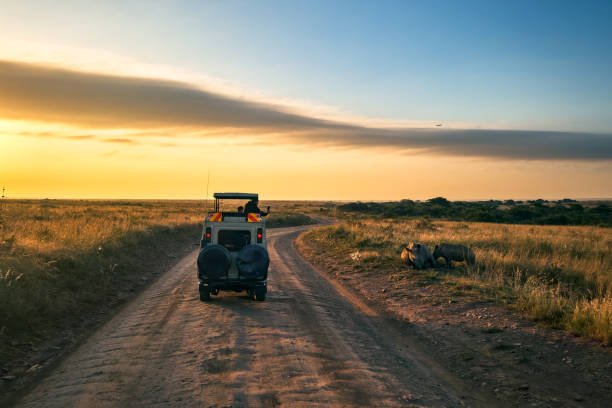

Unveiling the Songea to Namtumbo Historical Route
The Songea to Namtumbo Historical Route, though perhaps not as widely publicized as some of Tanzania’s more famous tourist trails, holds a deep and compelling narrative within its dusty tracks and scattered settlements. Located in the southern reaches of Tanzania, within the Ruvuma Region, this pathway is more than just a geographical connection between two points; it is a conduit to understanding a crucial segment of Tanzanian history, particularly its colonial past and resistance movements. For travelers planning adventures in 2026 or 2027, exploring this route promises an authentic experience away from the typical tourist crowds, offering profound insights into the resilience and heritage of the region.
Songea, the administrative capital of the Ruvuma Region, serves as a natural starting point. It’s a bustling town with a rich history, most famously linked to Chief Songea Mbwindi, a pivotal figure in the Maji Maji Rebellion against German colonial rule. The town itself bears his name and is a hub of activity, trade, and local culture. From Songea, the route extends north-eastwards towards Namtumbo, a district center that, while smaller, is equally steeped in the region’s historical fabric. The journey between these two points traverses landscapes that have witnessed centuries of human activity, from ancient trade routes to the battlegrounds of colonial resistance.
The historical significance of this route is multifaceted. It was a vital artery during the late 19th and early 20th centuries, facilitating the movement of goods, people, and ideas. More critically, it played a role in the events of the Maji Maji War (1905-1907), a widespread uprising against German East Africa’s oppressive policies. The area around Songea and Namtumbo was a significant theater of this conflict, with local leaders and communities mobilizing to defend their lands and way of life. Understanding this history adds a profound layer to the physical journey, transforming it from a simple road trip into a moving historical expedition.
For the modern traveler, the Songea to Namtumbo Historical Route presents an opportunity for immersive cultural tourism and historical exploration. It is a chance to connect with the land and its people on a more intimate level, to witness traditional ways of life that persist alongside modern development, and to pay homage to the historical figures and events that shaped this part of Tanzania. As we look towards travel in 2026-2027, the allure of such authentic, off-the-beaten-path experiences is growing, making this route an increasingly attractive prospect for discerning adventurers.
Historical Roots: The Maji Maji Rebellion and Beyond
The most prominent historical narrative woven into the fabric of the Songea to Namtumbo Historical Route is undeniably the Maji Maji Rebellion. This was not just a localized uprising but a widespread, coordinated resistance movement by various ethnic groups across German East Africa against the harsh imposition of colonial rule, particularly the forced cultivation of cotton and oppressive taxation. The Ruvuma region, with Songea as a key center, was a crucial stronghold of this resistance.
Chief Songea Mbwindi: A Symbol of Defiance
Central to the story is Chief Songea Mbwindi of the Ngoni people. He was a charismatic leader who rallied his community and neighboring groups against the German authorities. His defiance, and the bravery of his warriors, inspired many. The German response was brutal and systematic, aiming to crush the rebellion and make an example of its leaders. Chief Songea himself was captured and executed by the Germans in February 1906. His martyrdom cemented his status as a national hero and a symbol of the struggle for freedom. The town of Songea bears his name, a constant reminder of his legacy and the sacrifices made during this turbulent period.
The Route as a Battlefield and Escape Path
The terrain between Songea and Namtumbo, and the surrounding areas, became a significant theater of operations during the rebellion. German forces moved through these areas to quell resistance, while rebel fighters utilized the landscape for ambushes and evasive maneuvers. The route itself, in its early forms, would have been used by both sides. For the Maji Maji warriors, it was a path to gather forces, communicate between villages, and, when necessary, retreat. For the Germans, it was a means to project power and pursue the rebels.
The aftermath of the rebellion was devastating. German retribution was severe, with villages destroyed, crops burned, and thousands killed. The rebellion, though ultimately suppressed, had a profound impact on the future of Tanzania, sowing seeds of national consciousness and fueling the eventual fight for independence in the decades that followed. The historical sites and the collective memory associated with the Maji Maji War in the Songea and Namtumbo areas are a vital part of Tanzania’s heritage.
Beyond Maji Maji: Ancient Trade and Migrations
While the Maji Maji Rebellion is the most dramatic historical chapter, the Songea to Namtumbo route has likely been a conduit for human movement and trade for much longer. The Southern Highlands region has a history of migrations, including the arrival of the Ngoni people from the south in the 19th century, who significantly influenced the region’s social and political landscape. Ancient trade routes, possibly connecting to coastal Swahili city-states or inland networks, might have also utilized parts of this corridor, facilitating the exchange of goods like salt, iron, and agricultural produce.
Understanding these deeper historical layers enriches the experience of traveling the route. It allows for an appreciation of the enduring human spirit and the complex mix of cultures that have shaped this land over centuries. For travelers in 2026-2027 seeking a connection to authentic African history, these narratives provide a powerful context.
Navigating the Songea to Namtumbo Route Today
While the historical resonance of the Songea to Namtumbo route is profound, its modern-day accessibility and travel experience are crucial for planning a trip. The route is primarily a road connection, and its condition can vary significantly, influencing travel times and the type of vehicle required.
Road Conditions and Travel Logistics
The road connecting Songea to Namtumbo is largely a dirt or gravel road. While improvements are ongoing in many parts of Tanzania, especially on major arteries, secondary routes like this can be less predictable. During the dry season, the road is generally passable, though it can be dusty. Travel times can be influenced by the condition of the road, the type of vehicle, and the number of stops made for sightseeing or cultural interactions.
For travelers venturing on this route, particularly in 2026-2027, it is highly recommended to use a sturdy 4×4 vehicle. This ensures comfort and capability, especially if there are any unpaved sections or if the weather turns unfavorable, leading to muddy conditions. Self-driving is possible for experienced adventurers comfortable with navigating rural Tanzanian roads, but hiring a local guide or driver is often a more practical and insightful option. Local guides possess invaluable knowledge of the terrain, local customs, and historical context, enhancing the overall journey.
The distance between Songea and Namtumbo is approximately 80-100 kilometers, depending on the exact path taken. What might seem like a short distance on a map can translate into a journey of several hours due to the road conditions. This slower pace, however, is part of the charm, allowing for a more relaxed exploration of the landscapes and communities encountered along the way.
What to Expect: Landscapes and Settlements
The journey from Songea to Namtumbo offers a scenic transition through the Southern Highlands. You’ll pass through agricultural lands where local communities cultivate crops like maize, cassava, and beans. Patches of miombo woodland are common, characteristic of this part of Tanzania. The landscape is generally undulating, offering pleasant views.
Along the route, you’ll encounter smaller villages and settlements, each offering a glimpse into rural Tanzanian life. These are opportunities to witness daily activities, interact with local people (with respect and cultural sensitivity), and perhaps even sample local produce. The pace of life in these areas is considerably slower than in larger towns, providing a refreshing contrast for visitors.
Namtumbo itself is a district headquarters, serving the surrounding rural population. It’s a place where local administration, markets, and essential services converge. While it may not have the tourist infrastructure of more developed areas, it serves as a focal point for the region’s community and offers further insights into the local culture and history.
Planning Your Trip for 2026-2027
When planning a trip along the Songea to Namtumbo Historical Route for 2026 or 2027, consider the following:
- Best Time to Travel: The dry season, typically from June to October, is the most favorable for road travel. The shoulder months of May and November can also be good, but there’s a higher chance of rain. The wet season (roughly December to April) can make some sections of the road challenging.
- Accommodation: Options in Namtumbo are basic, likely consisting of guesthouses or simple lodges. Songea offers more variety, including mid-range hotels. For a more comfortable and curated experience, especially if combining this route with other Southern Highlands destinations, consider arranging accommodation through a local tour operator.
- Activities: The primary activities revolve around historical exploration, cultural immersion, and appreciating the rural landscapes. Visiting local markets, understanding agricultural practices, and learning about the Maji Maji Rebellion from local perspectives are key.
- Connectivity: Mobile phone reception can be spotty outside of Songea and Namtumbo. It’s advisable to download offline maps and inform someone of your travel plans.
Cultural Encounters and Local Life
Traveling the Songea to Namtumbo Historical Route is as much about the human element as it is about the historical sites. The Ruvuma Region is home to a diverse mix of ethnic groups, each with its own traditions, languages, and customs. The Ngoni people, with their warrior heritage, are prominent, but other groups also contribute to the cultural mosaic.
Interacting with Local Communities
When you travel this route, you are entering communities where life often follows traditional rhythms. A respectful approach is paramount. Learning a few basic Swahili phrases (like ‘Jambo’ for hello, ‘Asante’ for thank you) can go a long way in fostering positive interactions. Always ask for permission before taking photographs of people, and be mindful of local customs regarding dress and behavior, especially in more conservative areas.
Visiting local markets is a fantastic way to experience the vibrancy of community life. These bustling hubs are where people gather to sell produce, crafts, livestock, and household goods. They offer a sensory feast of sights, sounds, and smells, and are excellent places to observe daily commerce and social interactions. You might find yourself sampling local fruits, admiring handmade textiles, or simply soaking in the atmosphere.
Understanding Local Livelihoods
Agriculture forms the backbone of the economy in this region. You’ll see fields of maize, cassava, beans, and groundnuts, which are staple crops. In some areas, there might be small-scale livestock farming. Understanding these livelihoods provides context for the daily lives of the people you meet. If you have the opportunity, engaging with local farmers or artisans can offer deep insights into their skills, challenges, and traditions.
The route also passes through areas where traditional practices are still very much alive. This could include traditional building methods, local methods of food preparation, or community social structures. For travelers in 2026-2027 looking for authentic cultural experiences, these elements are invaluable.
The Legacy of the Ngoni People
The Ngoni are a significant ethnic group in this region, known for their history of migration and their strong warrior traditions. Their arrival in the 19th century brought about significant social and political changes. While modern life has evolved, elements of Ngoni culture, such as their music, dance, and storytelling, may still be present. Learning about their history, their role in the Maji Maji Rebellion, and their enduring cultural identity adds a rich dimension to the journey along the Songea to Namtumbo route.
Beyond the Route: Exploring the Ruvuma Region
While the Songea to Namtumbo Historical Route itself is a compelling journey, it can also serve as a gateway to exploring other attractions within the Ruvuma Region and the broader Southern Highlands of Tanzania. This less-visited part of the country offers unique landscapes, wildlife, and cultural experiences.
Mikumi National Park and Selous Game Reserve (Nyerere National Park)
Although not directly adjacent to the Songea-Namtumbo route, these major wildlife destinations are accessible from the southern circuit. Mikumi National Park is often considered the ‘Serengeti of the South’ and is relatively accessible from the main road network. Further north-east lies Nyerere National Park (formerly Selous Game Reserve), one of the largest game reserves in Africa, offering diverse wildlife viewing opportunities, including boat safaris on the Rufiji River.
For those undertaking a comprehensive 2026-2027 Southern Tanzania adventure, combining the historical route with a safari in Mikumi or Nyerere National Park can create a well-rounded experience, blending cultural and historical depth with iconic wildlife encounters.
The Ruvuma River and Borderlands
The Ruvuma River forms a significant part of Tanzania’s southern border with Mozambique. This riverine landscape holds its own historical importance, having been a frontier zone and a route for movement and trade for centuries. Exploring areas near the Ruvuma River can offer insights into borderland dynamics, unique ecosystems, and the lives of communities living along this natural boundary.
Cultural Tourism in Southern Tanzania
The Southern Highlands, including the Ruvuma Region, are ideal for travelers seeking authentic cultural tourism. Beyond the Songea-Namtumbo route, opportunities exist to visit communities of the Makonde people (known for their intricate wood carvings, though their heartland is further east), explore traditional villages, and learn about local crafts and traditions. This region offers a stark contrast to the more commercialized tourist circuits in northern Tanzania, providing a more genuine and less crowded experience.
For travelers looking for something different in 2026-2027, the Southern Highlands, with the Songea to Namtumbo Historical Route as a focal point, presents a compelling case for a more immersive and historically rich Tanzanian adventure.
Planning Your 2026-2027 Historical Adventure
As you consider a journey along the Songea to Namtumbo Historical Route for your 2026 or 2027 travels, careful planning will ensure a rewarding and memorable experience. This route is best suited for travelers who are keen on history, culture, and exploring off-the-beaten-path destinations.
Customizing Your Itinerary
Climb 4 Africa specializes in crafting custom itineraries that cater to individual interests. Whether you wish to focus deeply on the Maji Maji Rebellion, spend more time interacting with local communities, or combine the historical route with other Southern Highlands attractions, we can design a trip that fits your preferences. Our expertise in navigating this region ensures a smooth and enriching journey.
A typical itinerary might involve spending a day or two in Songea to explore its historical sites and museums, followed by a guided journey along the route to Namtumbo, with stops at significant points of interest and villages along the way. Extending the trip to include other parts of the Ruvuma Region or nearby national parks is also feasible.
Why Choose Climb 4 Africa?
Navigating the less-traveled paths of Tanzania requires local knowledge and logistical expertise. Climb 4 Africa offers:
- Local Expertise: Our team has in-depth knowledge of the Southern Highlands, including the historical nuances of the Songea to Namtumbo route and the cultural practices of the local communities.
- Customization: We pride ourselves on creating tailor-made trips that align with your specific interests, budget, and travel style for 2026-2027.
- Reliable Logistics: We arrange for appropriate 4×4 vehicles, experienced drivers/guides, and suitable accommodation to ensure your comfort and safety.
- Authentic Experiences: We focus on providing genuine cultural interactions and historical insights, moving beyond superficial tourism.
For inquiries about planning your 2026-2027 historical and cultural adventure along the Songea to Namtumbo route, please feel free to contact us. You can reach us via WhatsApp at +255747477898 or by email at climb4africa@gmail.com. For alternative communication, you can also use climb4africa@gmail.com.
Traveling the Songea to Namtumbo Historical Route is an opportunity to connect with a vital, yet often overlooked, chapter of Tanzanian history. It’s a journey that rewards the curious traveler with deep insights into the land, its people, and their enduring spirit. We look forward to helping you explore this unique part of Tanzania.
Check Availability for The Songea To Namtumbo Historical Route: A Journey Through Tanzanias…
Ready to compare dates, prices, and the best option for your group? Send the package name and travel month so the team can reply with a clear quote, availability, and what is included.
 Namtumbo And Maji Route: Tanzanias Historical Wildlife Journey 2026-2027Discover the rich history and diverse wildlife of the Namtumbo and Maji Maji Route, a compelling journey through Tanzania's southern region…View packageNamtumbo Forest Adventure: Your Ultimate Tanzania Exploration Guide 2026-2027Discover the untamed beauty of Namtumbo Forest on an adventure tailored by Climb 4 Africa. This guide explores the unique ecosystems…View package
 Namtumbo Cultural Village Experience: Authentic Tanzania Immersion With TopImmerse yourself in the vibrant heart of Tanzania with the Namtumbo Cultural Village Experience. This unique journey offers profound connections…View package
 Namtumbo Maji Heritage Tour: Unveiling Southern Tanzanias Resistance HistoryA detailed 2026-2027 guide to Namtumbo Maji Maji Heritage Tour, with clear planning and booking information for travelers.View package
 Tunduru Cashew Farm Experience GuideExplore the rich world of cashew farming in Tunduru, Tanzania. This comprehensive guide covers everything from cultivation and harvesting to…View package
 Tunduru Wildlife Corridor Tour: Exploring Tanzanias Untamed Southern CircuitExperience the raw beauty and incredible wildlife of Tanzania's southern circuit with a Tunduru Wildlife Corridor Tour. This comprehensive guide…View packageTunduru Rural Village Adventure: Authentic Tanzania Experiences In 2026-2027Explore the heart of rural Tanzania with a Tunduru Village Adventure. This guide details authentic cultural interactions, daily life insights…View package
 2-Day Tunduru Cultural Tour: An Immersive Experience In Tanzanias GemstoneExplore the unique cultural heritage and gemstone mining traditions of Tunduru in a comprehensive 2-day tour. This itinerary offers an authentic…View package


